Today, artificial intelligence, automation, and digital systems shape everyday life — how we work, communicate, think, and imagine the future. Herbert Marcuse argued that technology is never politically neutral; that is, it develops within economic and institutional structures that shape our behavior. And this perception of technology often seems natural and inevitable to us.
In science fiction and popular culture more broadly, technology is also often presented as an autonomous force, even as an antagonist to humanity — a force capable of escaping human control. But can we really speak of technology as something outside of ourselves?
In this exhibition, technology is considered as an extension of human imagination, knowledge, and the ability to make decisions. Yuval Noah Harari also reminds us that, since humans themselves are products of evolution, everything we create — from a stone axe to the advent of artificial intelligence — is part of nature. In this sense, we can think of technology as one of the ways in which humanity naturally manifests itself.
Technologies do not emerge from nowhere, automatically, or inevitably. They emerge as a result of specific decisions, the work of institutions, actions, and visions of the future, reflecting human values, aspirations, and, in a certain sense, even desires and ambitions.
But if we speak of technology as an extension of the human, another question arises: what happens to human agency as our decisions become mediated by economic and political structures? Where does responsibility begin when our actions are conditioned by systems that exceed the scale of the individual?
The current exhibition presents these two sides simultaneously. On the one hand, technological reality is shaped by institutions, relationships, and structures of power, while on the other, the subject continues to emerge within the conditions, forms of action, and freedoms that develop within them.
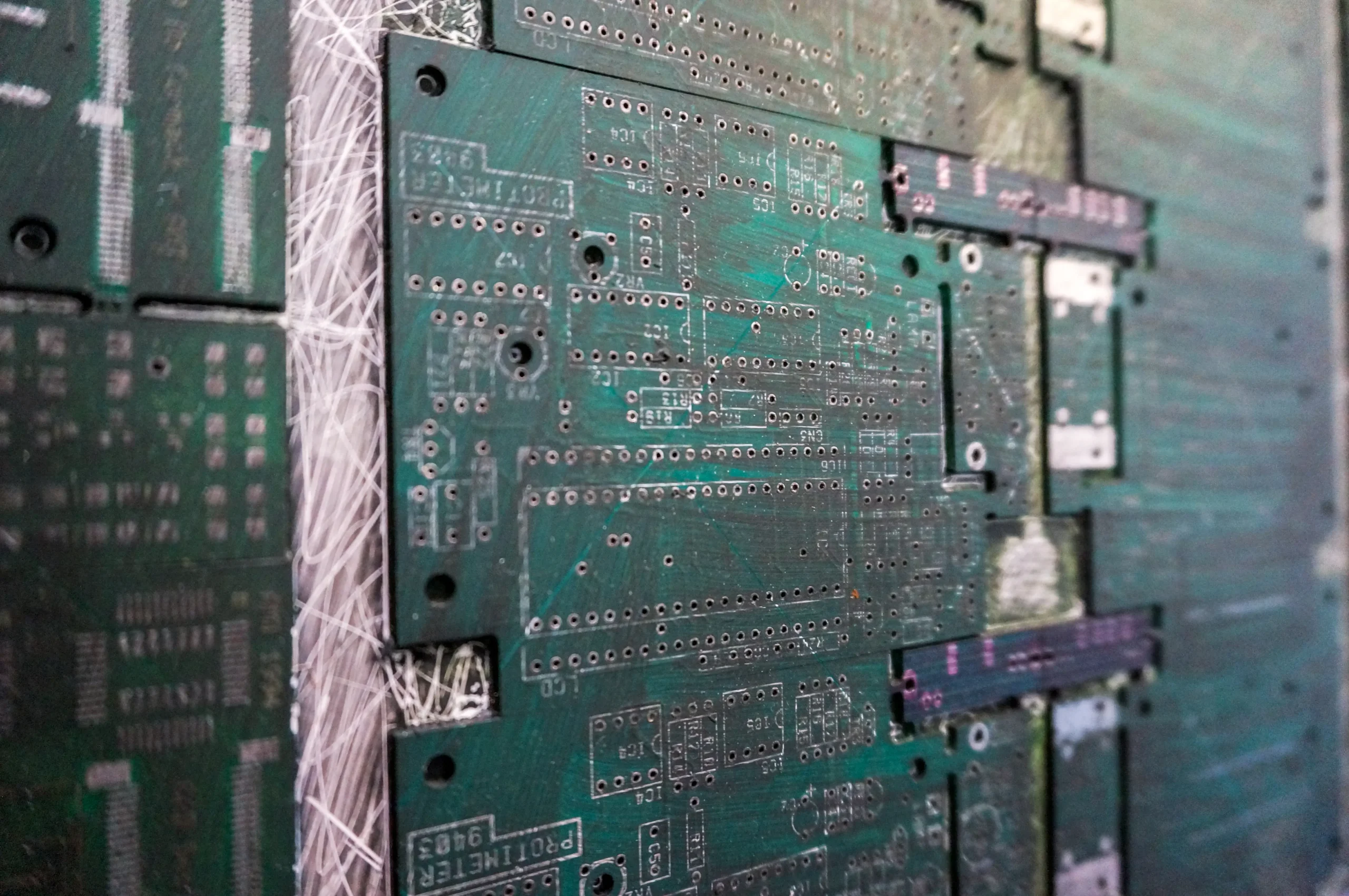
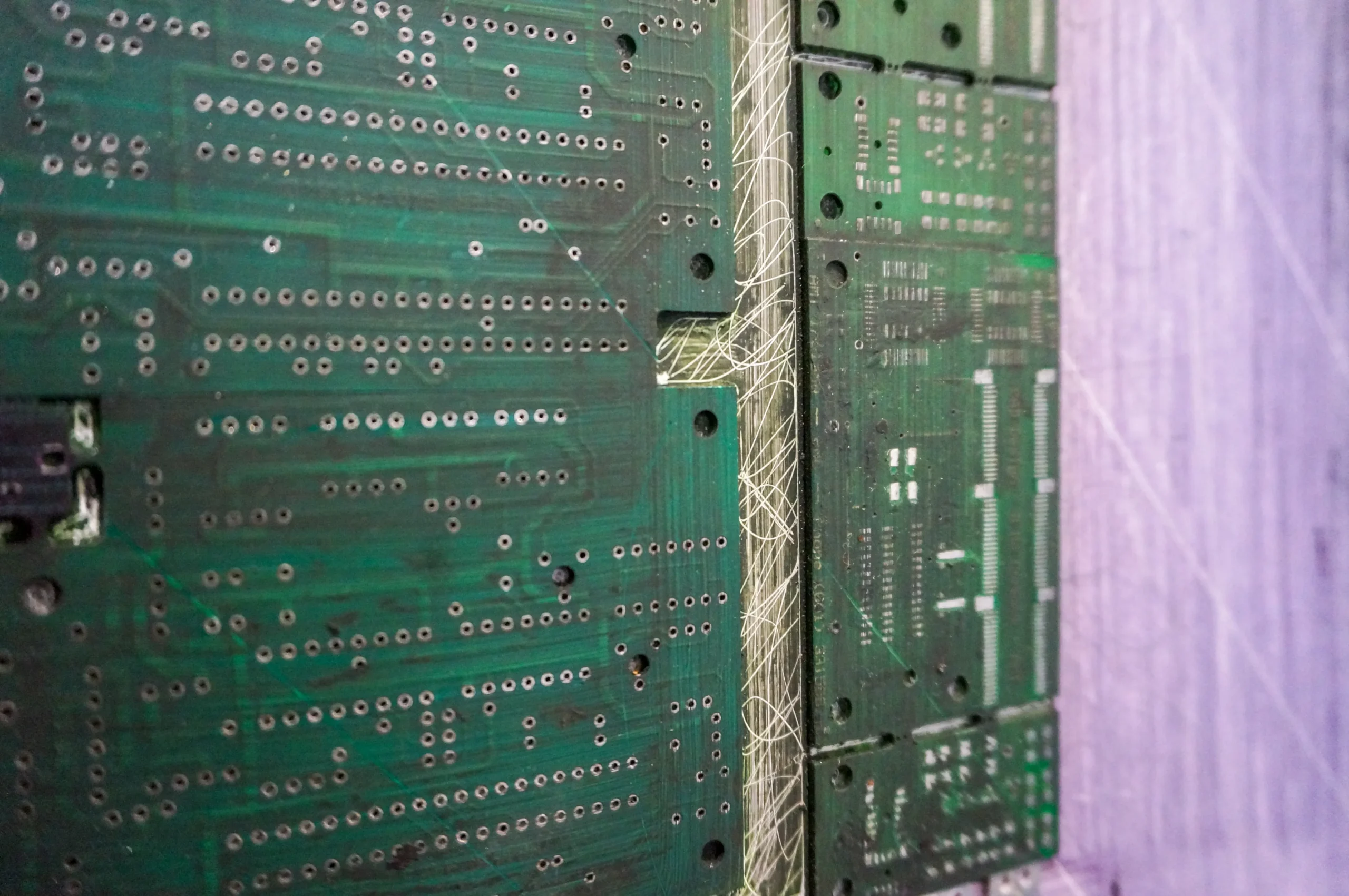
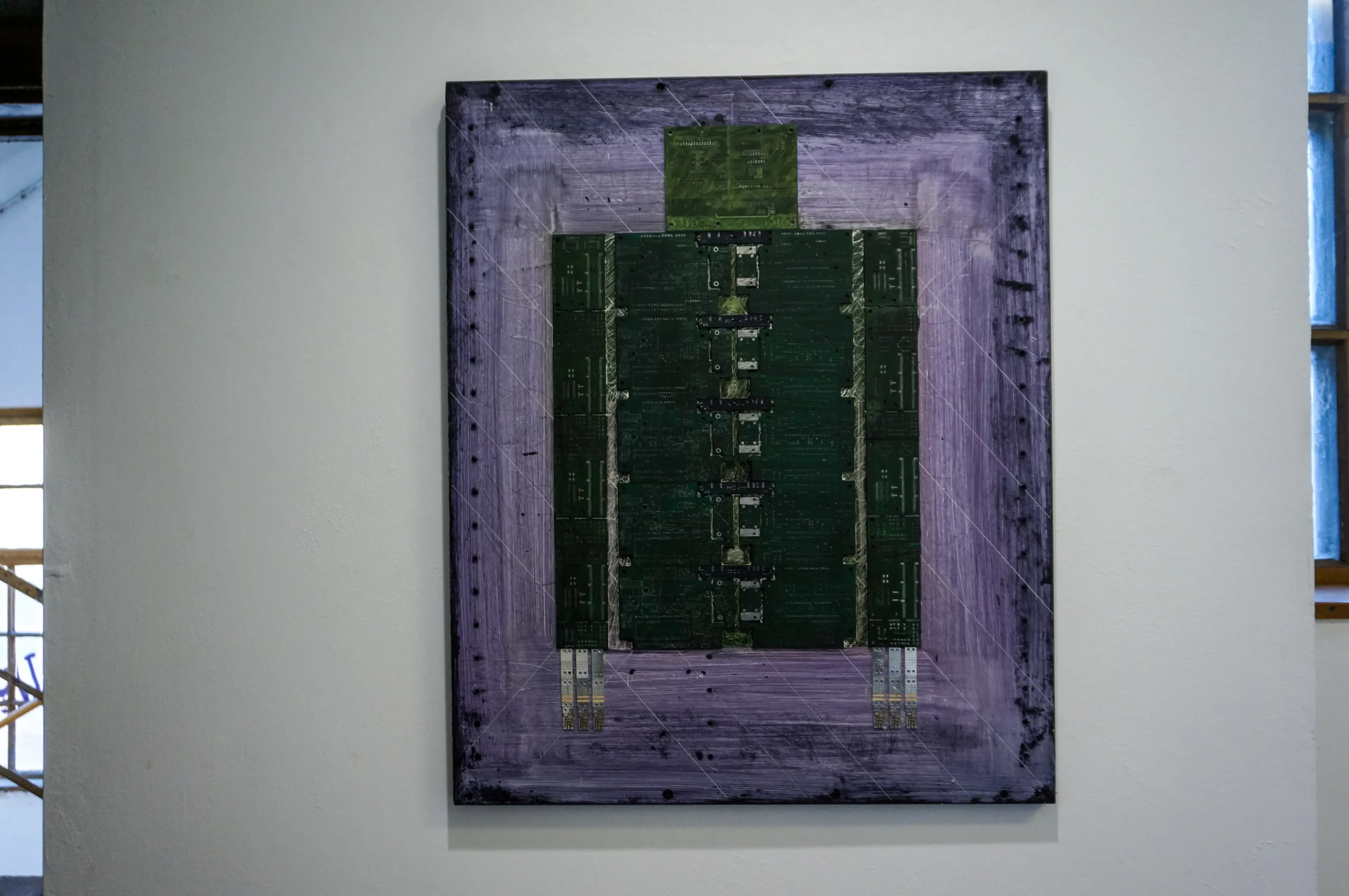
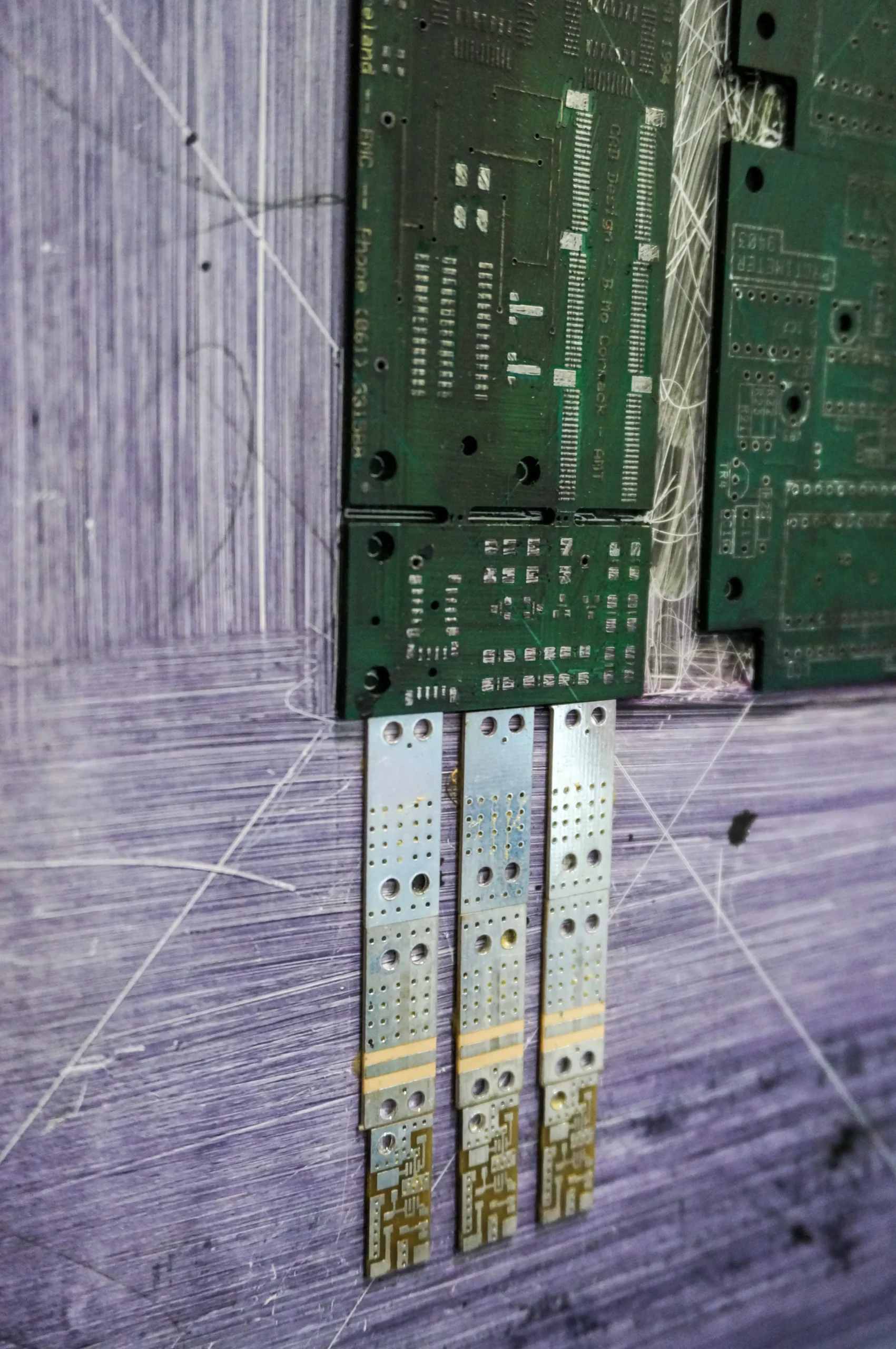
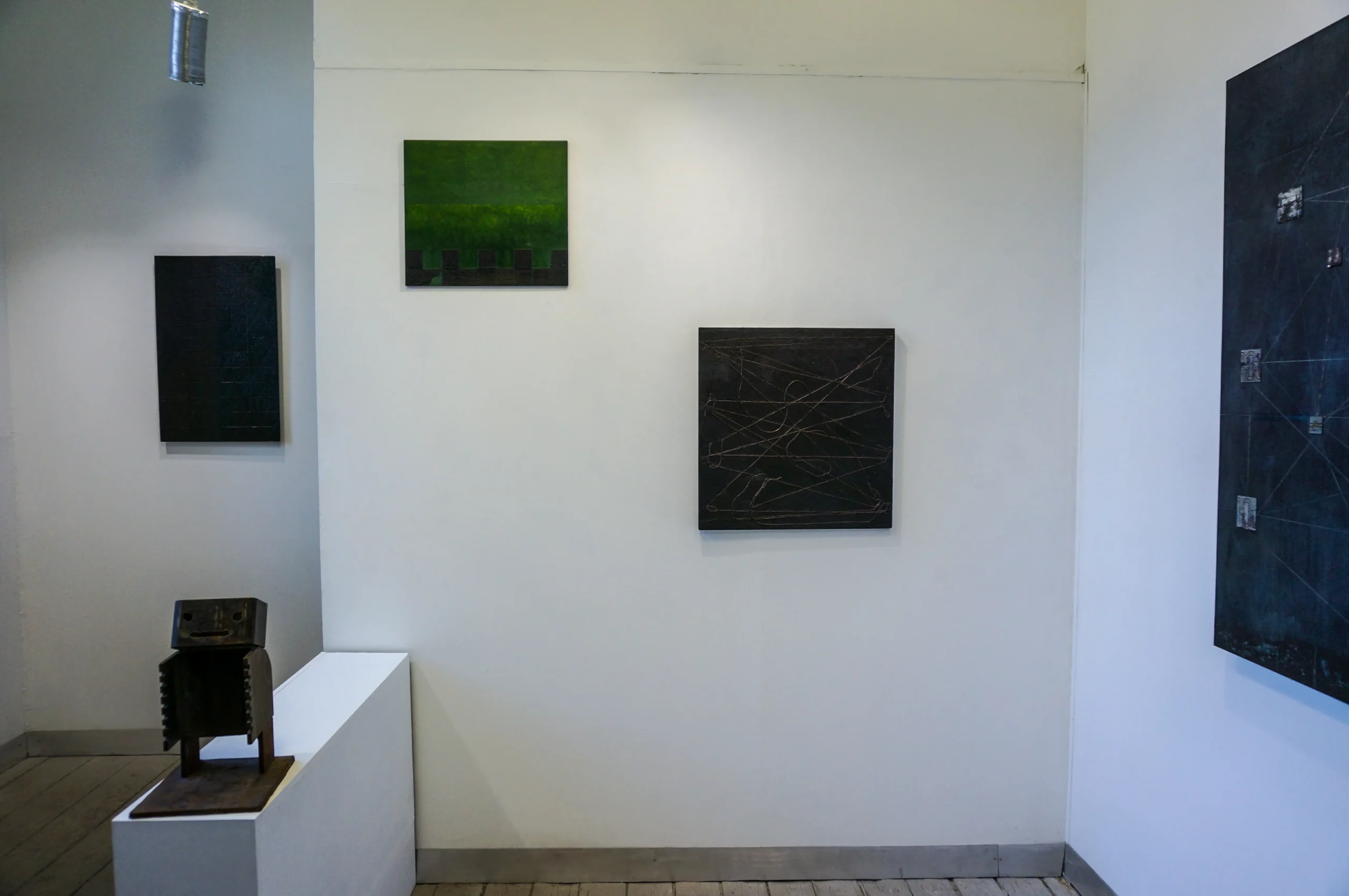
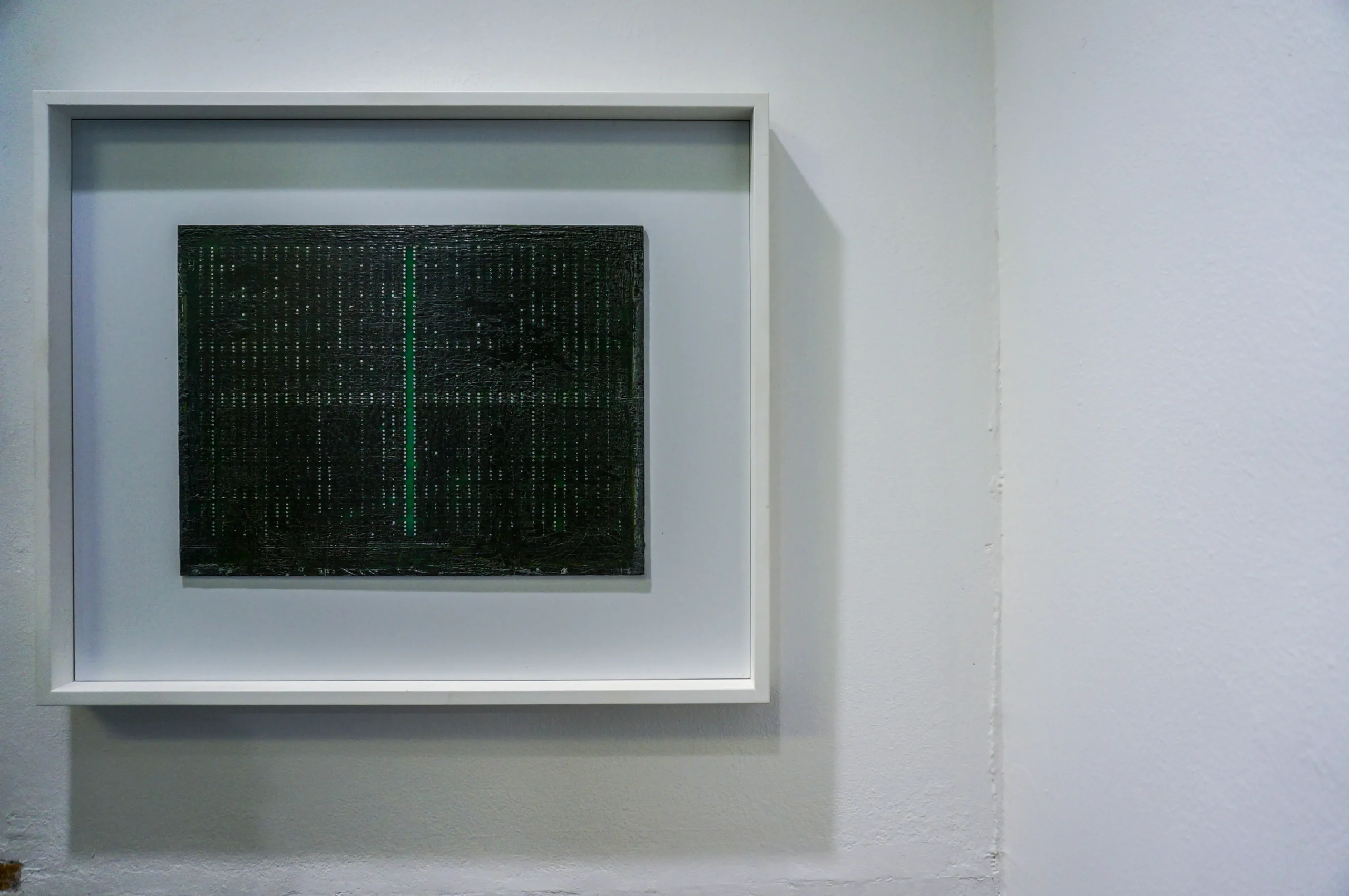
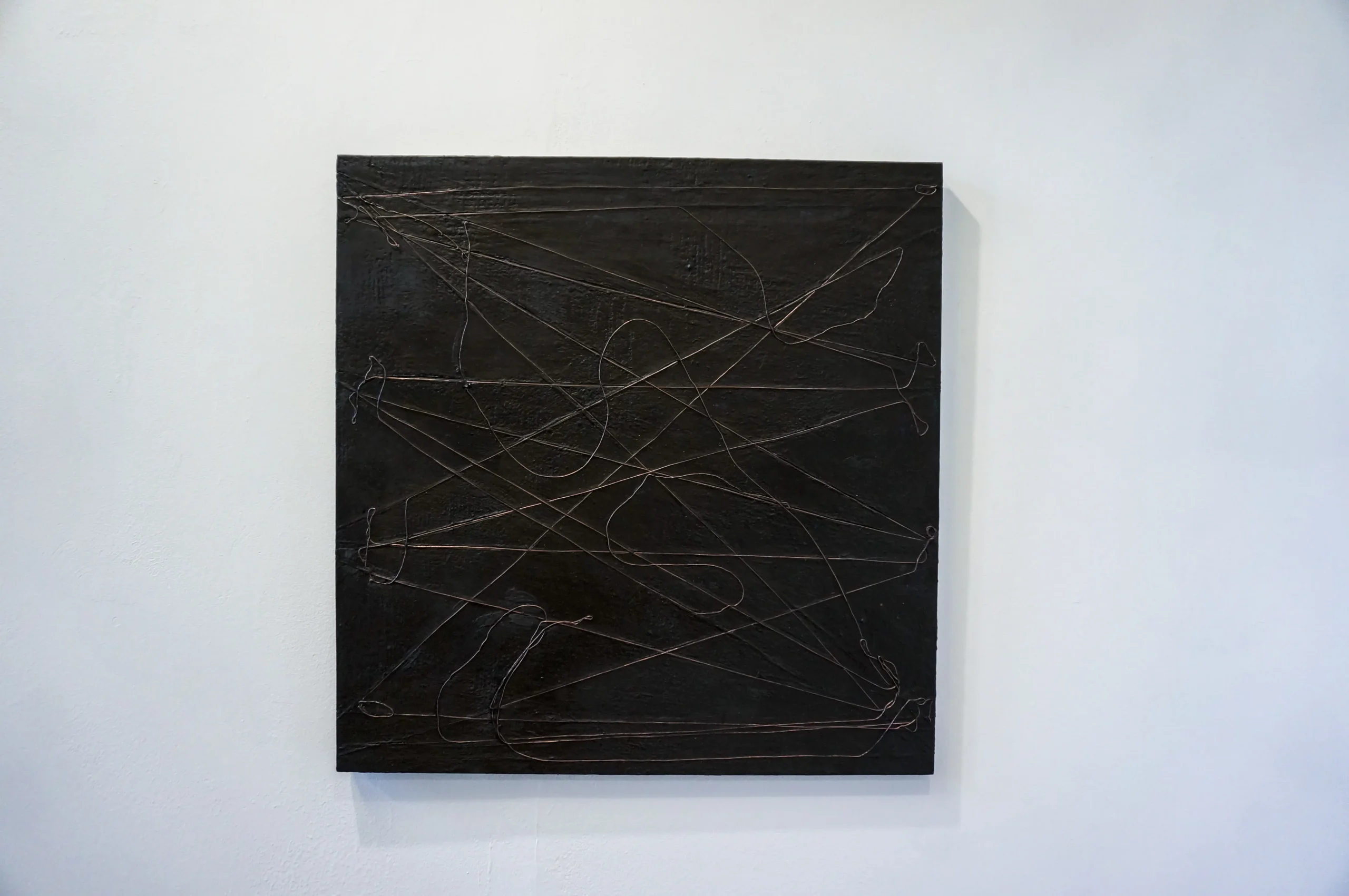
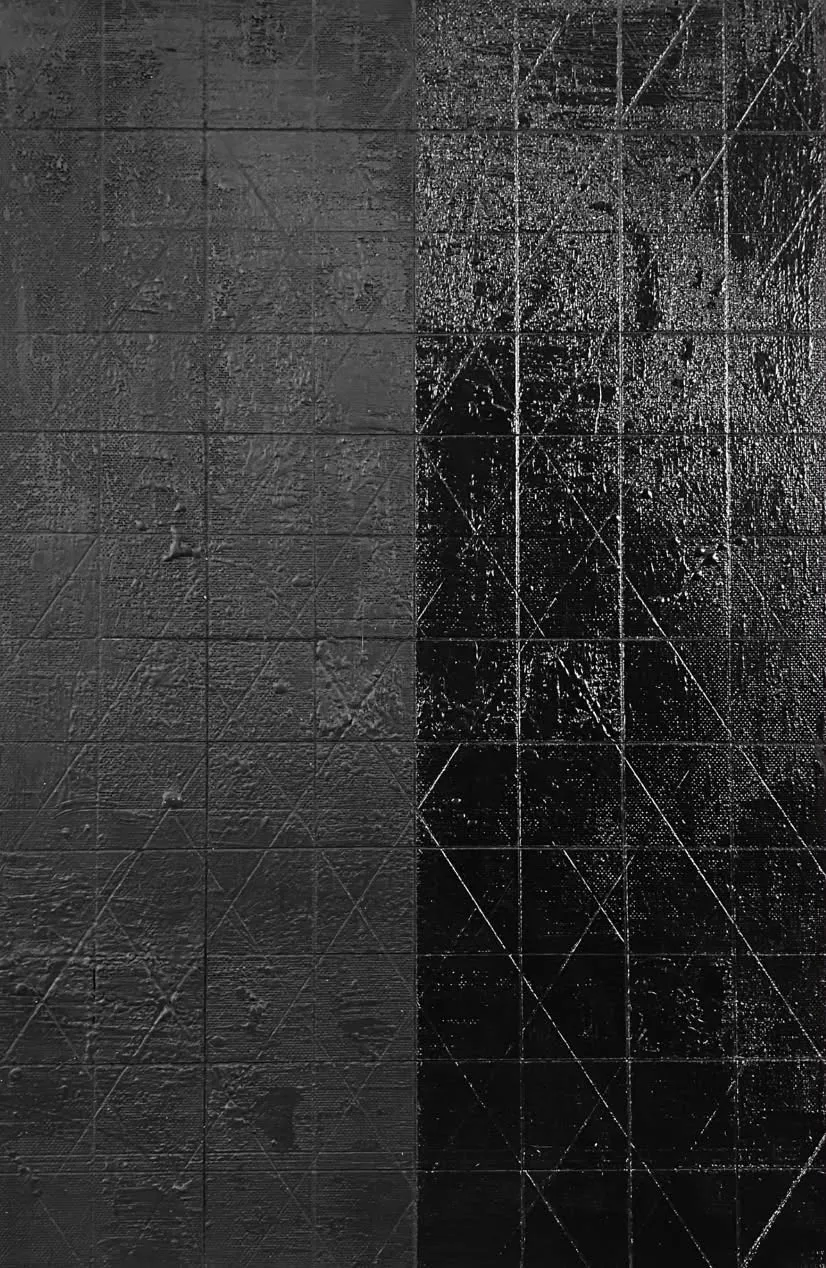
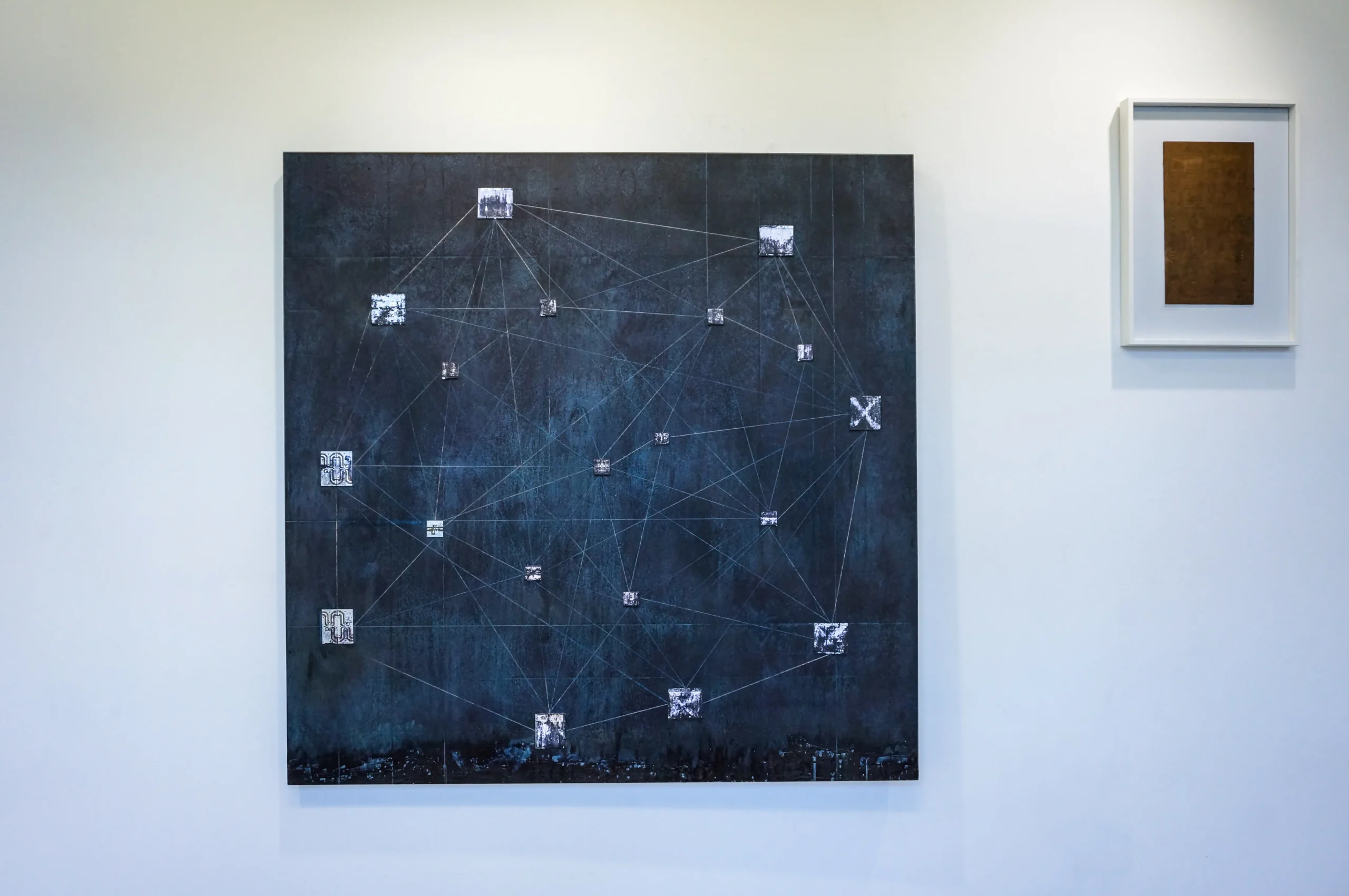
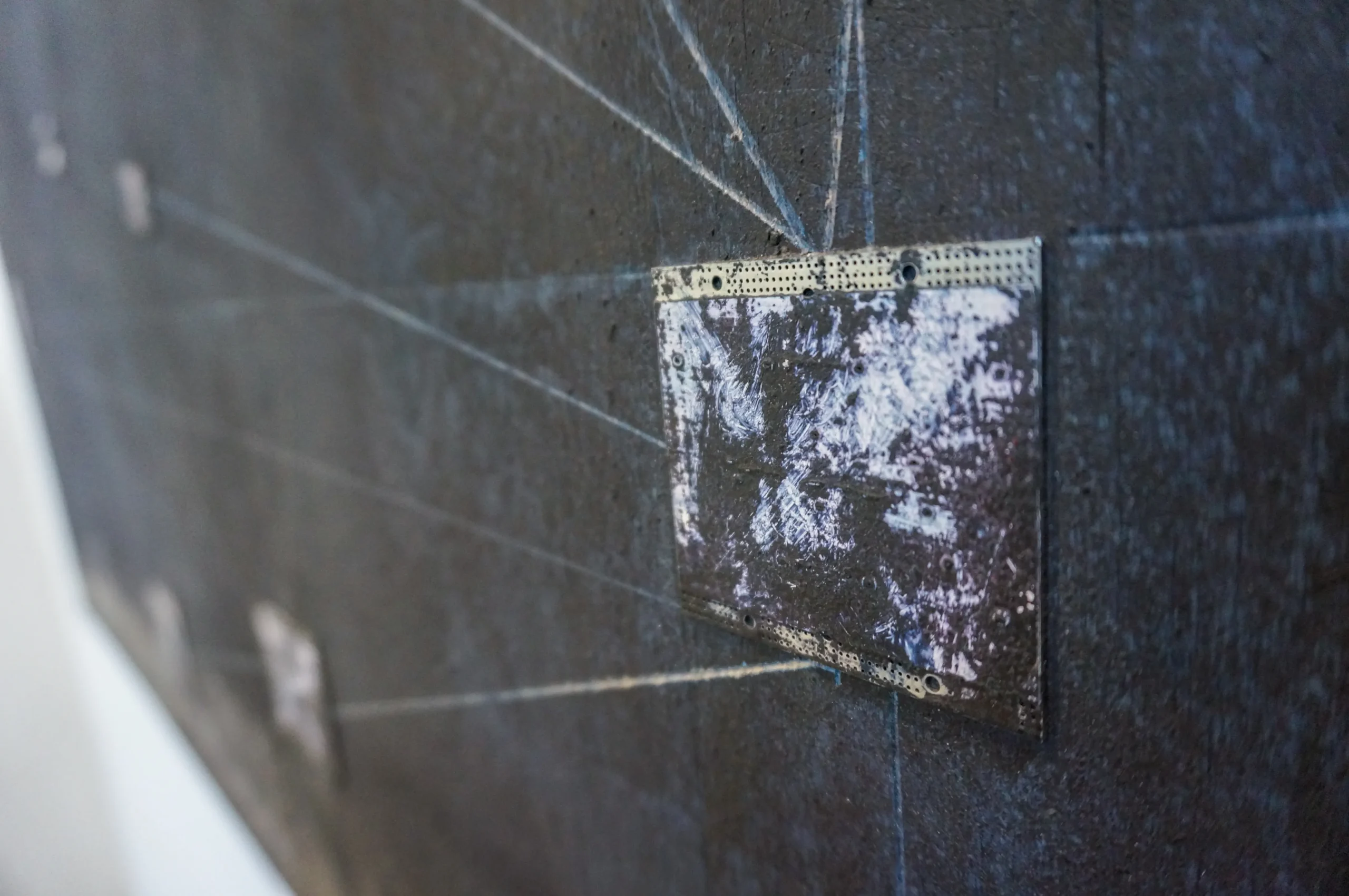
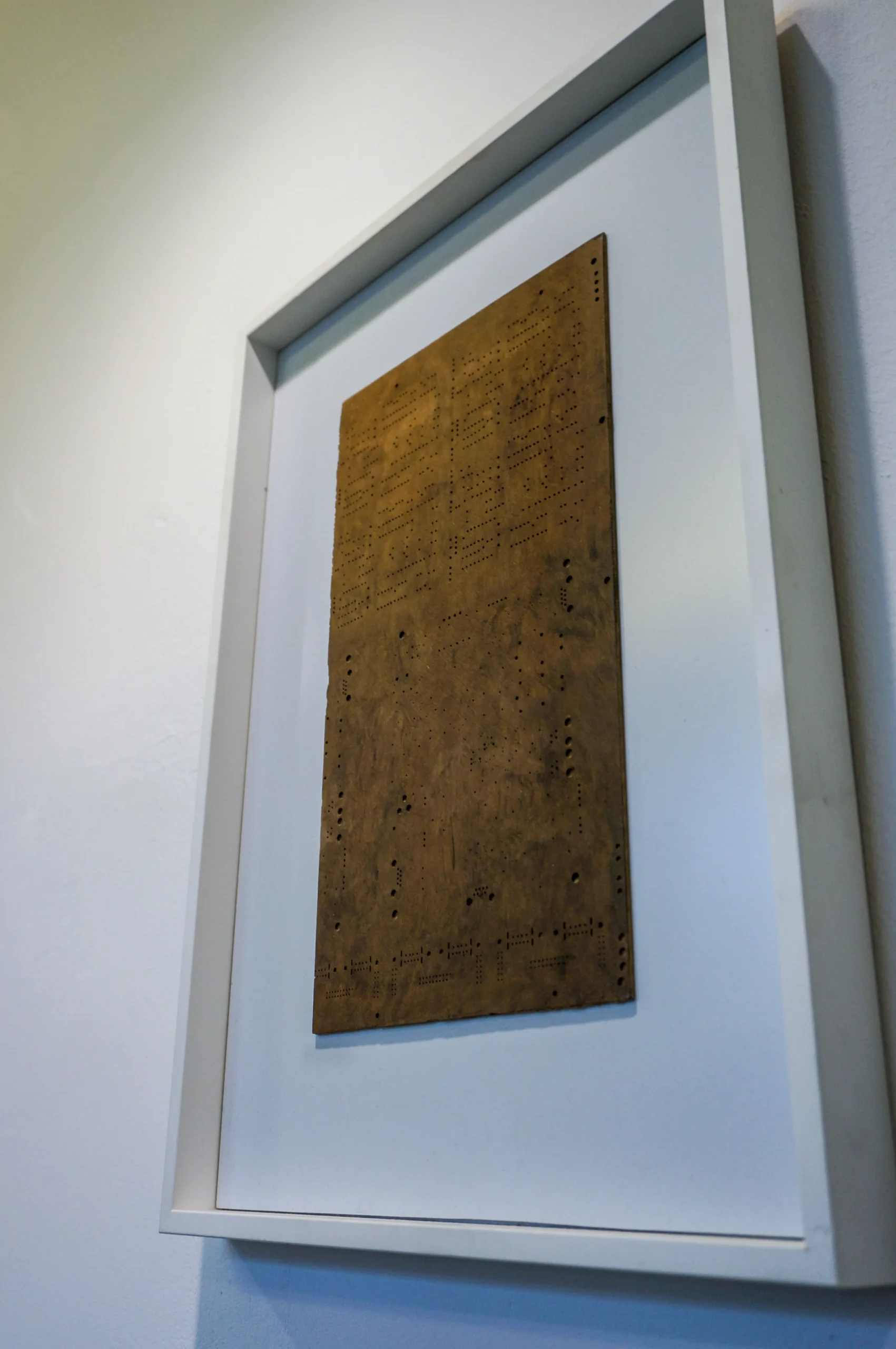
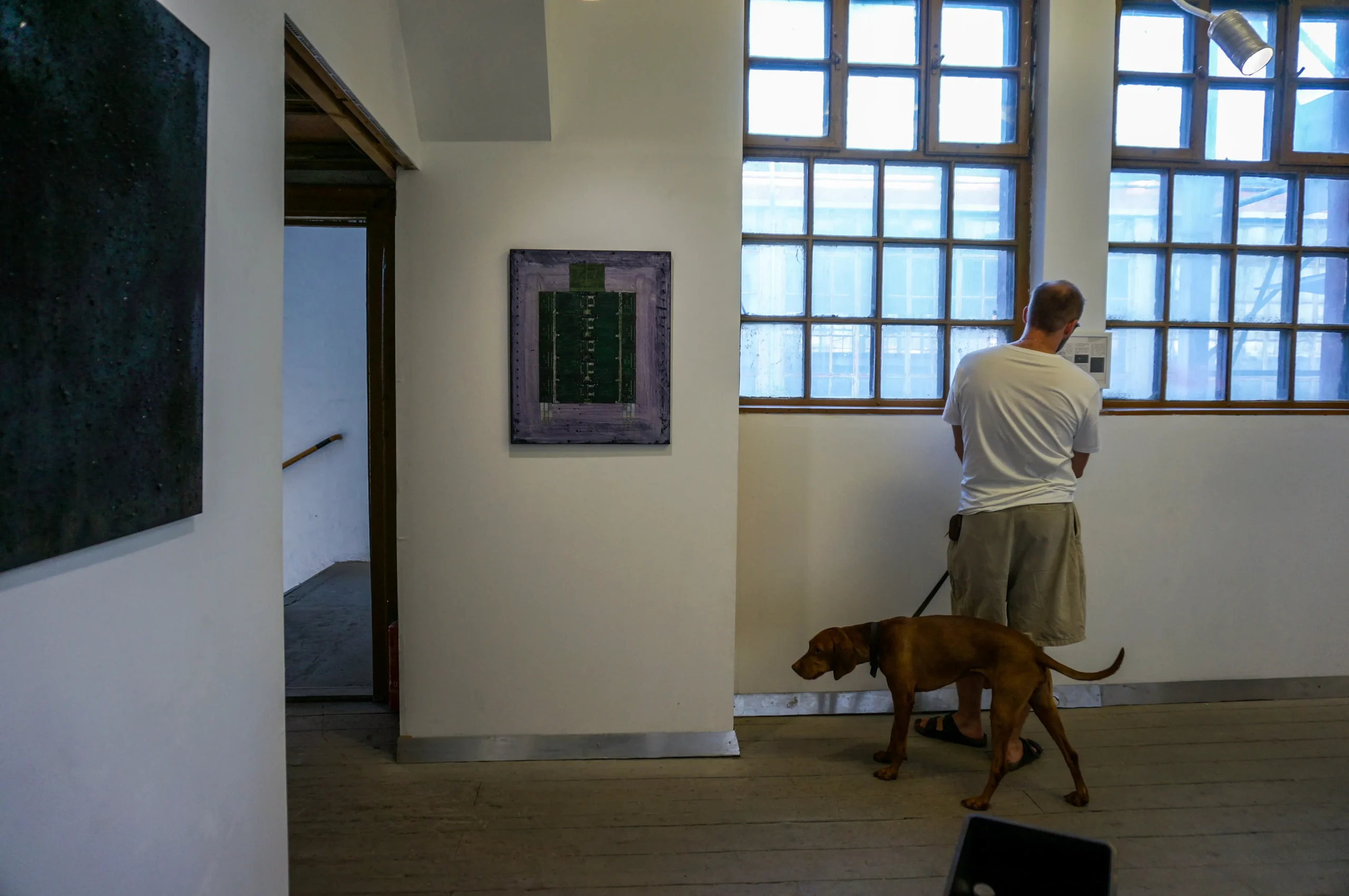
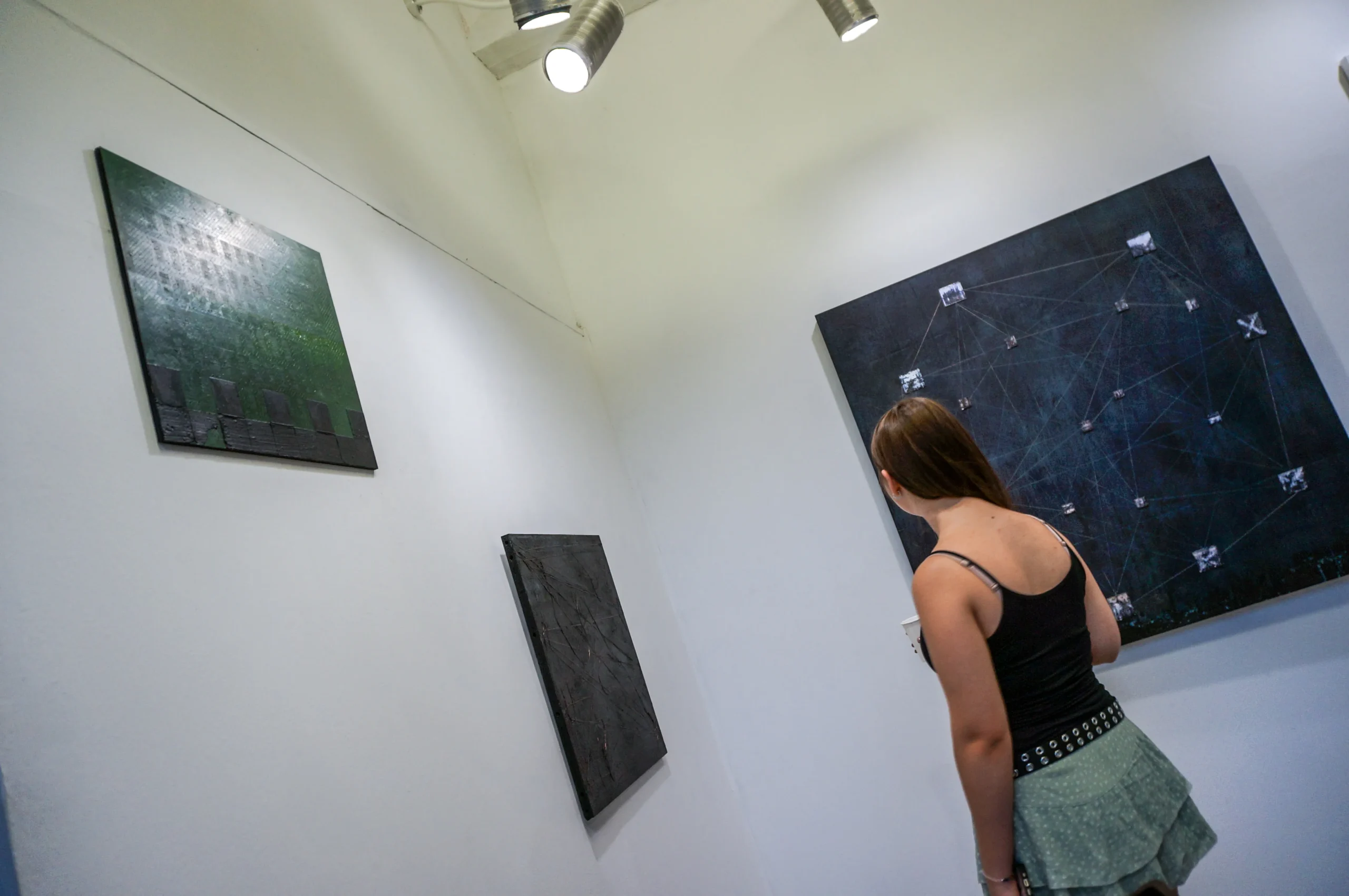
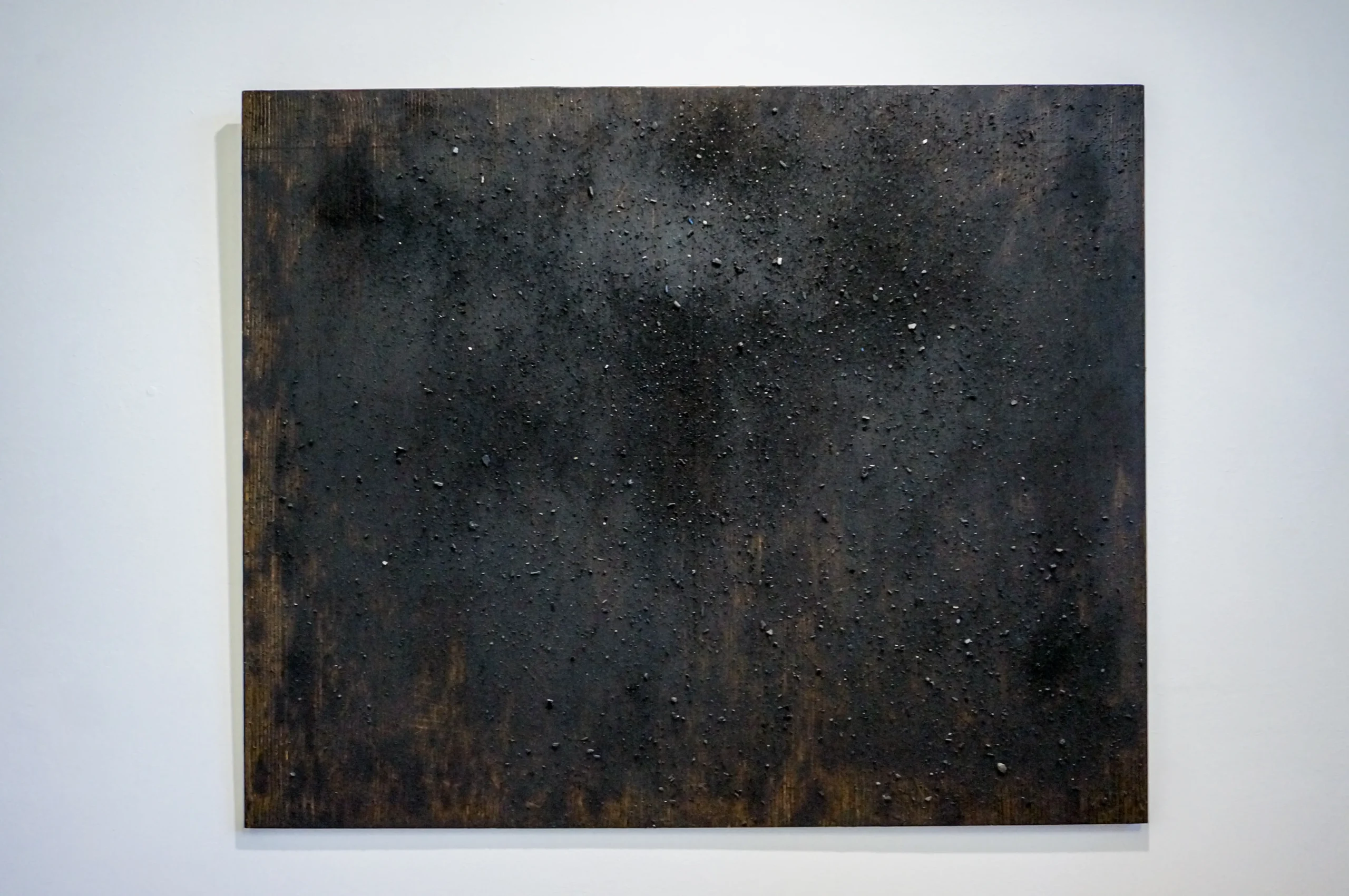
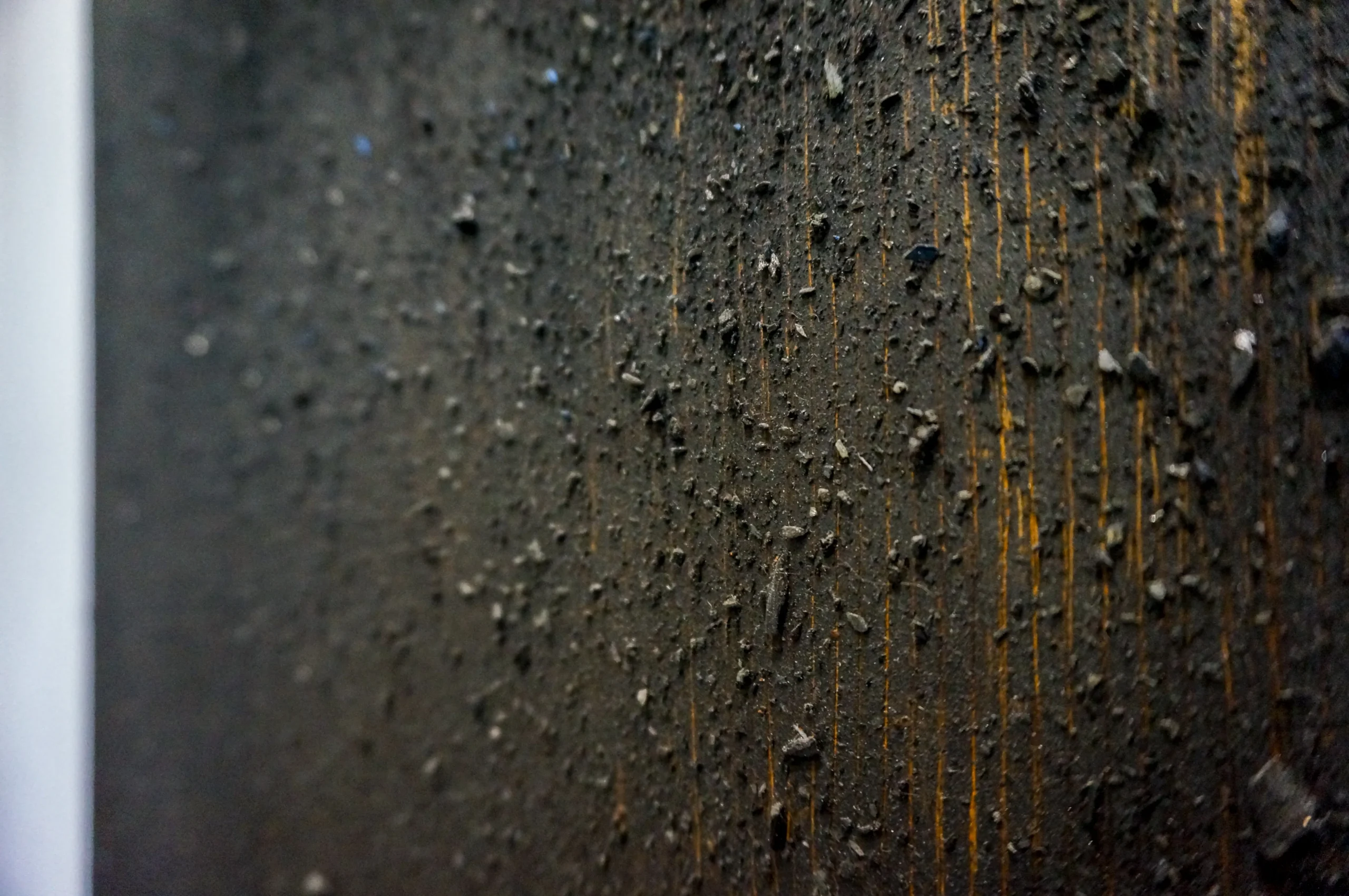
Robin Sperling presents technology as a cultural and ideological system that subtly organizes everyday life, revealing mechanisms of control and normalization that usually remain outside our field of attention. His works give form to what is hidden within systems — making visible the invisible structures that shape our technological reality. In his works, he uses PCBs together with natural materials — wood, charred wood, wax, and coal. In his works, the PCBs seem to seep through layers of wax, merging with other surfaces while remaining visible — a visual form that, on the one hand, blurs the boundaries between the natural and the technological and, on the other, reflects how systems of control and power can shape our reality.
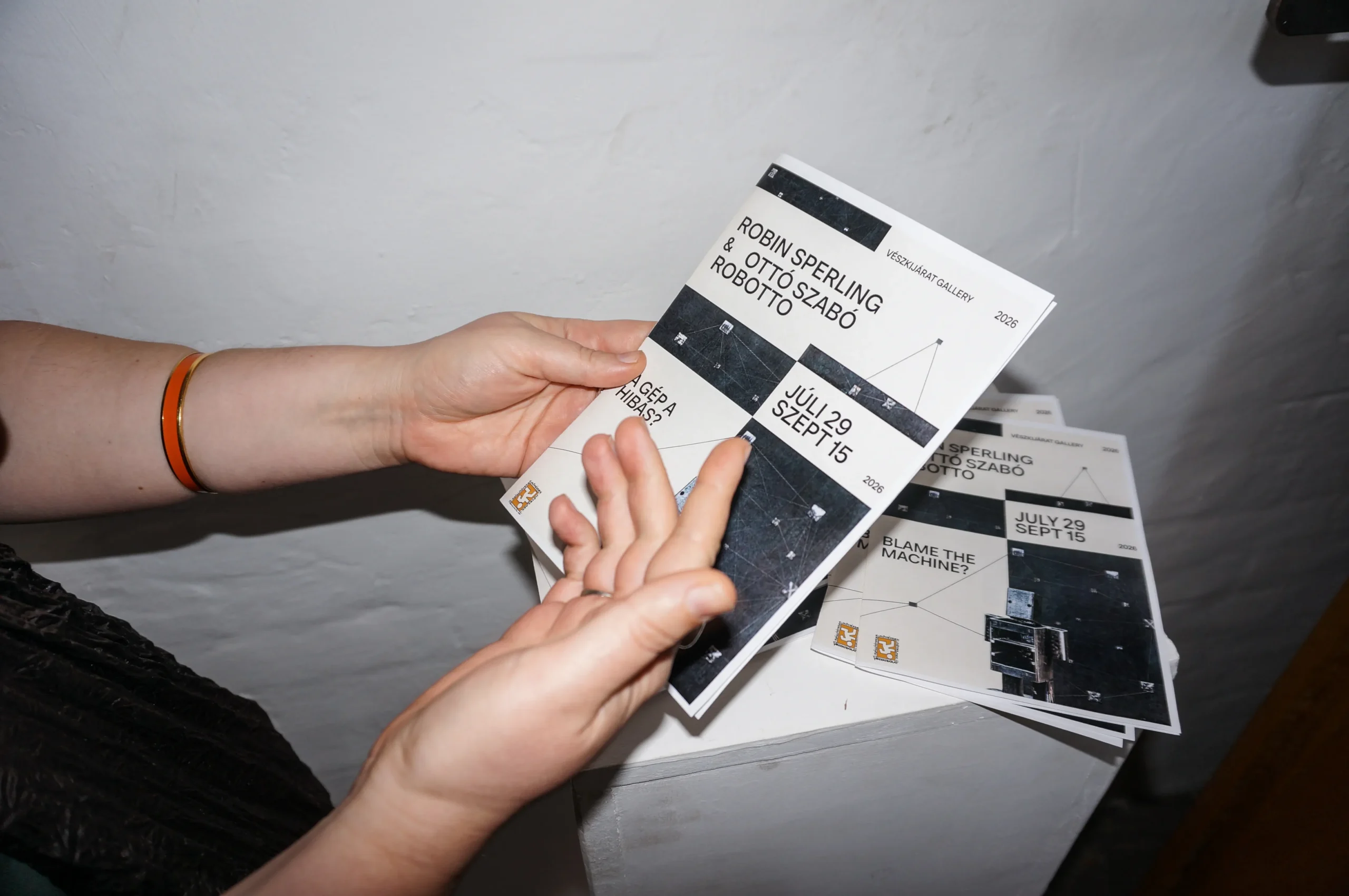
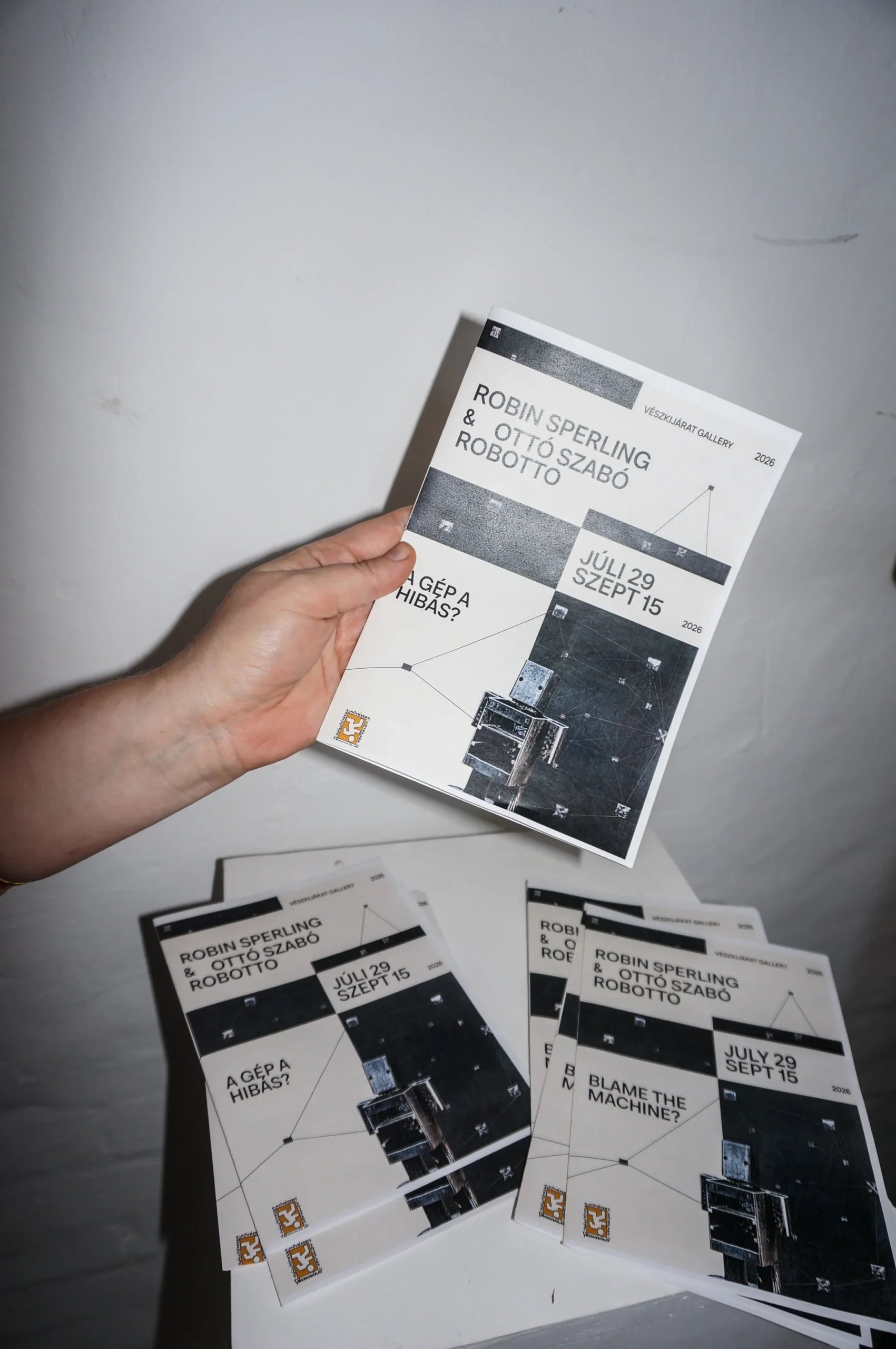
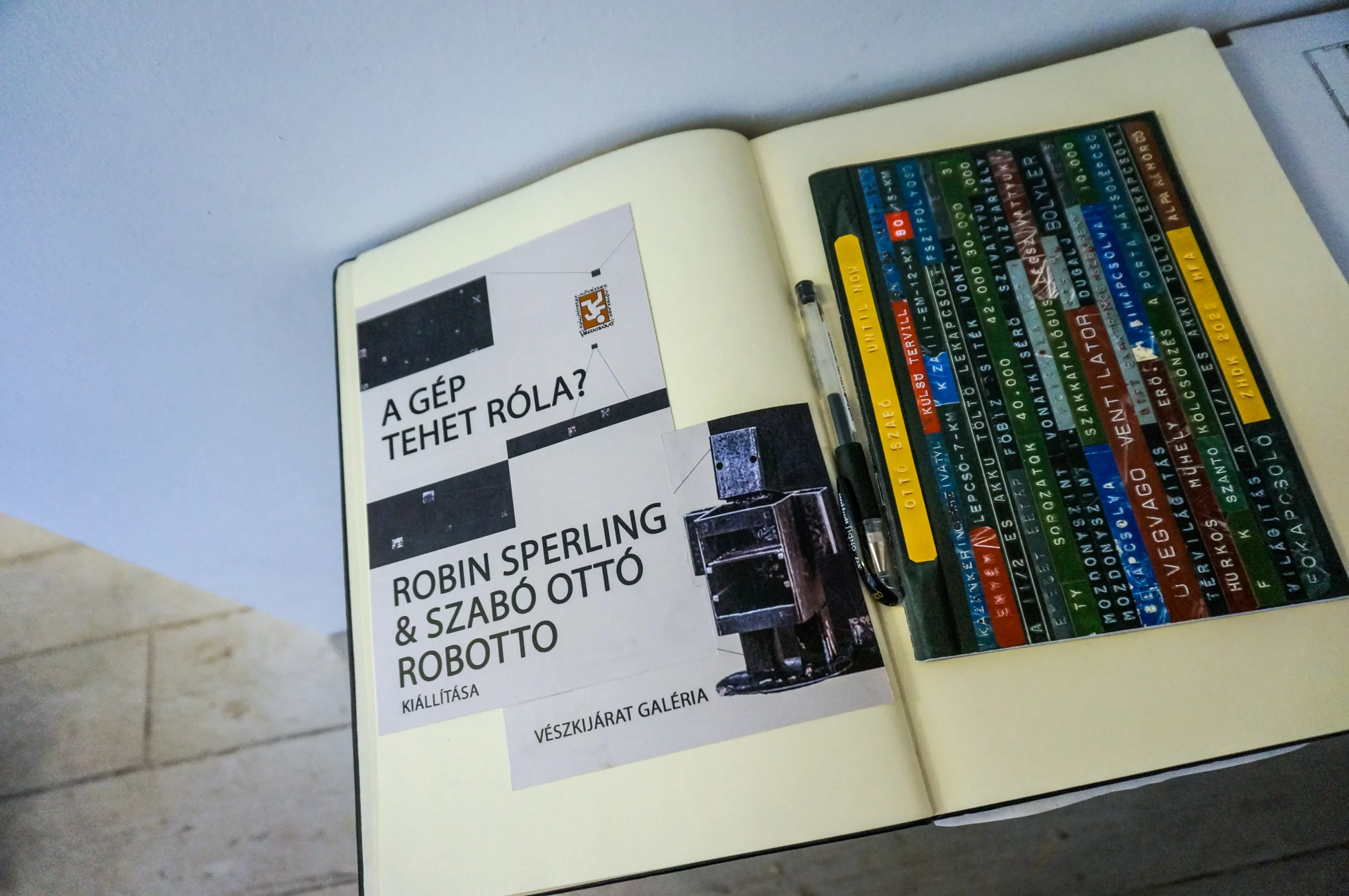
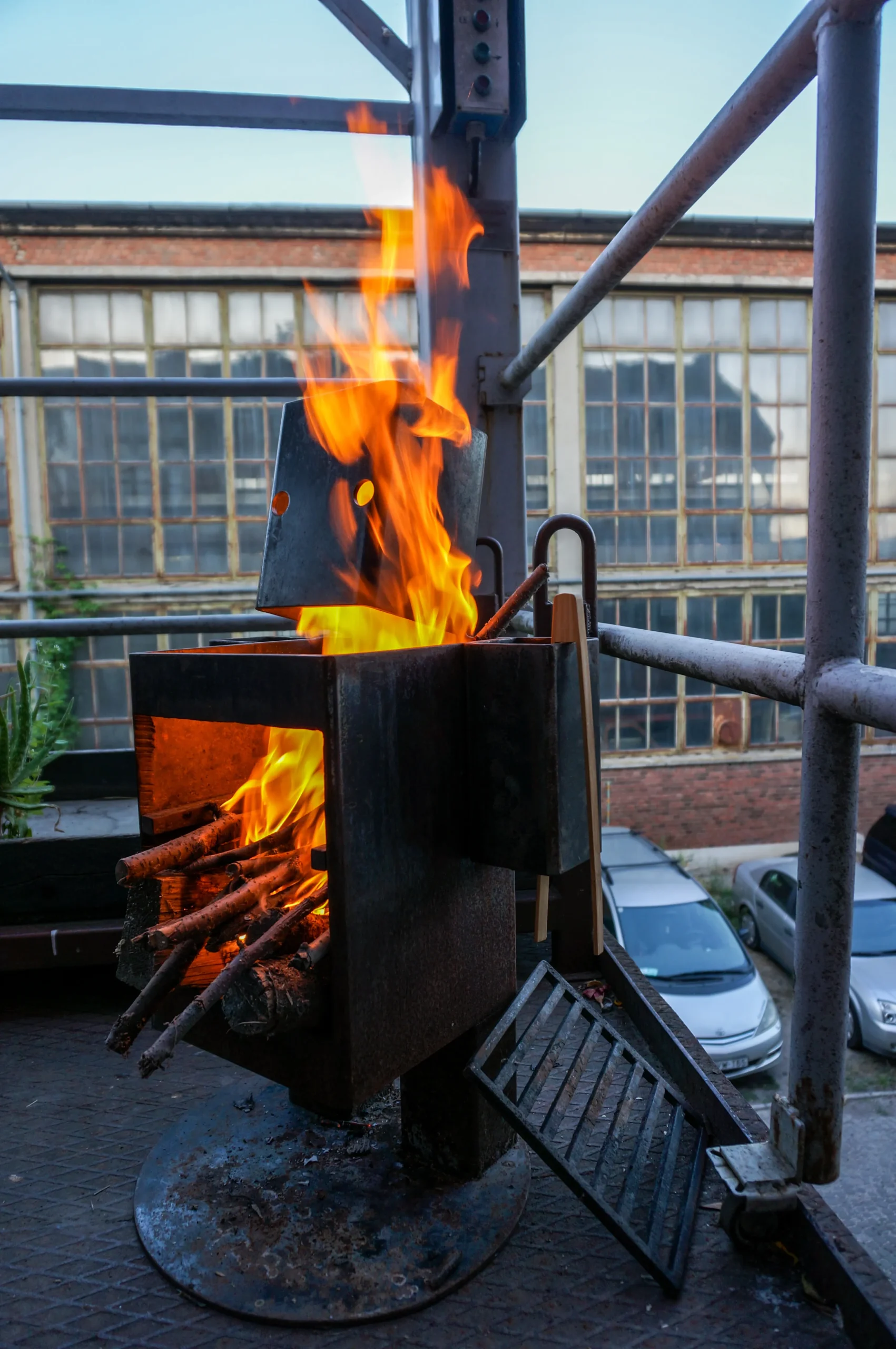
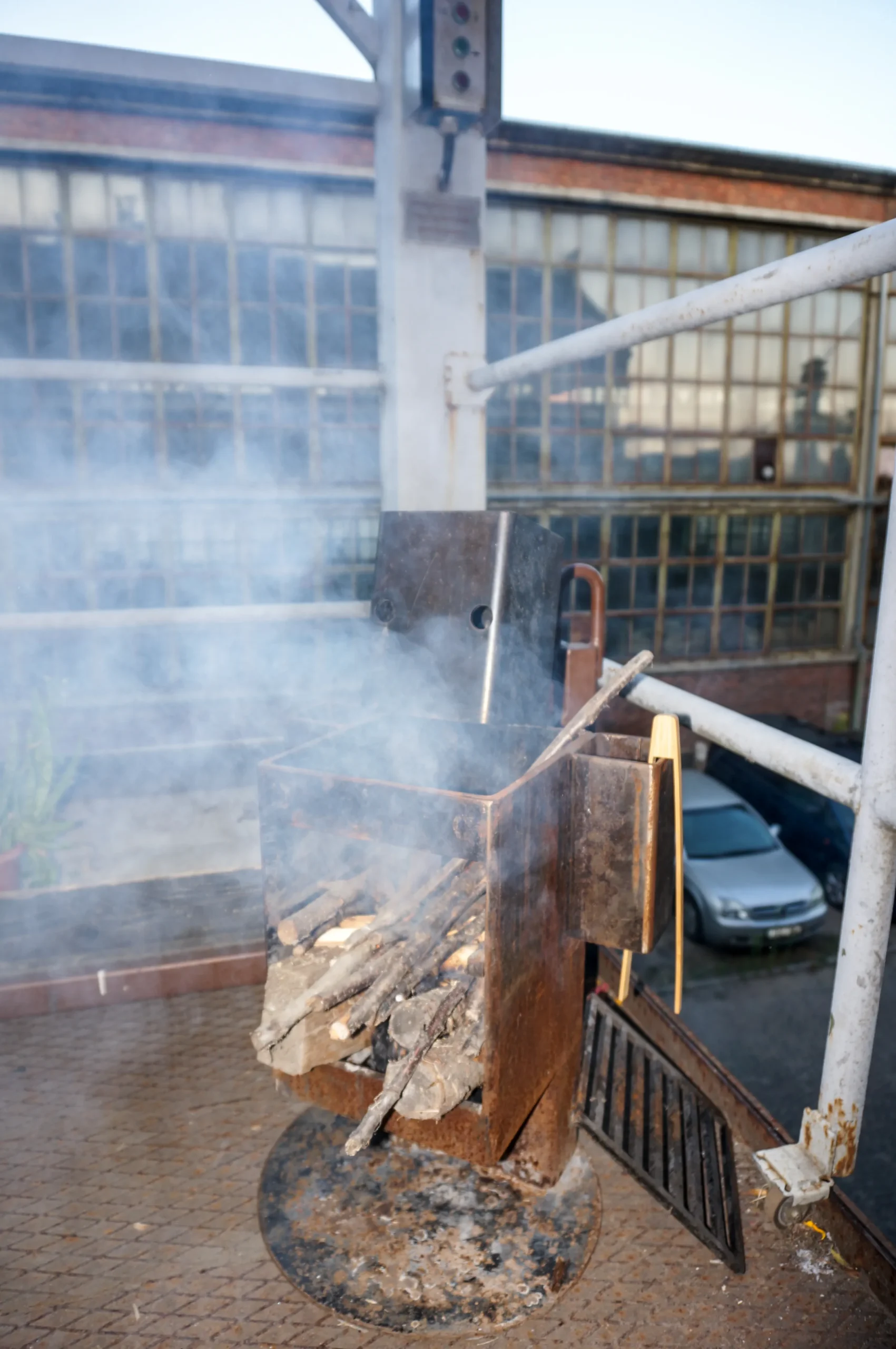
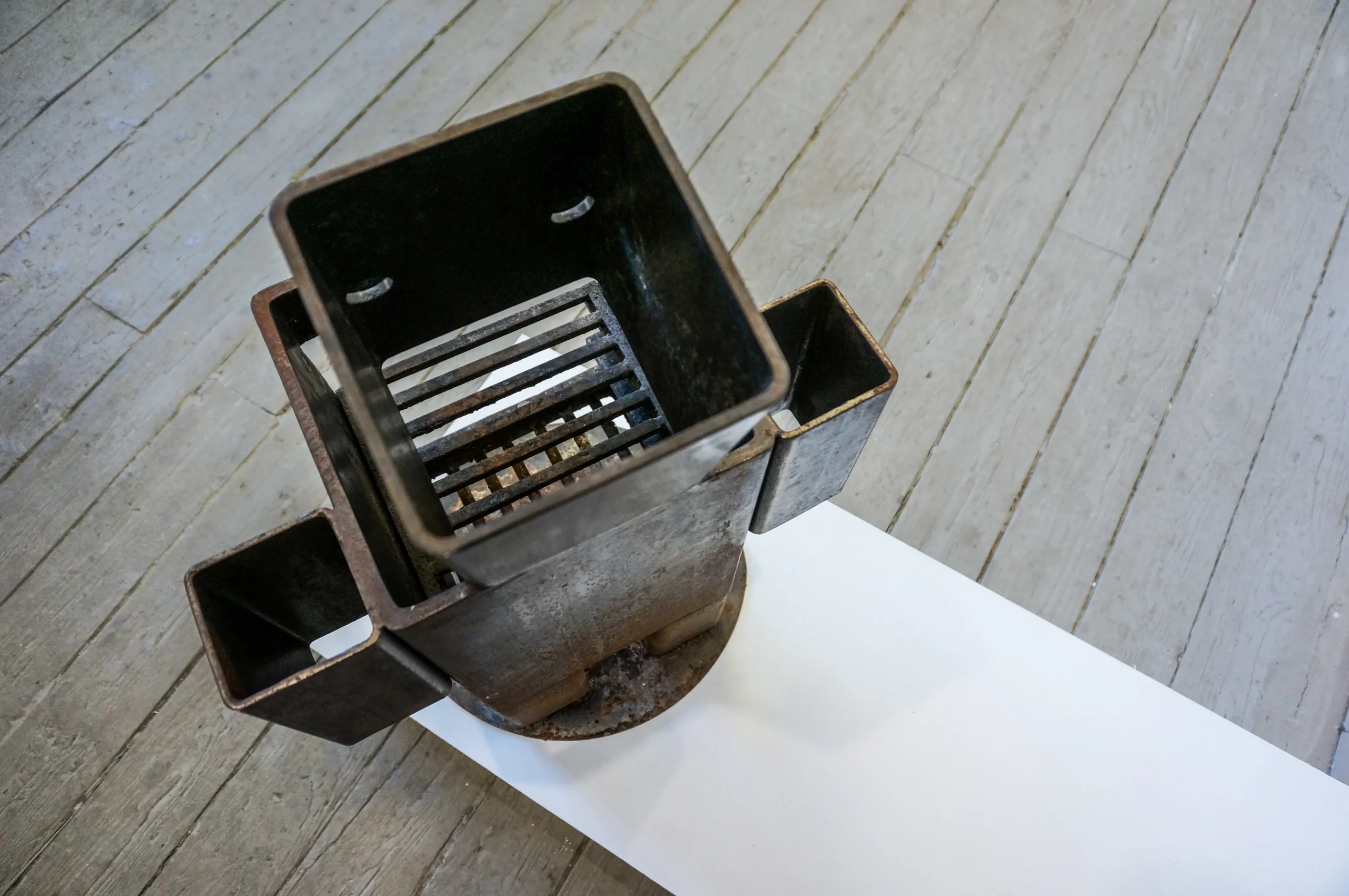
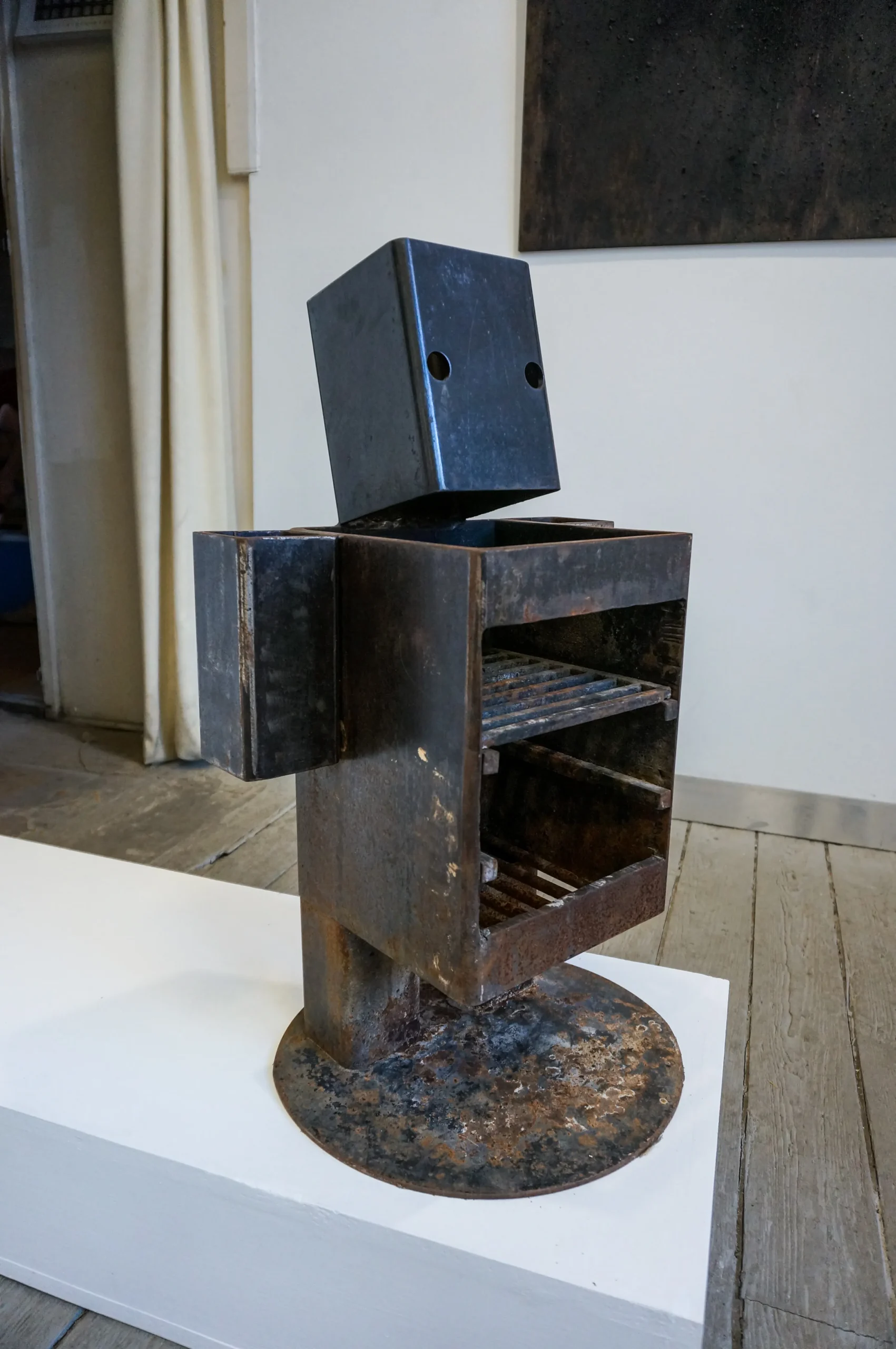
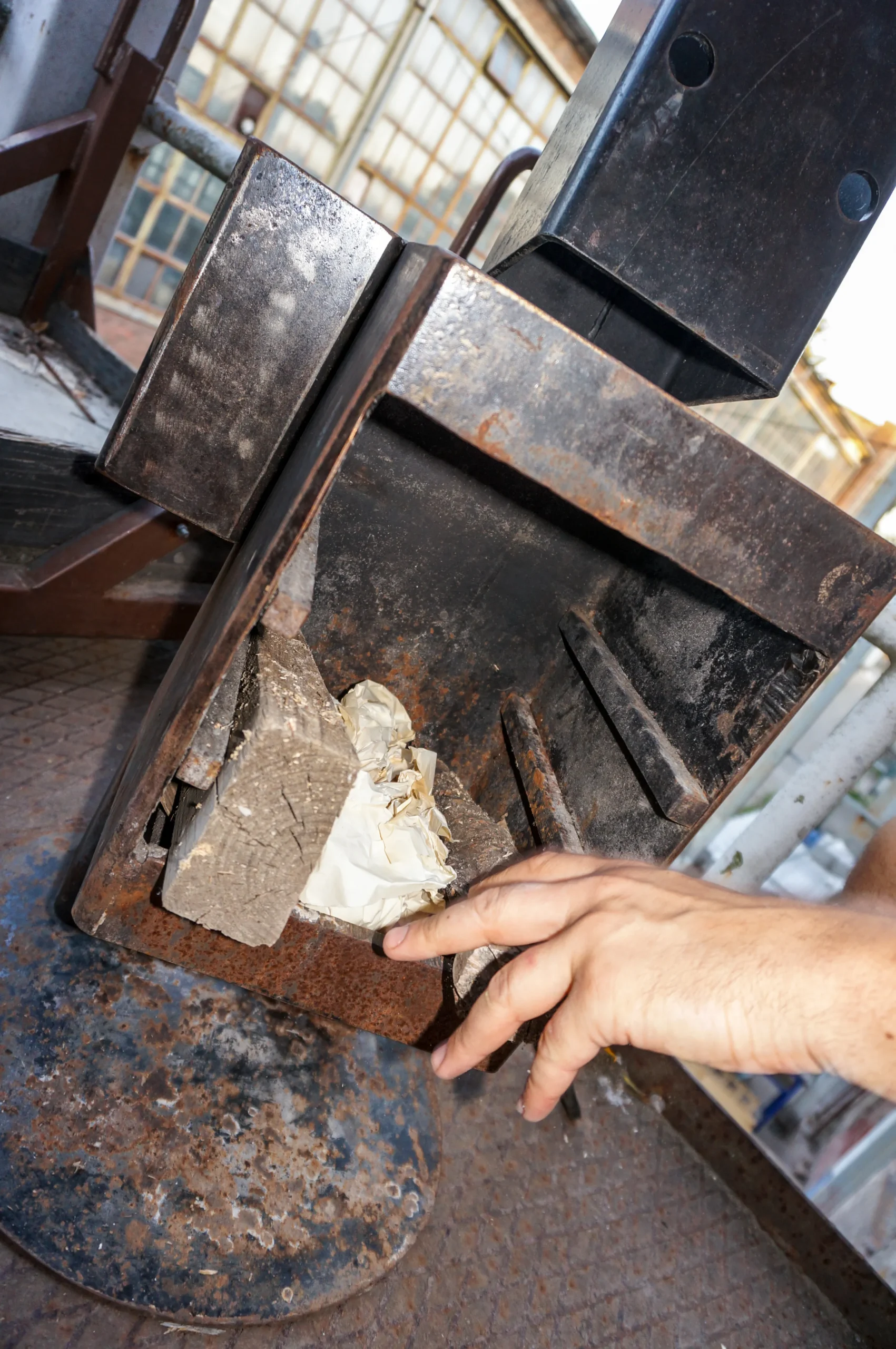
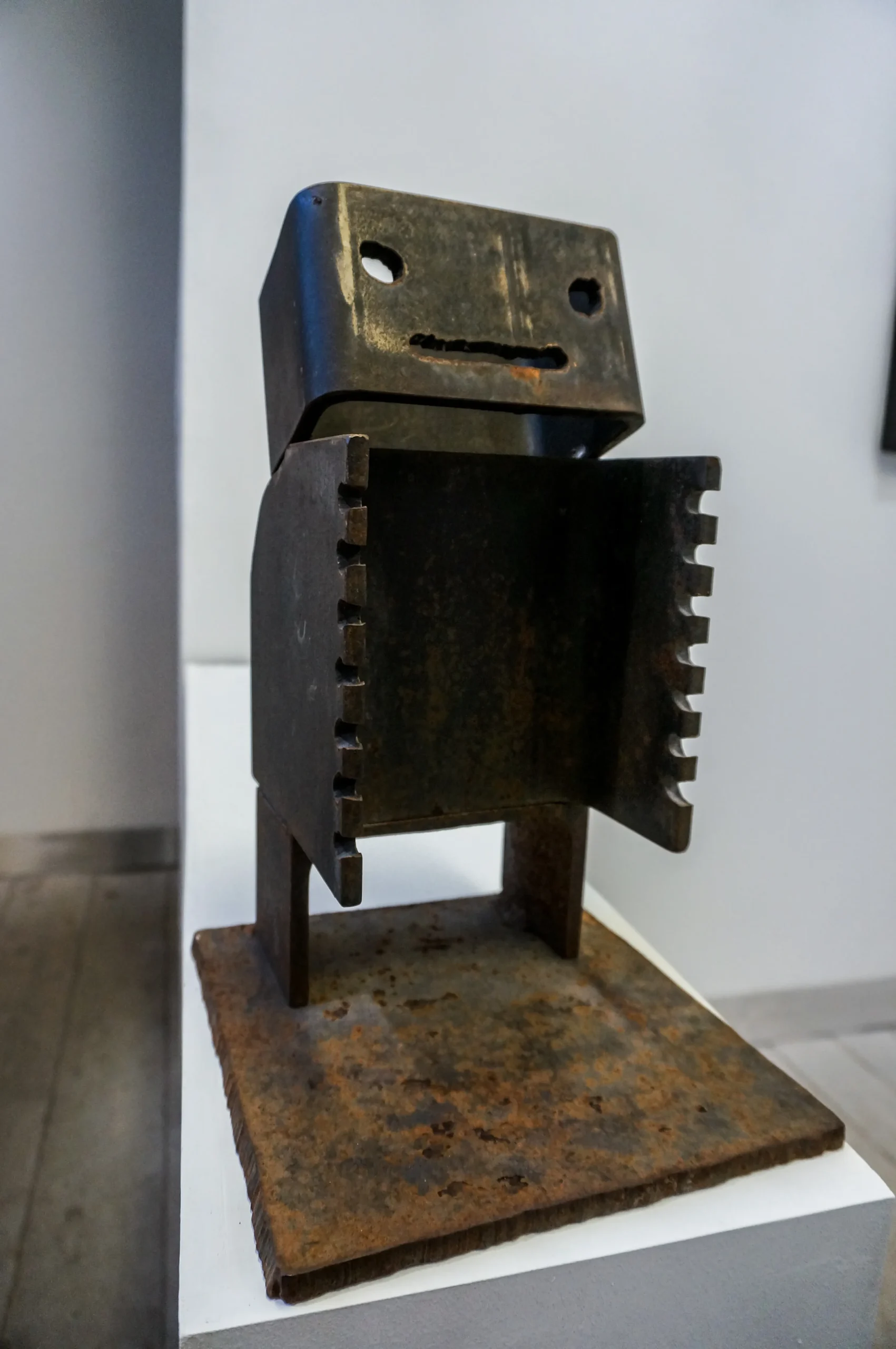
RobOtto / Ottó Szabó brings an element of imagination into the context of the exhibition. His mechanical creations, made from found materials and industrial materials, explore the idea that robots are our creations, and, in a certain sense, an extension of ourselves, of our ideas and, again, of our imagination. We return to the question of agency and to how, having a choice or without a choice, we can nevertheless create something new and interesting within systems and structures.
The robot presented in the exhibition is, in essence, a machine with a grilling and fire-maintaining function. In this work, the interaction with the natural elements becomes particularly visible, reinforcing the visual dialogue between technology and nature. Fire introduces the wilder side of nature into the machine: humanity has learned to create and control fire, but its ability to spread and destroy can never be completely brought under human control. In this sense, the work introduces another unpredictable element — one that emerges precisely at the point where human invention encounters the forces of nature.
The exhibition thus invites us to look at technological reality and reflect on our own place within it. Because, yes, technologies undoubtedly shape our decisions, but at the same time, we would like to propose a space for conscious action.
The exhibition addresses all these questions through an open visual language, presenting artworks whose forms expand the possibilities for interpretation and allow viewers to develop different associations.