


Venice is a city suspended between water and air.
Its boundaries are constantly reshaped by the tides. Salt permeates brick and stone; mist rises
from the lagoon at dawn and slowly dissolves at dusk. Here, matter is never static. It exists in a
continuous state of exchange, sedimentation, evaporation, and transformation.
Host and Distill begins from this condition of flux.
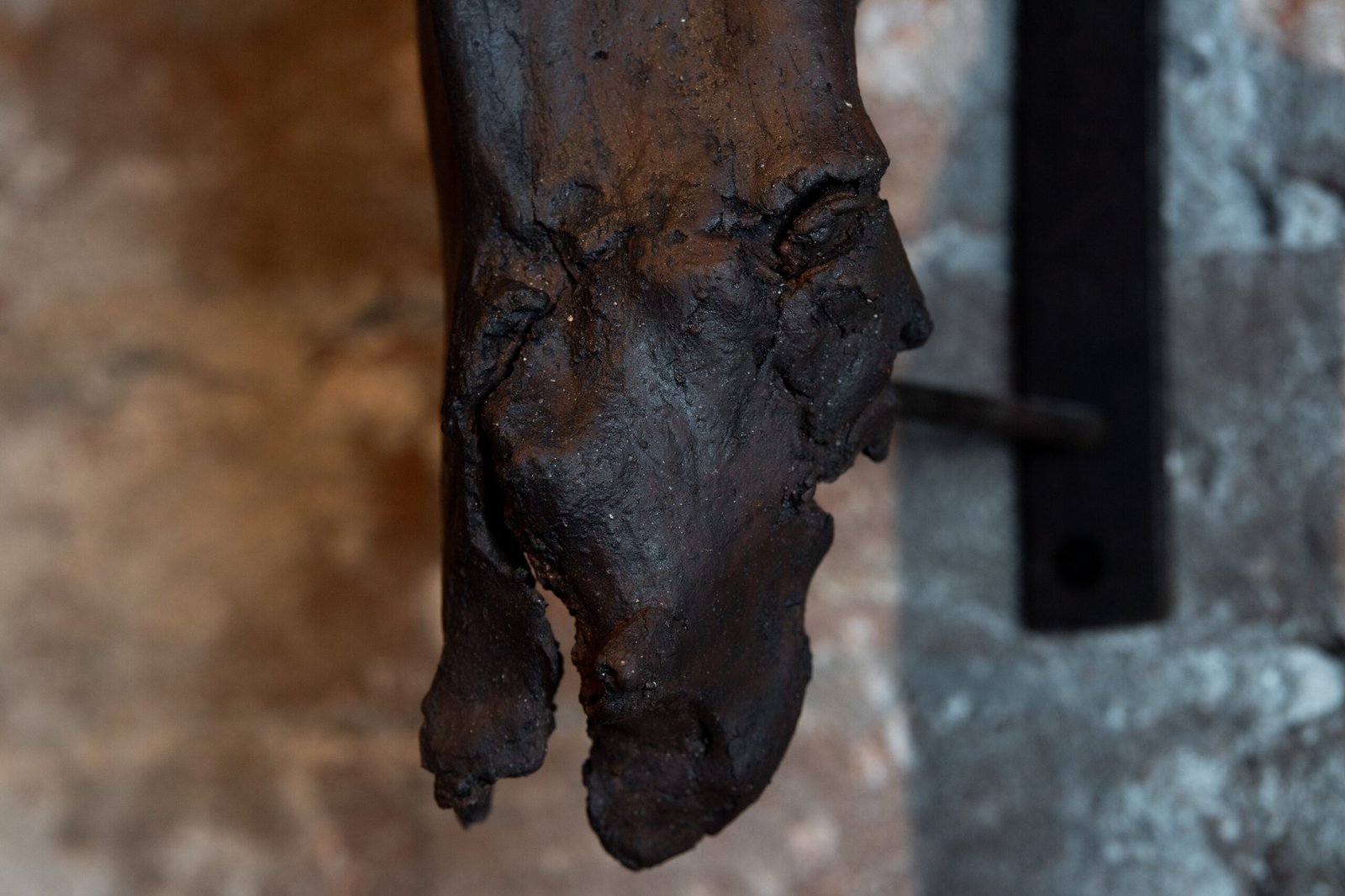
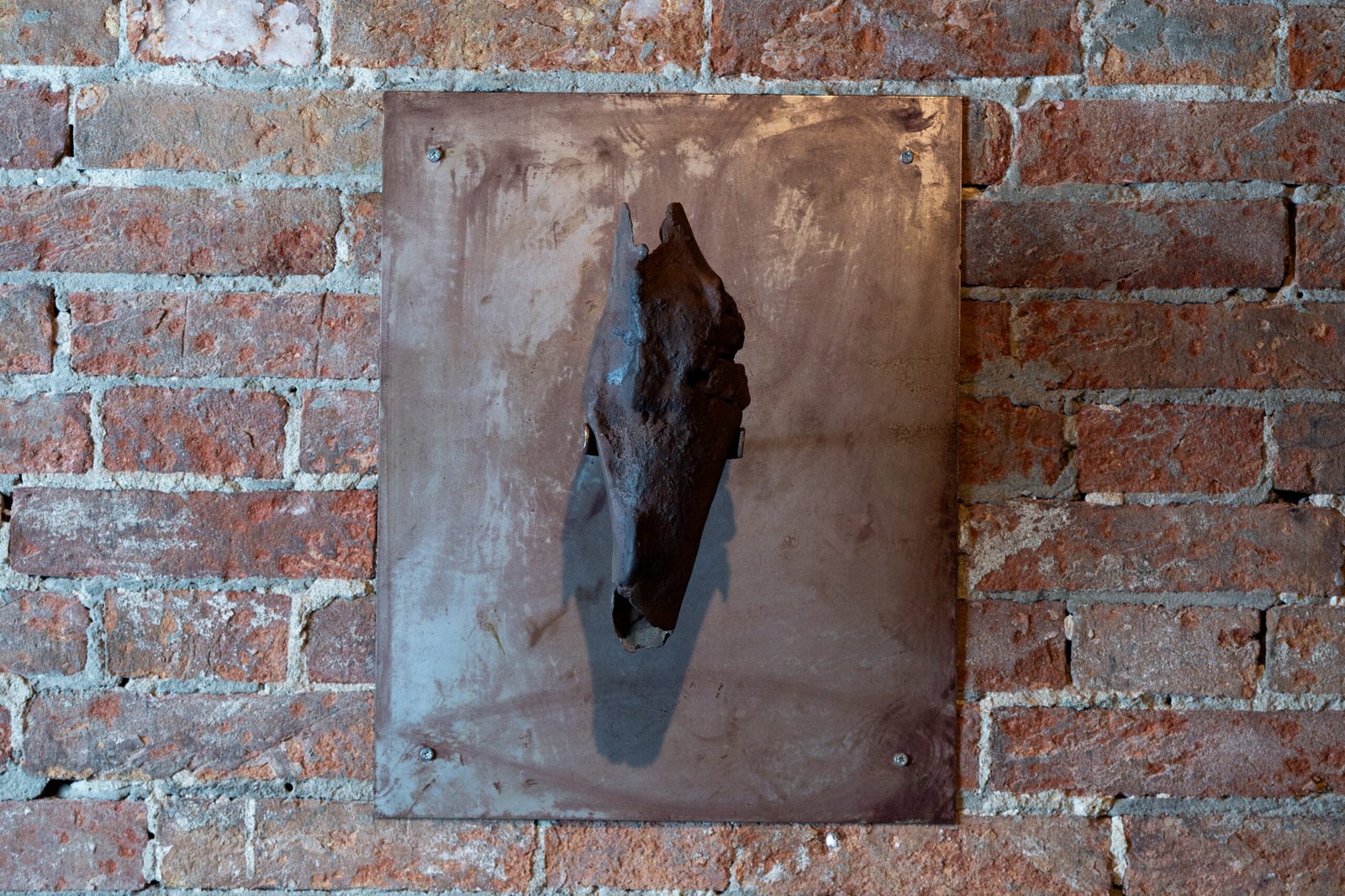
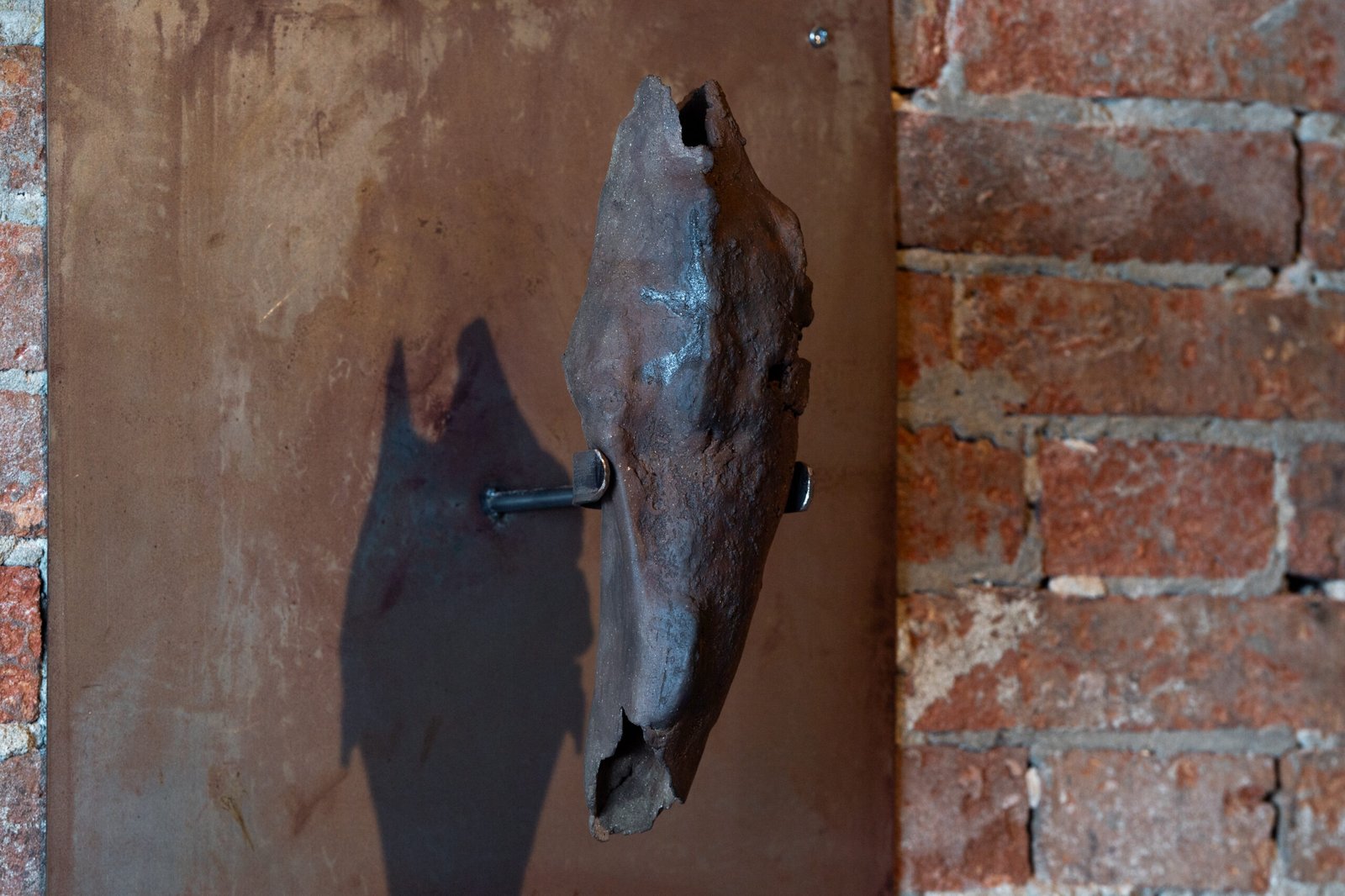
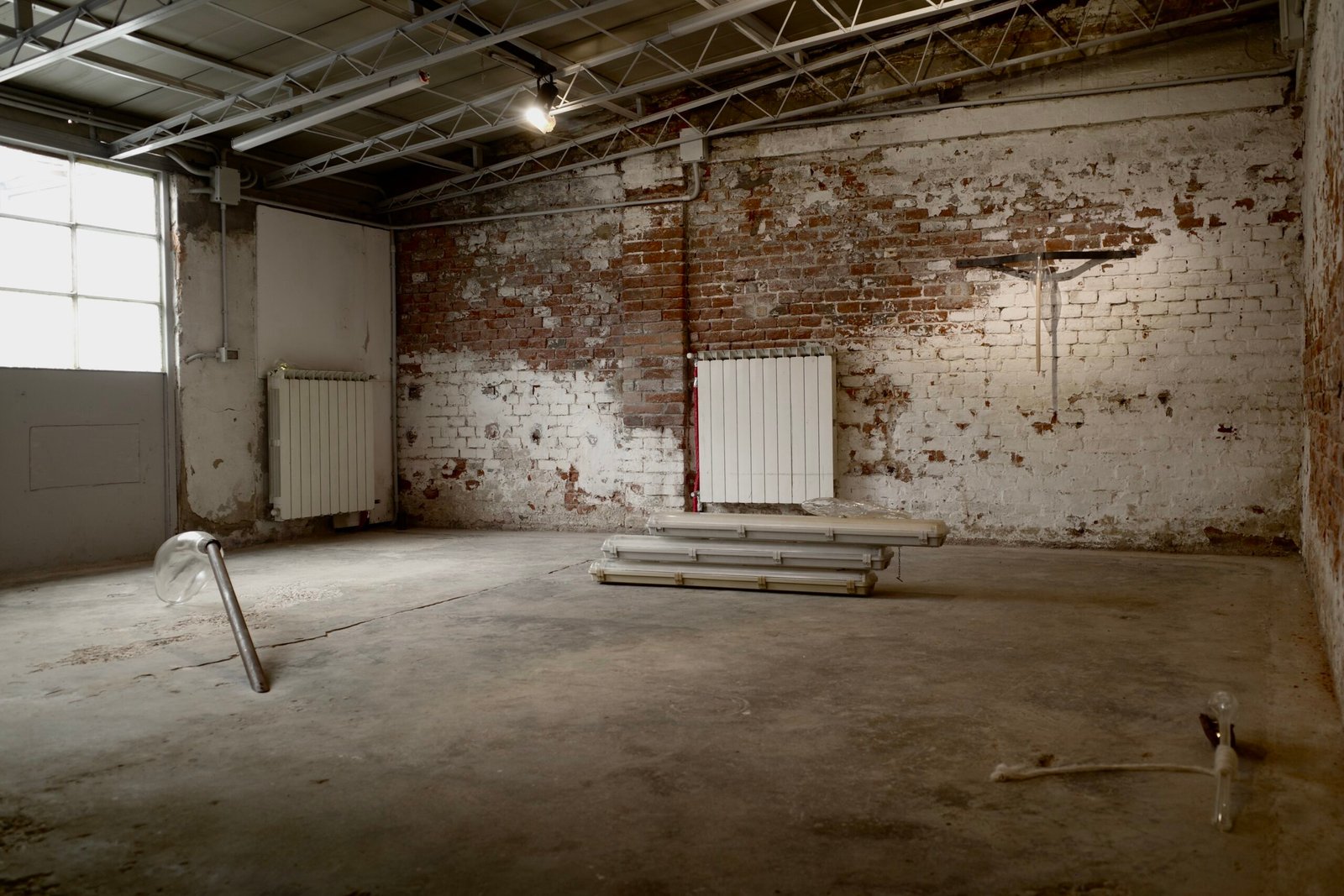
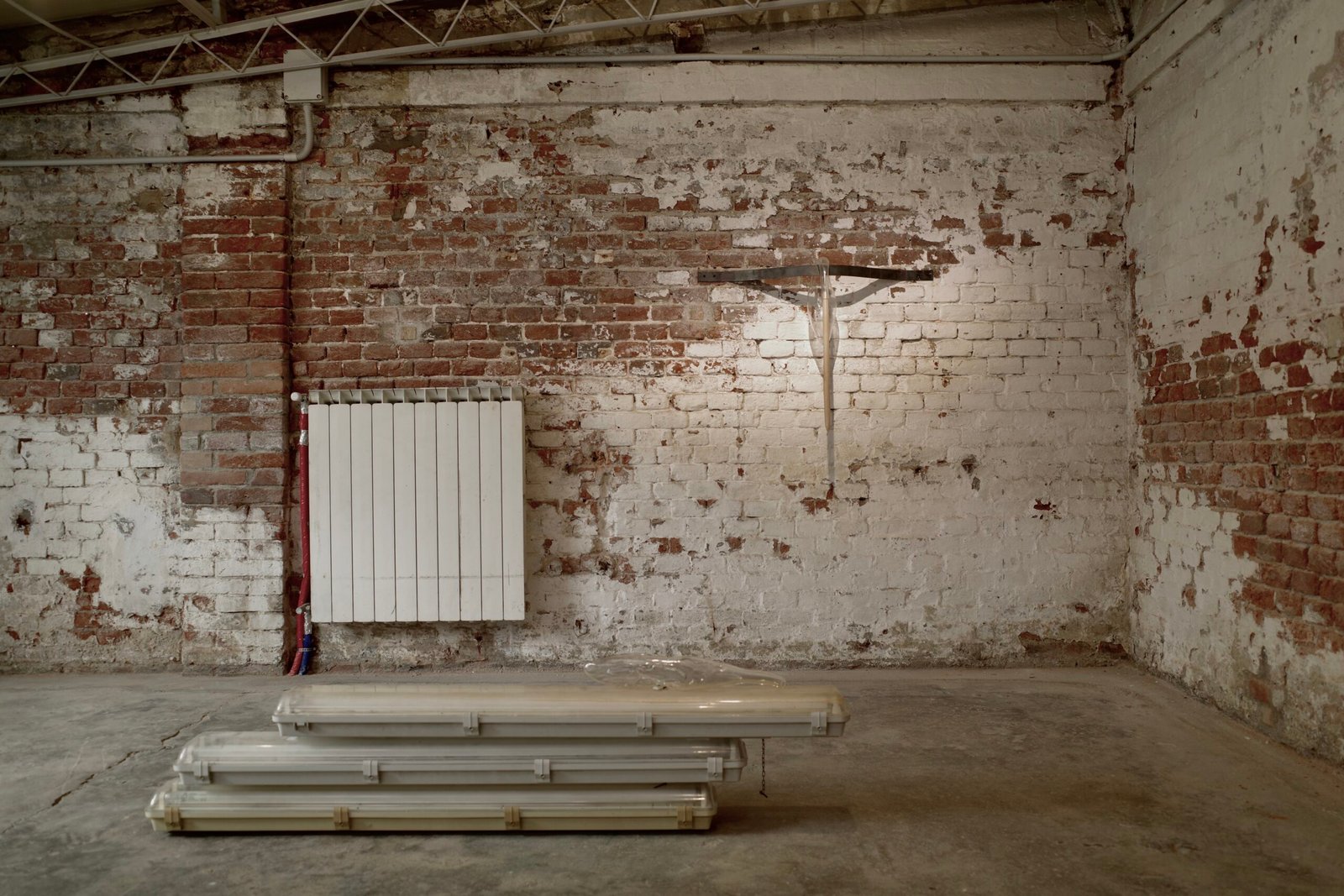
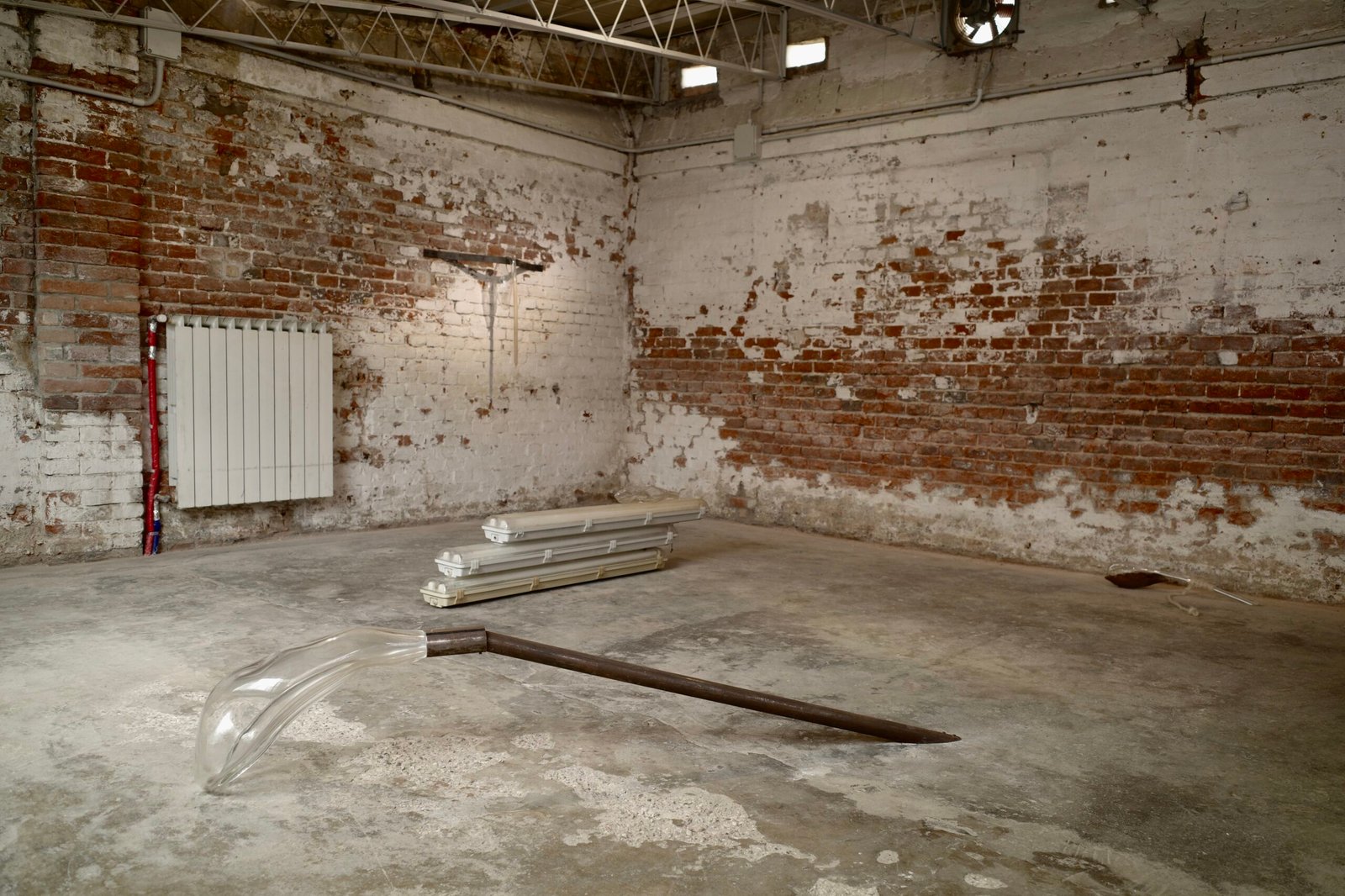
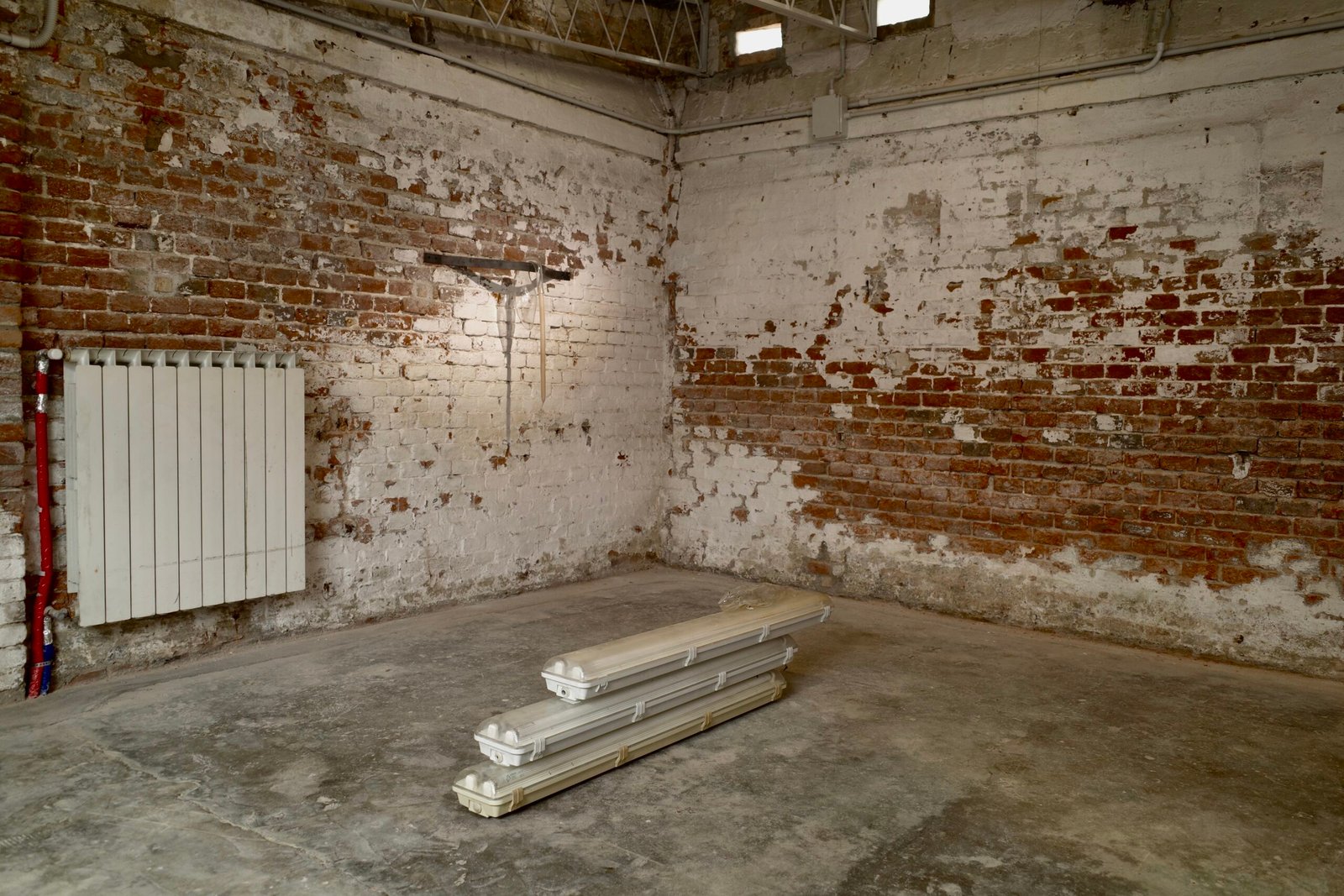
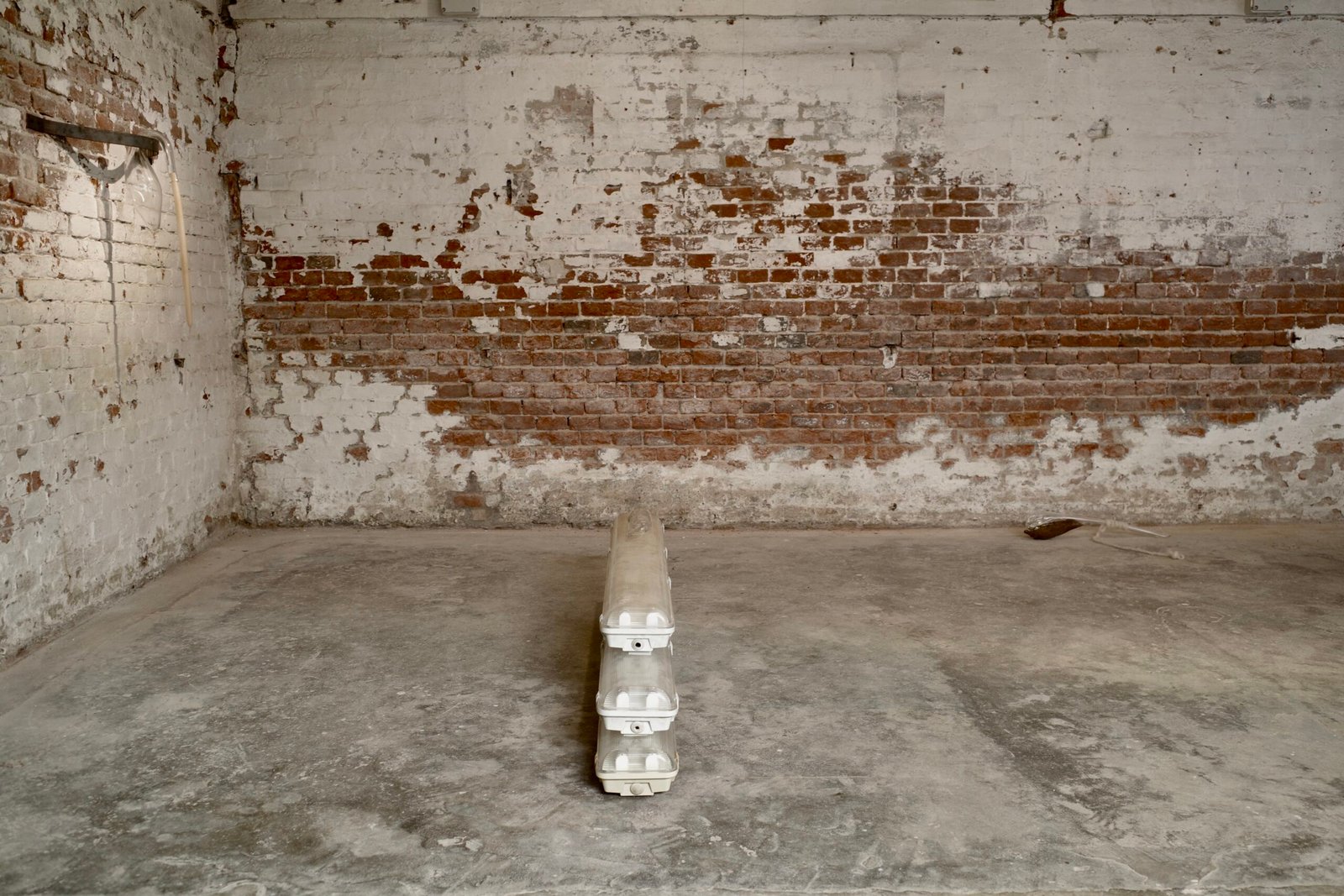
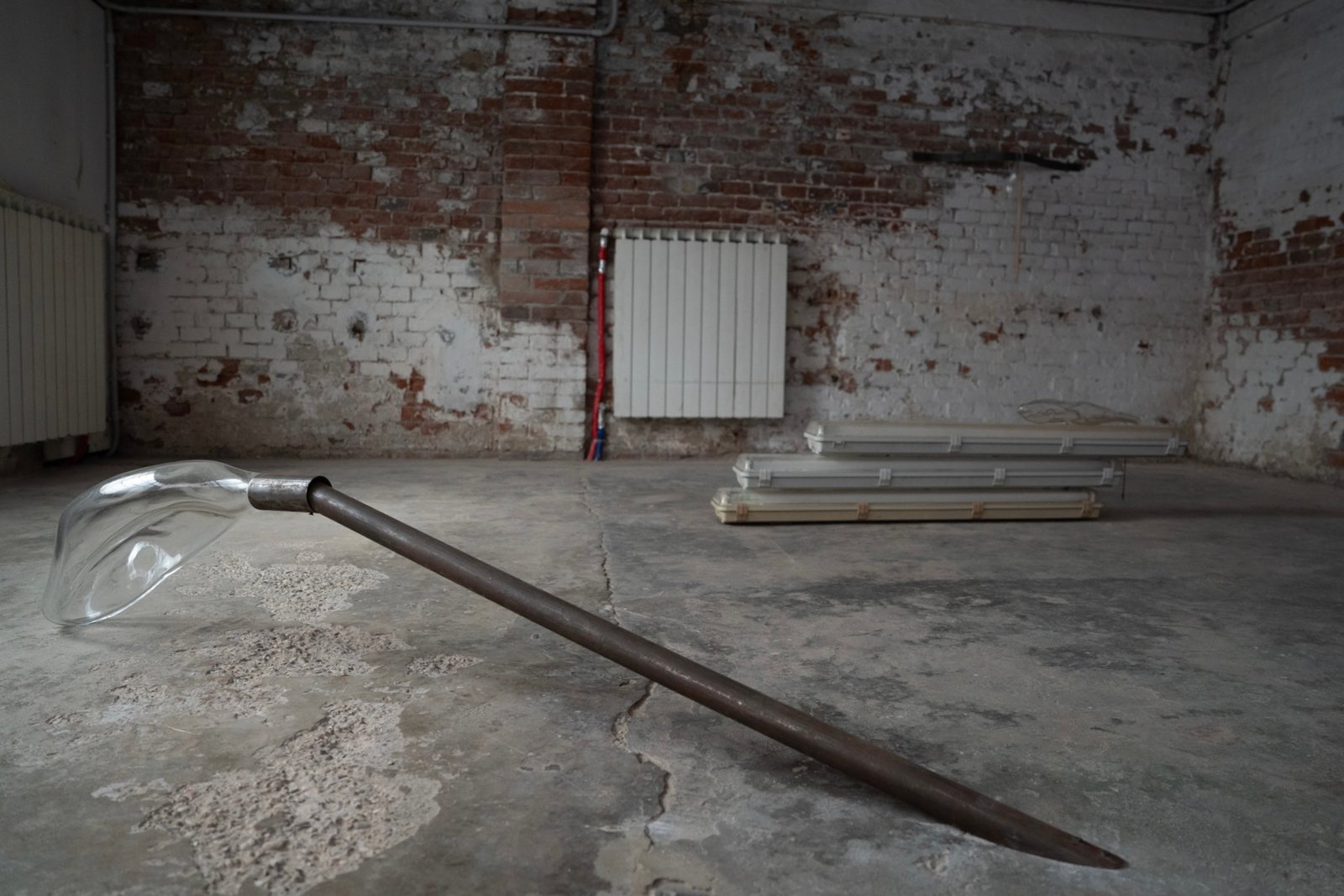
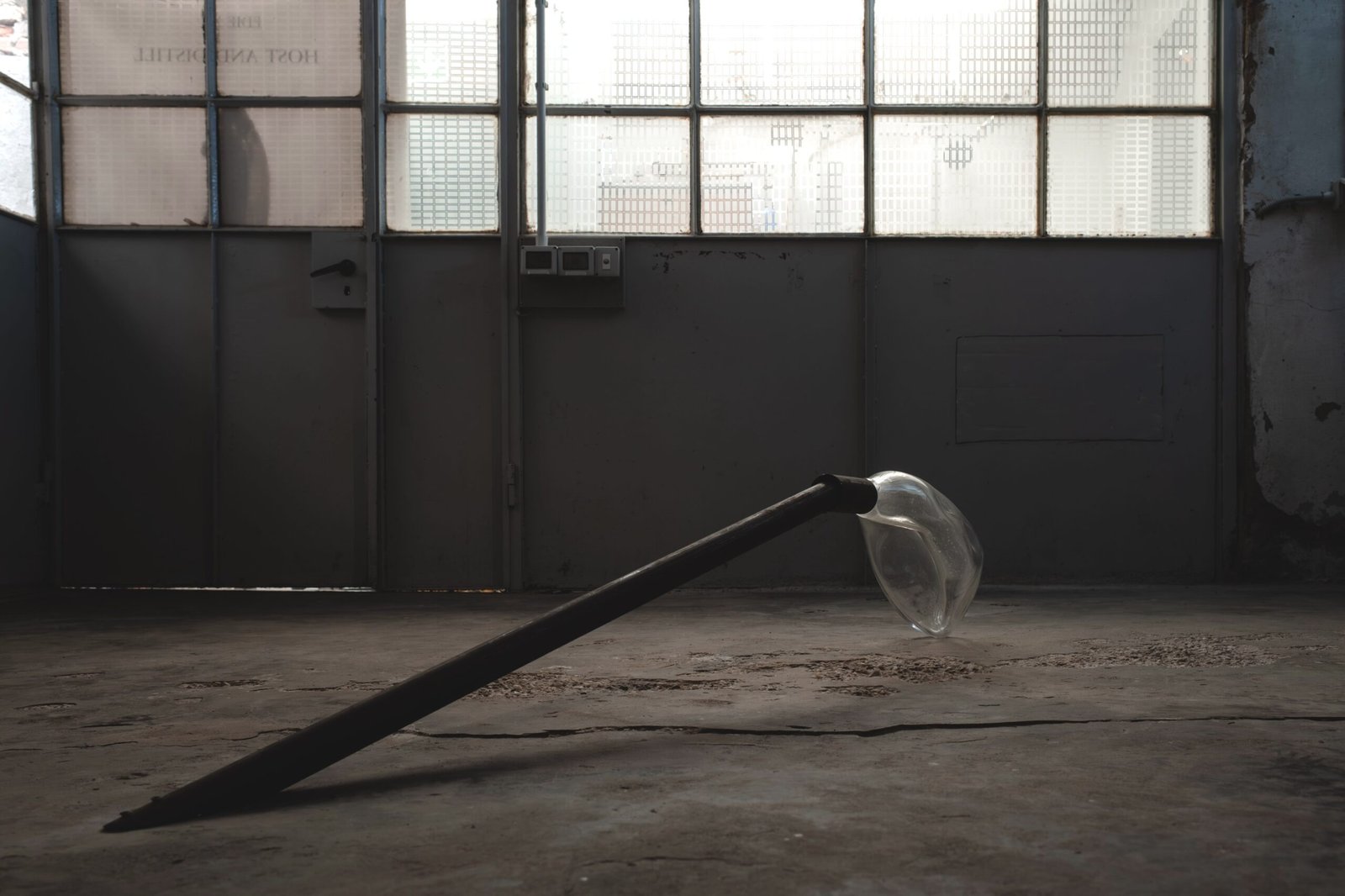
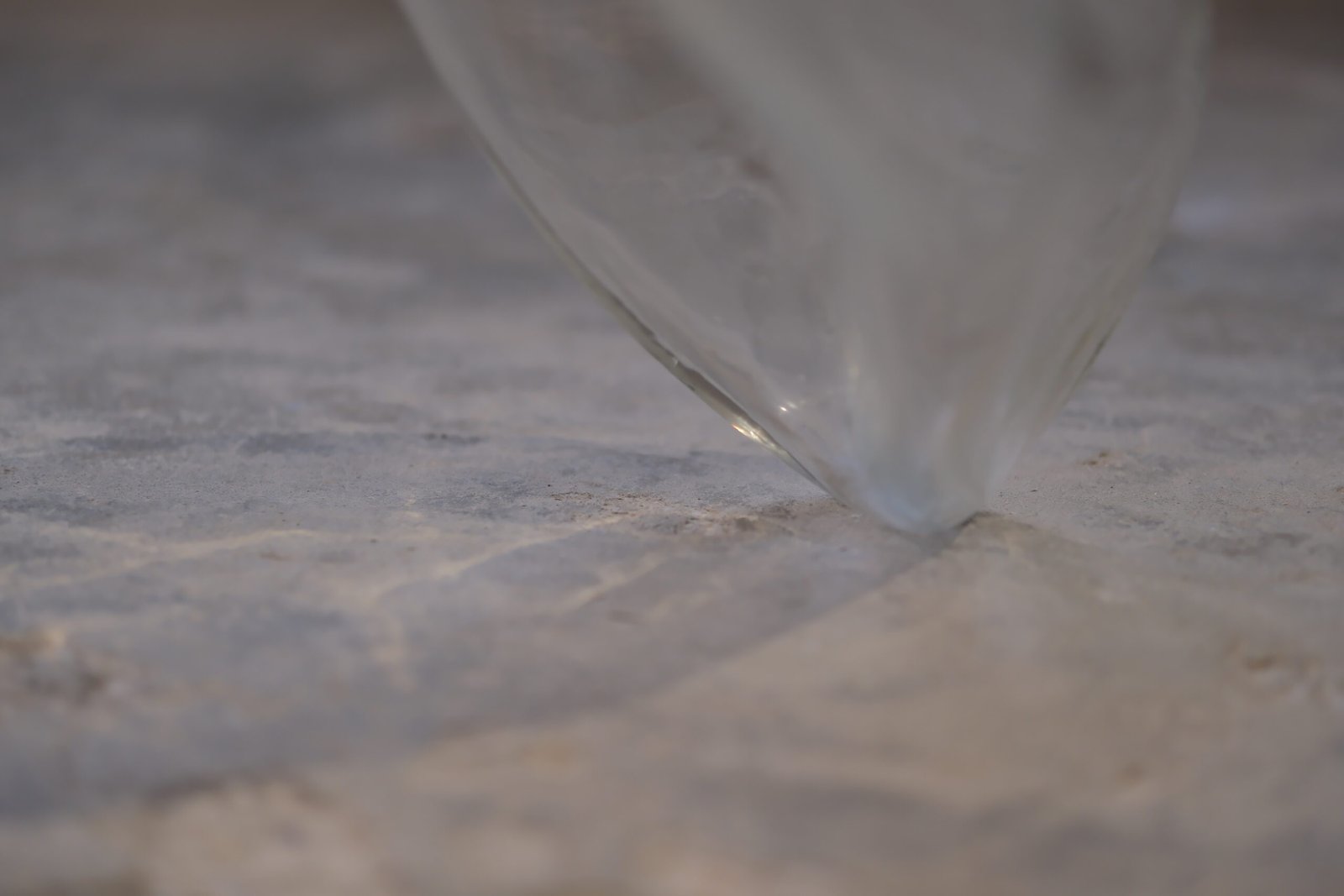
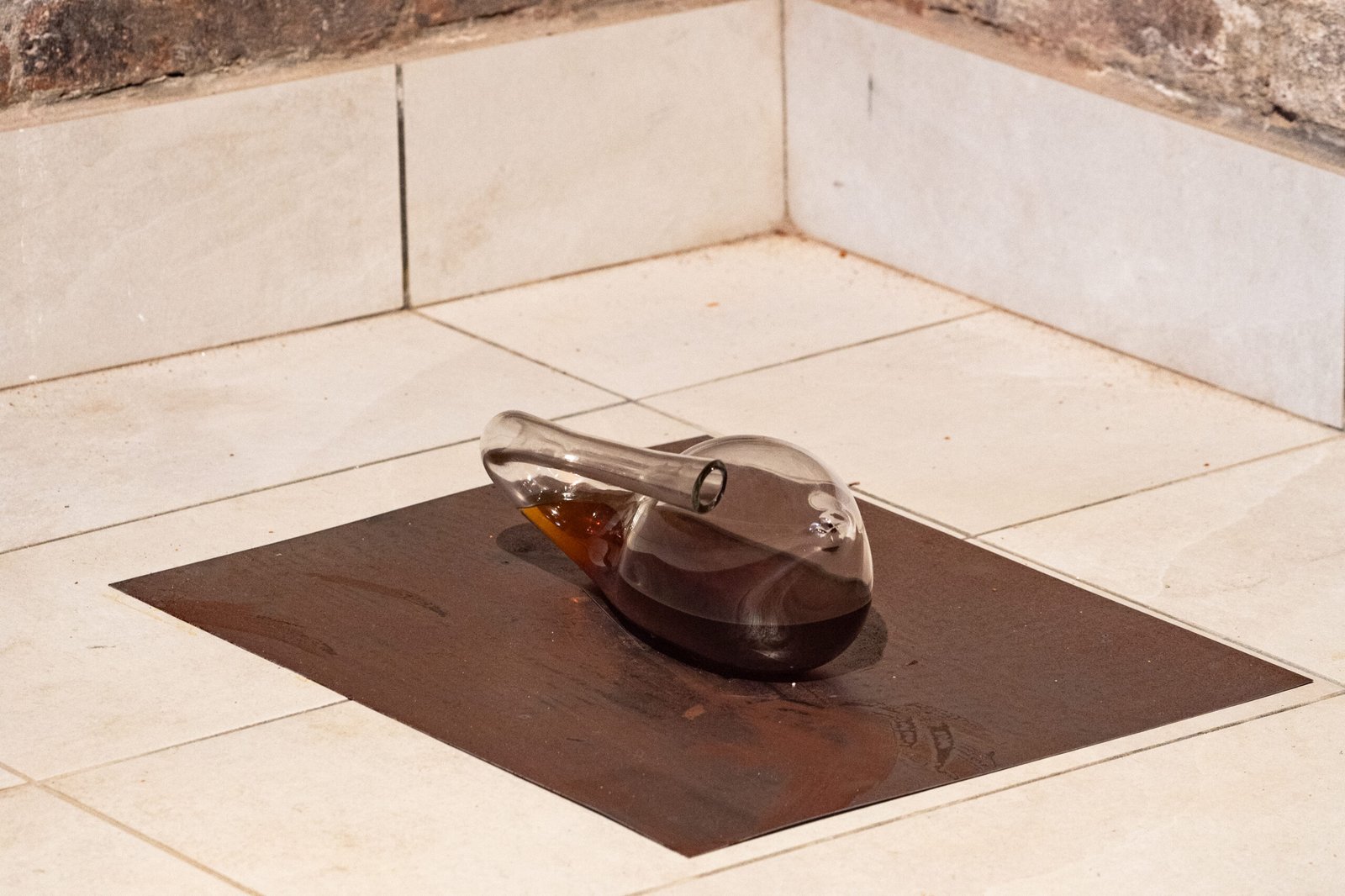
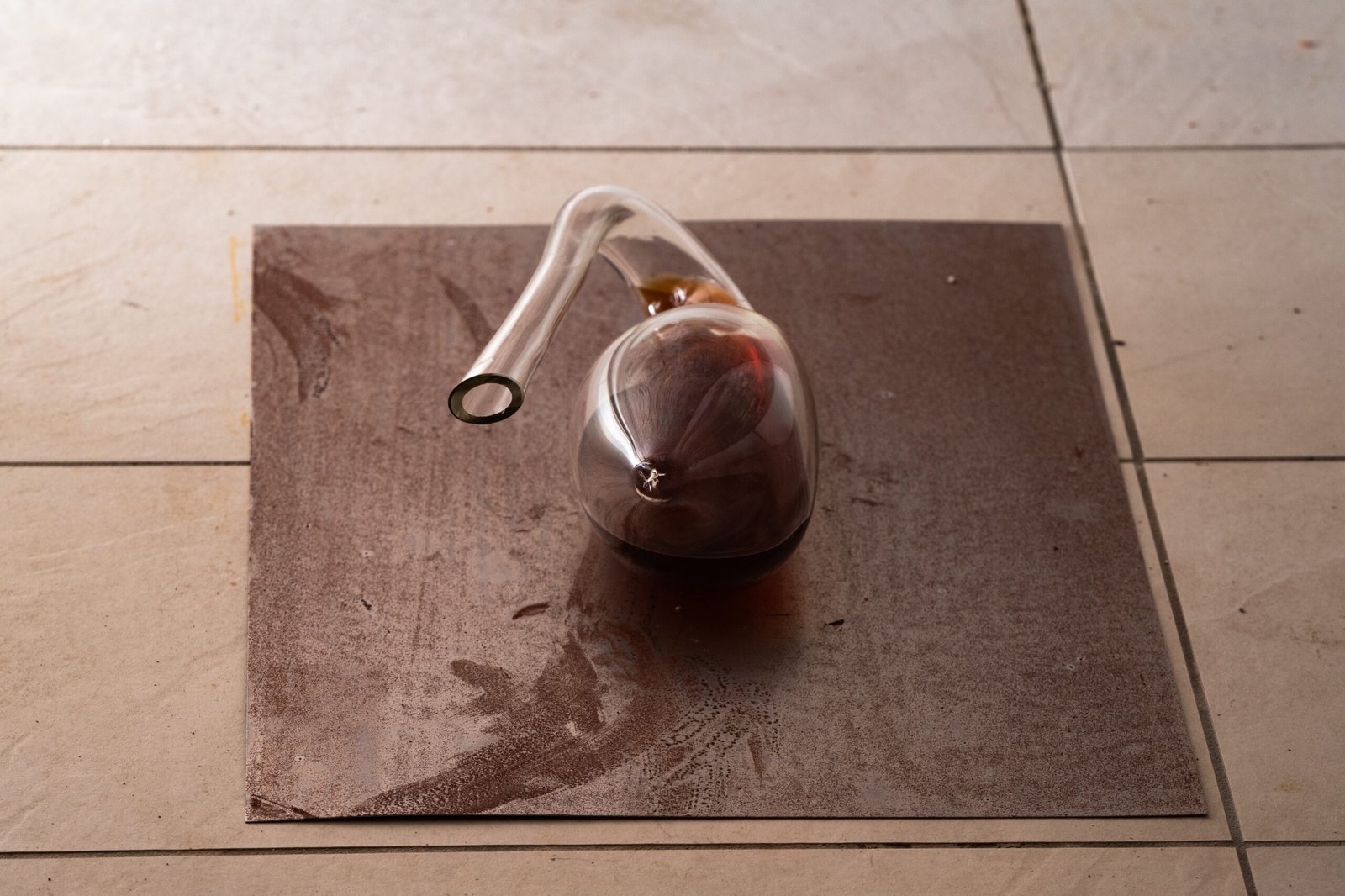
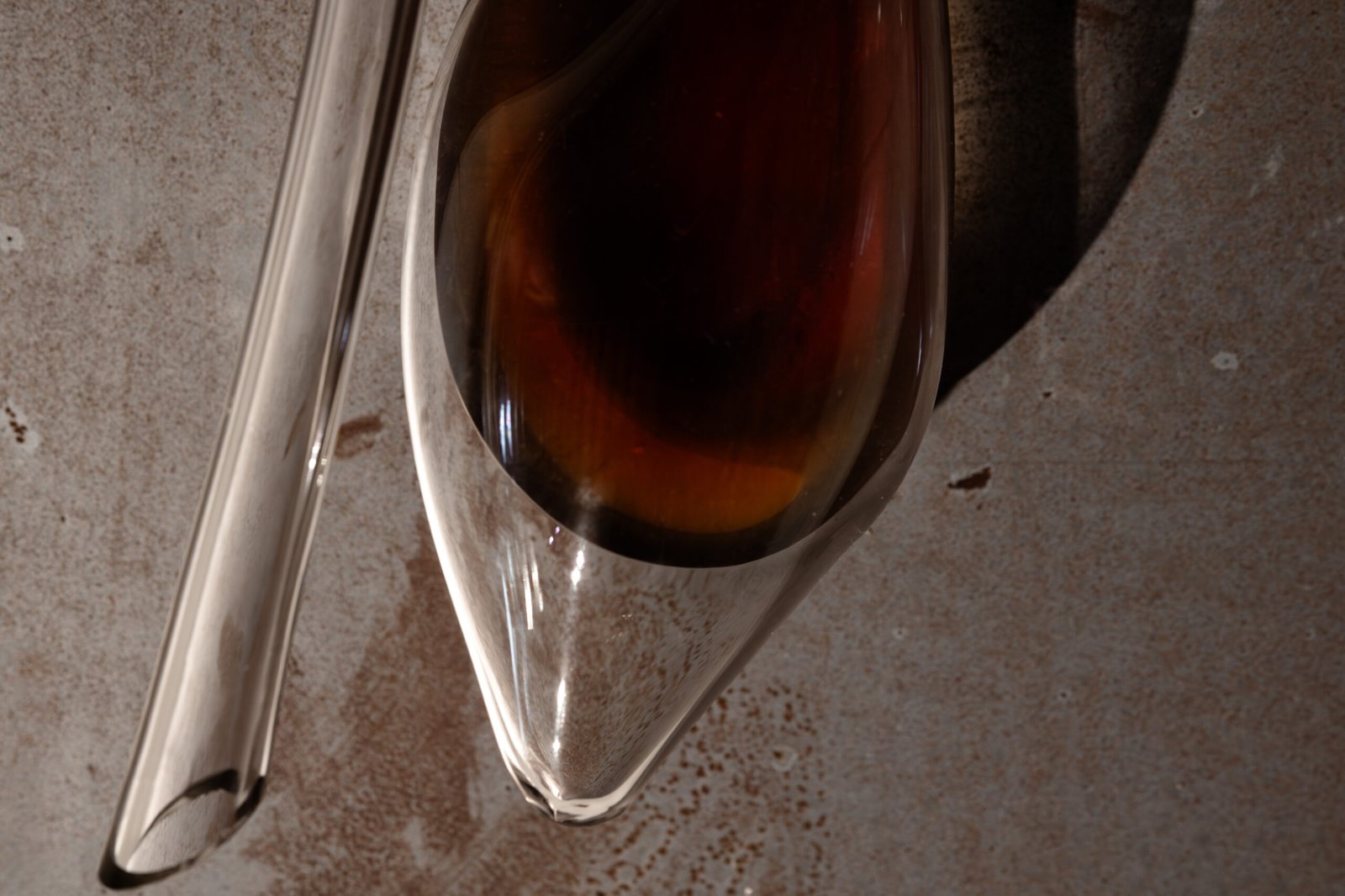
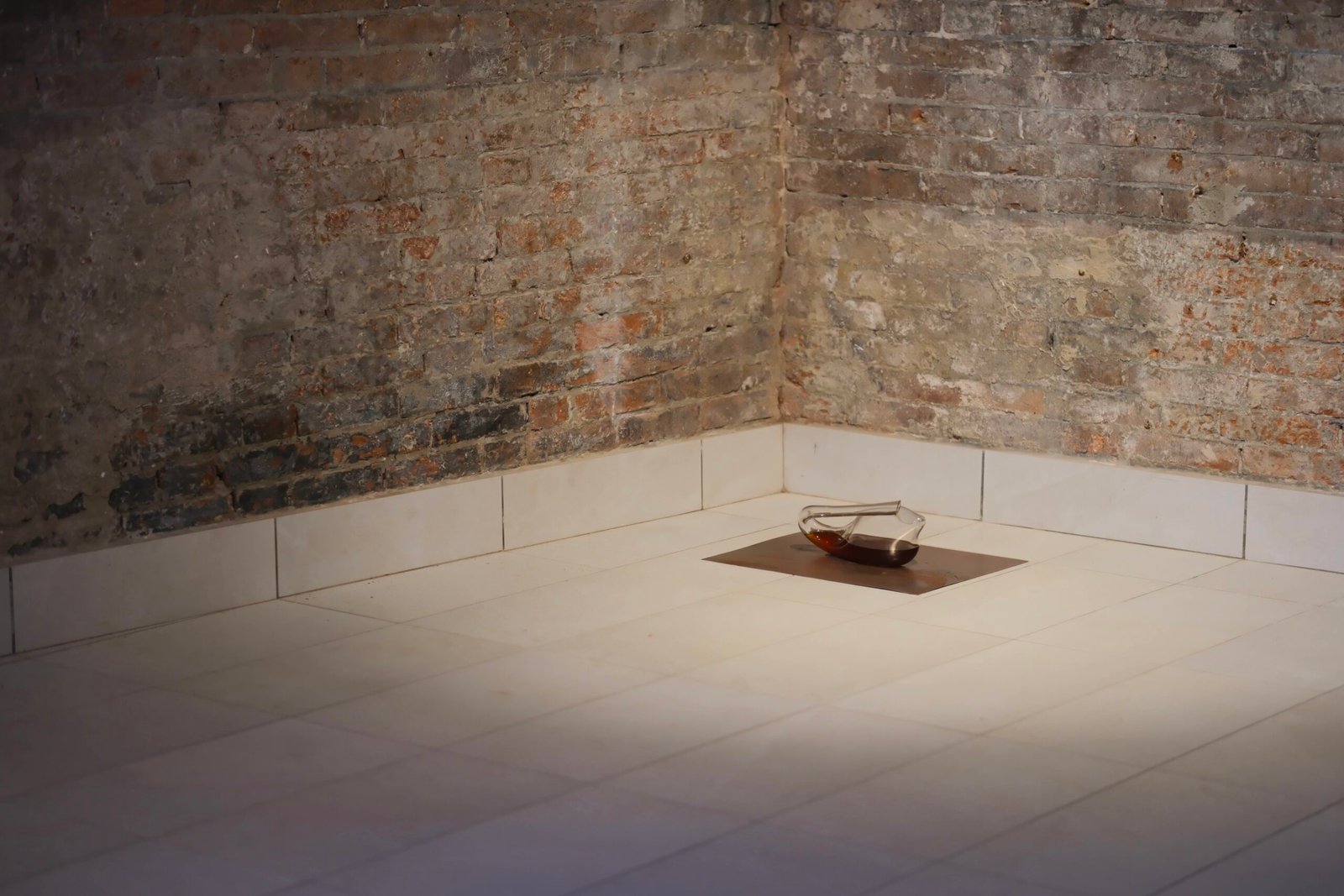
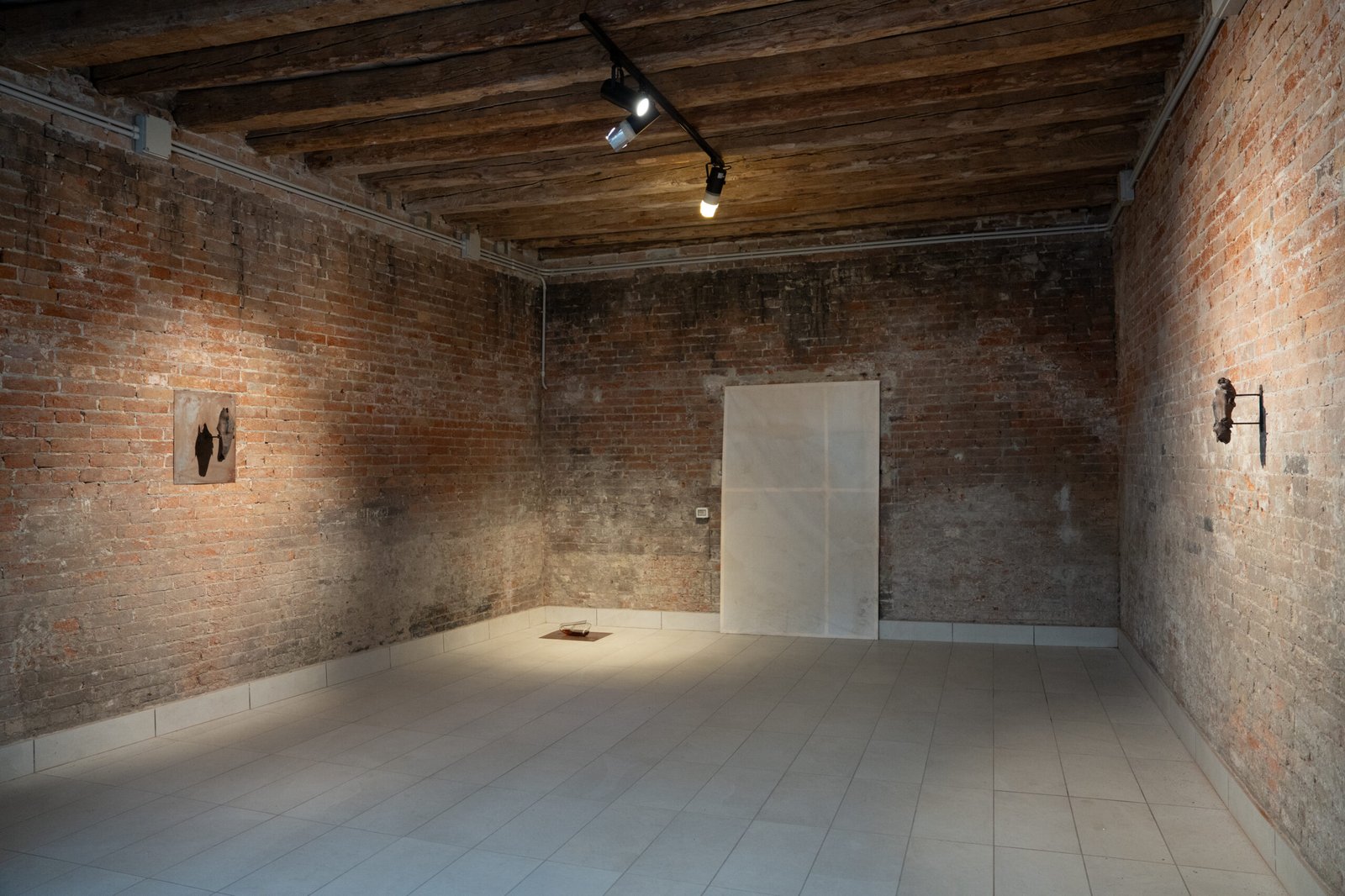
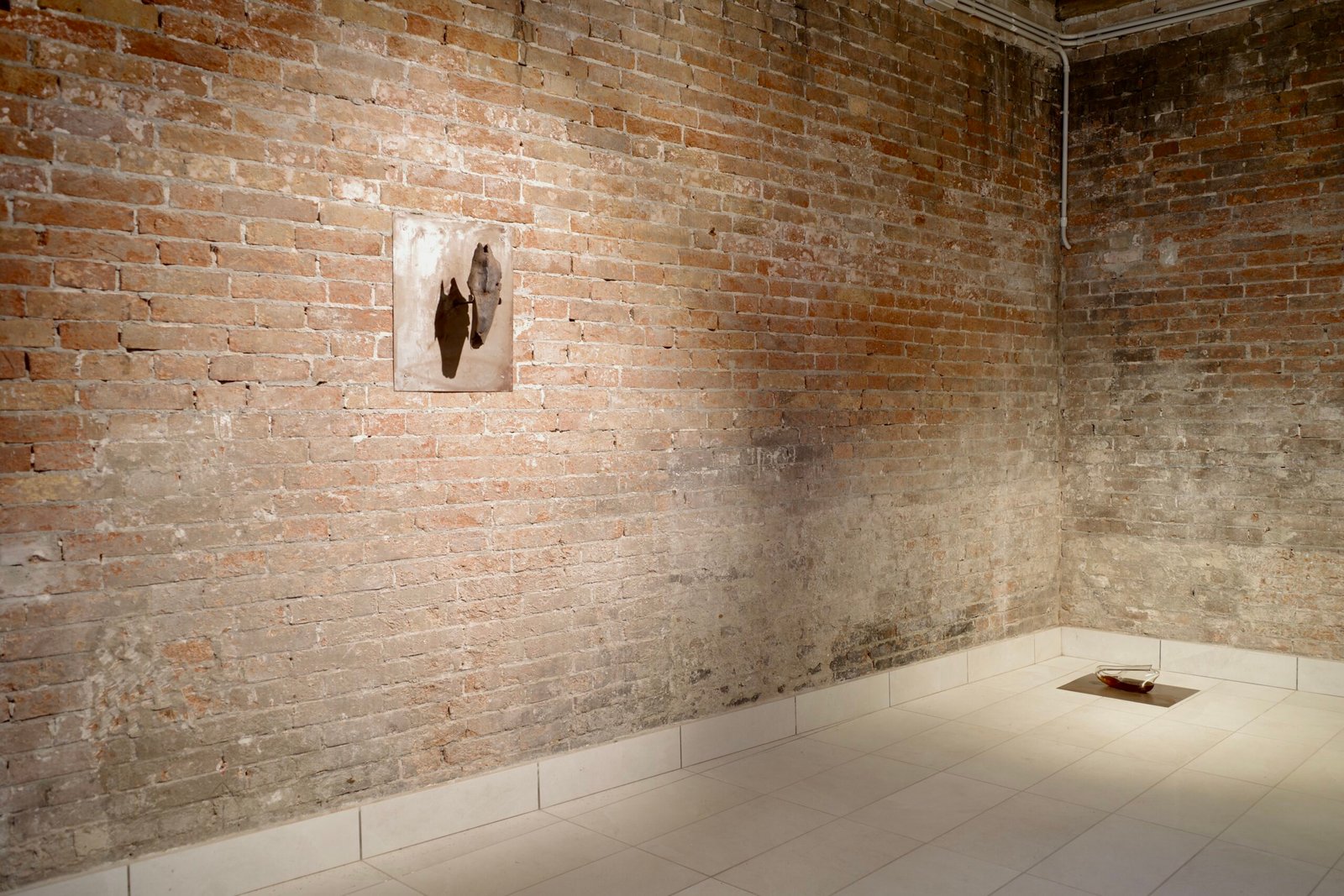
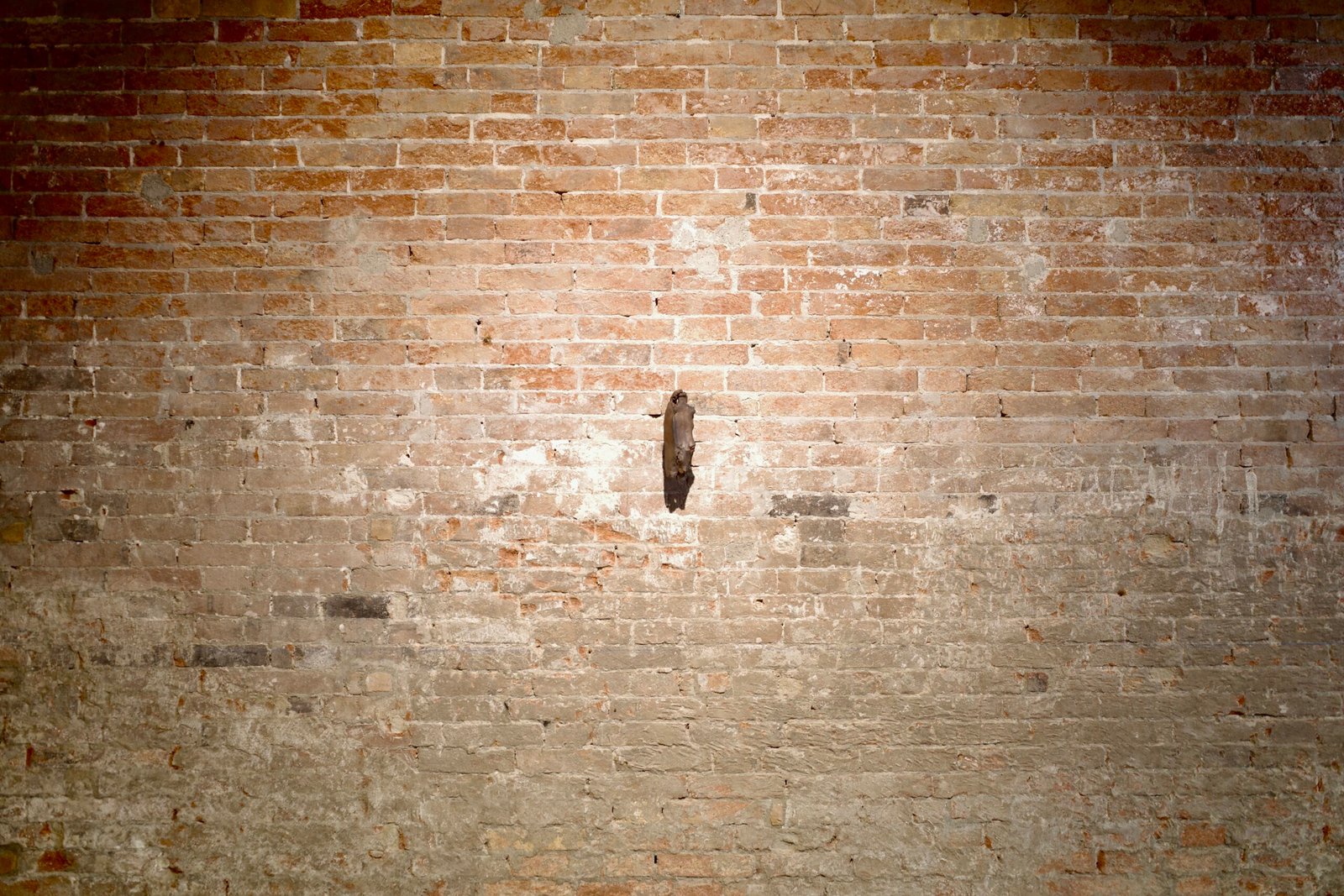
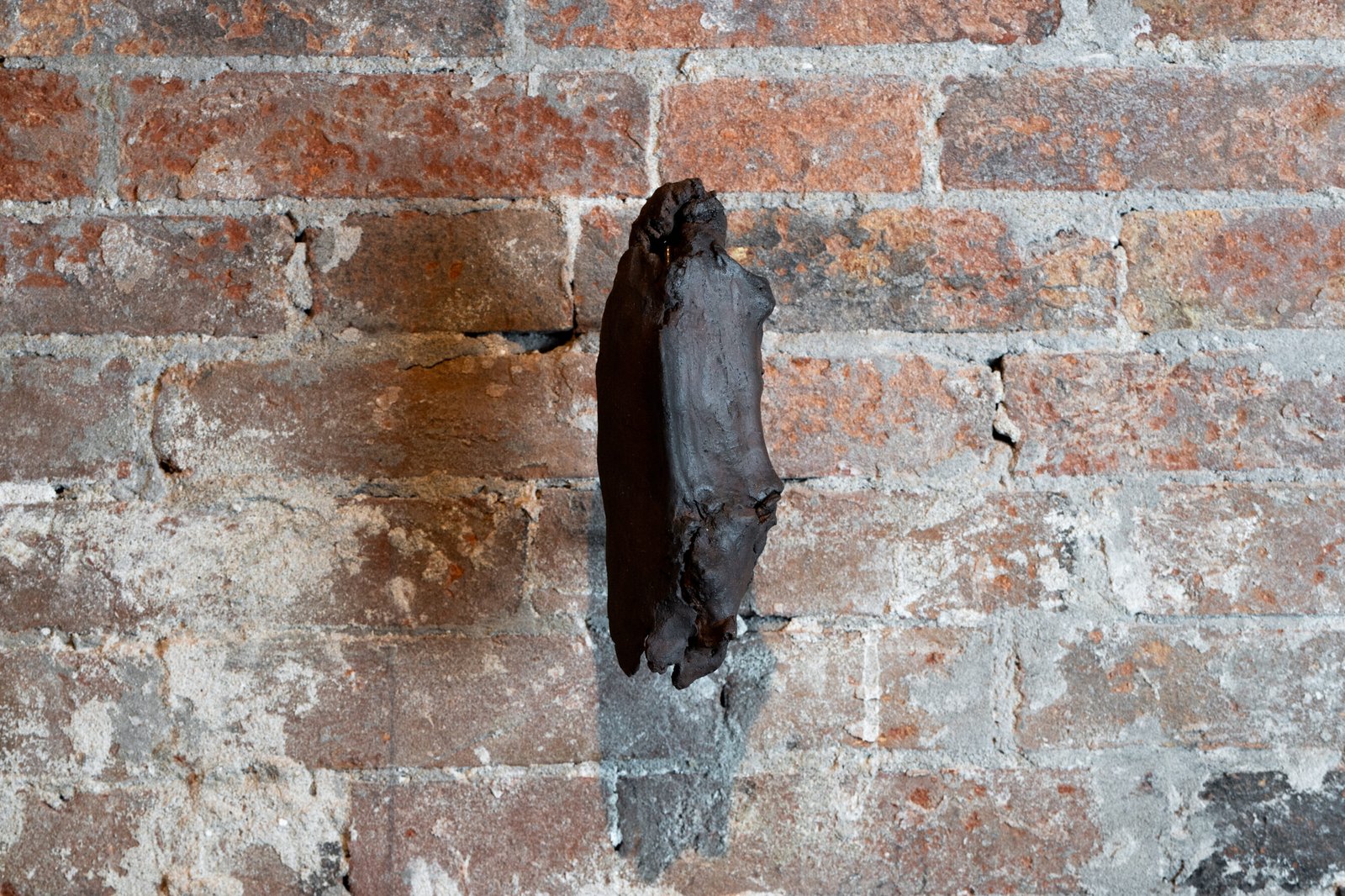
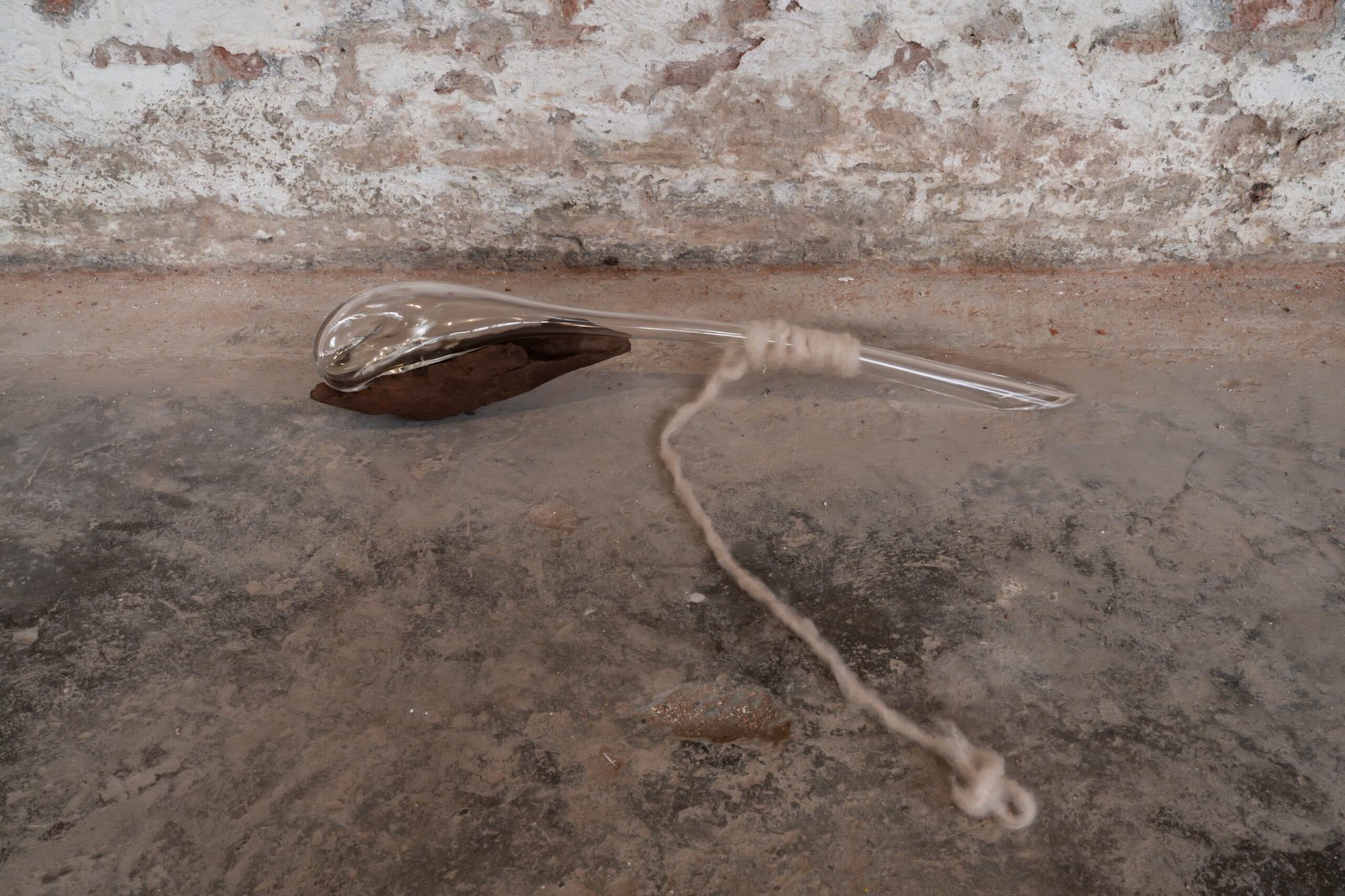
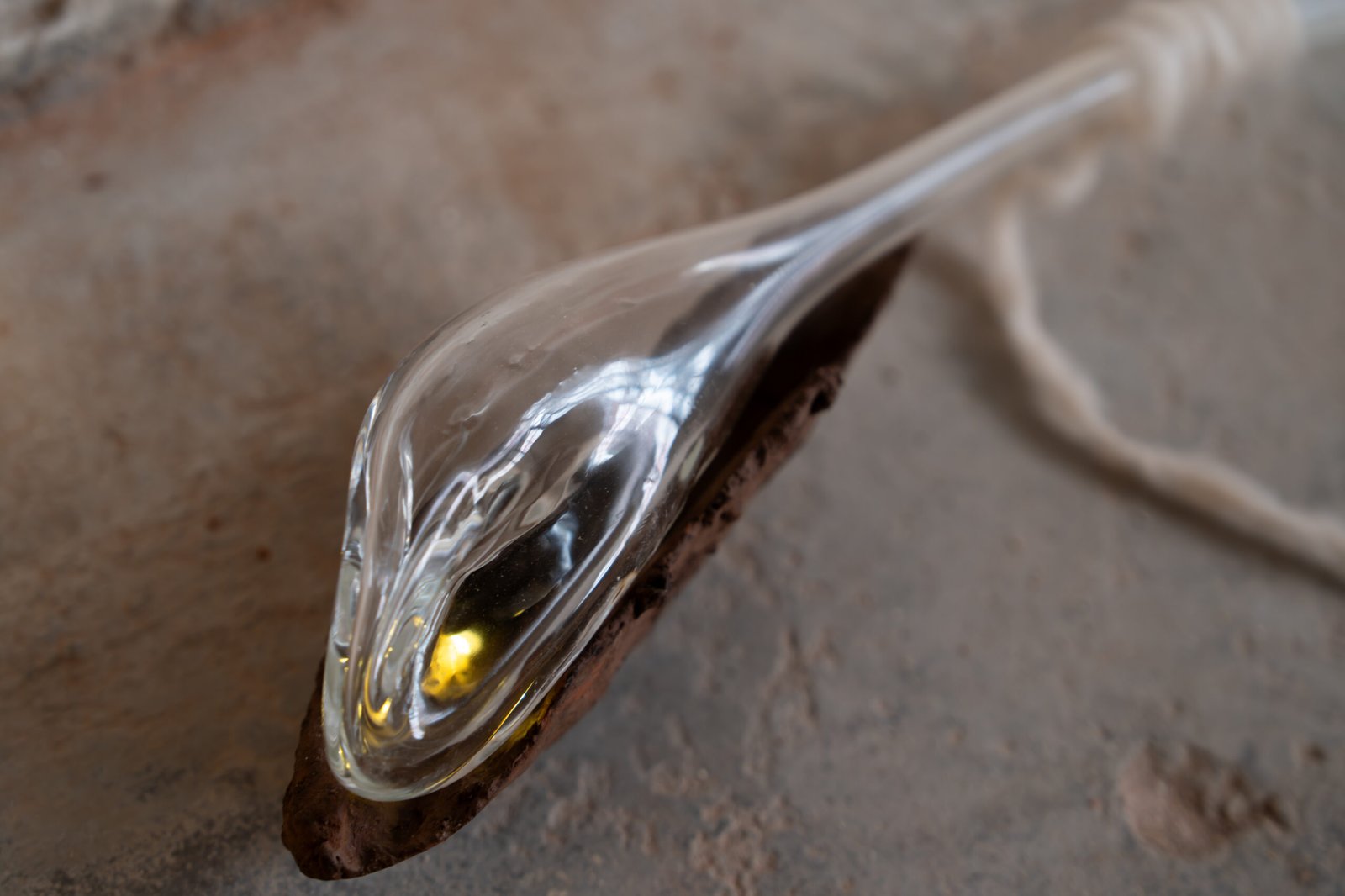
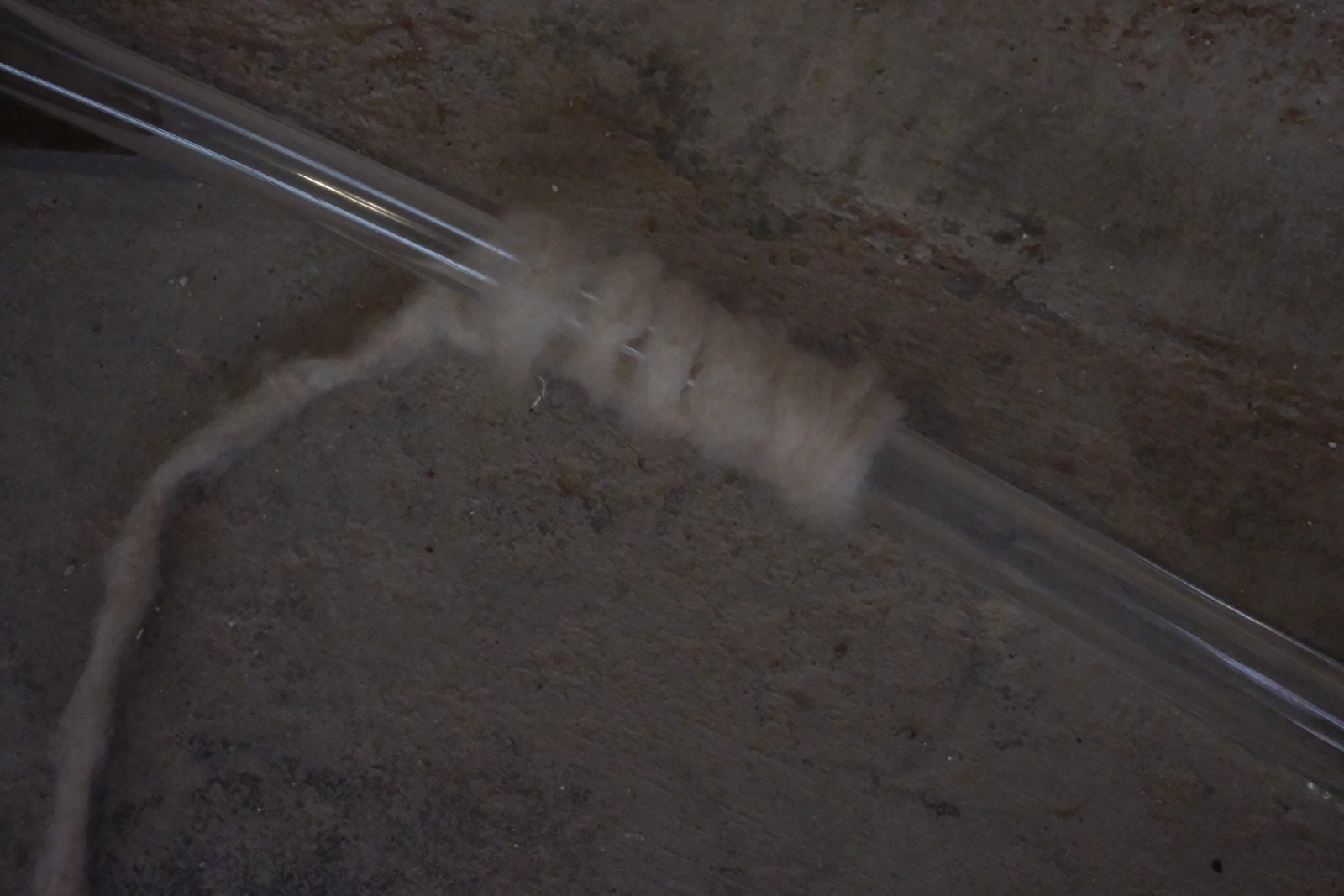
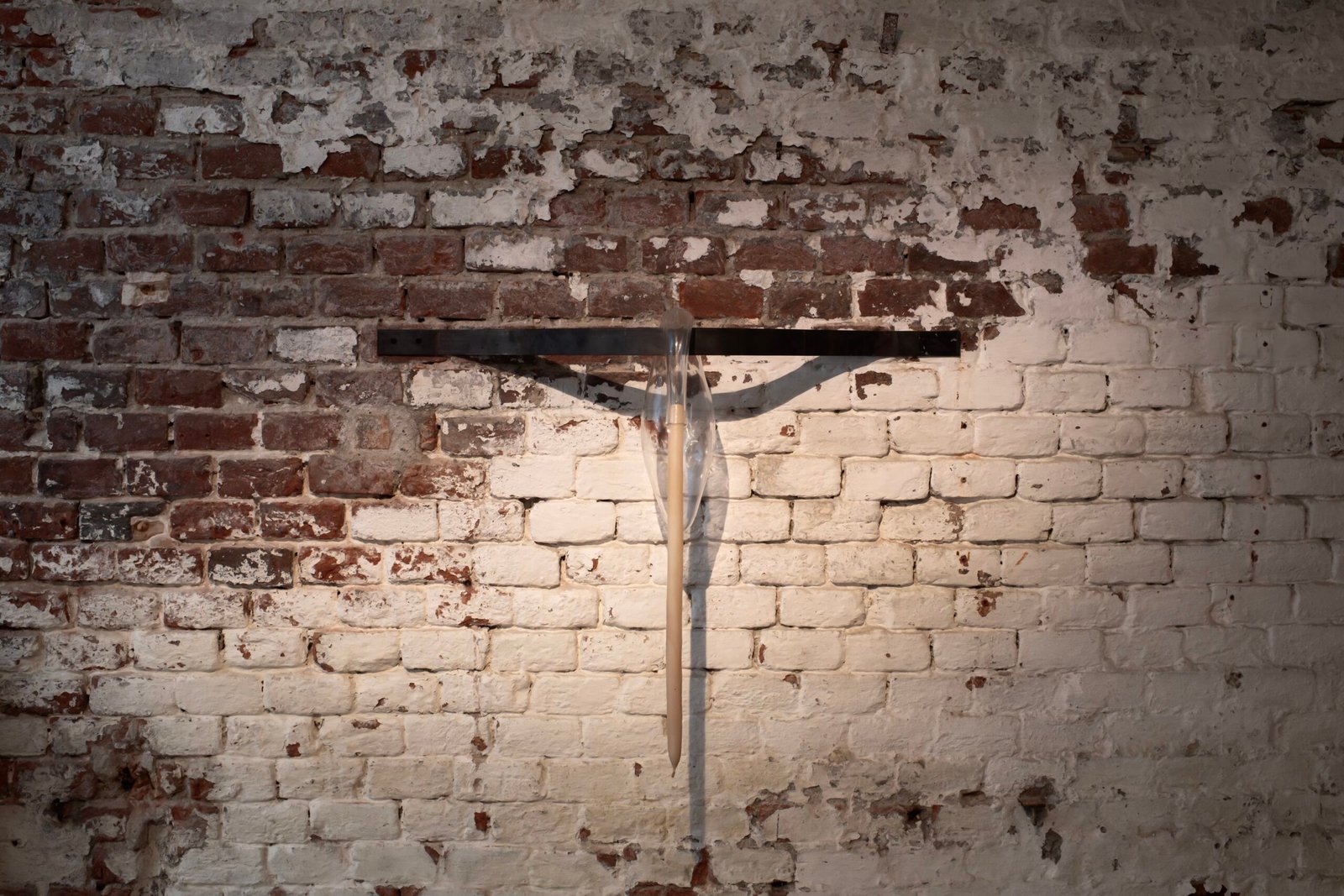
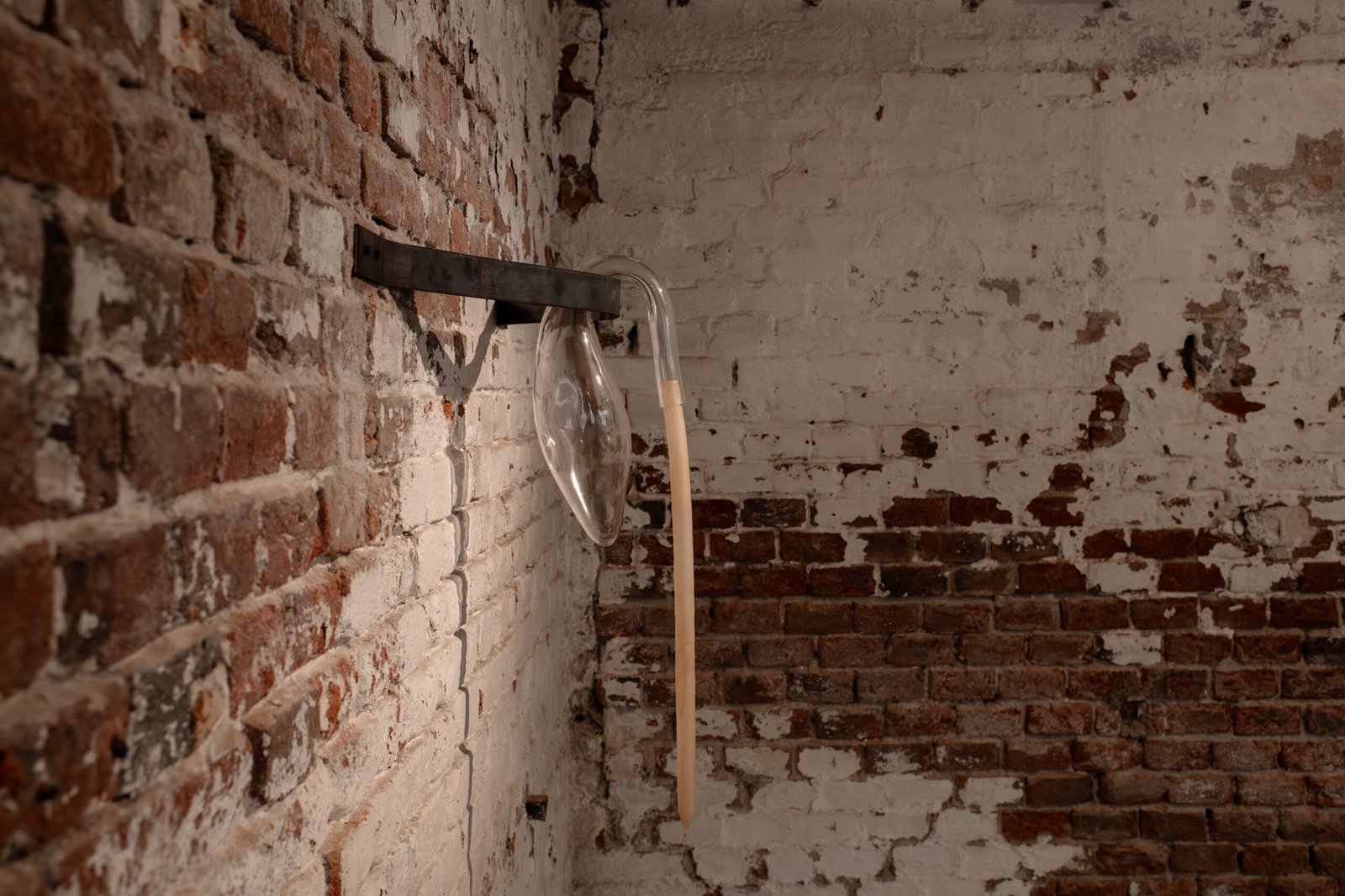
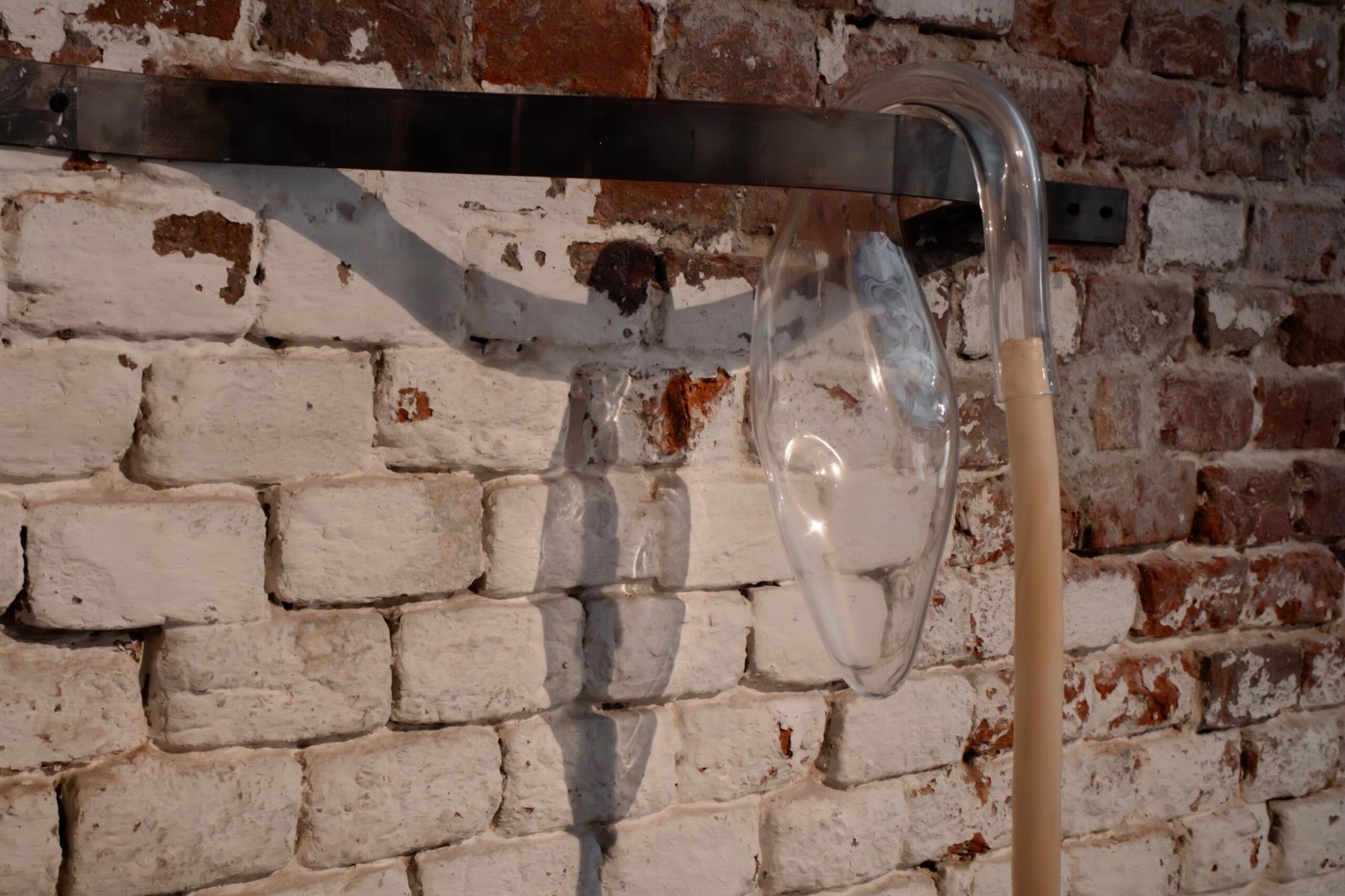
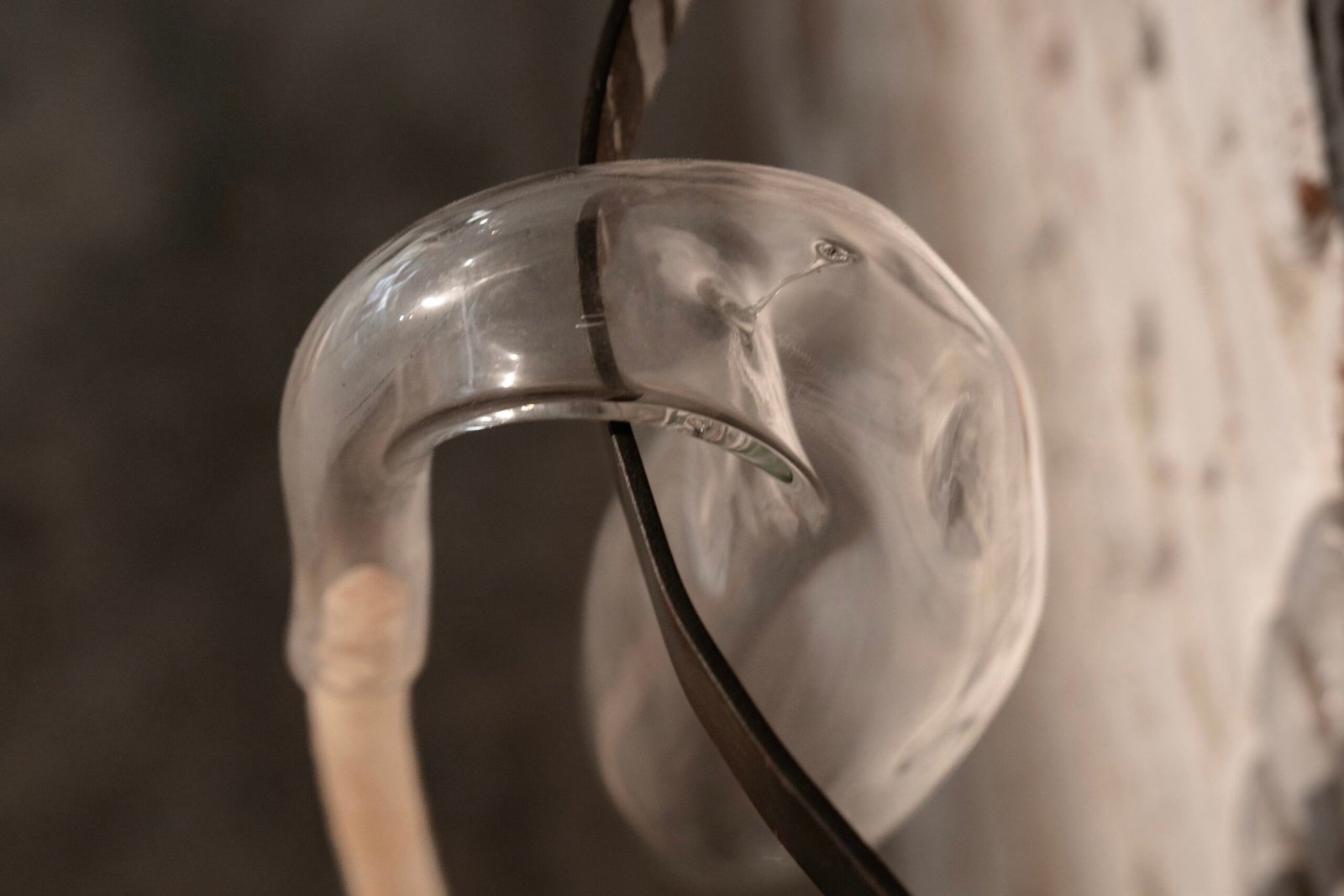
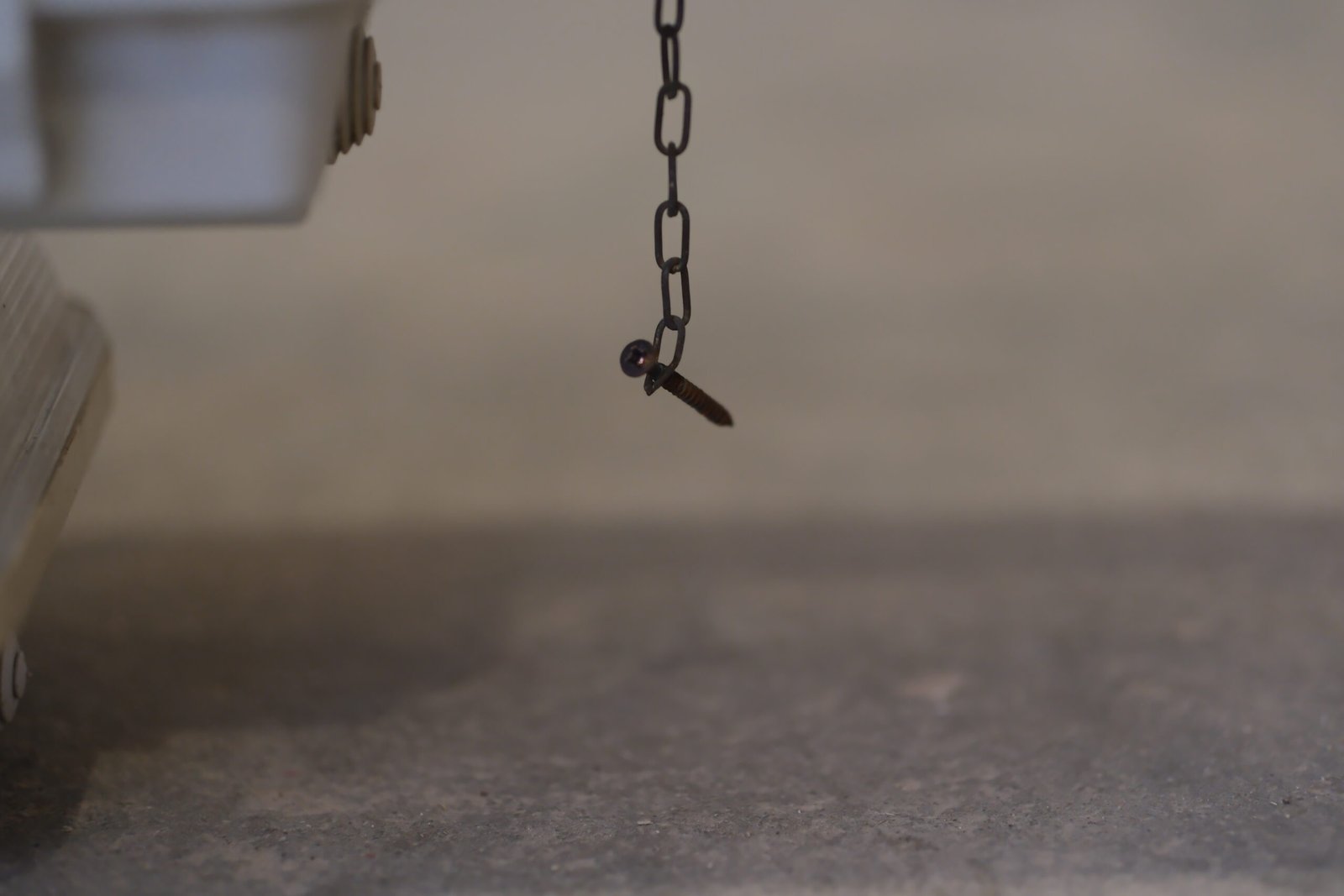
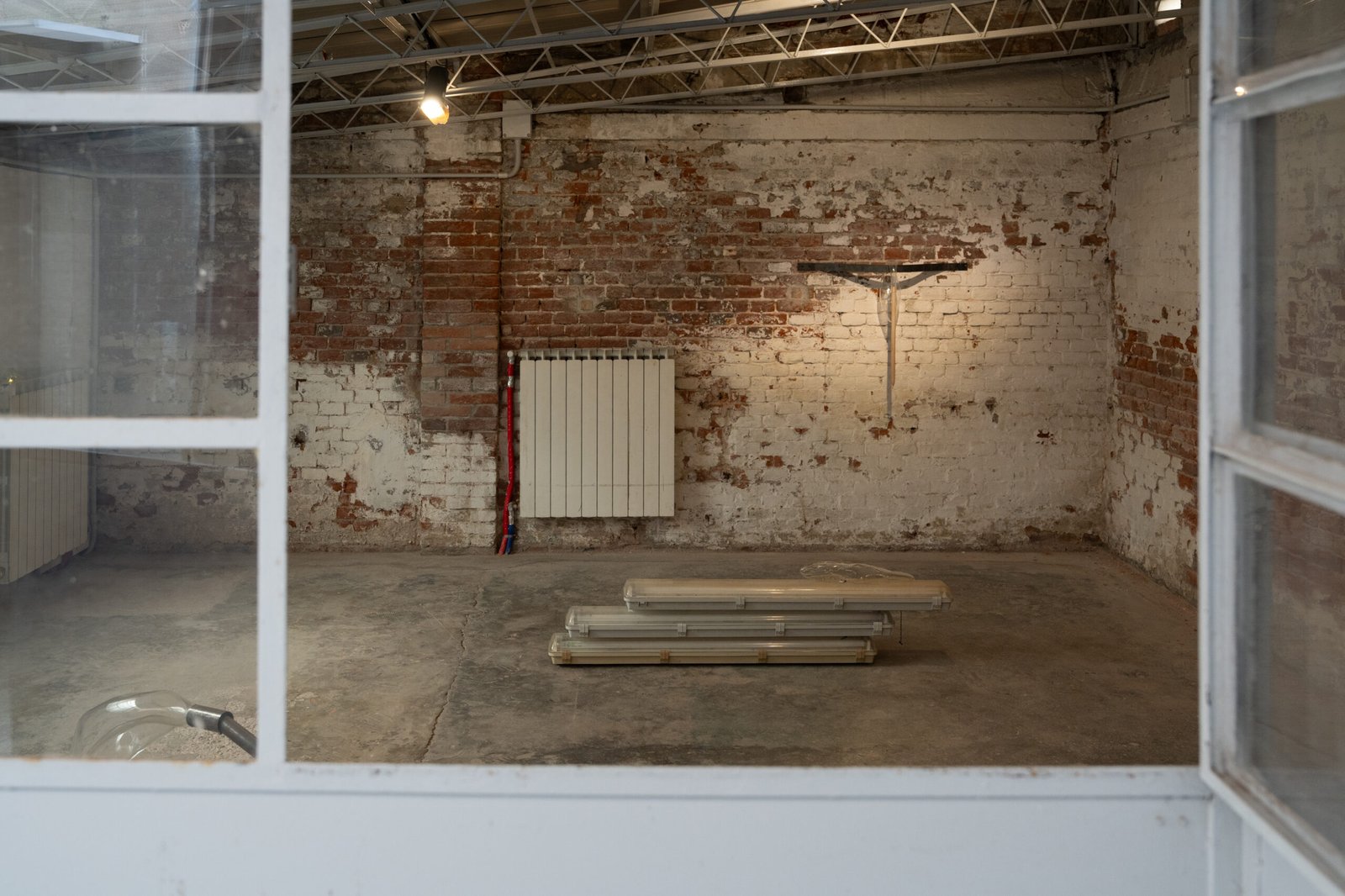
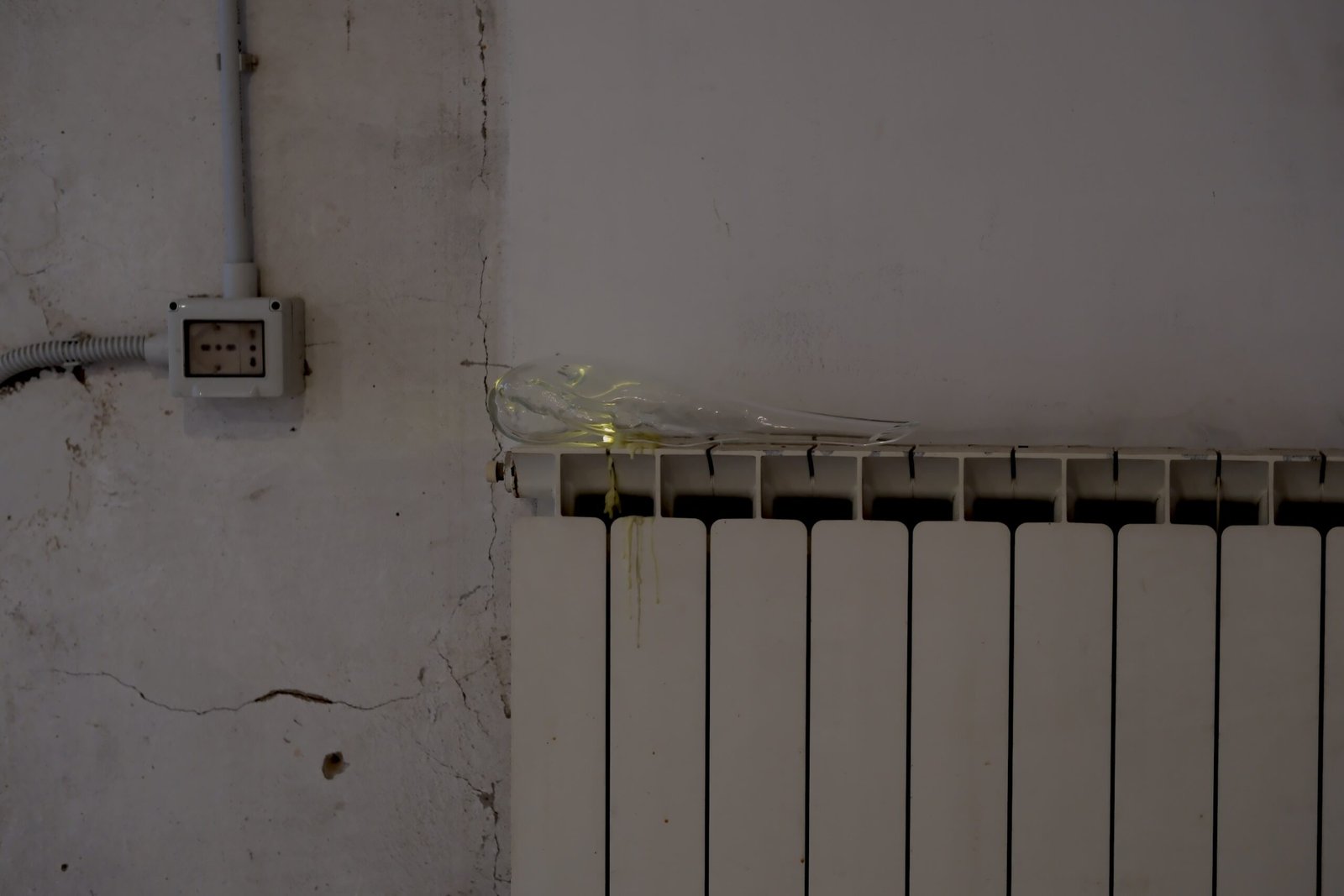
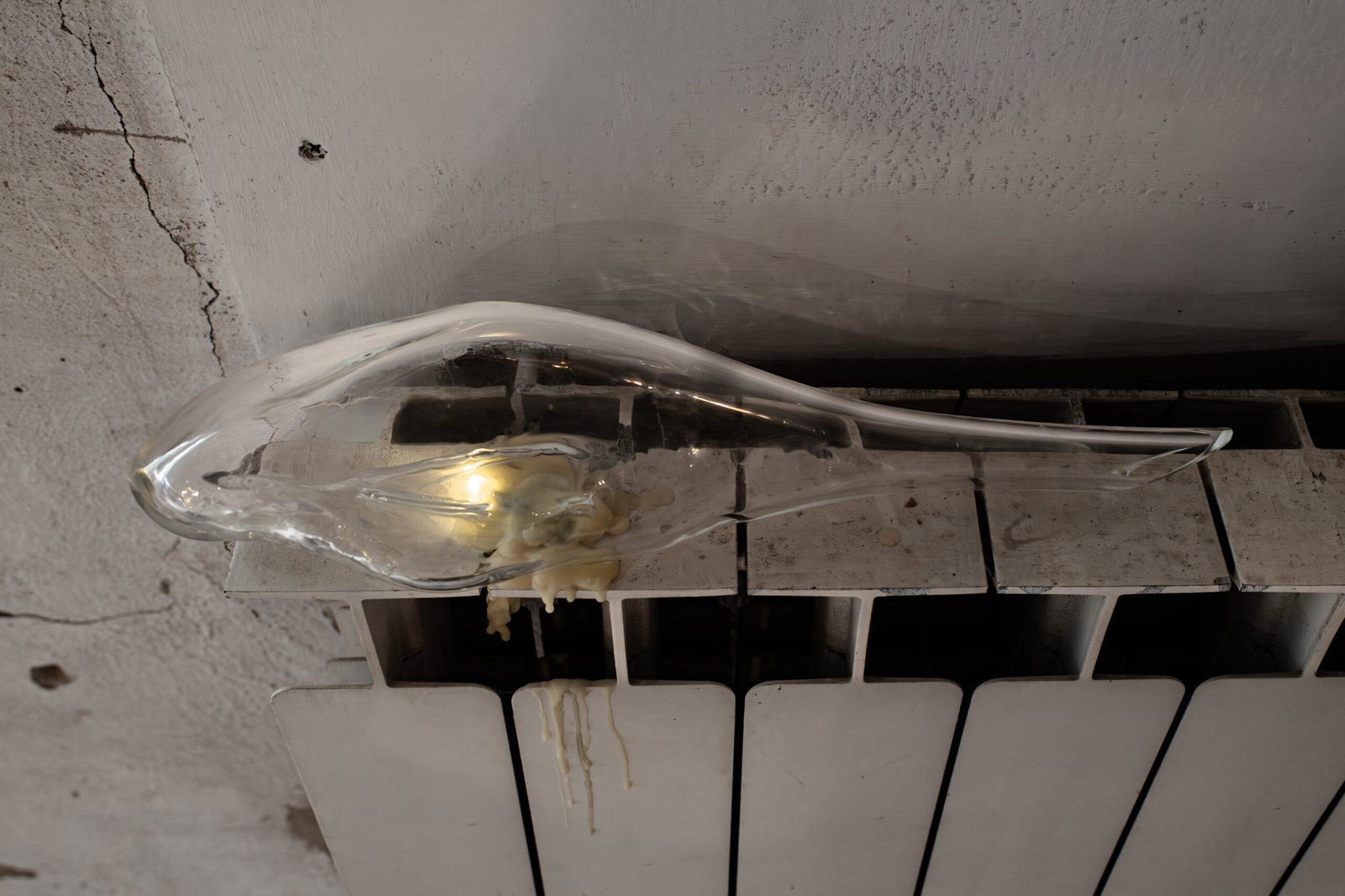
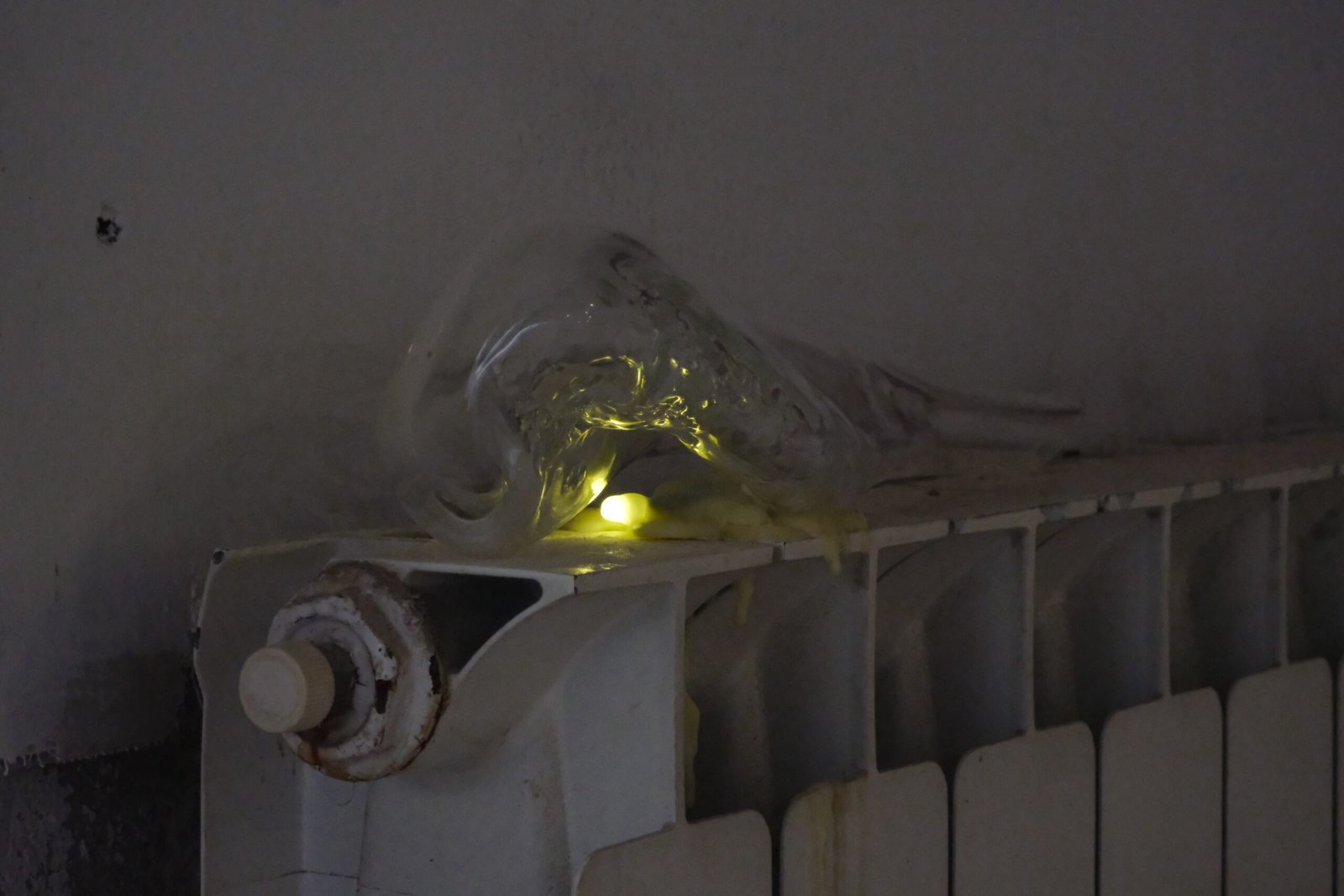
The glass, ceramics, iron, and kombucha fermentation membranes presented in the exhibition are
not merely materials, but different forms of “hosts.” They absorb the traces left by time,
humidity, oxygen, and microbial activity, much as the body preserves memory, architecture
preserves history, and a city preserves the long and complex processes of its own life.
“Distill” here does not simply mean refinement or extraction. Rather, it refers to distillation as a
process through which the invisible is released from the visible. Just as perfume extracts
fragrance from plants, vapor rises from water, and fermentation generates new forms of life from
sugar, the artist seeks to capture those flows that cannot be directly seen yet are always present:
the moisture suspended in air, the time embedded within materials, the memories contained in
space, and the continuous exchange of energy between human beings and their environment.
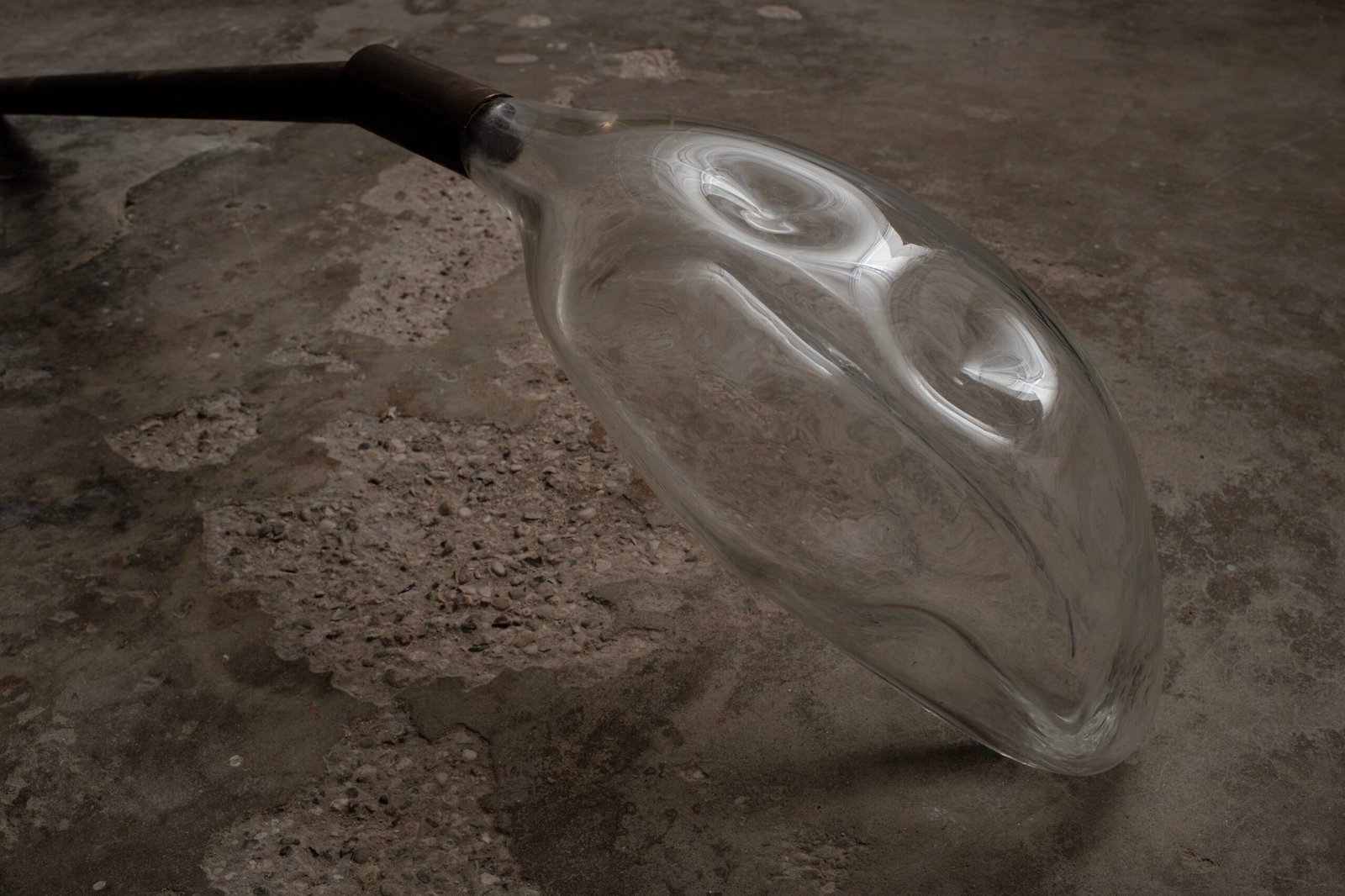
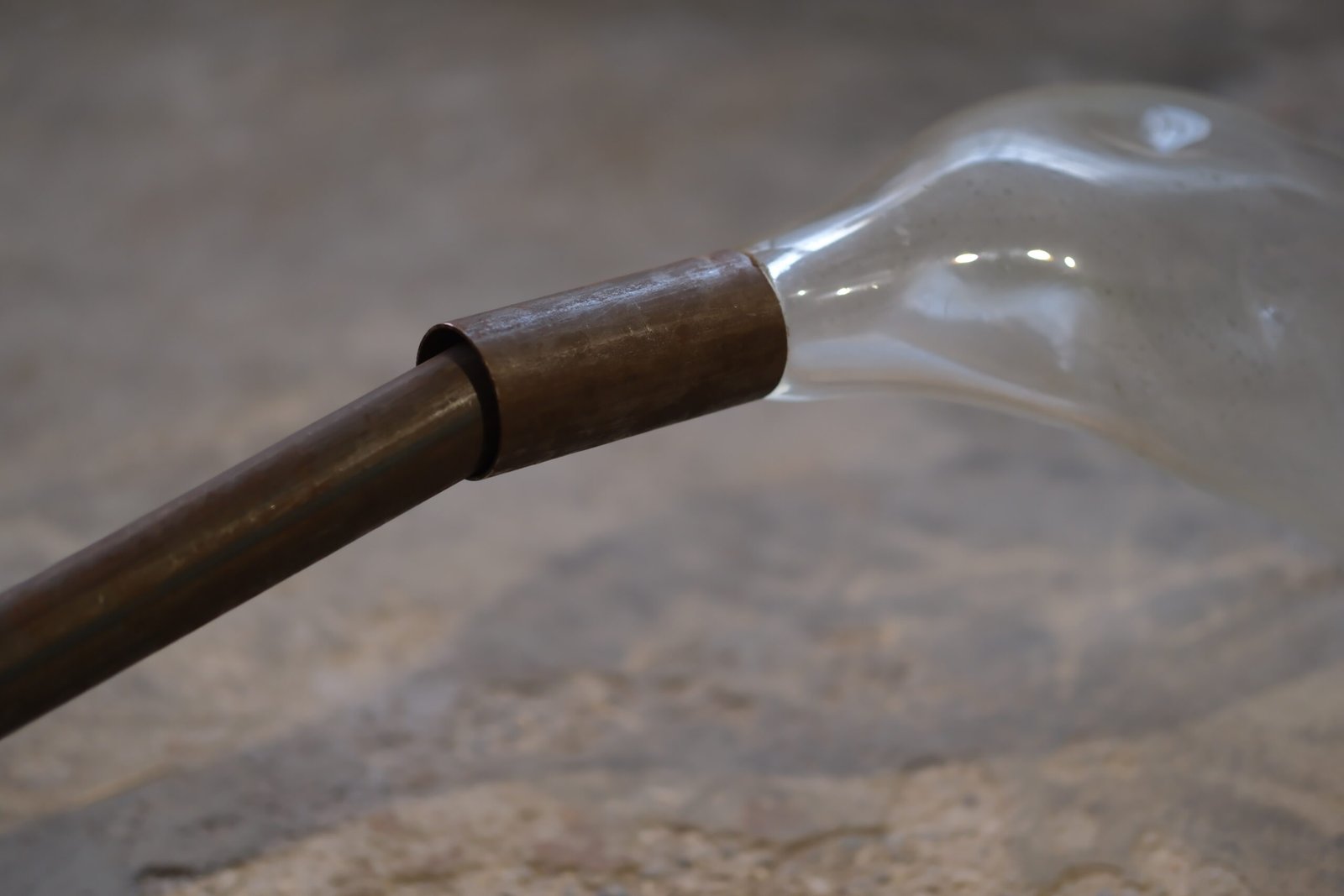
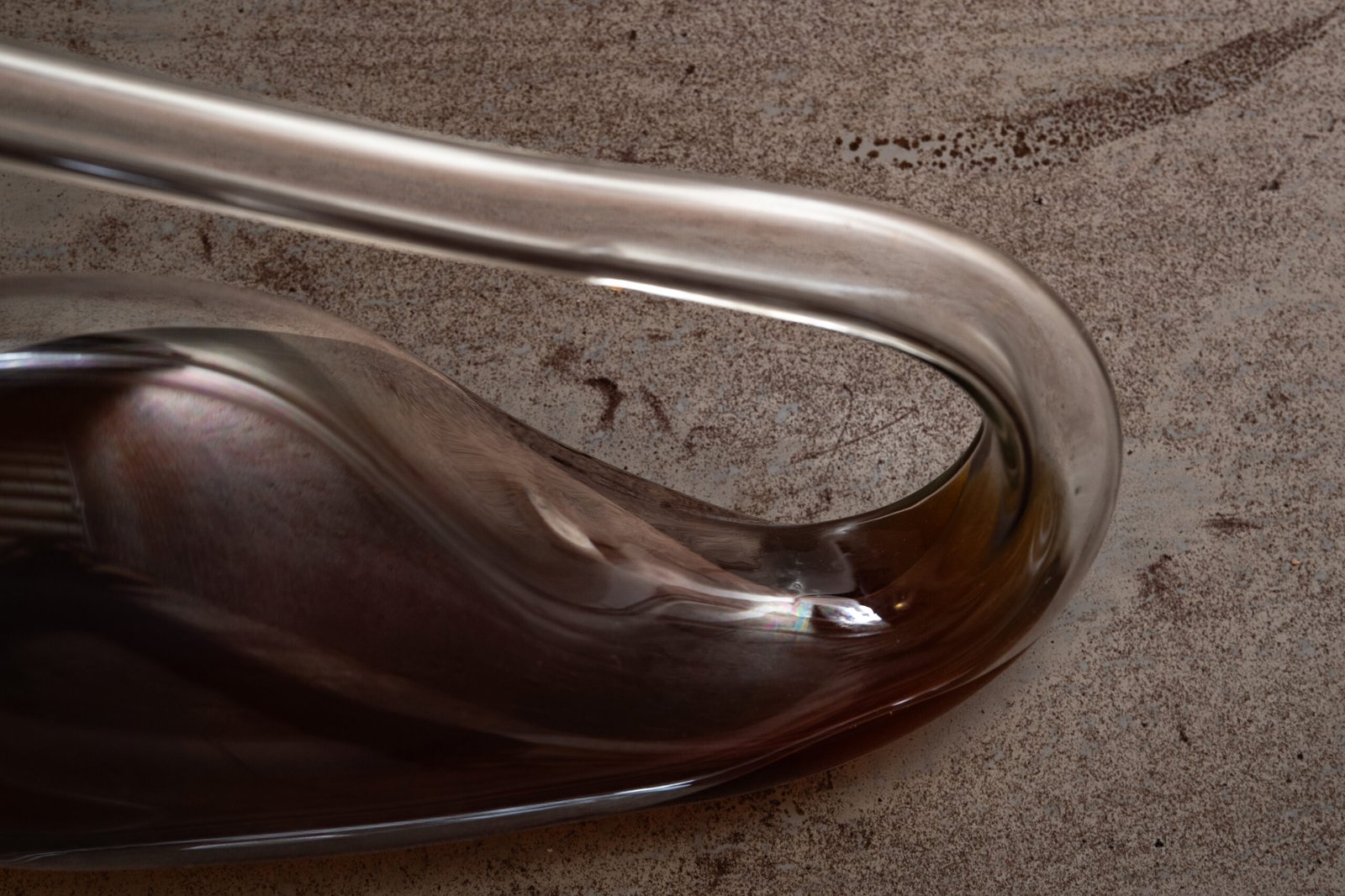
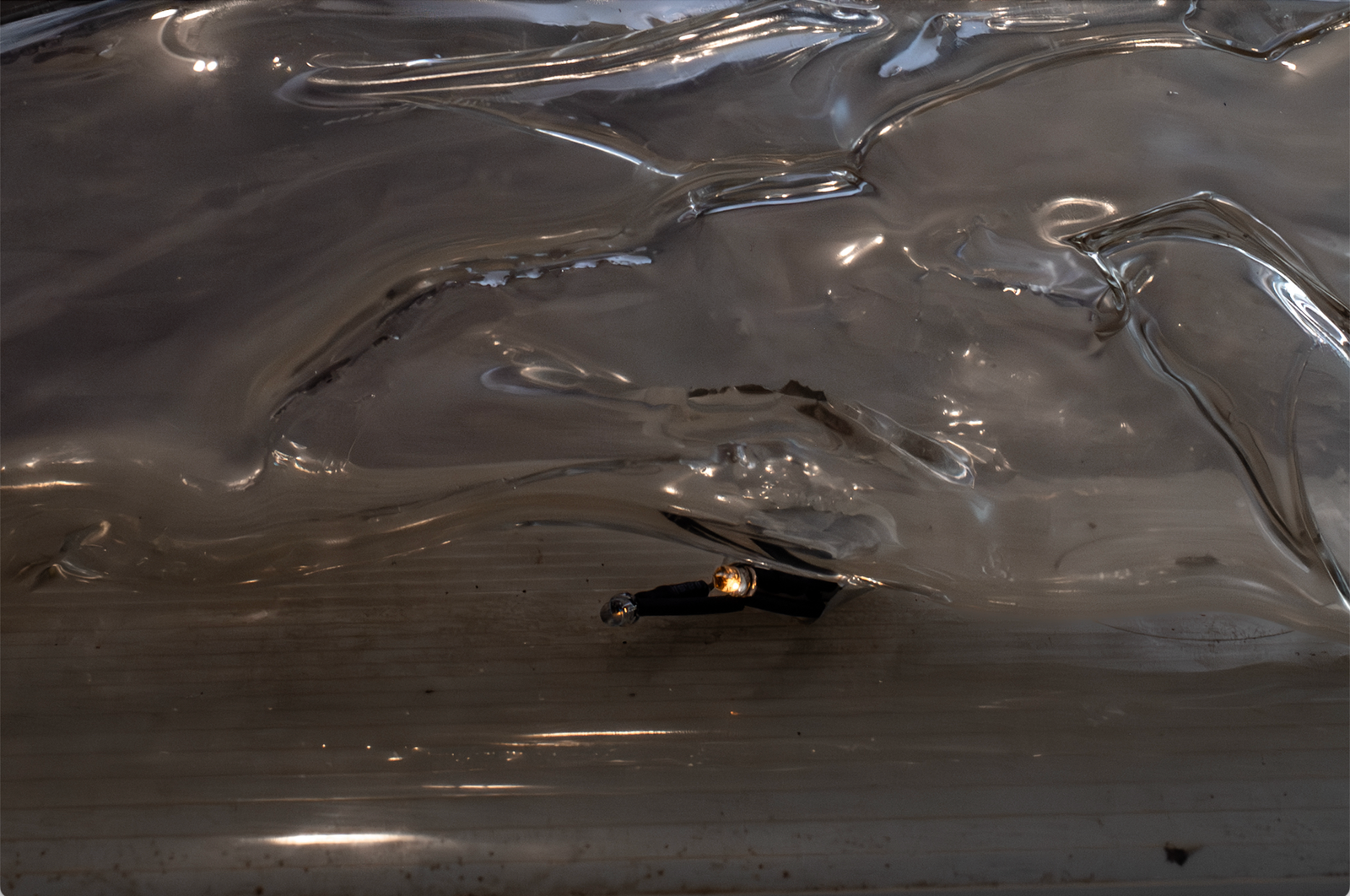
Glass refracts light; iron records oxidation; ceramics preserve the memory of fire; and
fermentation membranes continue to grow, breathe, and transform. Each material slowly releases
the histories and energies accumulated within it, like the vapor that continually rises and
dissipates over the Venetian lagoon.
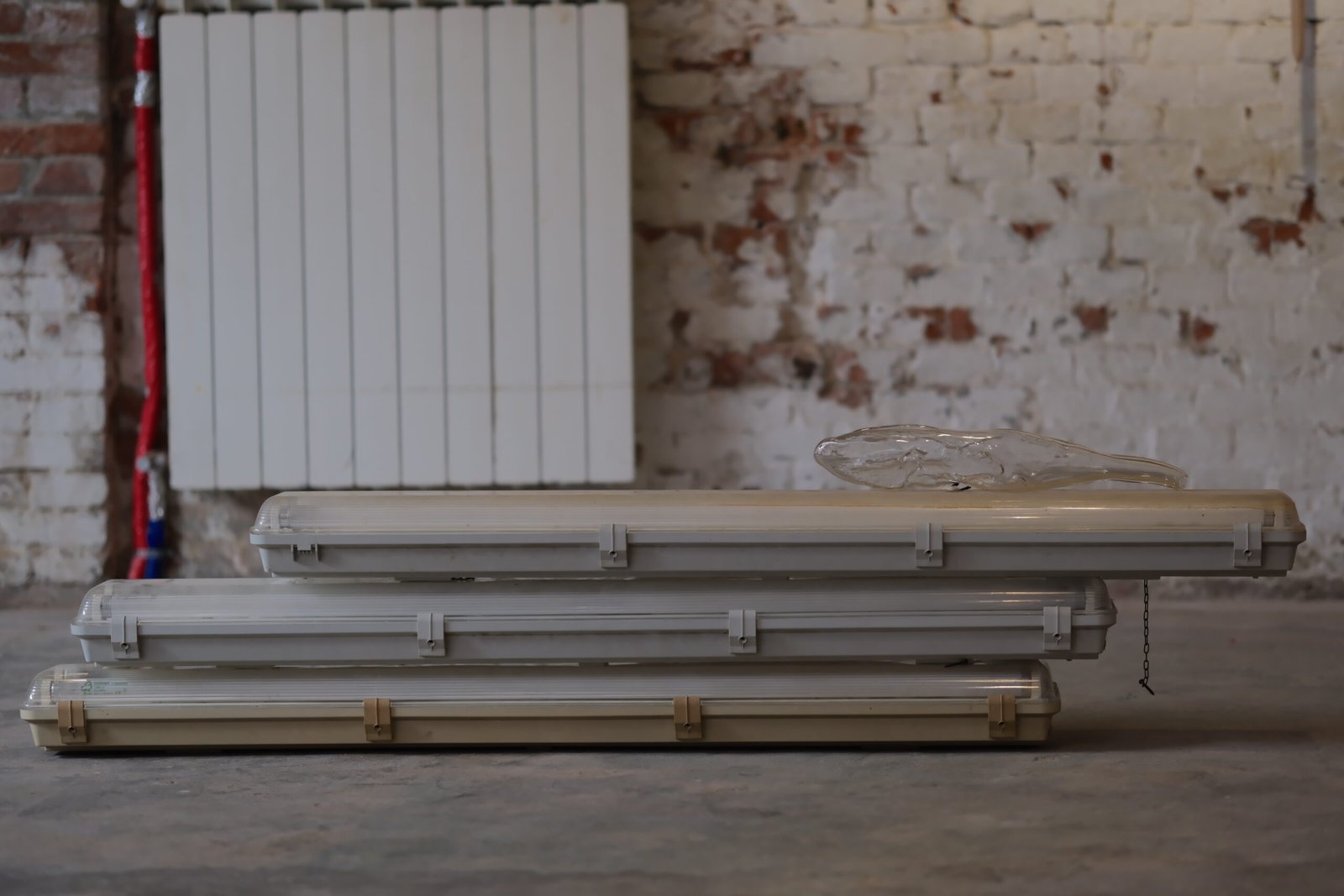
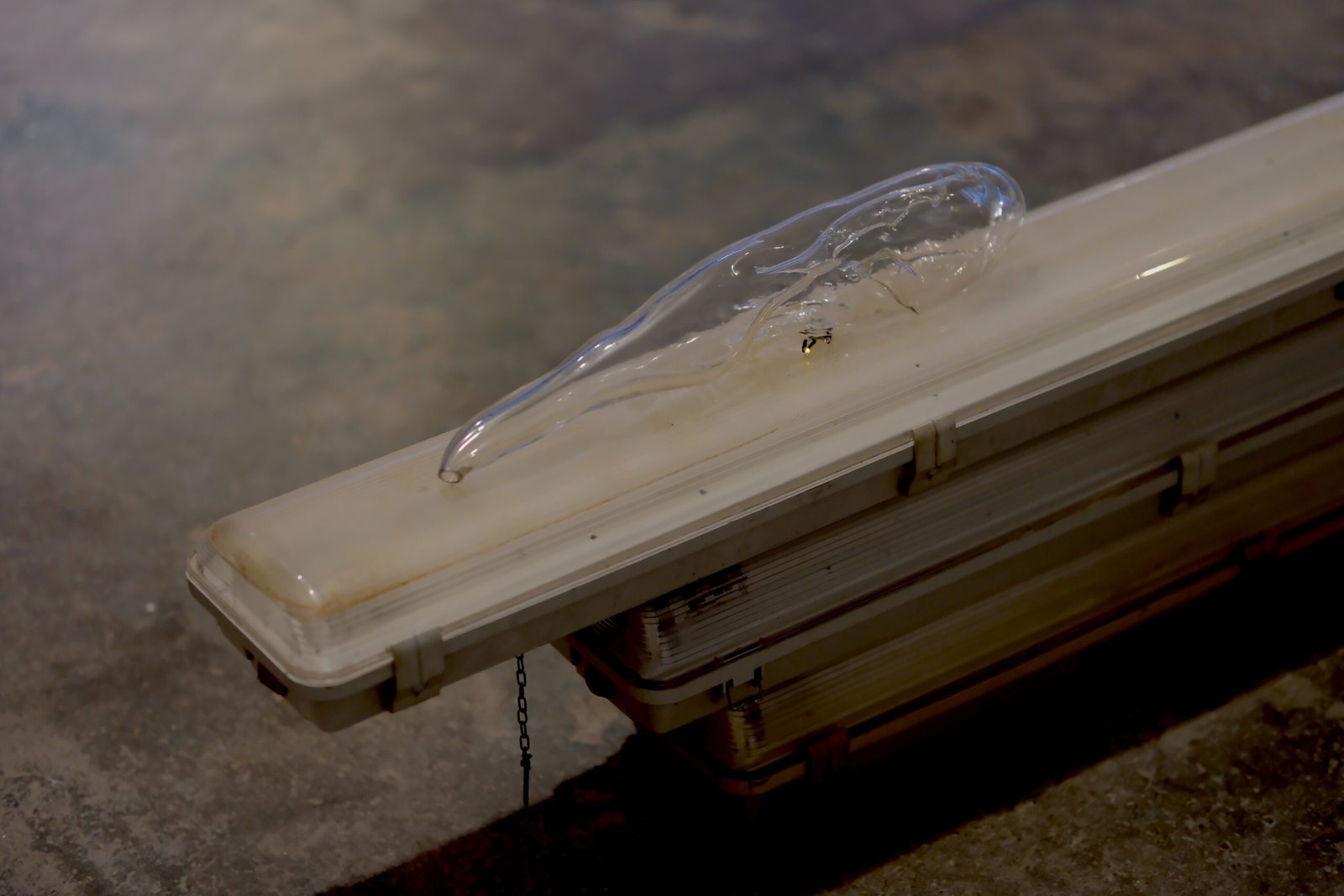
Through the encounter between industrial materials and living biological matter, Host and Distill
explores the ongoing relationship between humanity and nature, matter and time—a relationship
defined not by permanence, but by perpetual movement and transformation.