


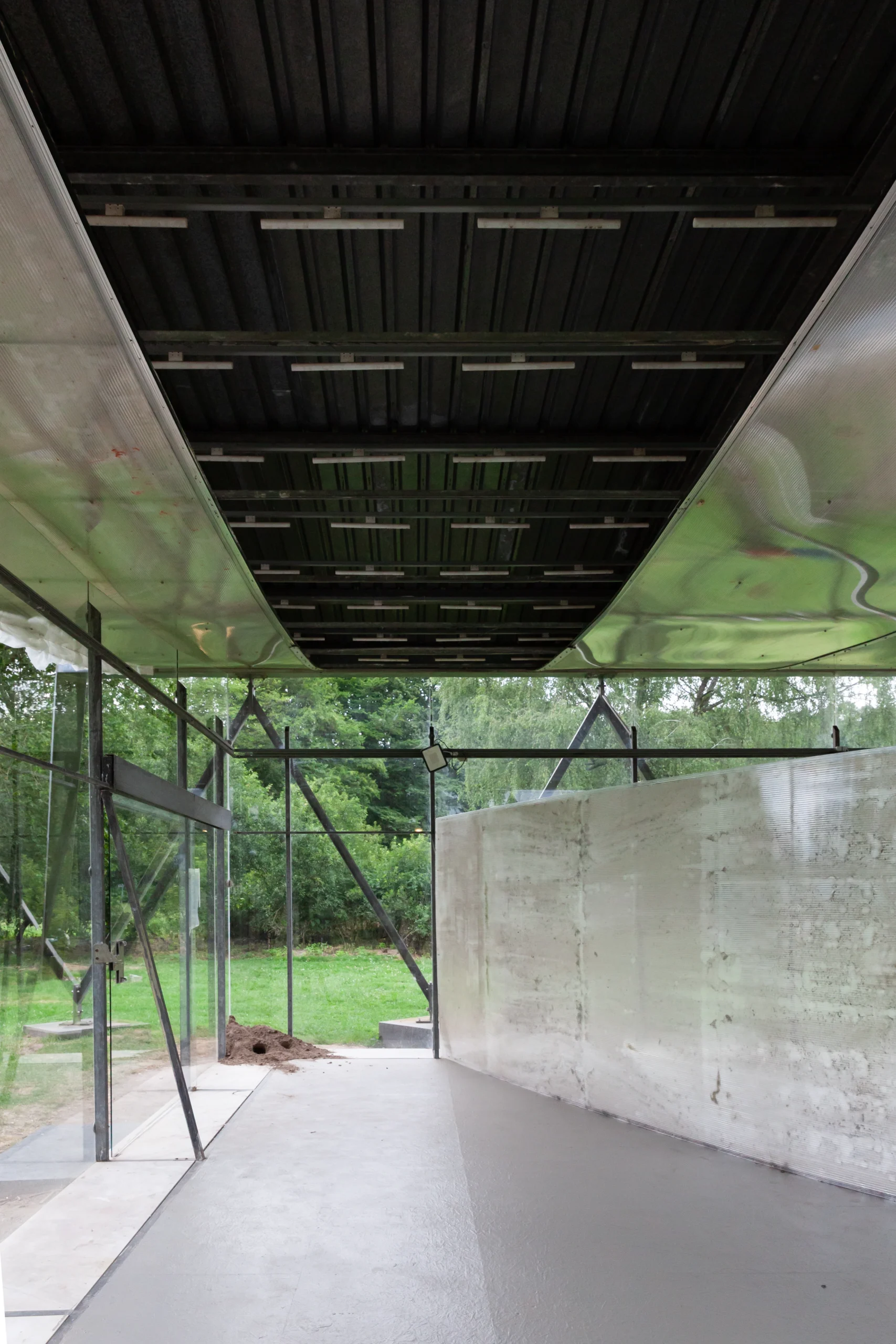
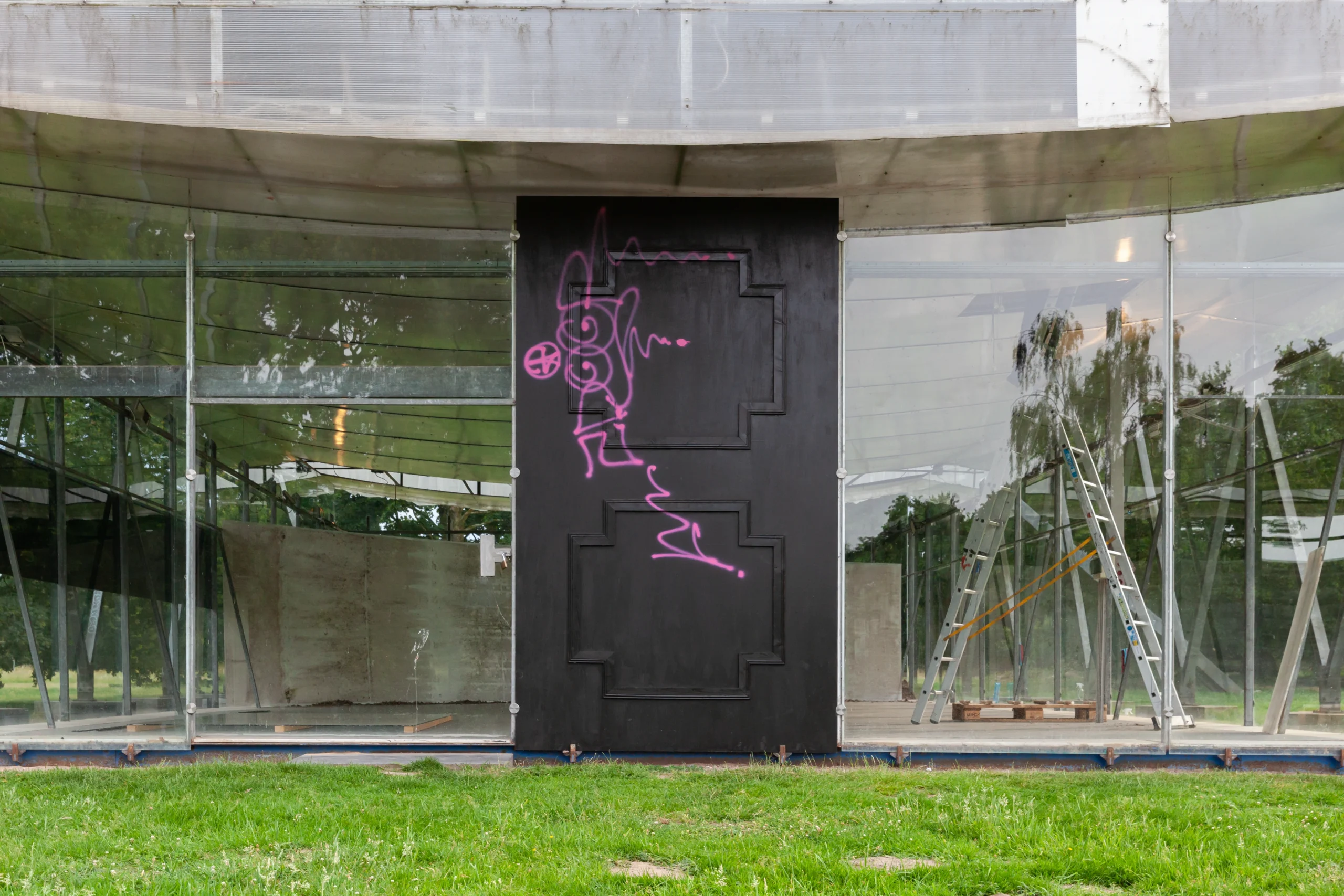
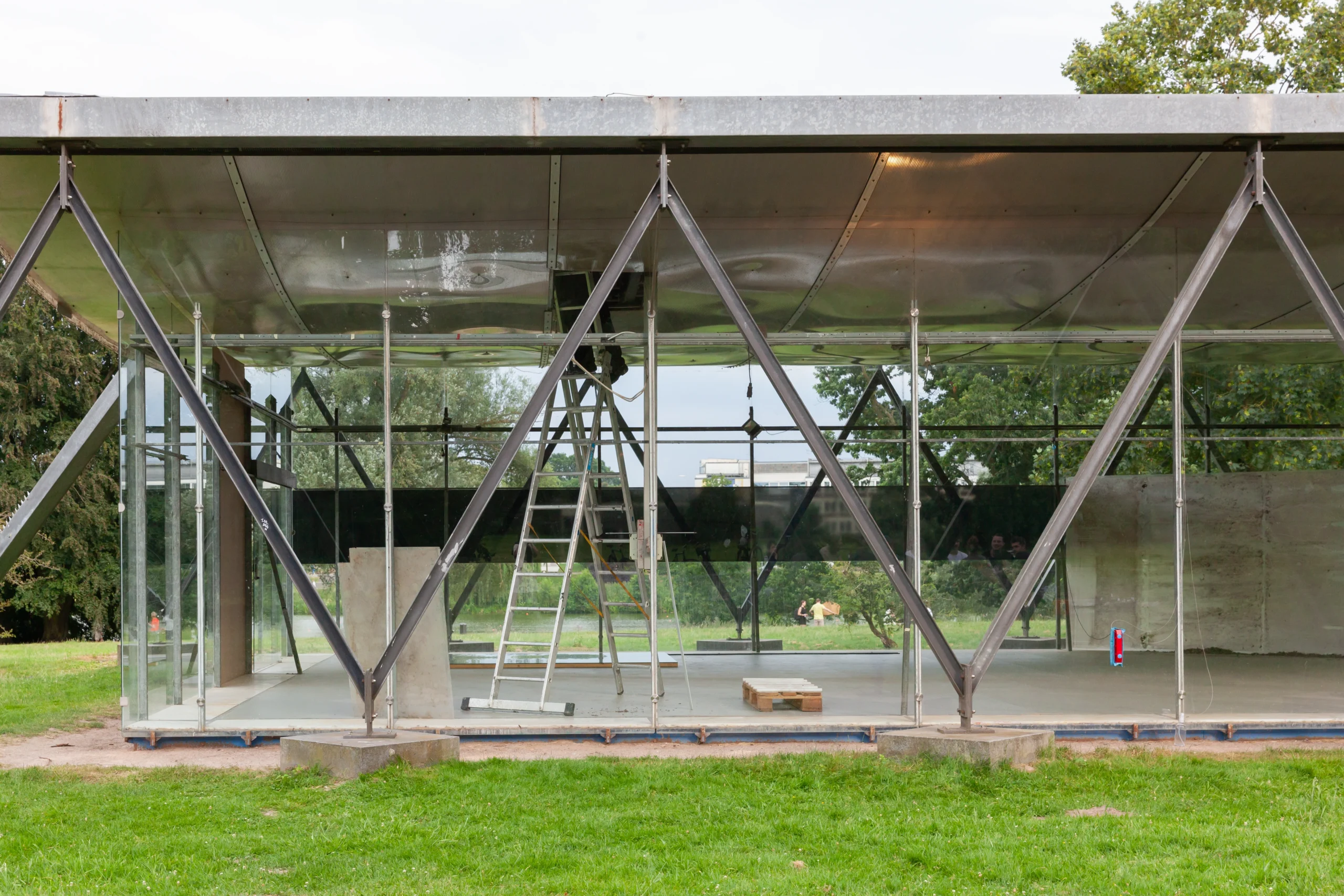
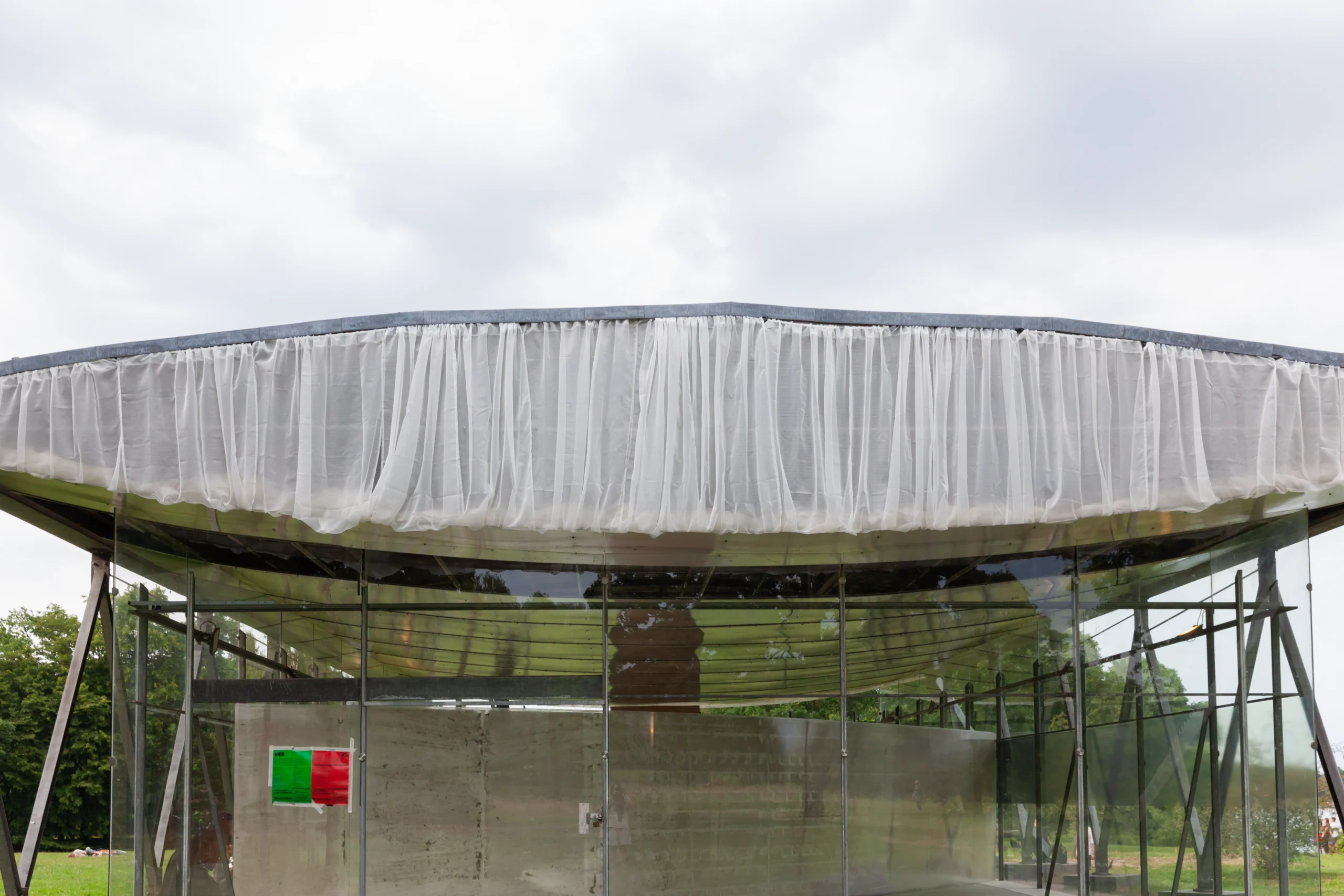
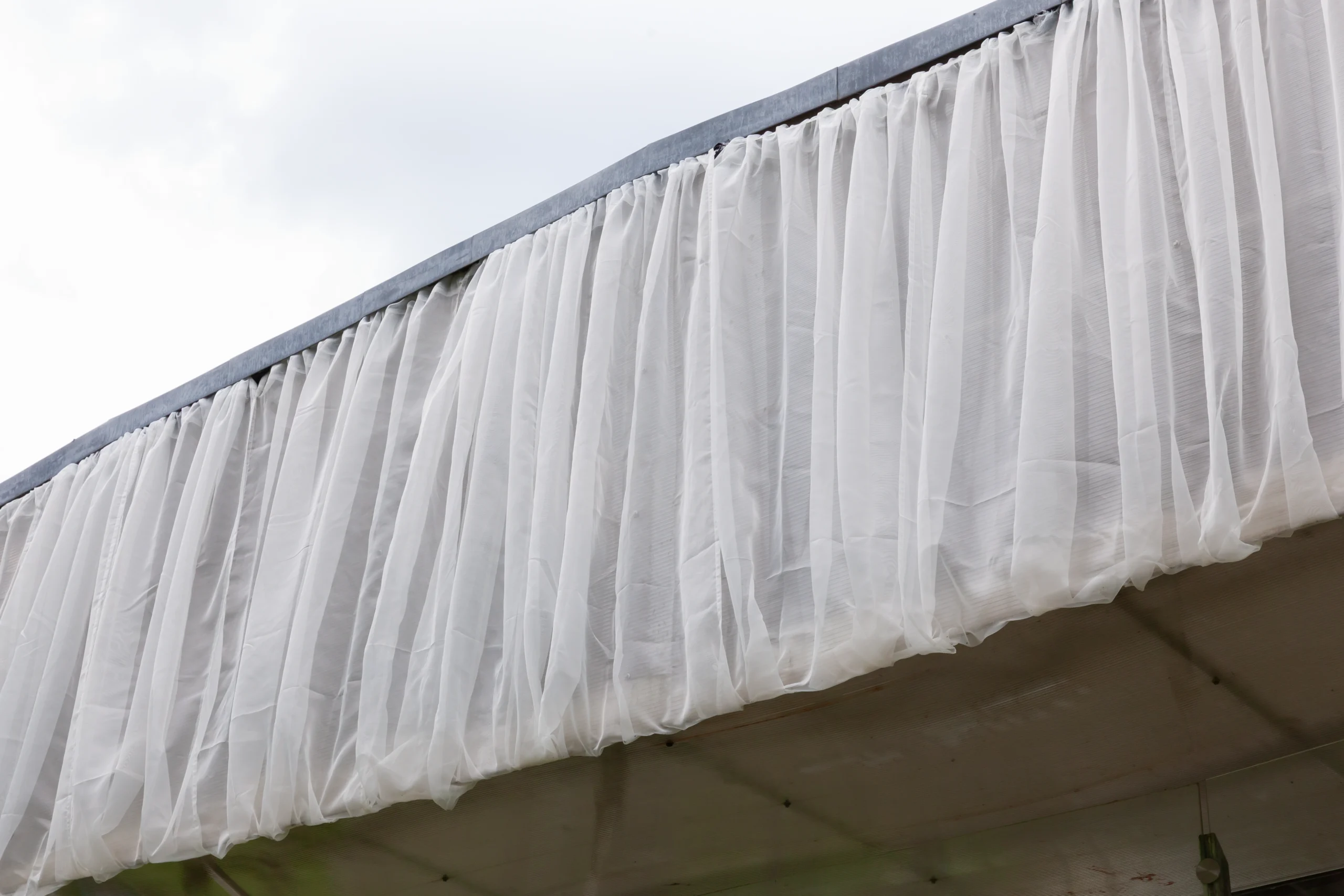
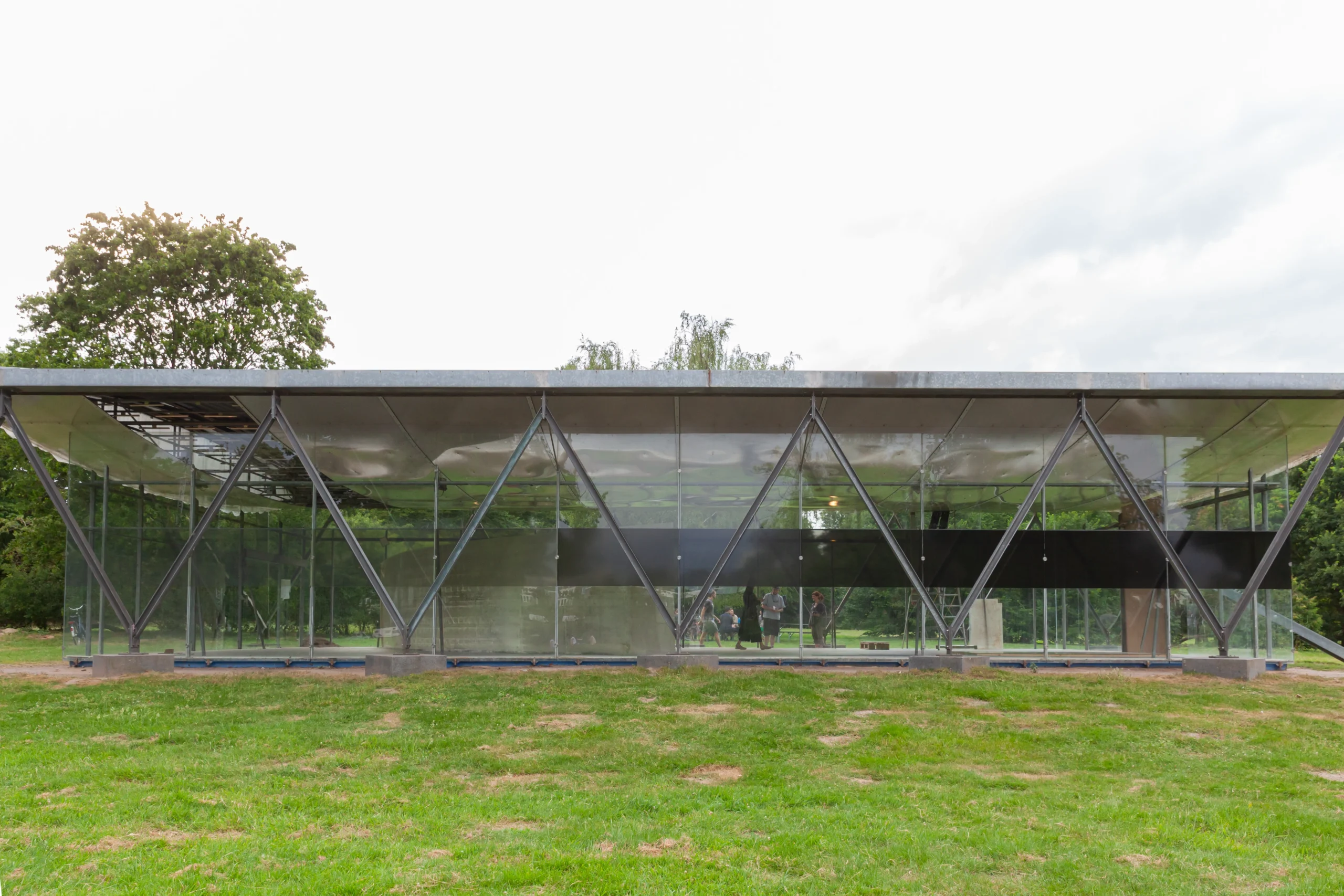
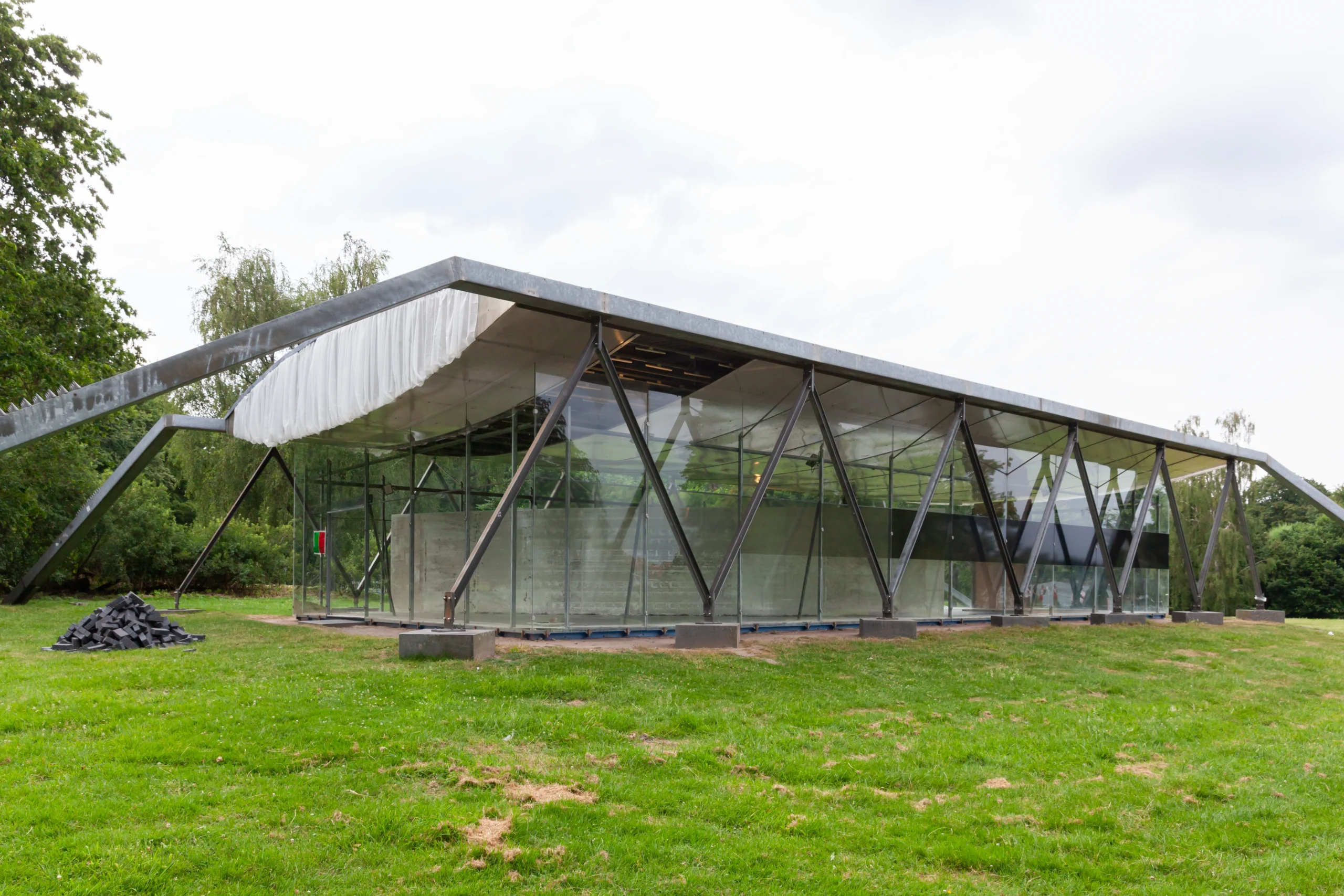
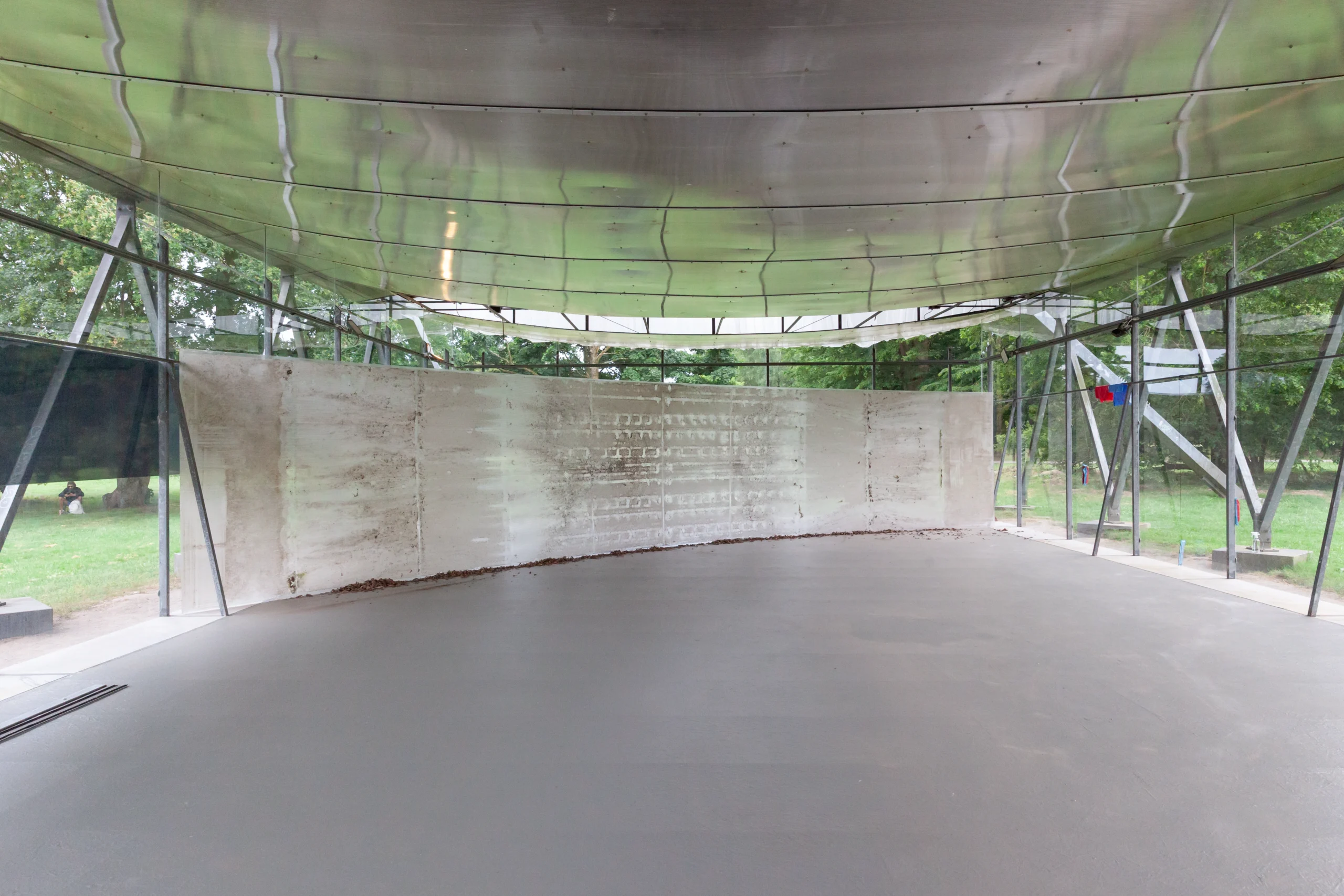
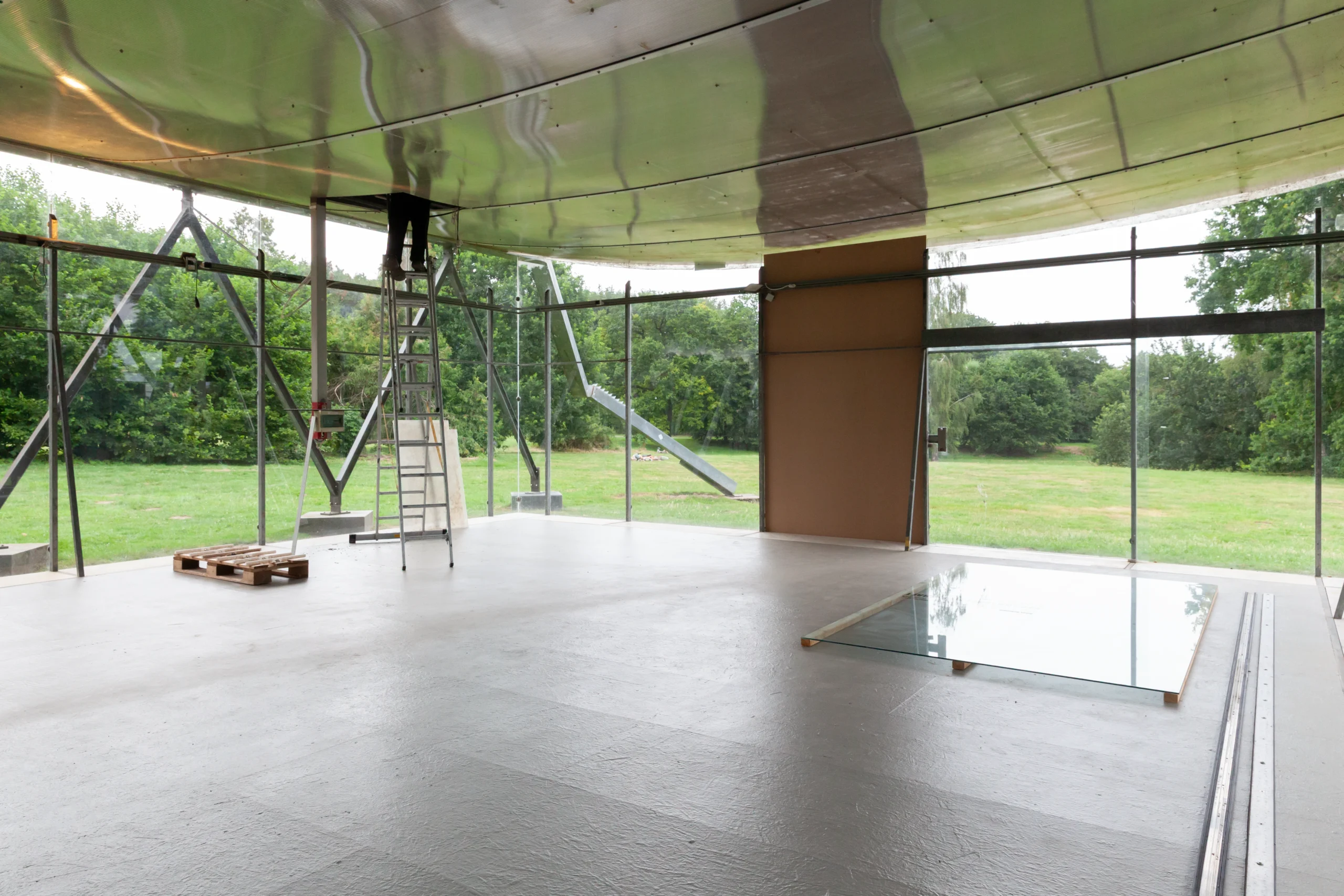
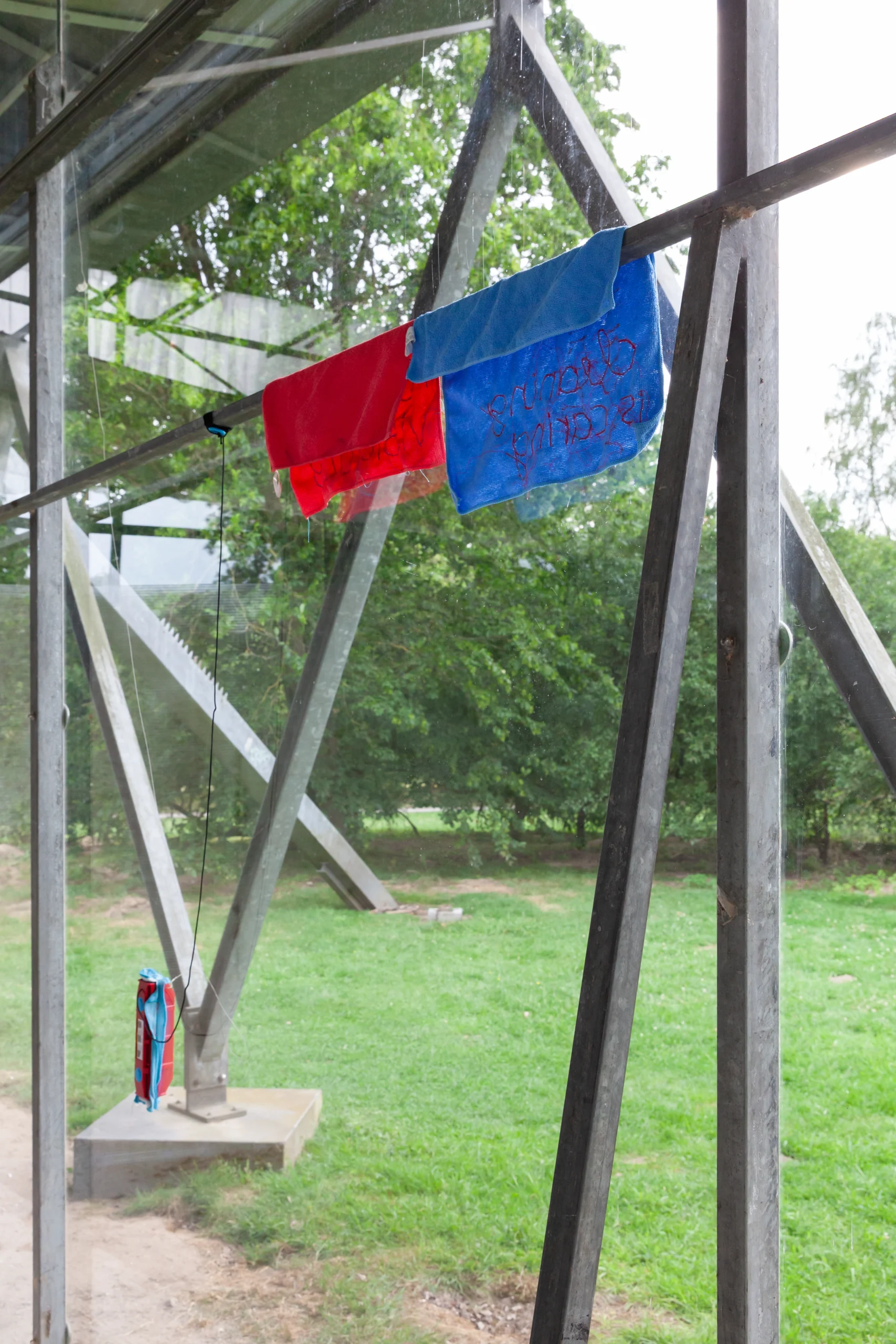
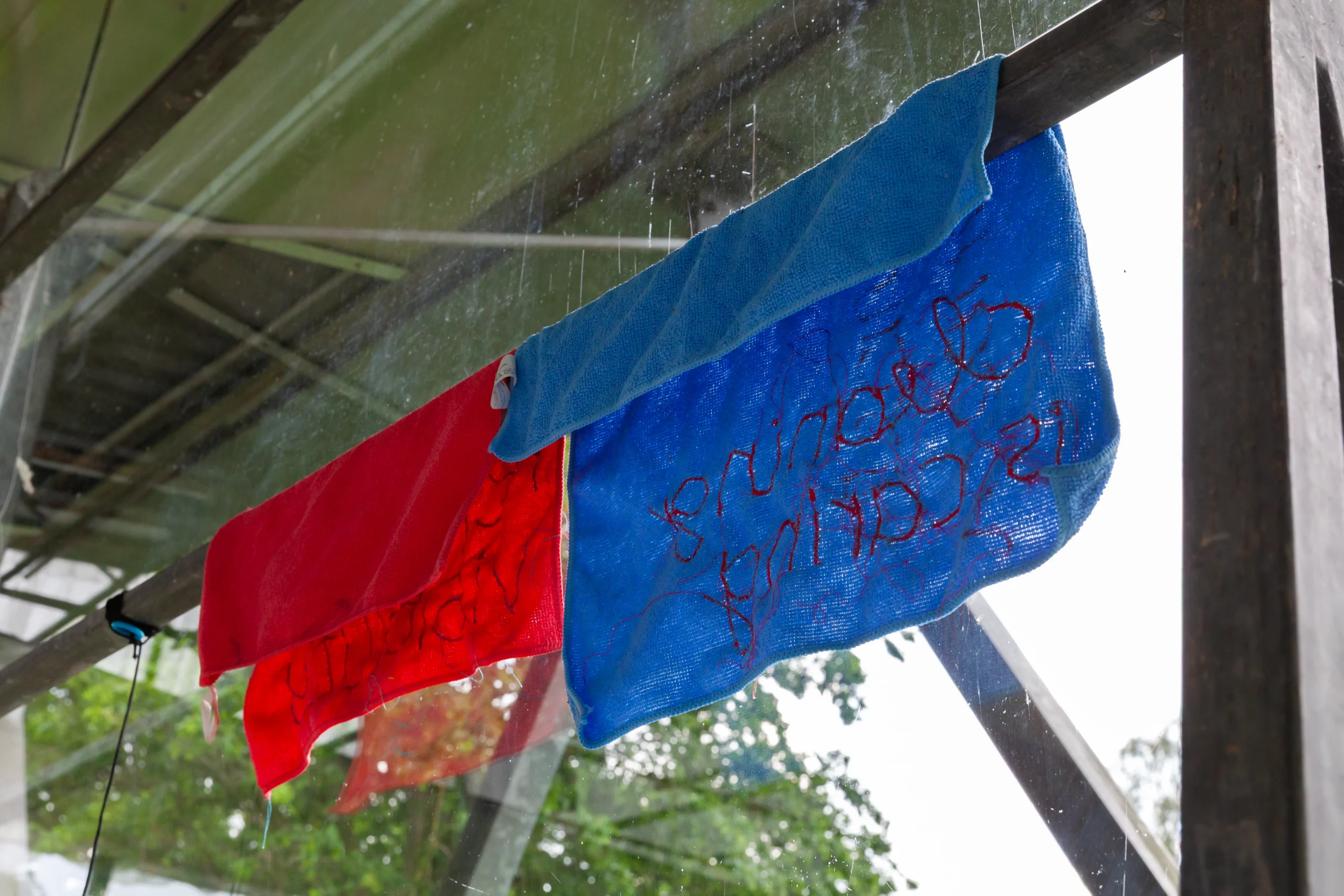
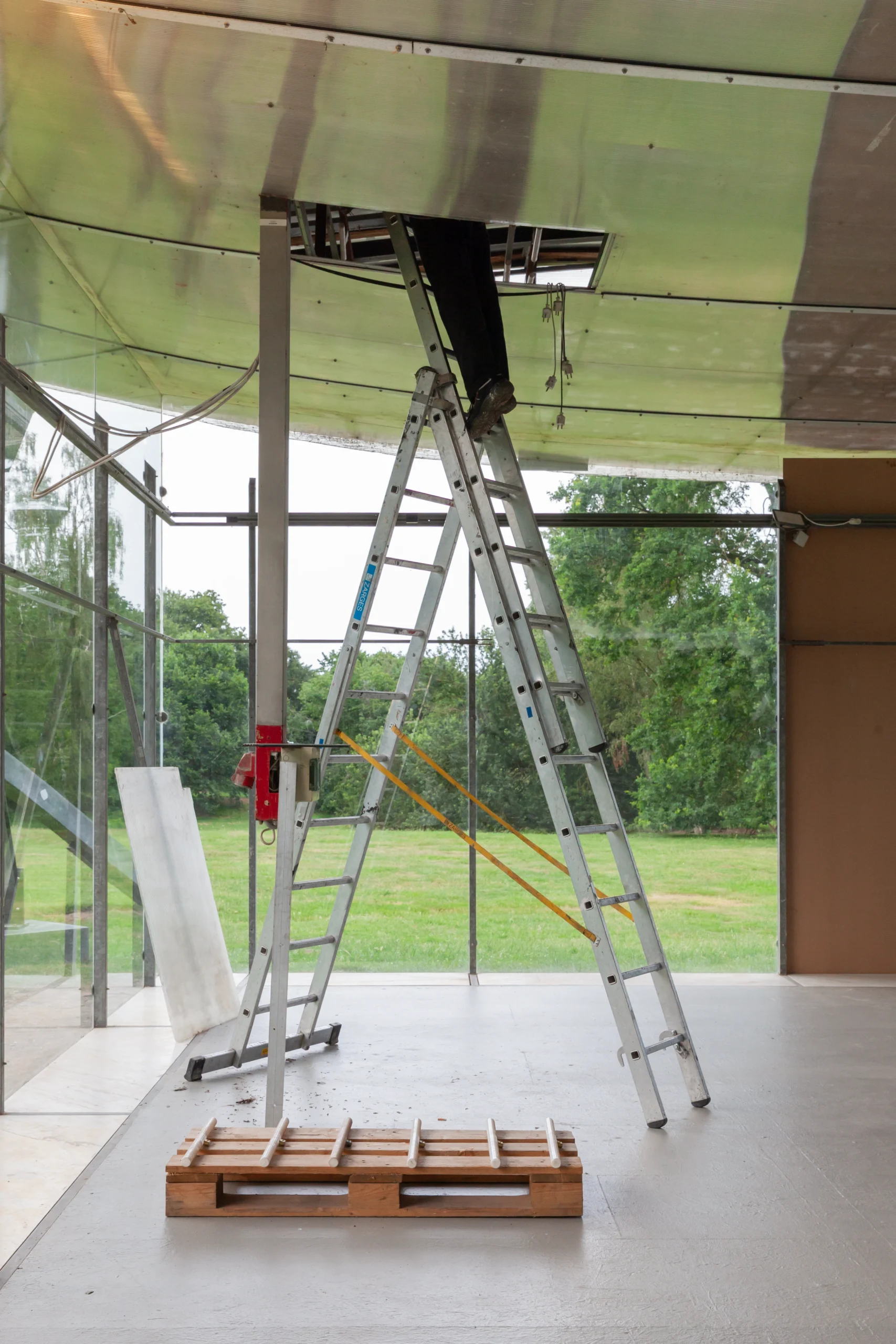
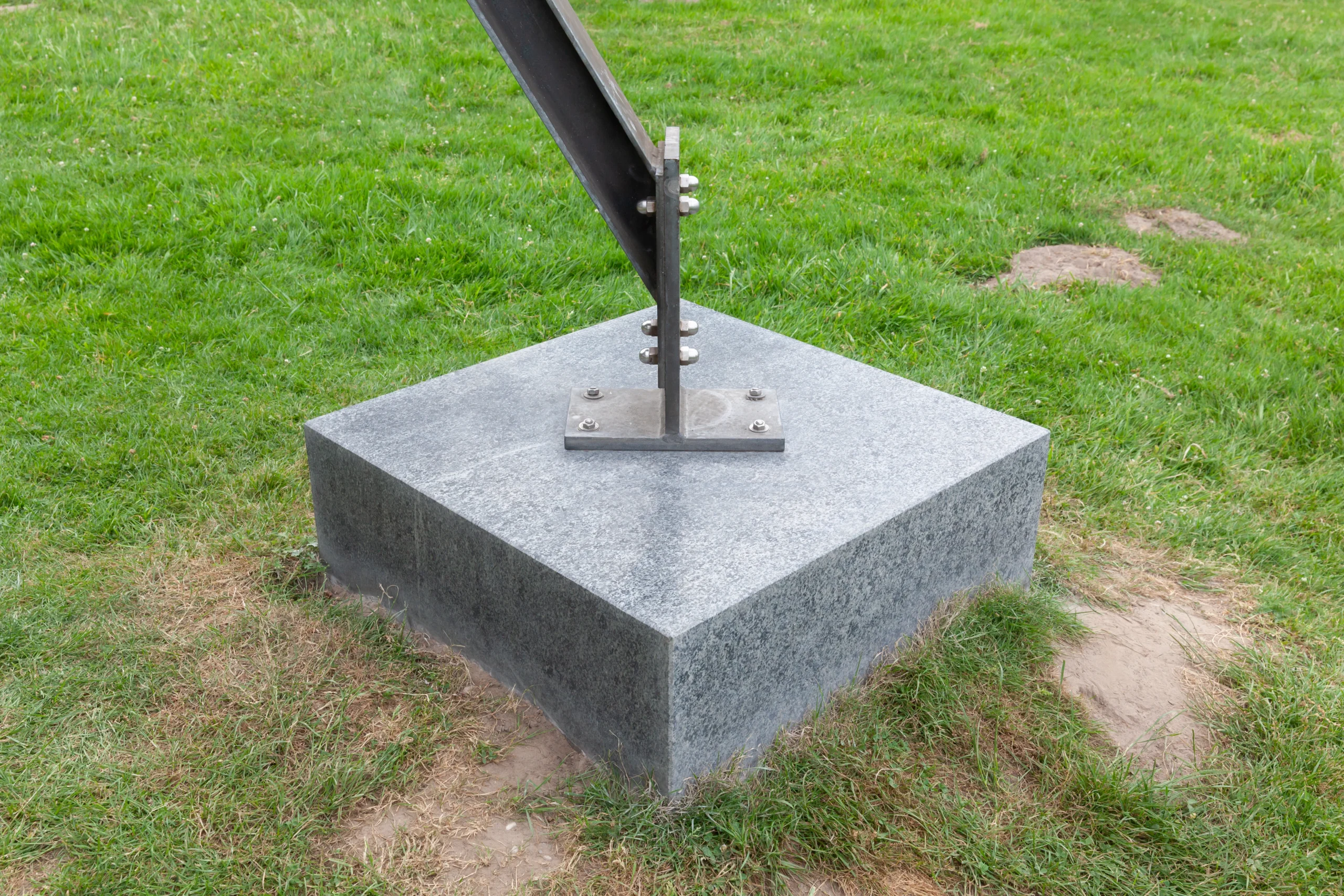
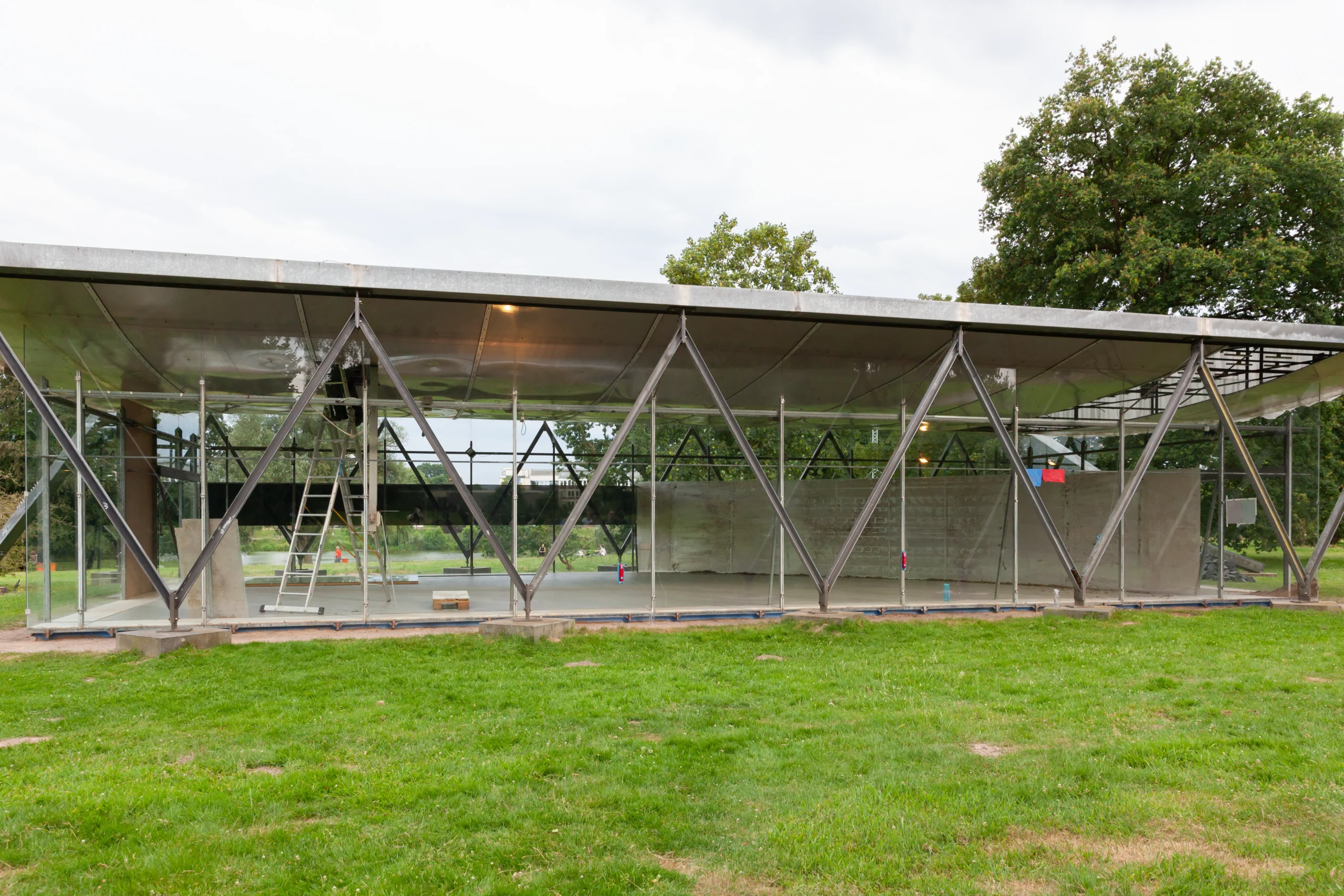
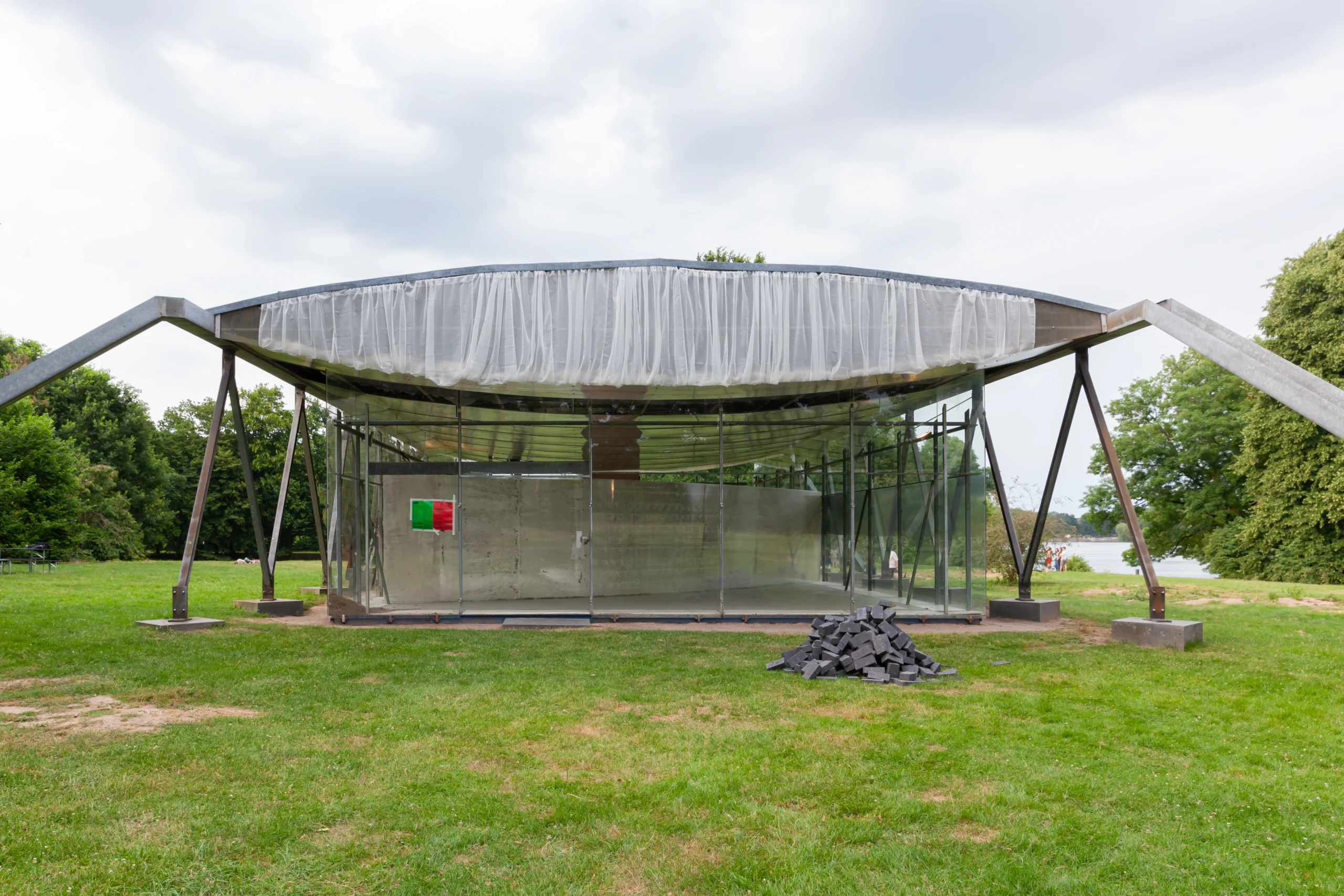
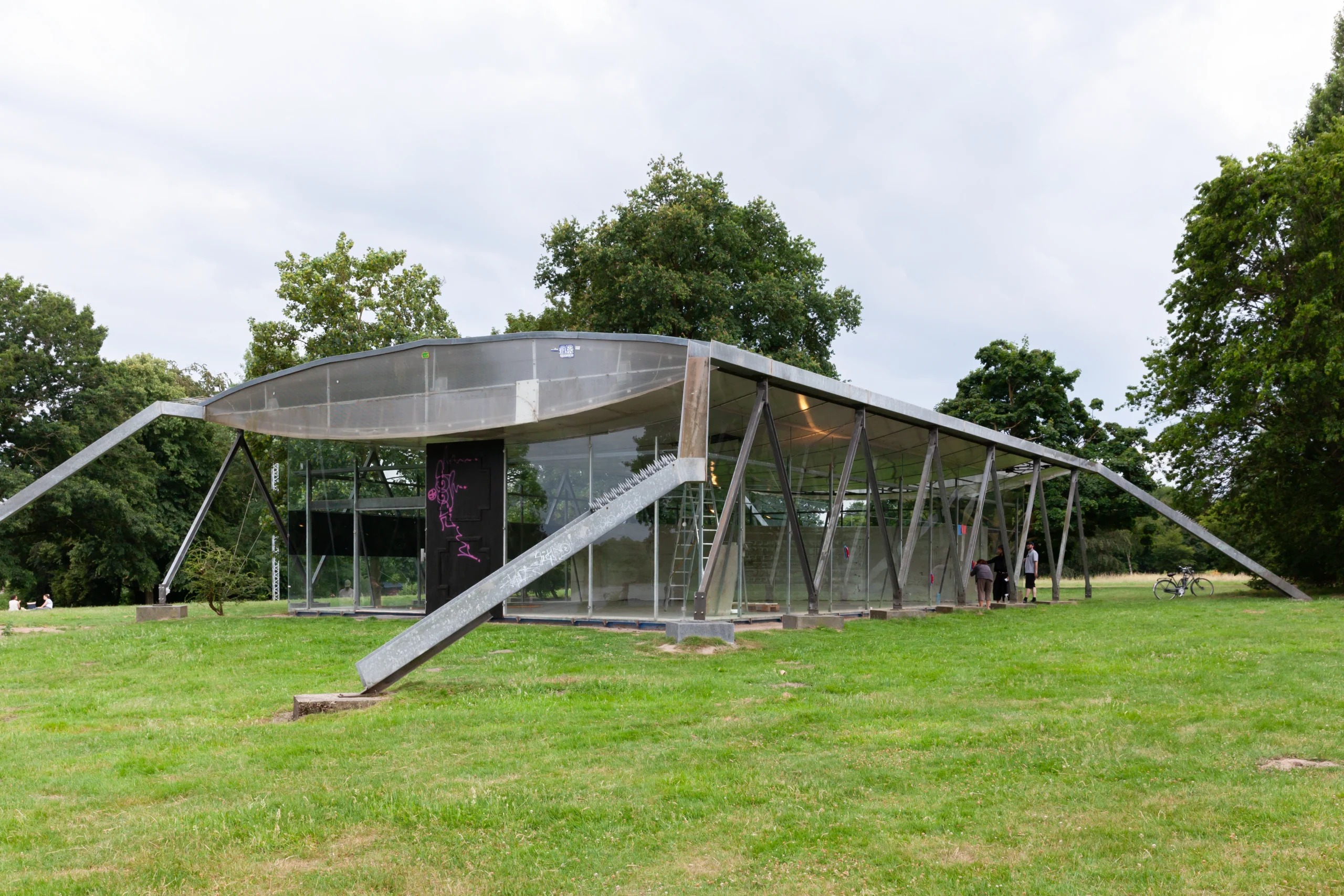
“What exactly is the Wewerka Pavilion? It is certainly not an exhibition space, because for reasons of building and zoning regulations, it is off-limits to the public. This very circumstance also renders its designation as a sculpture—as architecture that can be experienced autonomously—absurd.”
Sabine Maria Schmidt, Stadtblatt, May 1988
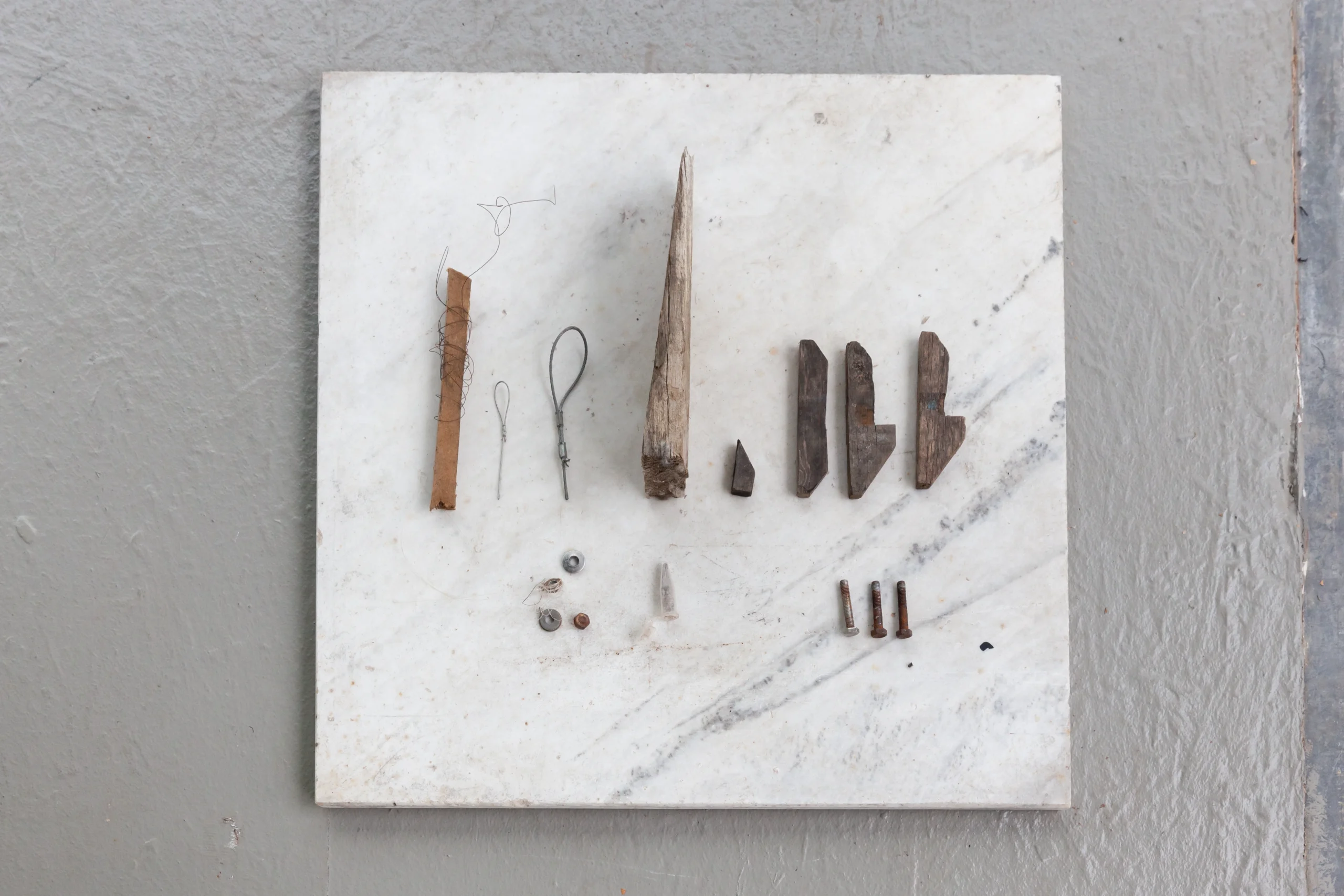
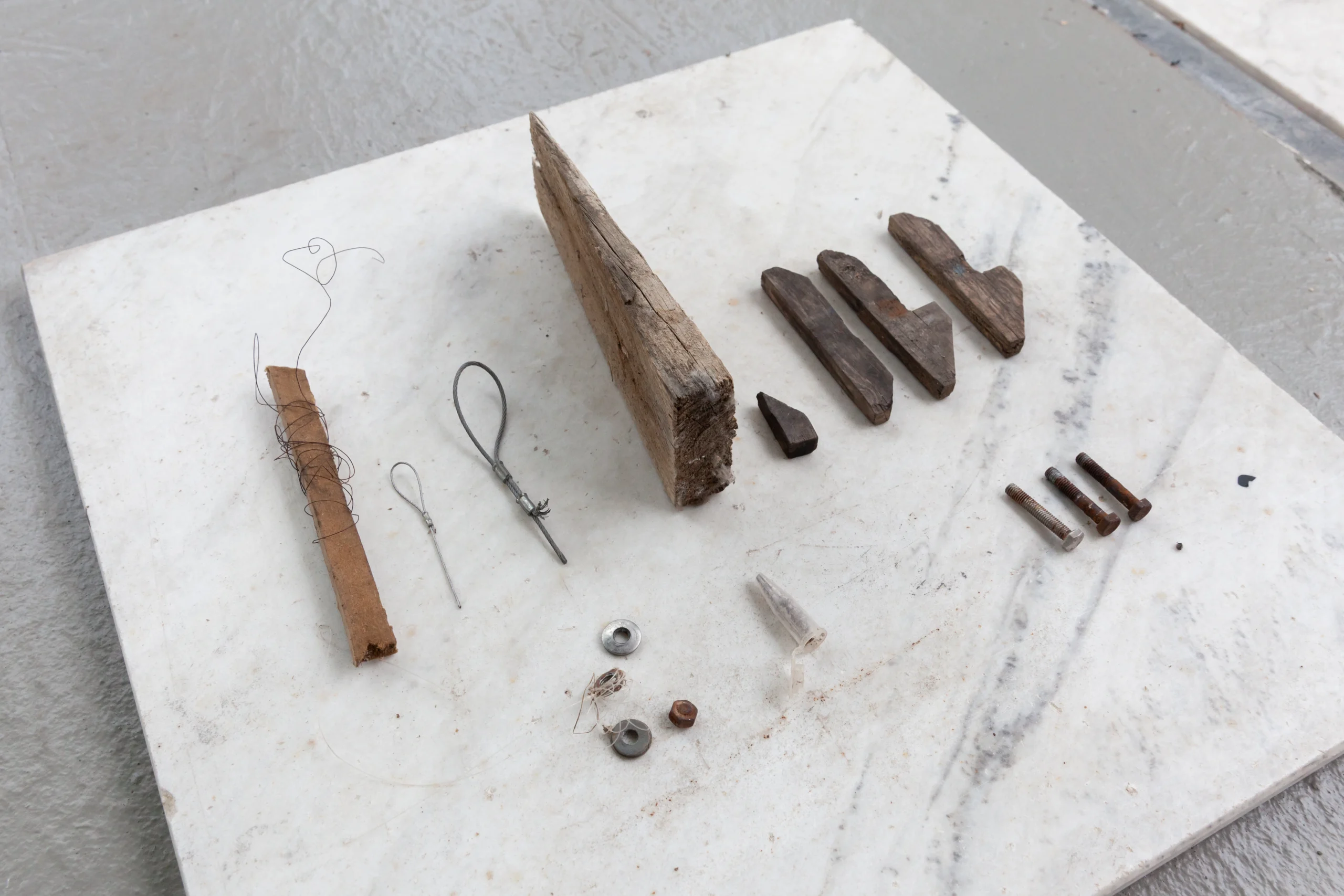
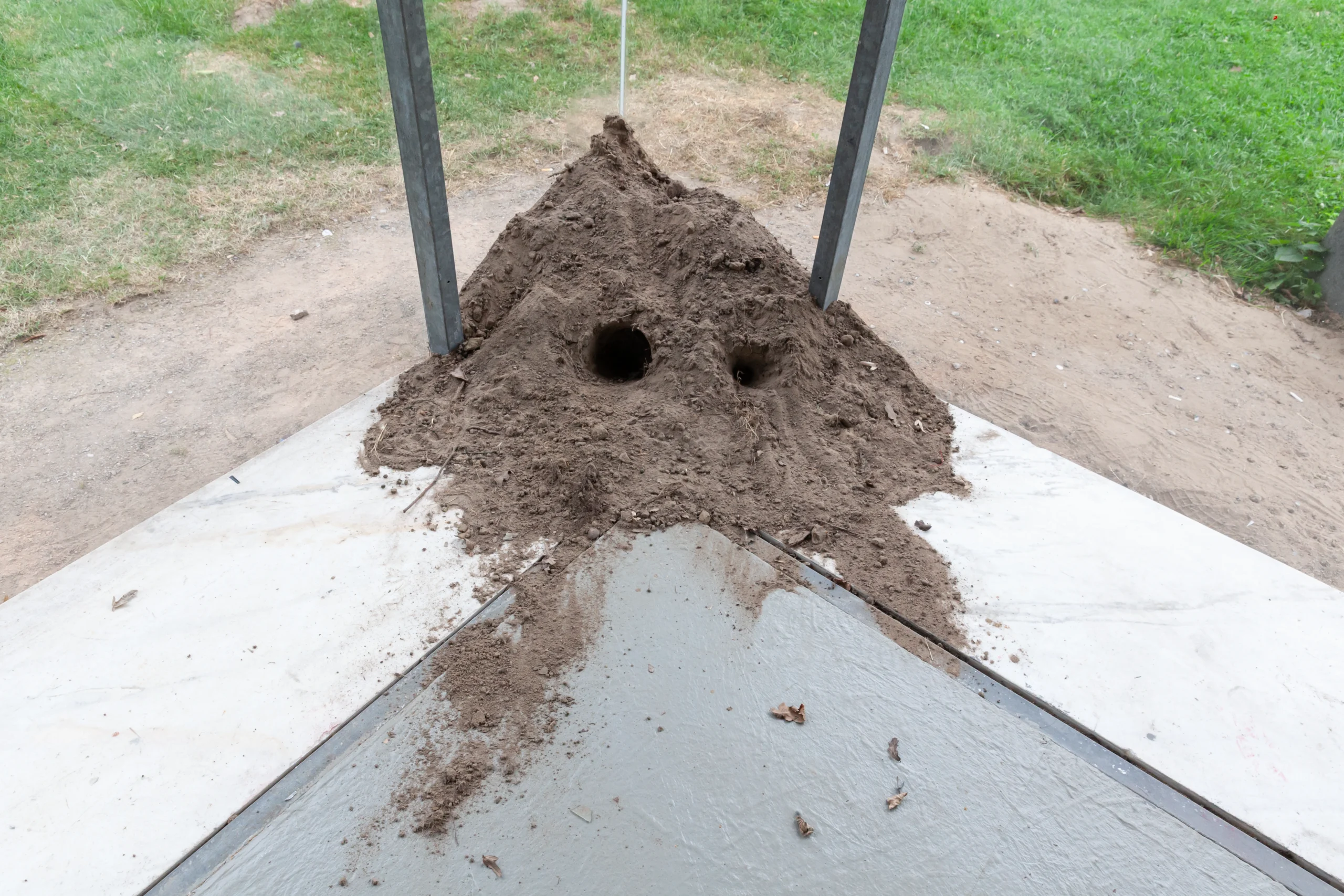
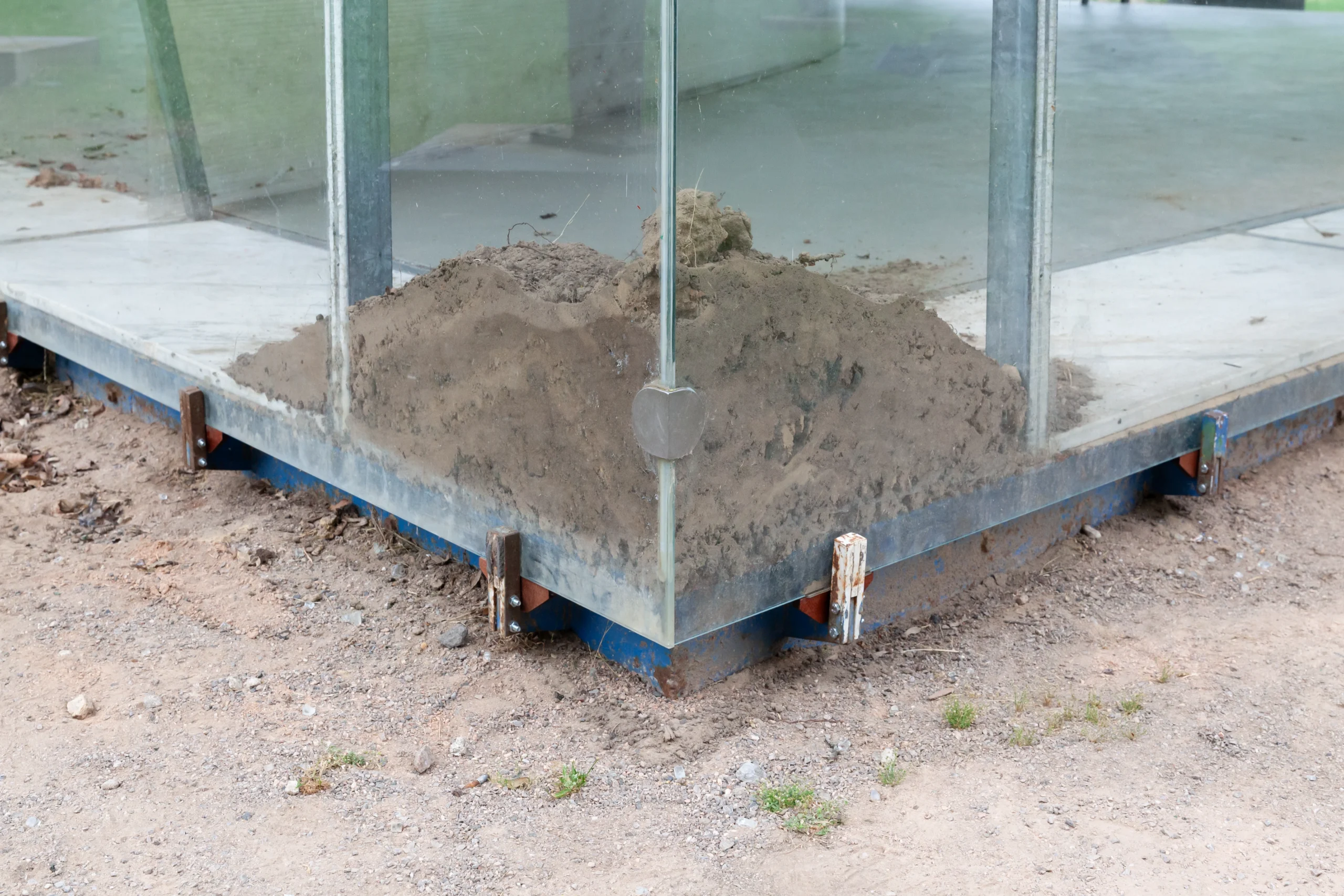
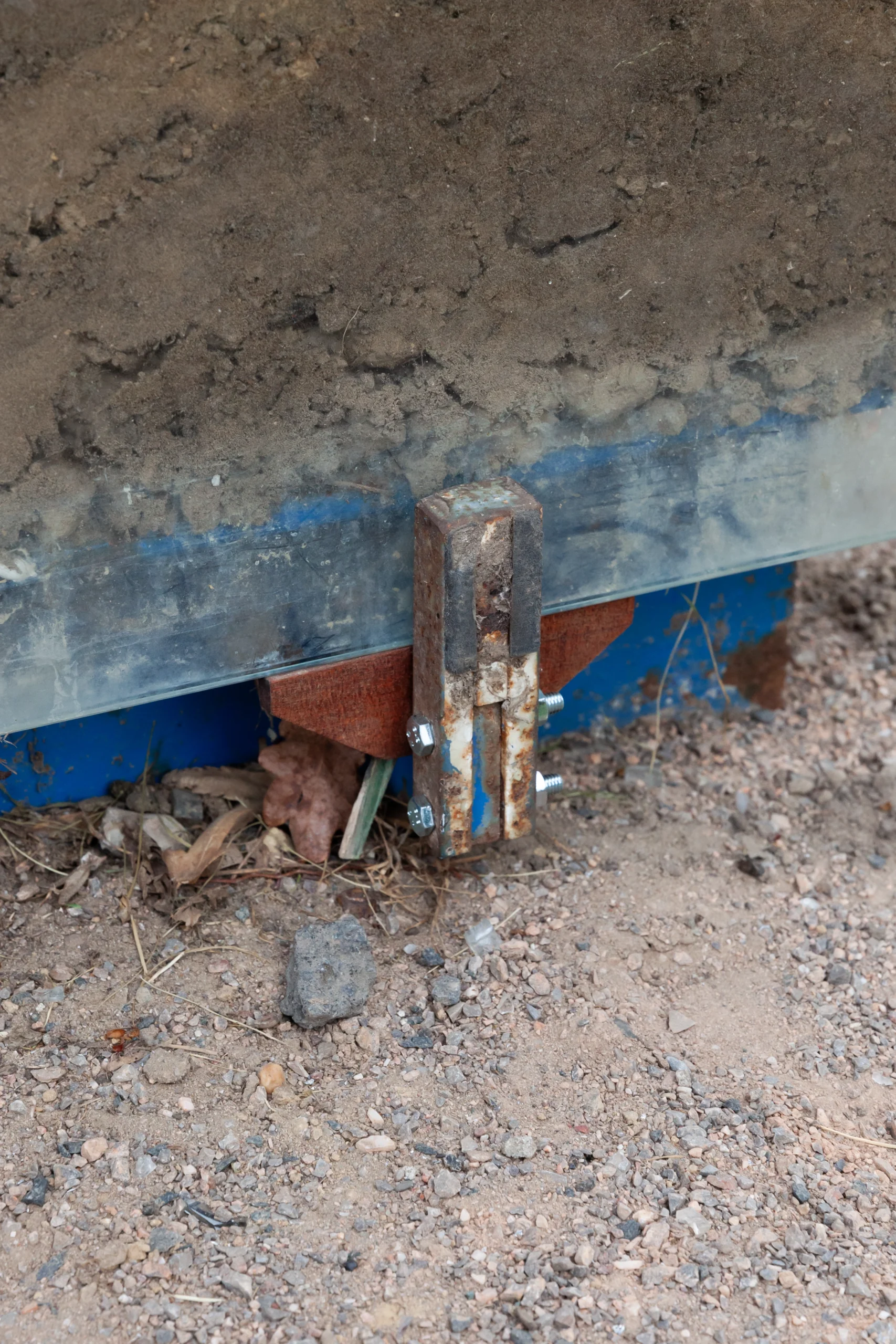
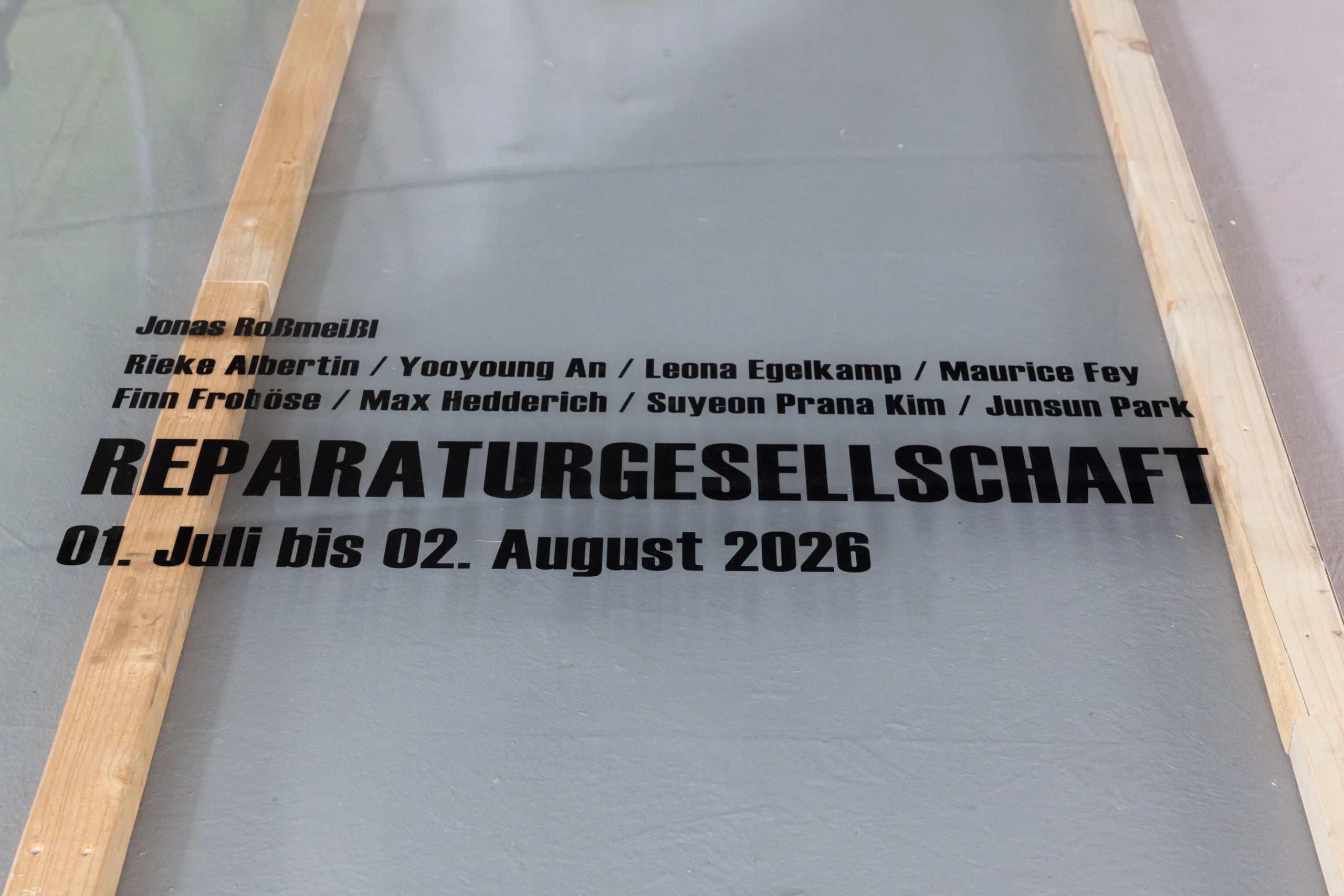
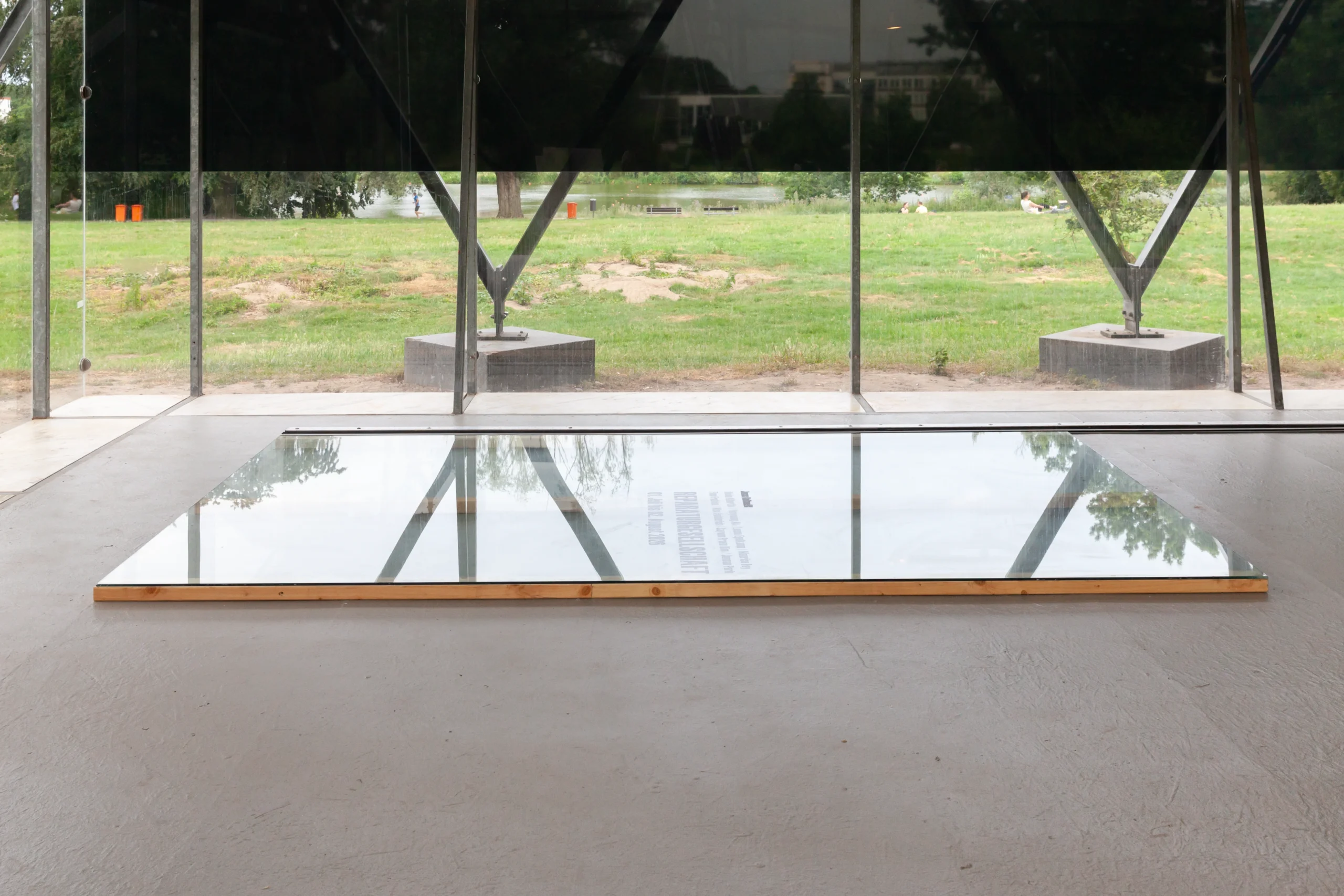
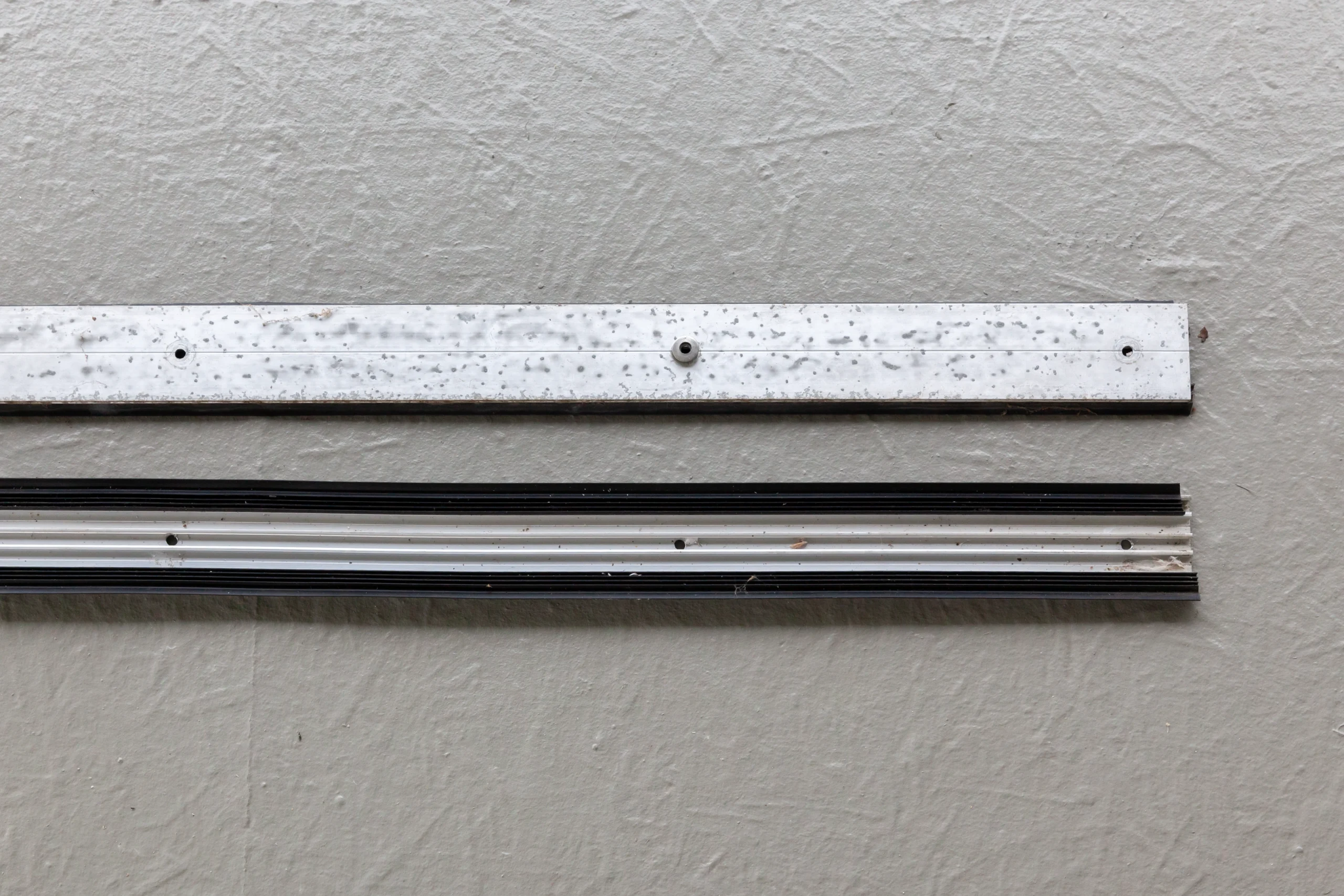
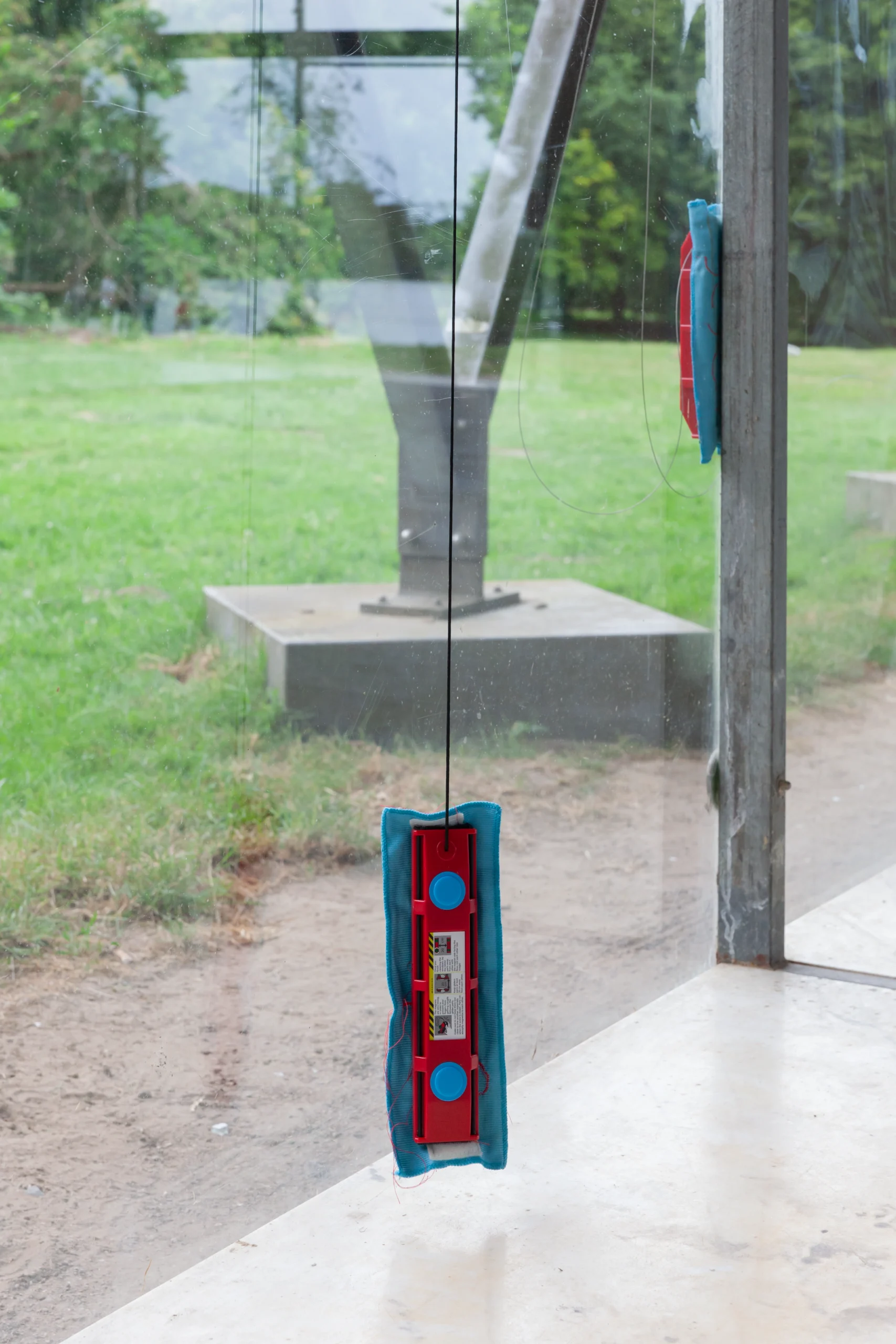
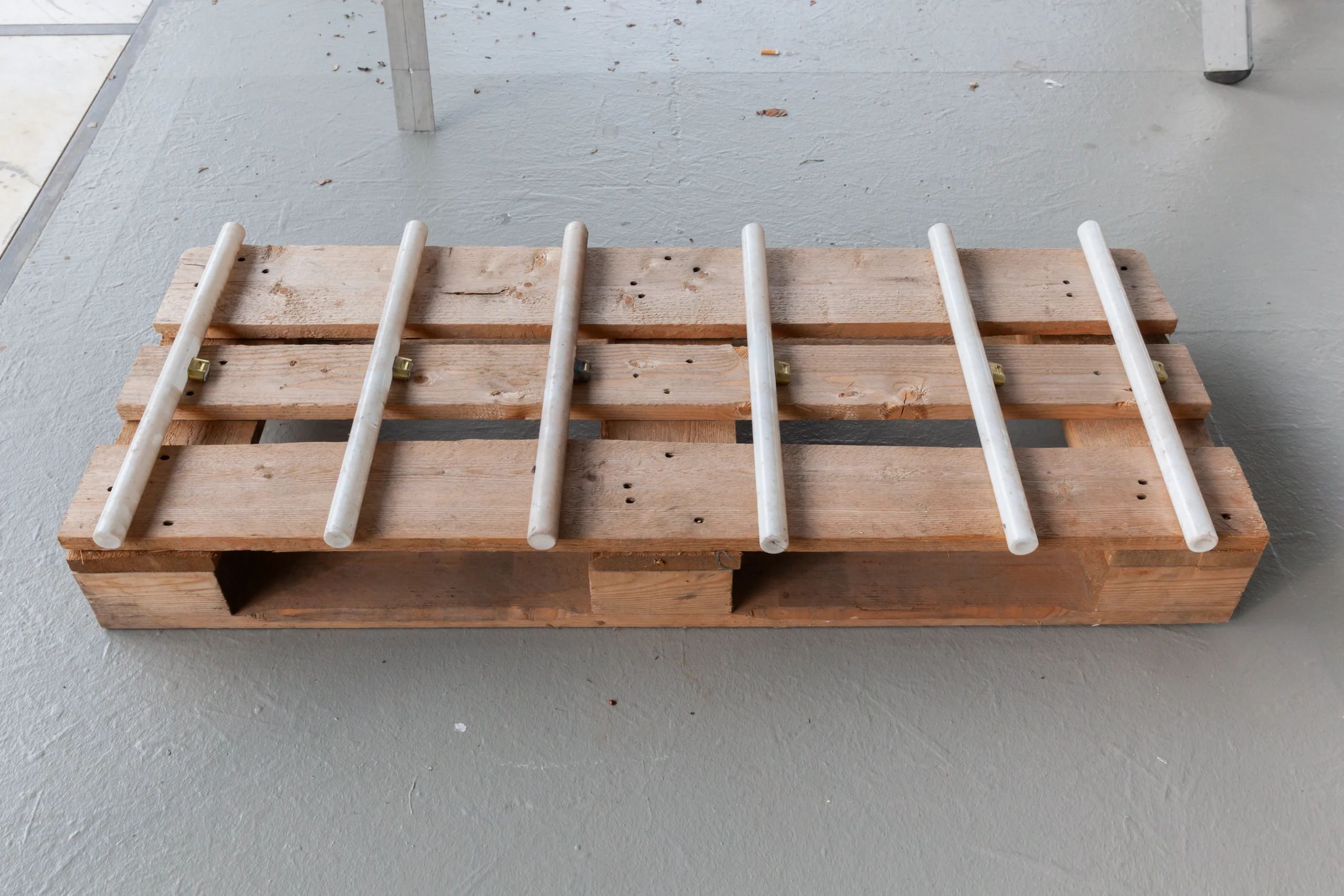
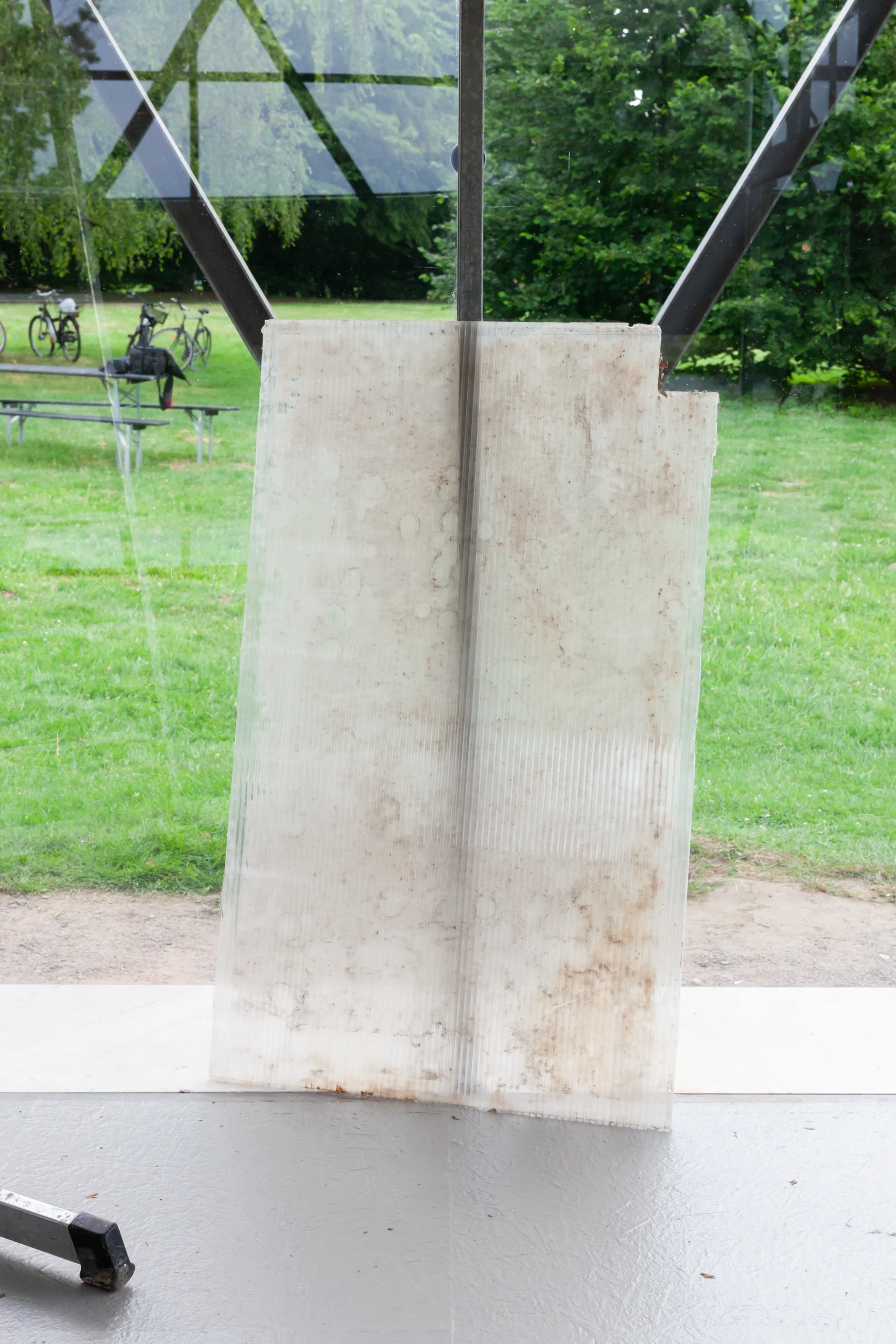
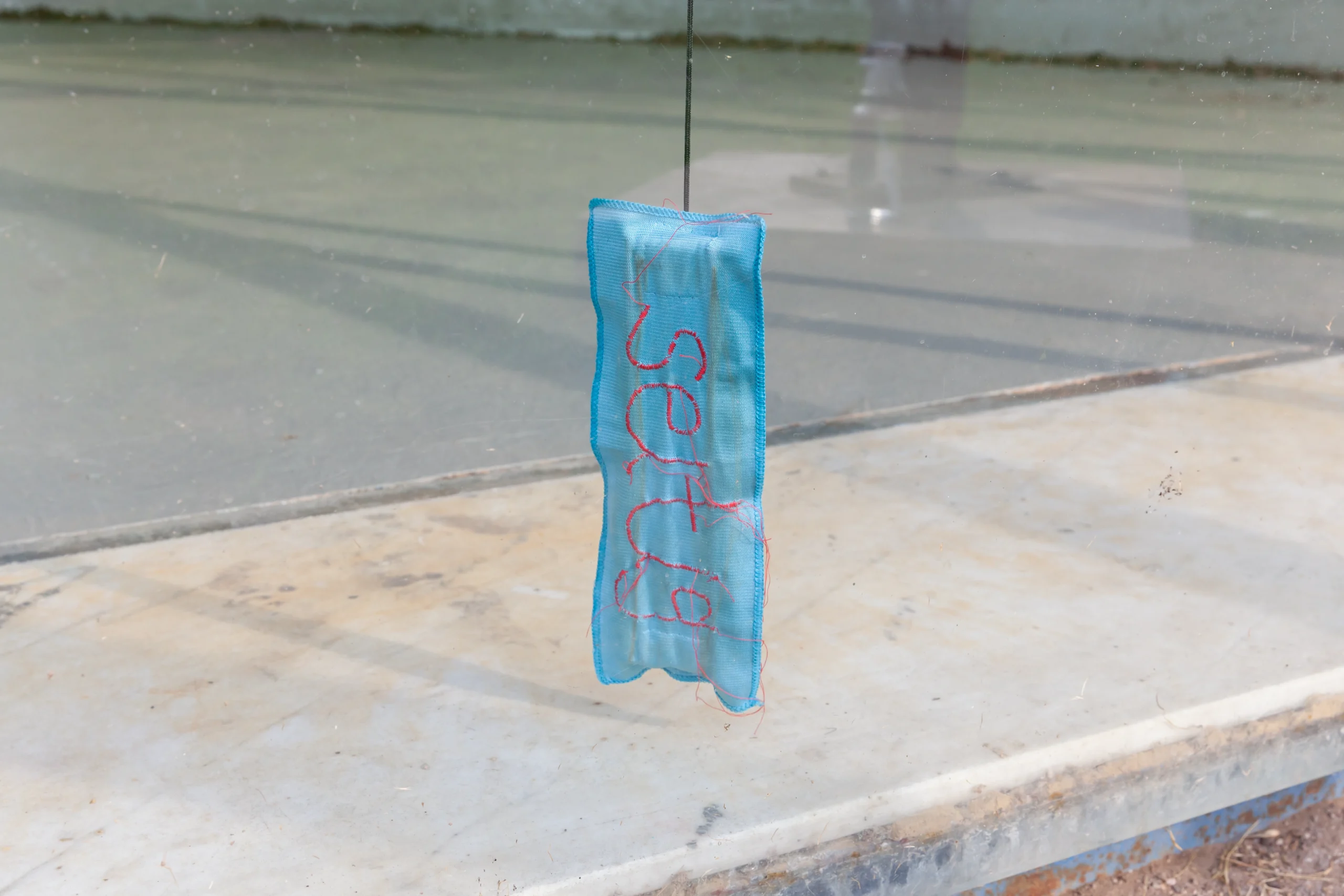
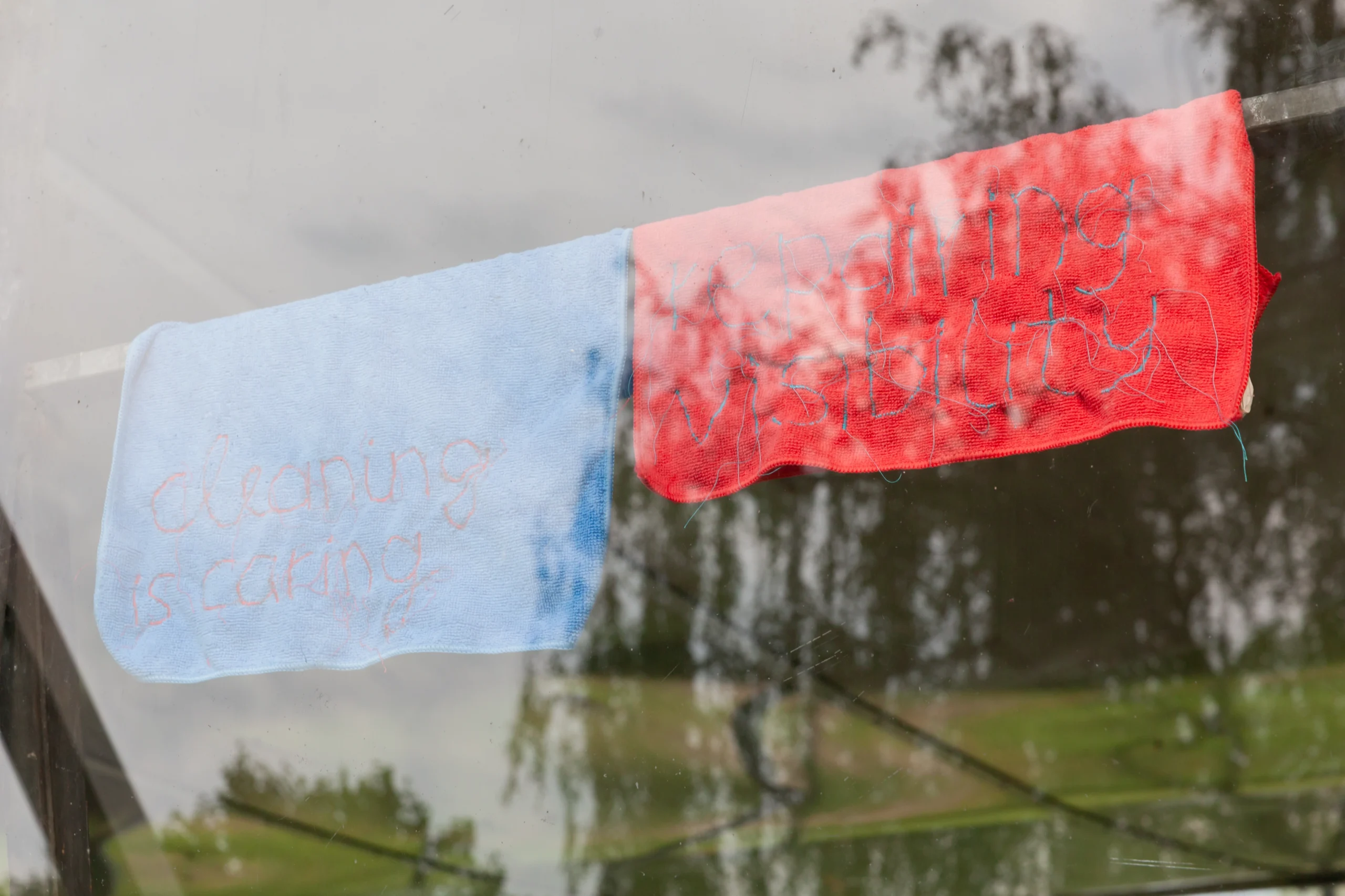
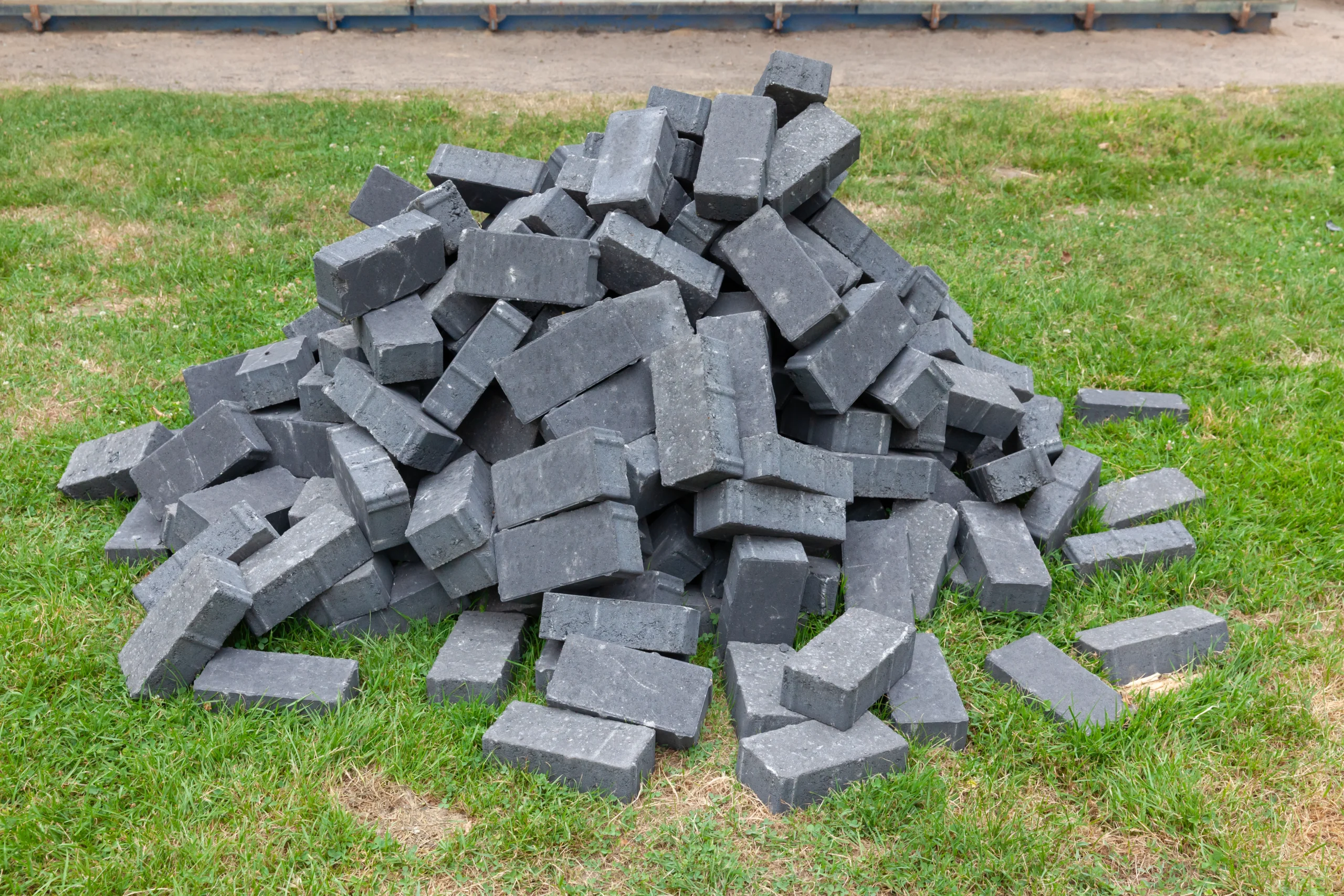
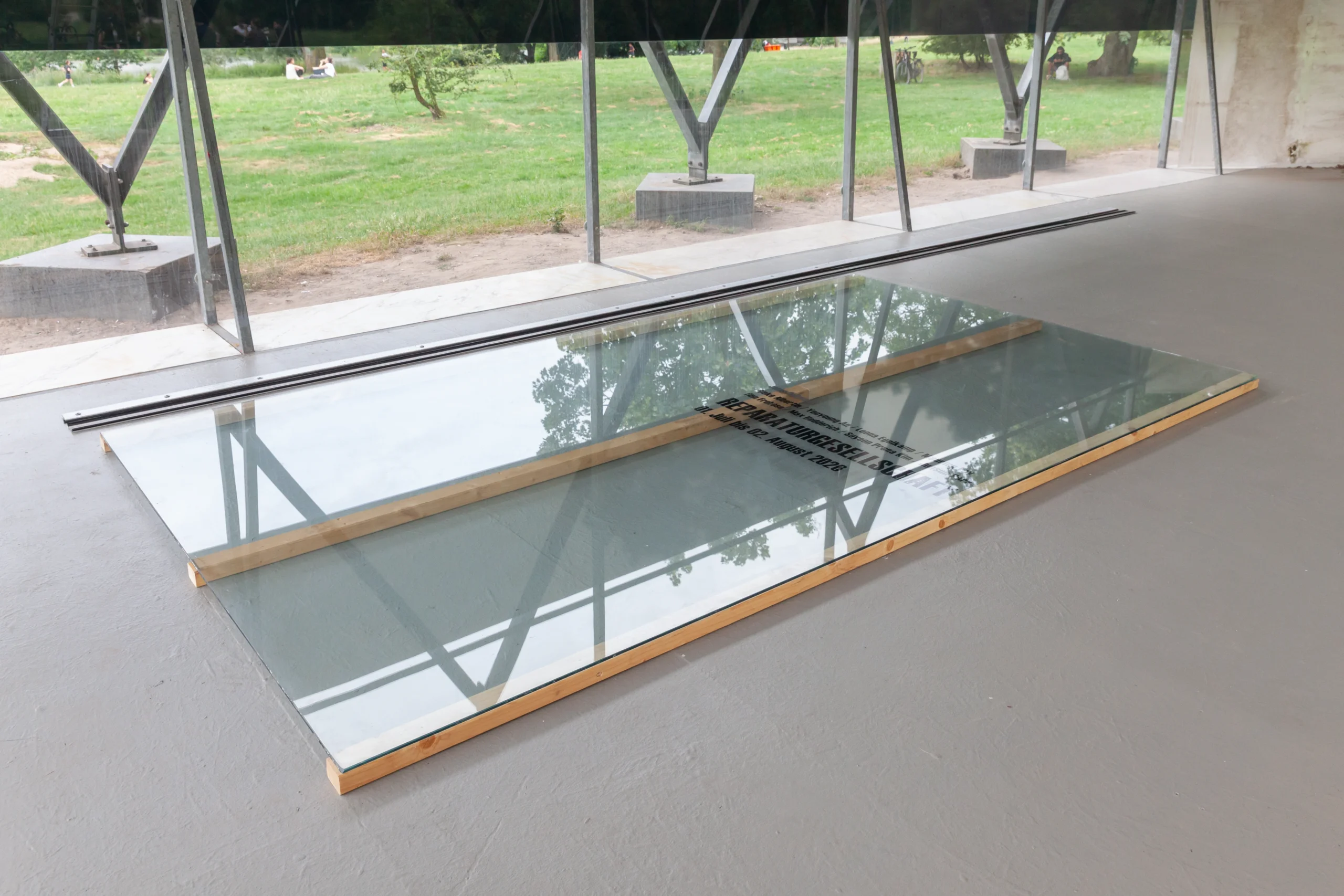
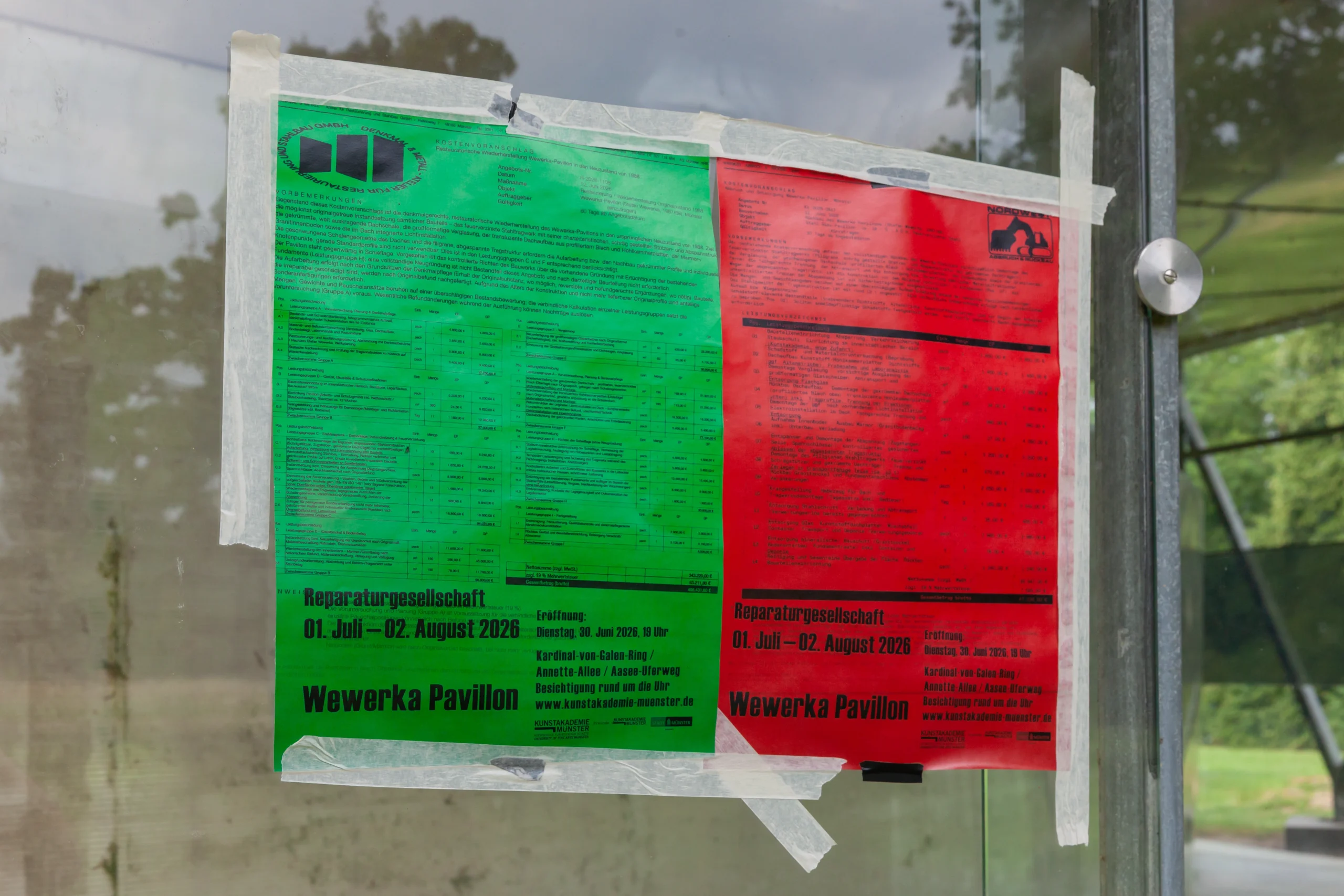
The question that Sabine Maria Schmidt posed as early as 1988 at the inauguration of the Wewerka Pavilion still seems to have no definitive answer today. Legally declared a sculpture, yet treated as architecture by custom, this ambivalence is reflected above all in the pavilion’s current condition. Its patina does not signify an aestheticized ruin, but merely reveals the ravages of time, to which even the most resistant materials of our industrial production are subject. Every use of the sculpture distances it from its original form. Authorship, ownership, and the right of use have never been one and the same. We have decided to treat the pavilion as what it legally is: a sculpture with which—and against which—we work. Let’s imagine a construction site where all participants put their own vision of change into practice. Where does this contradiction of change lead? Can the enhancement of a surface become a form of destruction, or can the deconstruction of an existing structure generate new value? Who throws or lays the first stone? This exhibition is also meant to explore these questions.