














“What might it mean, if echo could be on her own terms?” — Annie Goh
An echo is bound in relation. Sonic sighs, screeches, acoustically reach and reverberate — sounds that submit, weave and support, break and fragment. The echo as material-semiotic agent — acoustic and cultural at once — builds on the premise that reality can be held beyond the merely spatial. A subaltern figure, following Spivak’s deconstructive reading of Ovid, capable of gaining agency within repetition to subvert and transform: disrupting dominant ocularcentric readings and transforming conceptions of knowledge. Echo Alliances poses the echo as a feminist and decolonial configuration, and asks: what elsewheres can echoes open up? The story circulates like a gift — built on multiplicity, on differences not only in structure but in timbre and in silence. It forms between things. This is the condition of alliance — a relational force produced in the encounter, in the passage between. Where there is no echo, there is no description of space or love. There is only silence.
Oath moan mutter chant, NourbeSe Philip writes — one song would bridge the finite in silence / one word erect the infinite in memory. The body as instrument and archive. The tongue severed by the colonial imposition of language and reassembled through polyphony, ululation, the rhythms that accumulate in skin and breath across generations. “What cannot be said will be wept.” — Sappho.
Myth fabrication as methodology. The hauntological, the eruptive, the subterranean — rage and a love poetic held in the same breath.
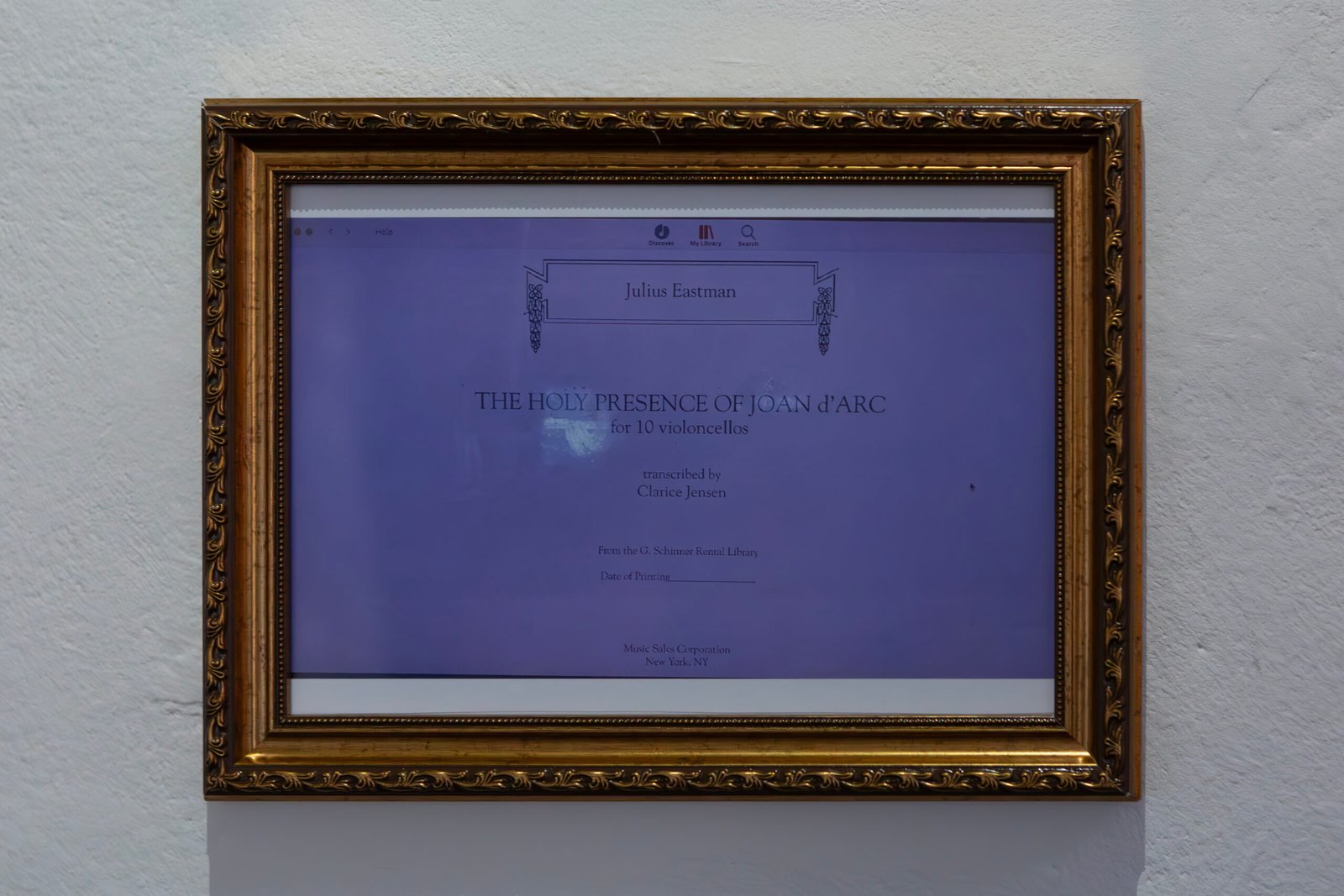
“She said, he said, they said.” — Julius Eastman, Prelude to the Holy Presence of Joan d’Arc (1981)
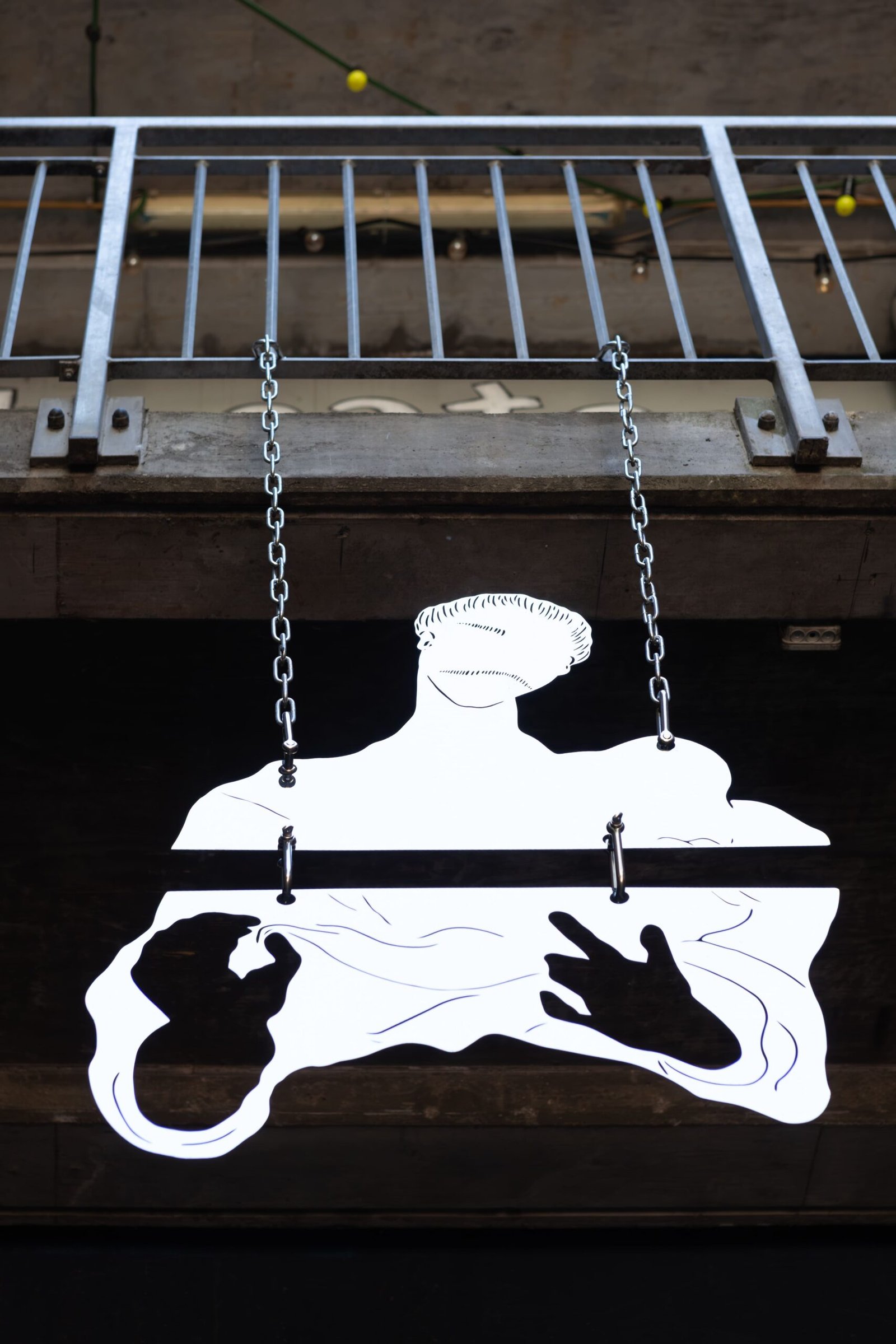
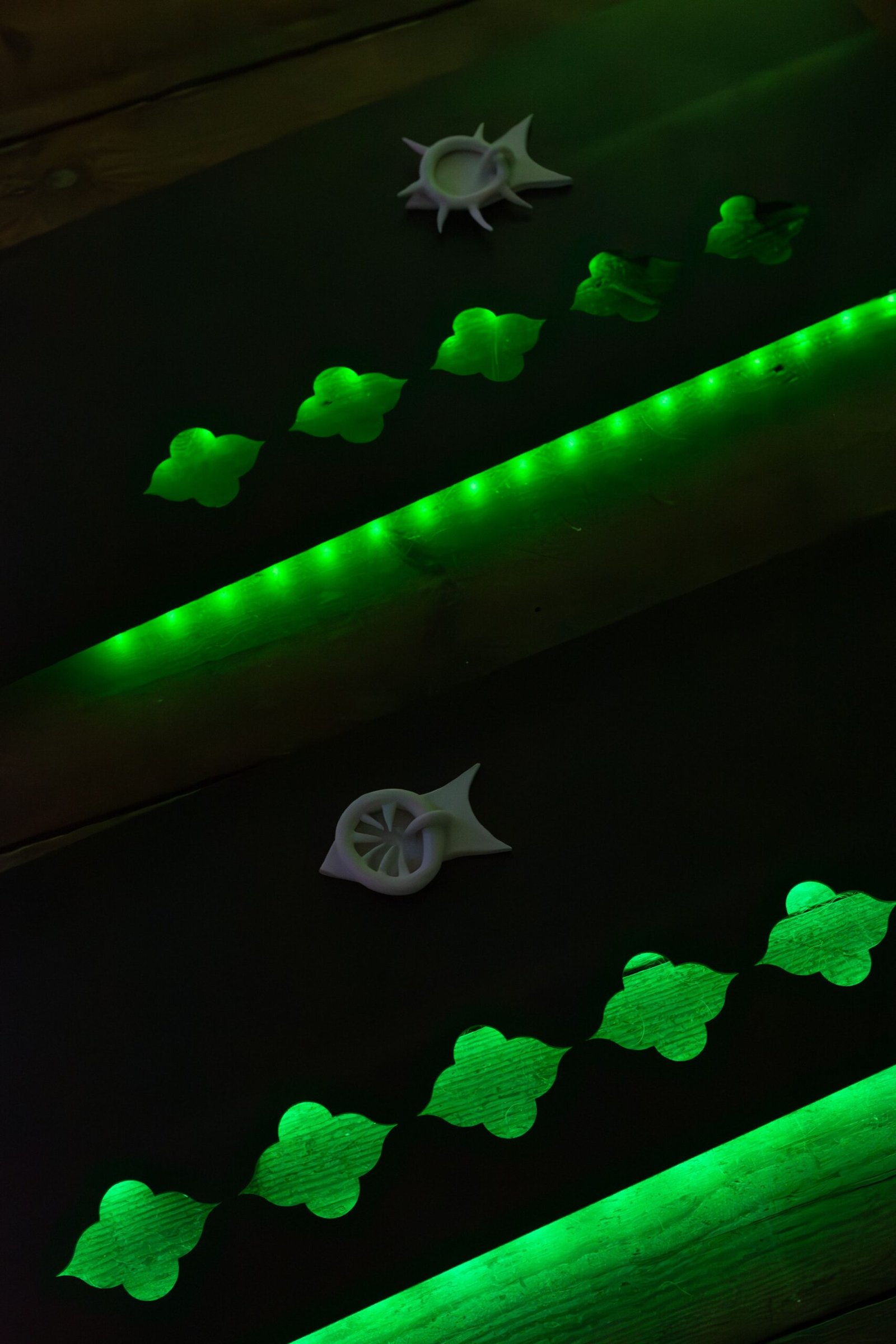
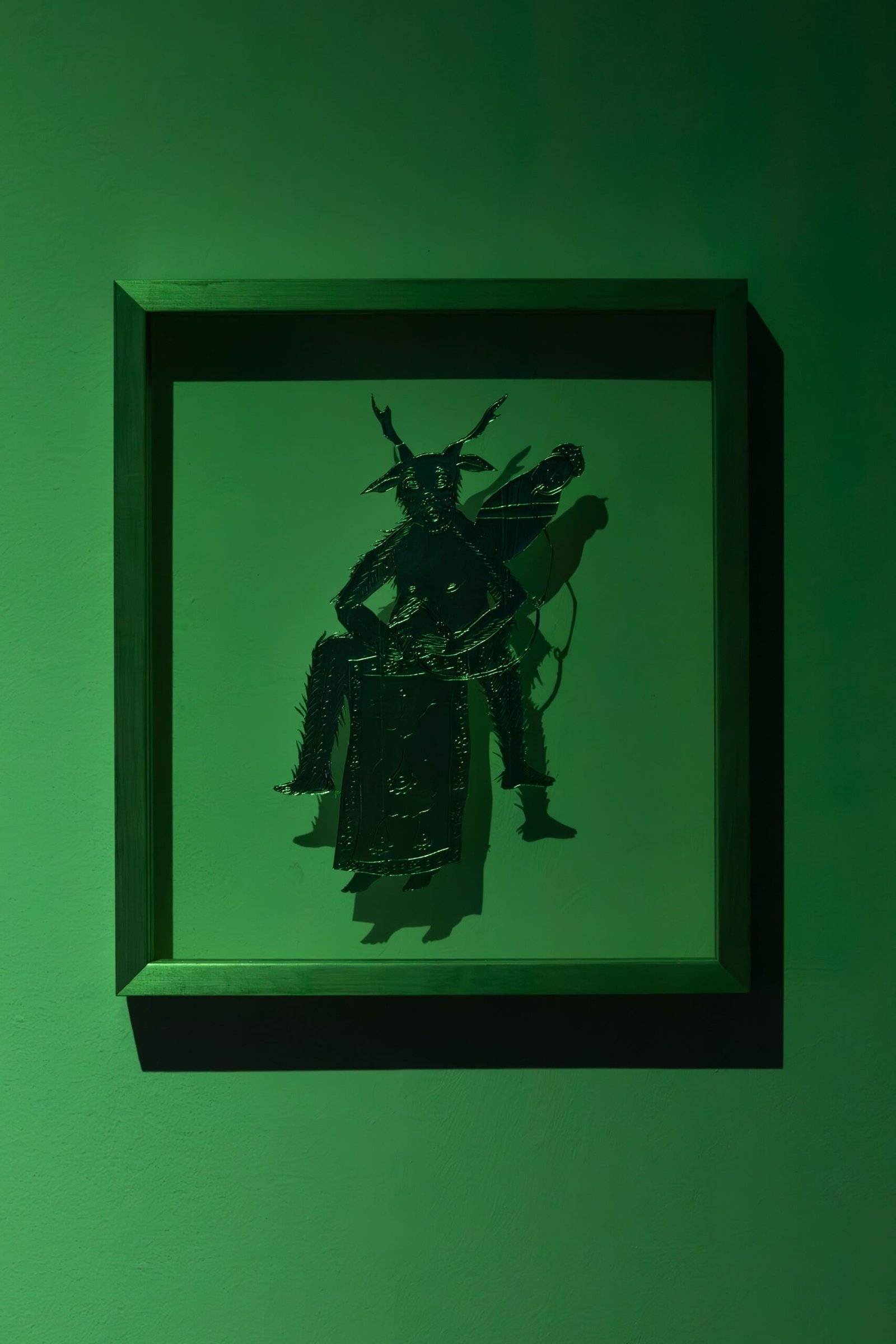
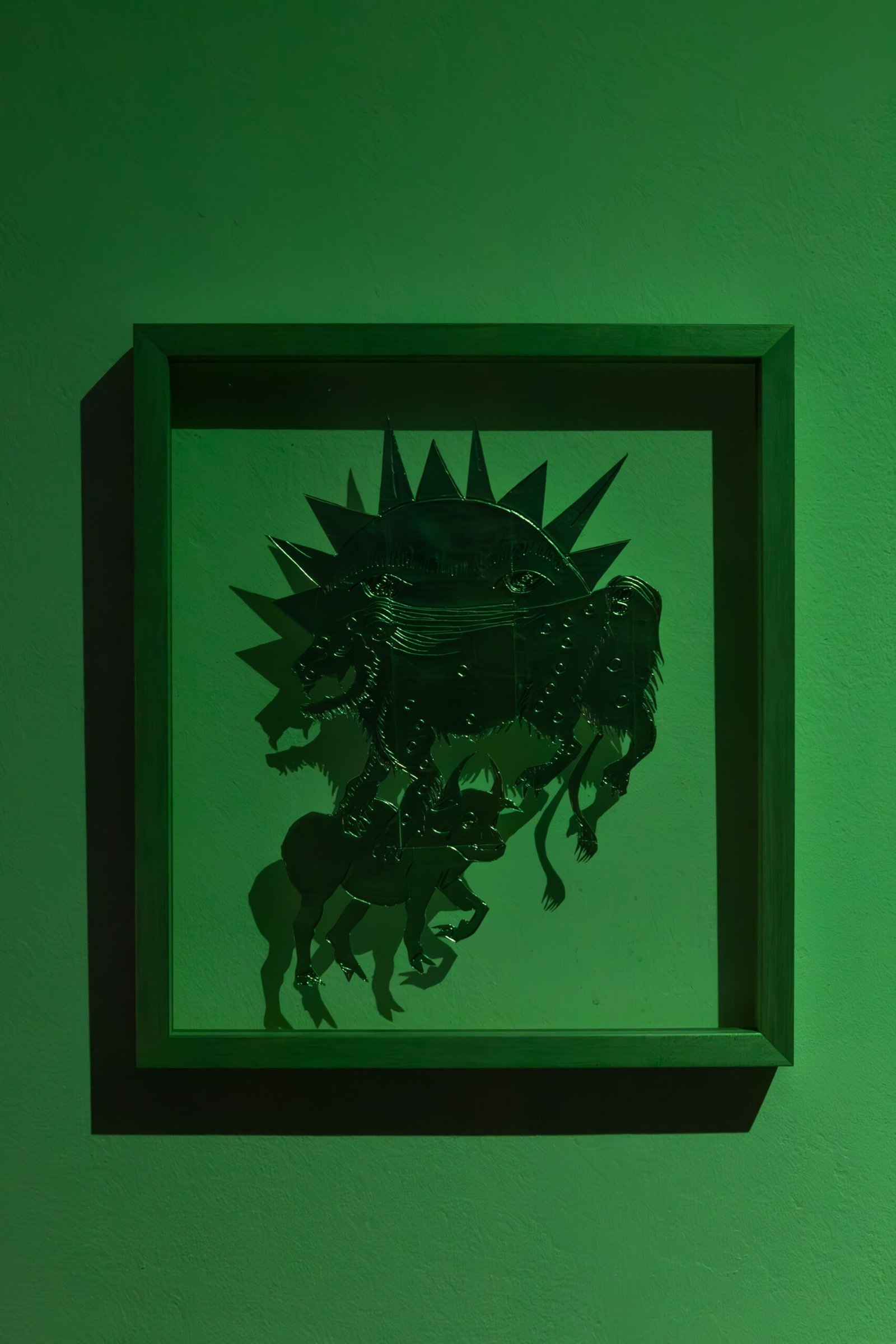
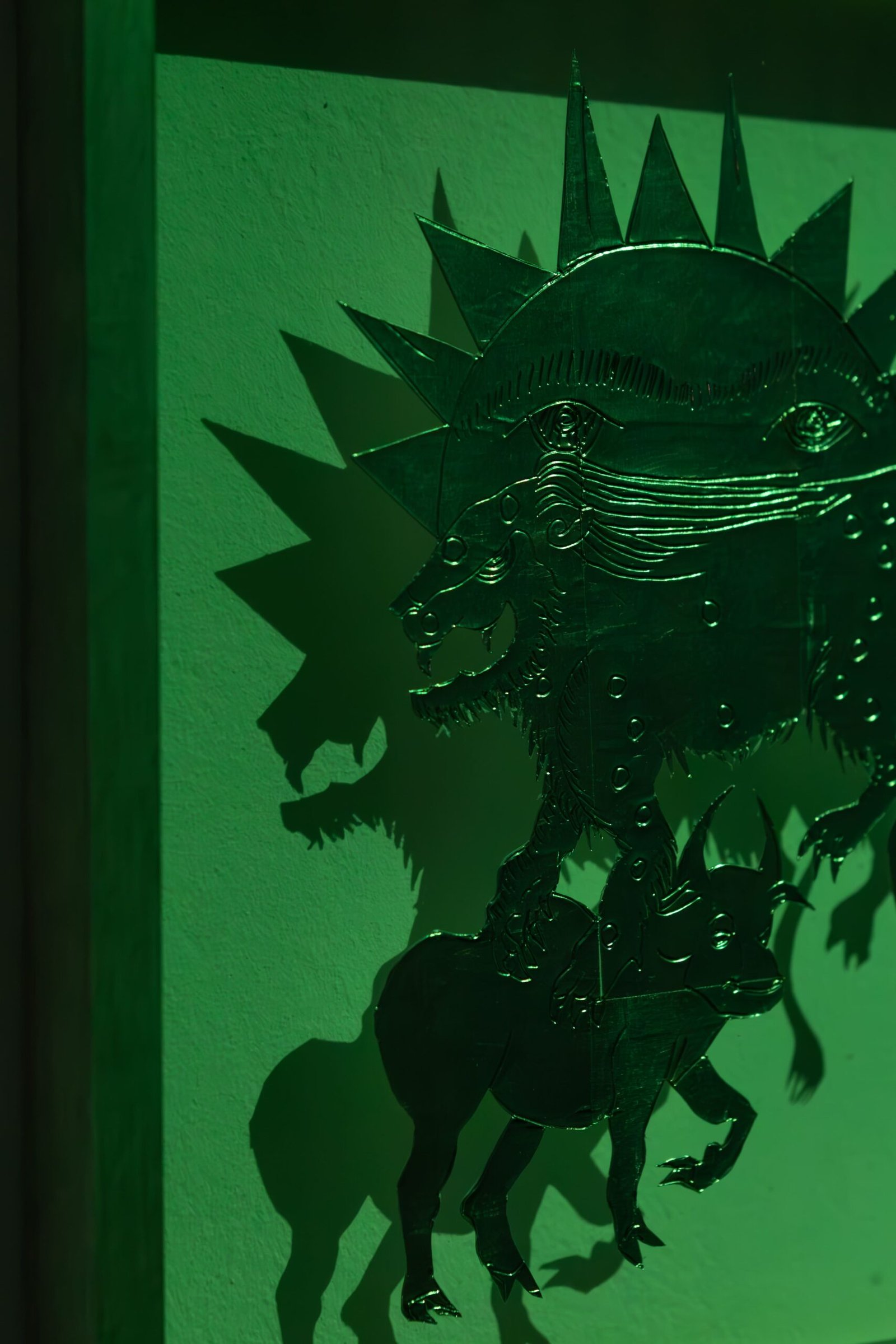
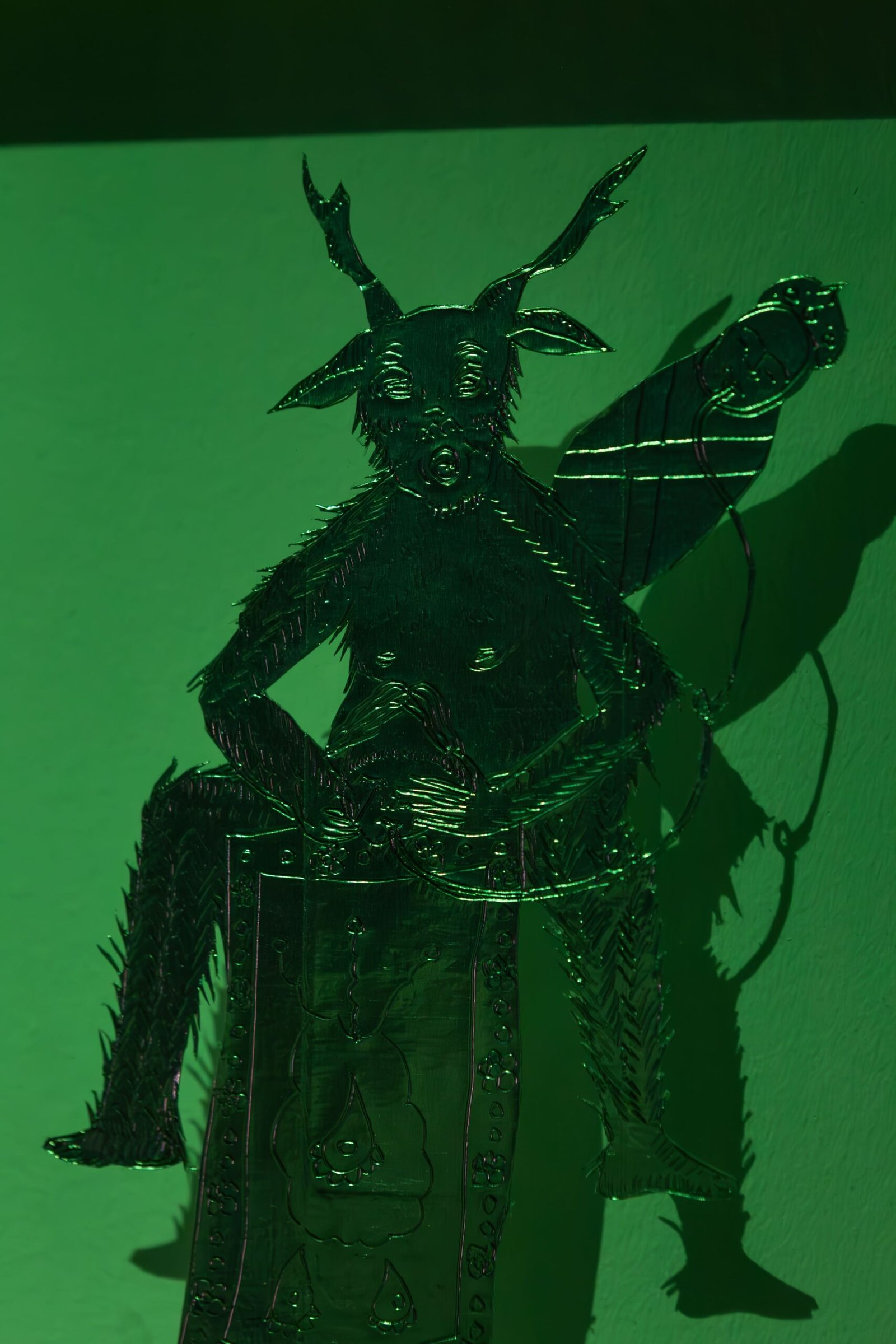
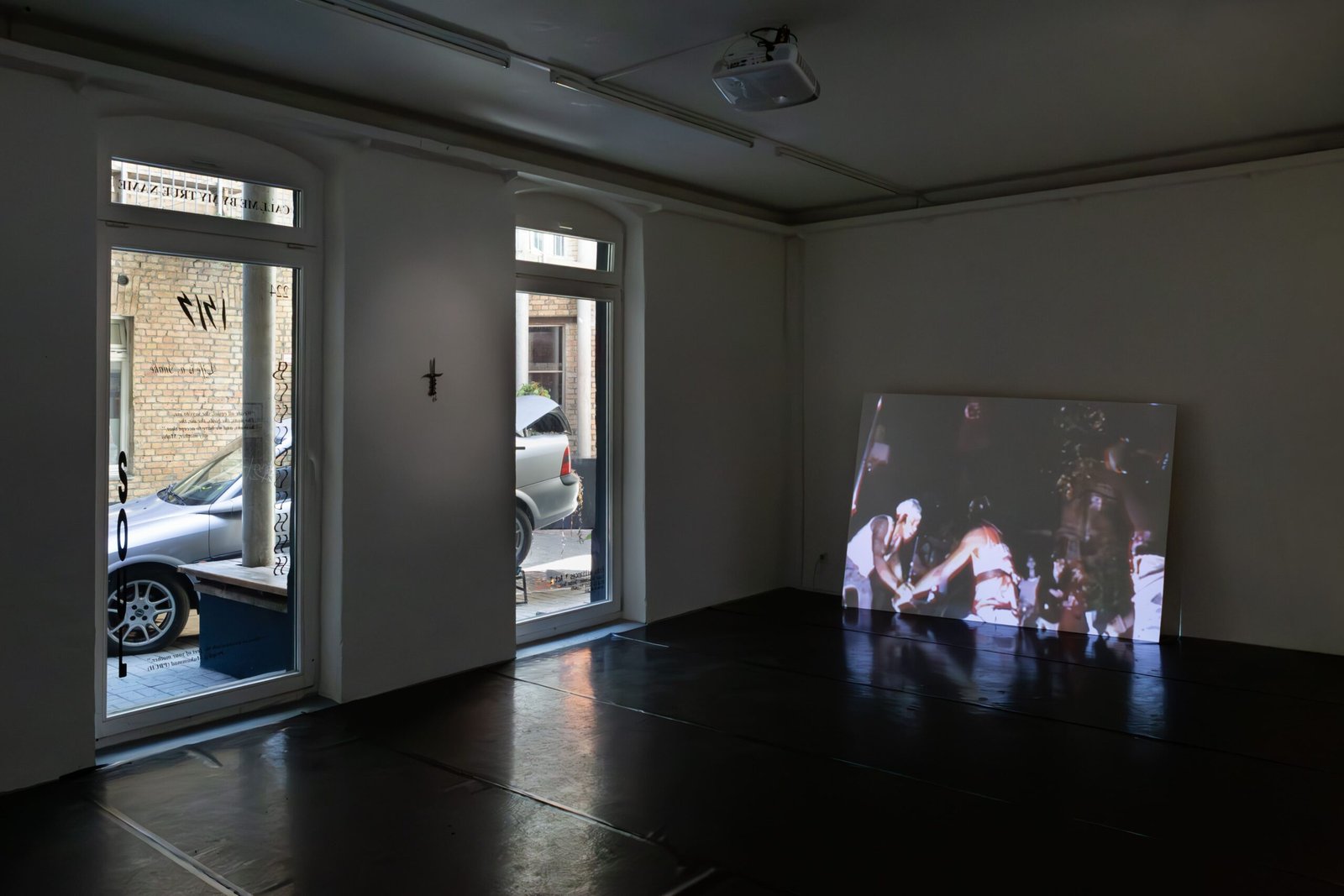
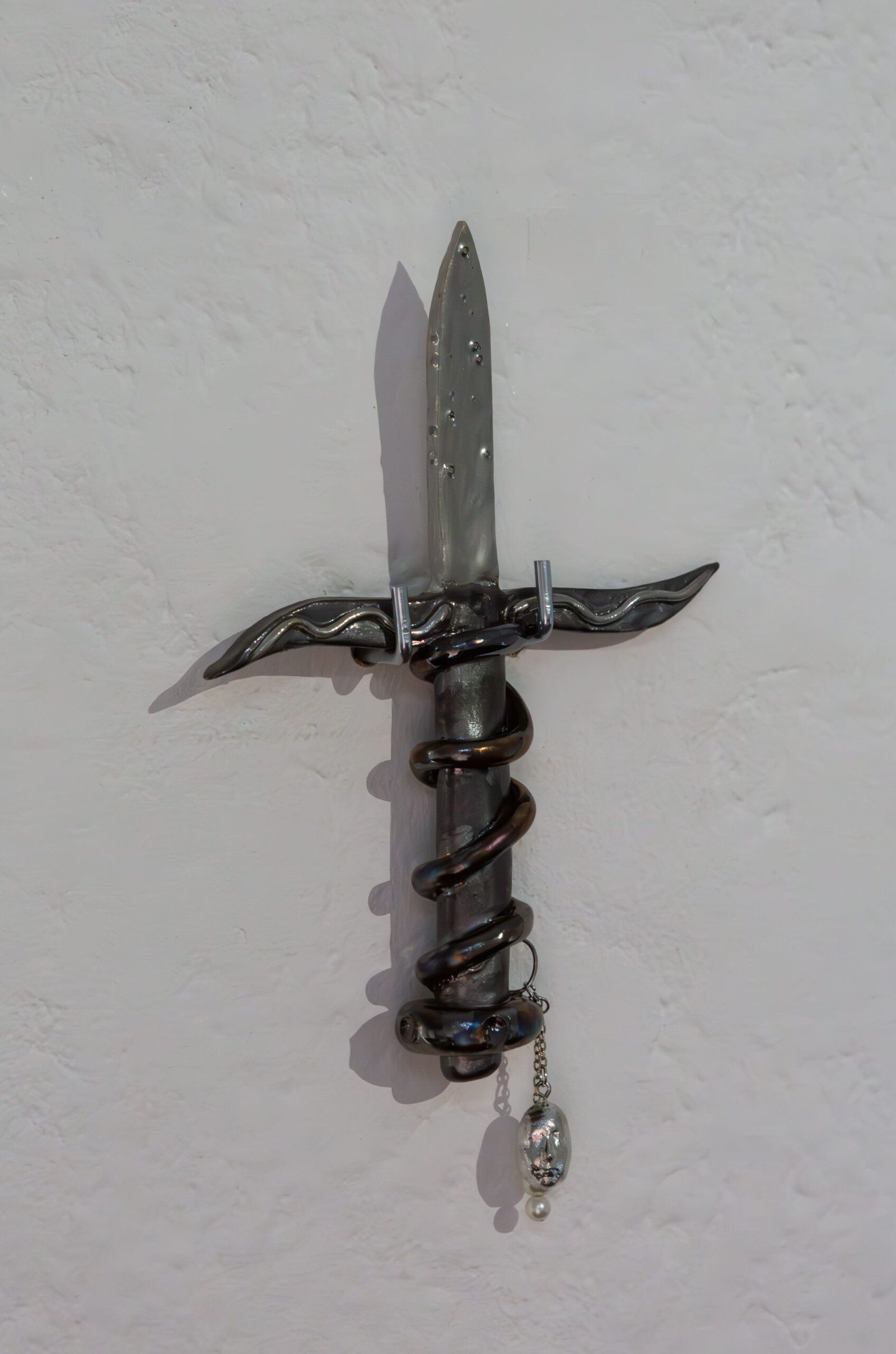
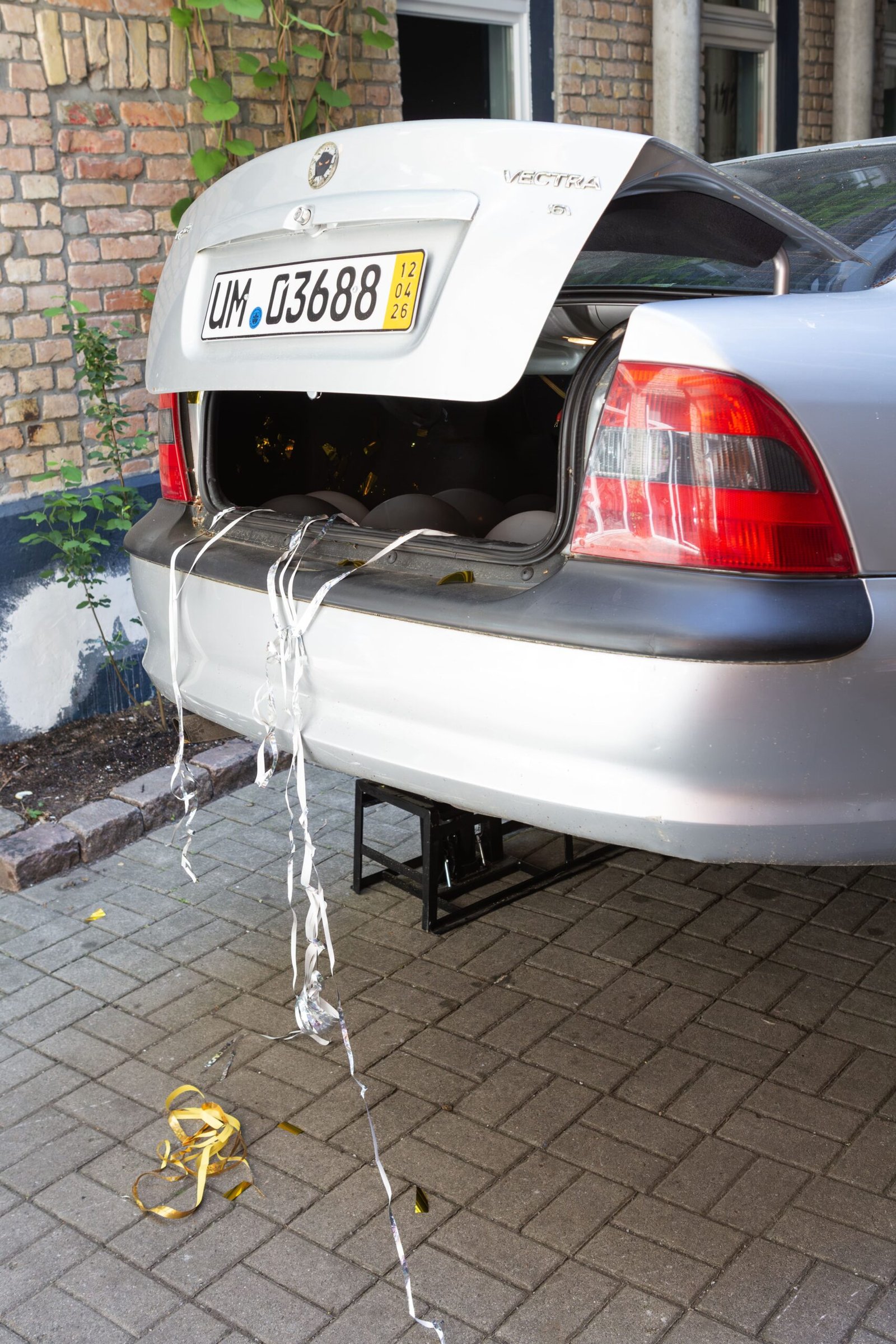
Kasra Jalilipour’s Saint Agatha as a Boy, cut from stainless steel, mirror-like, hangs as a watcher as echoes sound from Untitled, a new commission by Jordan Deal — featuring Eastman’s Prelude to the Holy Presence of Joan d’Arc which leaks into the courtyard. Cry into the void. Balloons and confetti shimmer and float as a drone rumbles, jarring the body. This car is a sacred place. Rolling out incantations. A distinctive affective charge embedded in cruising architecture centres on visibility, aware in its act of the ethics of representation. Squeaky rubber reflects light. Bodies from Capeforce II bleed from boundaries that cannot be contained — as sonic and embodied strategy.
“Reassemblage. From silences to silences, the fragile essence of each fragment sparks across the screen, subsides, and takes flight. Almost there, half named.” — Trinh T. Minh-ha
Speculative realities emerge through Deal’s physical interventions; spaces of friction, rupture and recognition. Alliance made in a spontaneous circle, bystanders become participants, a choreography of danger becomes a choreography of relation. Solidarity as sonic phenomenon requires proximity, resonance, and the willingness to be changed by what passes through.
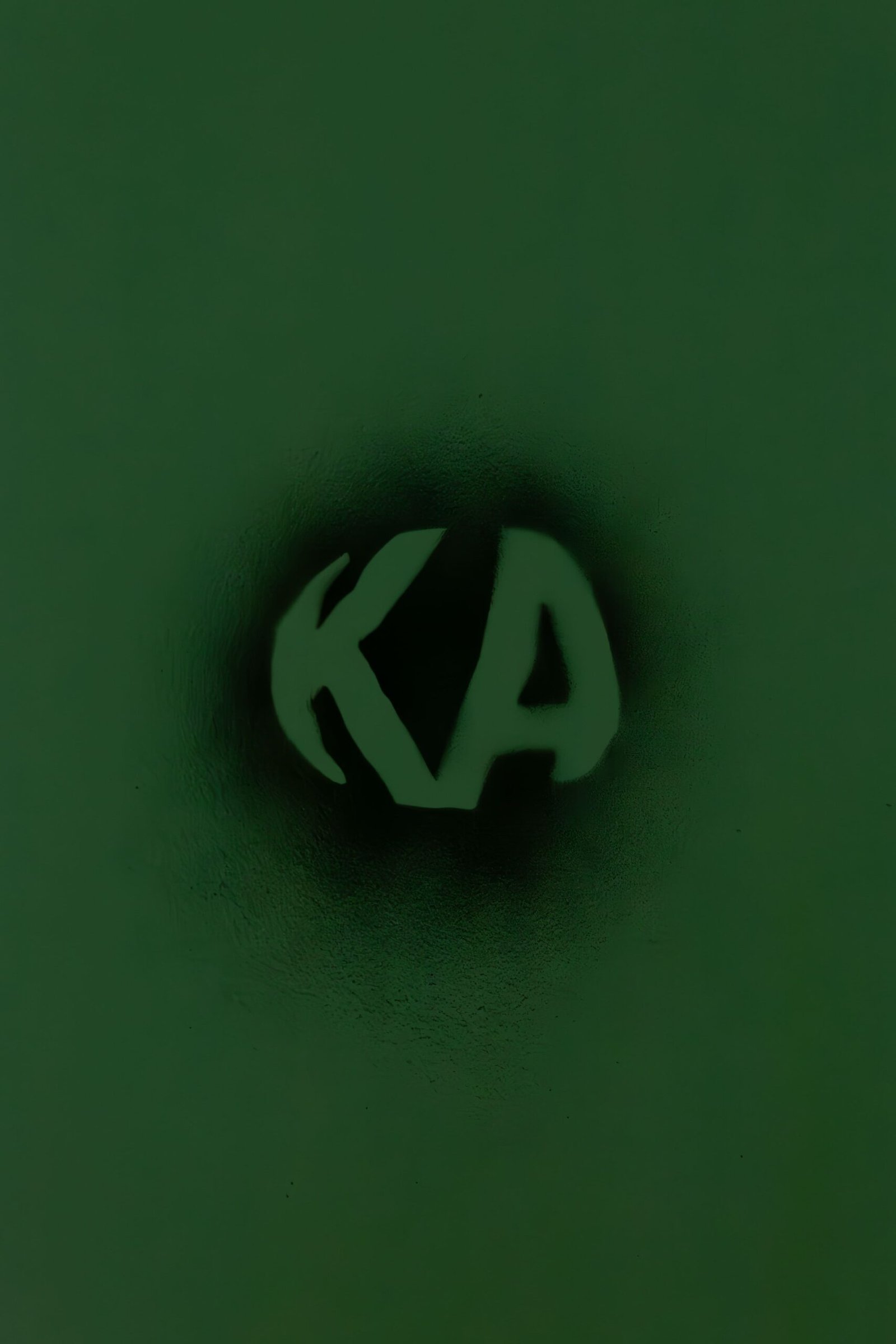
What leaks through is generative, Ka and sheut — ancient Egyptian concepts of soul as life-force and shadow — enter here as frameworks for how knowledge passes through sharing. The personal held collectively: political thought in its most durable and porous form.
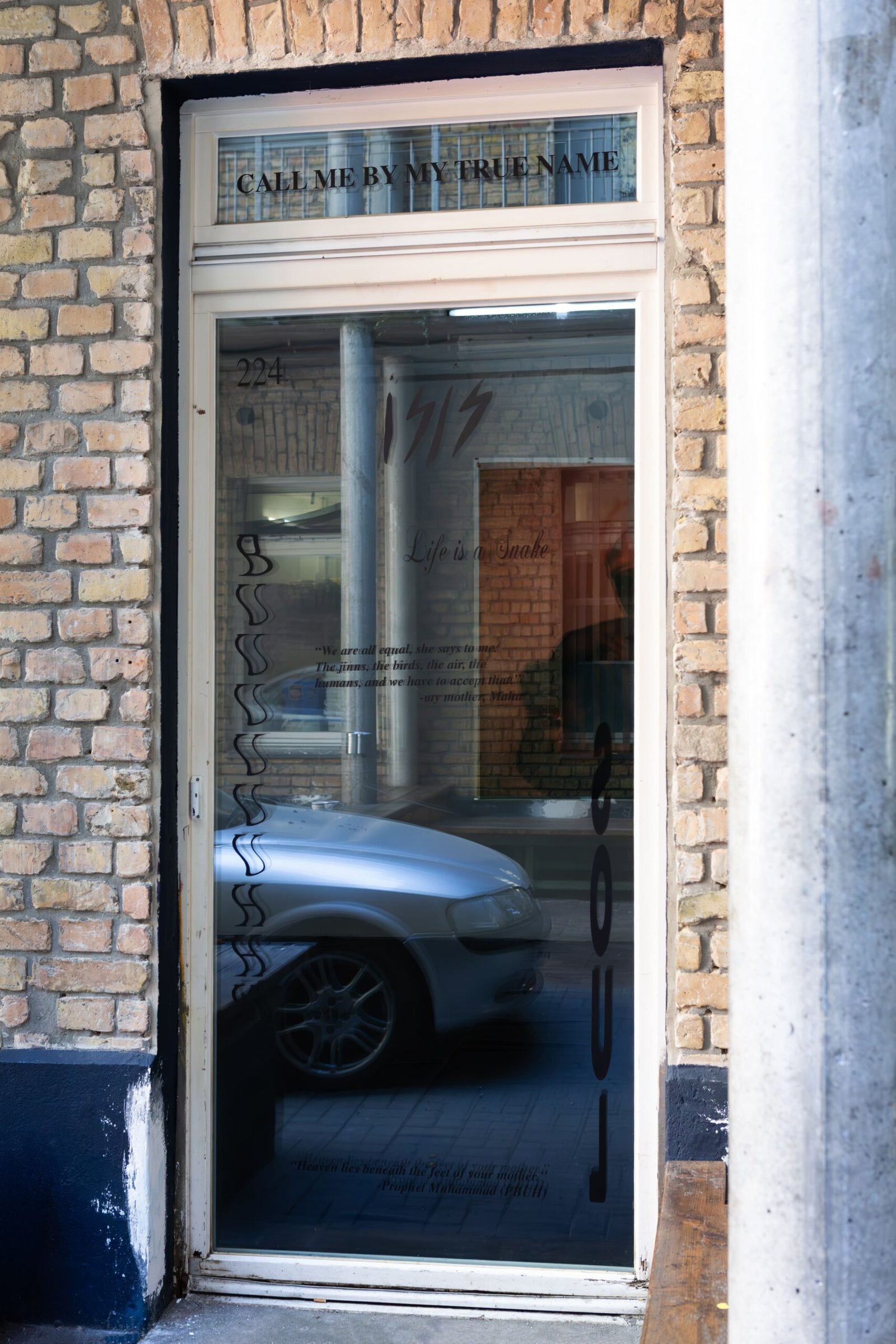
“Heaven lies beneath the feet of your mother.” — Prophet Muhammad (PBUH)
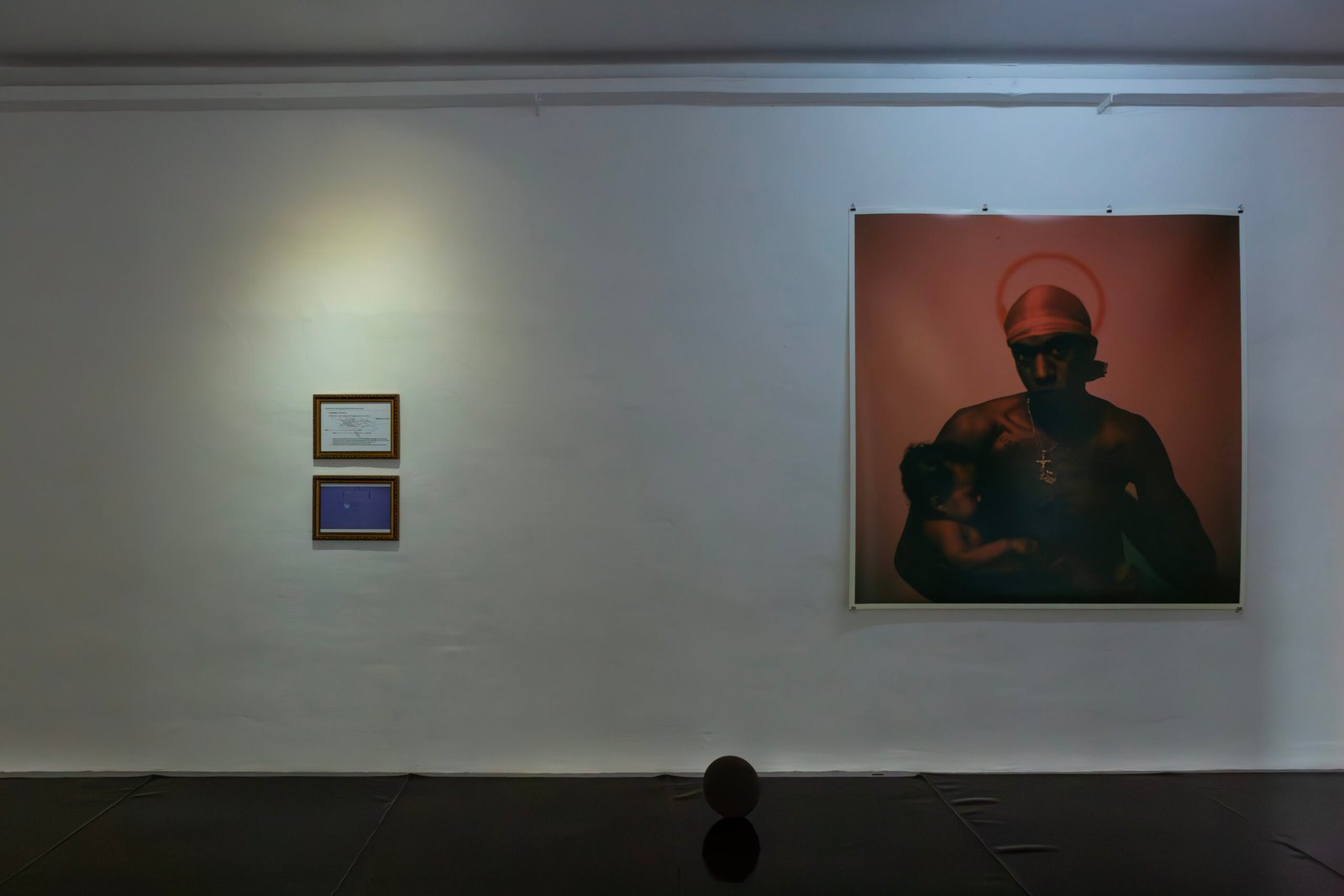
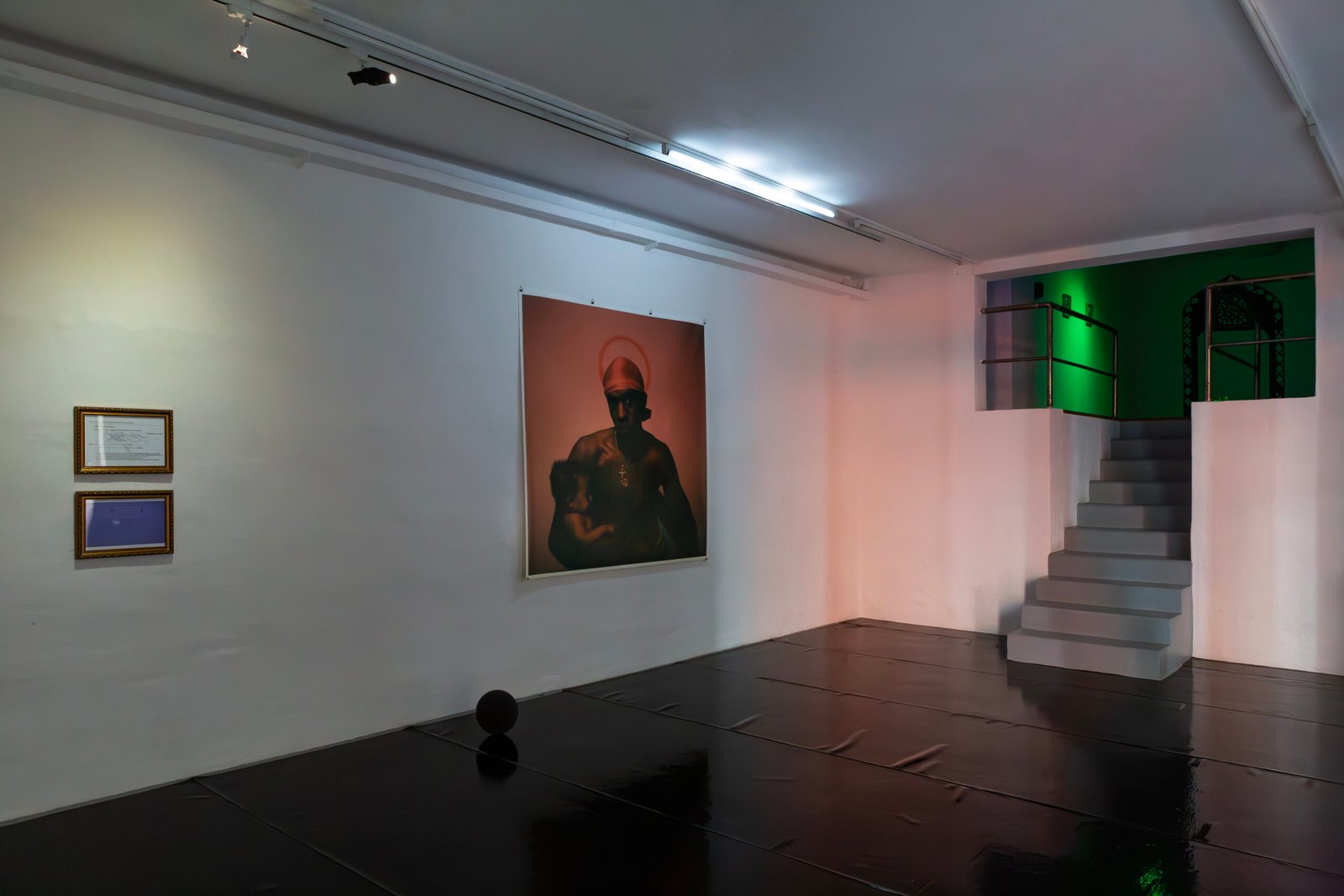
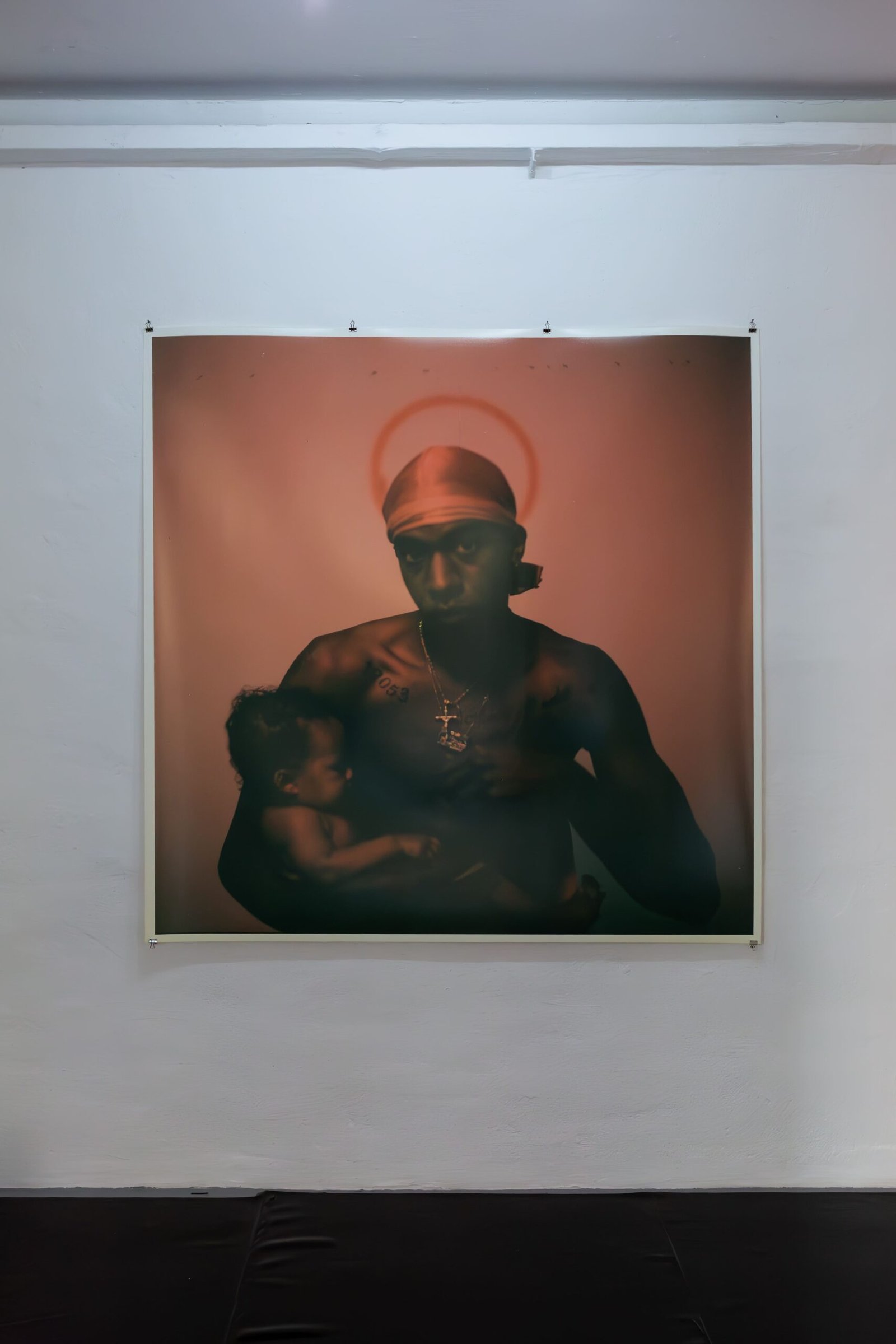
Dina El Kaisy Friemuth’s Jamaal draws on ancient iconography and Christian imagery of the Virgin Mary as cultural entanglement — Eurocentric historiography held and questioned. Echoes of saints and martyrs reimagined; the storyteller becomes embodied as living memory of her time, queering notions and stealing back the archive. “We are all equal, she says to me. The jinns, the birds, the air, the humans — and we have to accept that.” — Maha El Kaisy.
Utterances moved and reassembled through polyphony. Fictionalised historical artefacts inhabit what Saidiya Hartman calls the subjunctive mood — the conditional temporality of what could have been — straining against the limits of what the archive permits to be said.
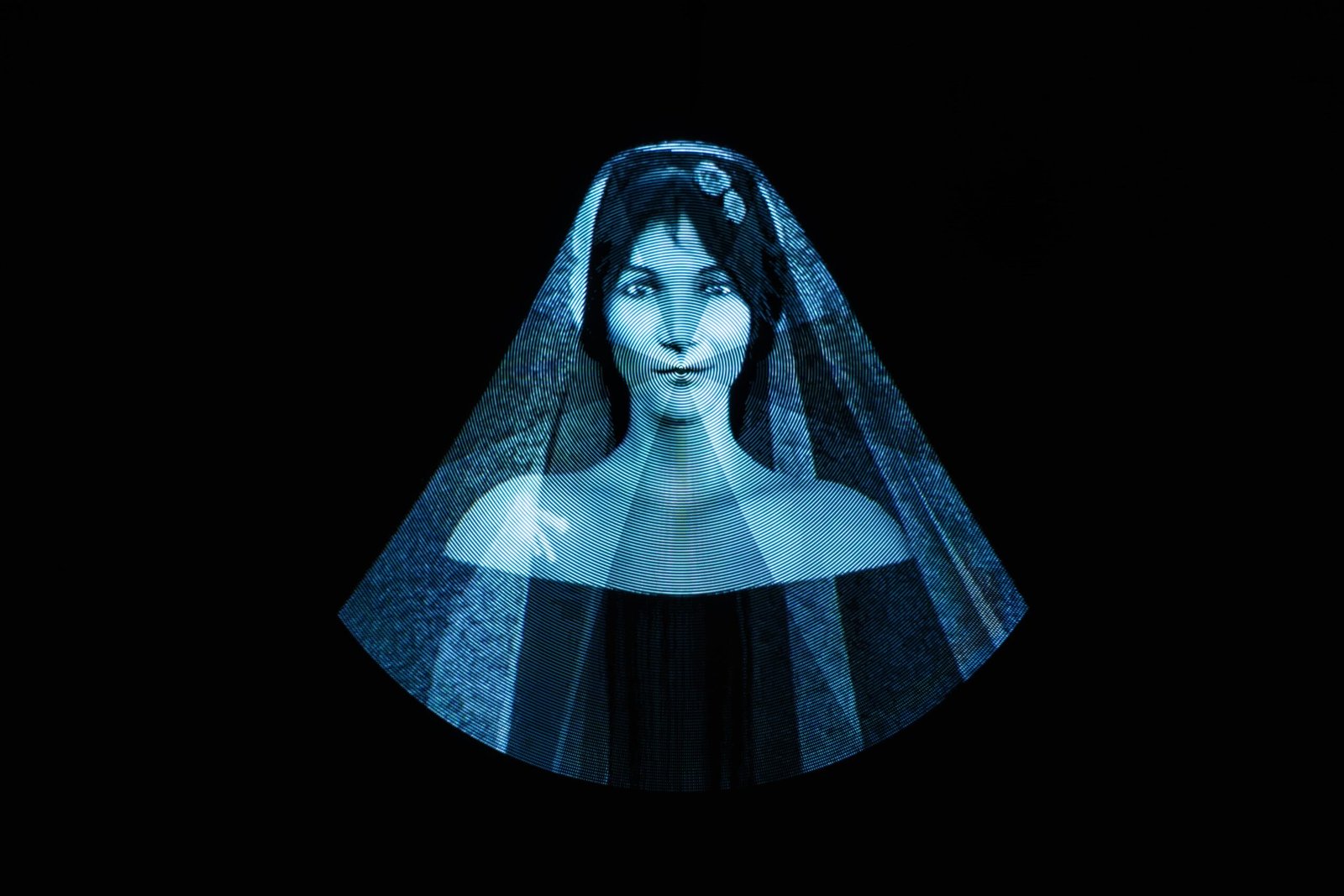
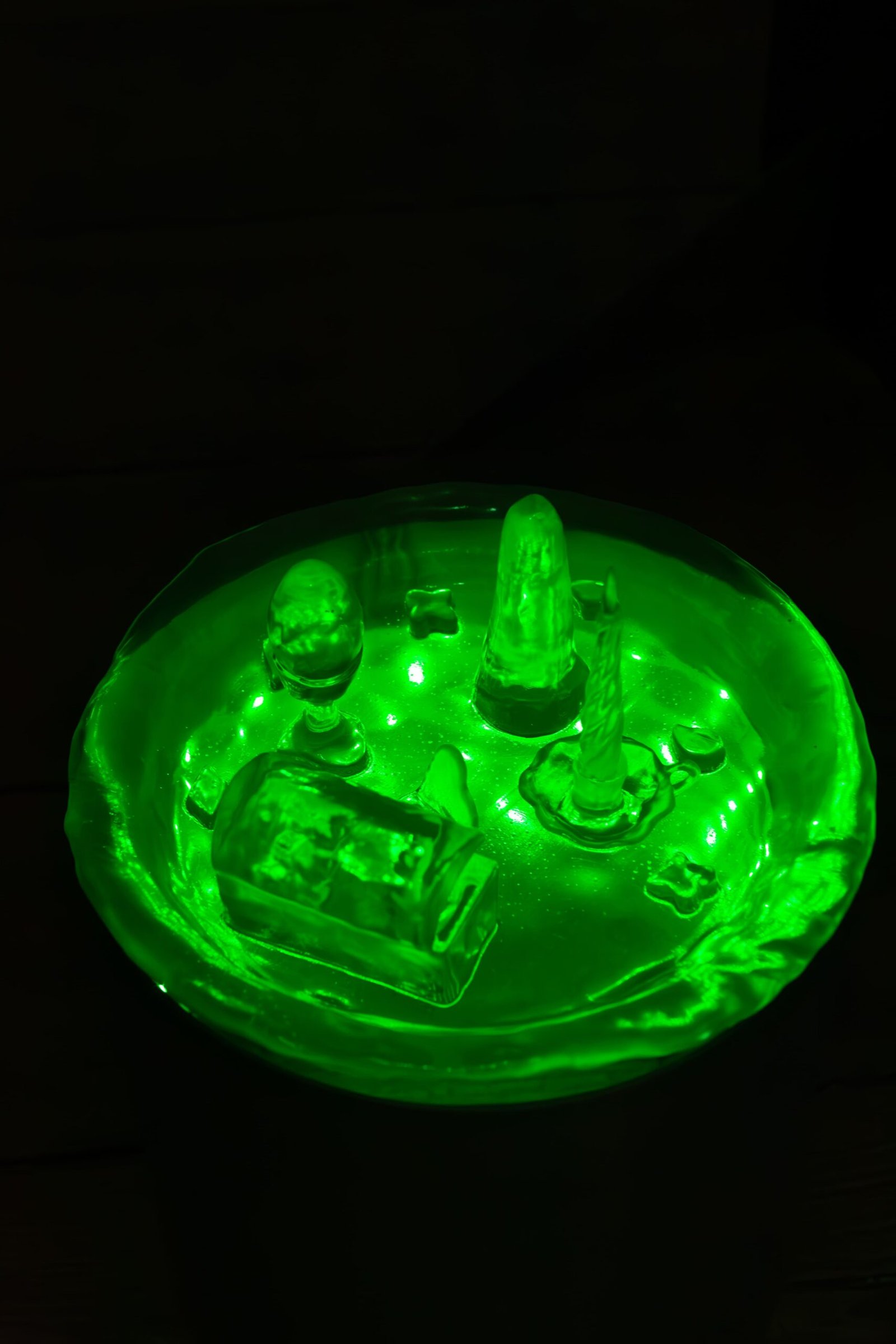
Jalilipour’s Tahirih — a hologram spinning in light — is pioneering poet and women’s rights activist, martyred for her beliefs. What accumulates in the told and retold is where covenant takes root, where there is space to be, listen, and to reflect.
“In the meantime, in the space of the interval, between too late and too early, between the no longer and the not yet” — Saidiya Hartman
The present as coeval with the dead — an afterlife still unfolding. Echo meets us here, as a roving embrace. To hold an echoing of our alliances in the present is a method, embracing a frequency of elsewhere.
Eastman, J. (1981) Prelude to the Holy Presence of Joan d’Arc. G. Schirmer Inc. Goh, A. (2023) ‘Echoes of Elsewhere’.
Nottingham Contemporary. Hartman, S. (2008) ‘Venus in Two Acts’, Small Axe, 12(2).
NourbeSe Philip, M. (1993) She Tries Her Tongue, Her Silence Softly Breaks. The Women’s Press.
Sappho (tr. Carson, A.) (2002) If Not, Winter: Fragments of Sappho. Virago.
Spivak, G.C. (1993) ‘Echo’, New Literary History, 24(1).
Trinh T. Minh-ha (1989) Woman, Native, Other. Indiana University Press.