



“I can no longer think what I want to think. My thoughts have been replaced by moving images.” George Duchamel, Scenes de la vie future (1930)
When Walter Benjamin, in his essay “The Work of Art in the Age of Mechanical Reproduction” (1936) referred to French writer George Duchamel, he noted that despite his ignorance of the overall significance of the moving technical image, he had managed to capture something essential about its structure. It is no coincidence that this partially memetized statement, set within the graphic design of a Situationist poster, also appears on social media, where the process of association that images are meant to evoke in viewers is disrupted by their constant transformation.
The current digital tools of social media platforms—particularly algorithms and LLMs (Large Language Models)—not only strangely echo Duhamel’s indignation but also highlight the tension between human autonomy and our absorption by technology. While in recent years the media has been praised in Lacanian terms for mirroring one’s own desires and narcissism through excessive identification with one’s own image, today it seems that algorithmic culture affects us on a deeper affective level. Algorithmic indifference to declared preferences (likes, who you follow) carries with it indifference to the ego, bypassing the curated “self” in the interest of monitoring compulsive behavior and subliminal desires. Algorithms are, in principle, amoral virality machines, trained to predict your movements on social media and push content that will amplify its spread. In this environment, where algorithmic structures know us better than we know ourselves, they are capable of predicting our deepest fears and desires at a subliminal level—our own shadow self—while we encounter the limits of our own will and autonomy.
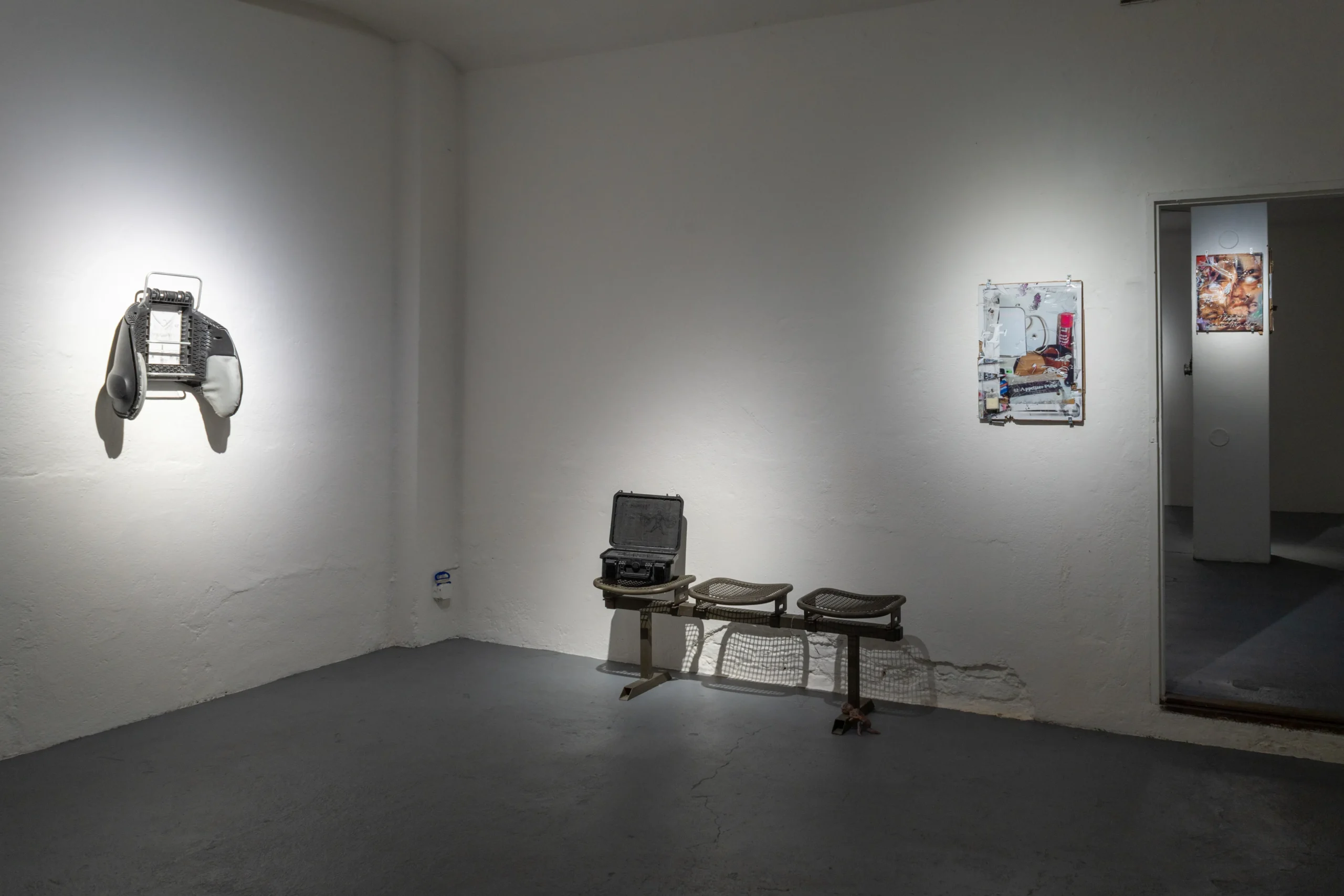
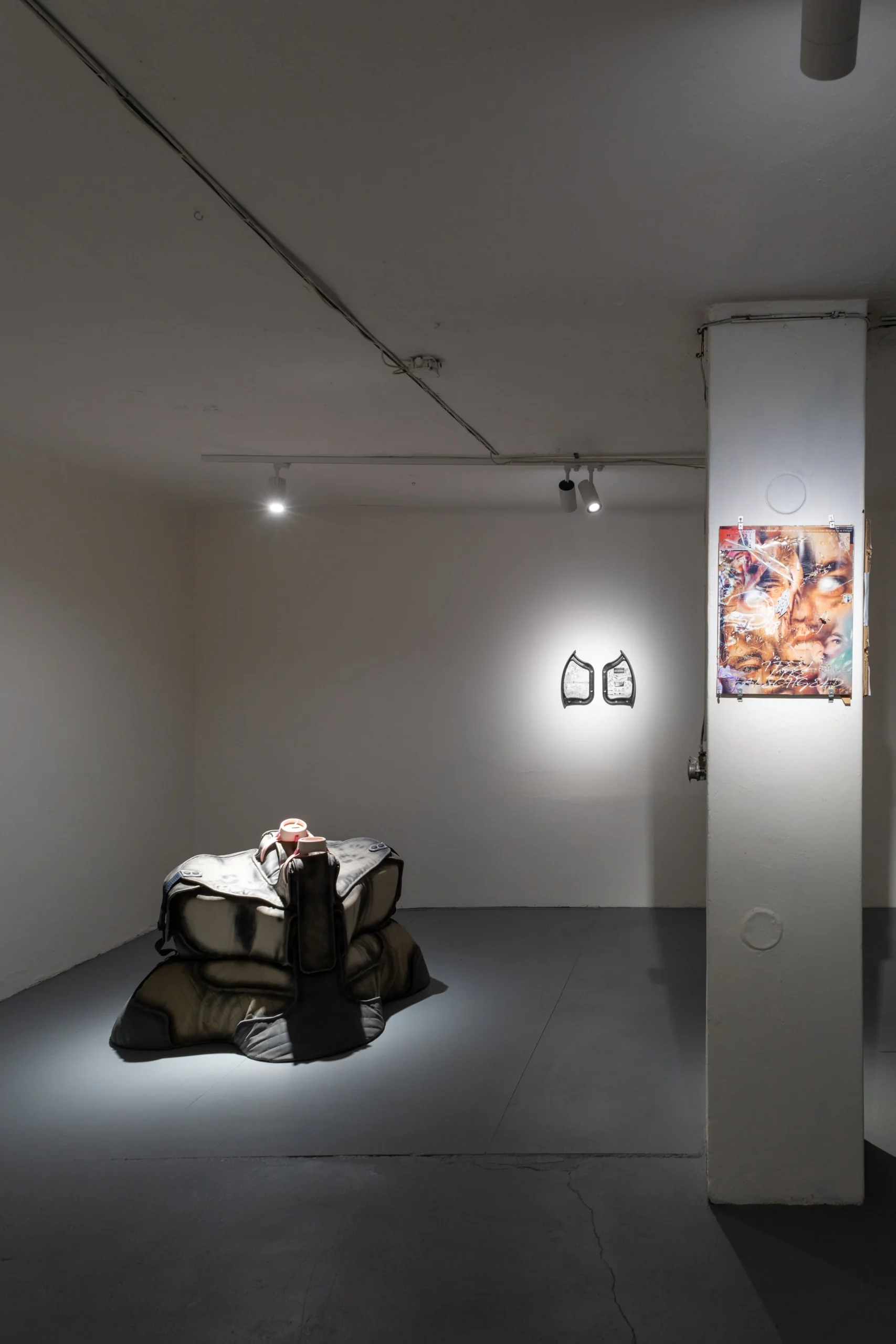
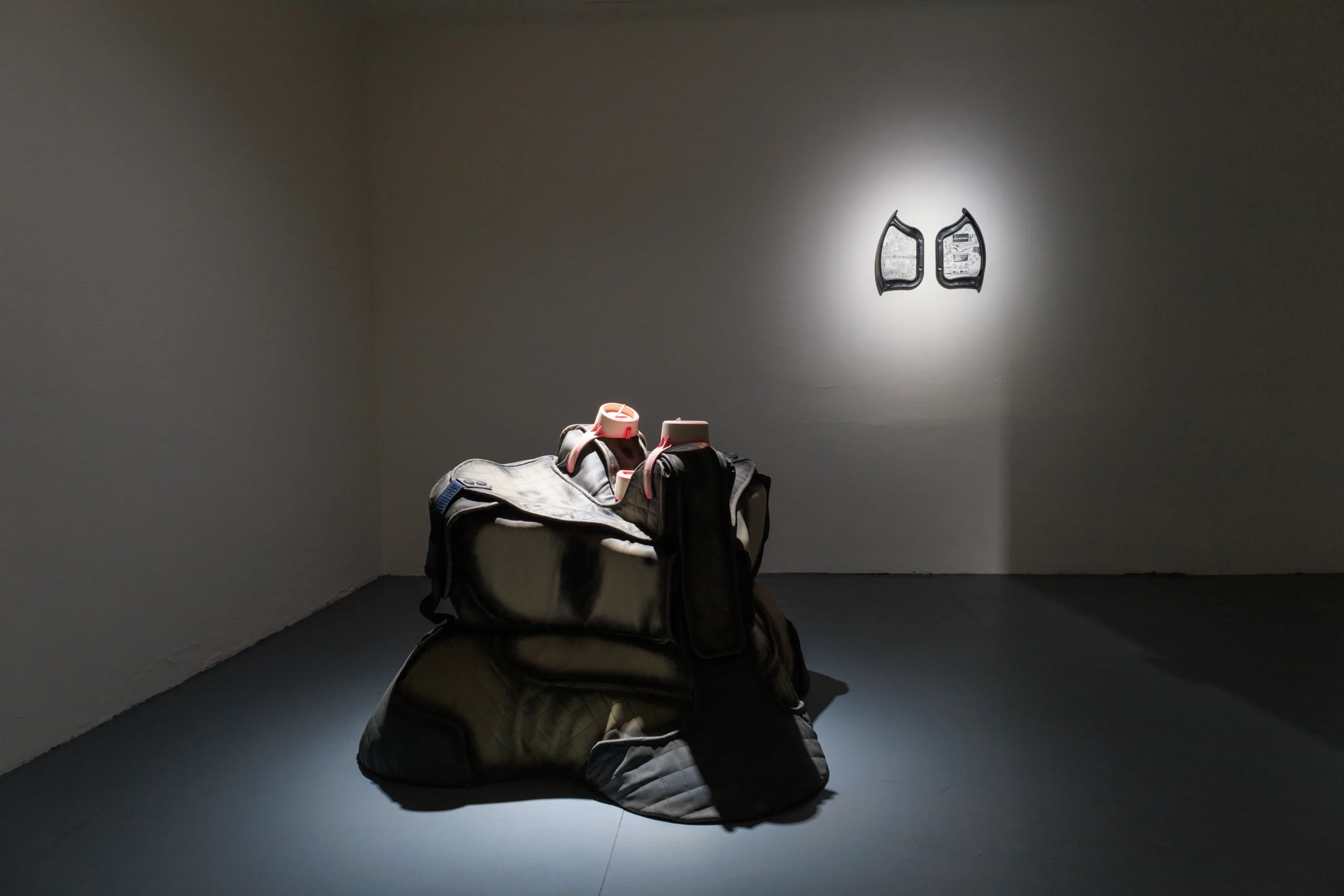
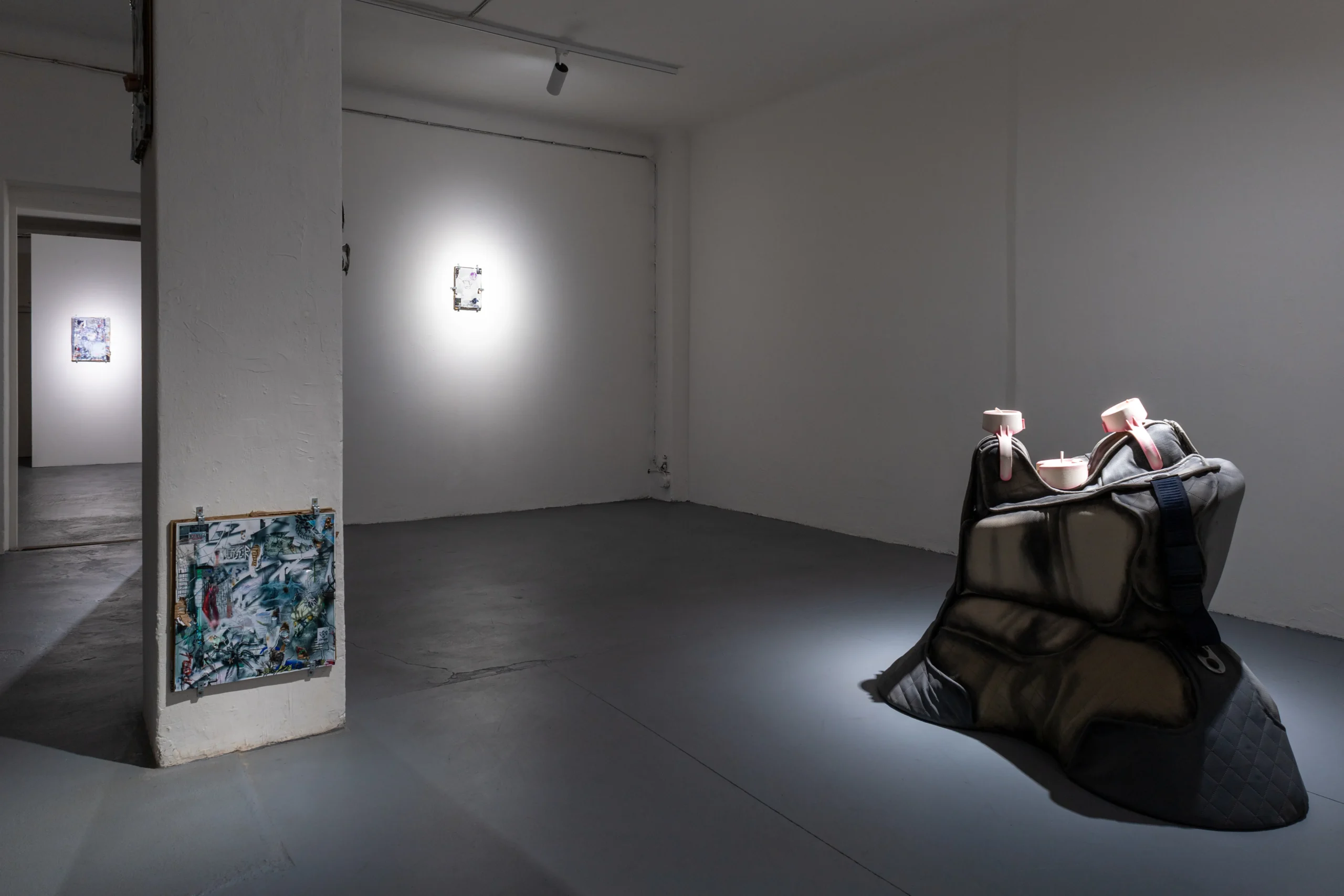
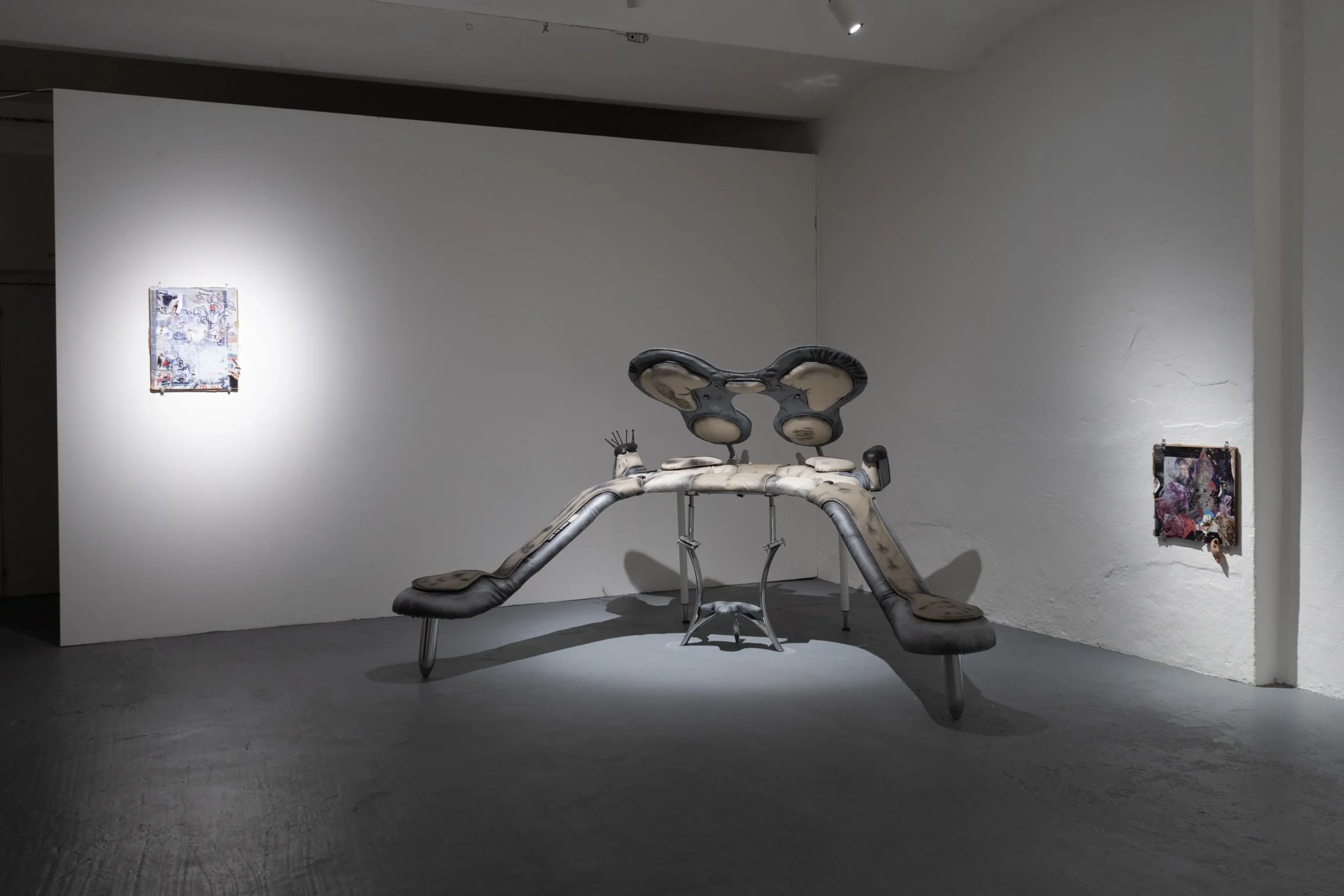
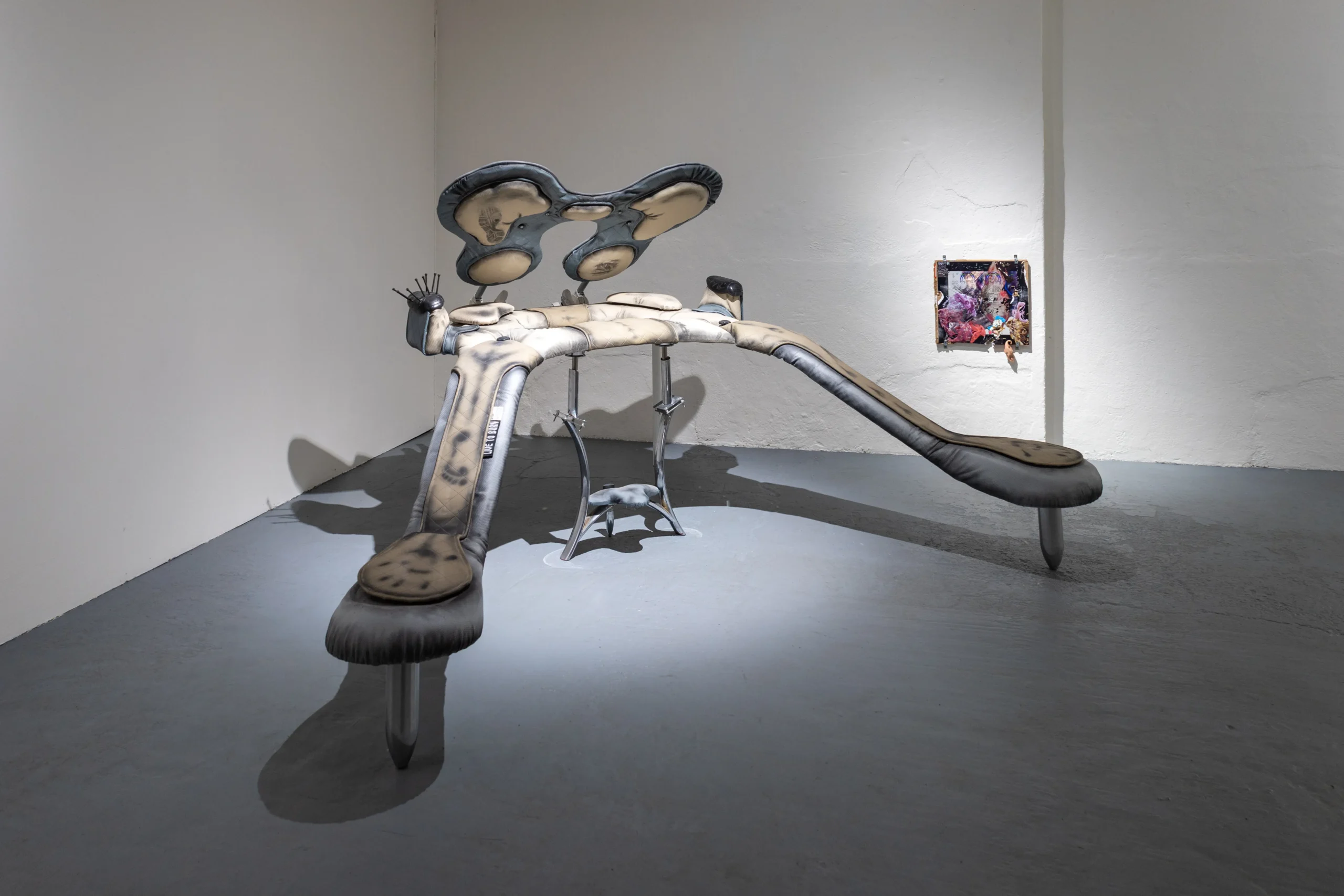
The exhibition I Became the Room Again presents the body as a liminal space through which algorithmic structures flow, materializing the invisible architecture of power. Beneath the polished surface of their own interface, they shape and optimize patterns of human movement and behavior into quantifiable and recognizable structures that transnational corporate platforms model in the spirit of their own political and power interests. In their joint exhibition, Olbram Pavlíček and Don Elektro explore the melancholy of disciplining an already overburdened body and play with the oppressive effect of applied biopower. After all, according to Žižek, it is the only feeling that reveals the truth: anxiety itself reveals the emptiness at the heart of the capitalist promise of self-realization and unlimited choice, while we remain, in essence, unfree.
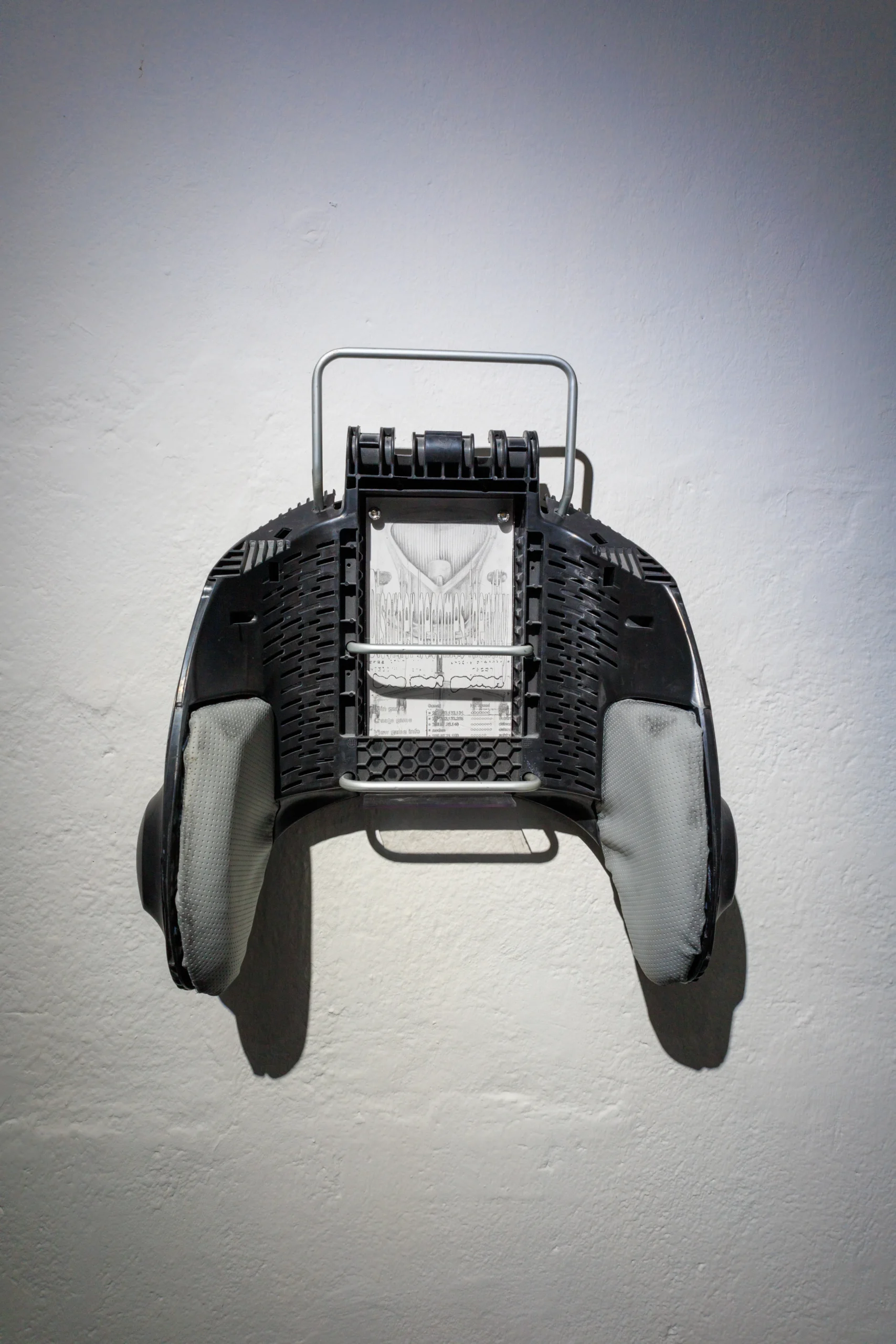
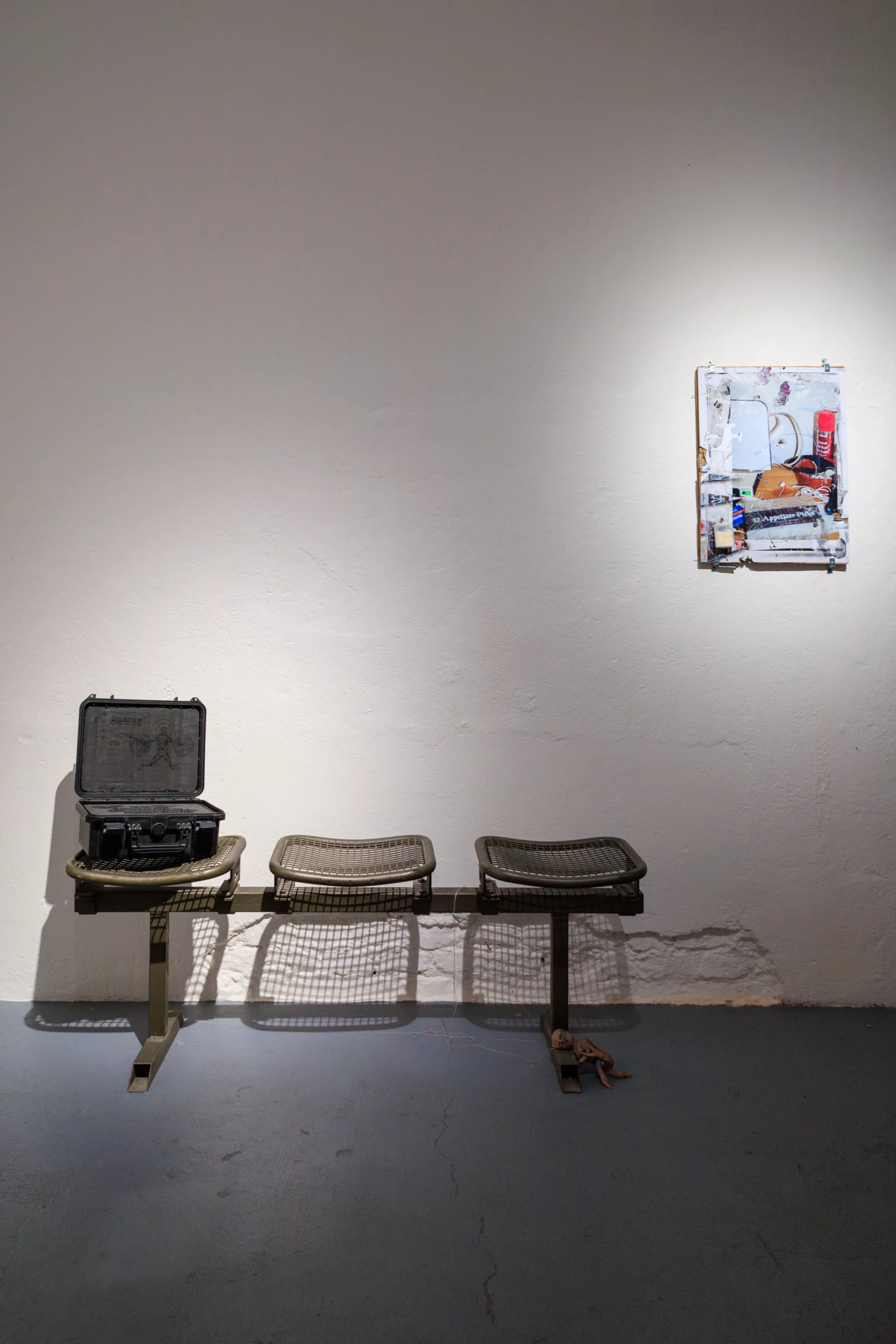
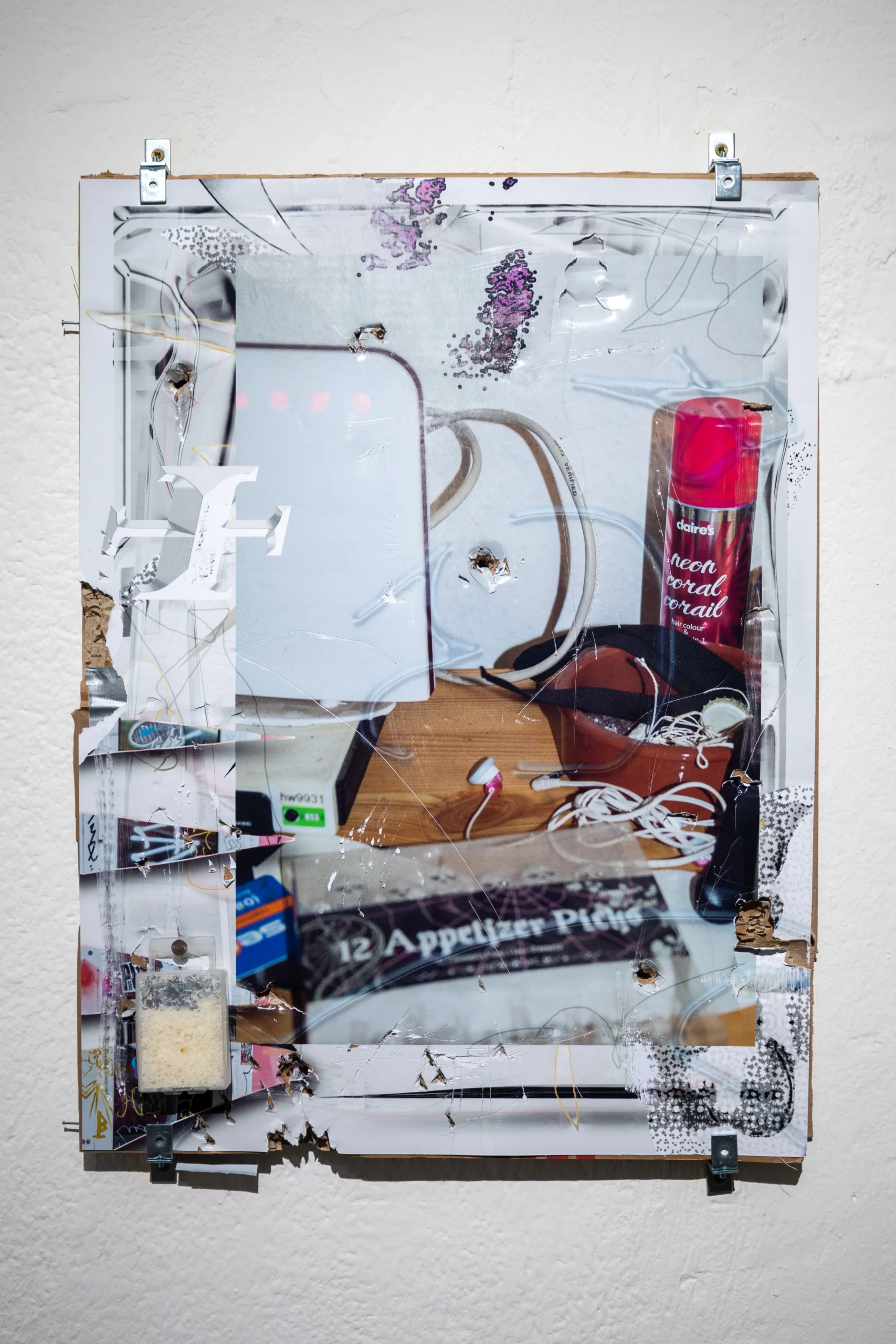
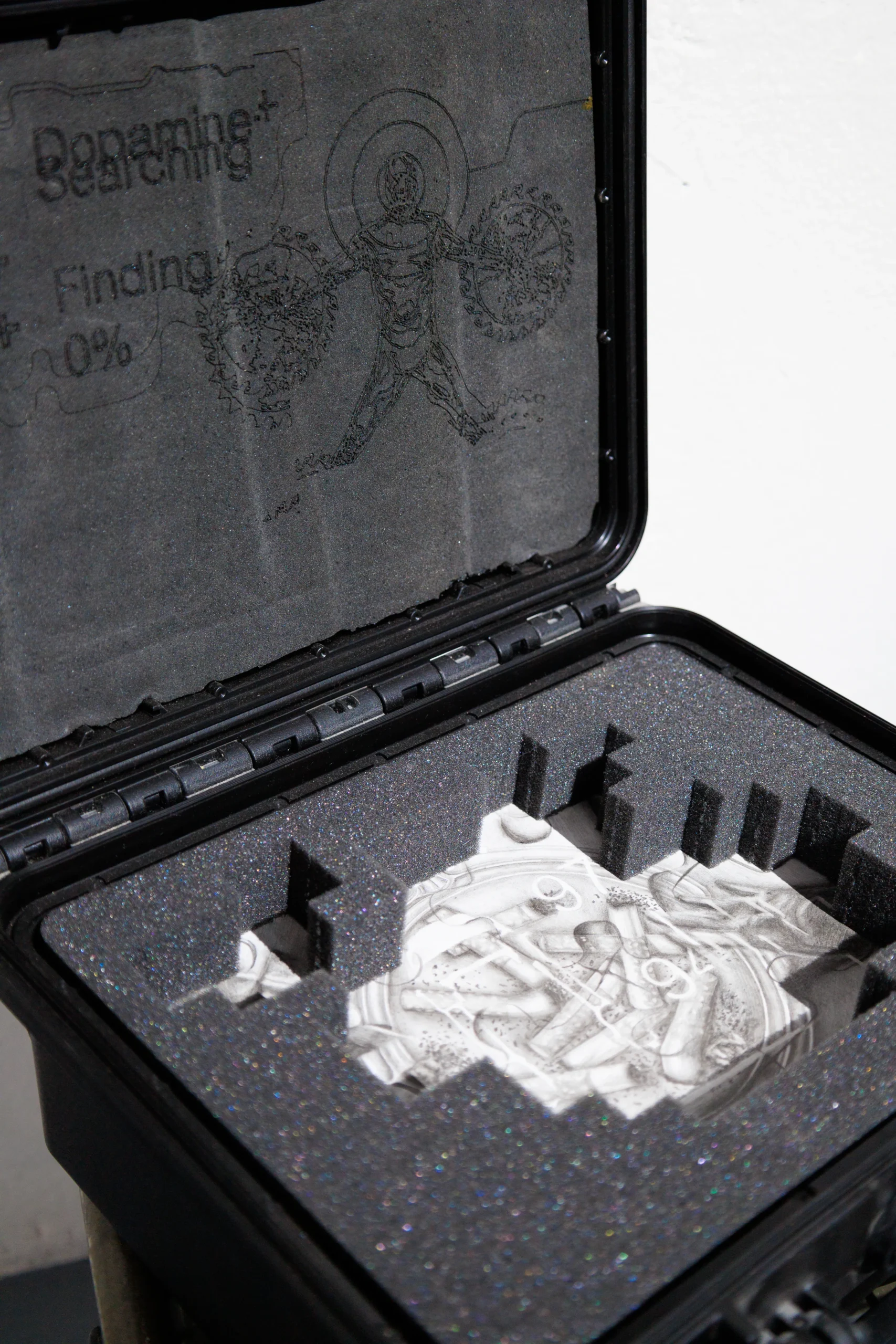
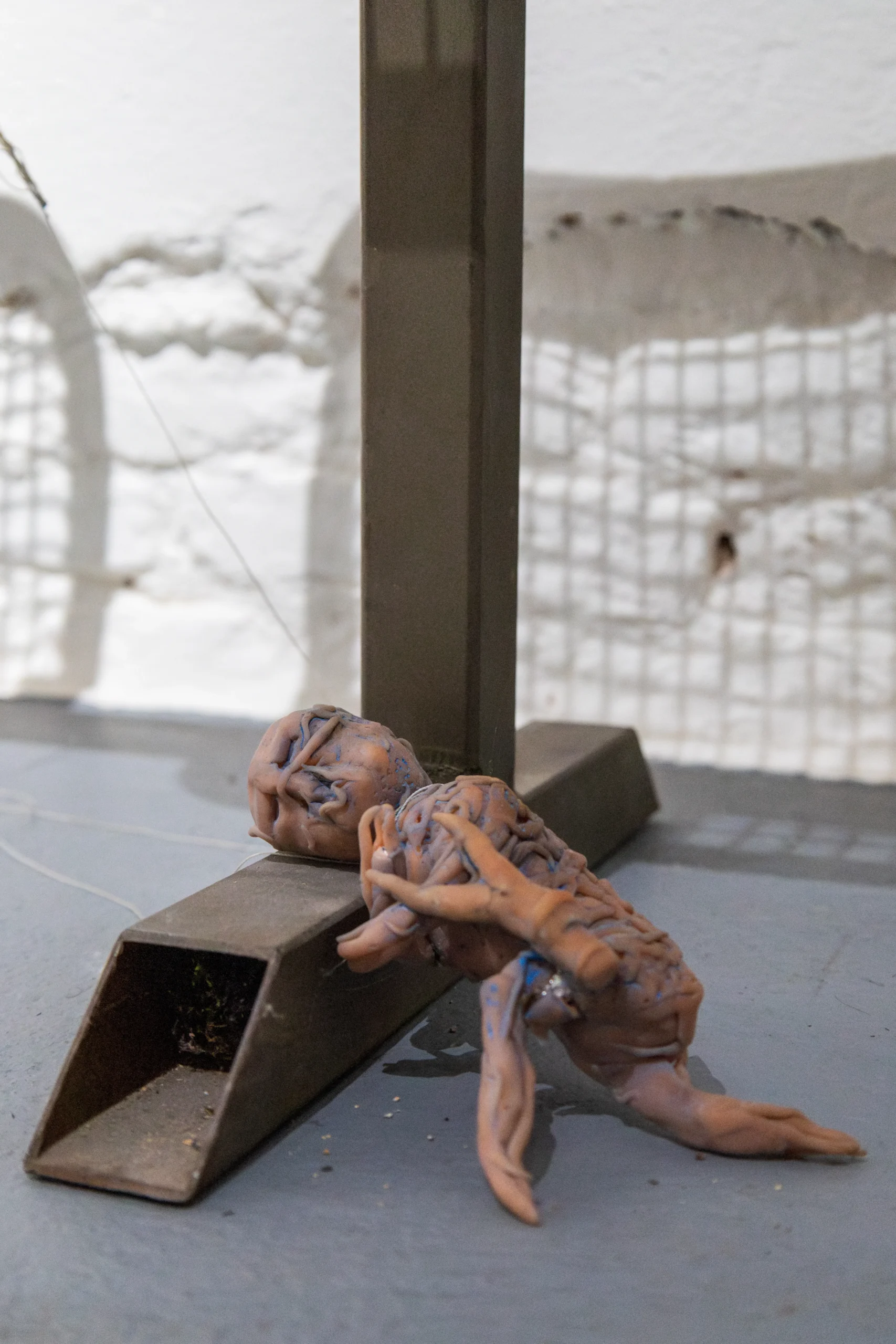
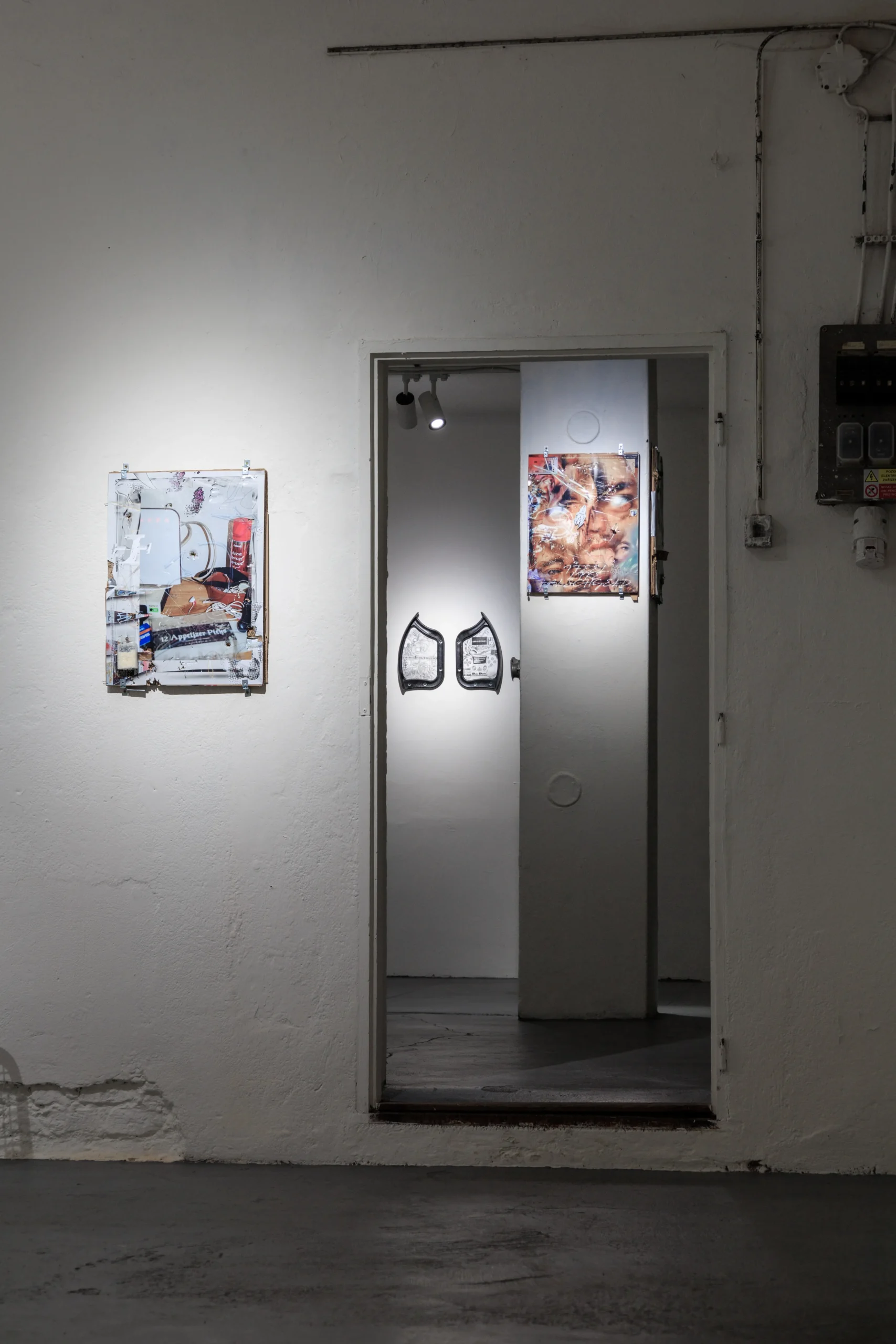
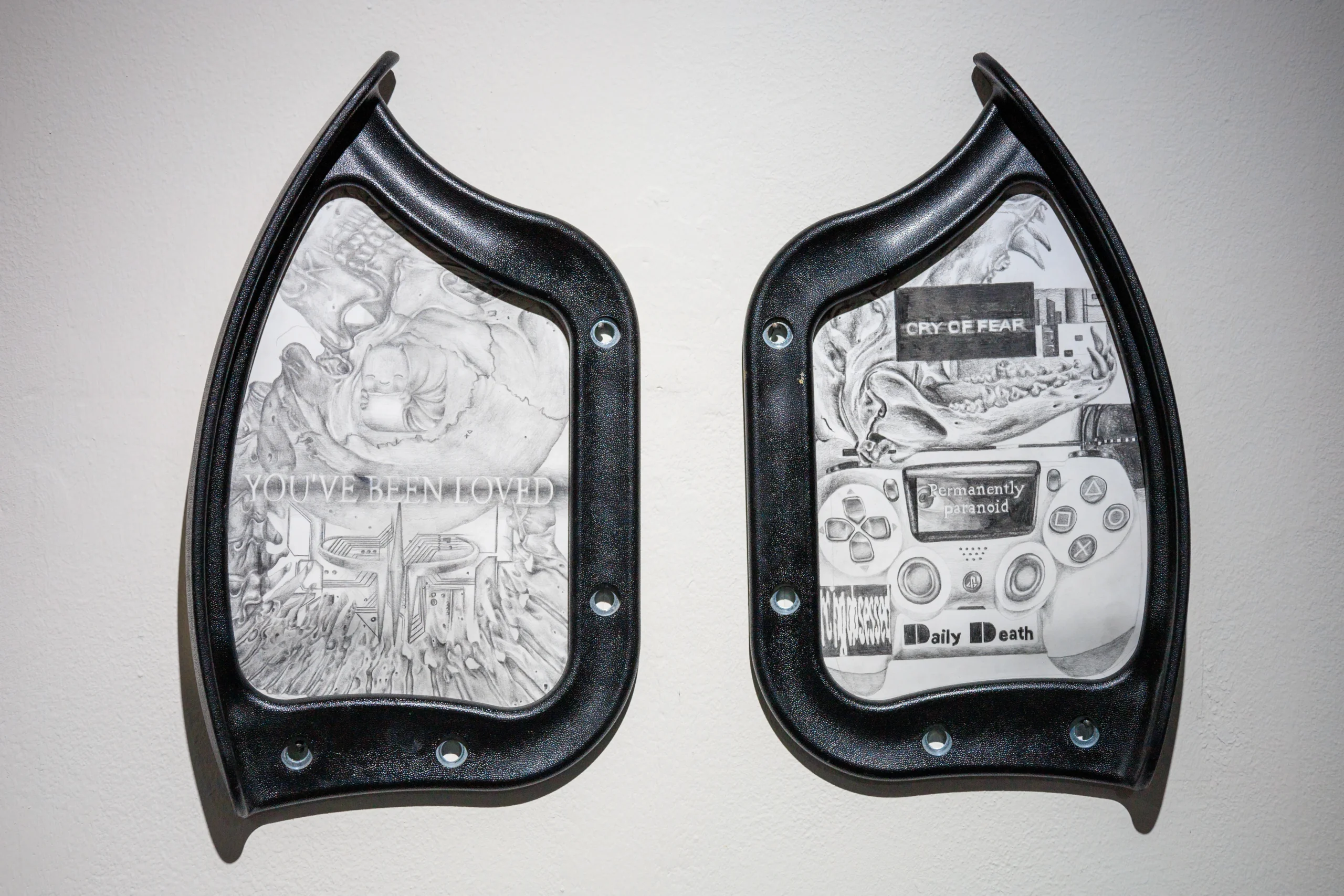
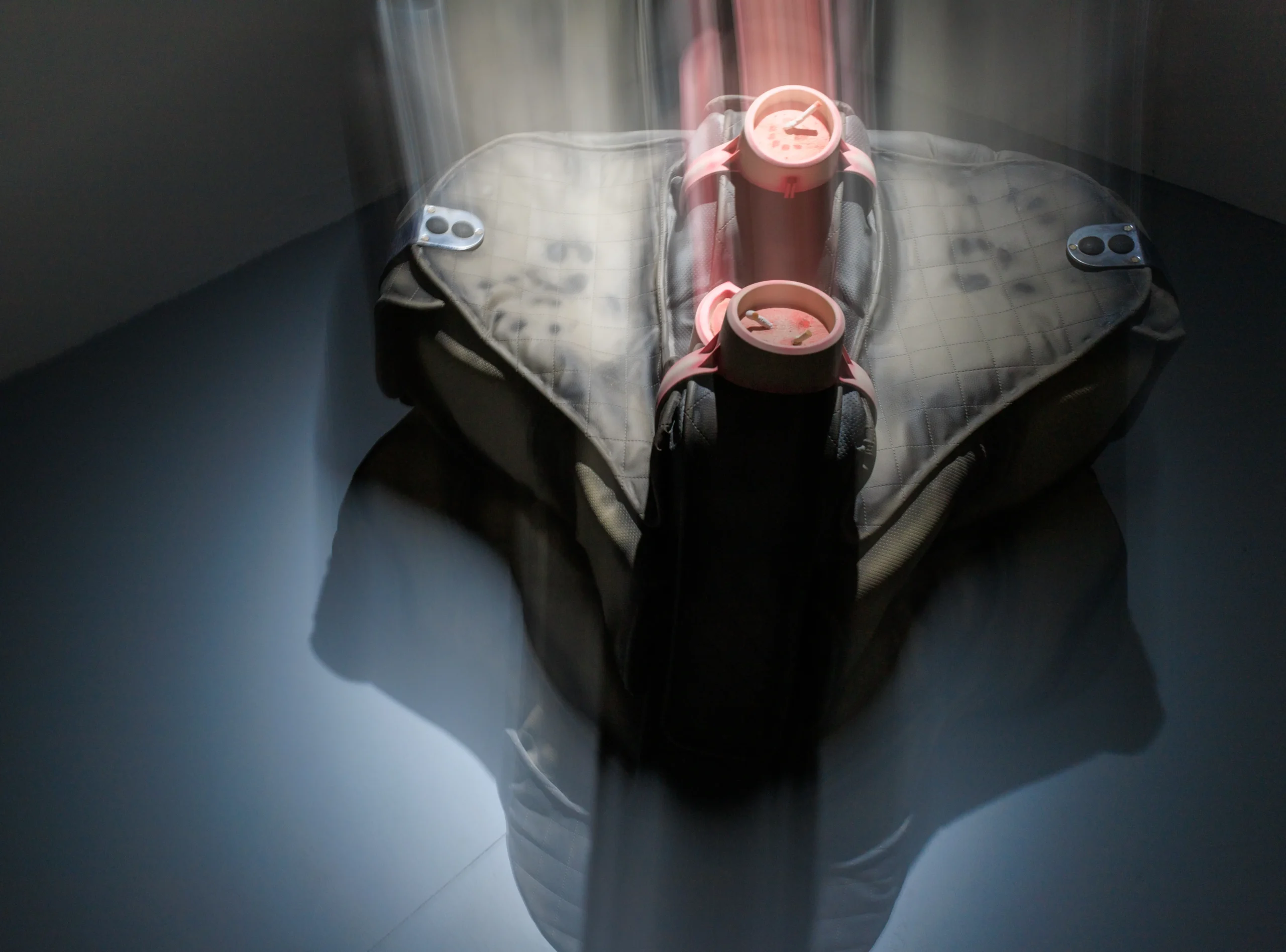
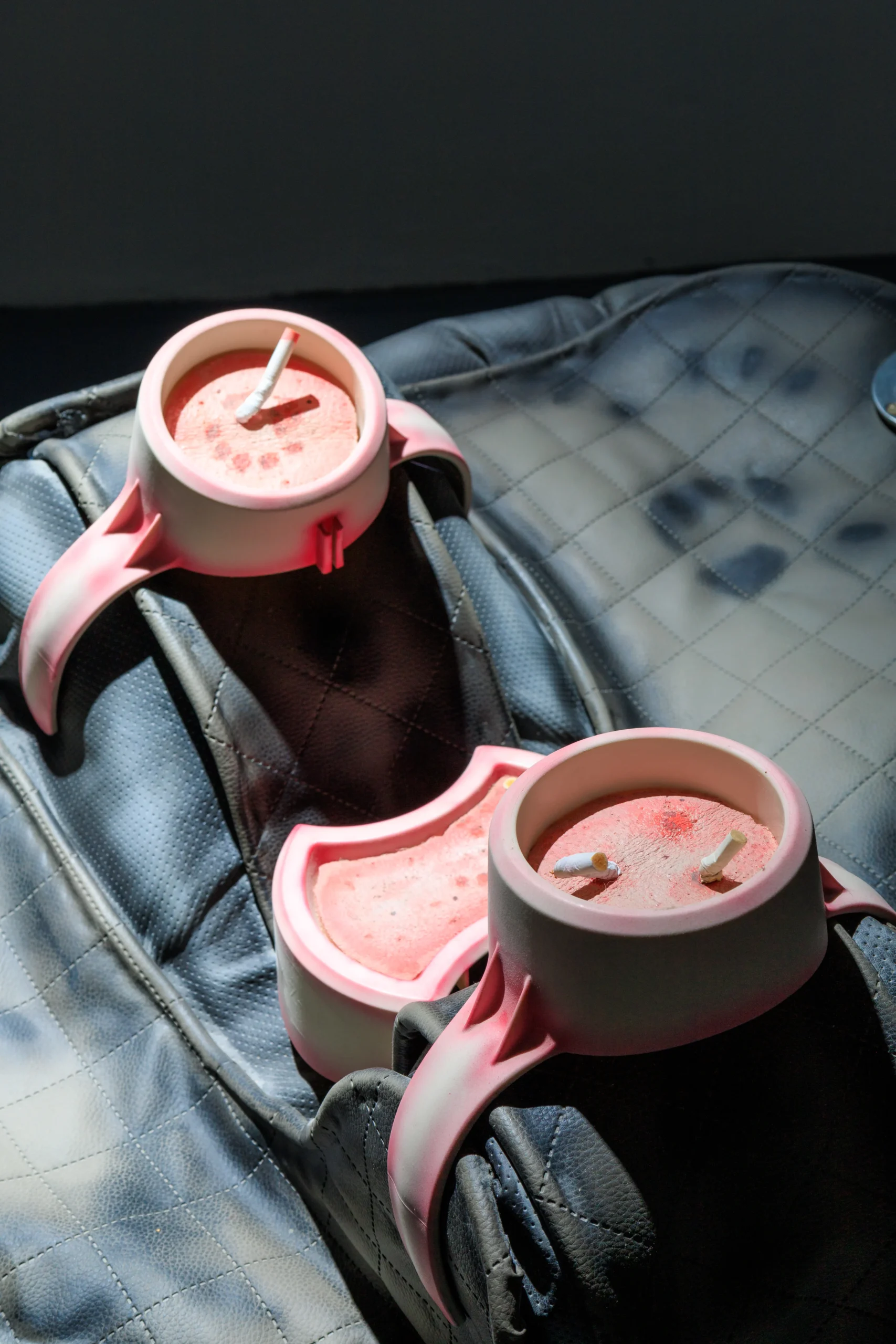
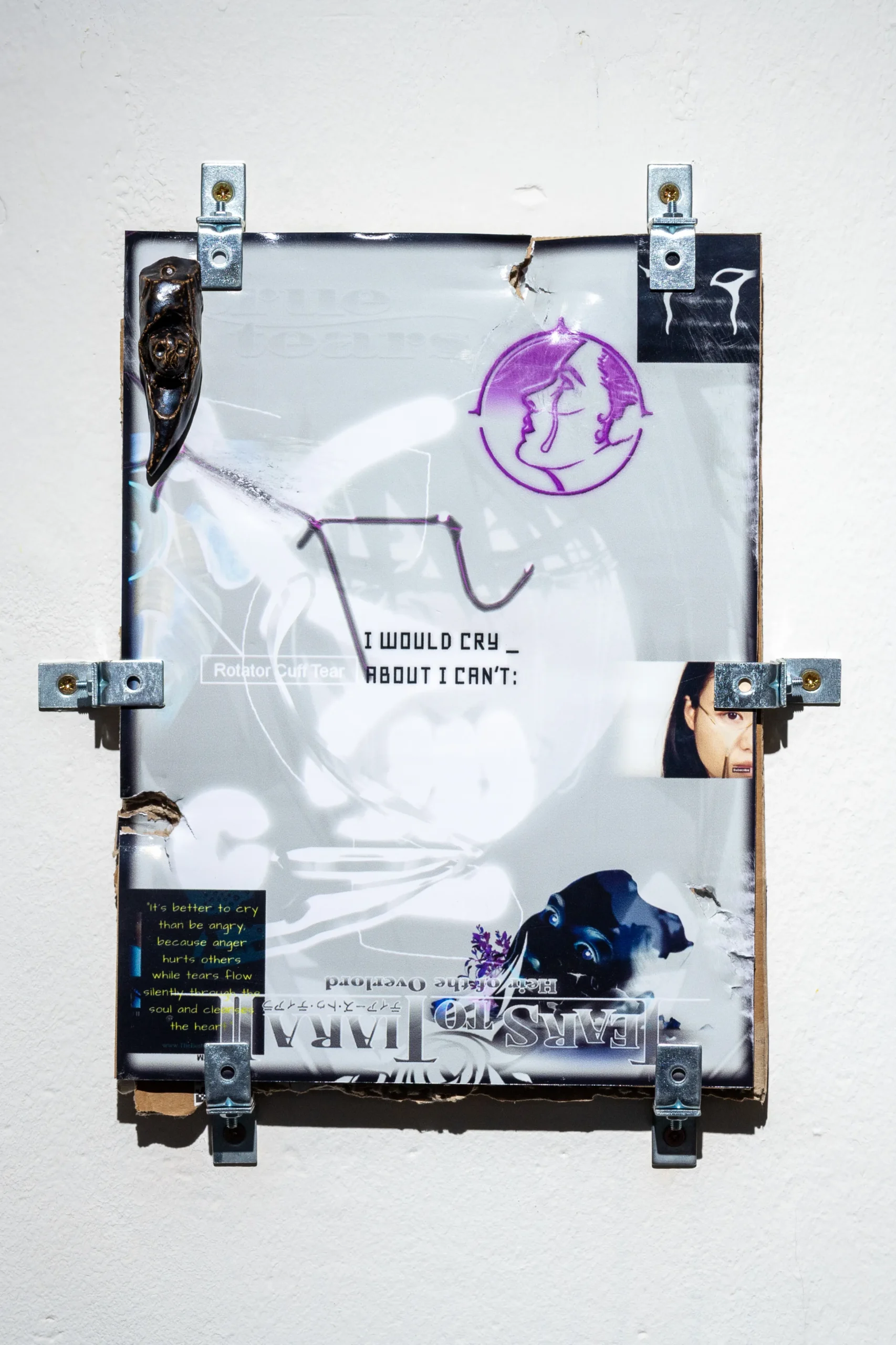
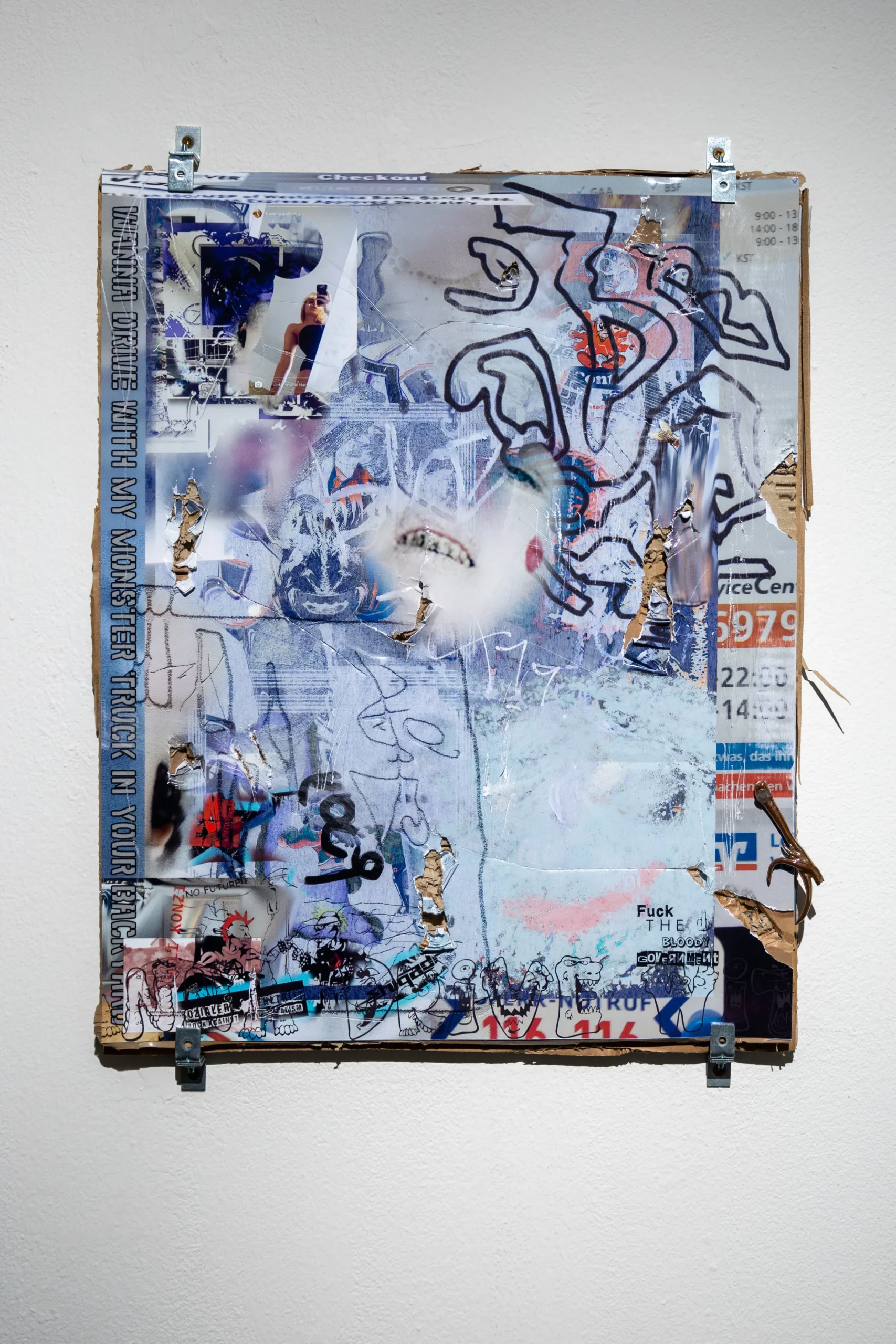
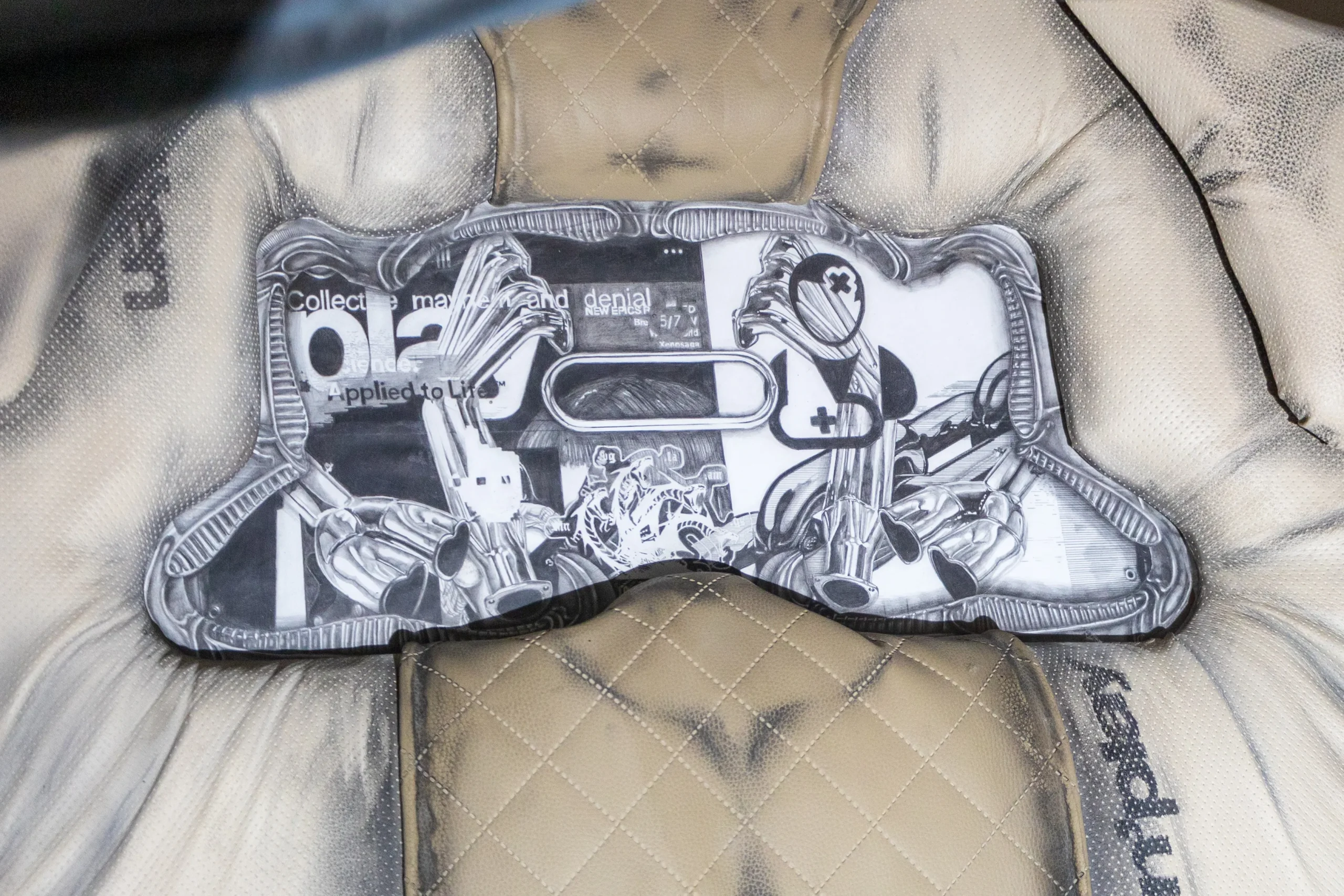
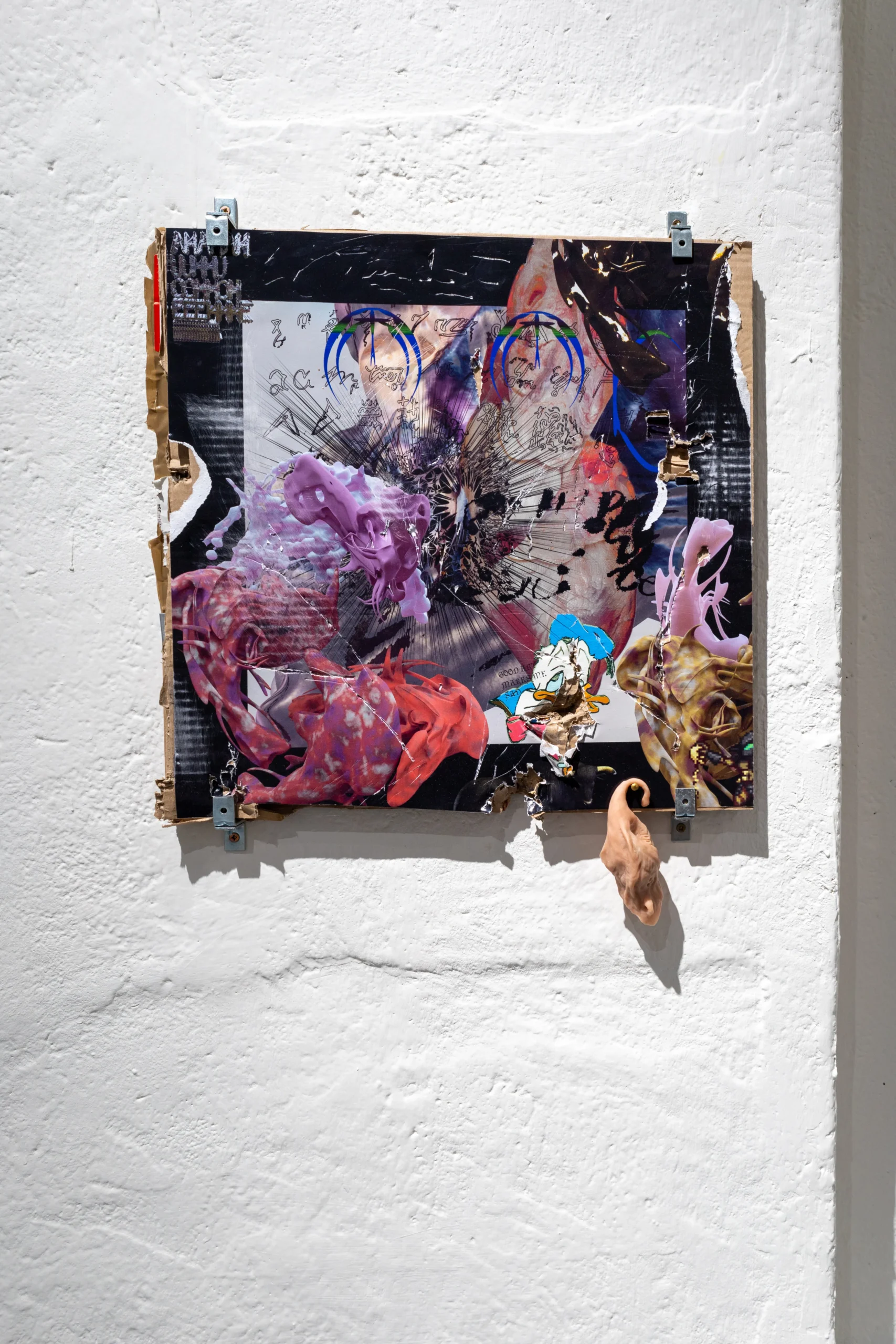
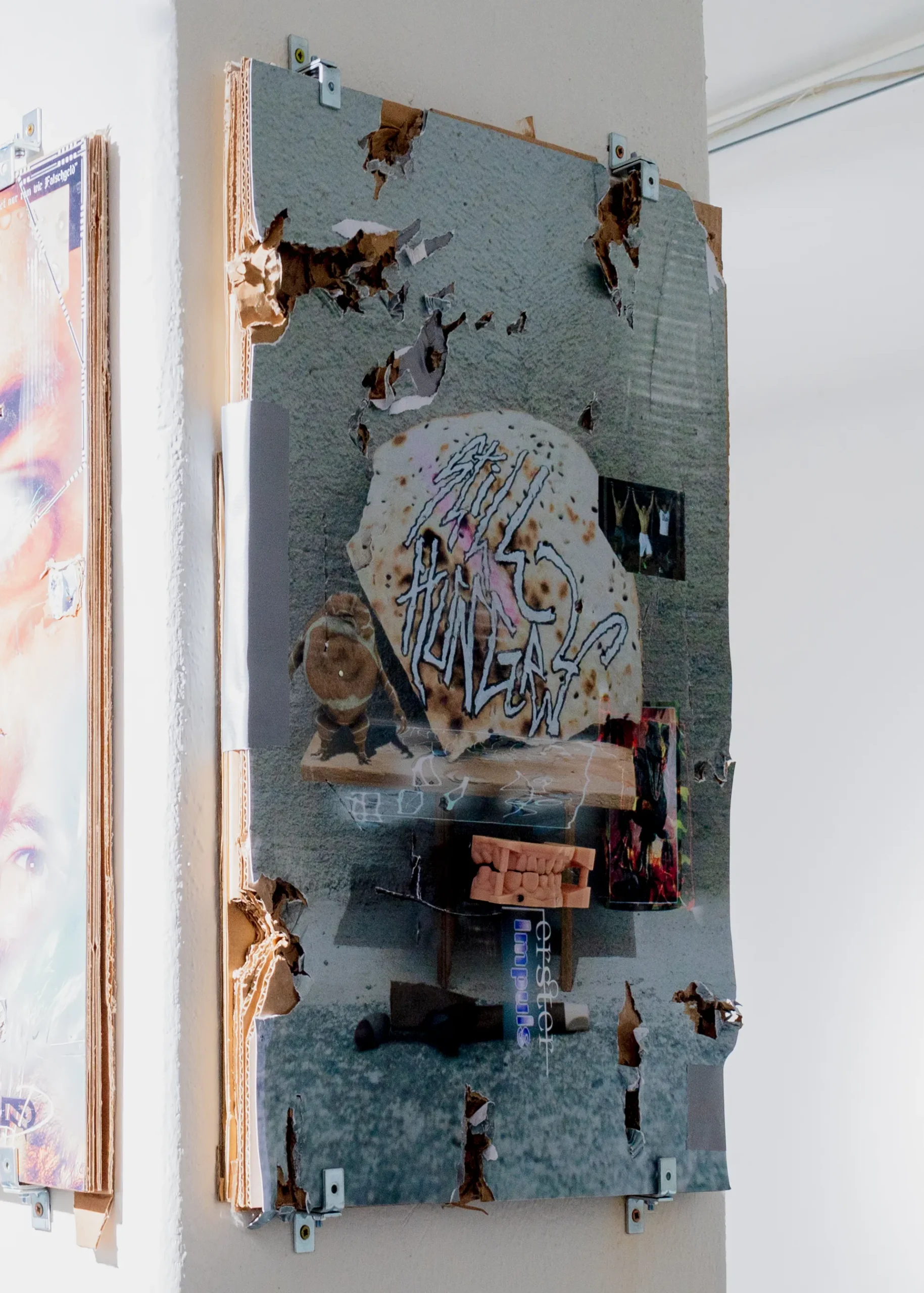
Olbram Pavlíček’s objects—whether resembling a pseudo-gynecological or surgical chair, a bicycle seat, a horse saddle, or even suspended, battered children’s chairs—highlight precisely this power imbalance between psychological experience and technological infrastructure. In his work, he often plays with the ergonomics of aids, tools, and environments that are inherently designed to facilitate physical and psychological optimization during work performance. While he applies these principles here himself, he simultaneously subverts the standardized notion of a chair as a place of rest and relaxation into menacing deviations, whether in the sense of yielding or disciplining the body. The remnants of nervous cigarette-smoking hover on the edge of compulsive dopamine gratification and self-harm (the artist himself recalls emo teens extinguishing cigarette butts on their hands), while Don Elektro’s digital collages play with the memetic structure of the image and the insatiable hunger for rapid image consumption (to which he characteristically refers to as visual fast food).
As he argues, people place too much trust in images—a notion he himself subjects to an ironic play on his own Instagram, where he critically examines the boundaries of credibility within the power structure of the art world and artistic representation. His layered compositions, based on the logic of constant compression, acceleration, and repetition of the image, not only draw on post-ironic language or shitposting within internet culture, but in many ways resemble what Dean Kissick called the “vulgar image” —the automated appropriation of poor images, signs, symbols, and phrases into frenzied collage like structures. These are genuine expressions of machines and those whose minds have been deranged, becoming an expression of how images themselves have changed and corrupted us.