


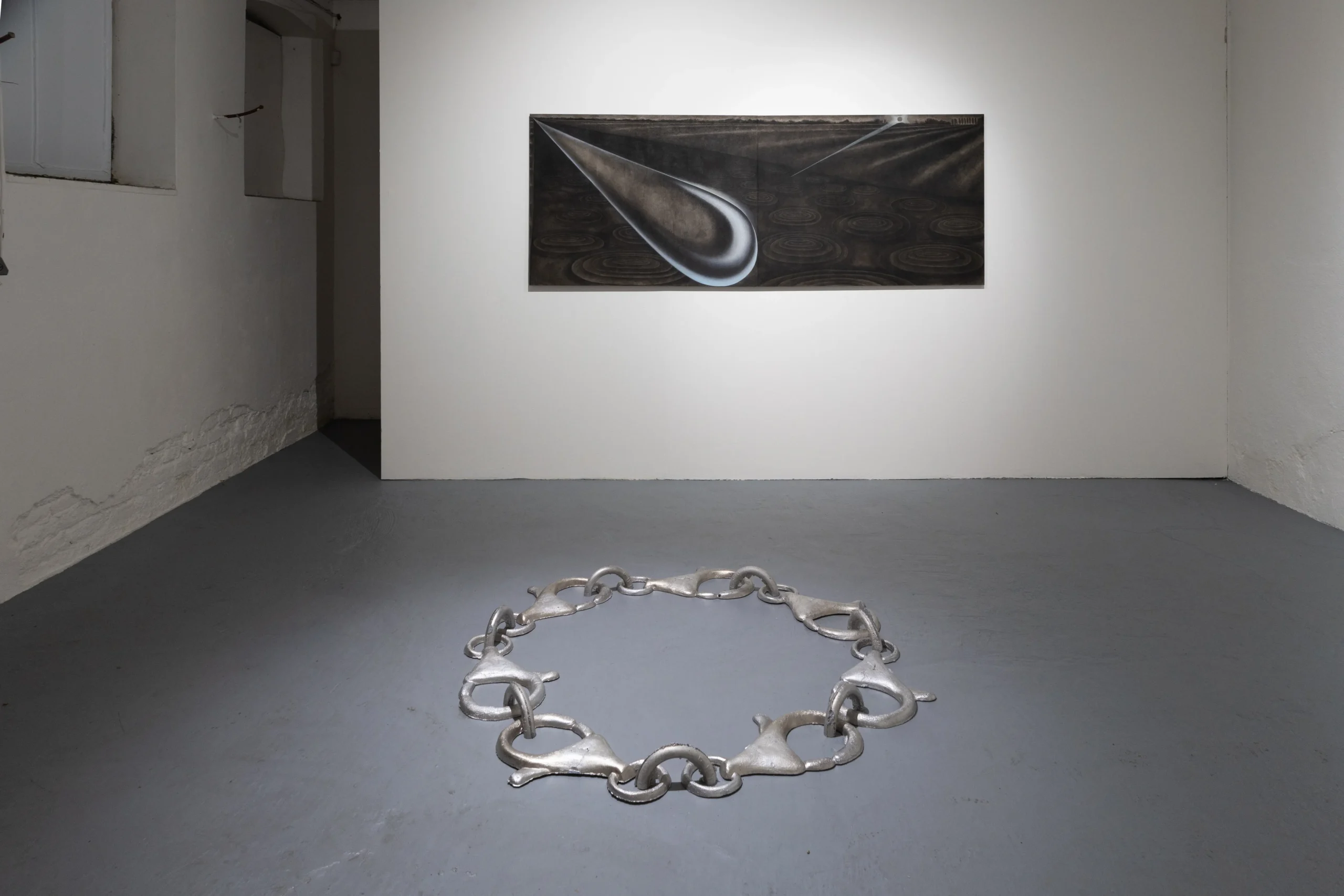
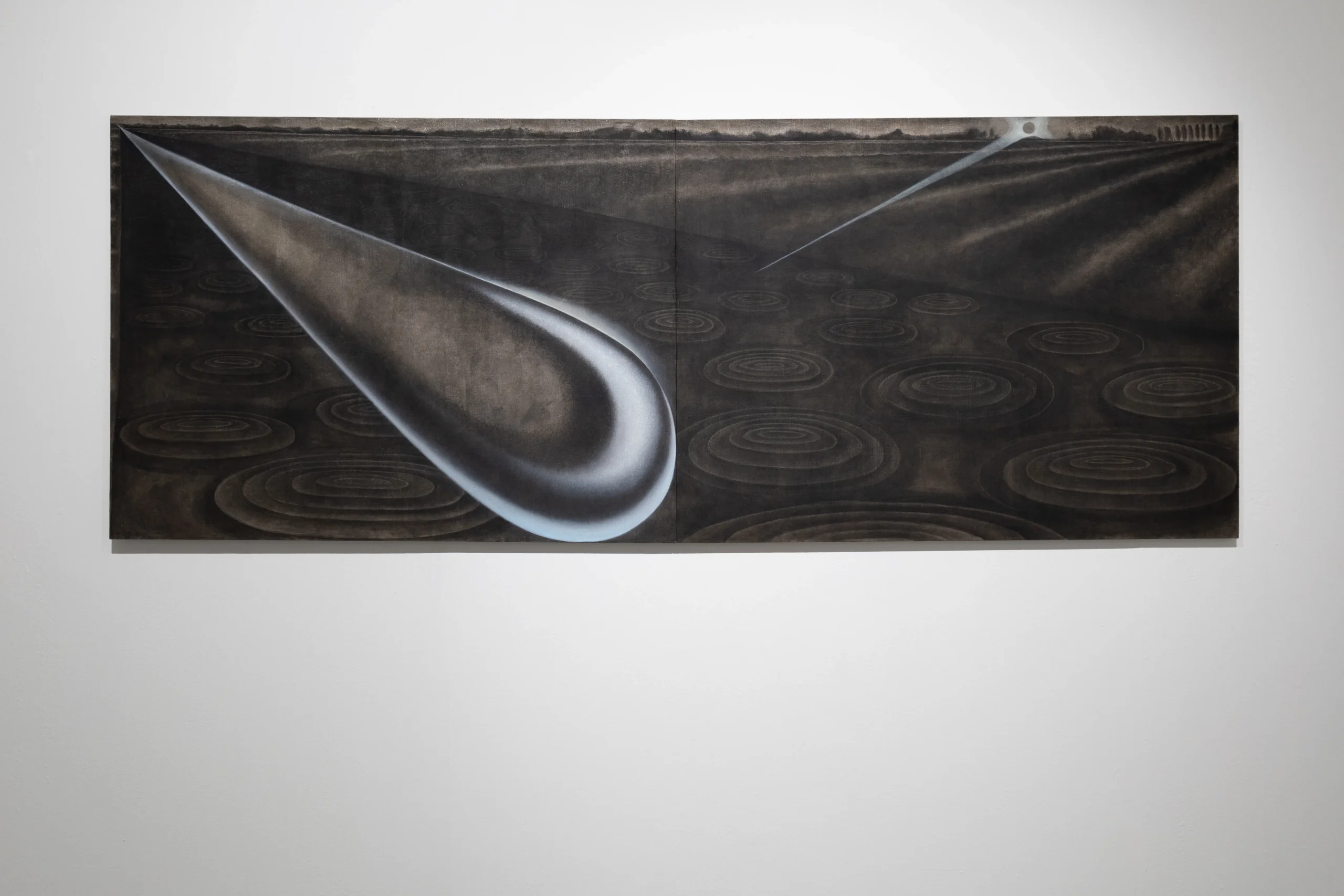
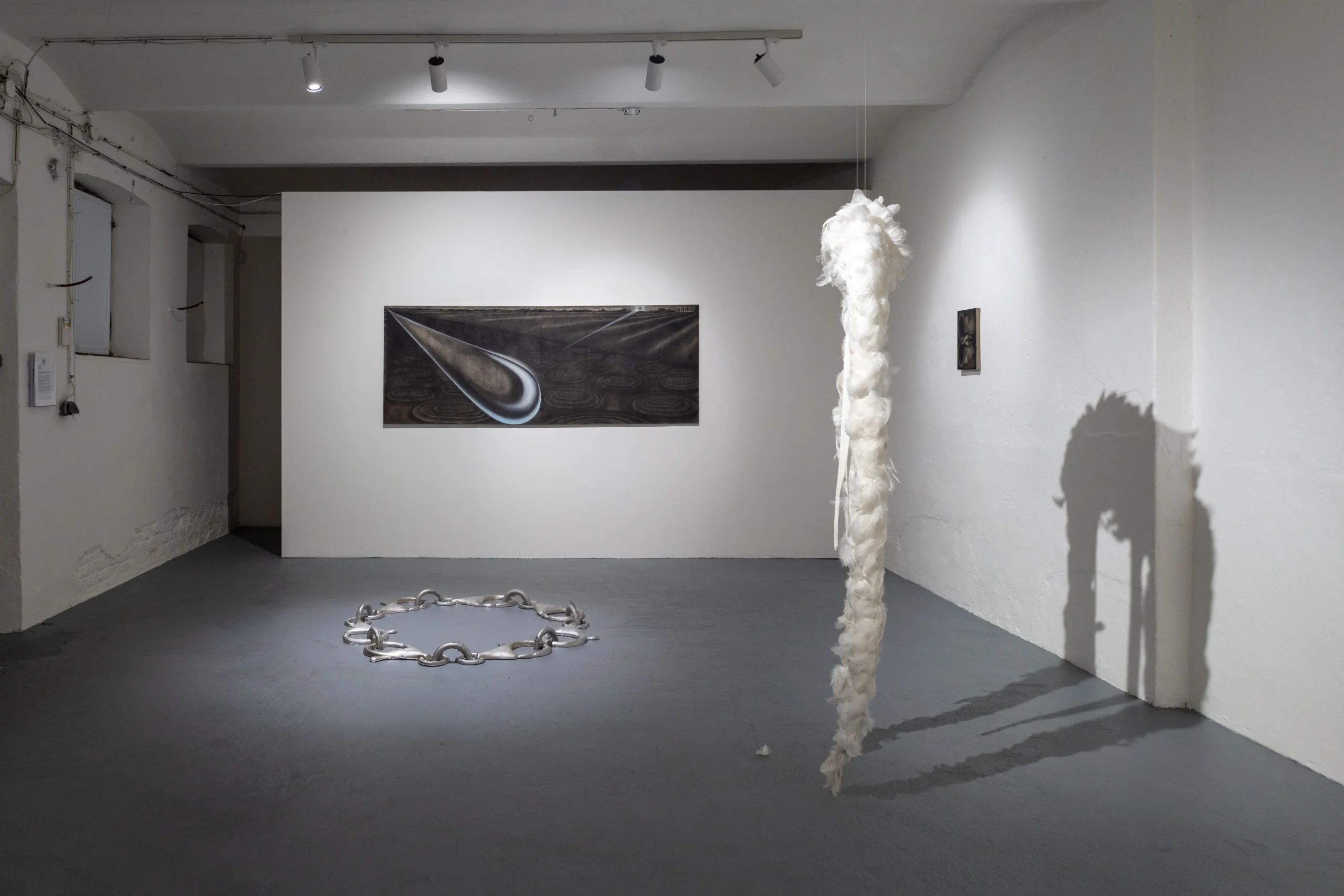
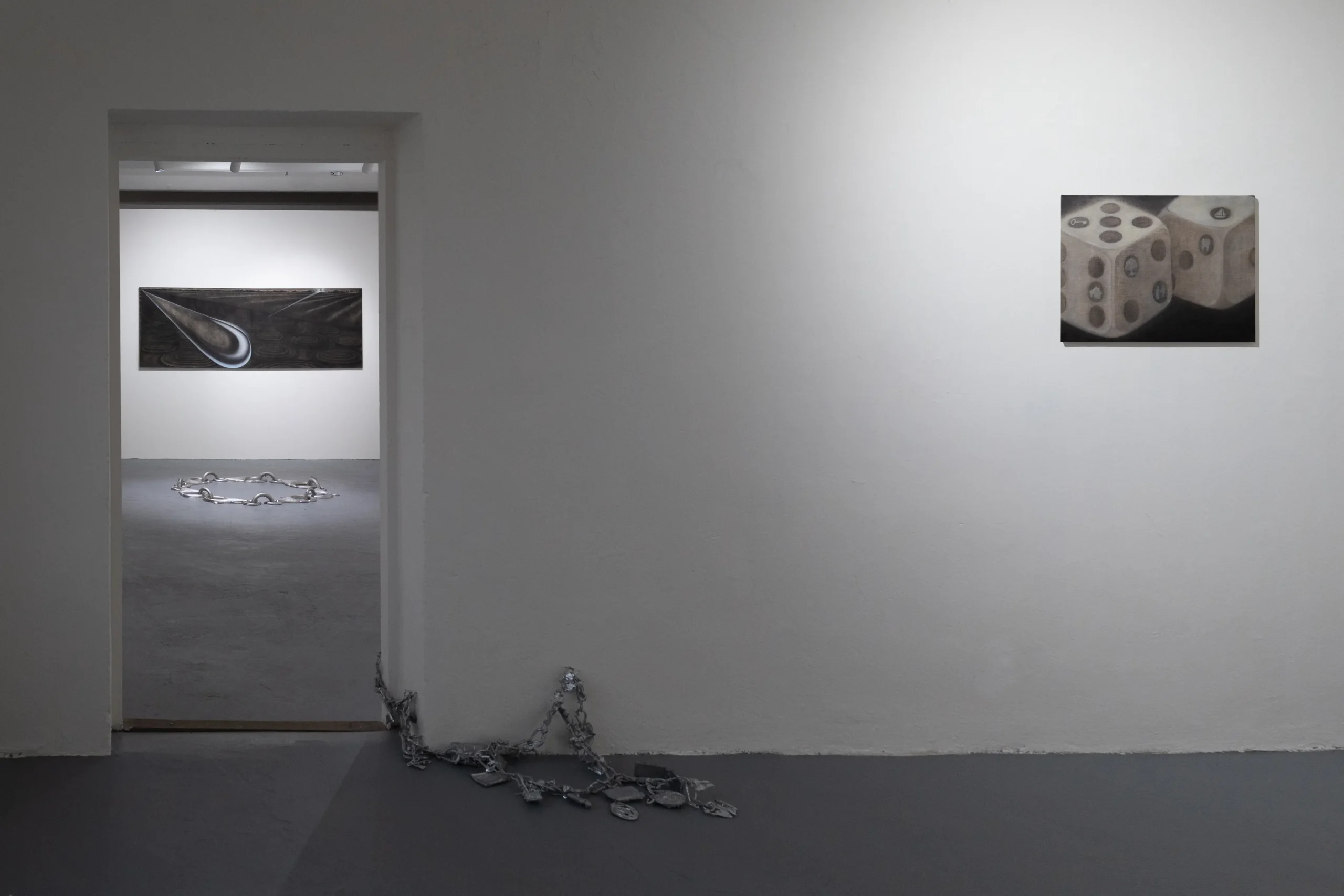
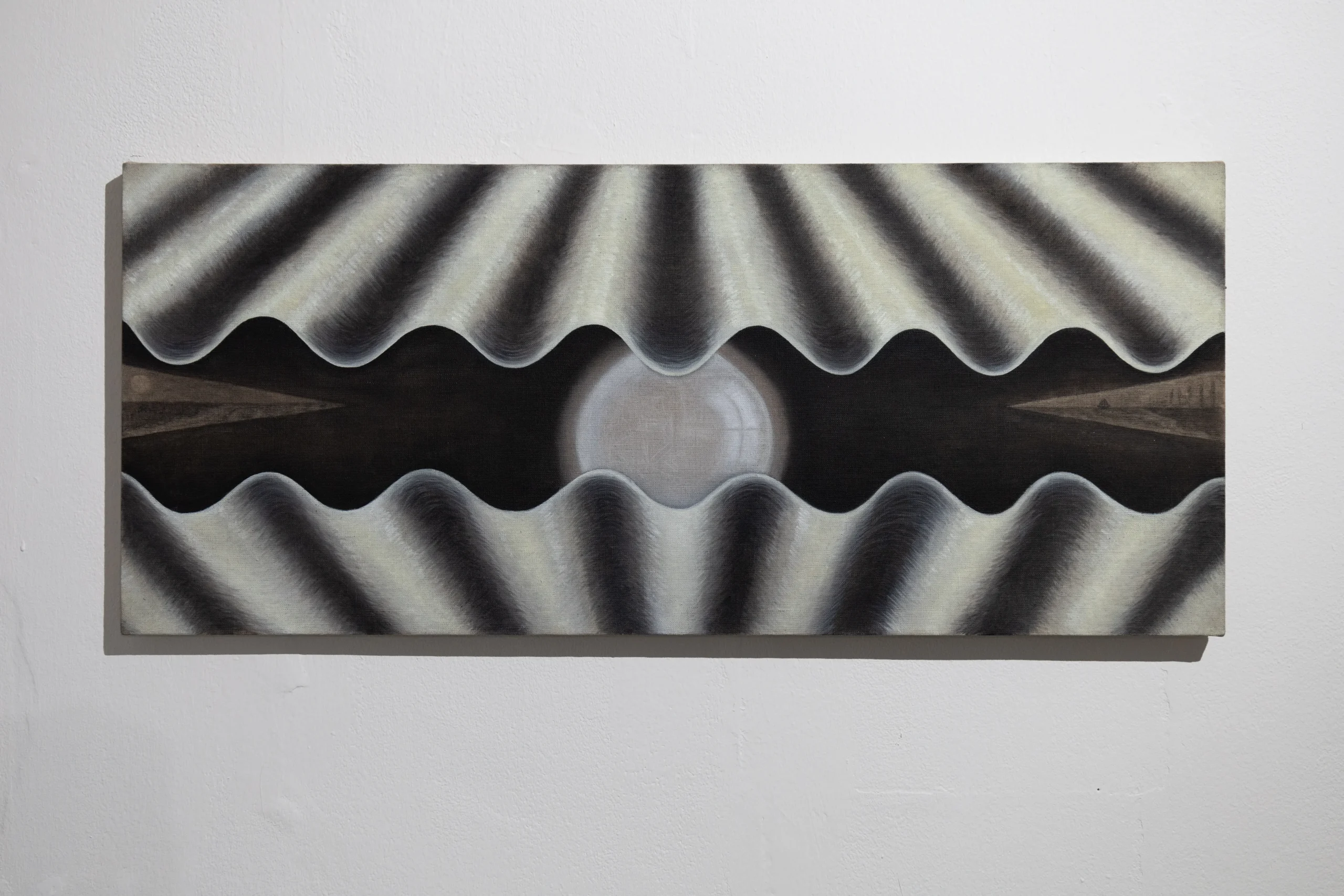
The doors swung open, and in the darkened landscape, something luminous was plummeting downward at high speed. A figure appeared, clearly eager to find the pearls that were supposedly hidden somewhere there. They wanted to grow on their own and migrated strangely; it was quite difficult to find them. But that didn’t change the fact that everyone wanted to take them with them. Desire was stronger than fatigue. As if they had no soul…
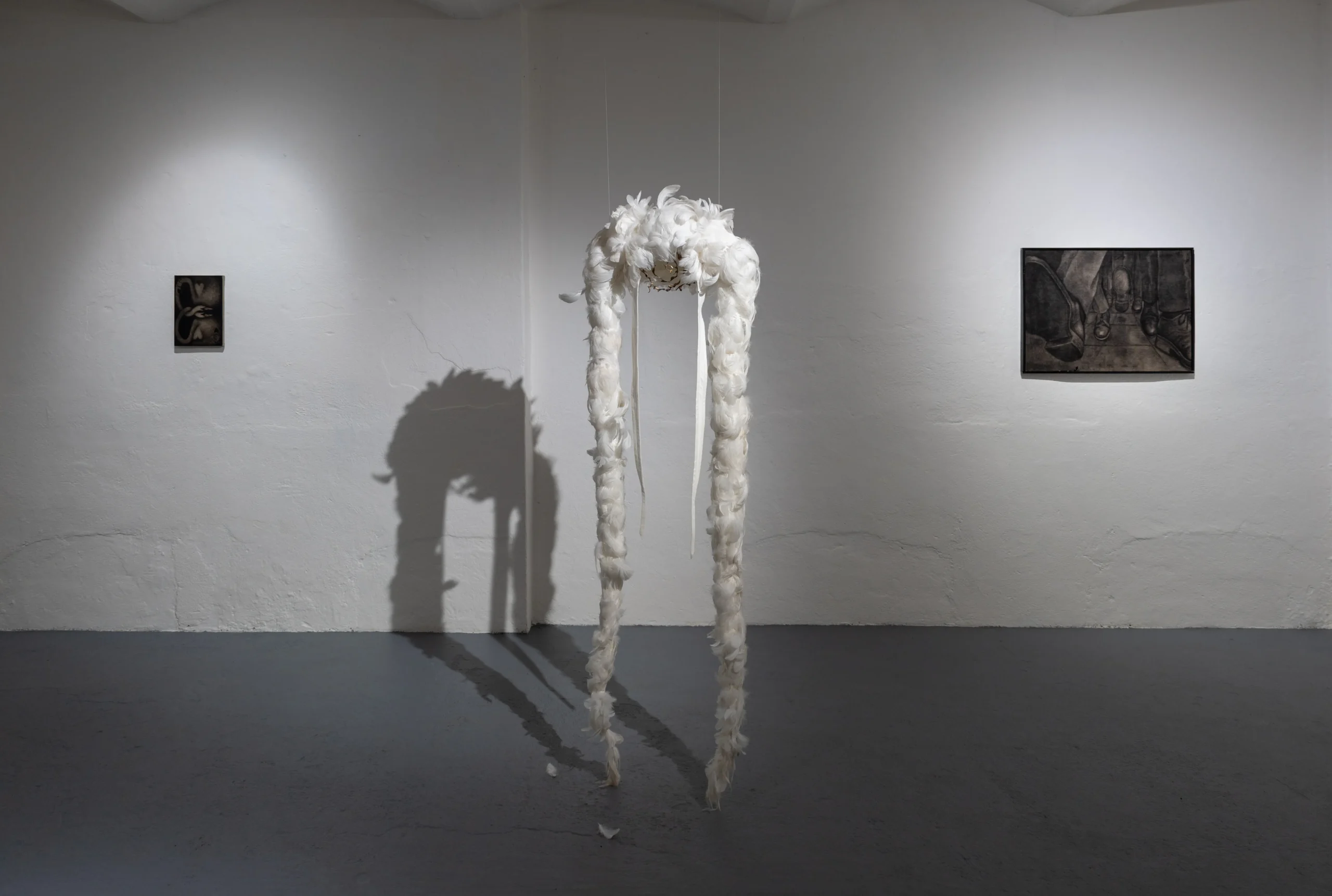
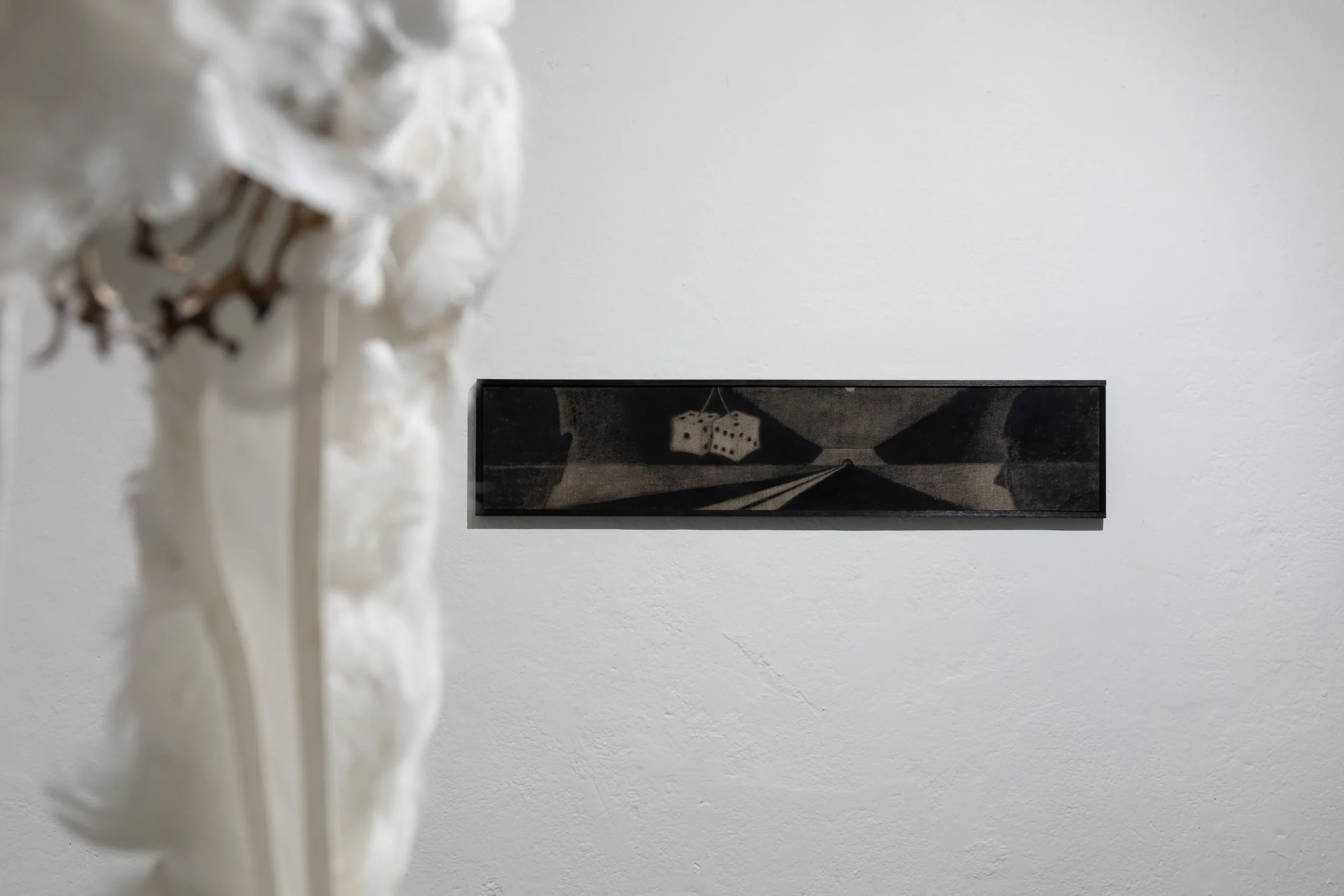
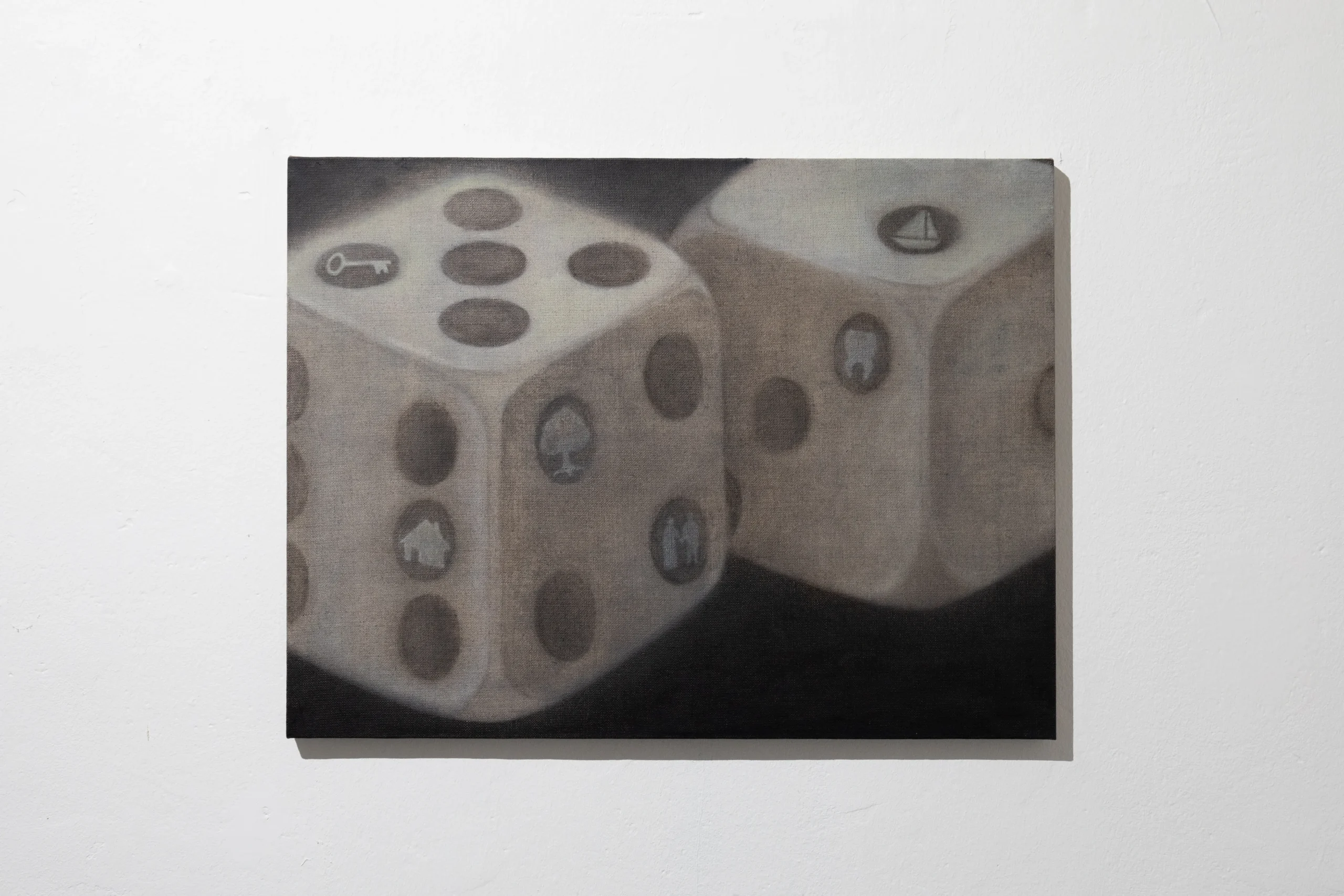
In the exhibition by Anna Rusínová and Agata Popik, a landscape of symbols and seemingly ordinary objects unfolds before us – objects whose meaning is increasingly turned on its head in our digital society, as they become nothing more than hollow objects of desire. We are constantly forced into commitments we do not need: things meant for use have become primarily objects of consumption that fuel our desires, which contribute to an unequal market economy. Moreover, every day we face the digitization of these desires, which are artificially supported by algorithms and often manipulate us into acting in ways that benefit not us, but those who hold power over these algorithms. Sometimes it may seem that we are merely involuntary participants in a game of dice played by the powerful, who decide what we should desire and why.
It is therefore important to constantly ask ourselves: why do we always crave something? Can desire be inspiring, or does it function merely as a tool of manipulation? Jacques Lacan, whose ideas are taken up by Slavoj Žižek, for example, interprets desire as a sense of lack: we are unconditionally predestined to a deficiency that arises the moment we understand language and begin to name the things around us, thereby predetermining their interpretive plane. This gives rise to a symbolic order of the world of rules, as if we were trapped in an imaginary game. We are thus essentially condemned to perceive the world and things as something distant, which creates in us a constant desire for something real: and the market economy is capable of exploiting this inner, painful feeling to its advantage. The desire for material things is so often merely a substitute for the unexplored processes of the subconscious, from which we are becoming increasingly dissociated. Žižek combines psychoanalytic and Marxist interpretations, situating the issue of the object of desire within a digitized society where the longing for something takes on even more urgent political dimensions: the constant inner feeling of desire, which essentially arises through gradual acculturation, serves as a tool for constant control and manipulation within the technocratic power structure of the current world.
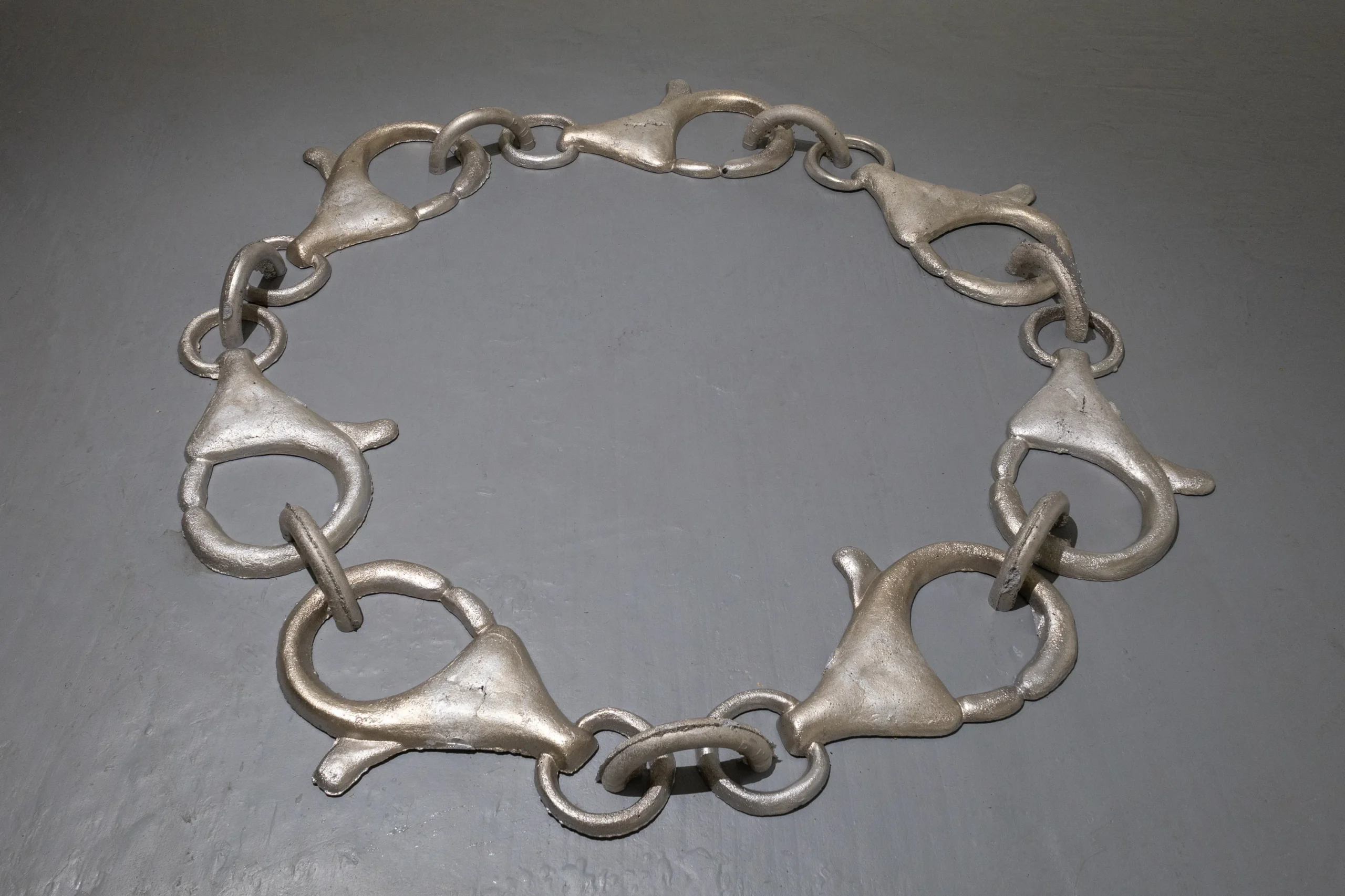
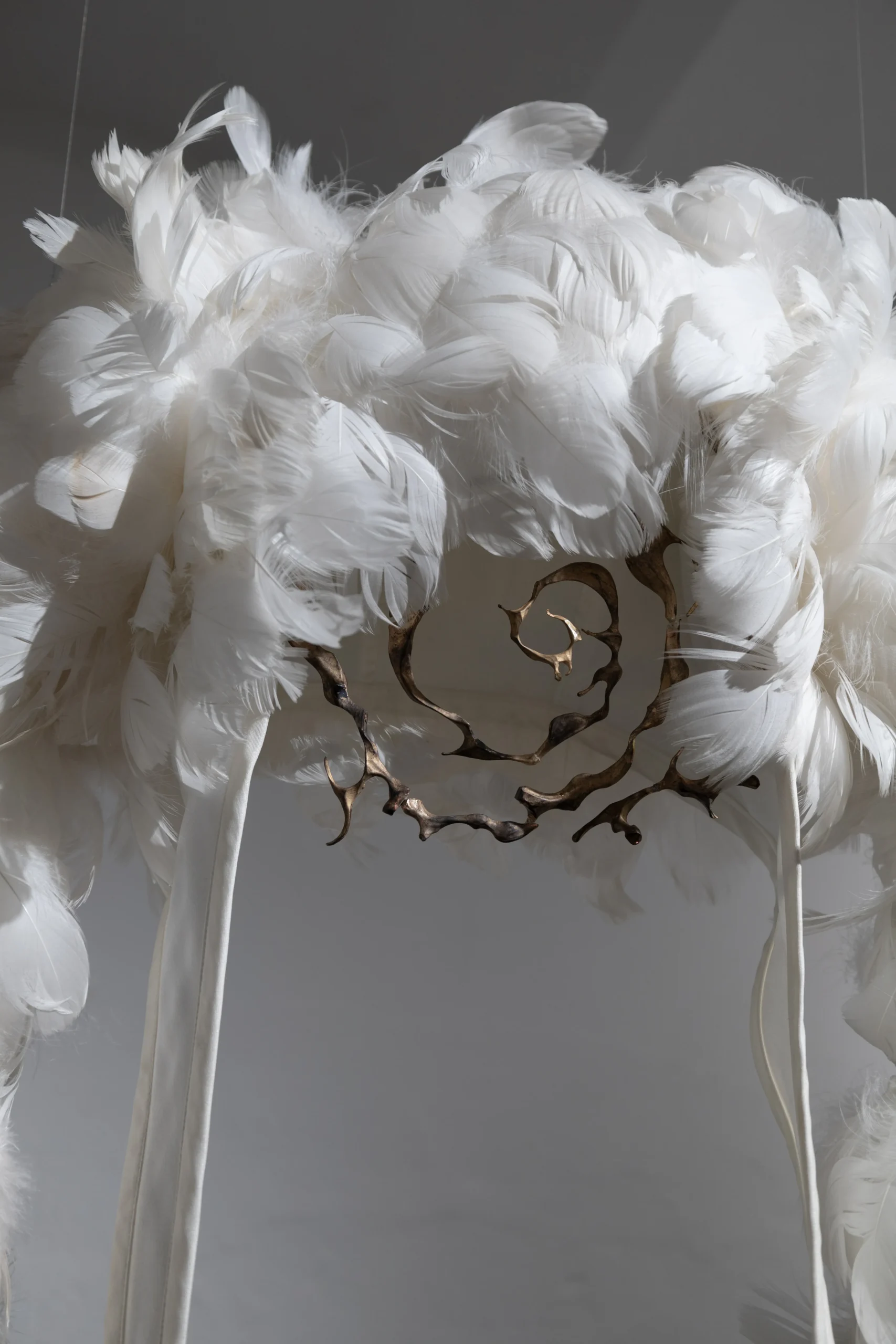
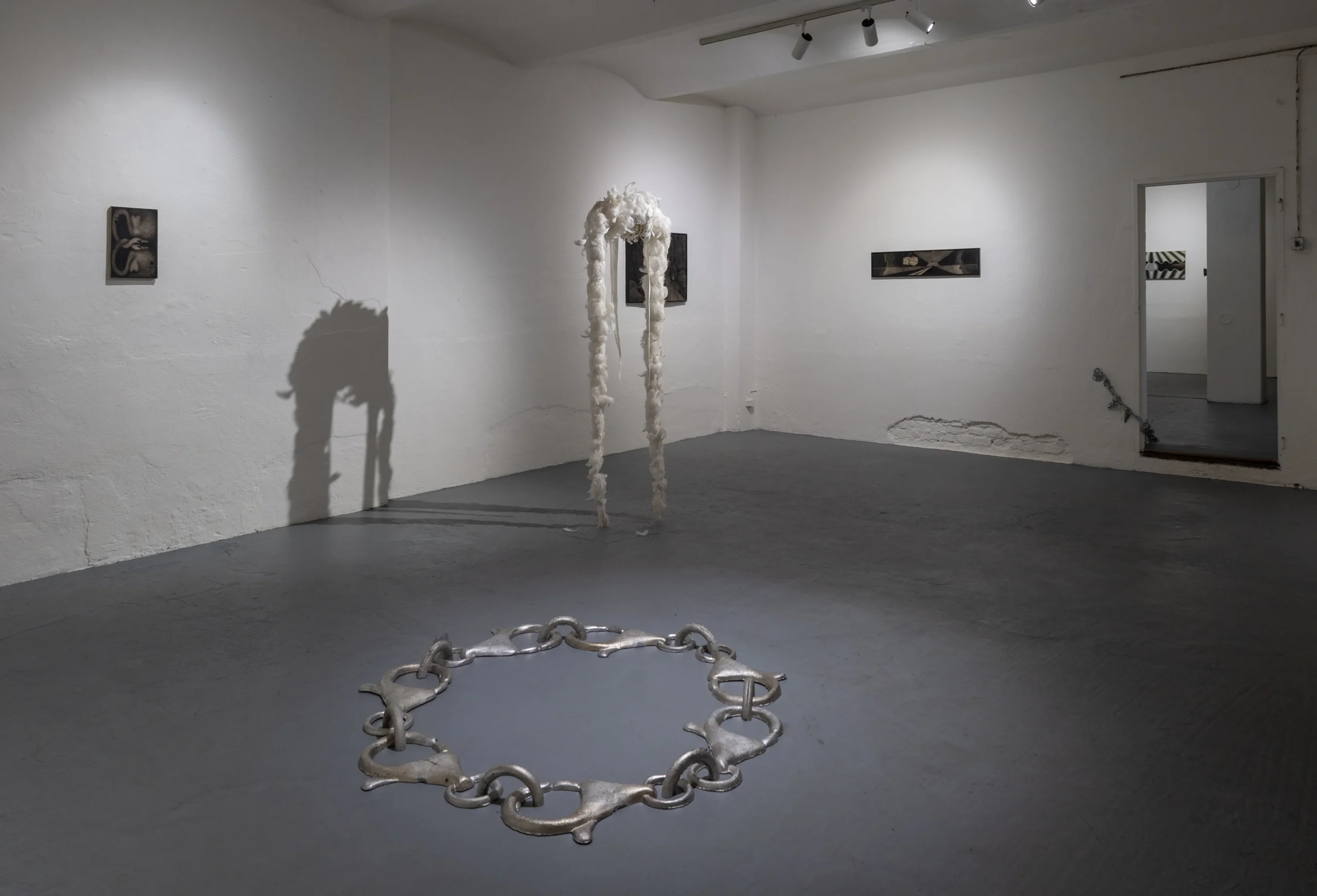
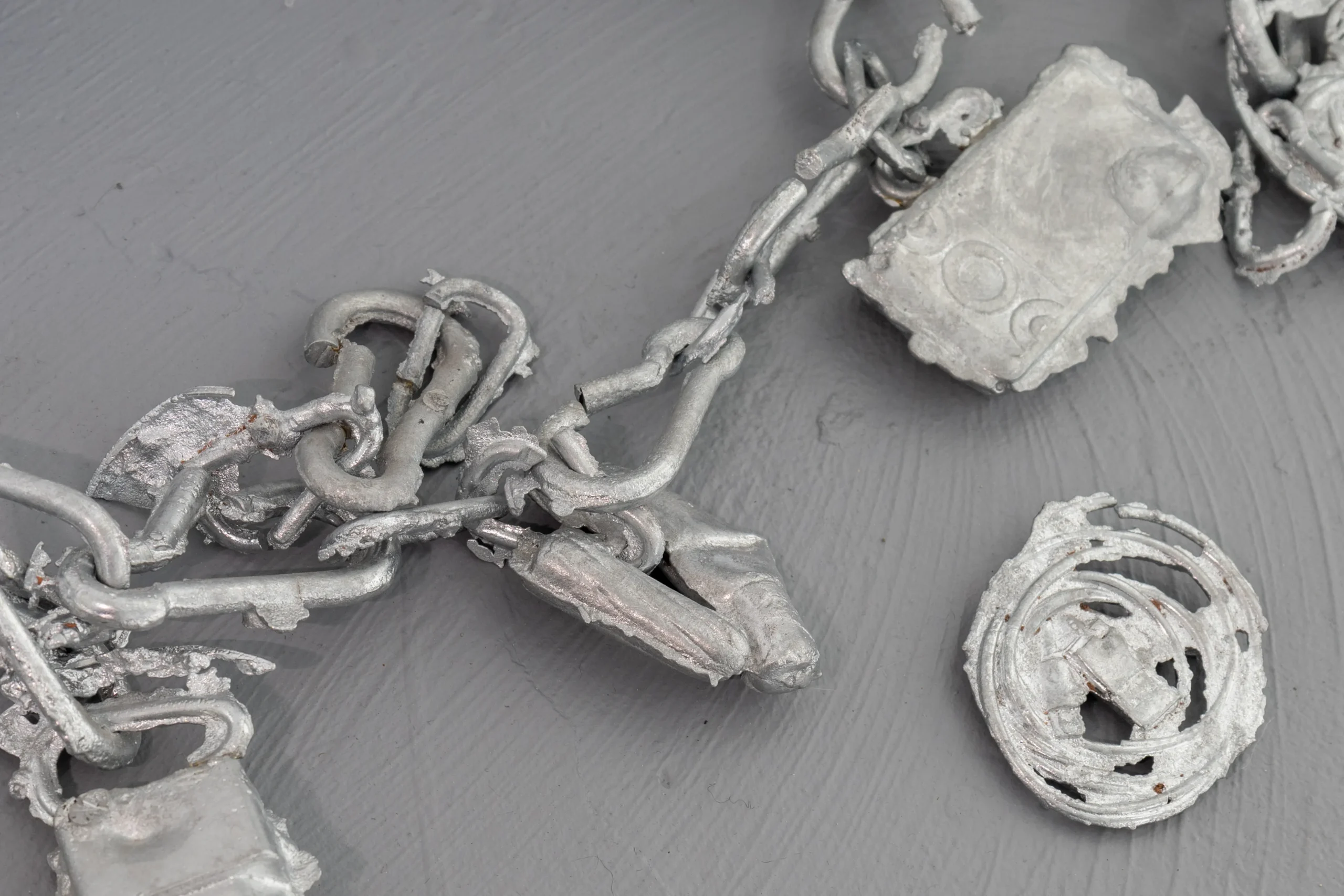
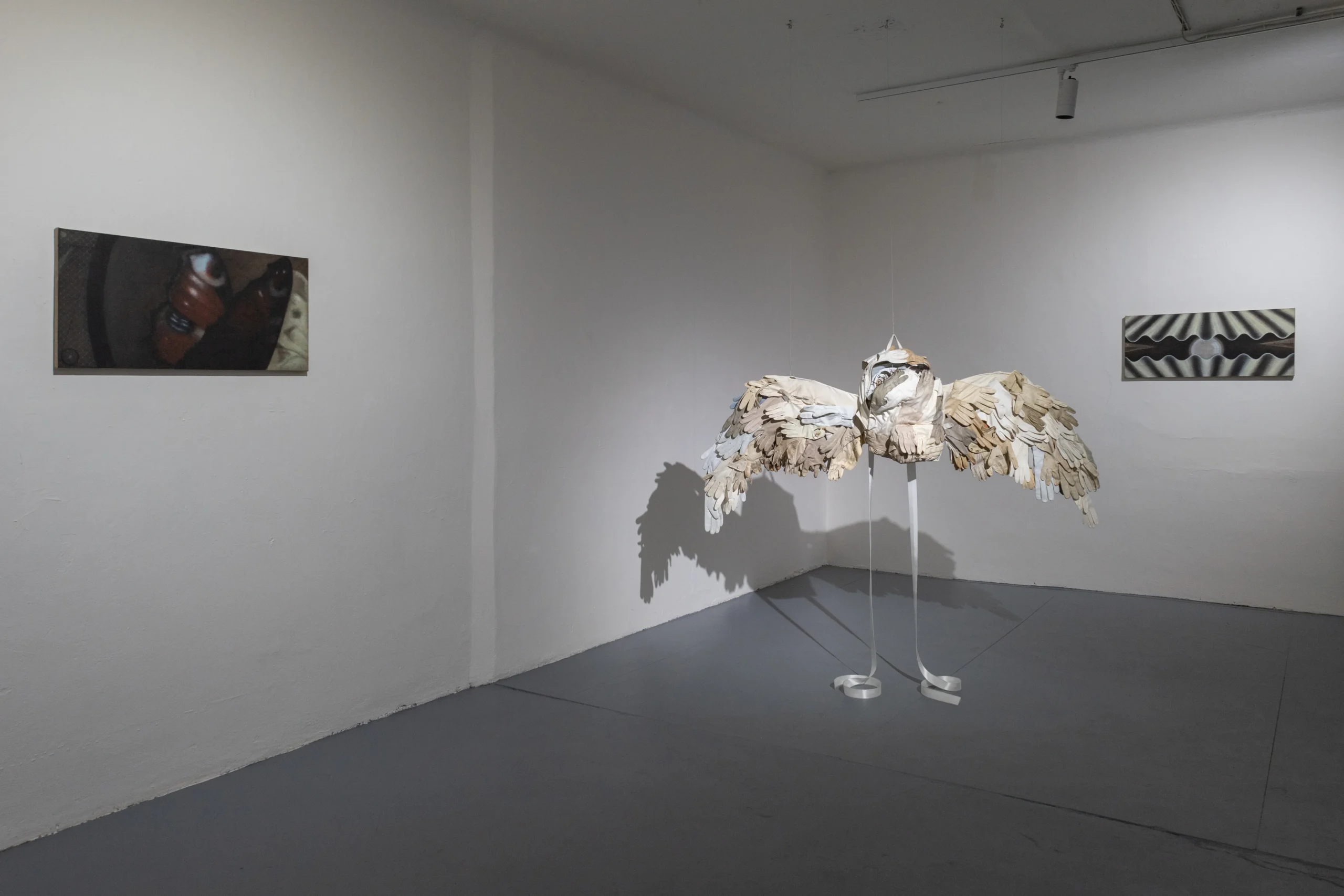
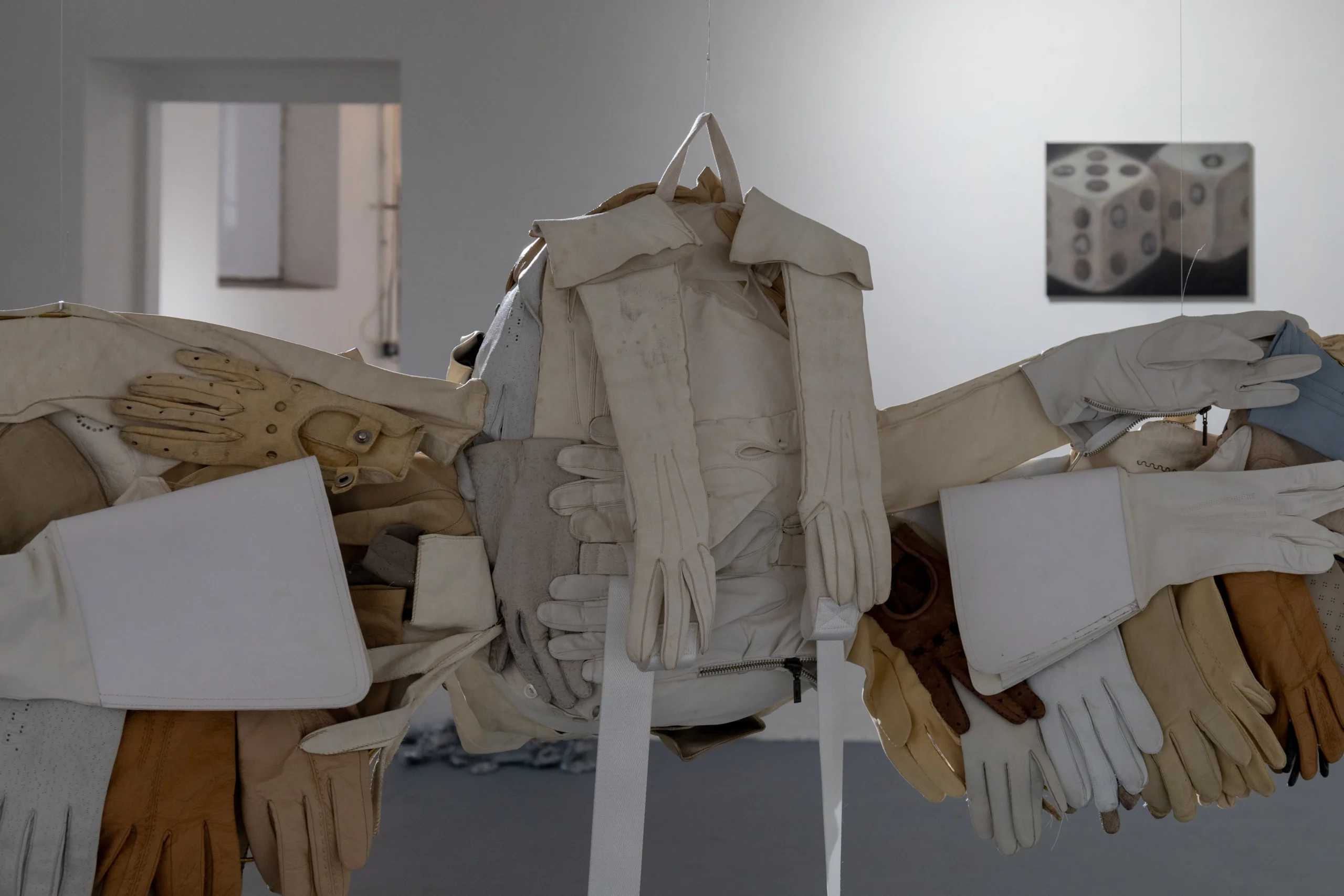
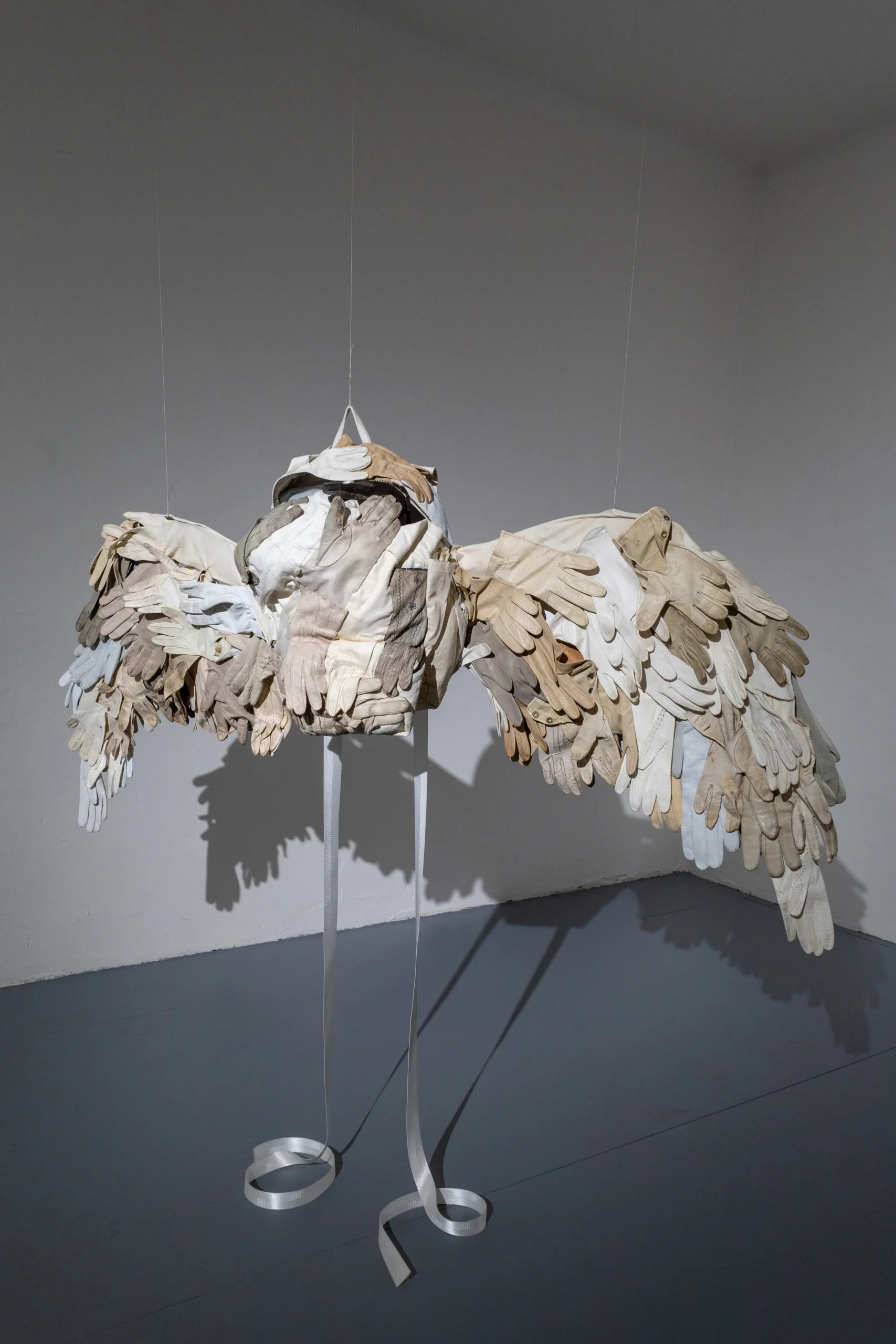
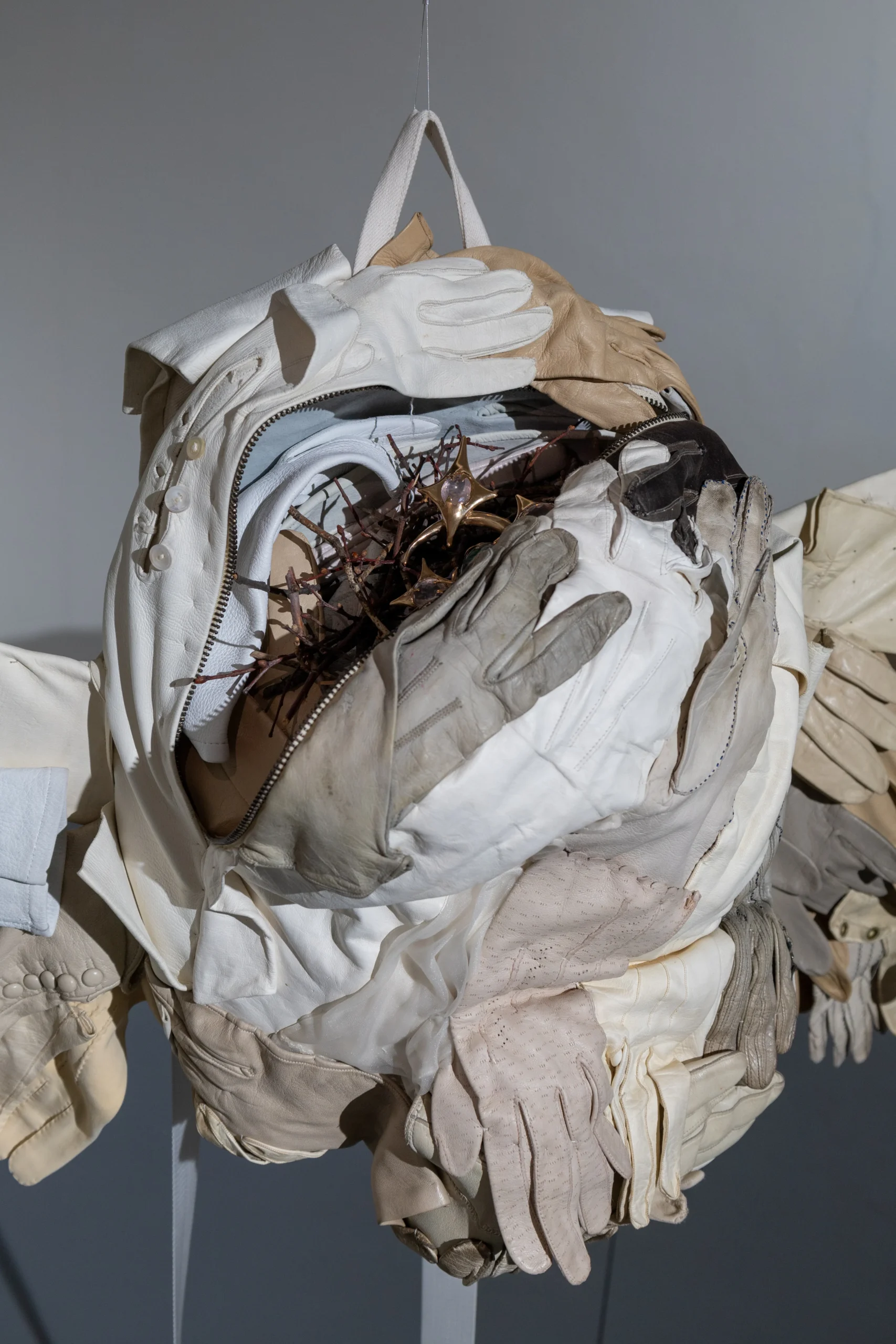
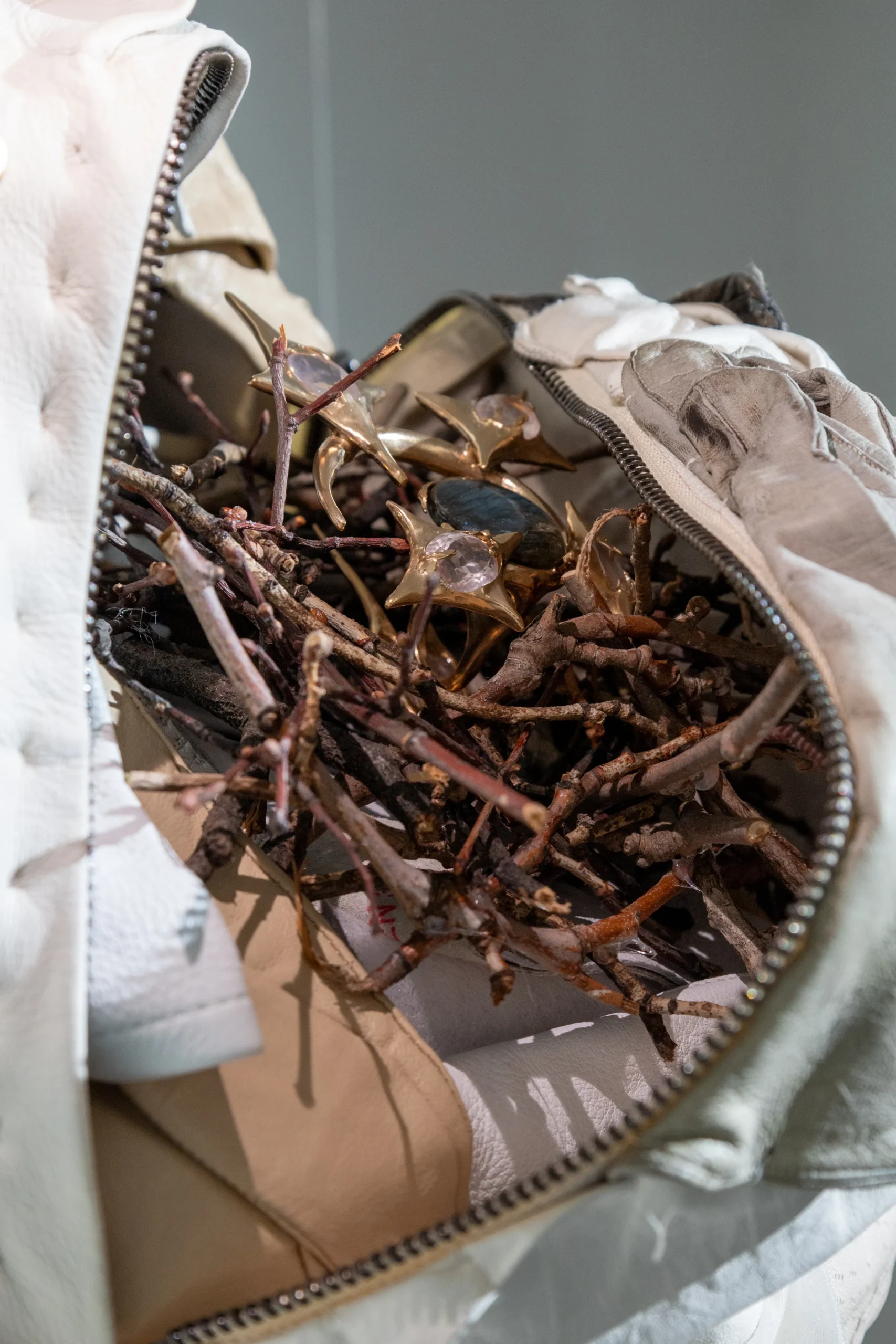
In her works, Anna Rusínová explores this theme through a symbolic story about a white magpie that lost its way, fell to the ground, and, in its attempt to fly back up into the clouds, lost all the treasures it had collected. A huge necklace appears before us, but it is no ordinary one: it is composed solely of fastening components, so we can extend it virtually endlessly. Another piece of jewelry woven from nostalgic cell phones, the so-called flip phones, headphones, lighters, carabiners, keys, and other everyday objects elevates these seemingly ordinary items into something we might also long for. The whole story then ends with a backpack with wings, woven from found and worn-out gloves. Each one bears its own trace of its previous owner. Who might have worn them? Who longed to wear them?
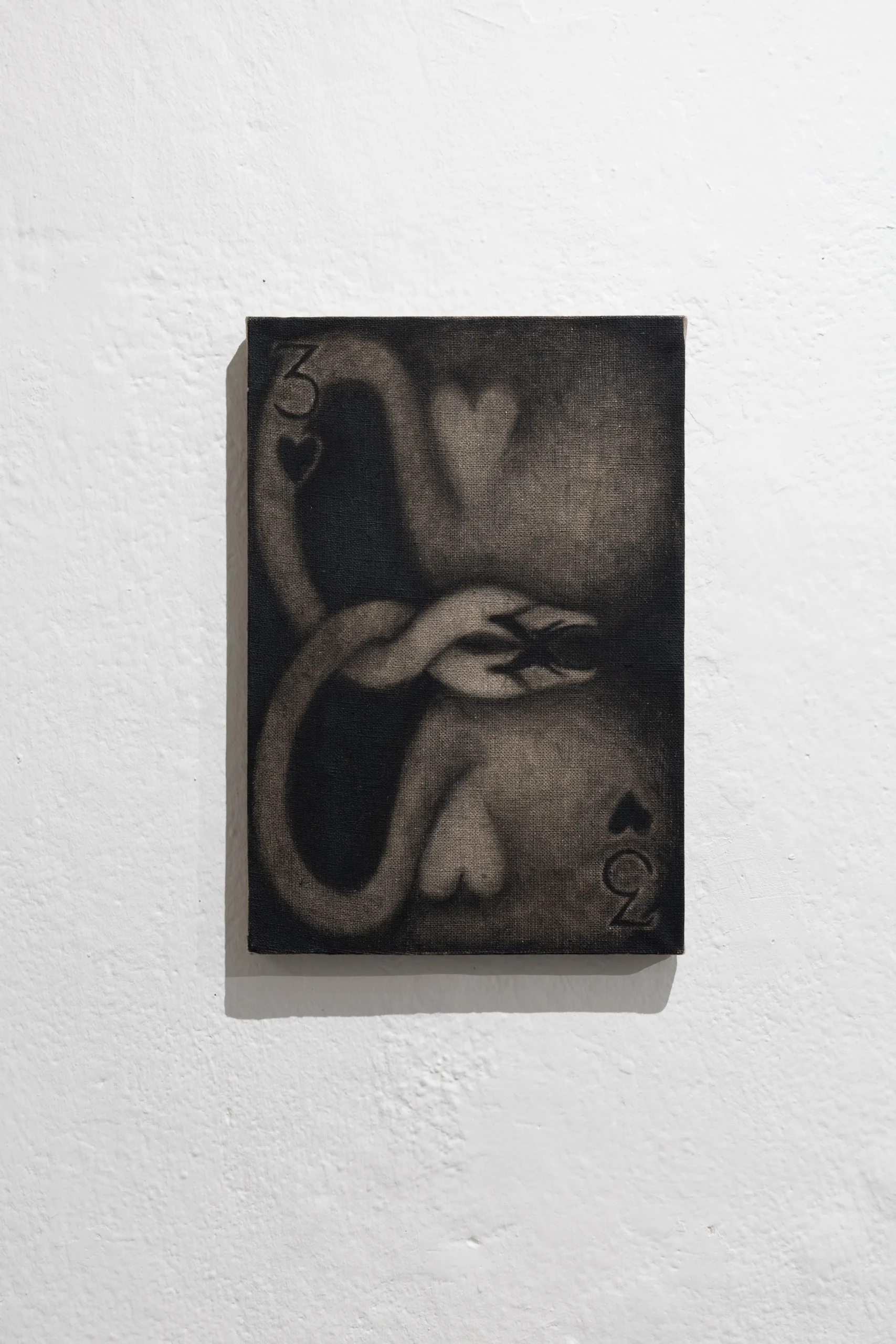
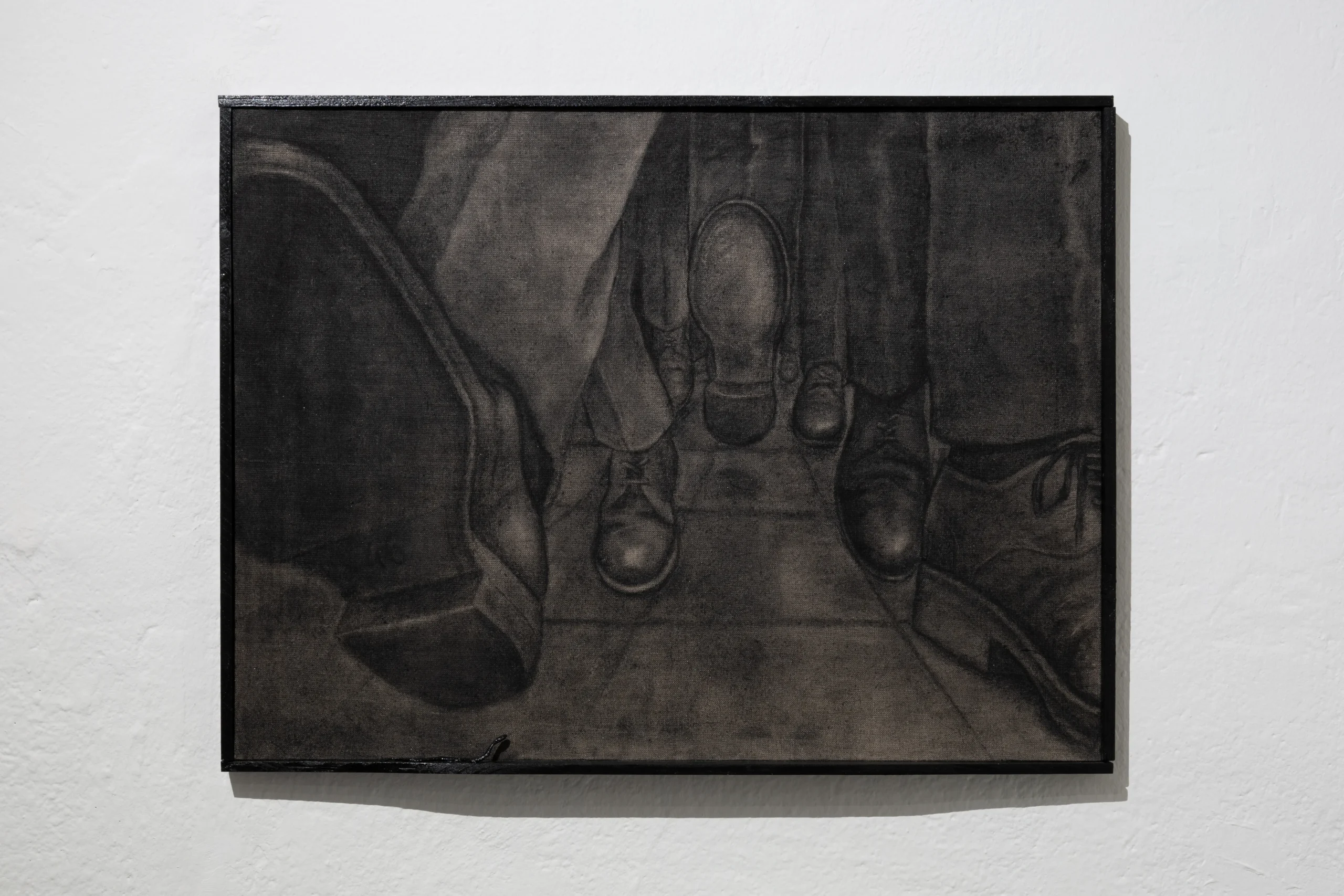
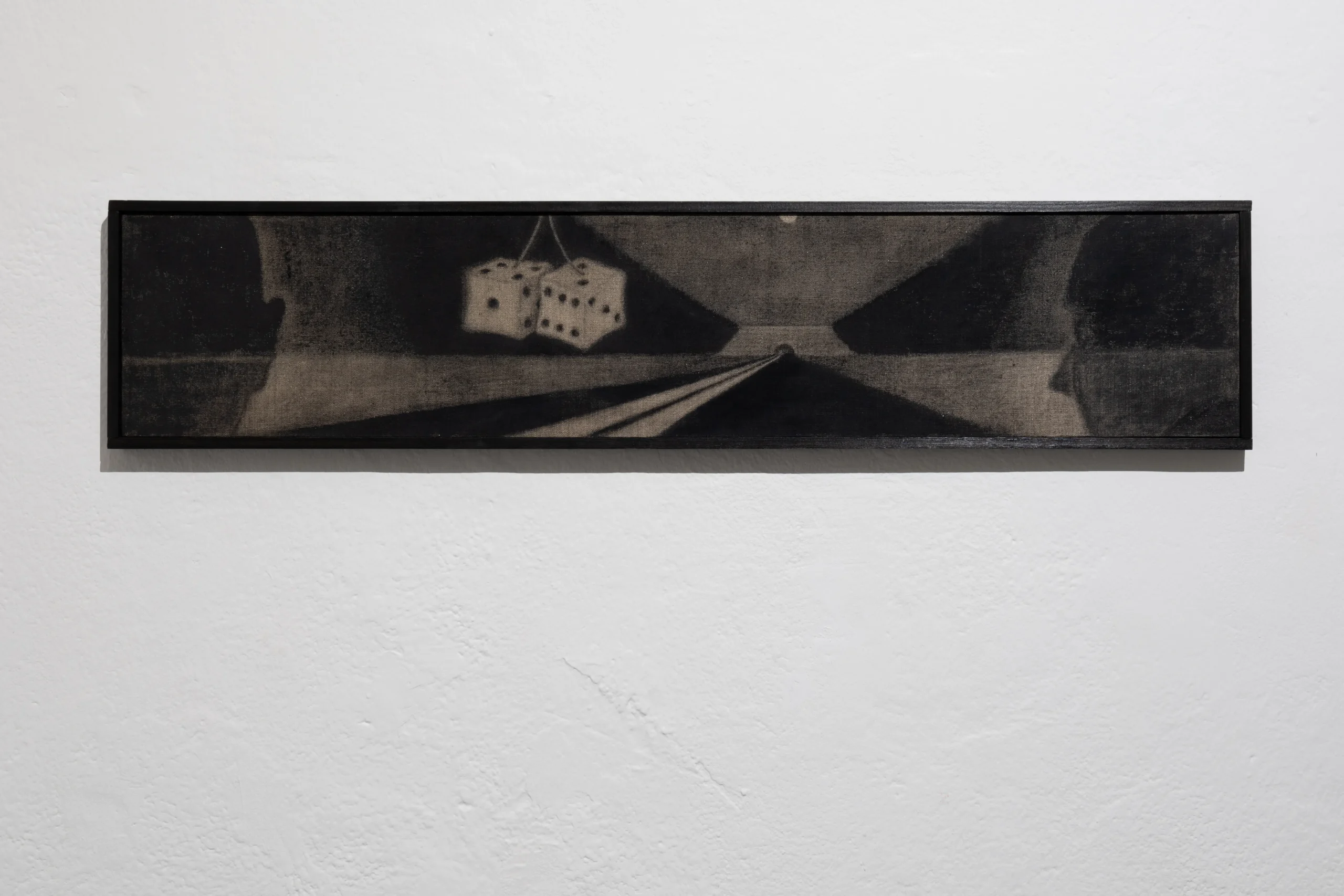
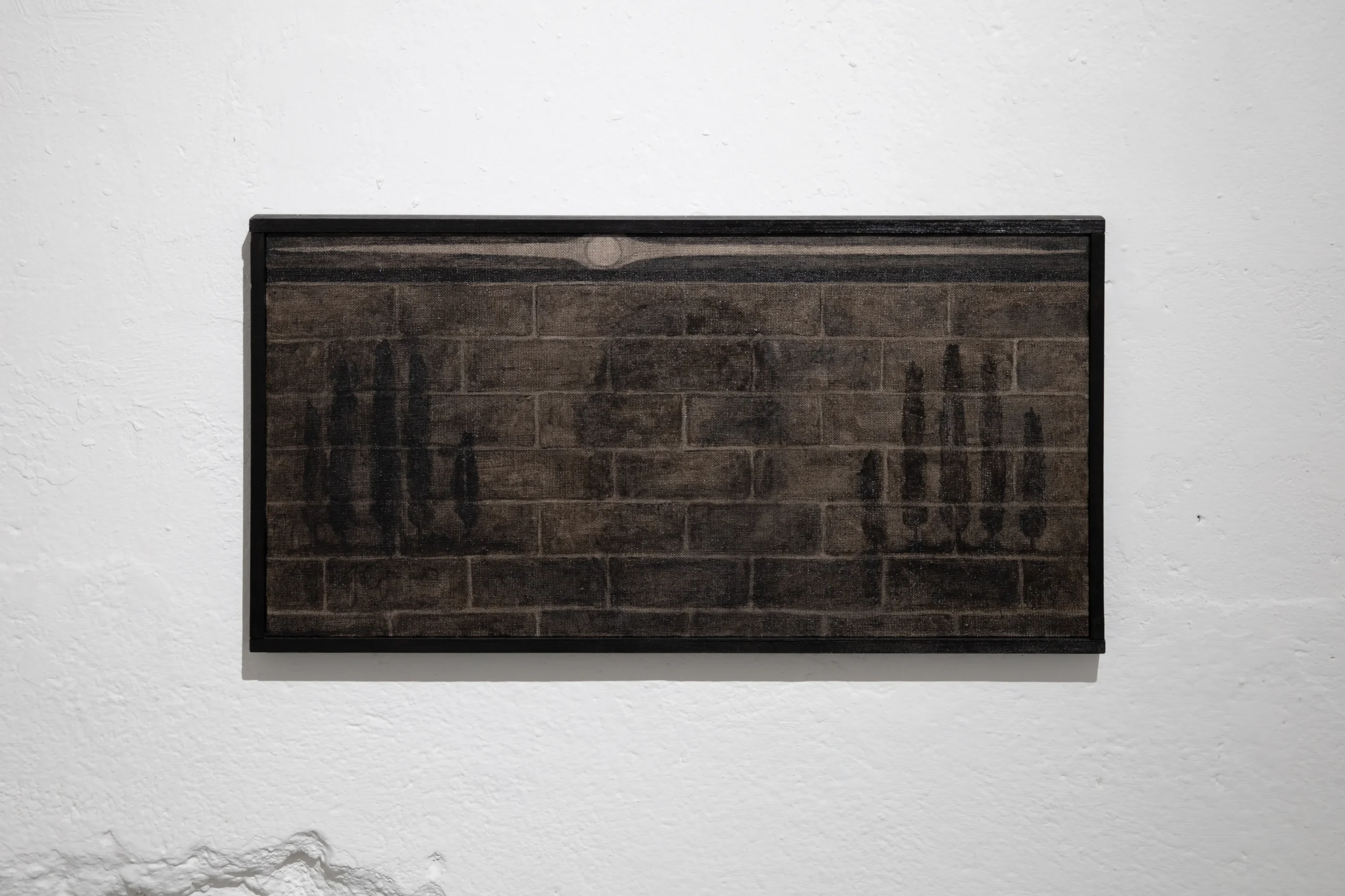
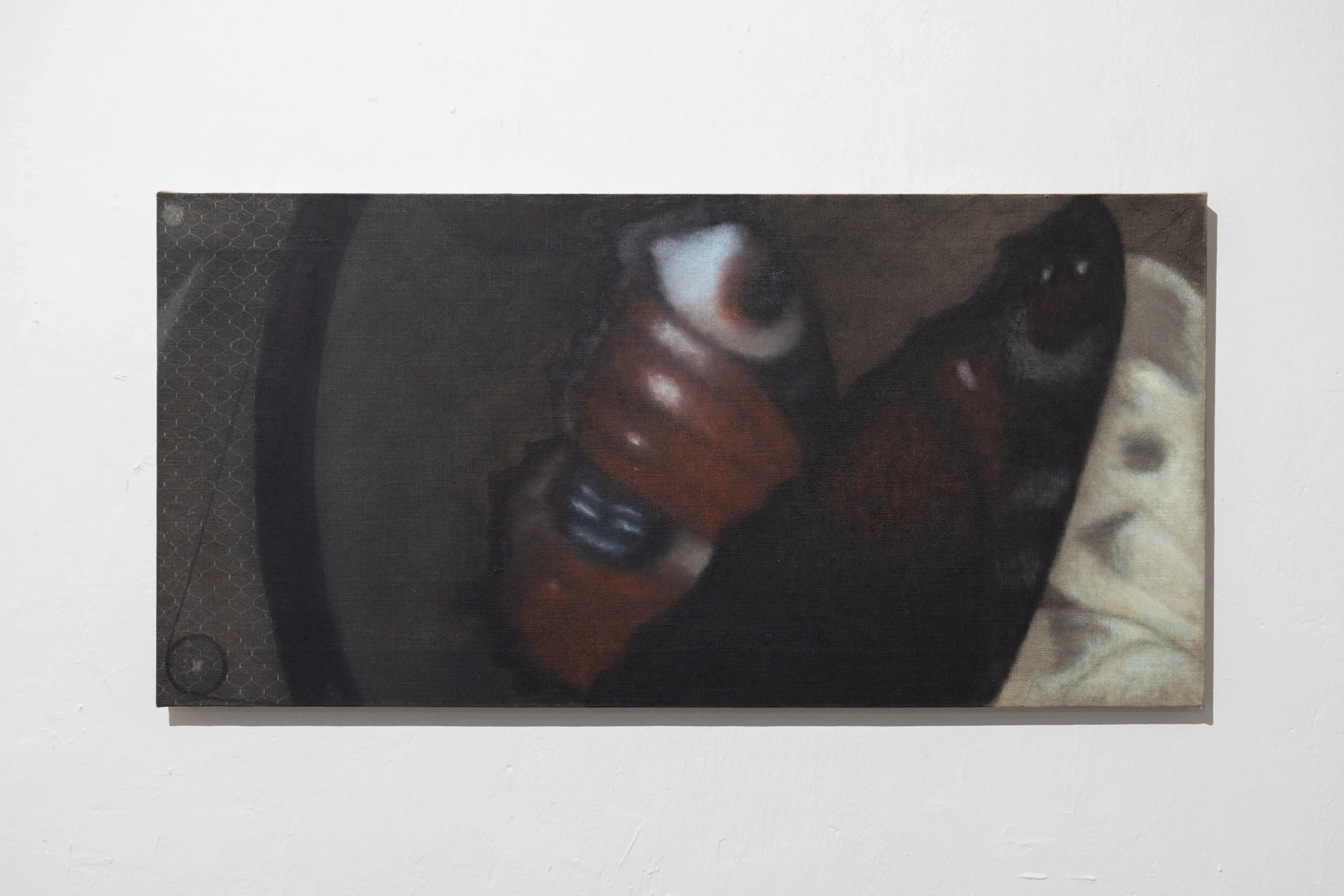
This search for the sources of desire can also be found in the themes of urban alienation that Agata Popik explores through mysterious city landscapes, in which she presents her dream memories where she often returns home to the remote small town of Zamość in eastern Poland, near the Ukrainian border. But “home” does not necessarily mean the specific place where we were born. In the artist’s interpretation, it is rather about imaginary spaces in which we feel both closeness and distance, a sense of belonging and alienation. Places belonging to no one, and yet to all of us. Borders play a significant role in the paintings: Popik often addresses the issue of tension and liminality, which is reflected in both formal-compositional decisions and on the level of content. Paintings featuring playful elements, such as dice or cards, evoke the randomness of everyday situations and decisions that are often not based on rational thought but spring from a subconscious desire that cannot be fully controlled by the individual. Is it possible that ordinary objects conceal more than meets the eye? Where does their ability to evoke tension and unease stem from?
The exhibition is also permeated quite intensely by otherworldly motifs and moments of brilliance in forgotten corners. The symbol of soaring upward seems to suggest a desire to break free from the everyday constraints that bind us. What would it be like, for example, to own a backpack that allows us to fly away magically, much like the butterfly in Agata Popik’s painting? What defines the search for an imaginary precious pearl or other treasure? Is it still possible to emancipate objects of desire from market mechanisms and use them to foster the imagination?