


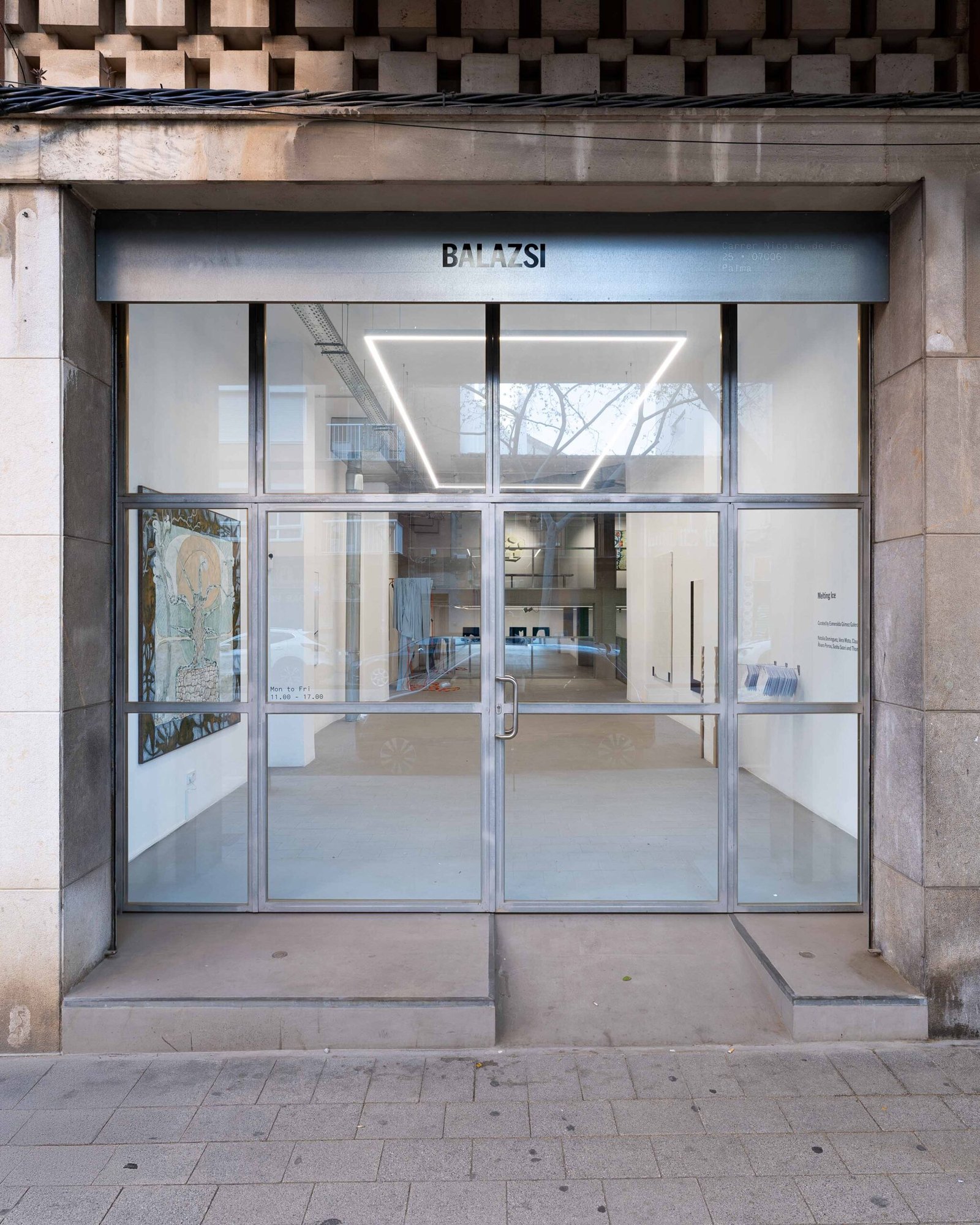
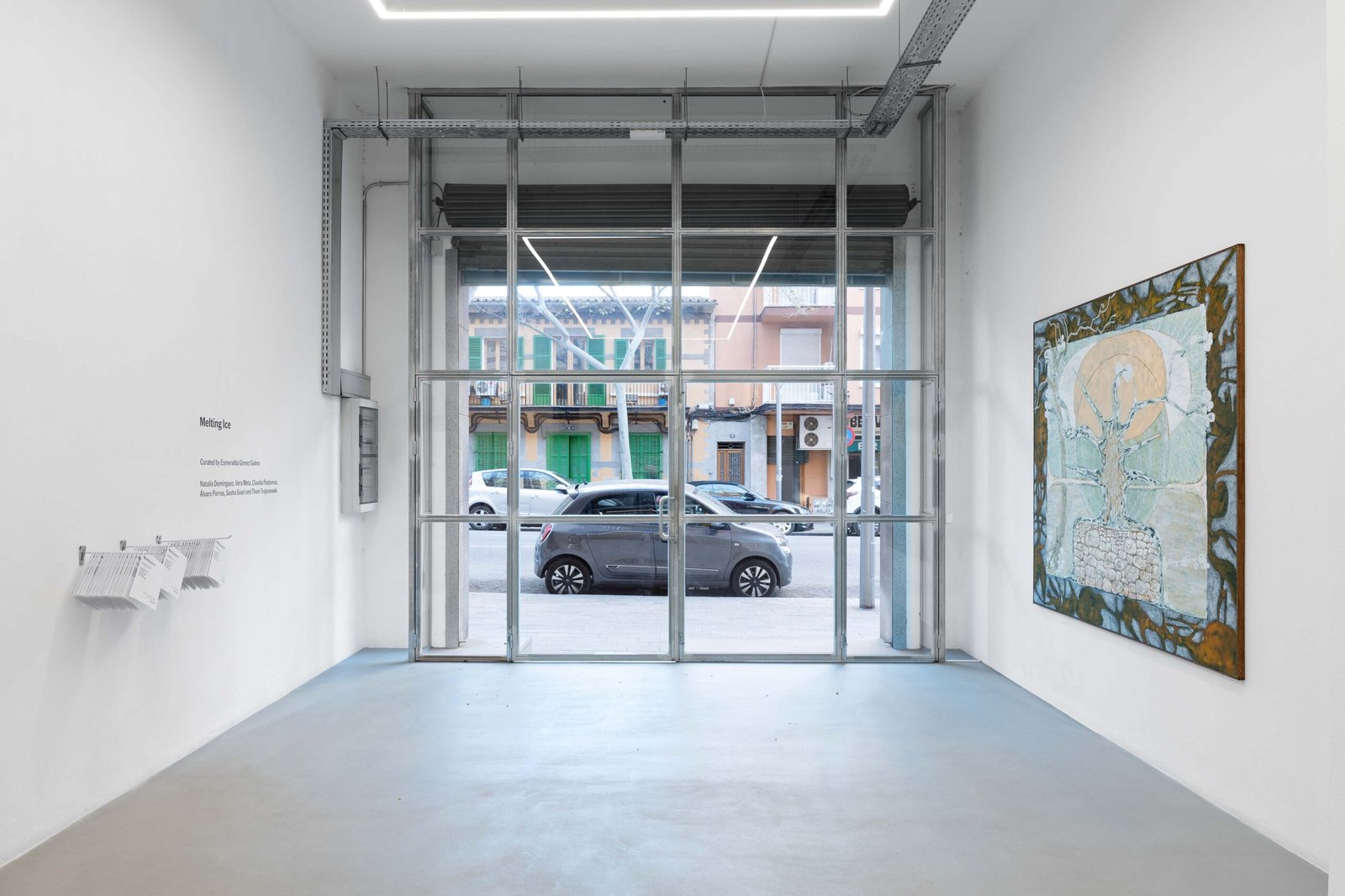
Melting Ice
Melting (thinking together)
“There is no outside from which to observe the world; we are always already inside it, implicated in it, breathing the same air as the things we try to understand.” — Bruno Latour, Where Am I?
After a lifetime devoted to thinking about the world, Bruno Latour asked himself the question: where am I? I find this significant. It is a question that never exhausts itself, because the world itself never stops changing. Where am I? How can I inhabit this world? And how can I encounter others within it?
In this sense, the question is not about locating oneself on a map, but about recognizing the network of relationships that makes any place possible. Latour reminds us that being in the world does not mean standing on something, but rather being within something: a web that continually transforms, dissolves, and is collectively remade.
Melting Ice situates itself precisely in that interstice.
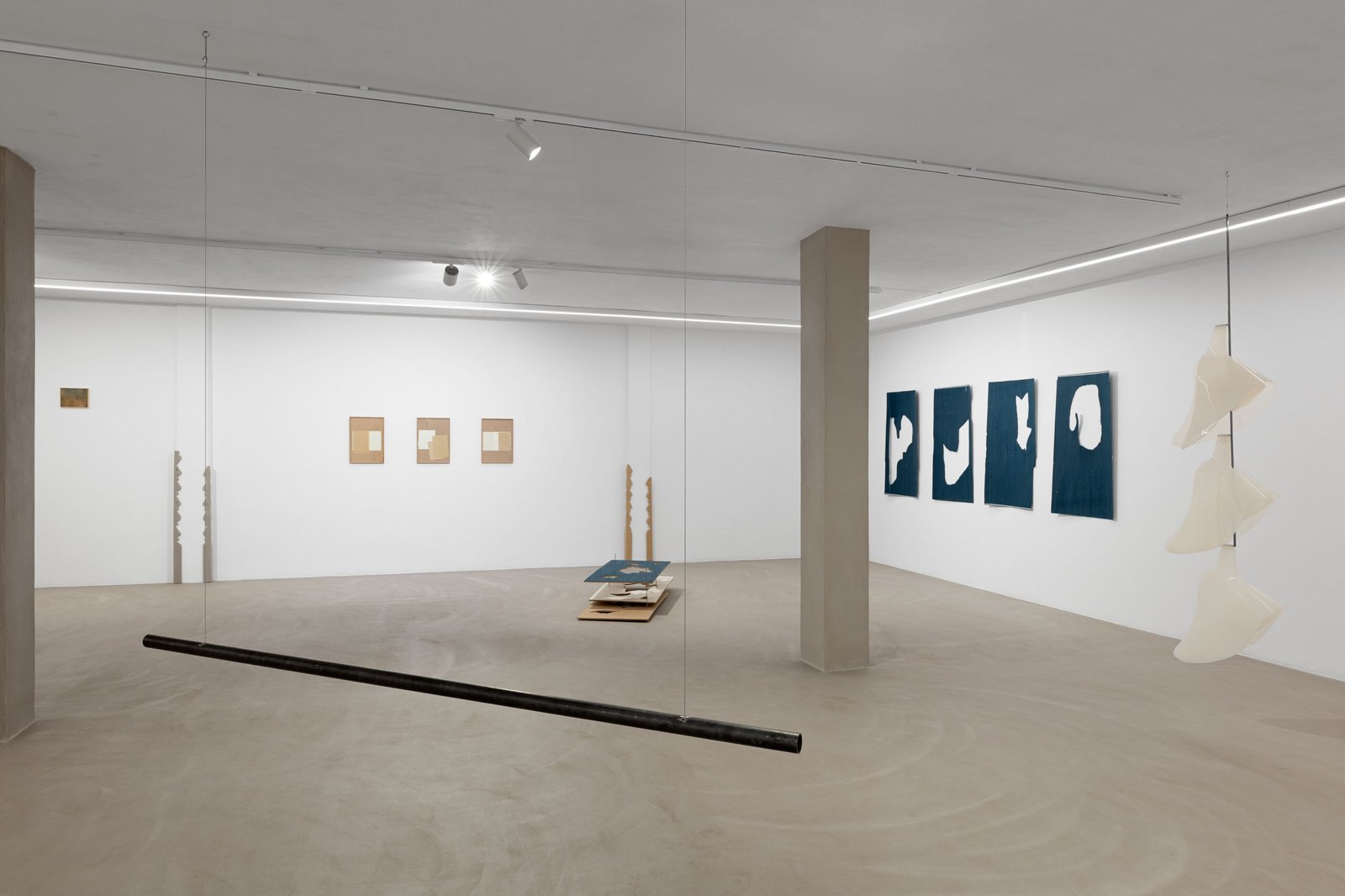
It is not an exhibition about ice, nor about melting, but about the condition of dissolution. The project brings together practices that take temporality, fragility and transformation as both material and aesthetic inquiry. Ice functions here as a metaphor for matter in transition: solid and liquid at once, visible and ephemeral, capable of both containing and releasing. From a philosophical perspective, decomposition also appears as a method, and fragility as a form of knowledge open to vulnerability.
The participating artists propose a series of practices that explore states of transition. This is not a lament for loss, but an exercise in attention: observing how forms, bodies, relationships and meanings transform while we attempt to inhabit them. The exhibition also resonates with historical gestures that understood art as both an ephemeral and collective process. In the happening Fluids (1967), Allan Kaprow invited a group of people to construct structures made of ice destined to disappear. The meaning did not lie in permanence, but in the shared experience of their disappearance. The effort to collectively produce things that may appear useless is something worth reclaiming today. That awareness of time—and of its finitude—runs through the works gathered here.
To inhabit a world in transformation implies accepting that the ground itself moves beneath our feet. That nothing is entirely secure, and that there are no ontological certainties. In this context, artistic practices may offer modes of orientation: ways of asking again where am I?—and, in its plural becoming, where are we?
Far from being abstract, this question becomes urgent within the realm of thought and sensibility: a perceptual attitude, an awareness of interdependence, of the fragility of boundaries, of the dialogue between what melts and what remains—but above all, of how we might become together within that process.
II. Ice (coming together)
In 1967 a group of people gathered to build an architecture of ice and let it melt slowly. Recently I have found myself returning obsessively to those dissolving blocks of ice. In part because exhibition-making seems closely related to that same ephemeral and collective condition. Within the exhibition space a temporary community takes shape: a constellation of people, intuitions, gestures and materials that come together and later disperse, almost as if they too were melting.
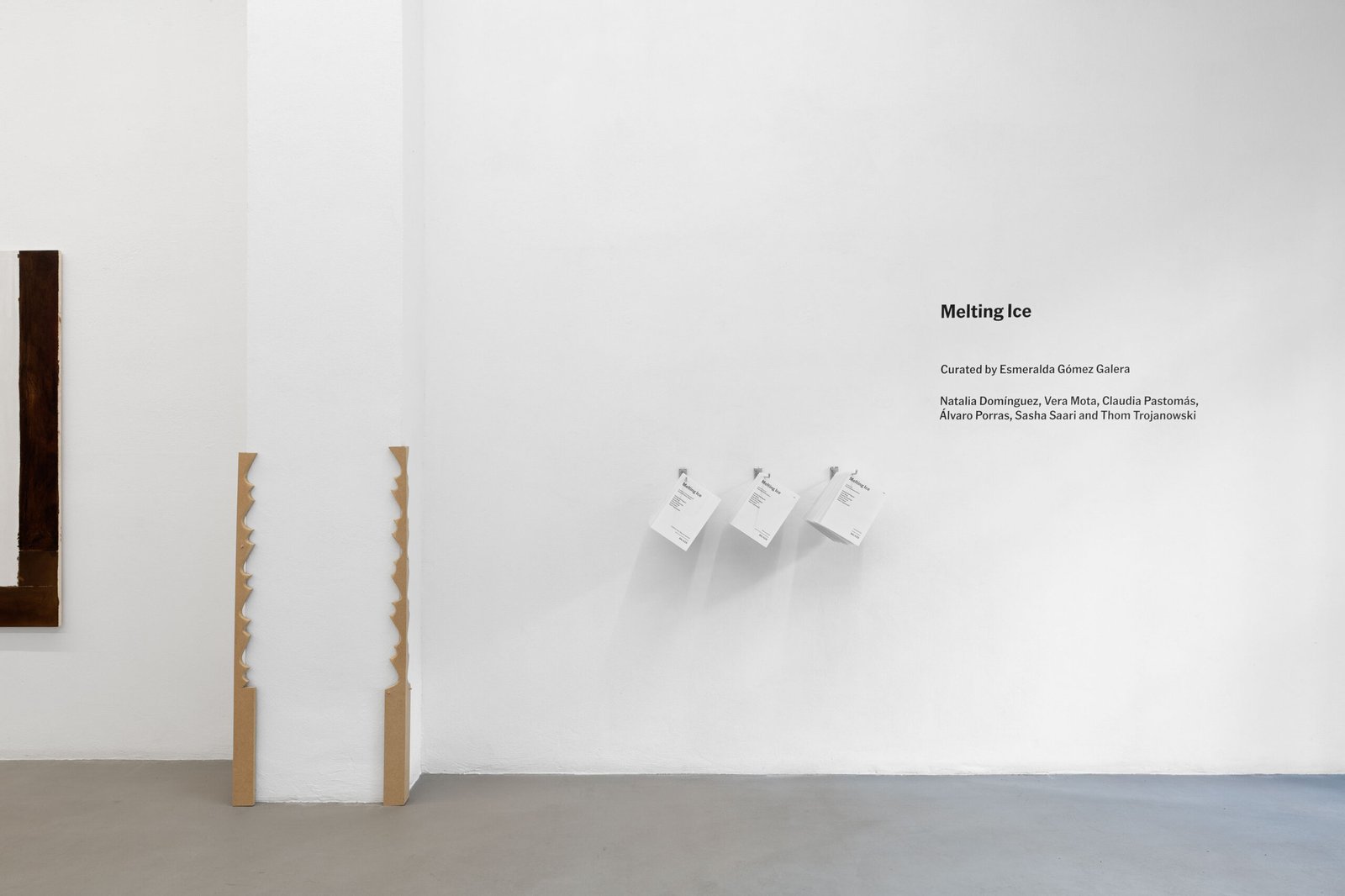
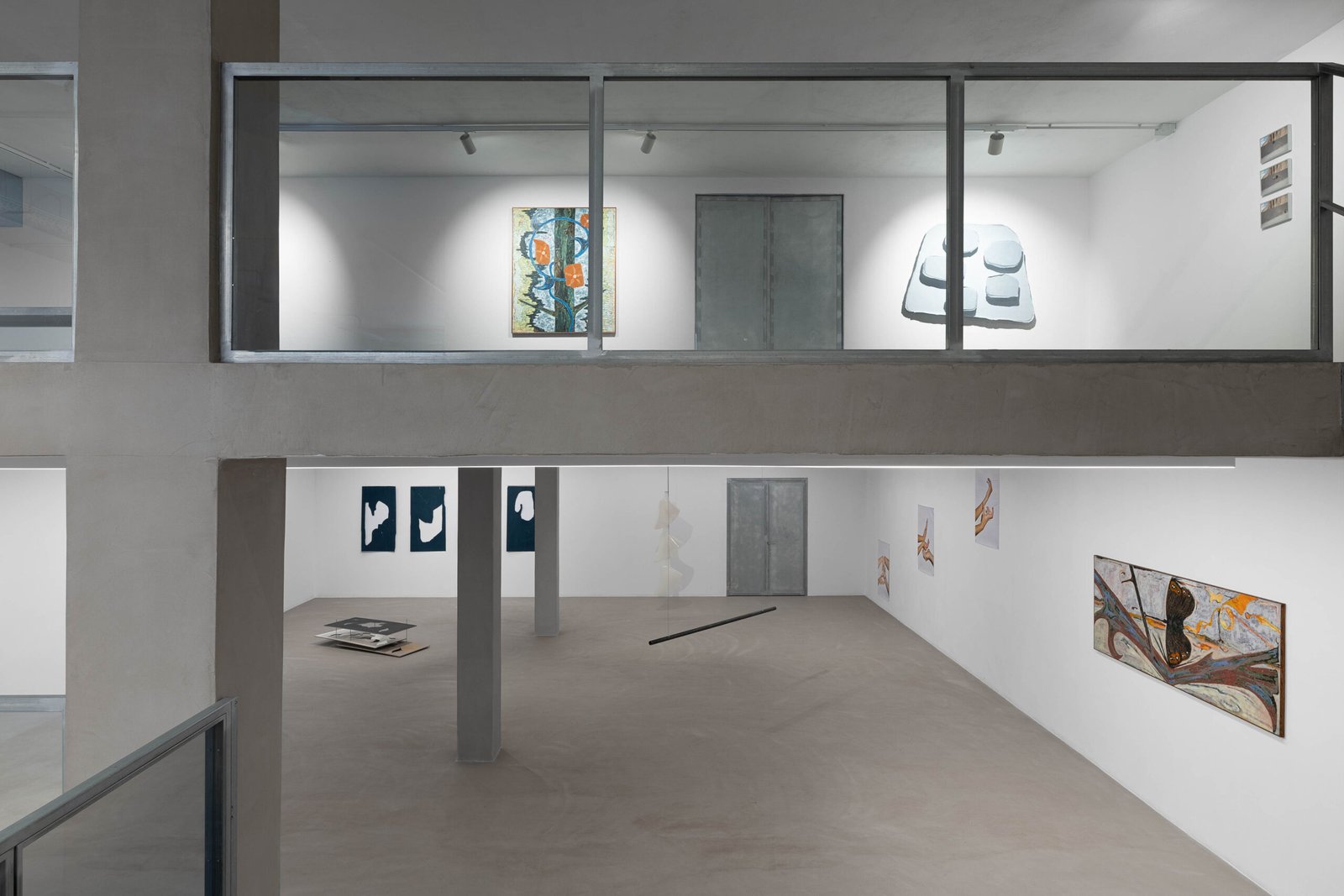
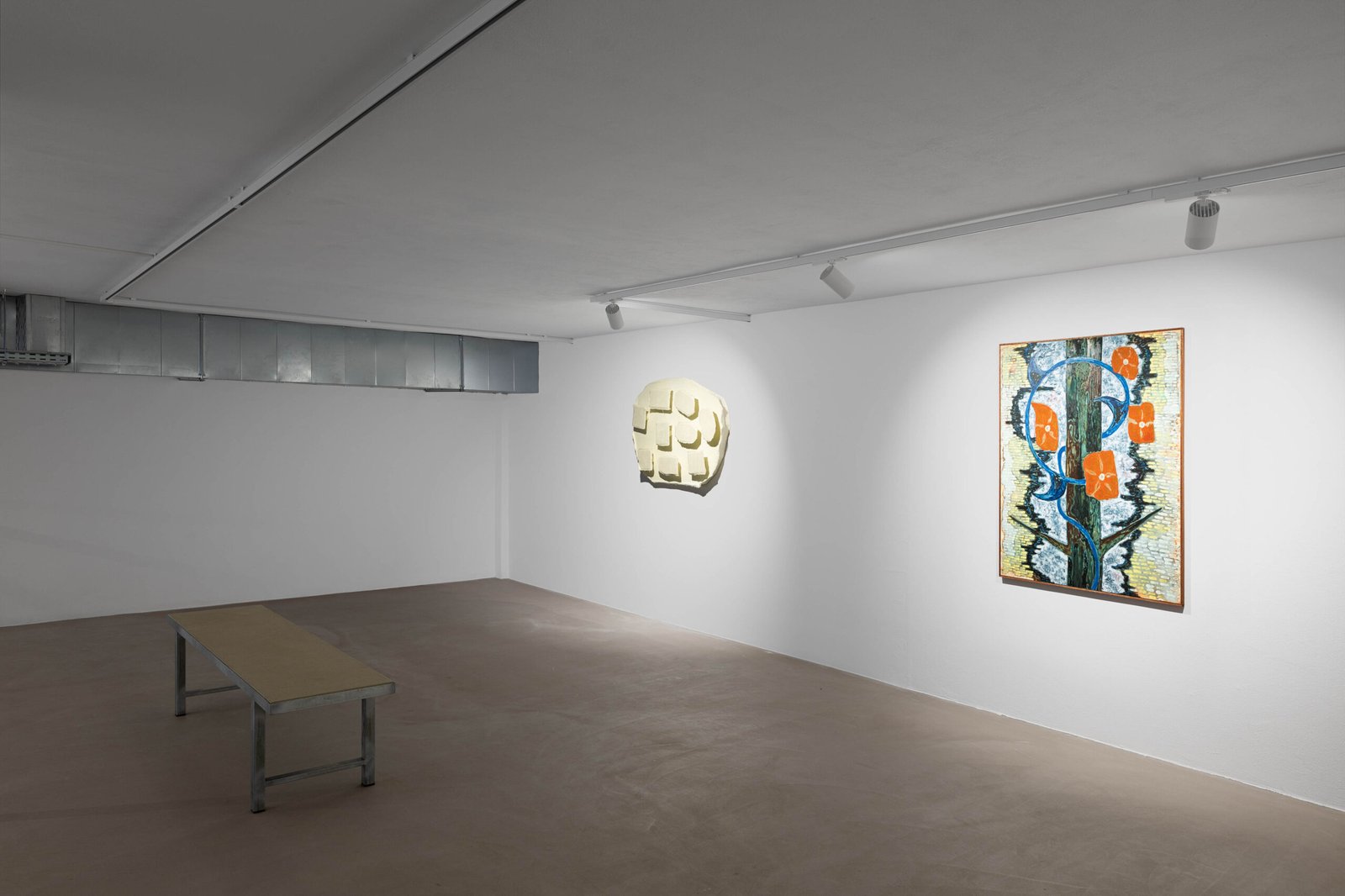
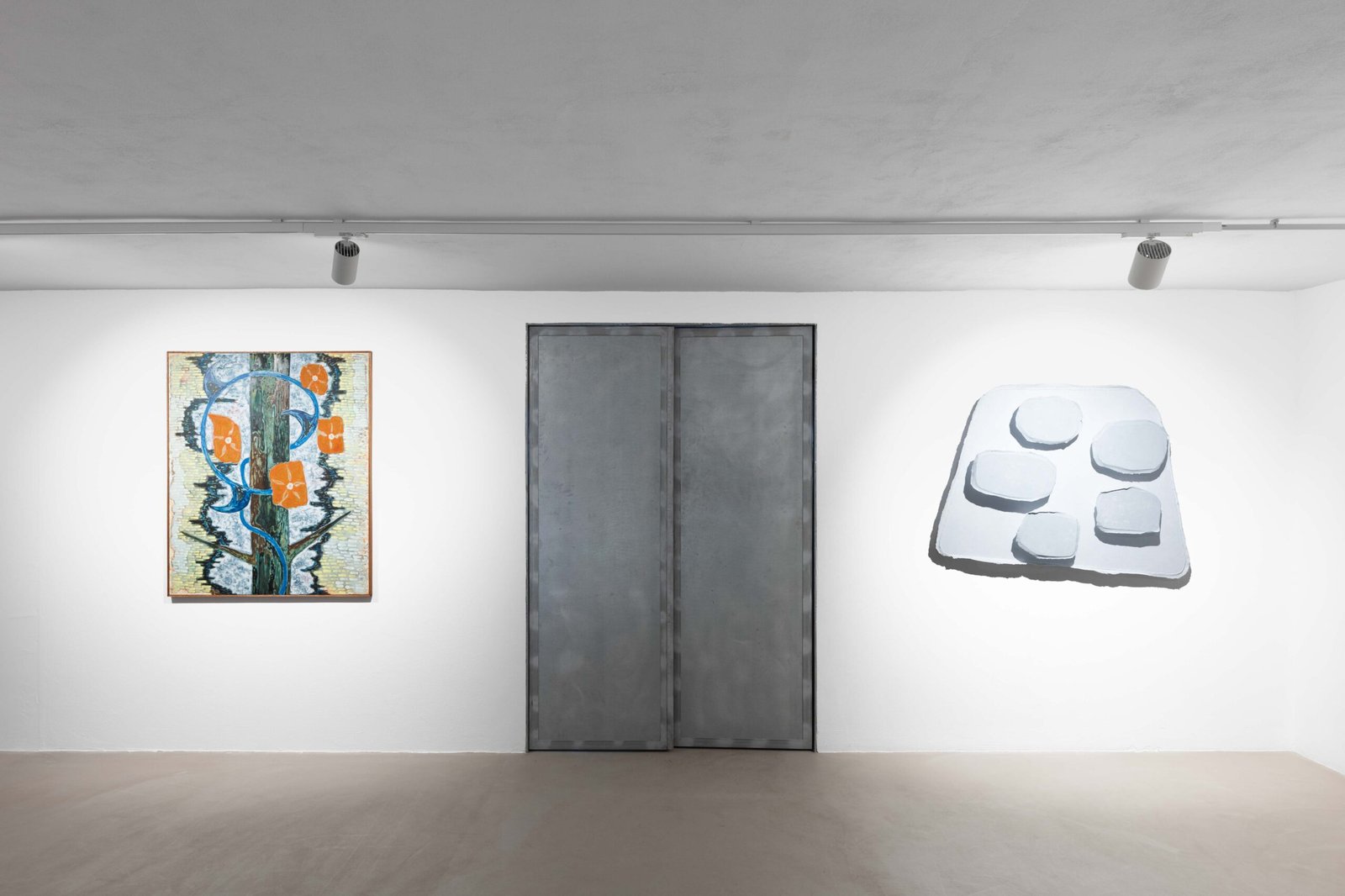
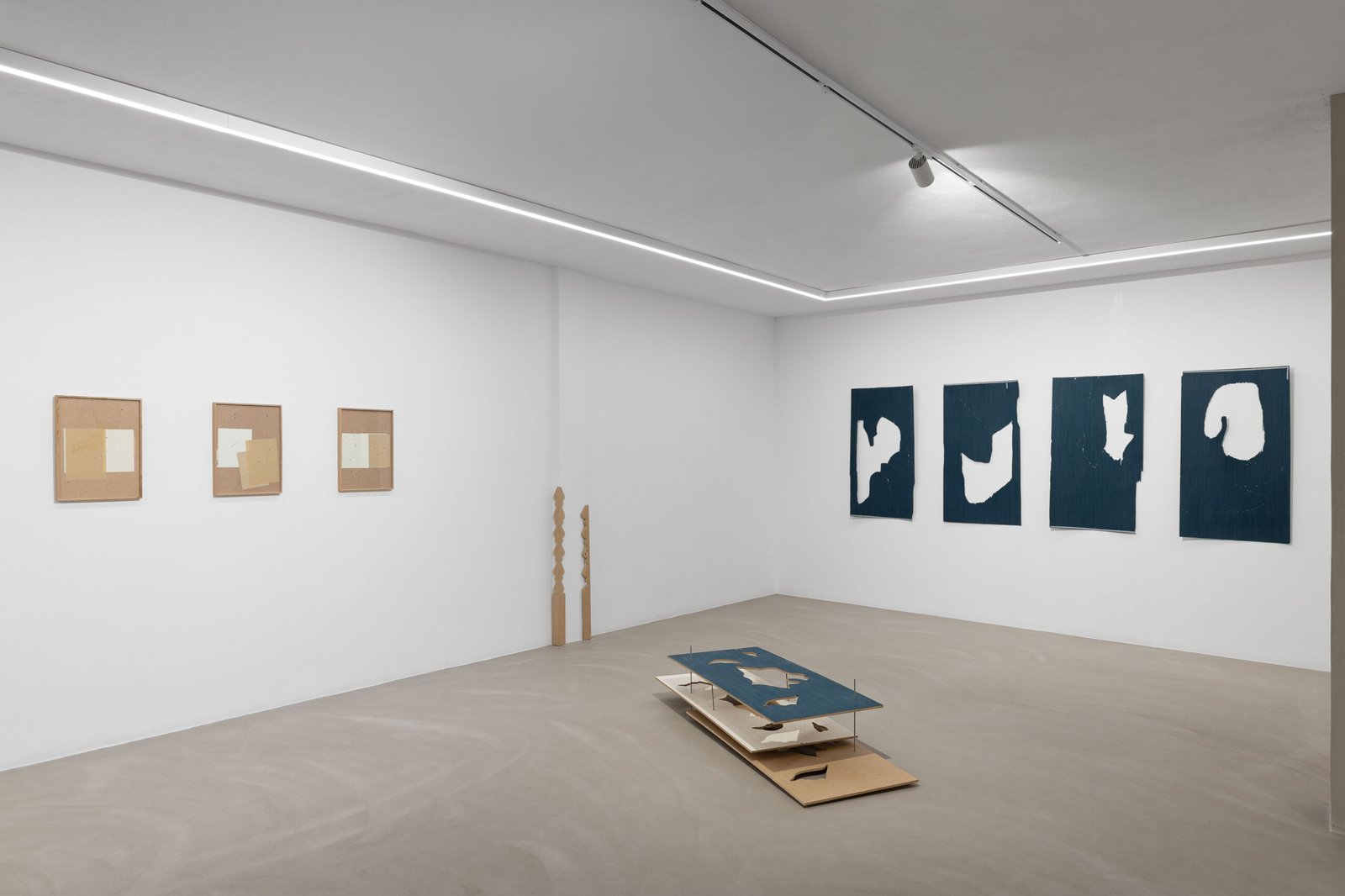
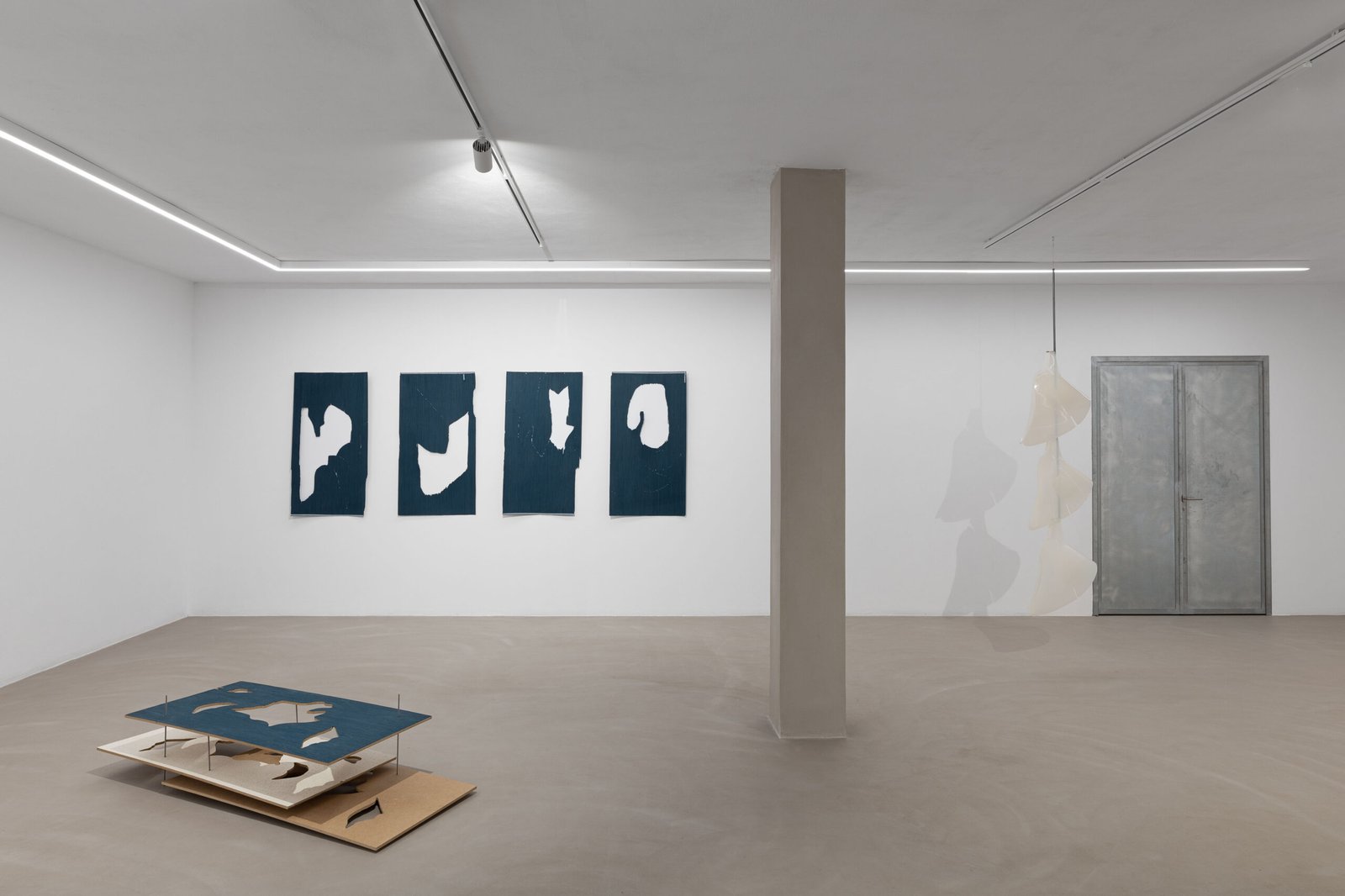
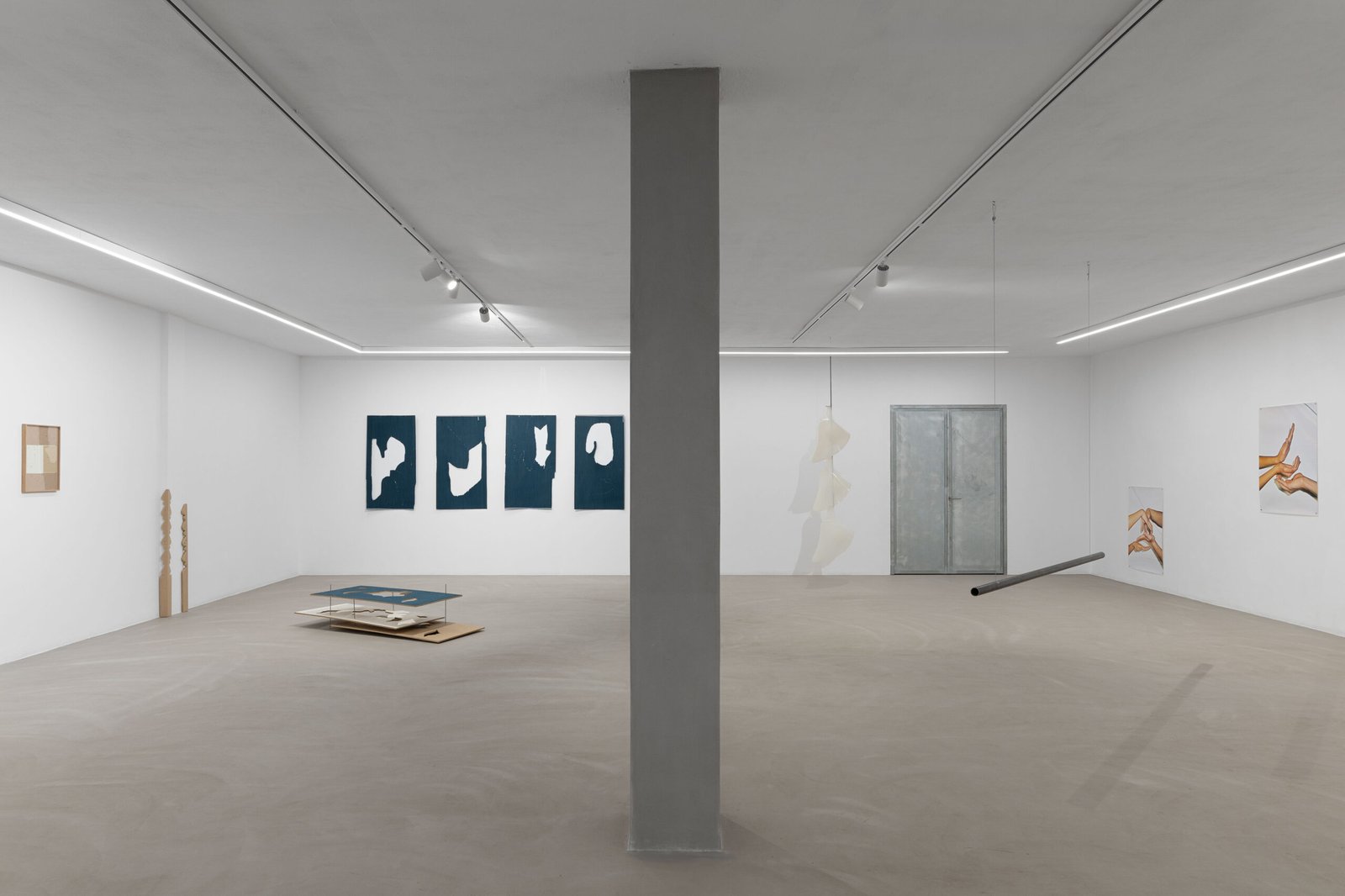
Melting Ice is a curatorial project that emerges from these reflections and brings together the work of Natalia Domínguez, Vera Mota, Claudia Pastomás, Álvaro Porras, Sasha Saari and Thom Trojanowski.
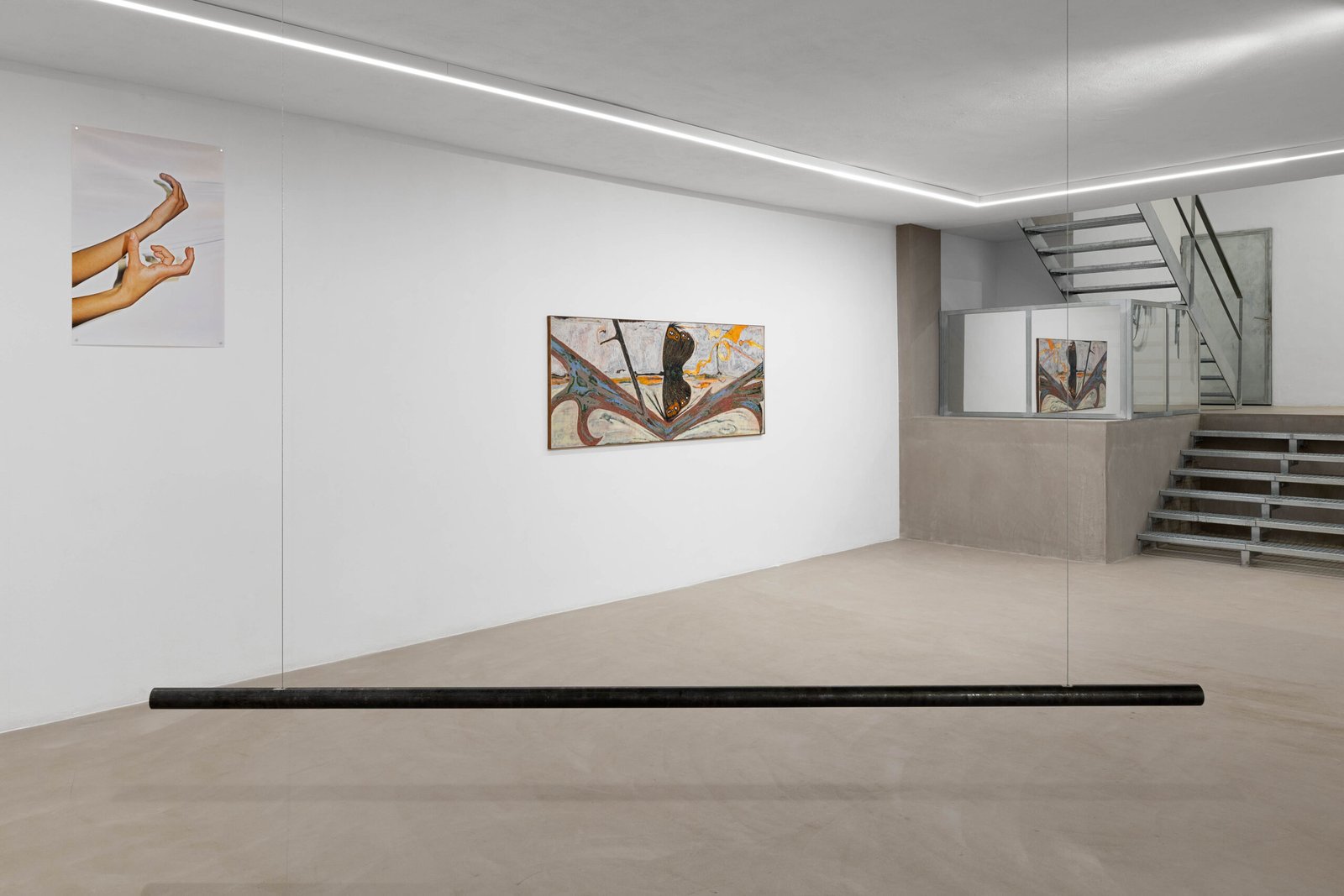
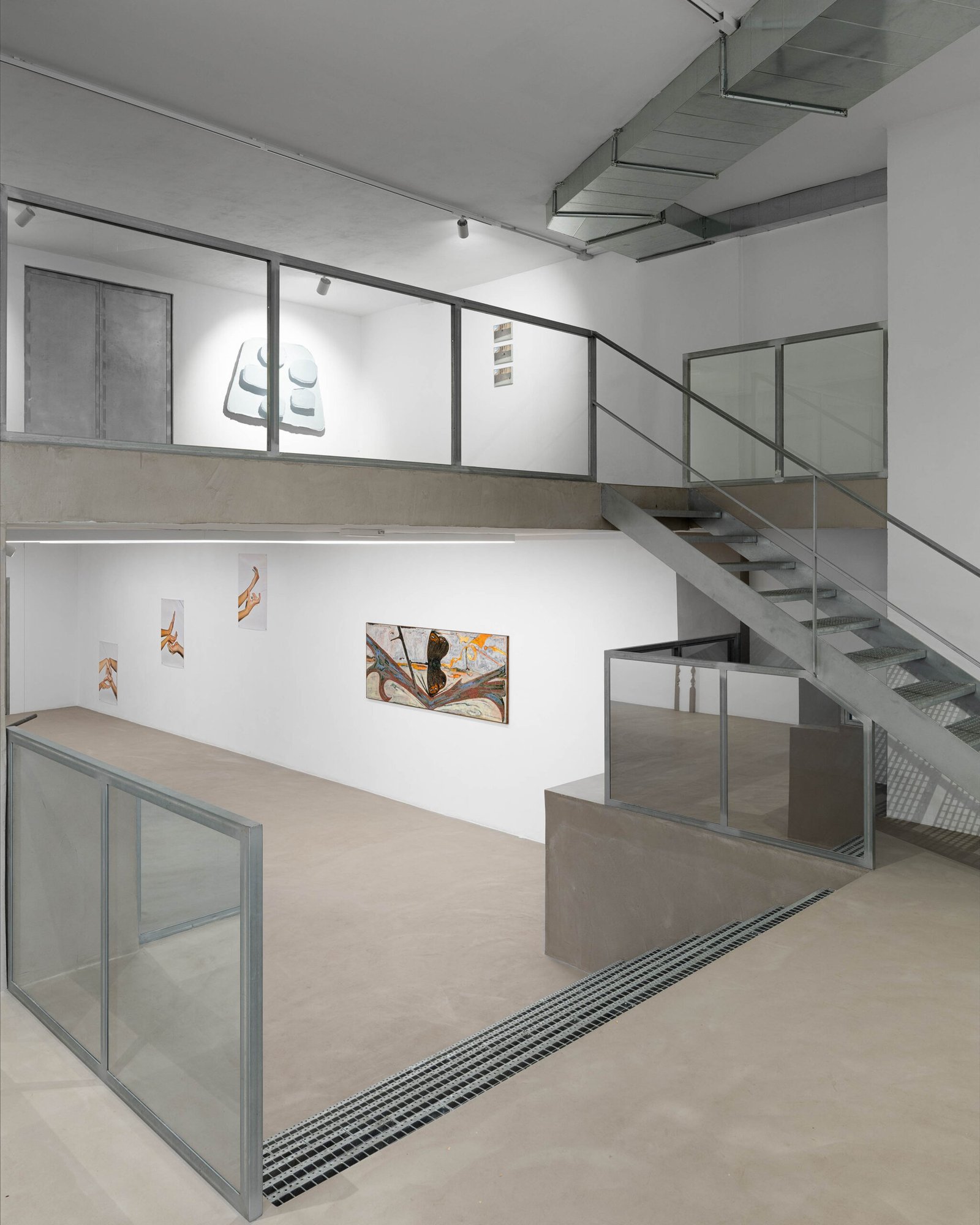
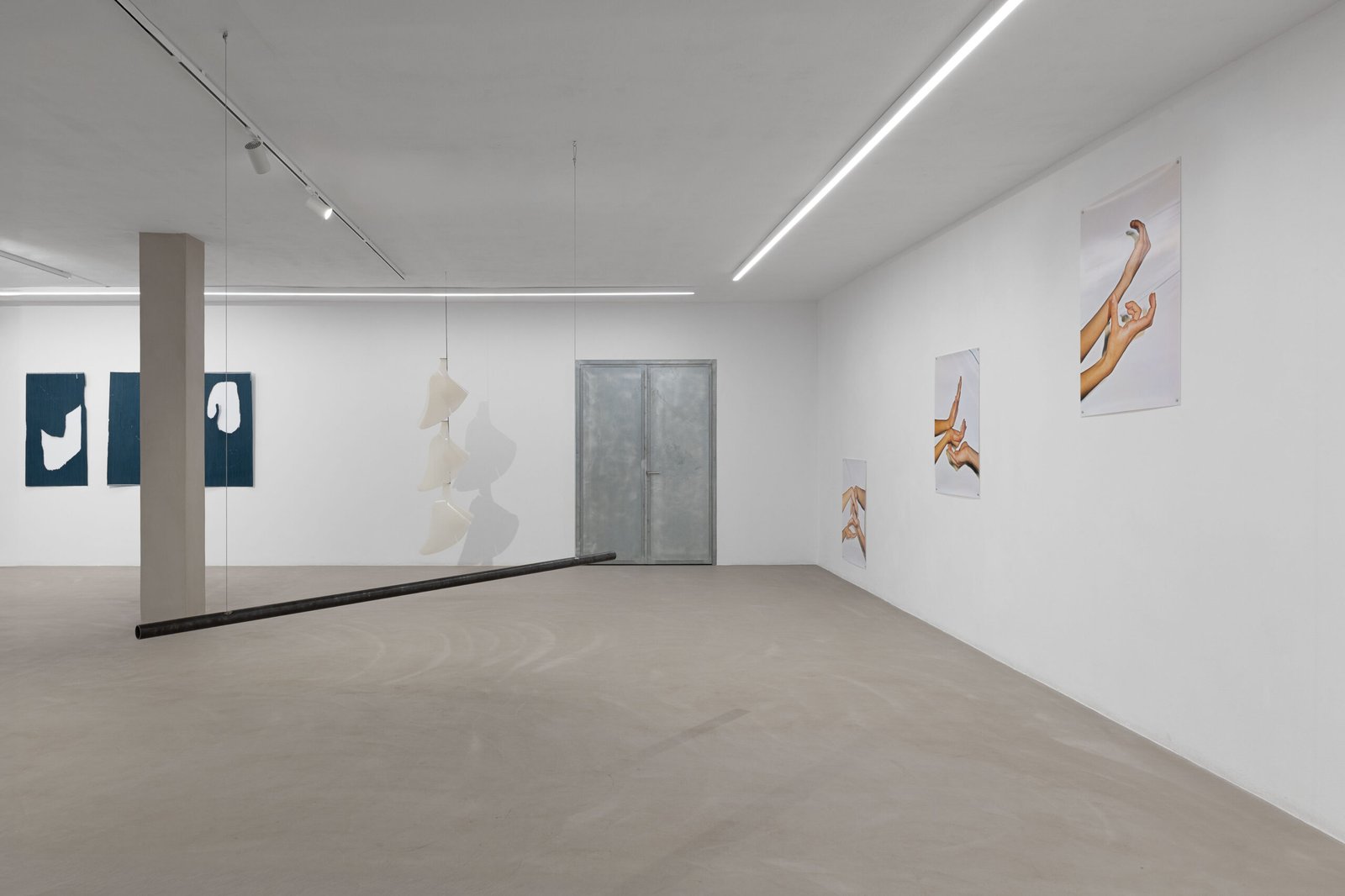
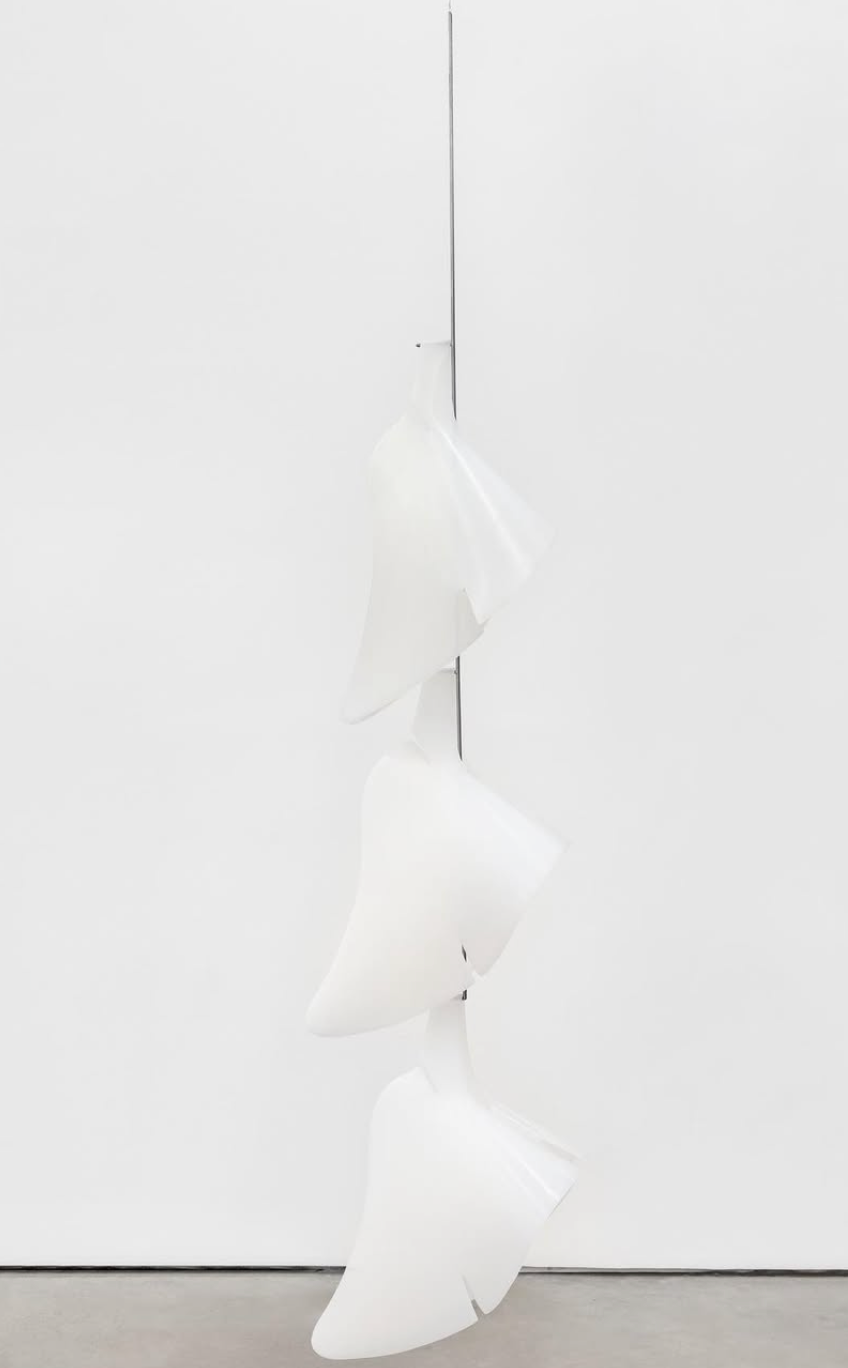
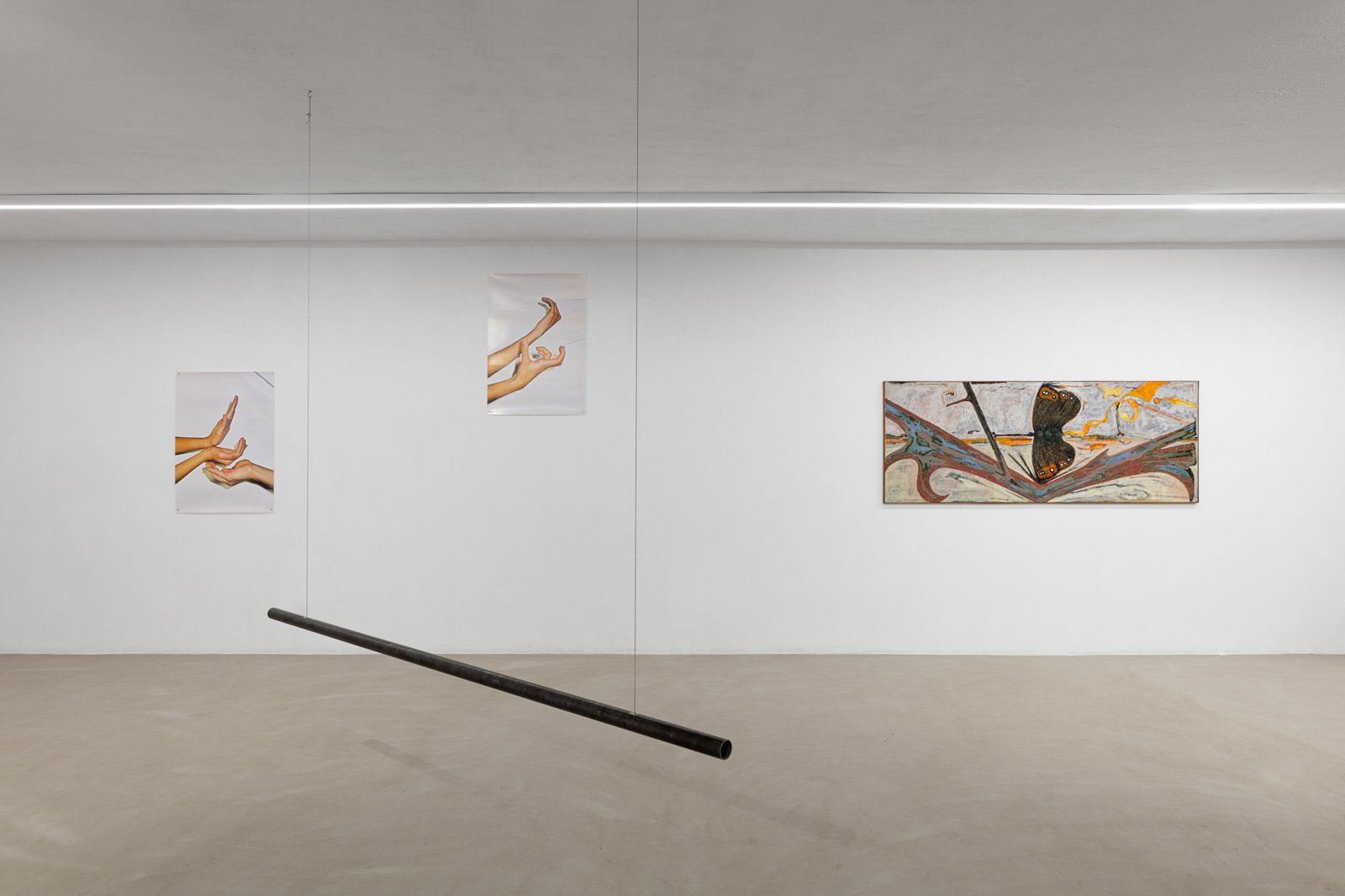
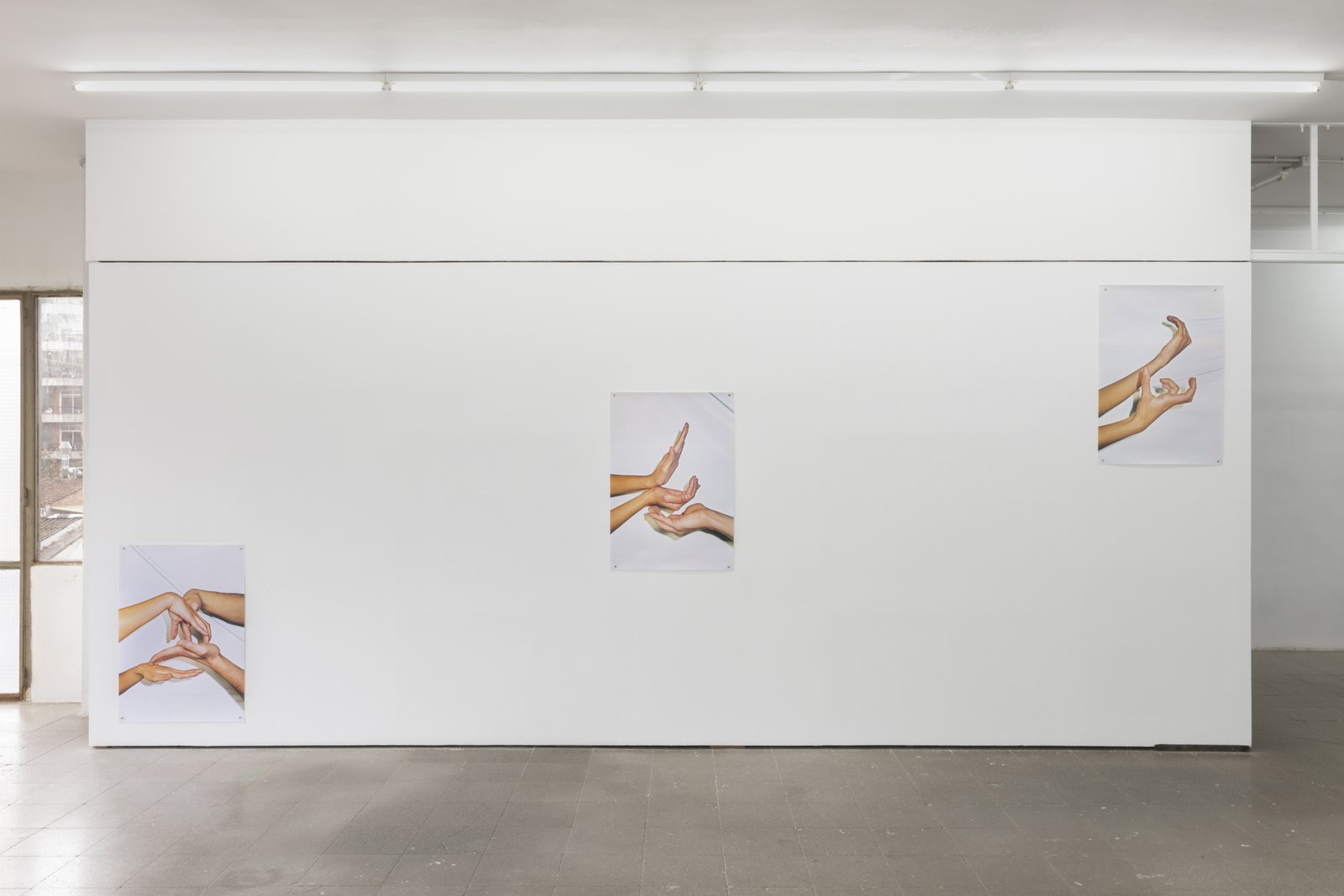
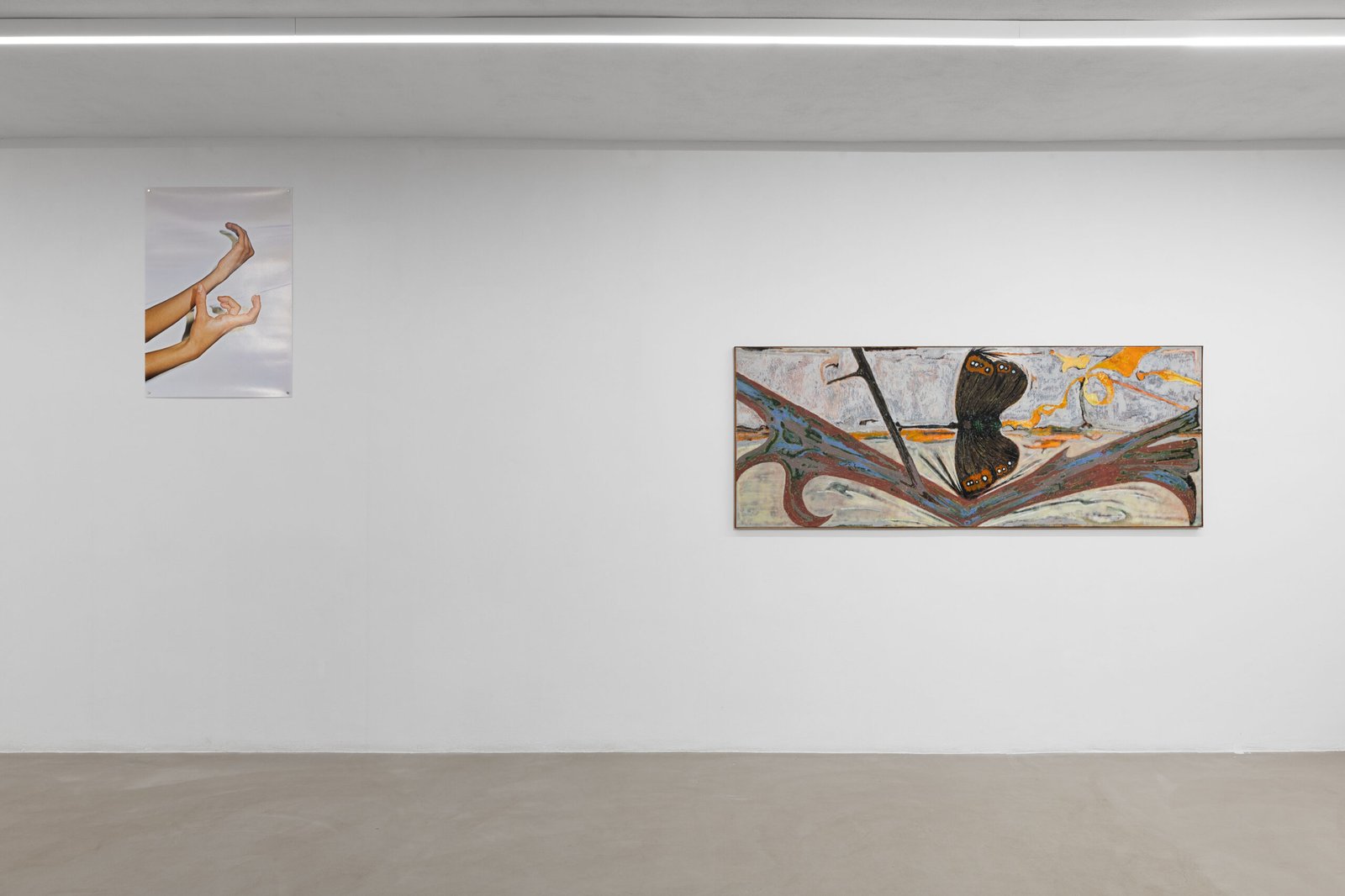
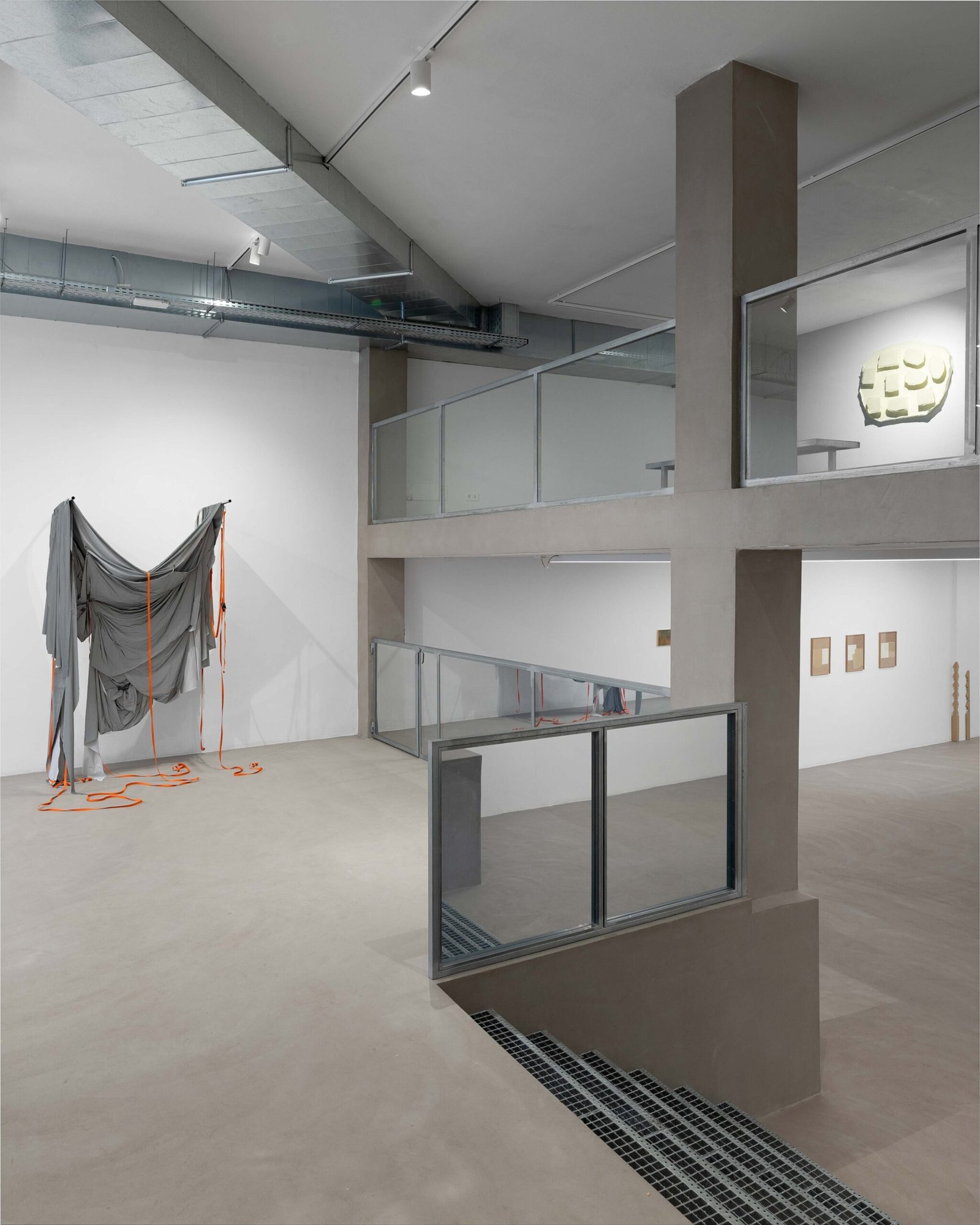
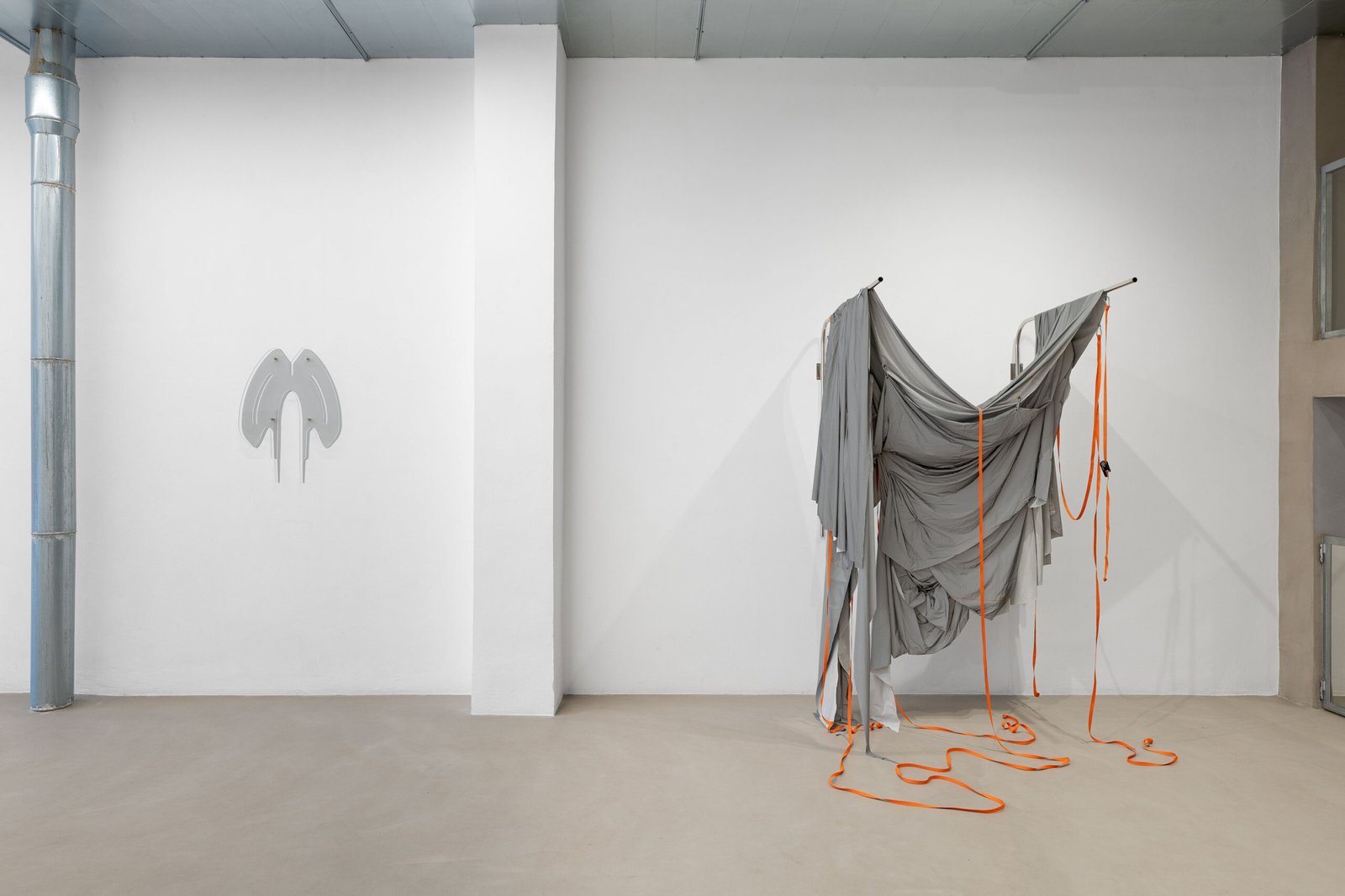
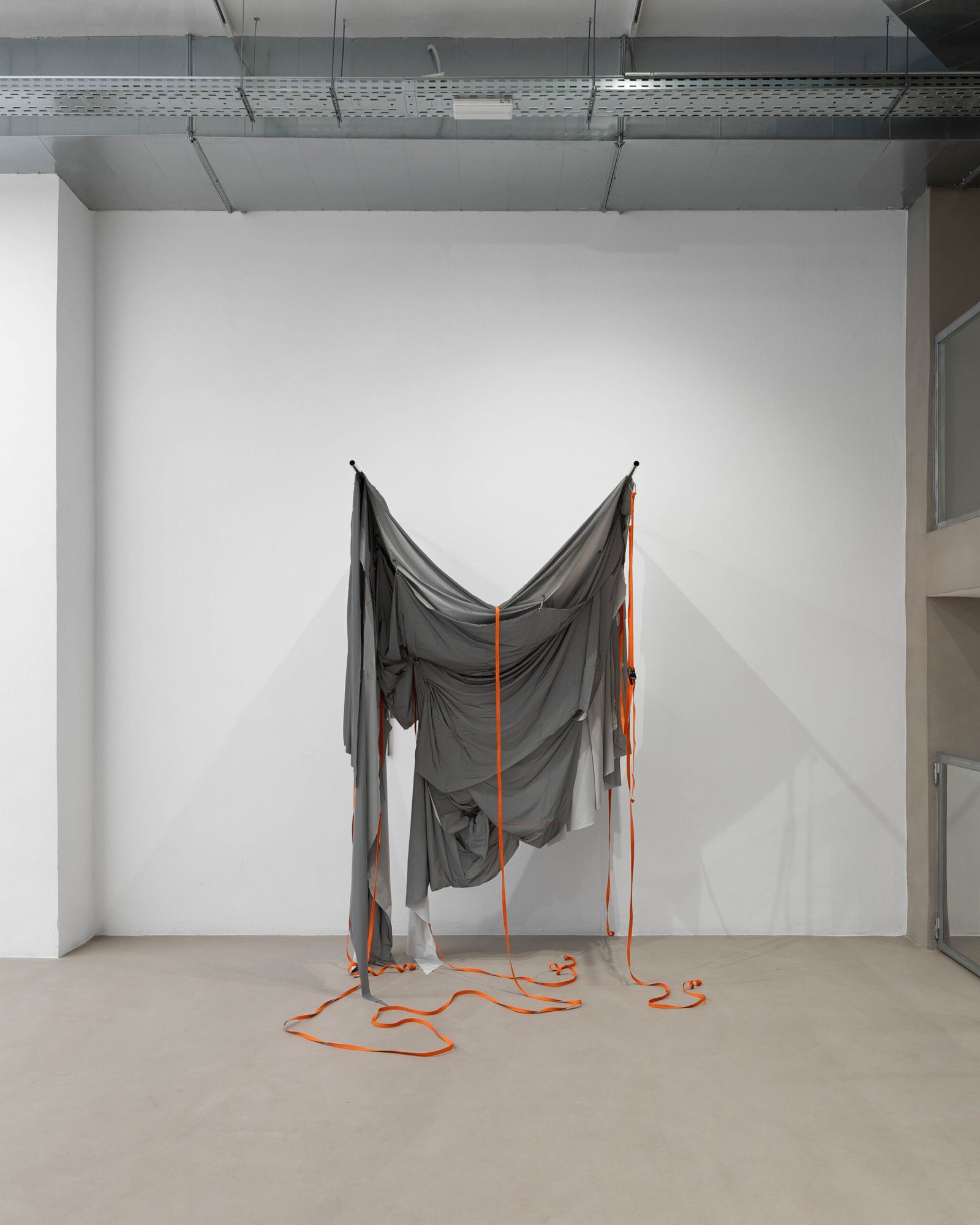
Natalia Domínguez’s works begin with the cloud as something impossible to capture or control. Her parachute series visually freeze the gesture of something falling, while also functioning as a metaphor for transitional states. Meanwhile, the photographs from her Cloud Observation Guide (2022) reveal porous relationships with our environment through the body. Hands reproduce the language of clouds through a nomenclature developed in the nineteenth century to describe their altitude, form and density.
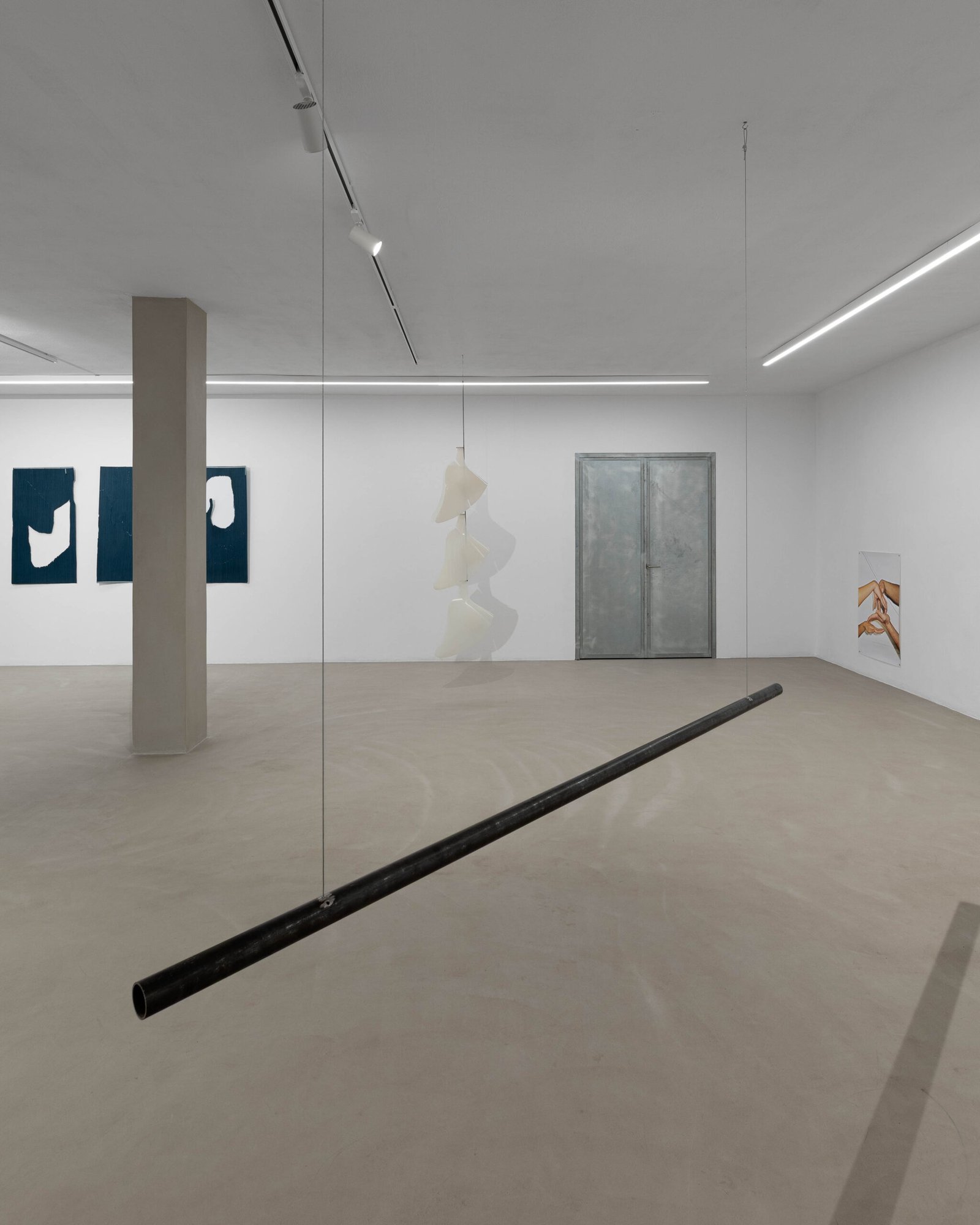
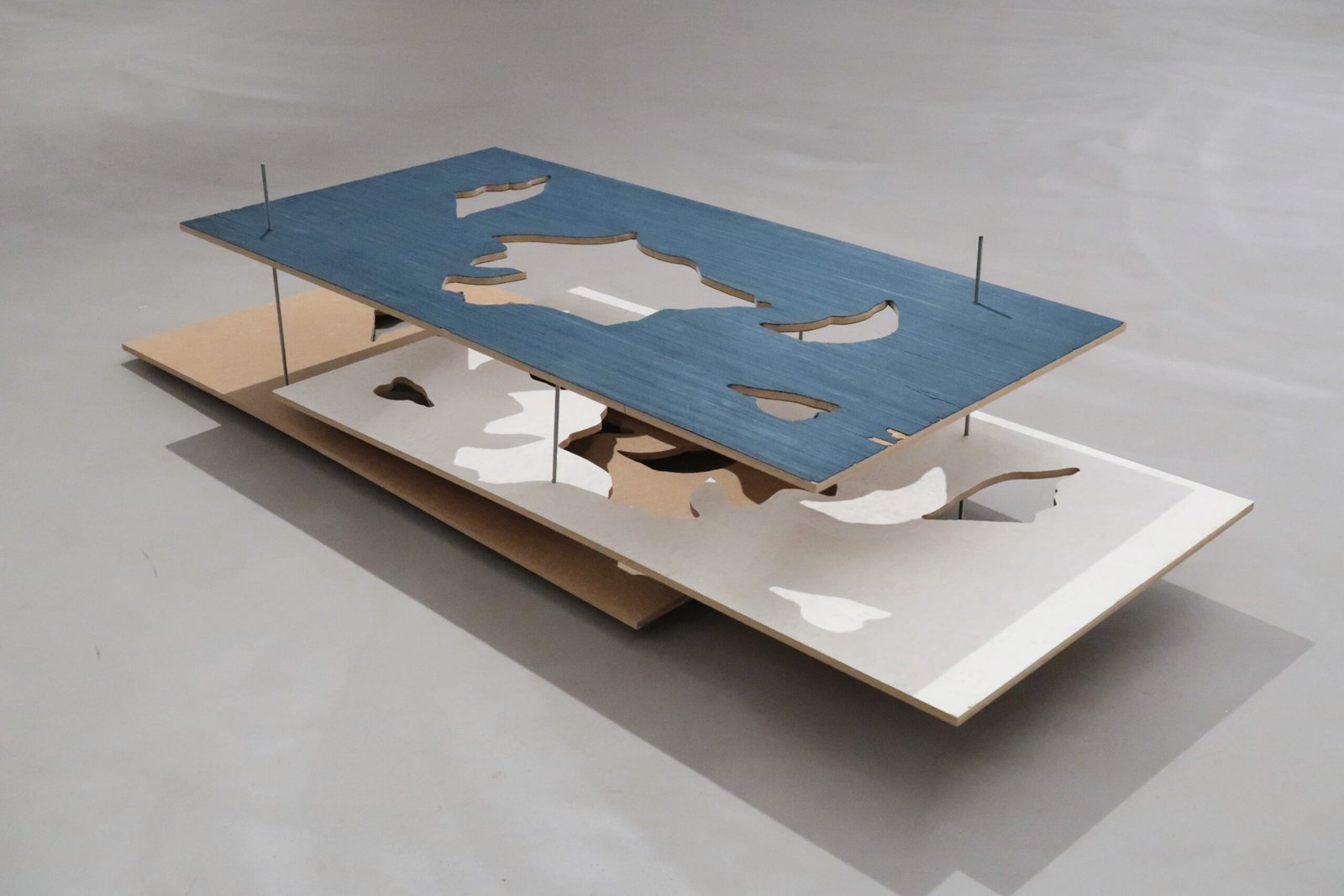
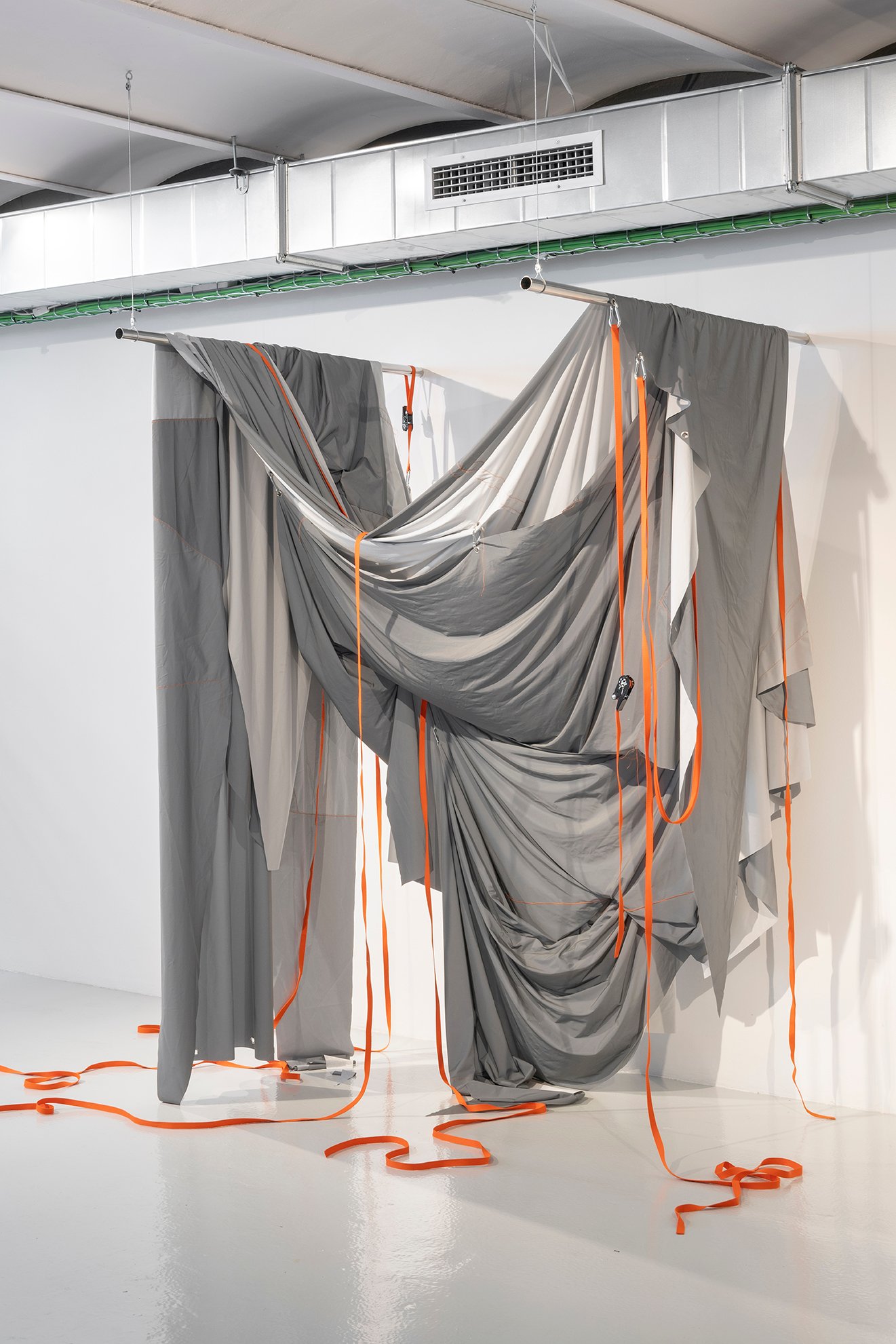
Density, fatigue and gravity also appear in the work of Portuguese artist Vera Mota. Through sculptural proposals and actions she explores the behavior of materials and their tendency to move between states. In Performing Matters (2024), the slow descent of silicone from a metal bar suspended from the ceiling produces a tension between control and surrender, while a new hanging structure enables sonic activations within the space.
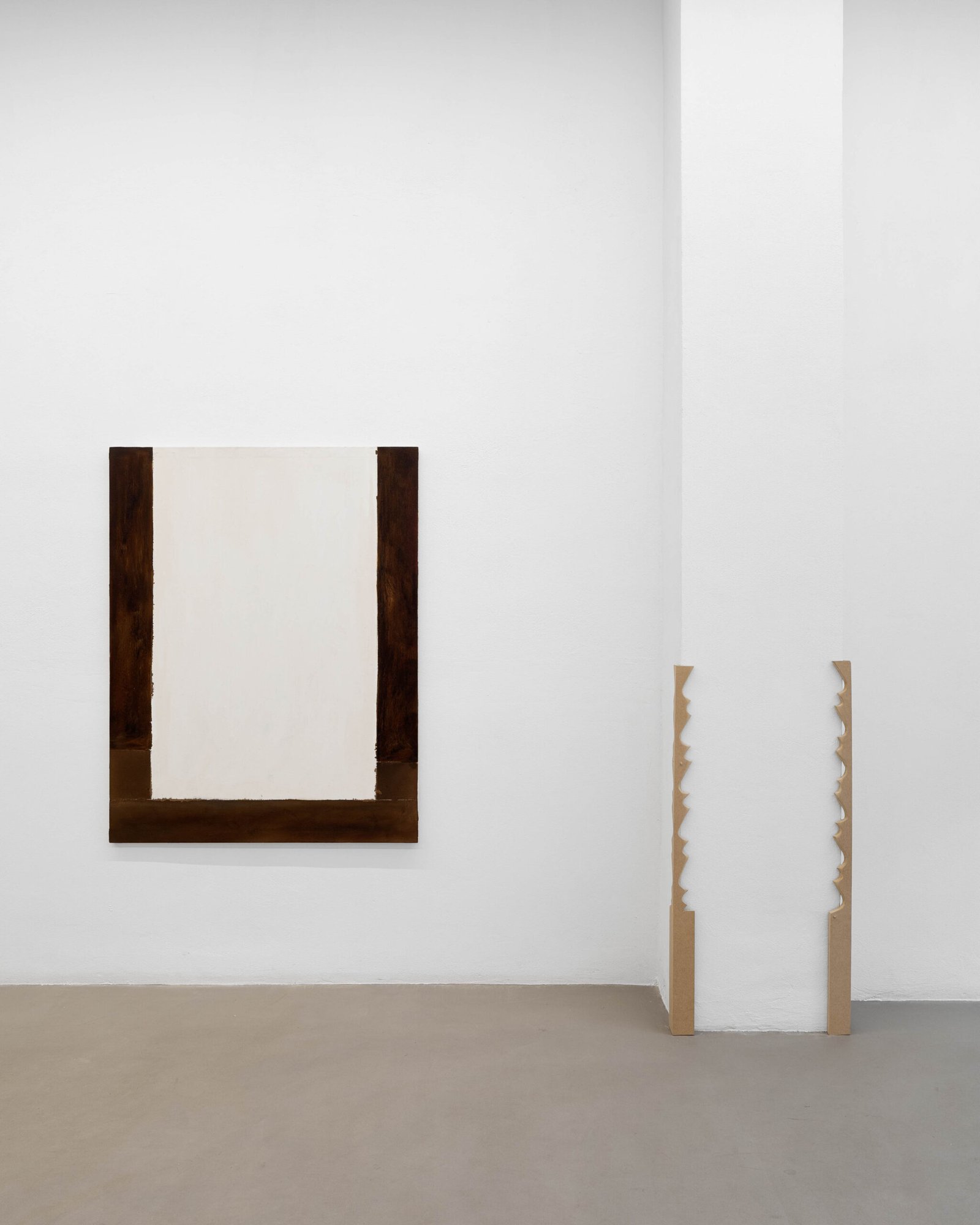
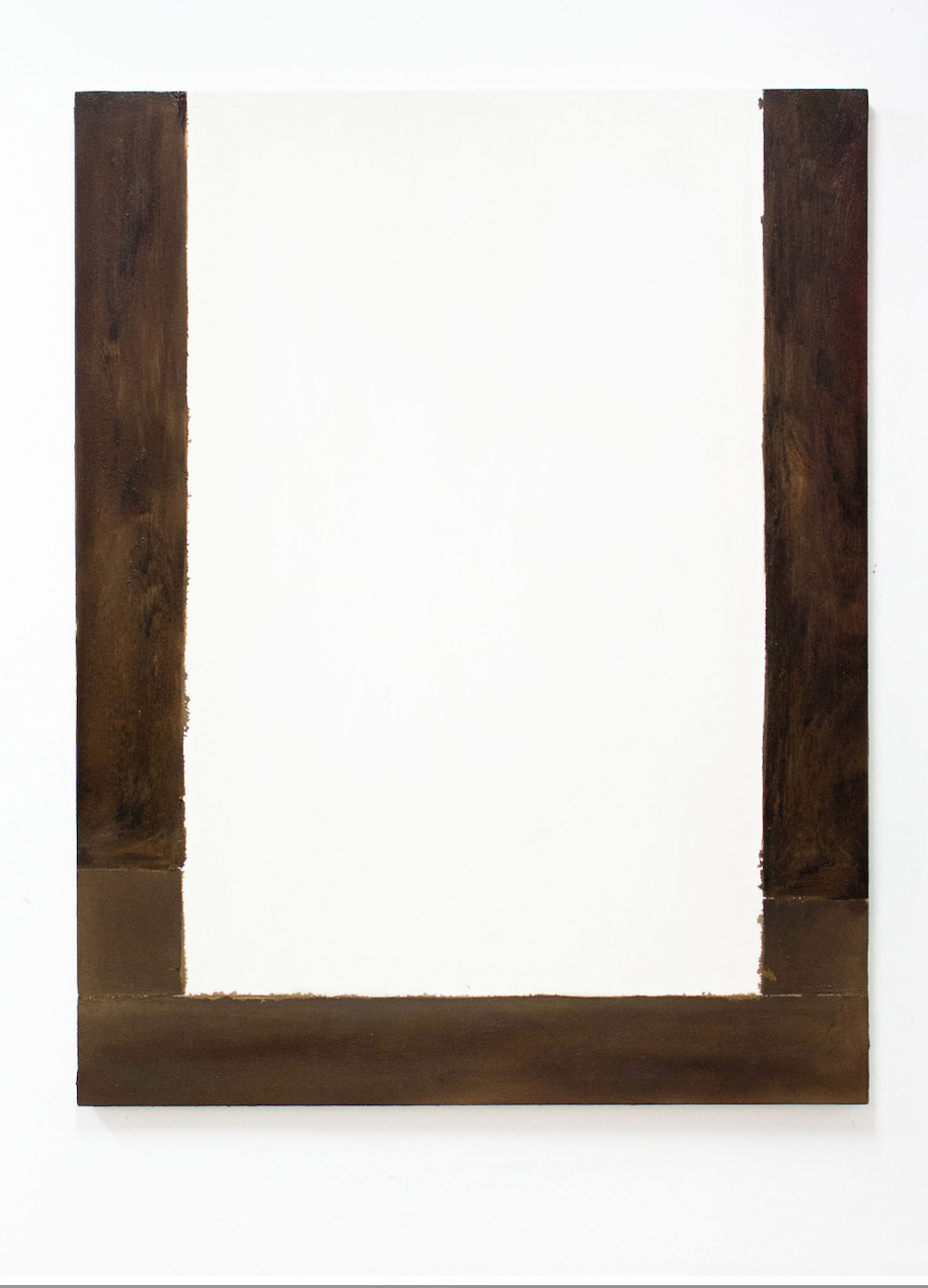
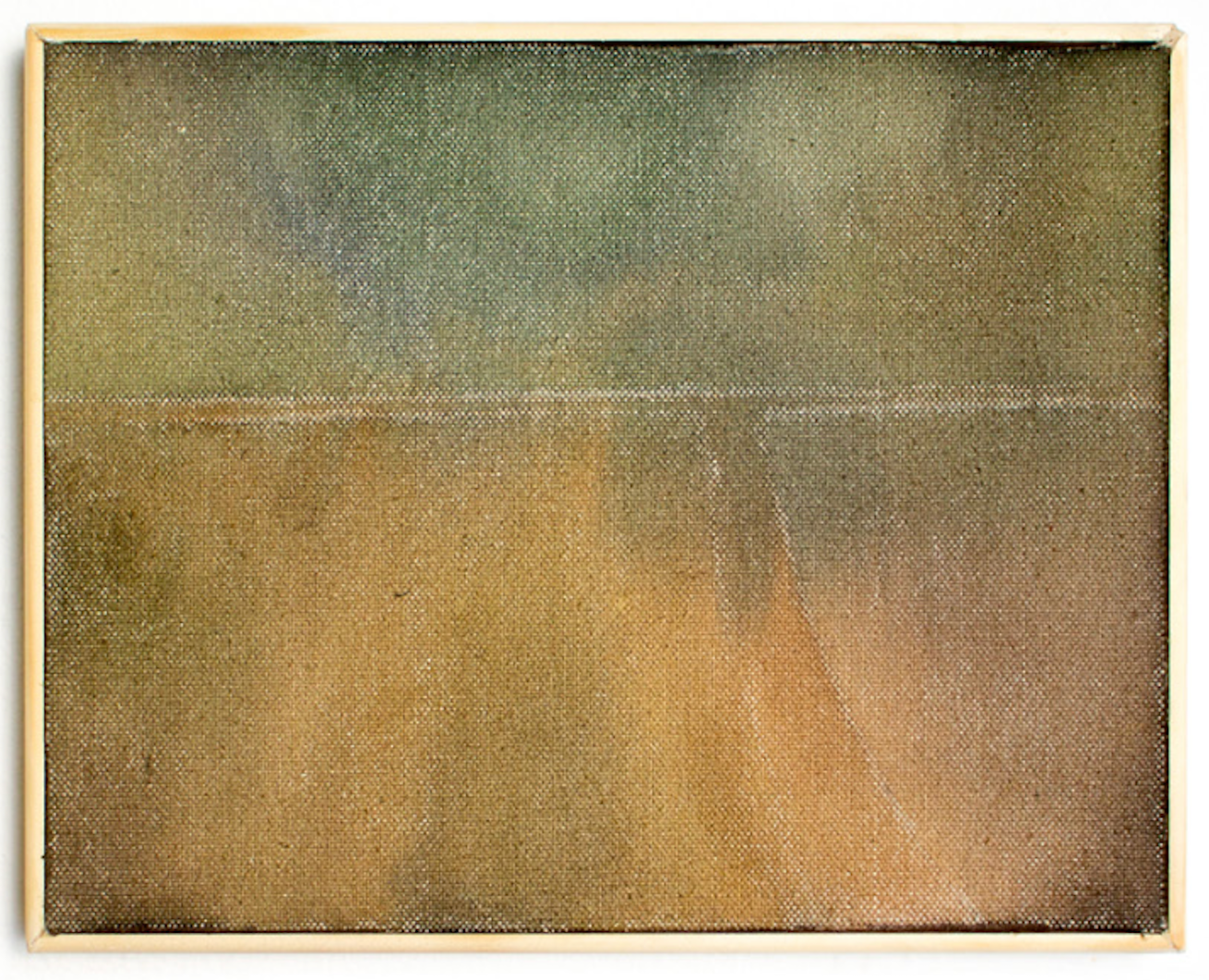
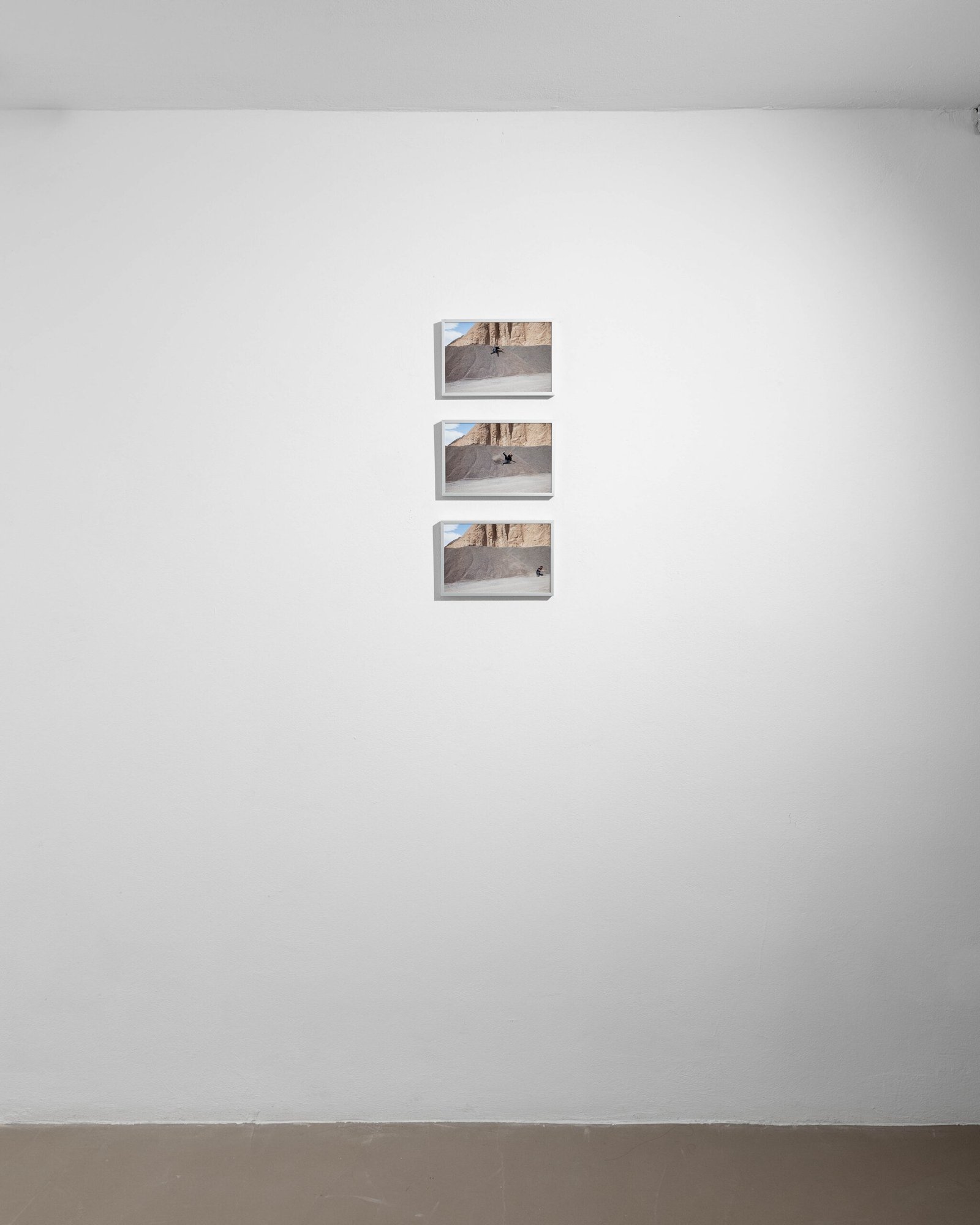
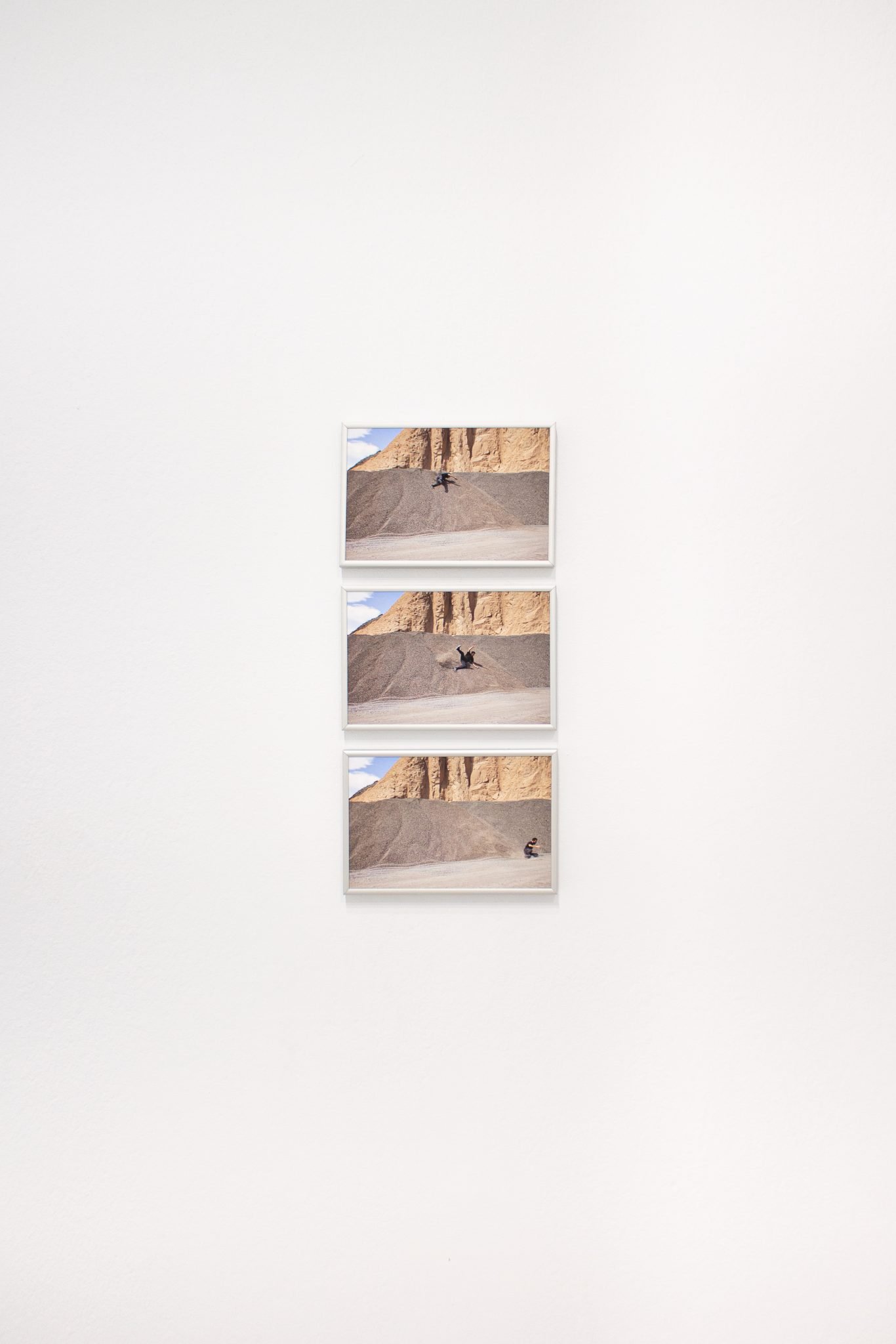
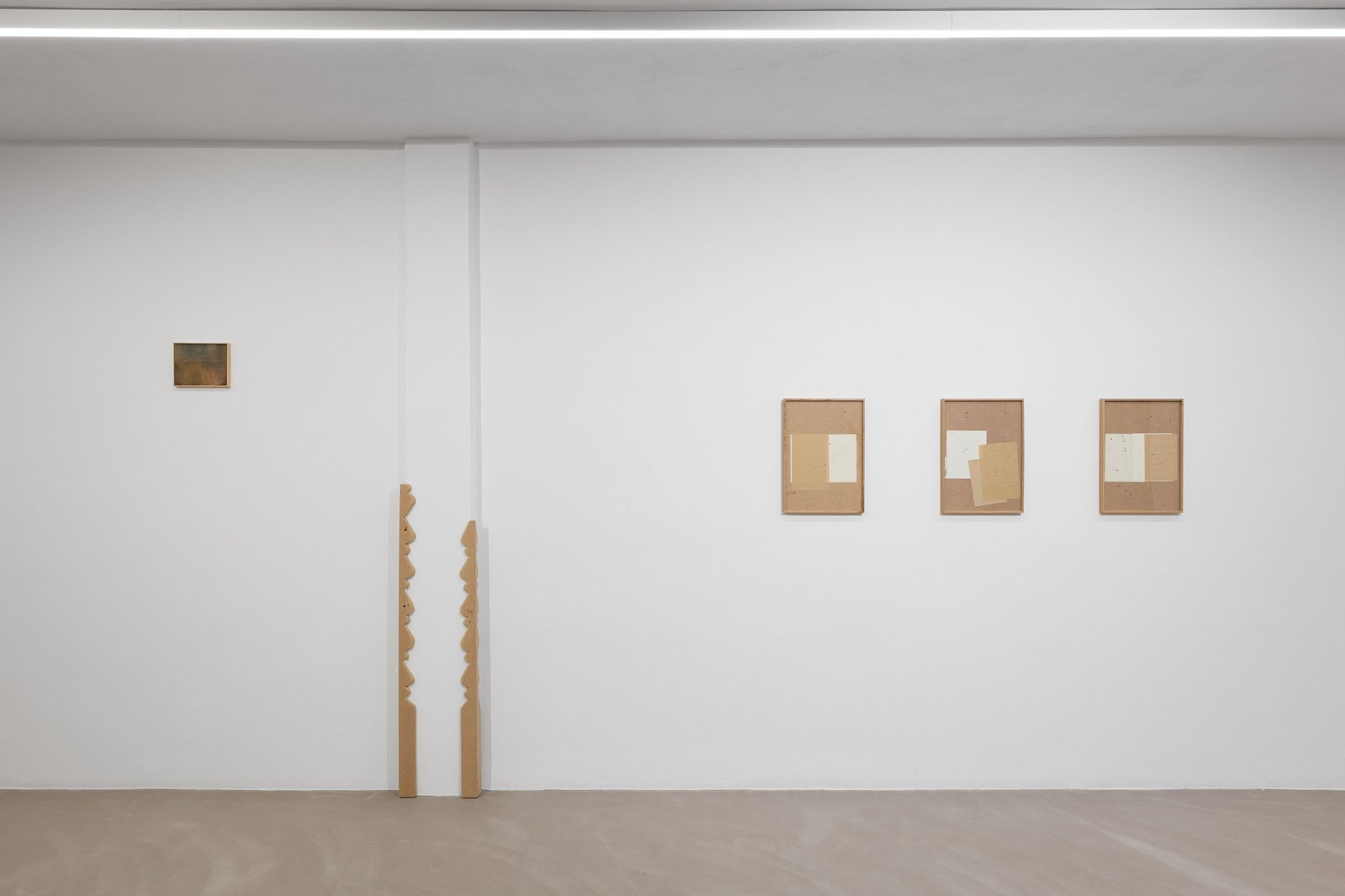
Falling also appears in the work of Álvaro Porras, who lets himself roll down a cobbled hillside in Opera (2025). This three-act action echoes artists such as Bas Jan Ader and Giovanni Anselmo, situating itself within a lineage of minimal gestures. In contrast to this performative dimension, his paintings present a dense material presence that embraces emptiness while continuously questioning the limits of landscape.
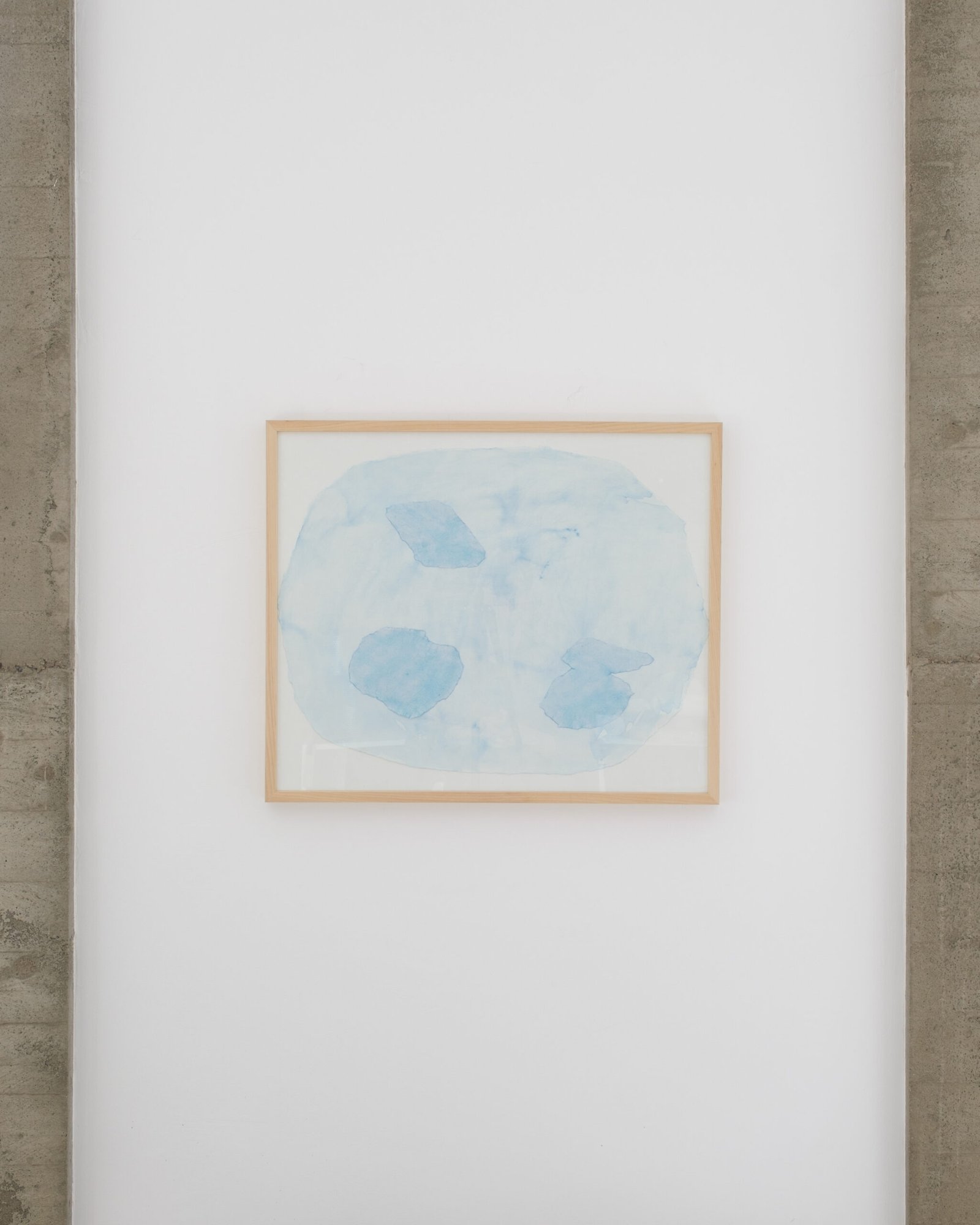
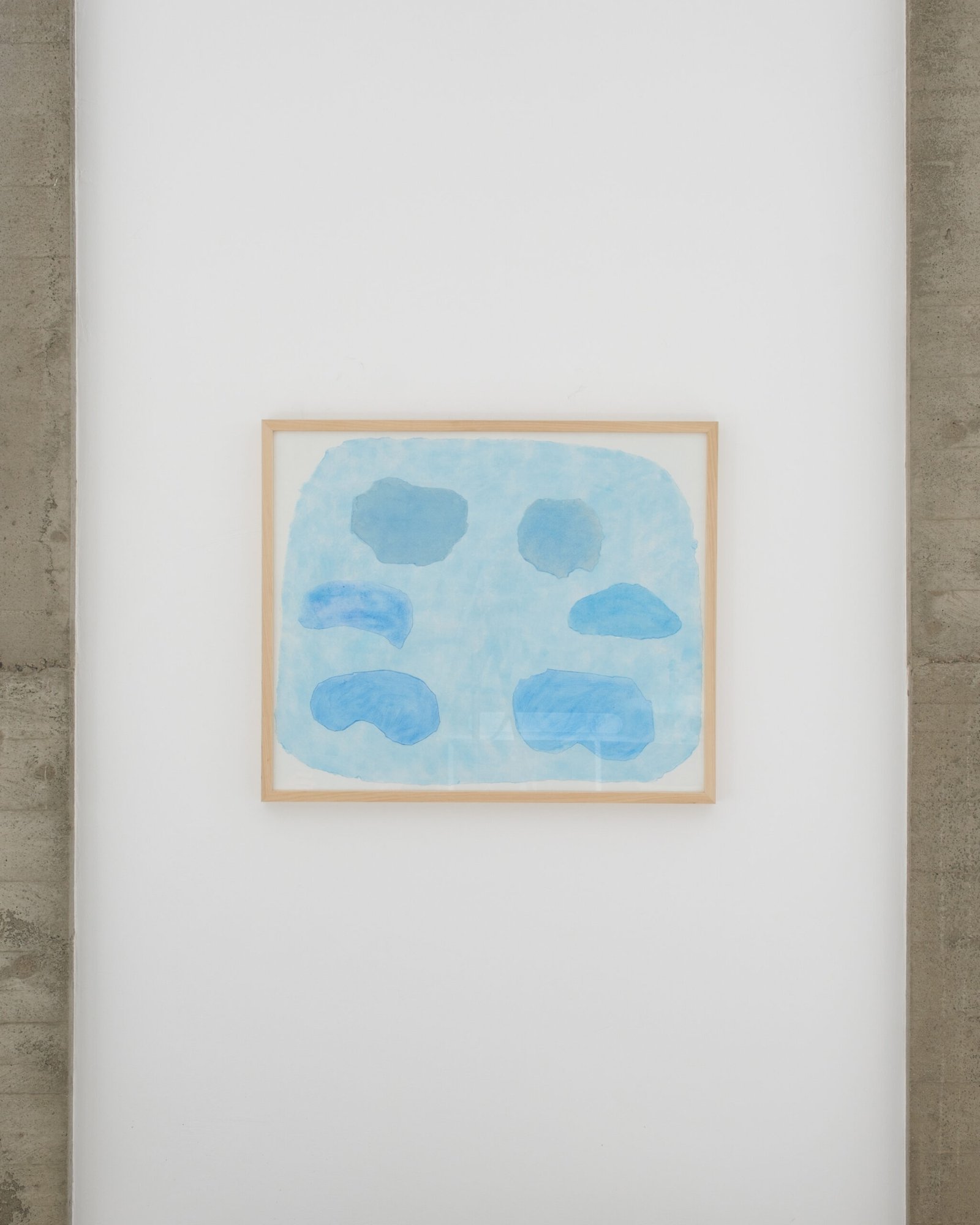
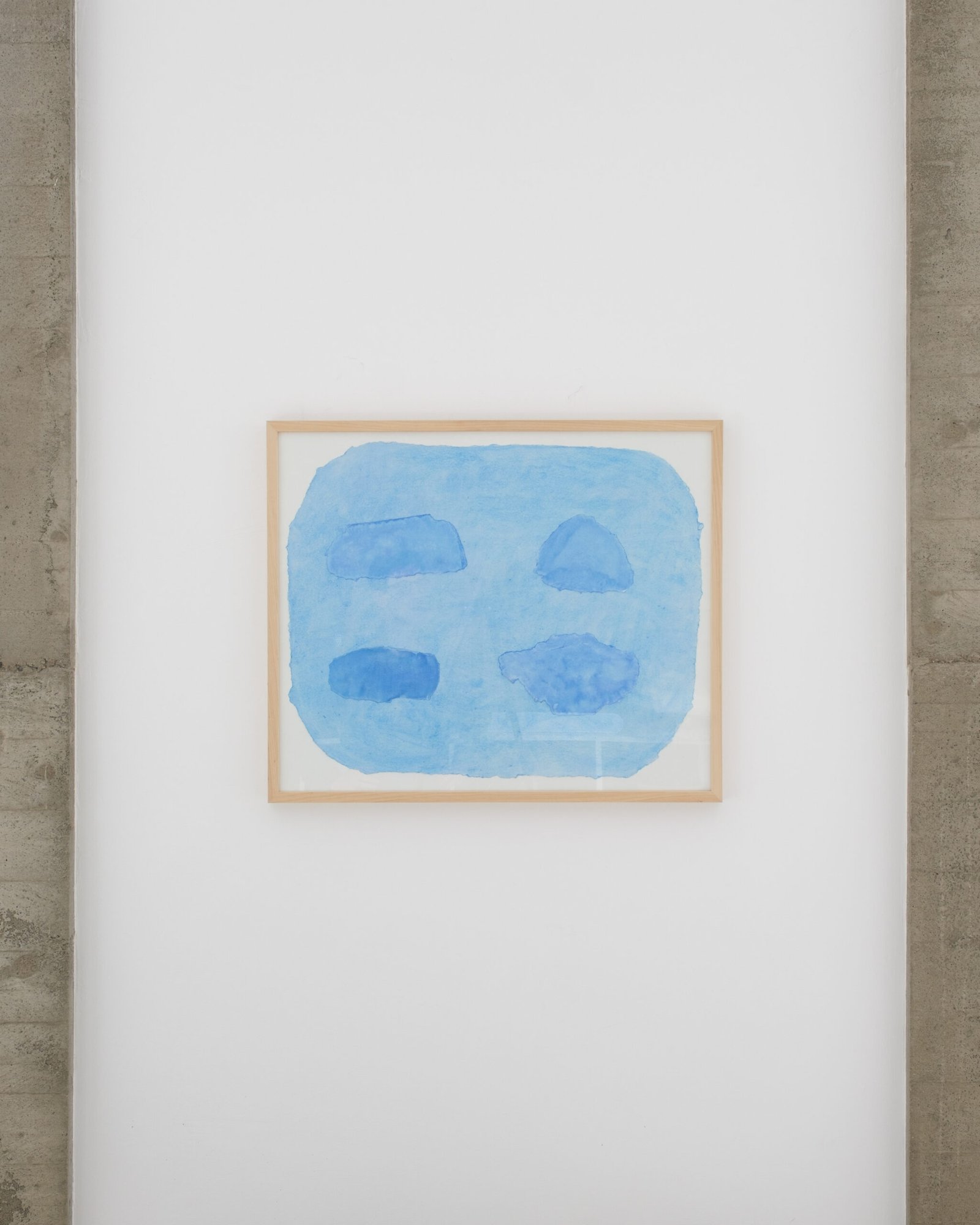
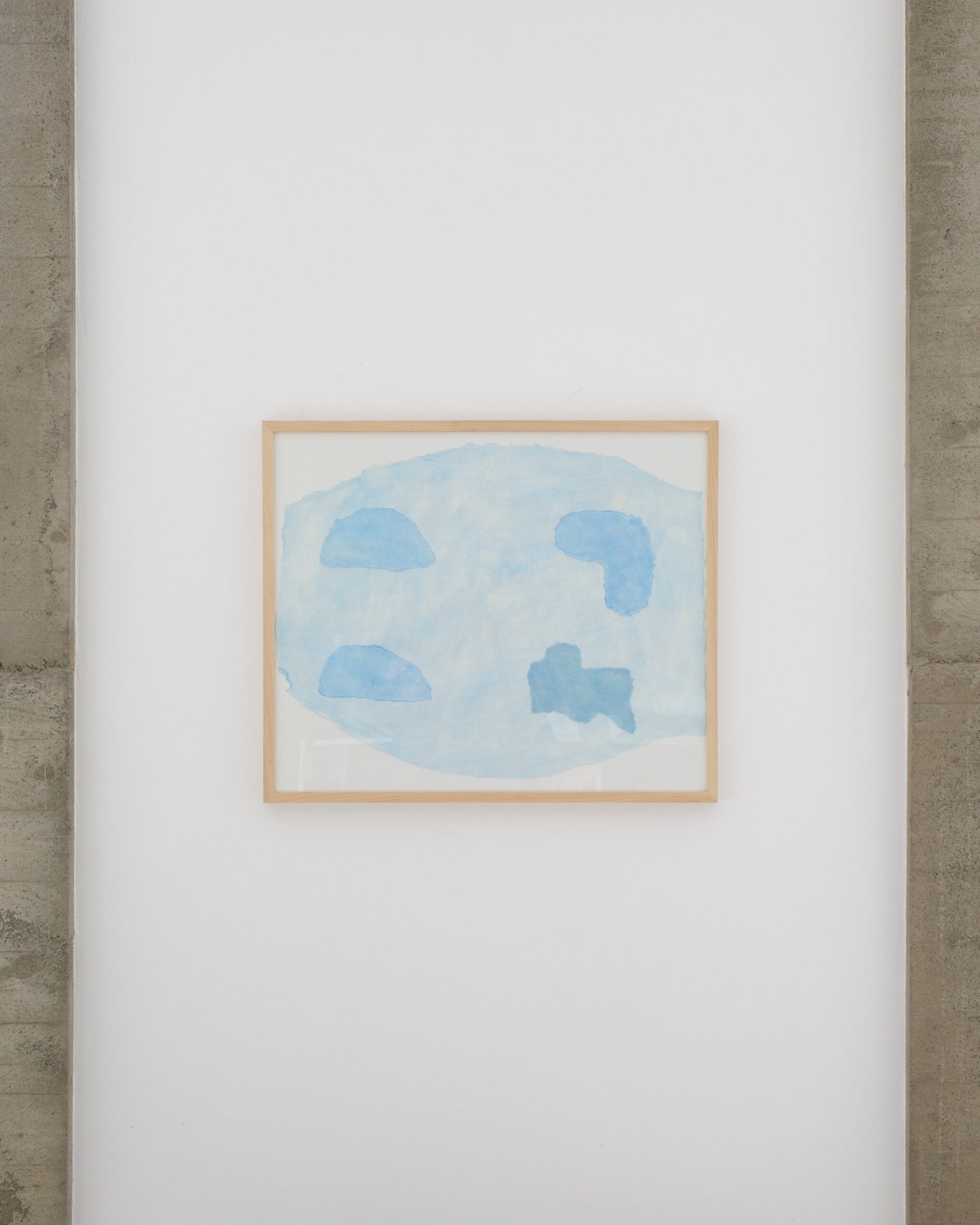
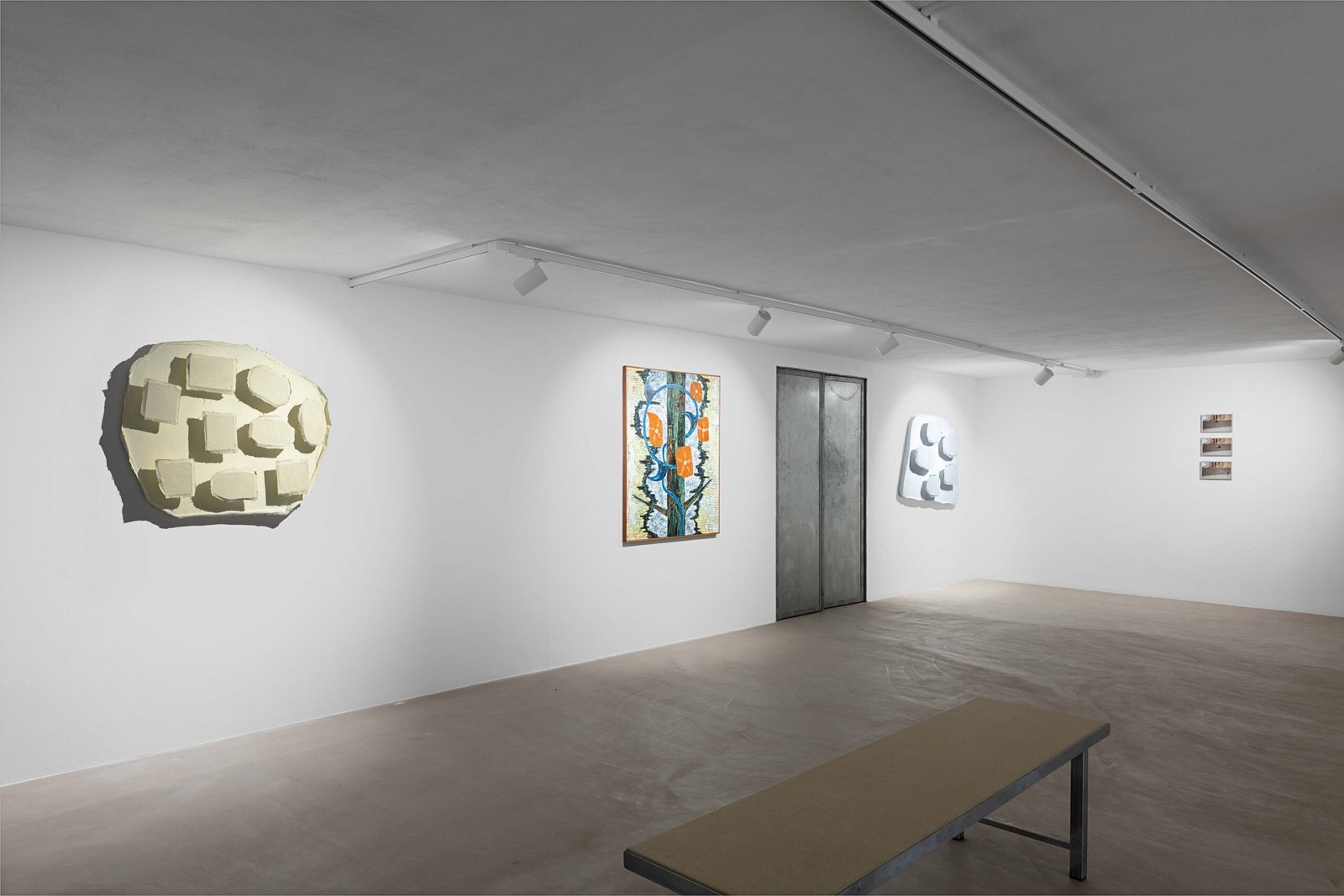
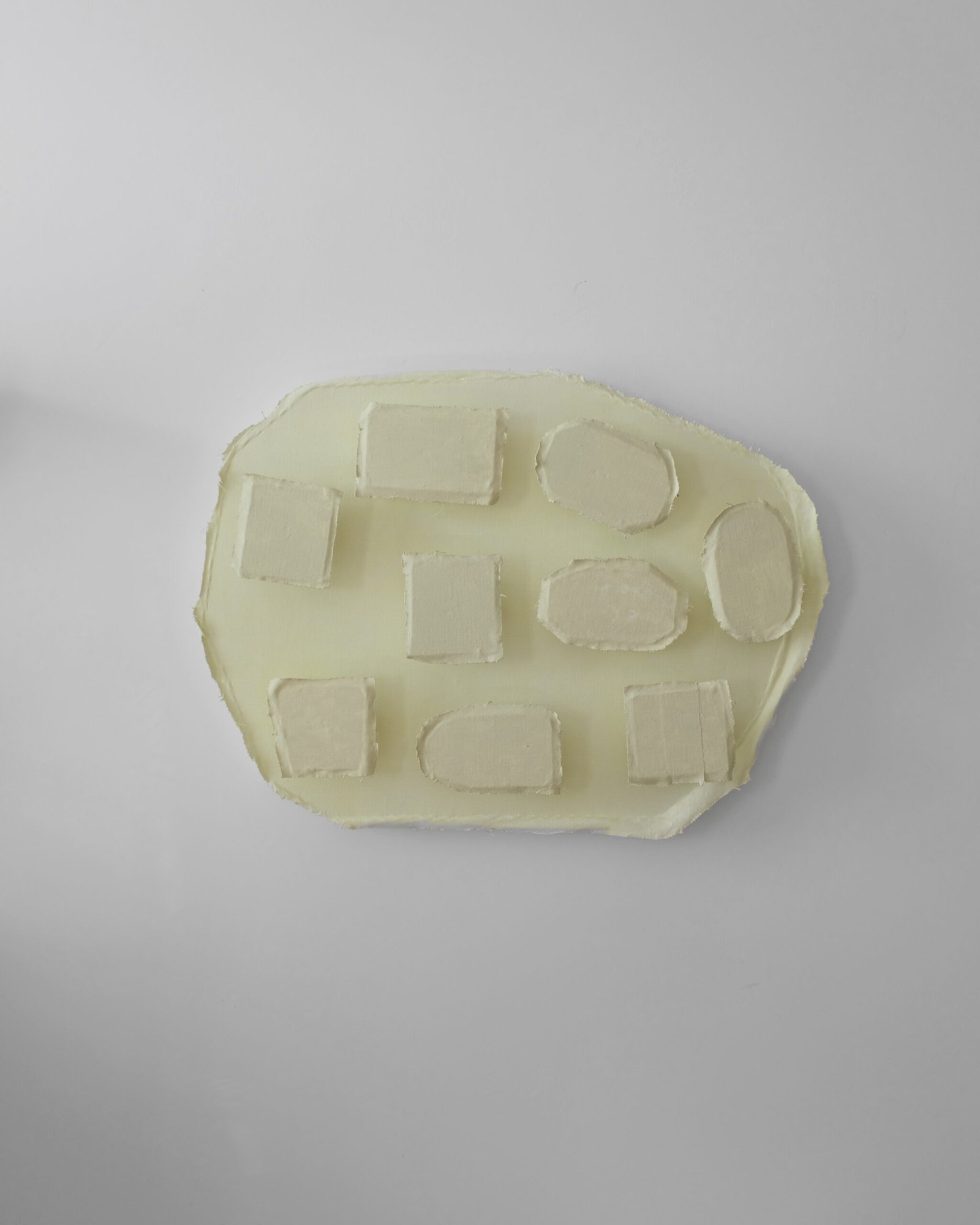
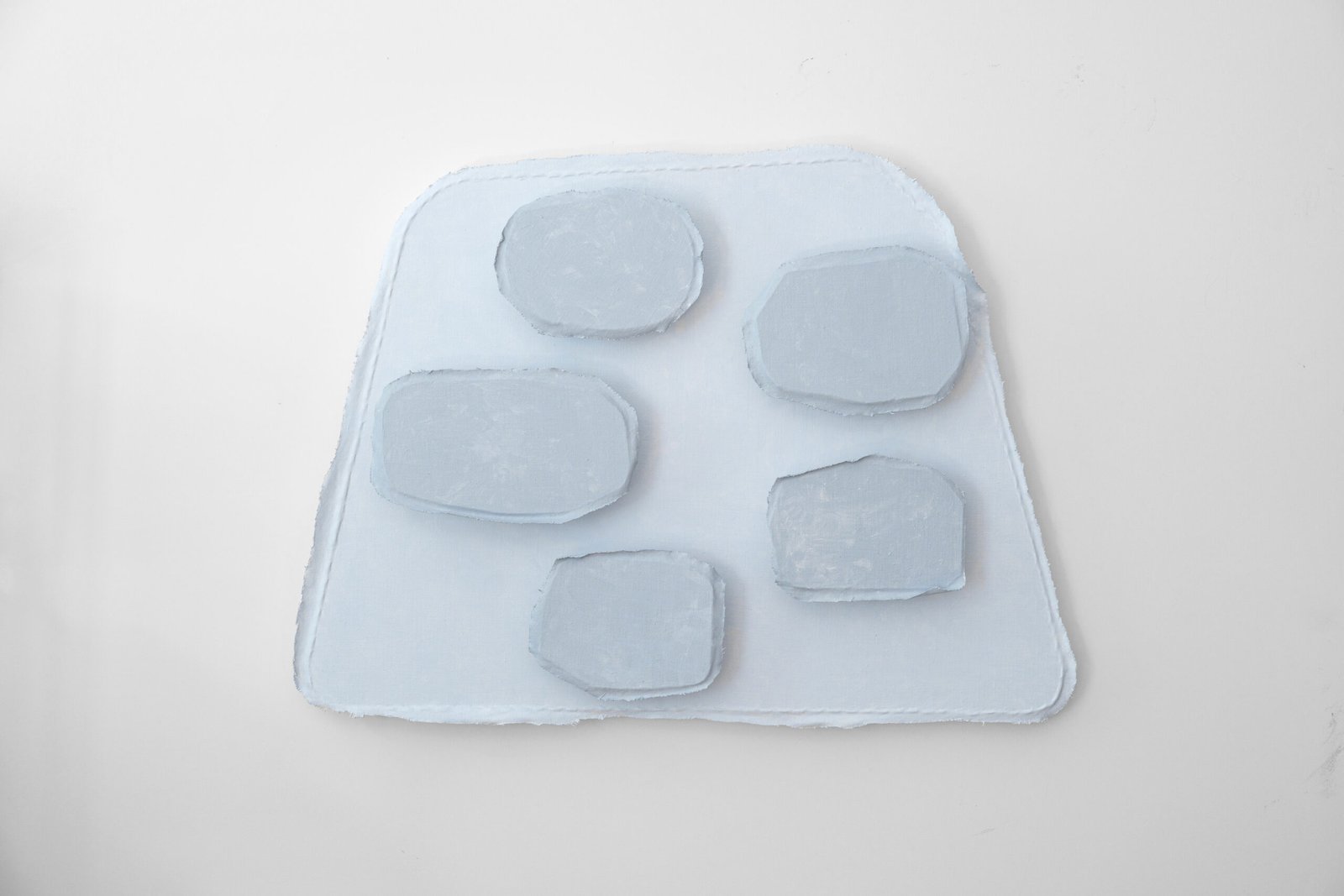
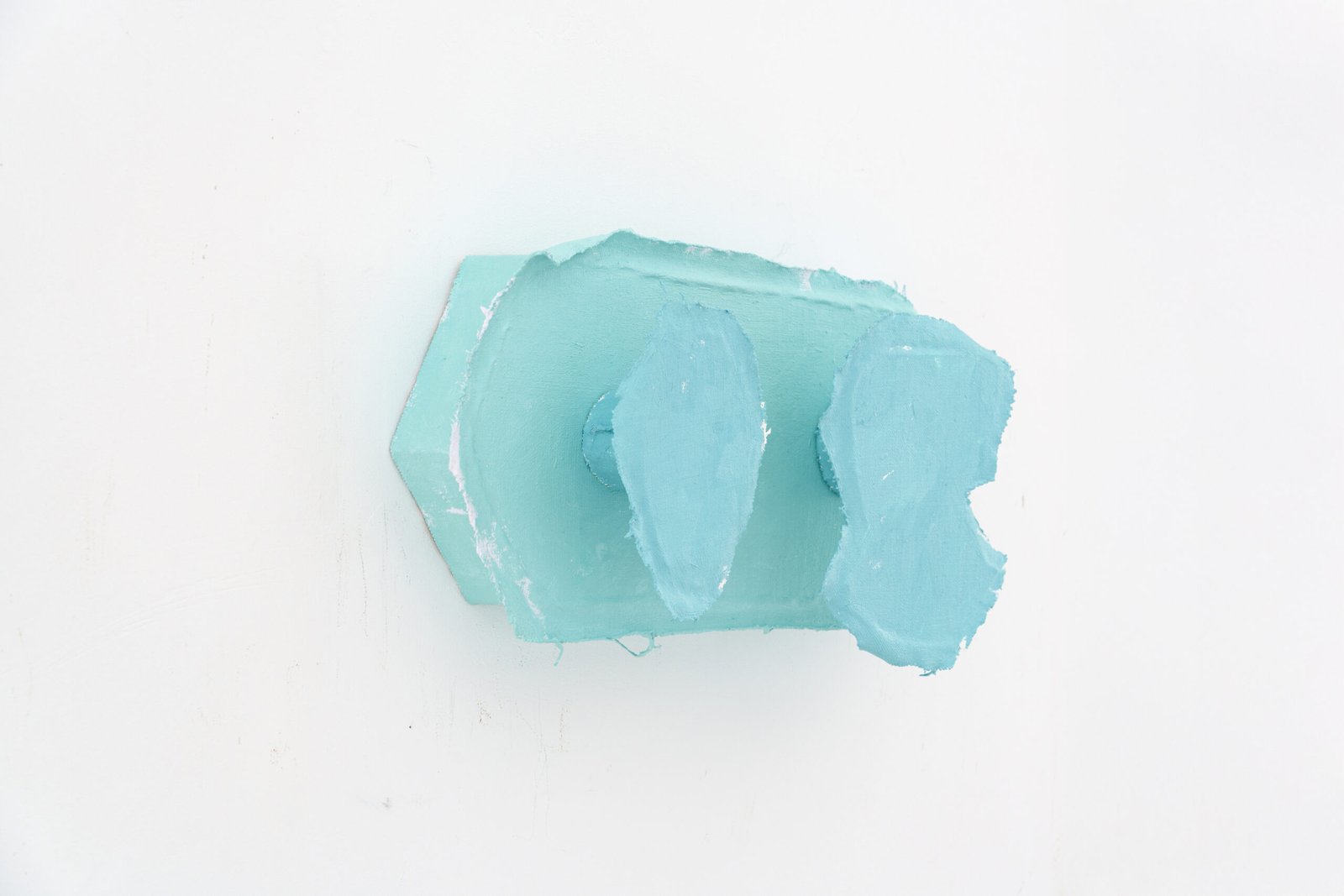
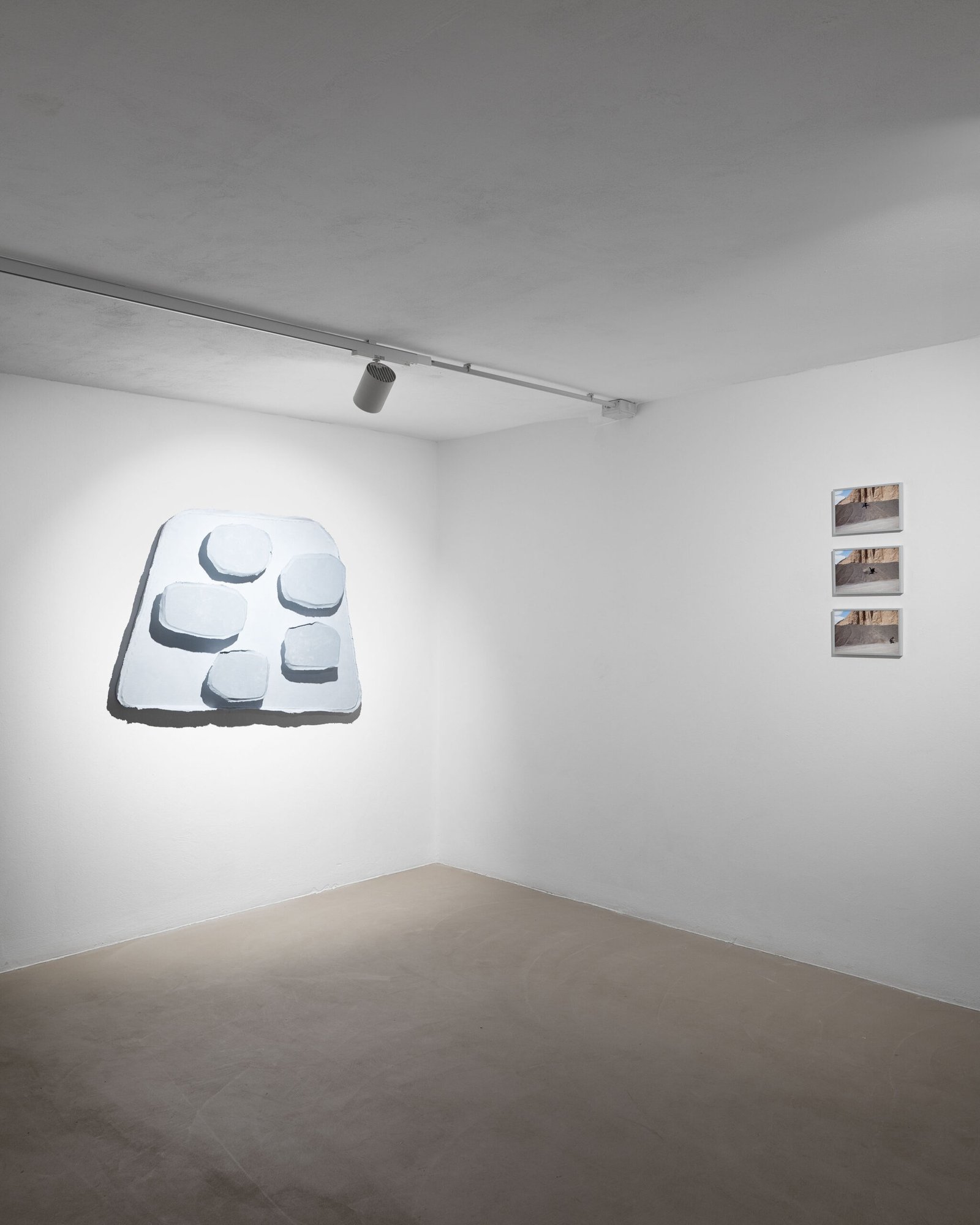
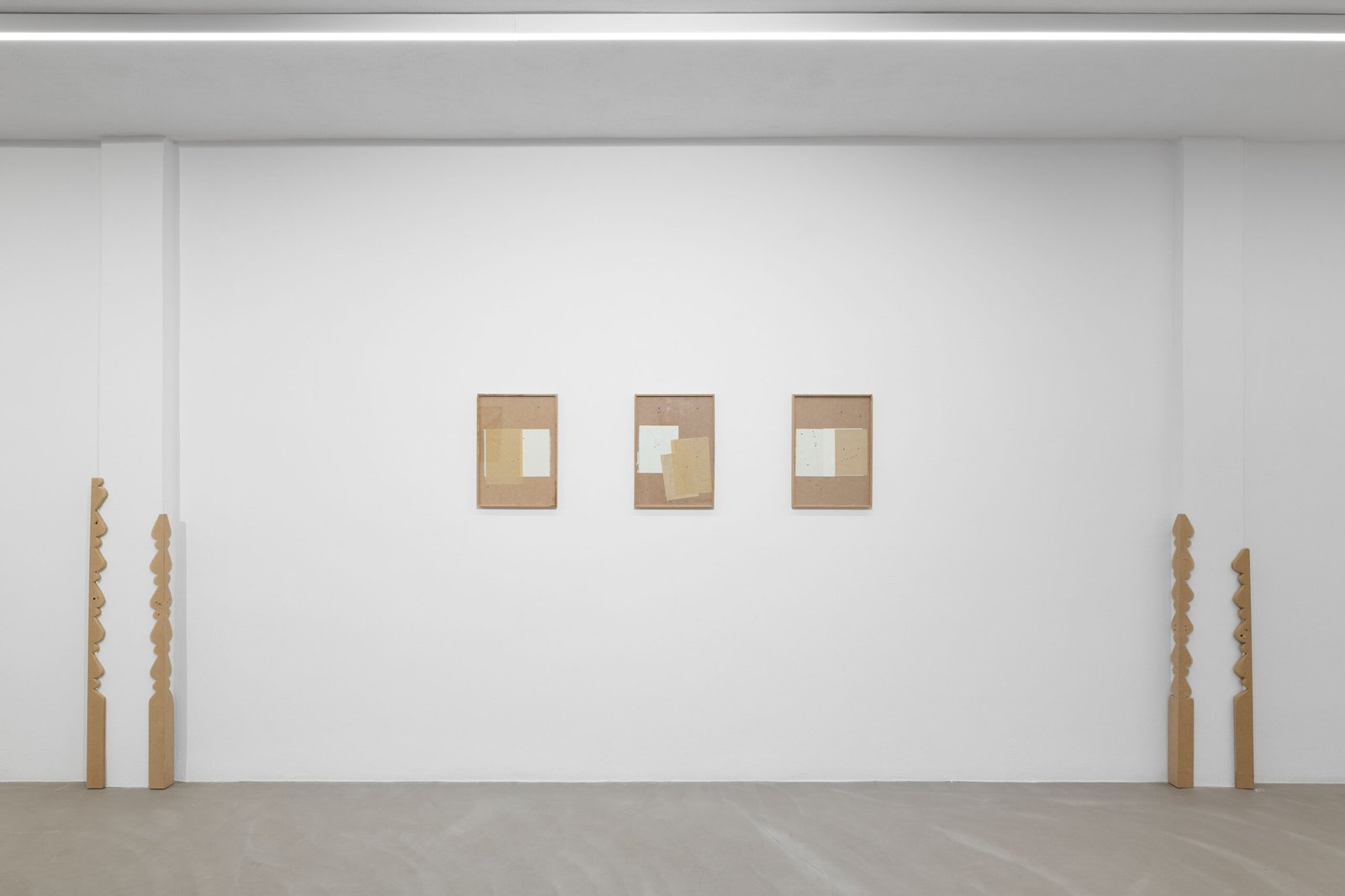
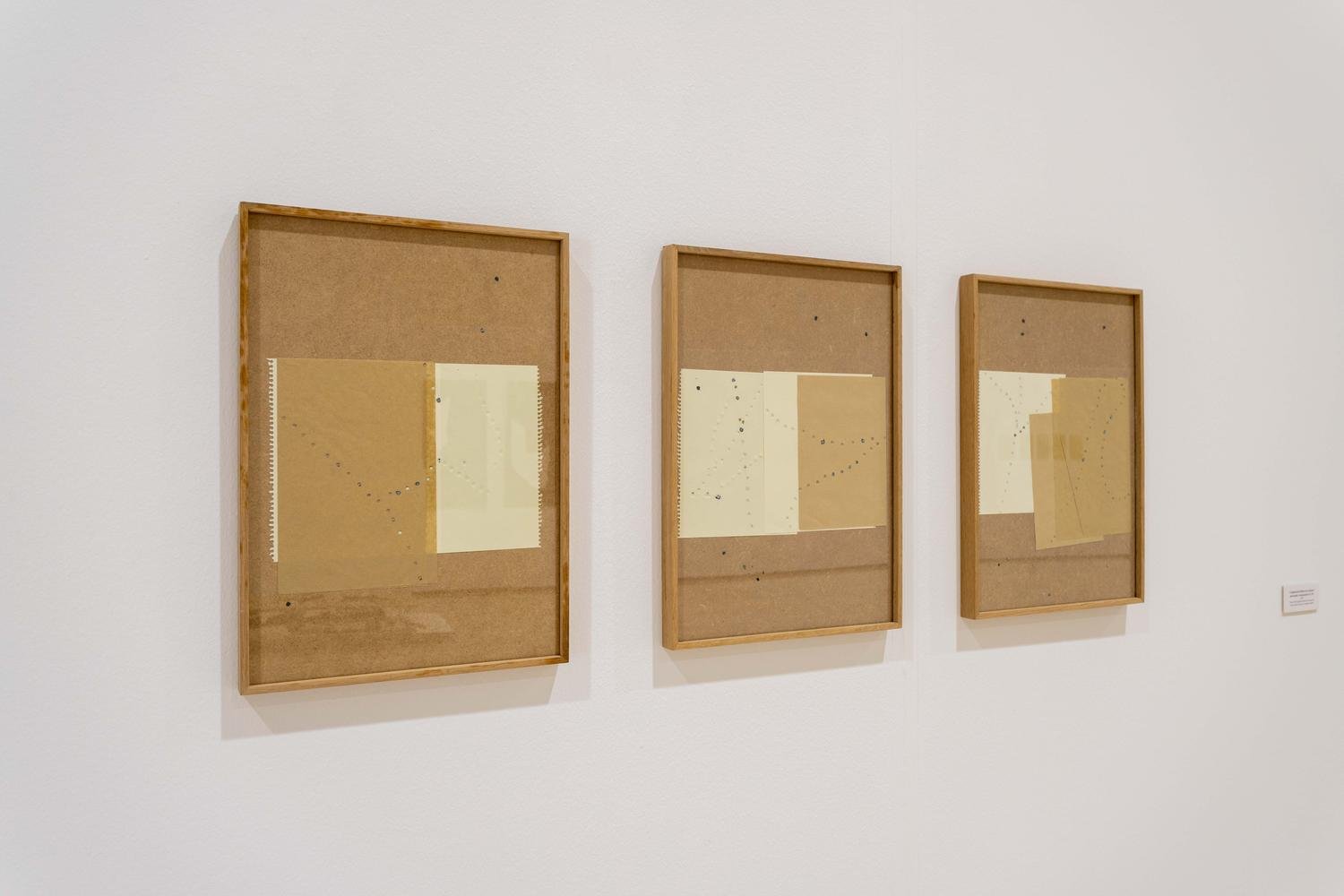
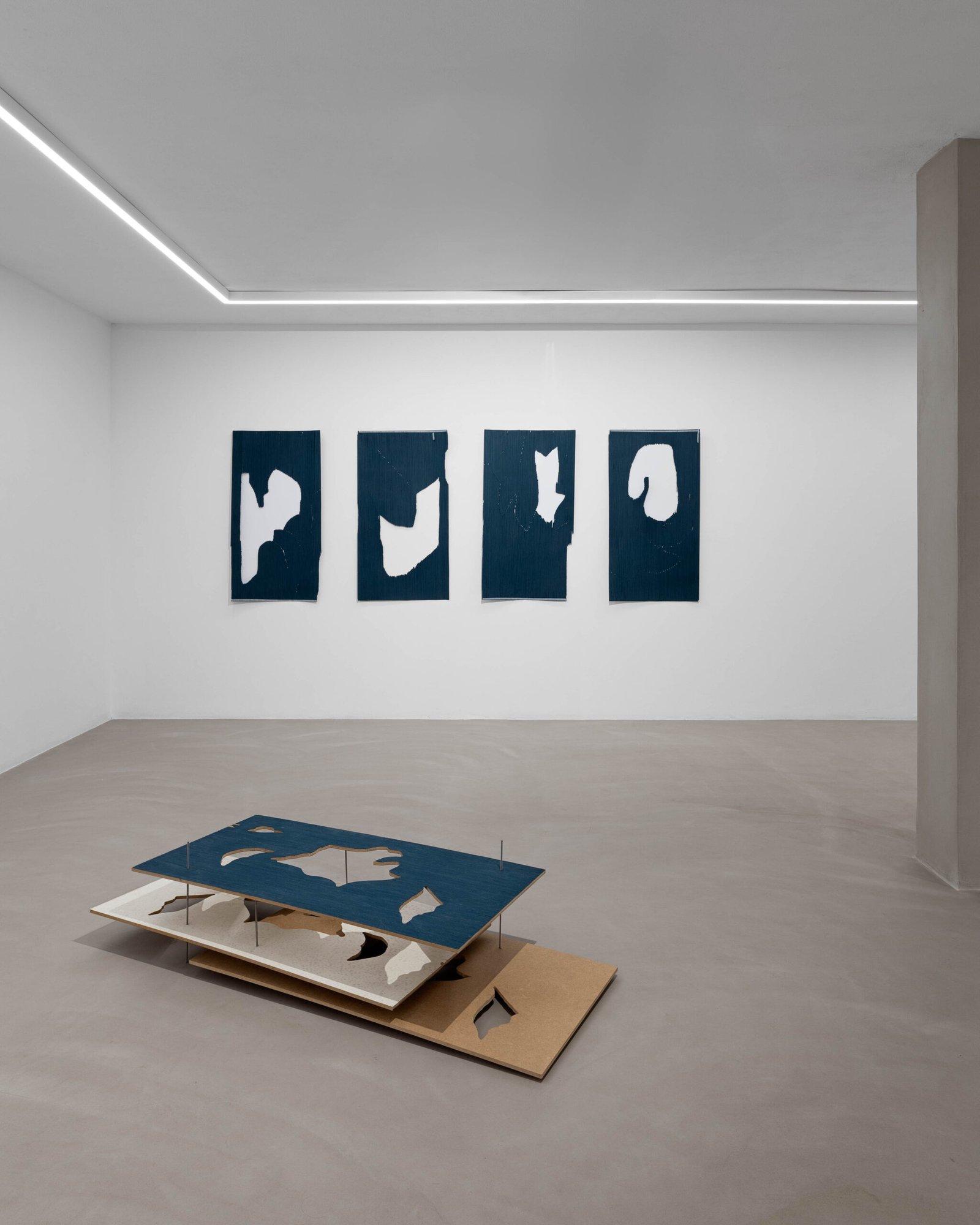
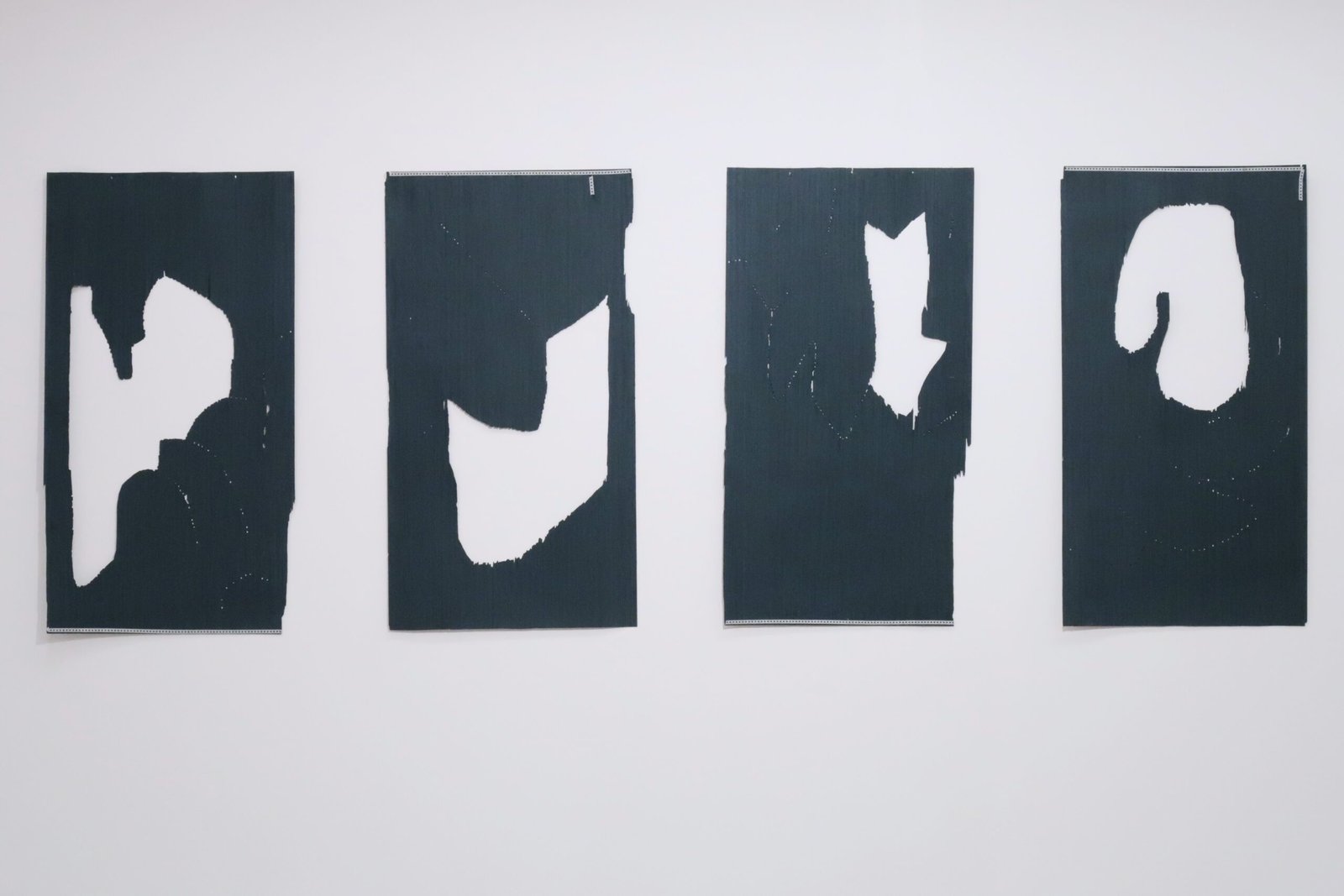
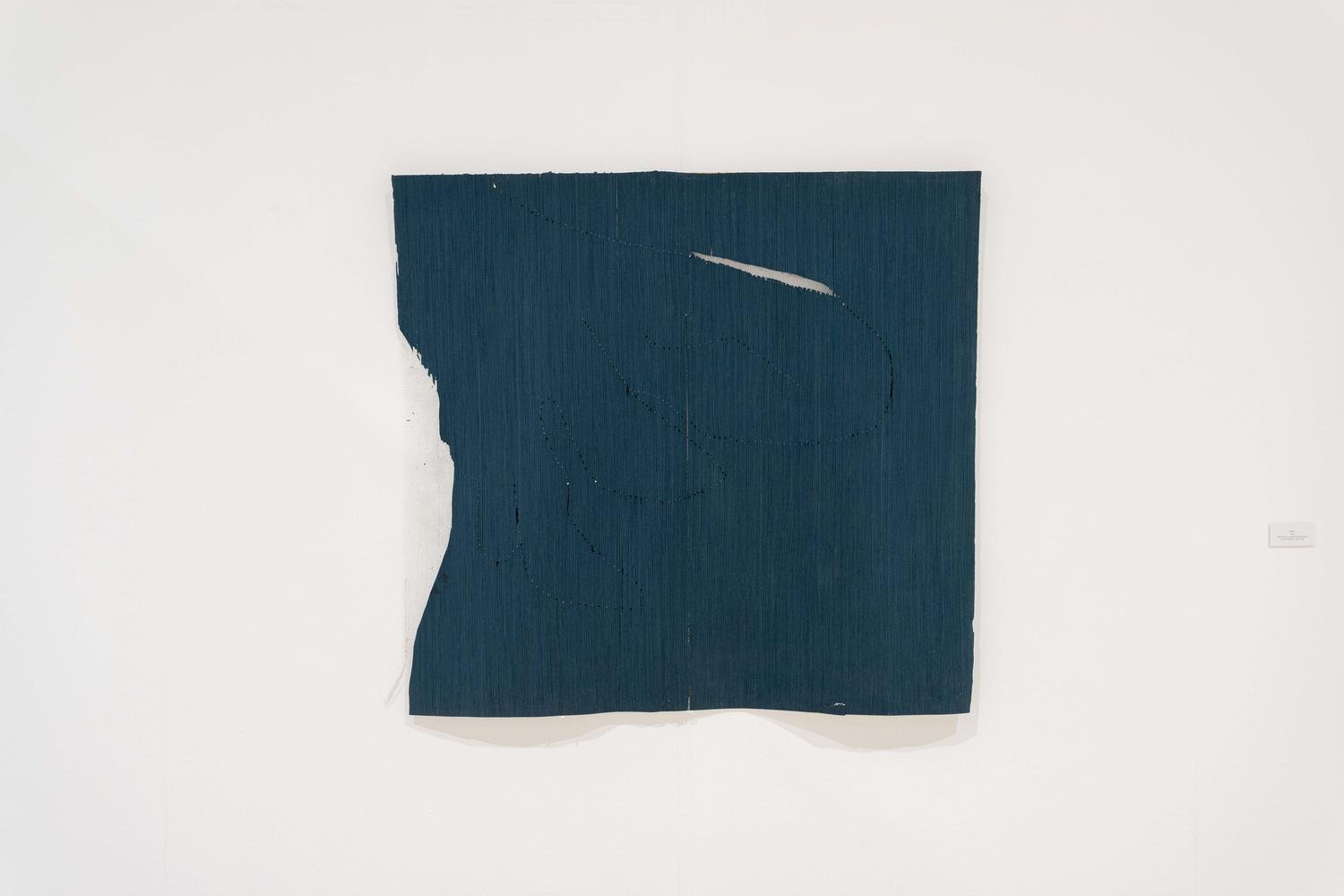
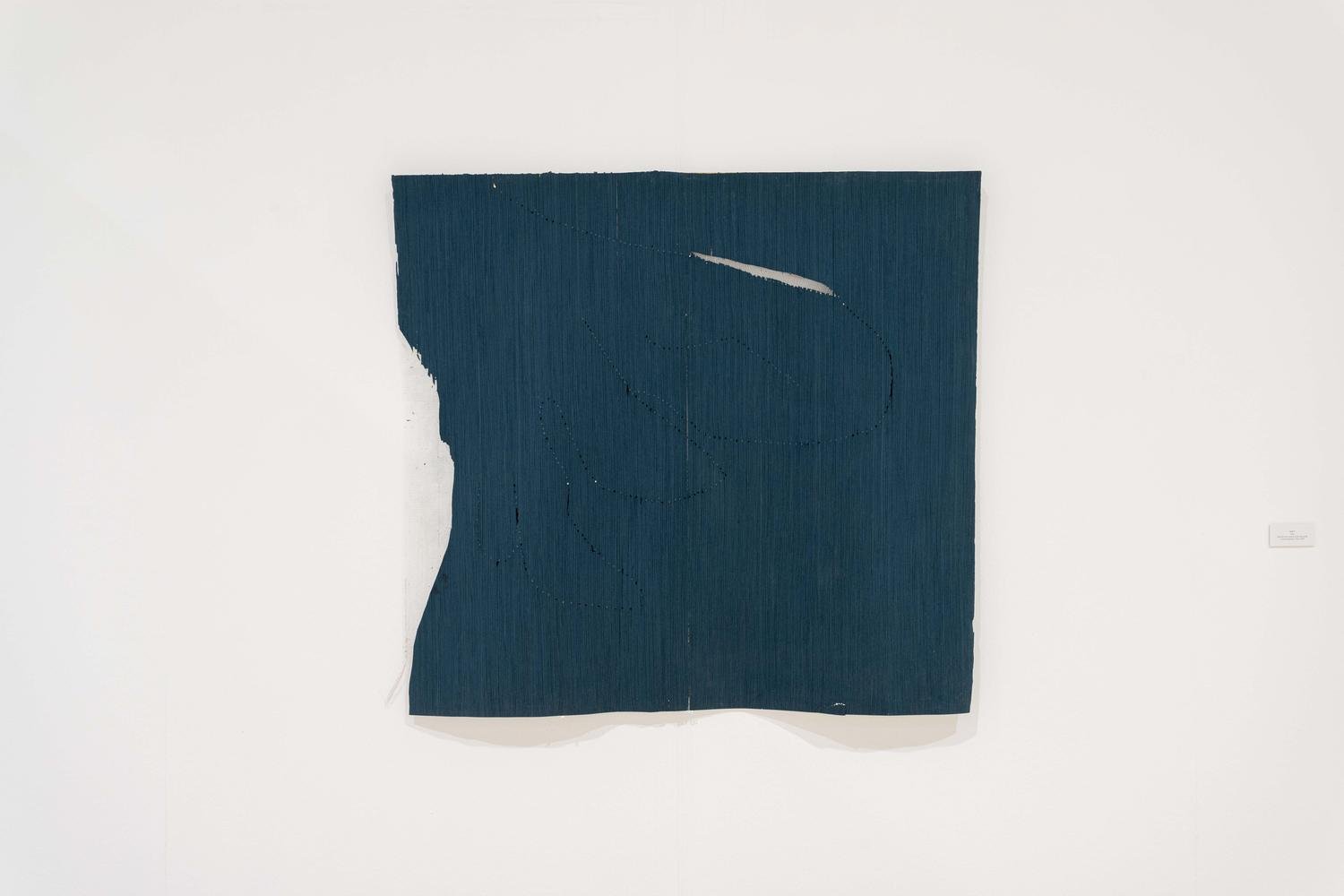
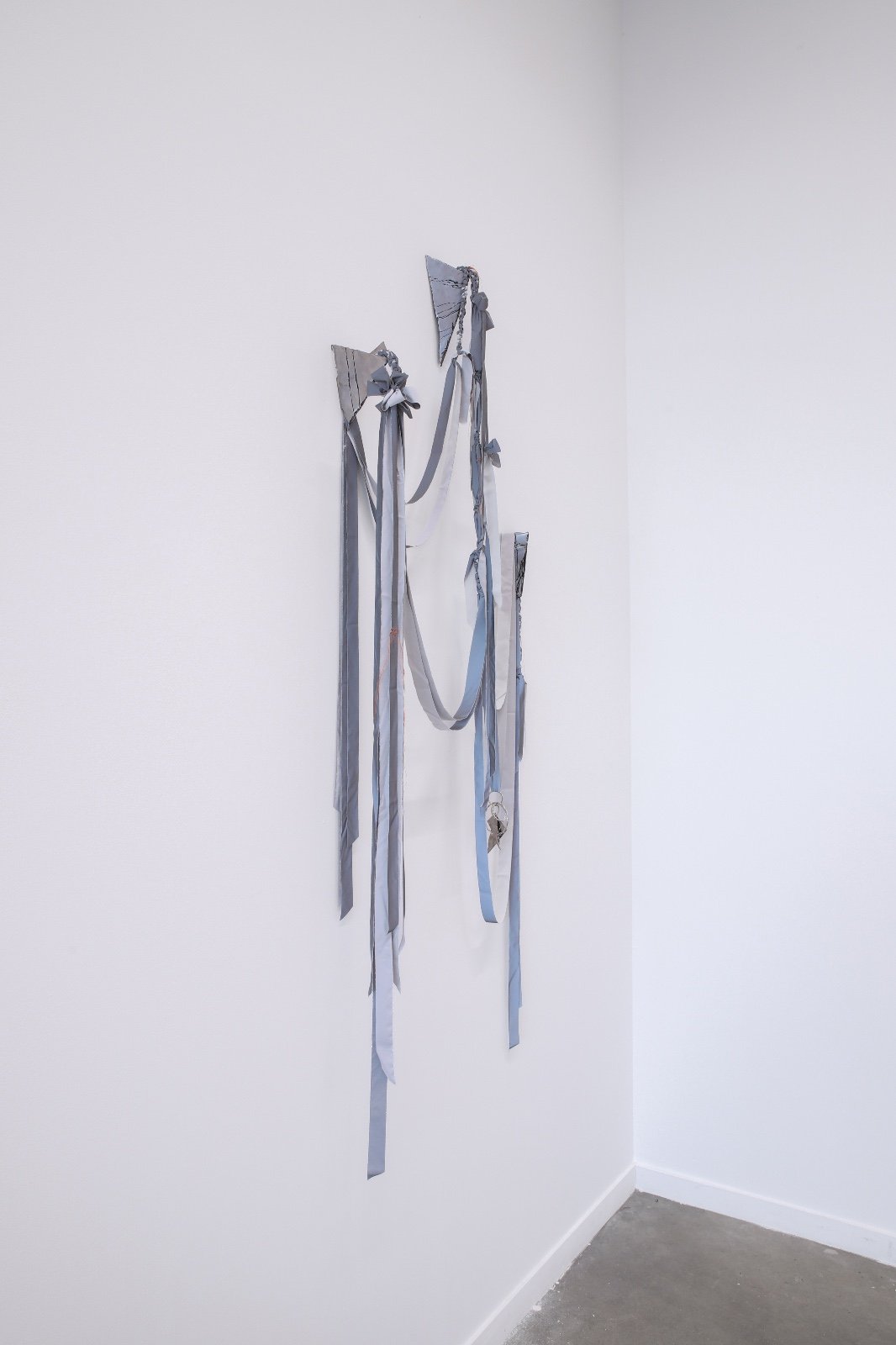
Sasha Saari expands painting by allowing it to shift state, interrogate its own language, and extend into space. Painting becomes an almost architectural construction that nonetheless appears fragile and vulnerable—as if it were a transitional stage rather than a definitive condition. Is anything ever definitive? Her series of watercolours and collages presents a layered blue landscape that slowly seems to dissolve.
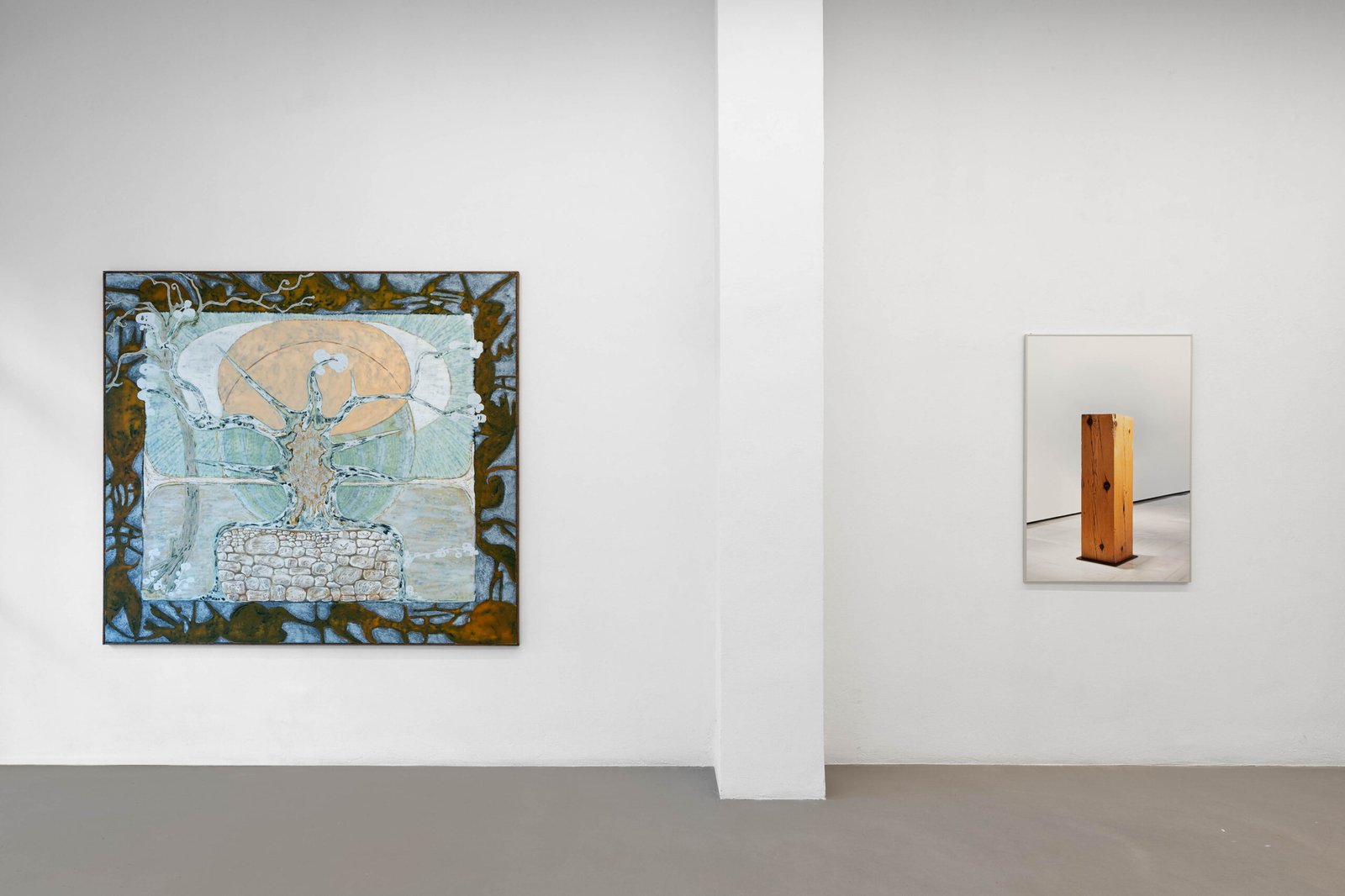
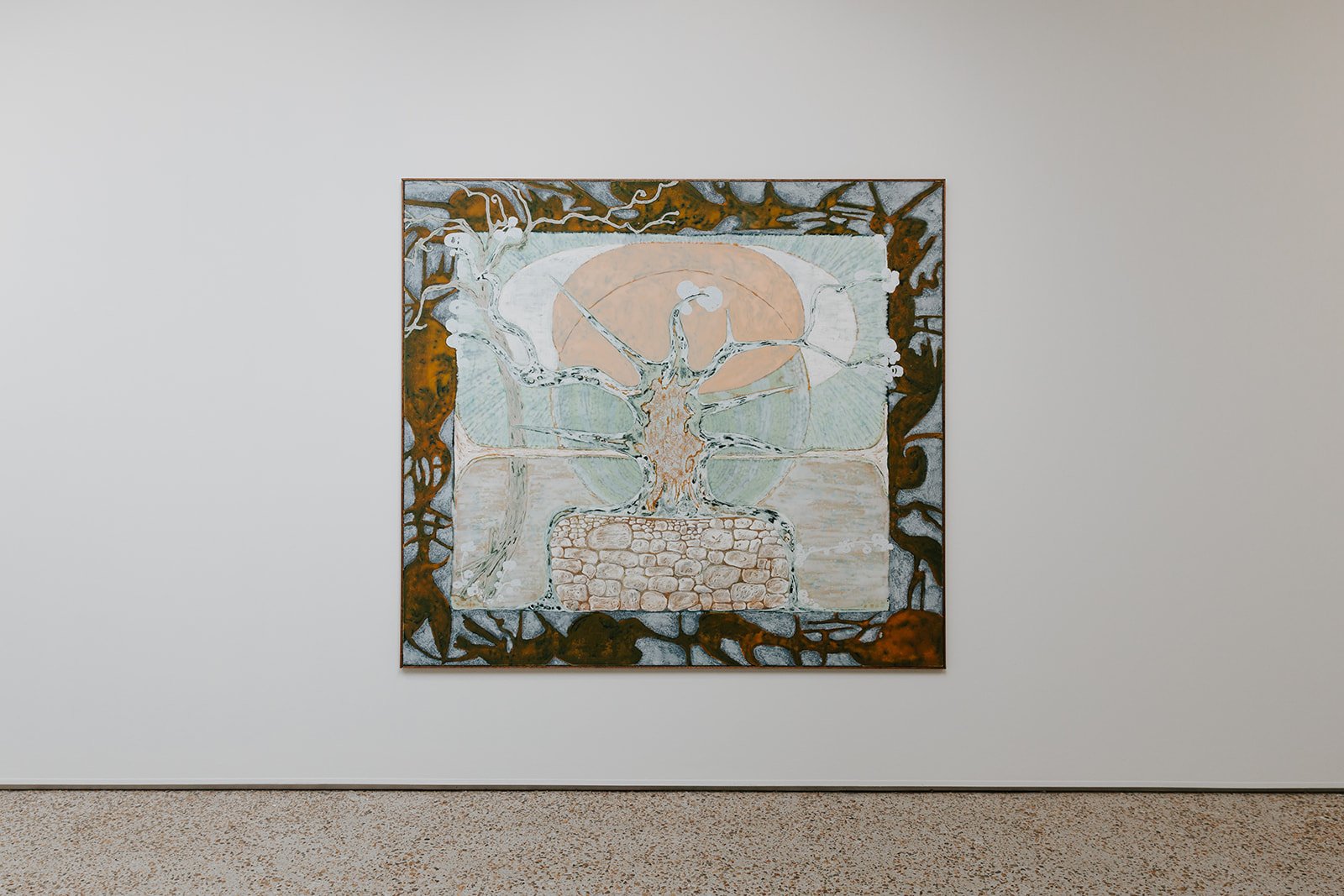
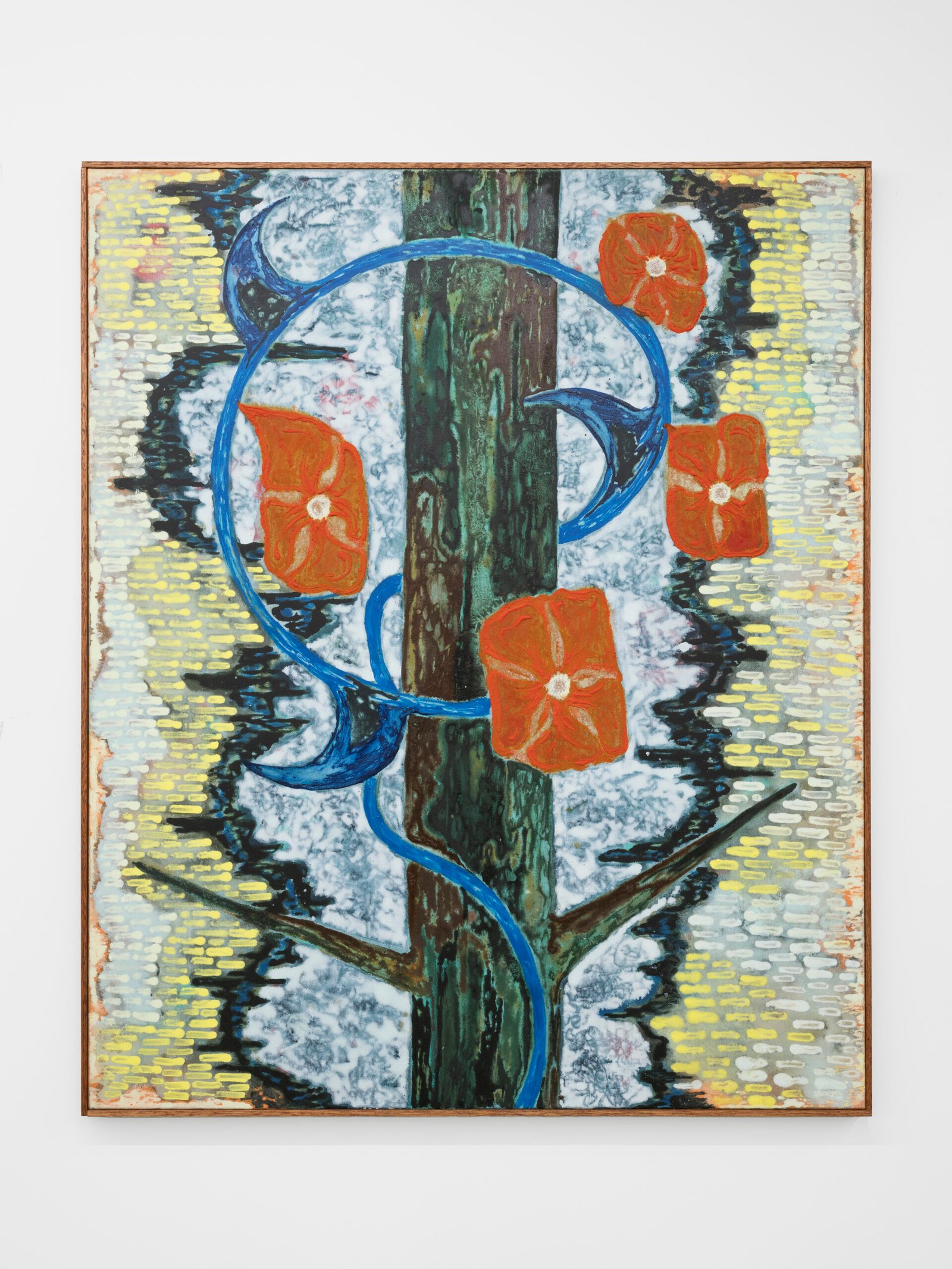
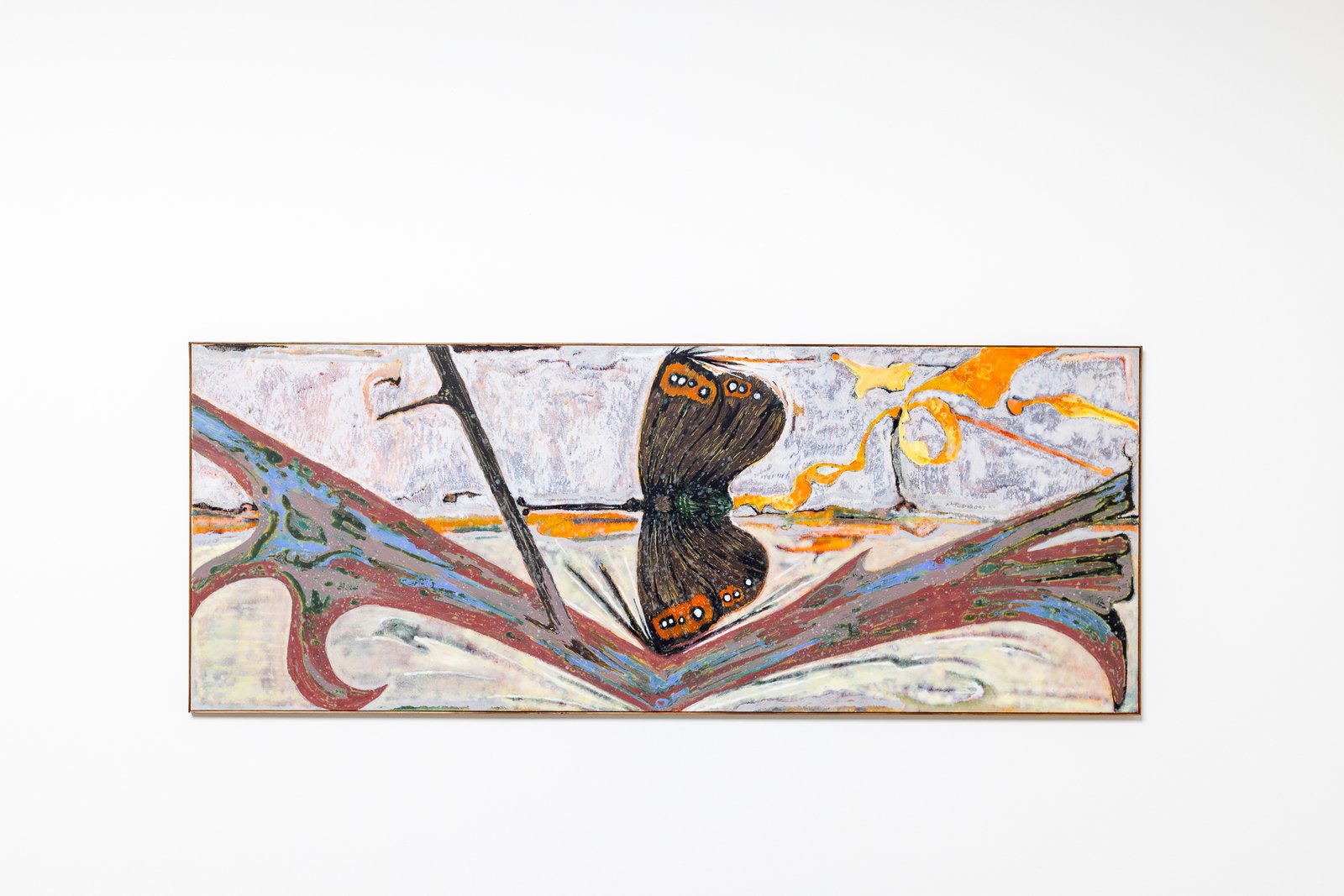
From dissolving to merging, the paintings of Thom Trojanowski generate a language rich in textures that suggests a symbiotic and autobiographical relationship with nature. Rather than romanticizing it within certain pictorial traditions associated with walking and contemplation, his work approaches nature through painting as a space of responsibility. In this sense, Critical Moment (2025) presents a point of fracture, change and transition: the broken trunk of a tree beneath the fleeting flight of a butterfly.
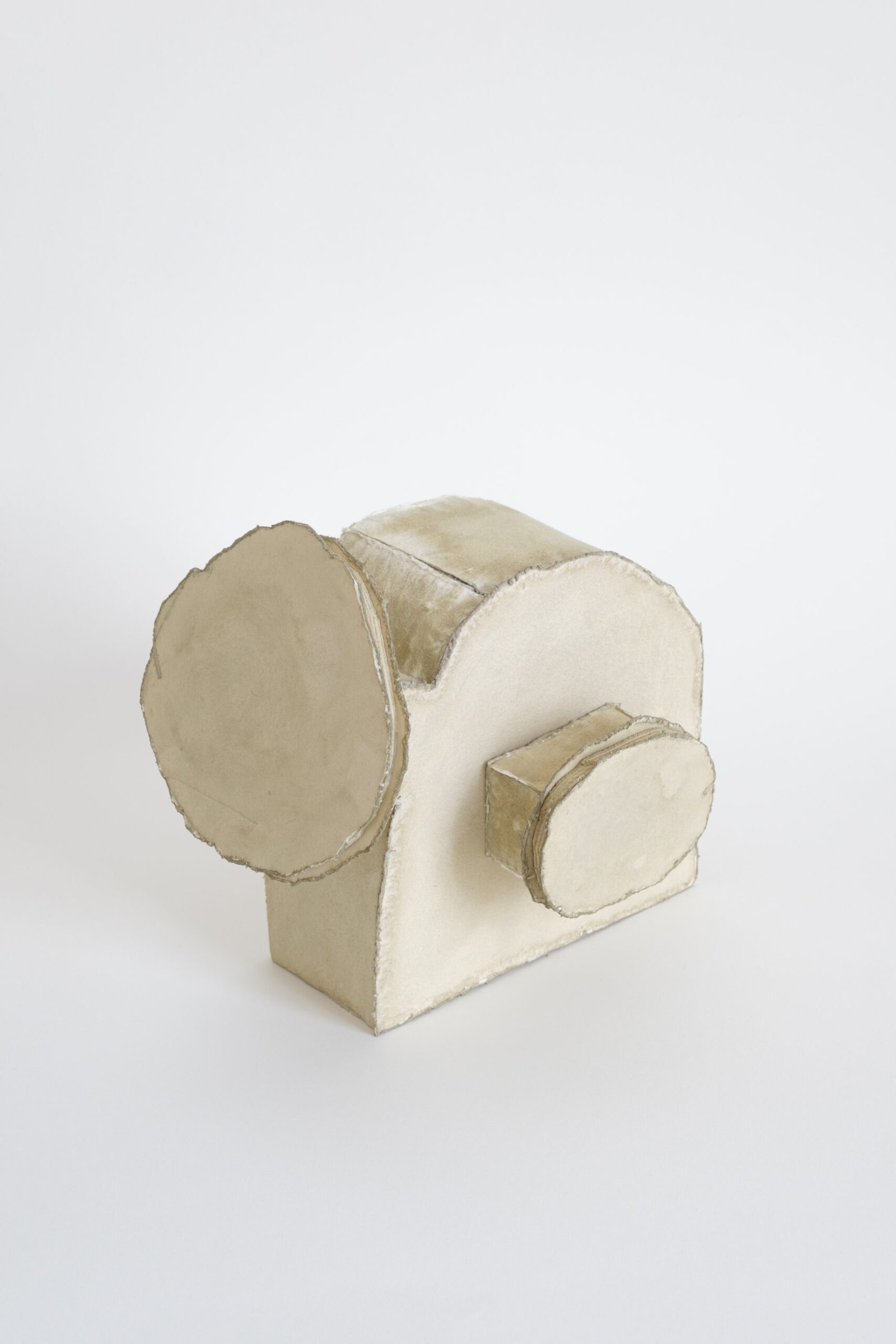
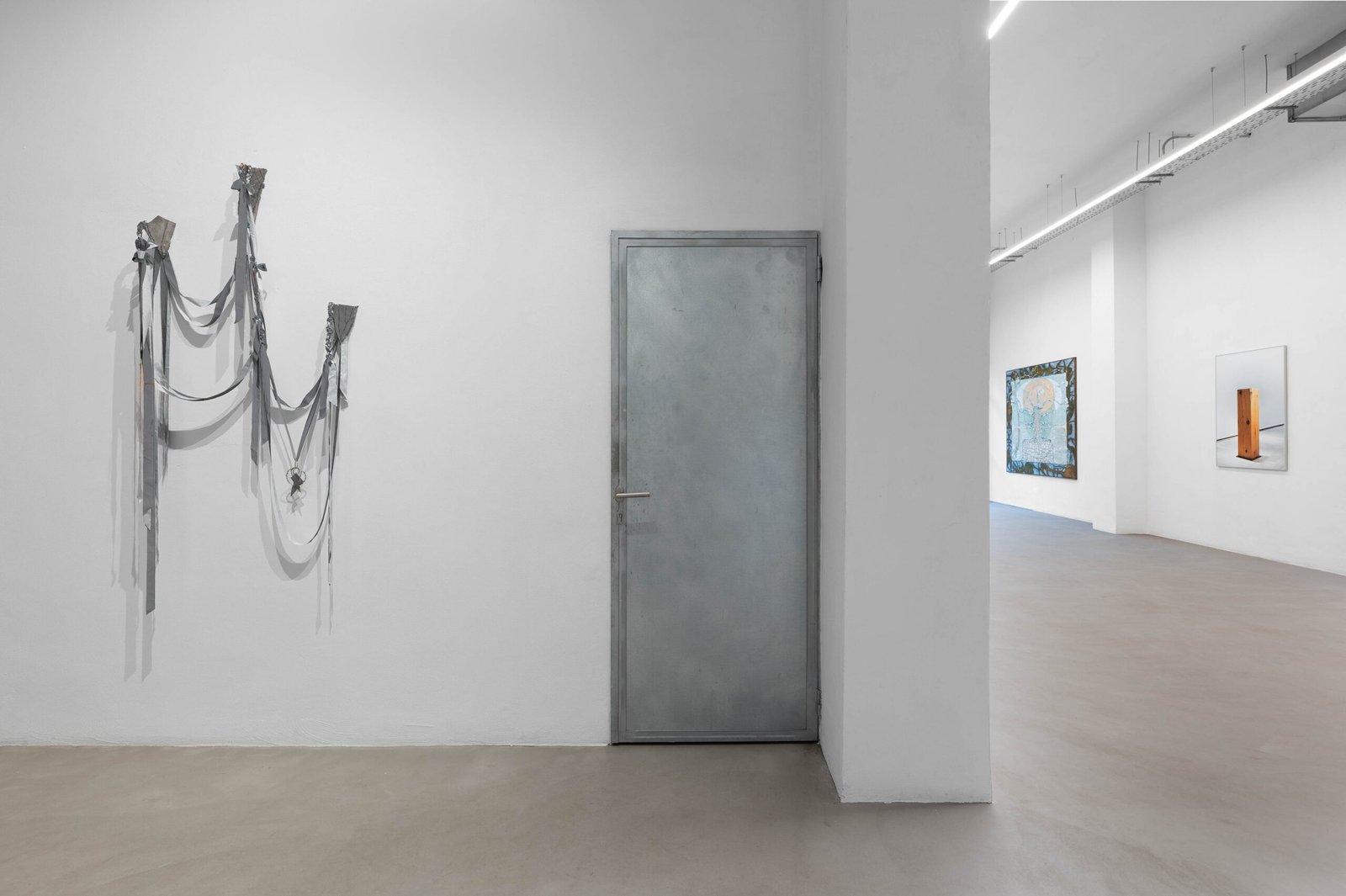
Finally, Claudia Pastomás rehearses gestures of care and protection by working with fragile materials and privileging process over the finished object. She explores the limits of the materials she works with, approaching a critical point not to cross it but to inhabit it, unfolding gestures of attention and care from within that threshold. Her site-specific installation engages with the column as a defining feature of the space, embracing it and softening its edges.
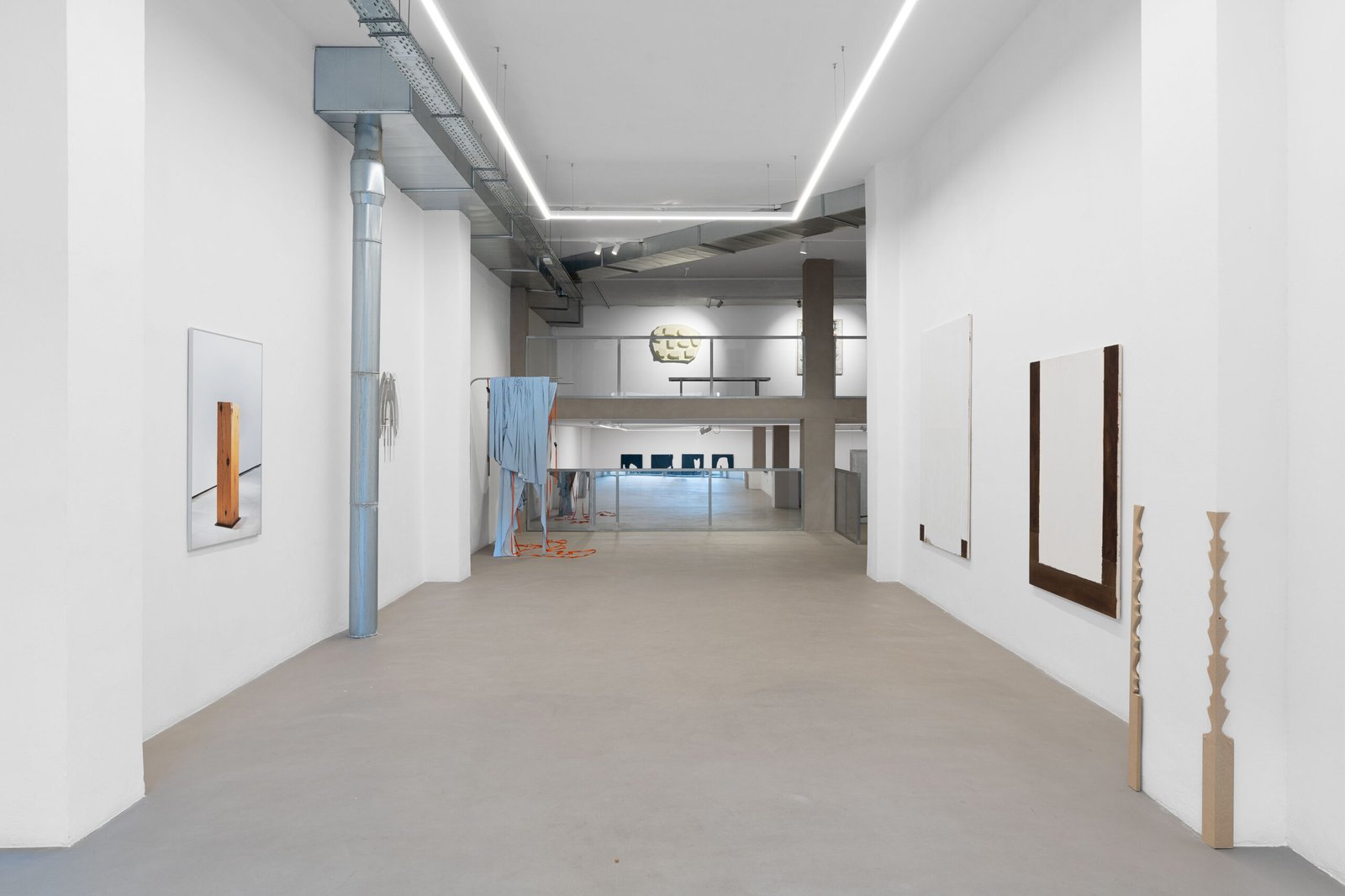
Together the works compose a landscape of the transient and the fleeting, of things that change while attempting to understand themselves within that process. A constellation of gestures, materials and bodies that rehearse different forms of falling, transformation and care. The exhibition becomes a provisional meeting point, a fragile architecture of questions that gather for a moment only to inevitably disperse again.
After all, we continue building structures of ice that are destined, sooner or later, to disappear.
Esmeralda Gómez Galera
Palma, 2026