


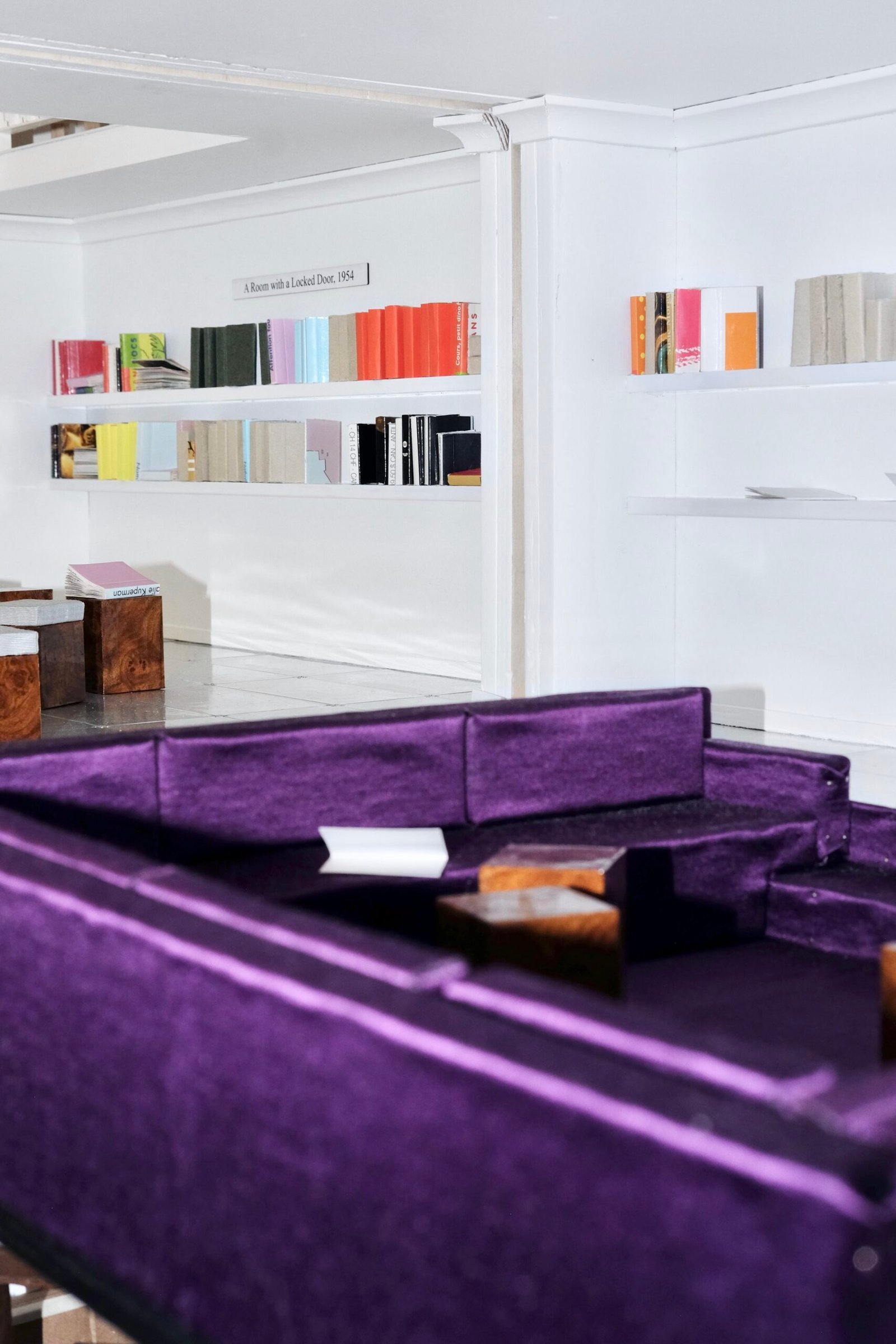
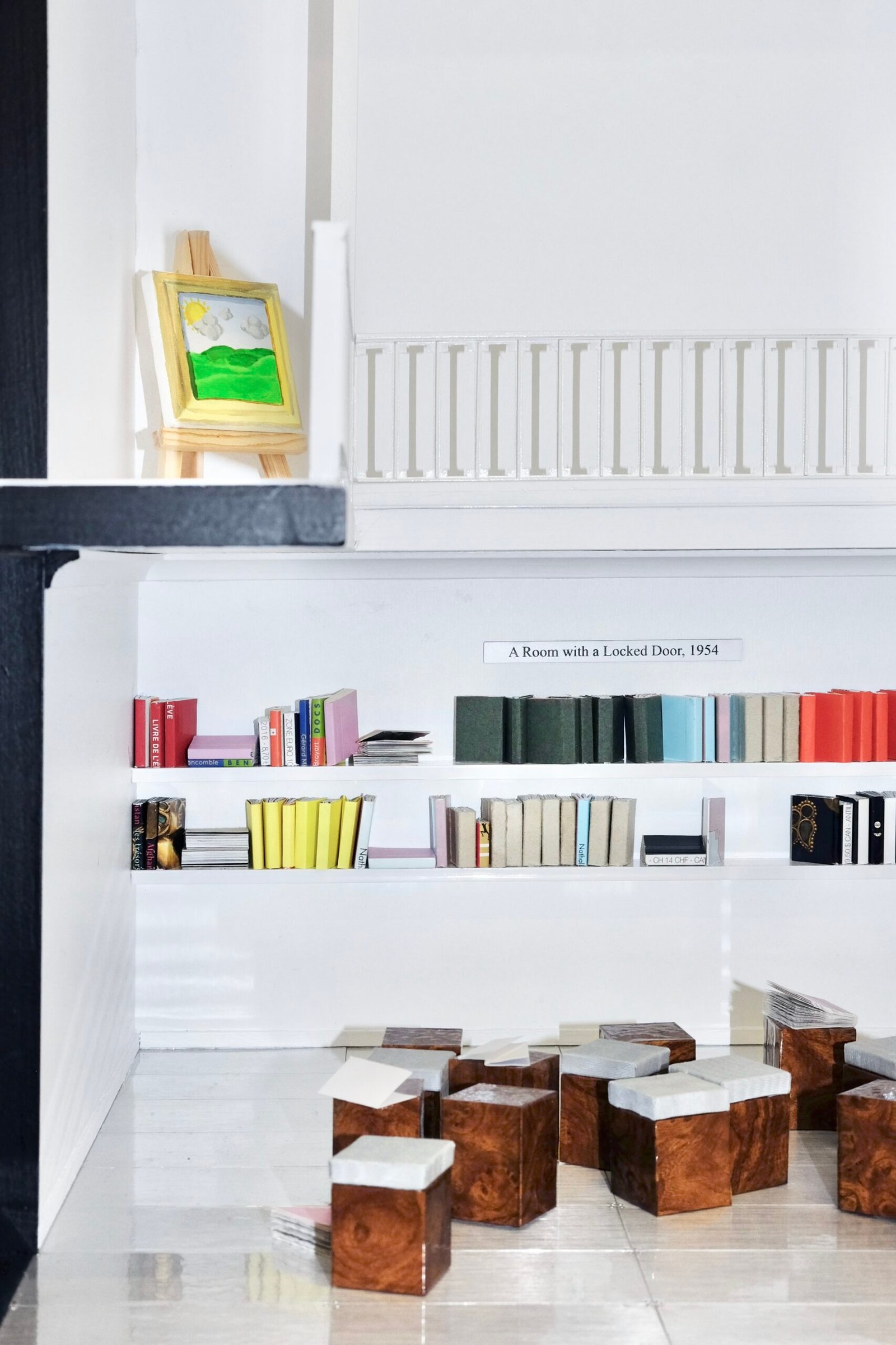
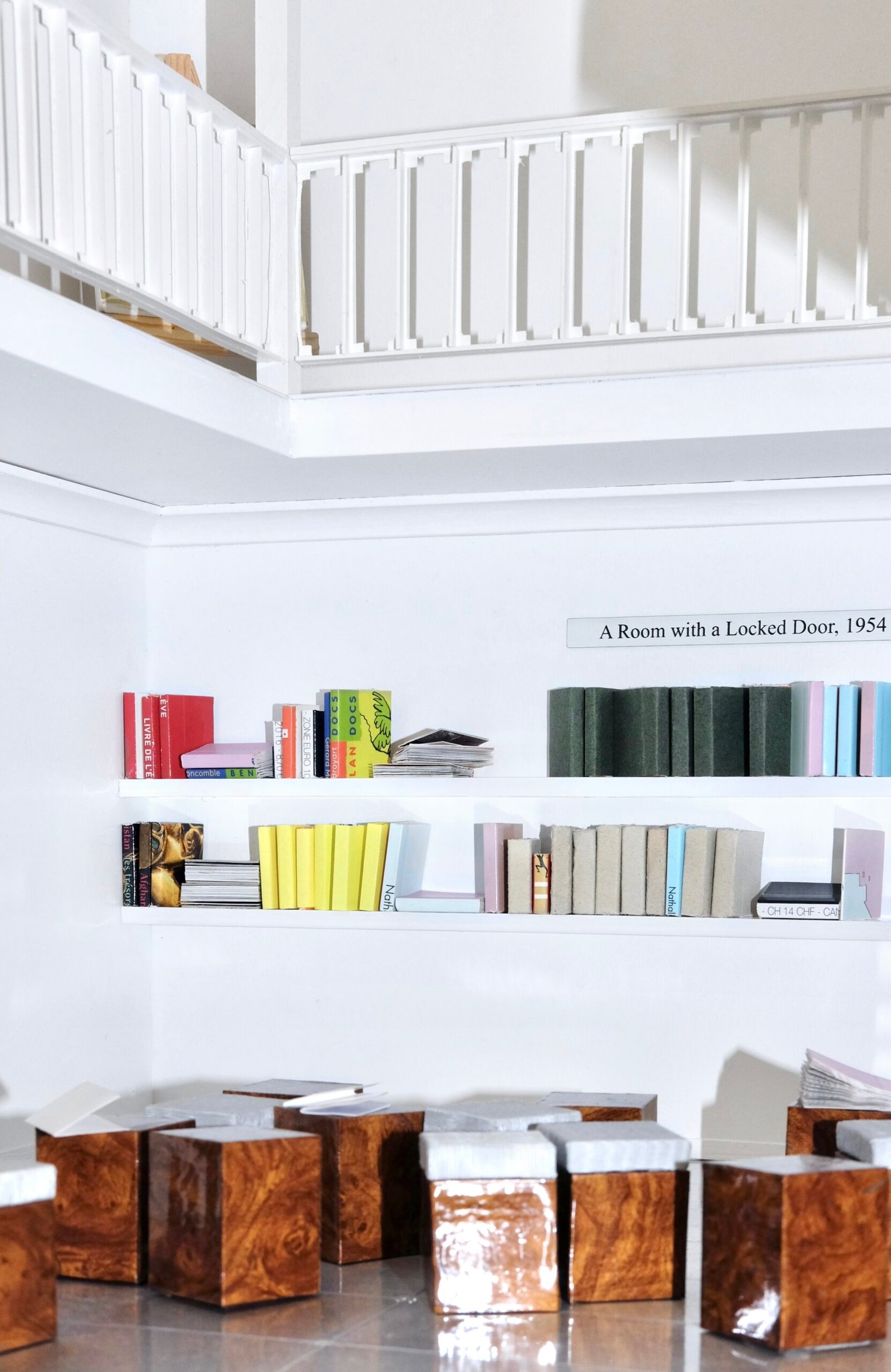
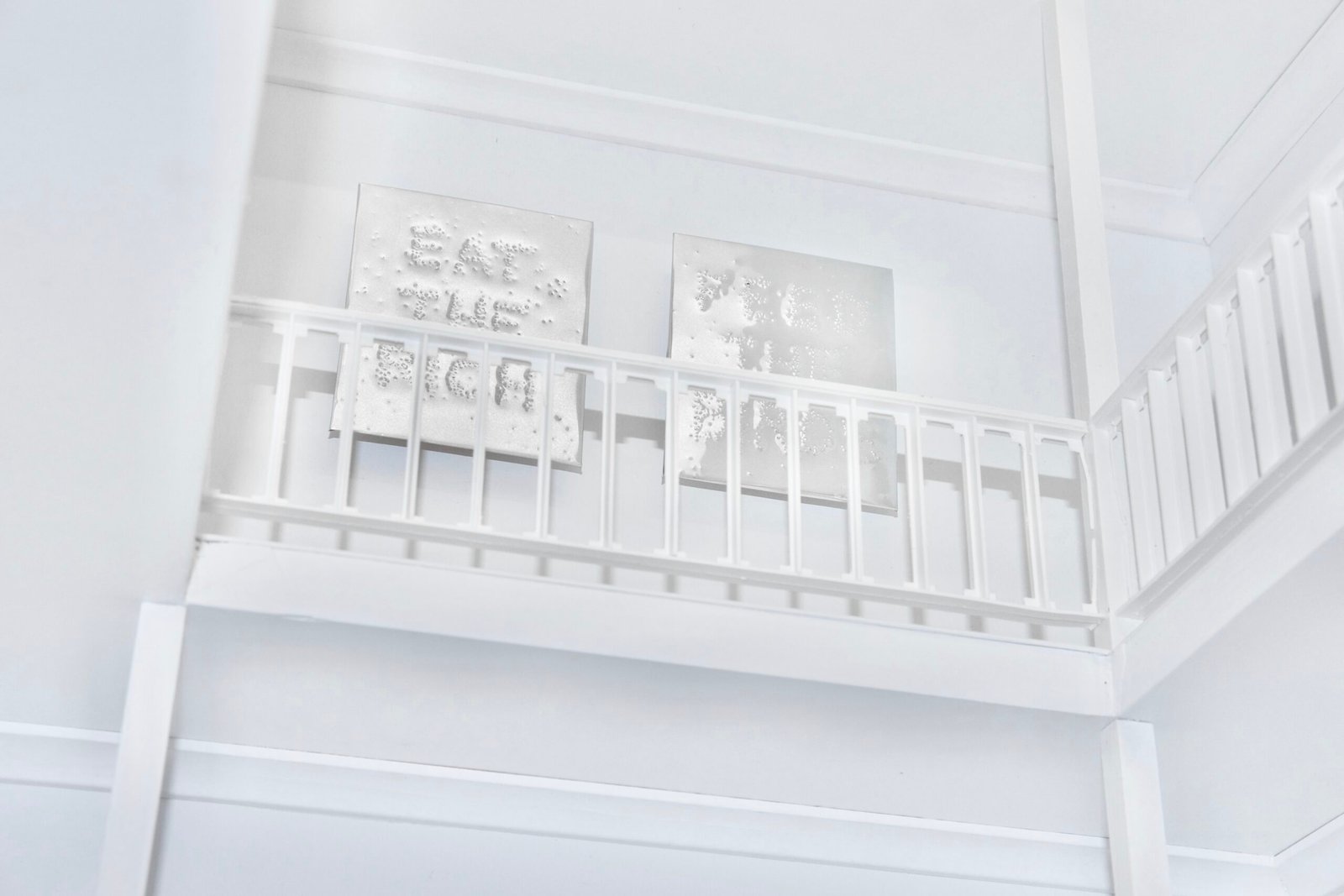
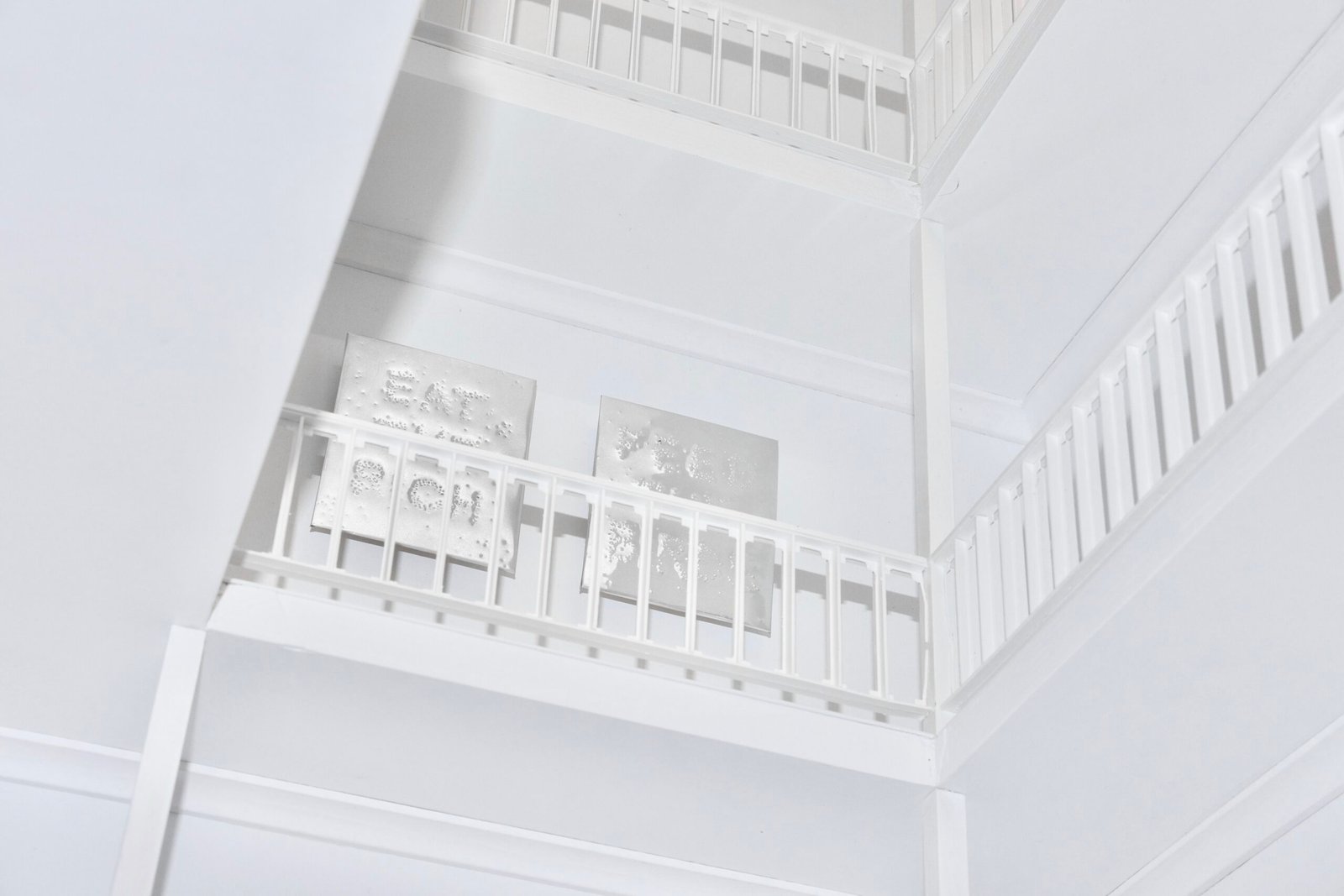
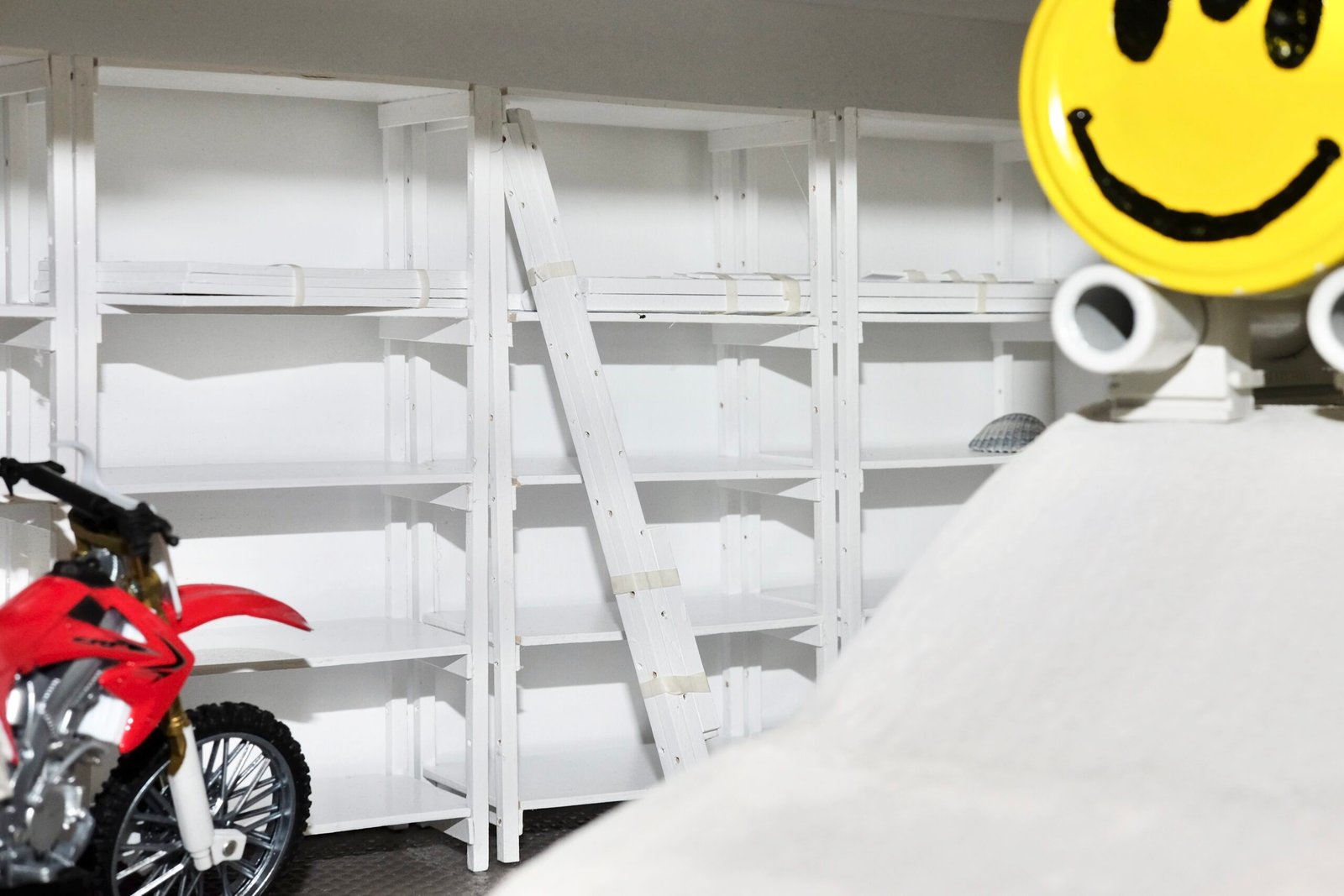
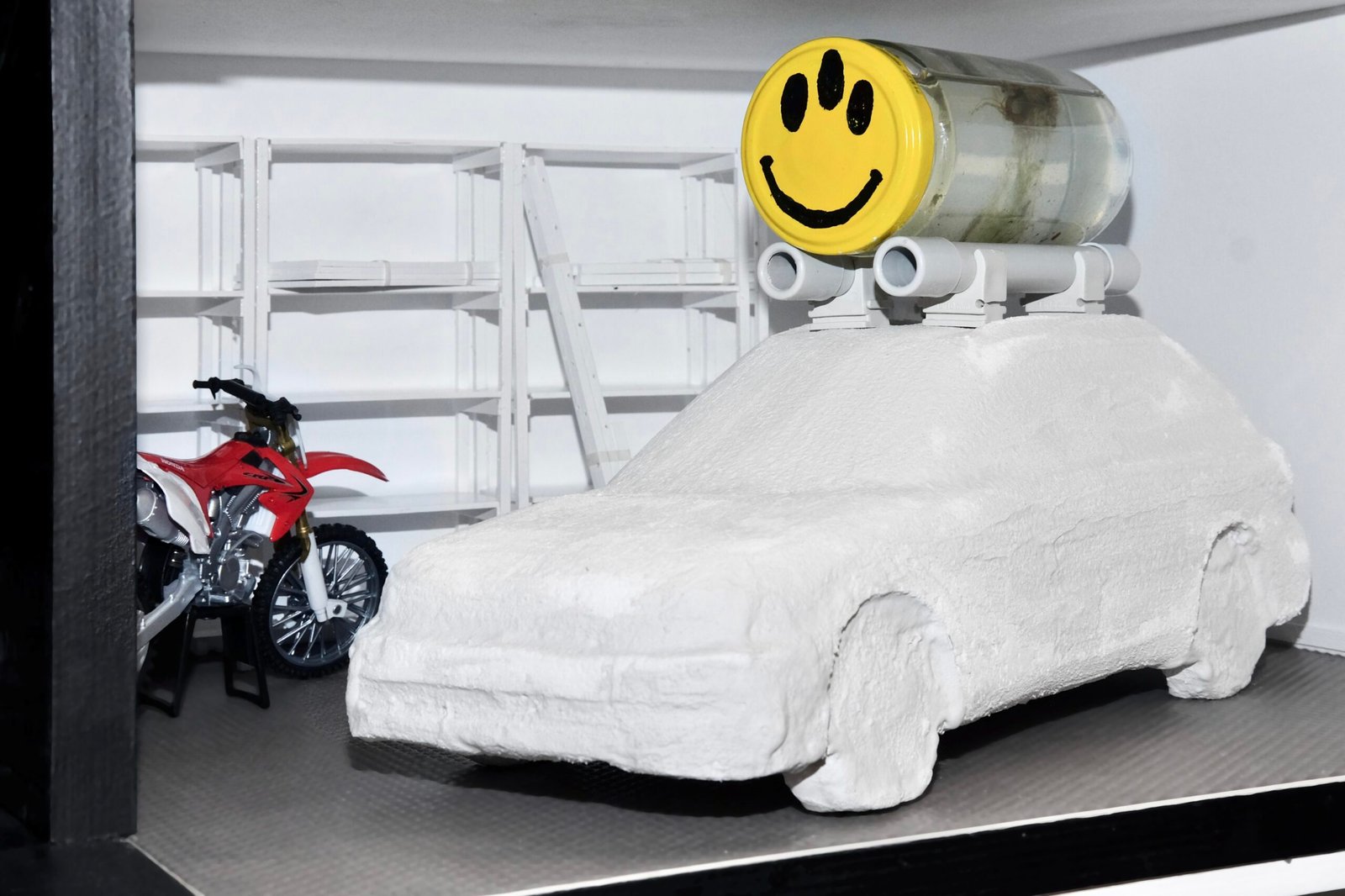
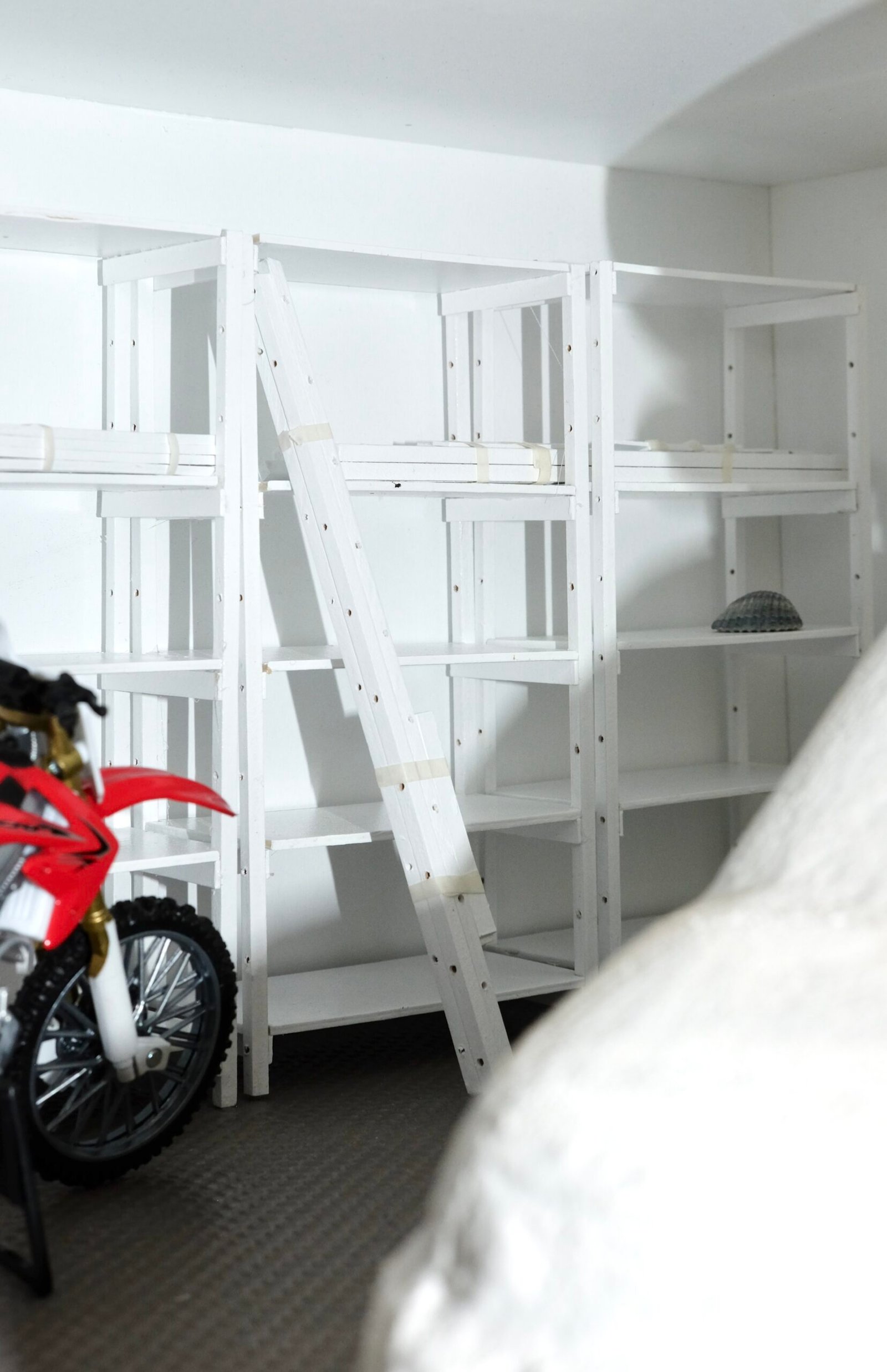
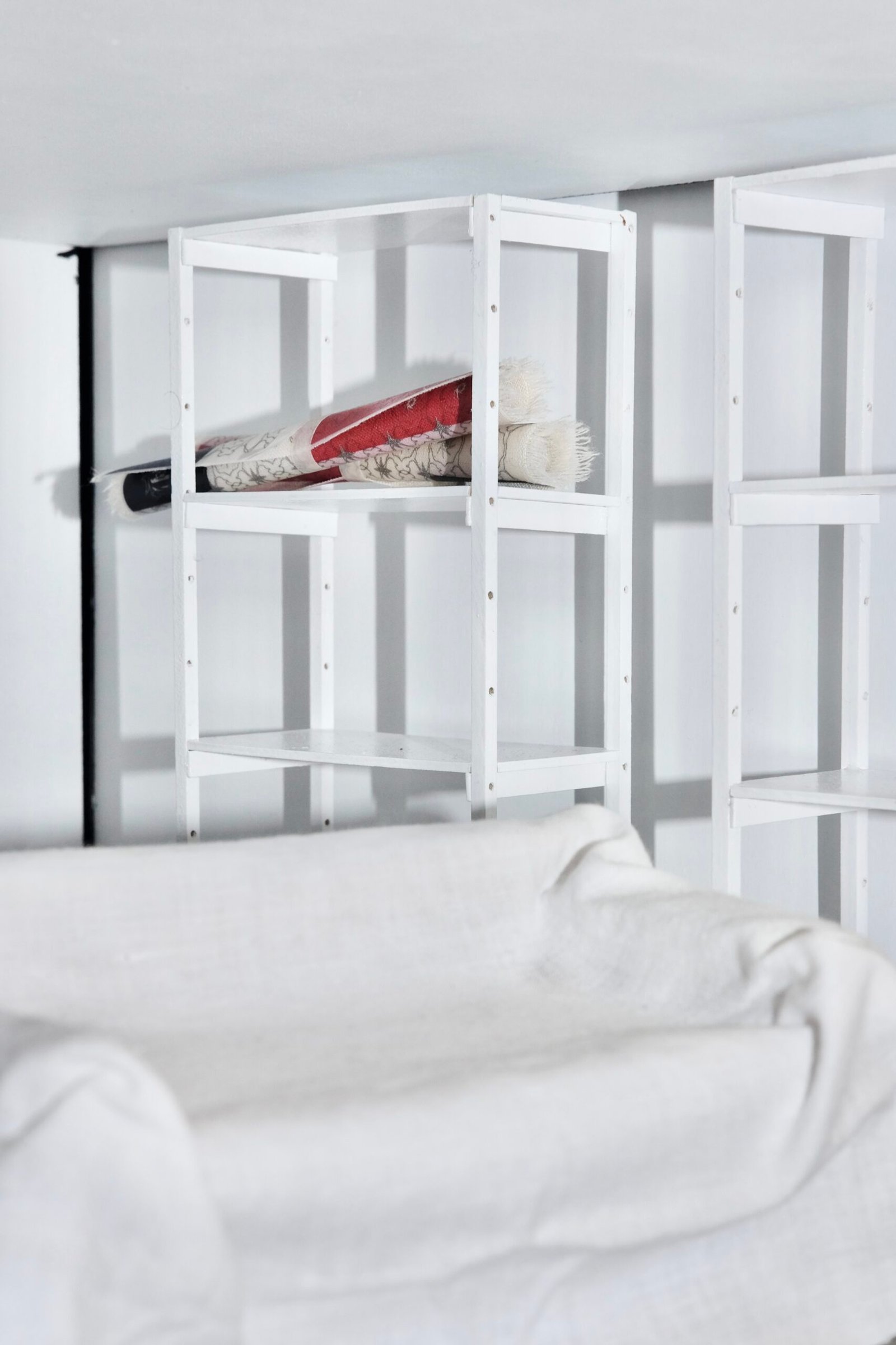
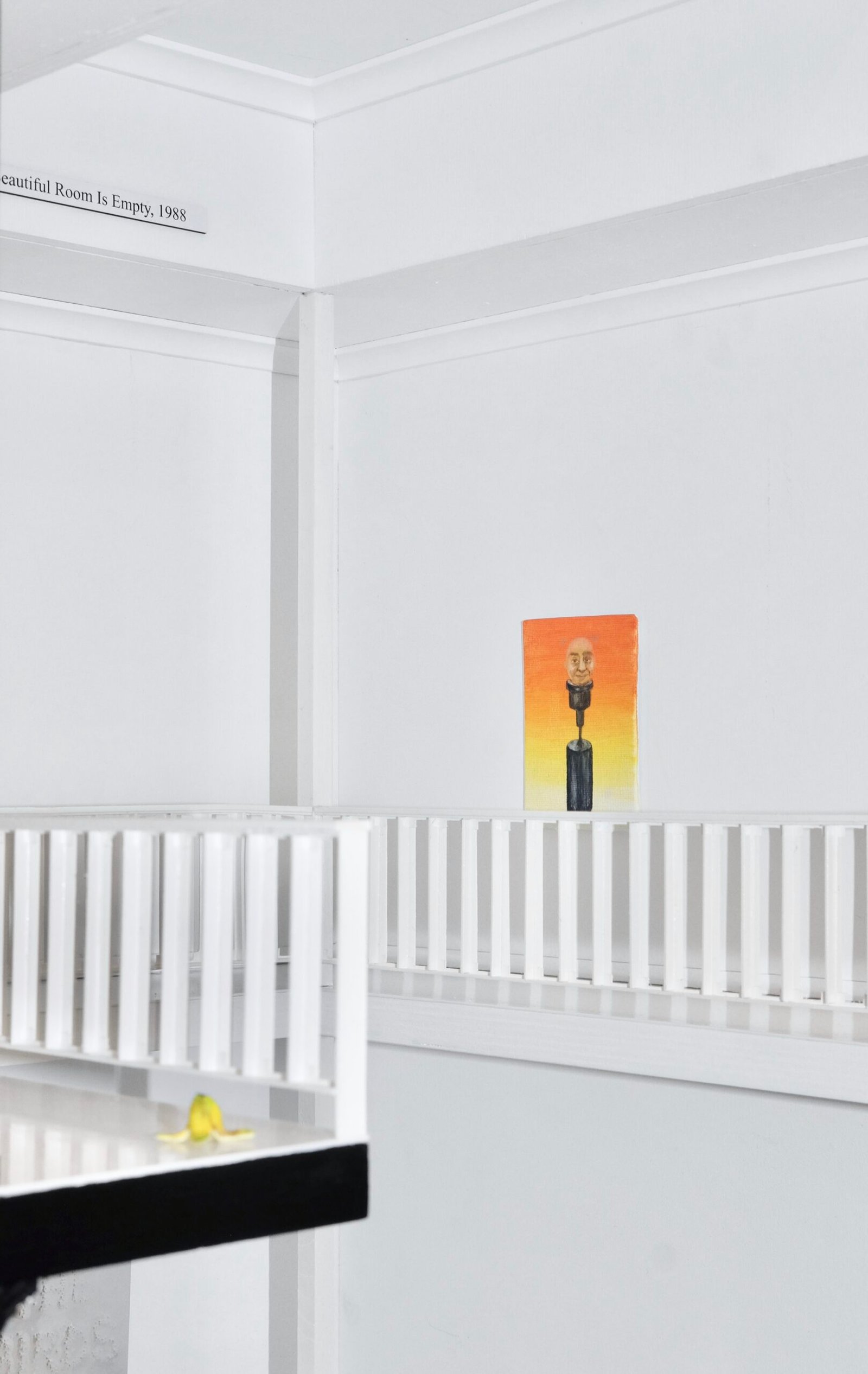
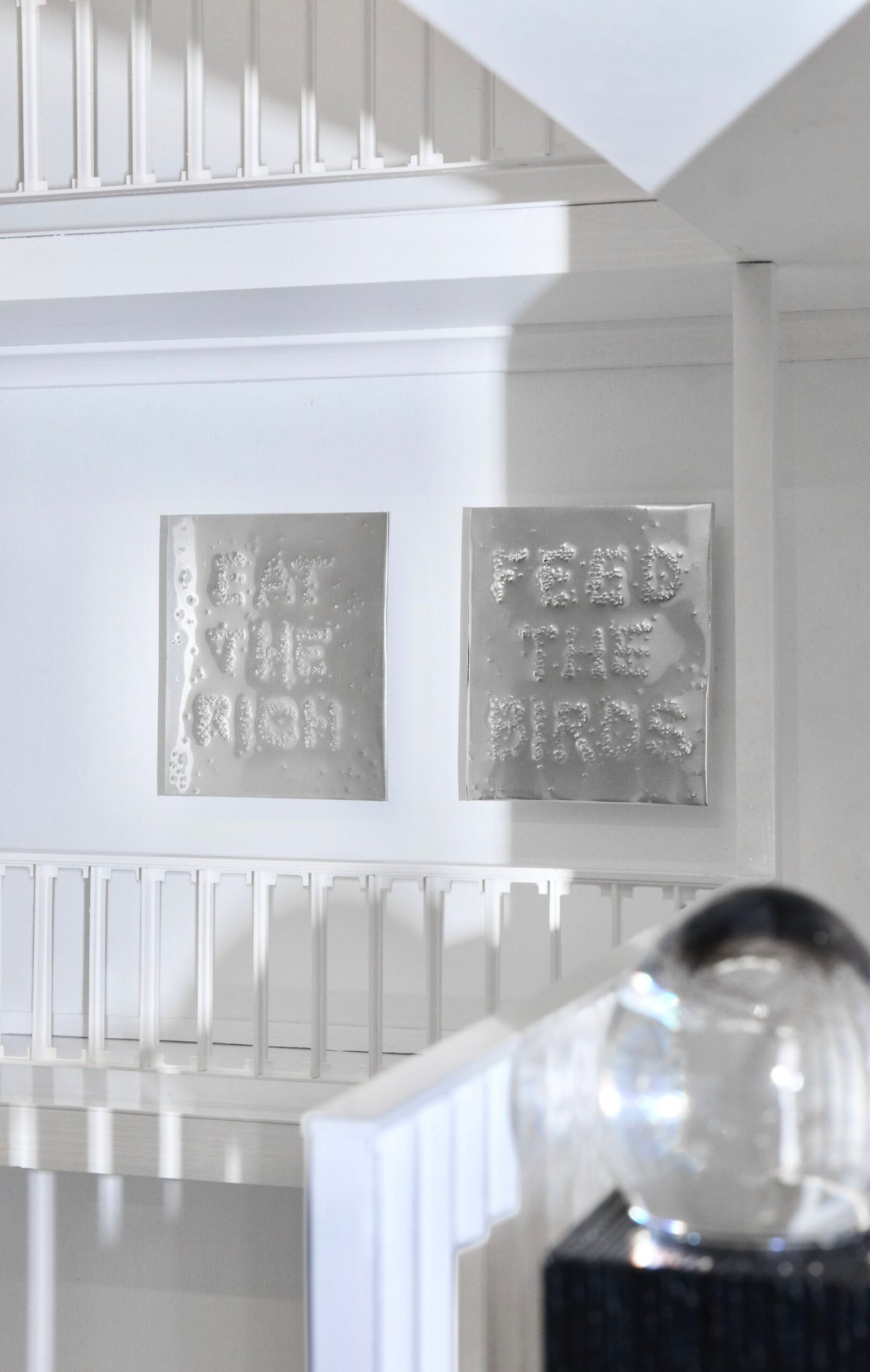
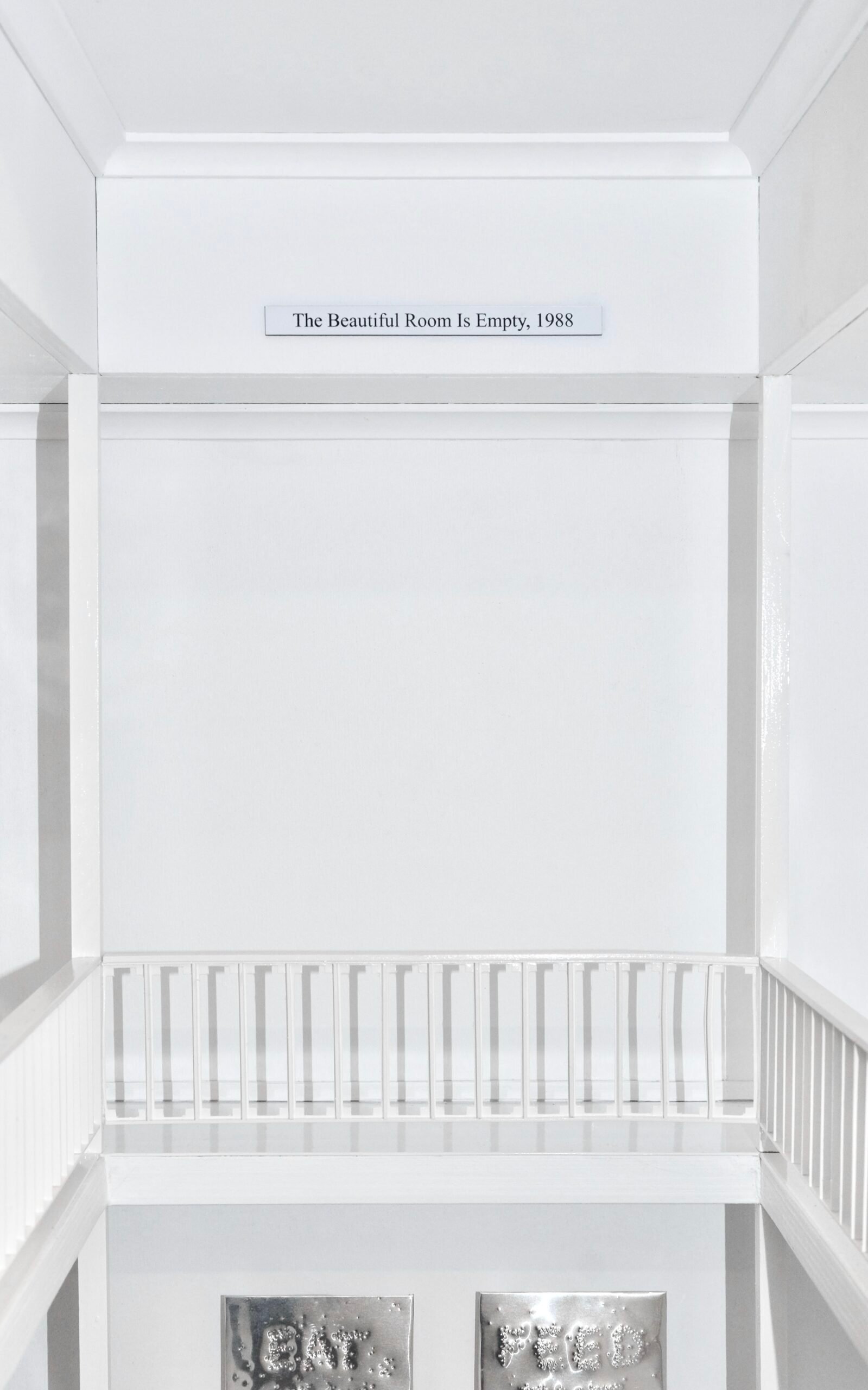
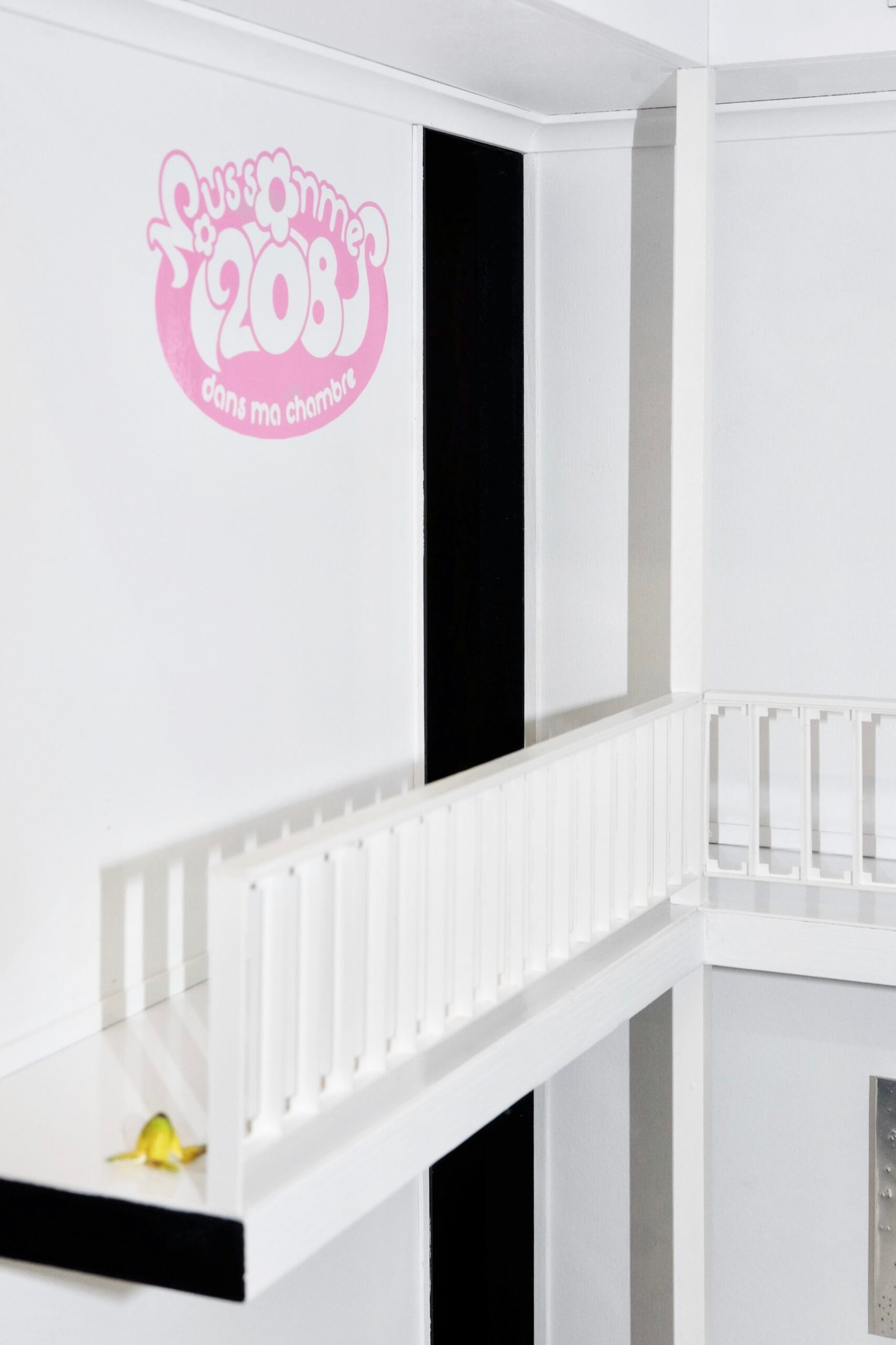
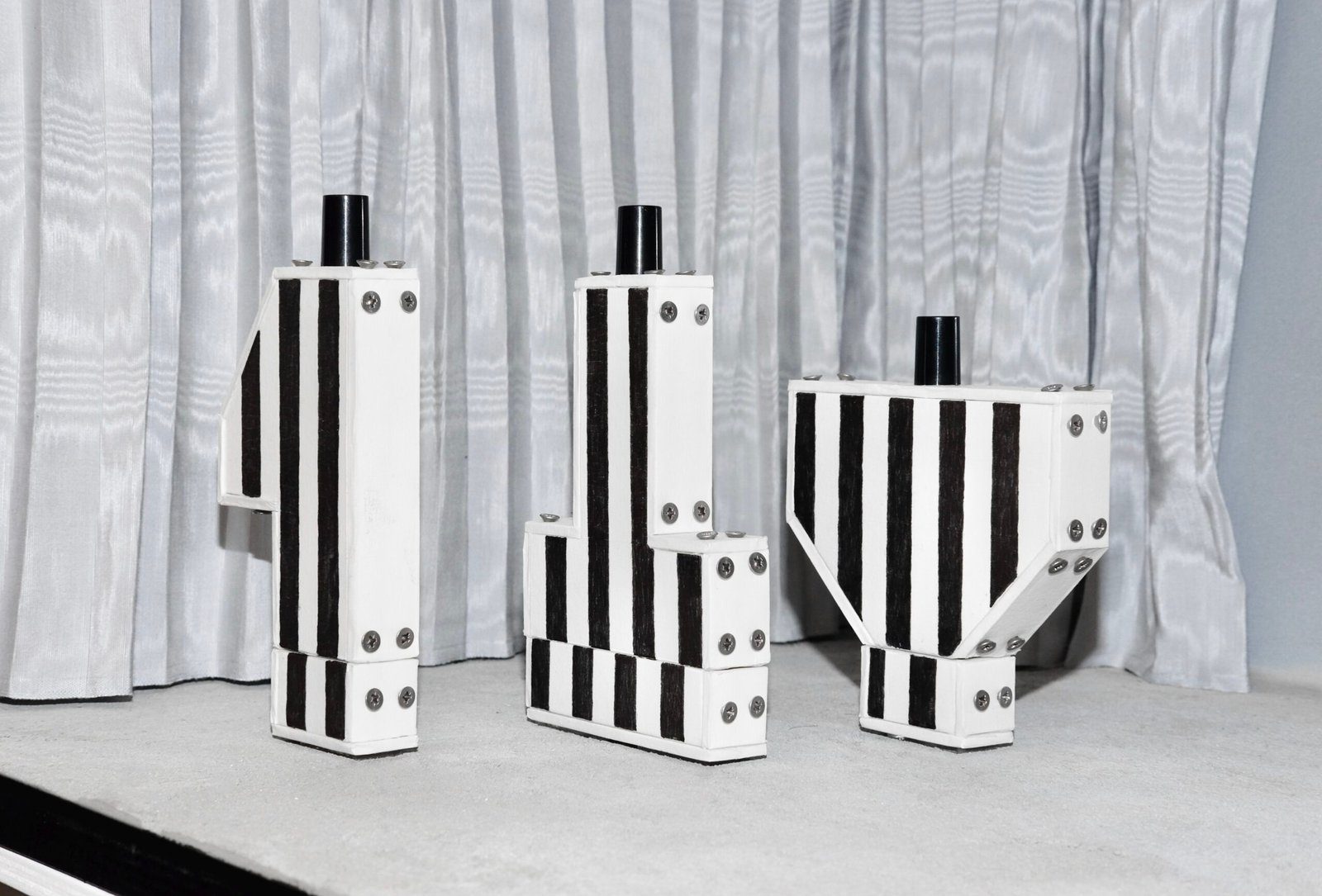
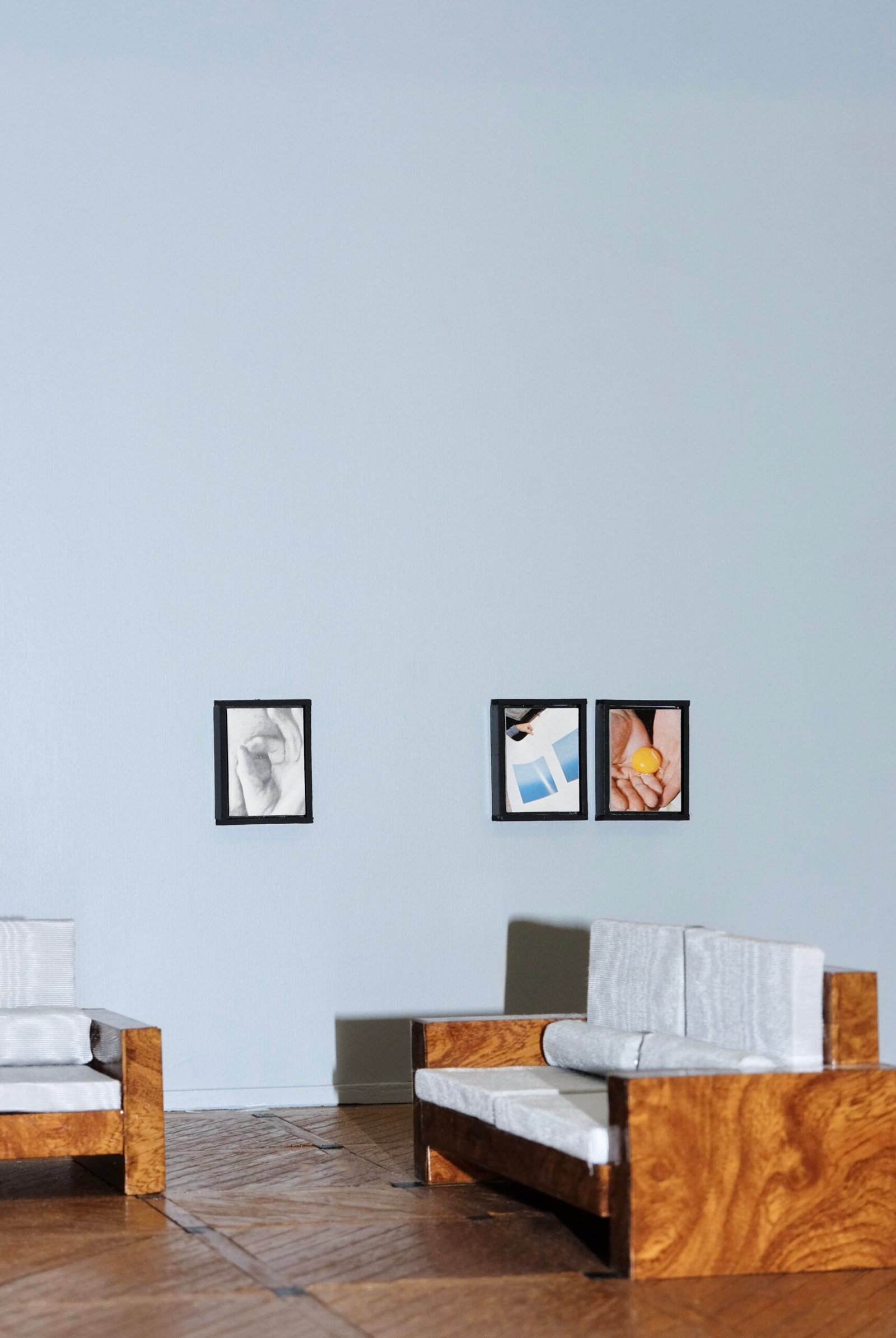
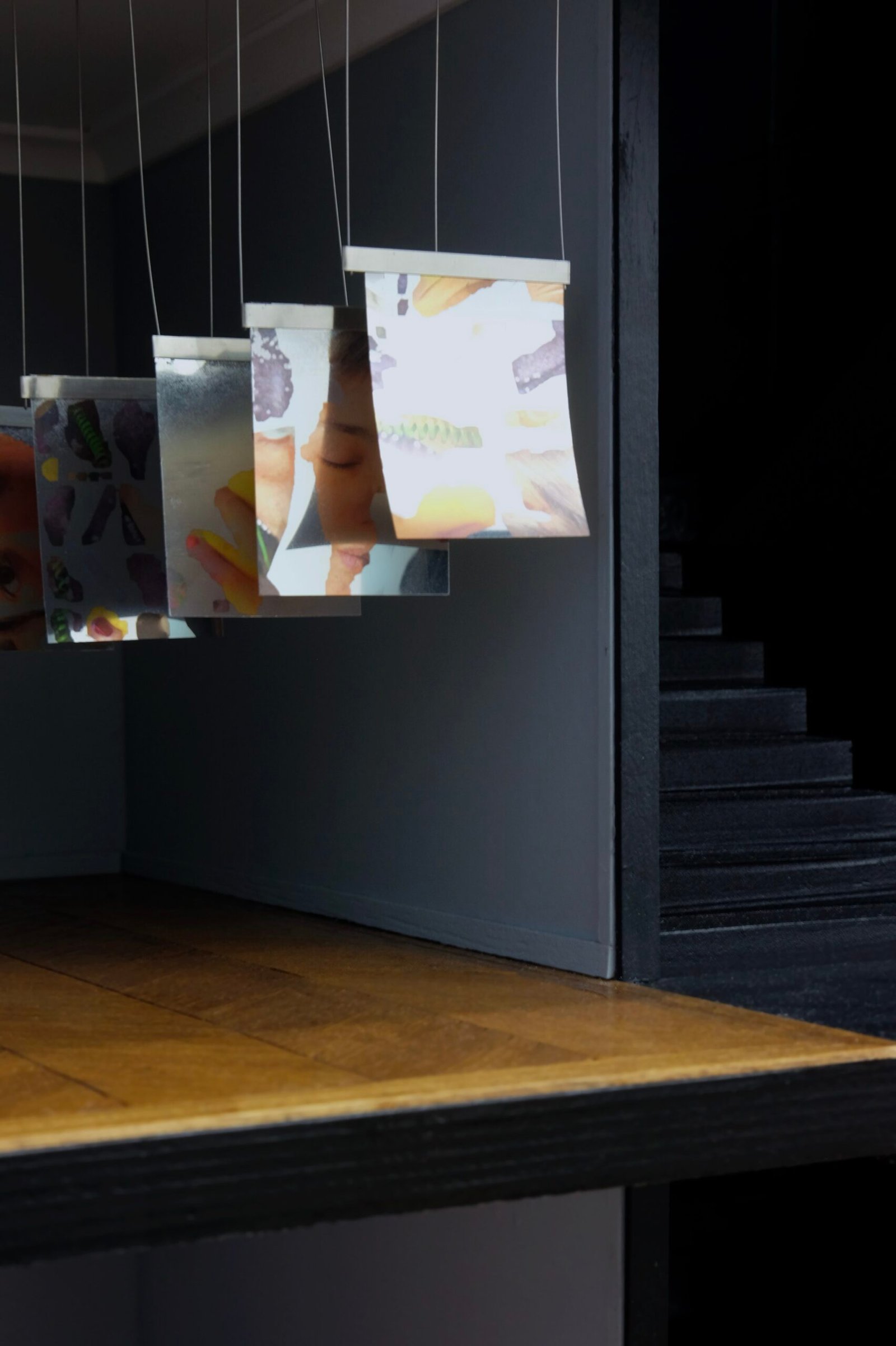
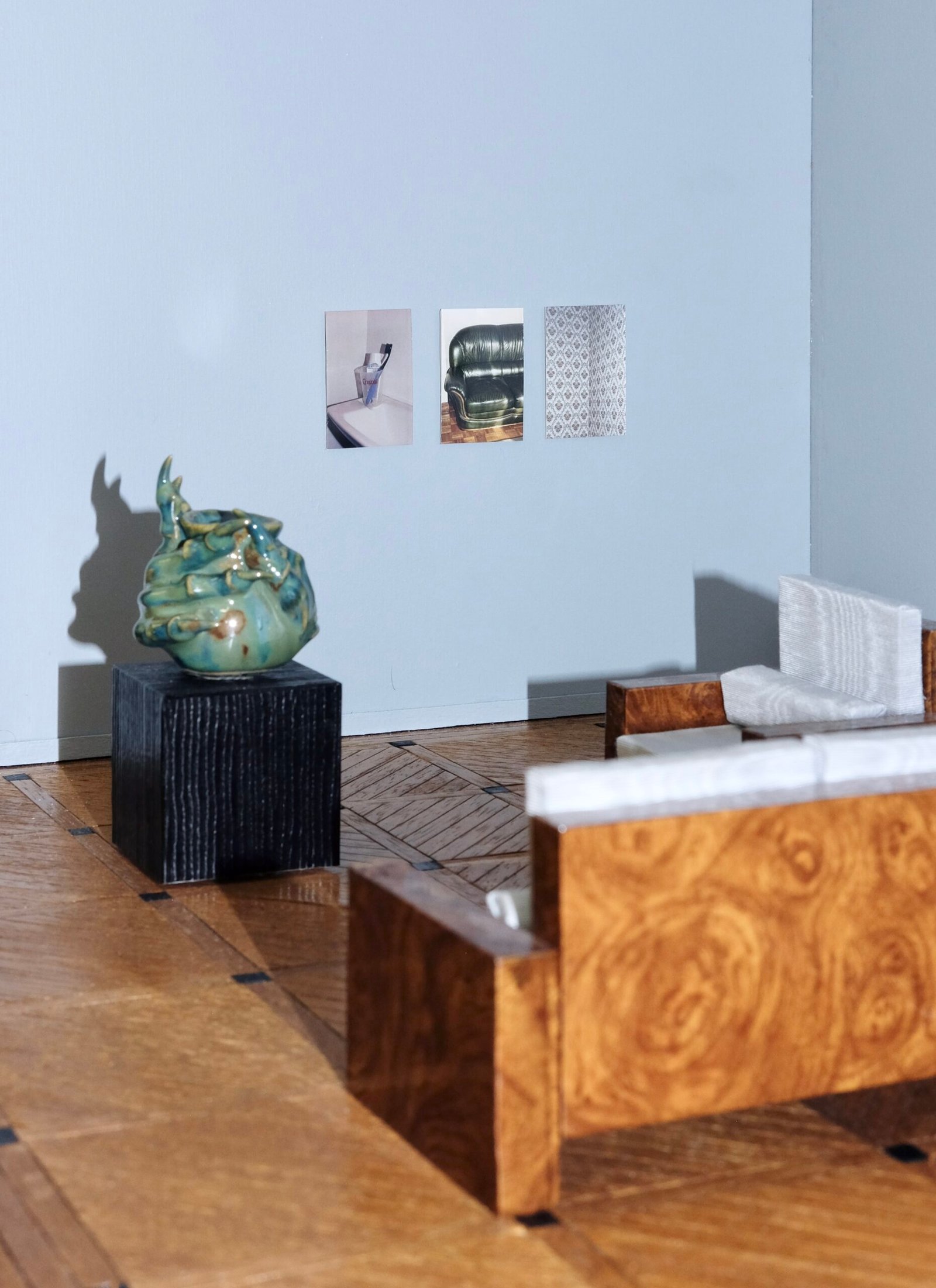
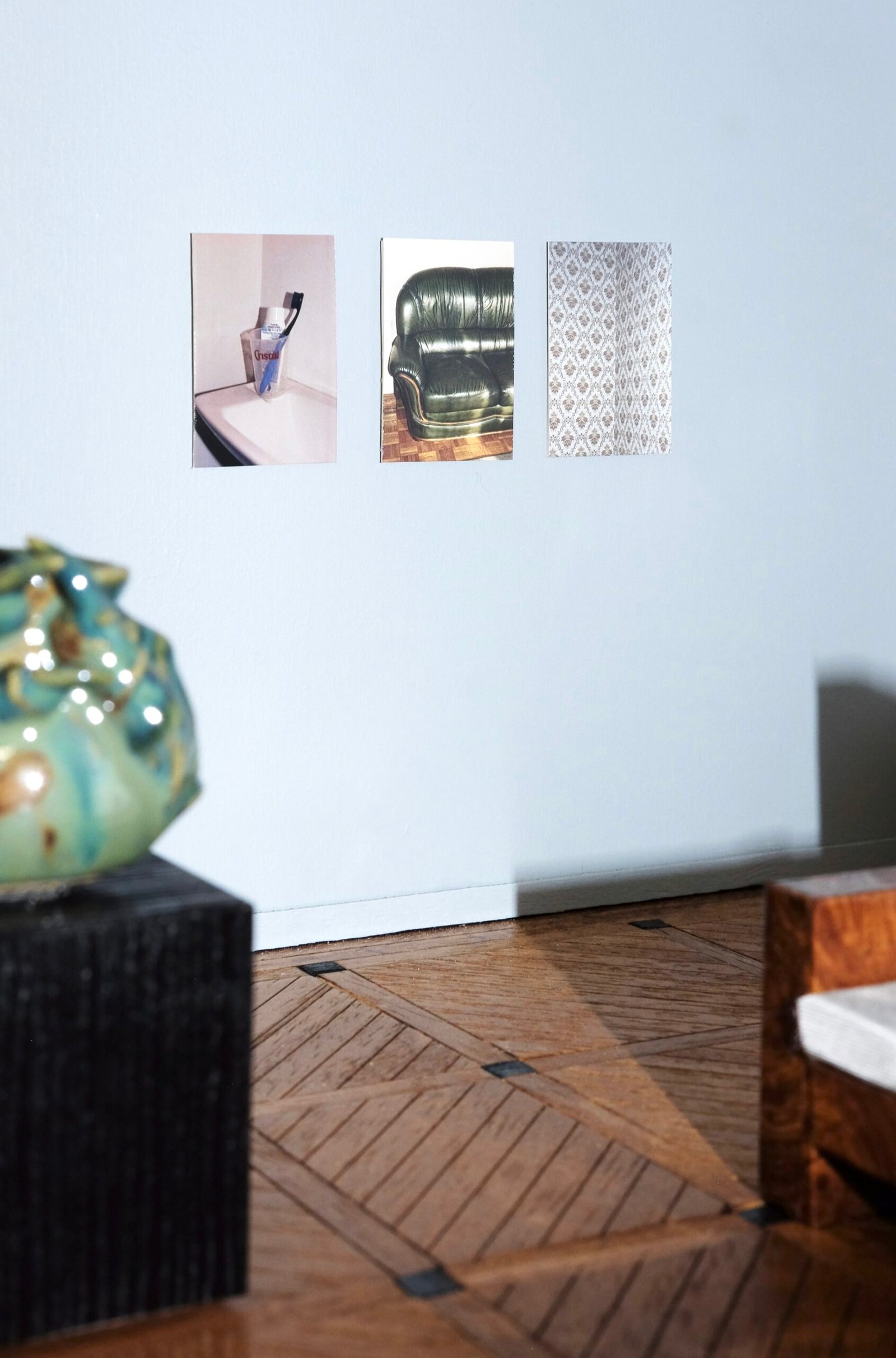
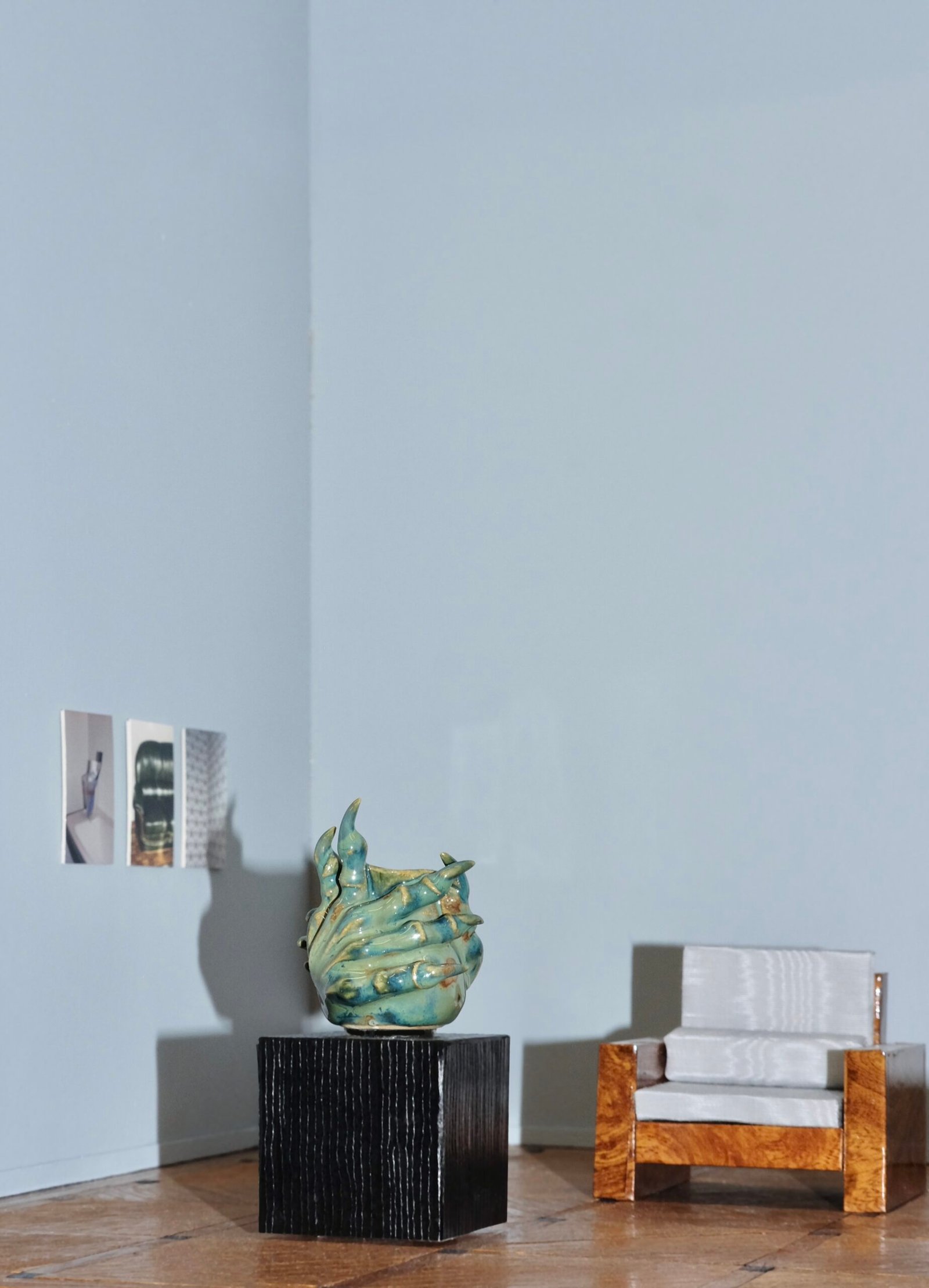
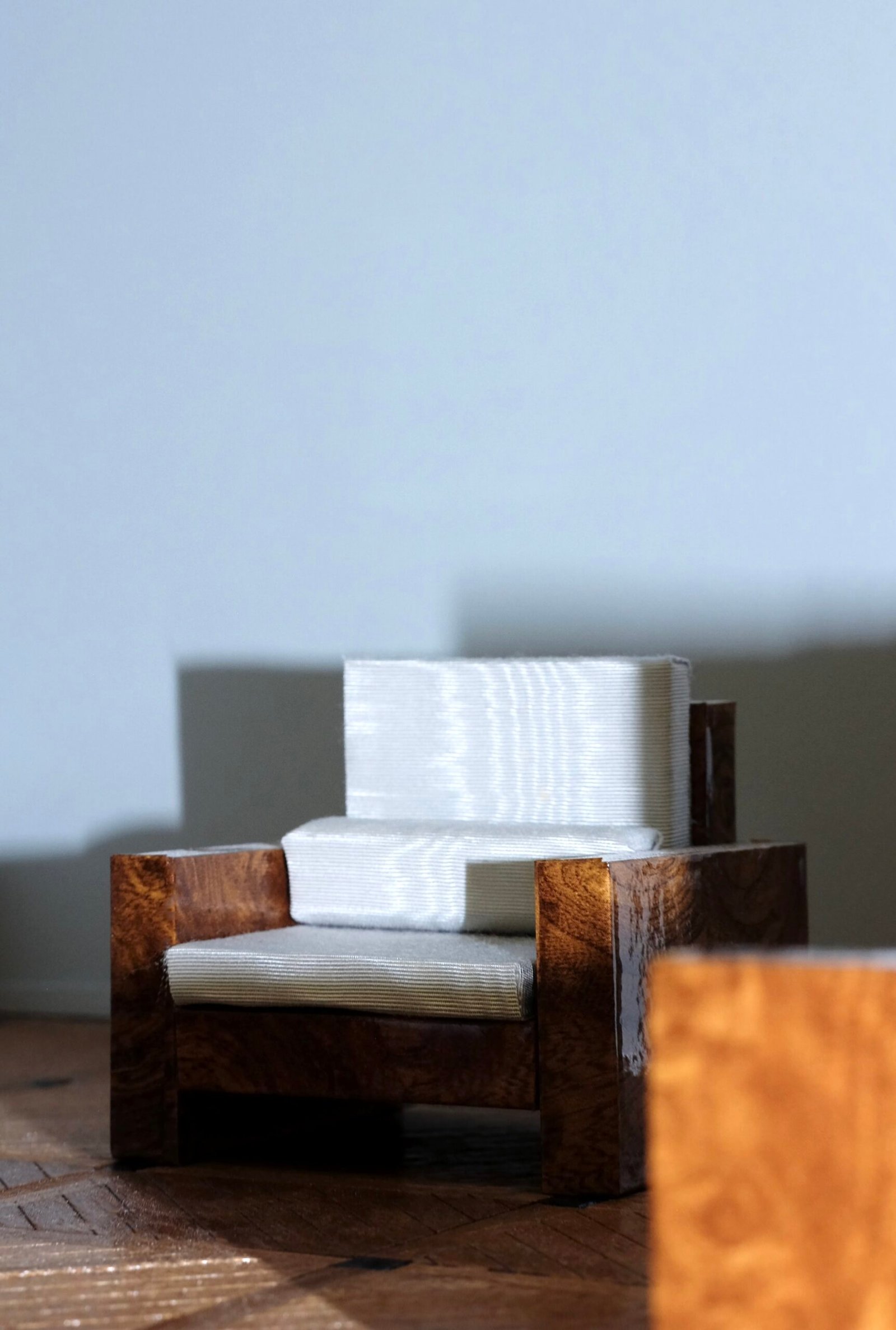
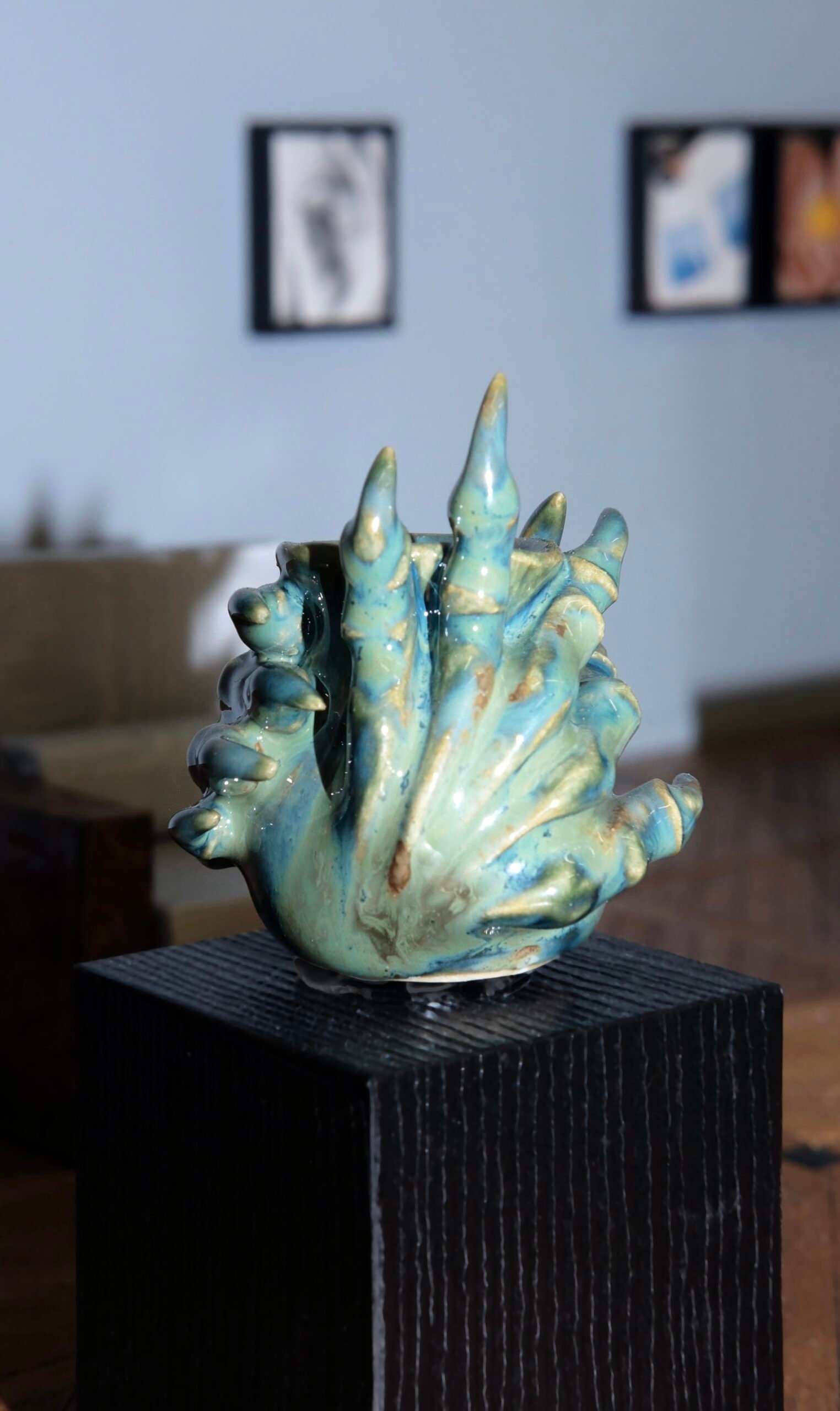
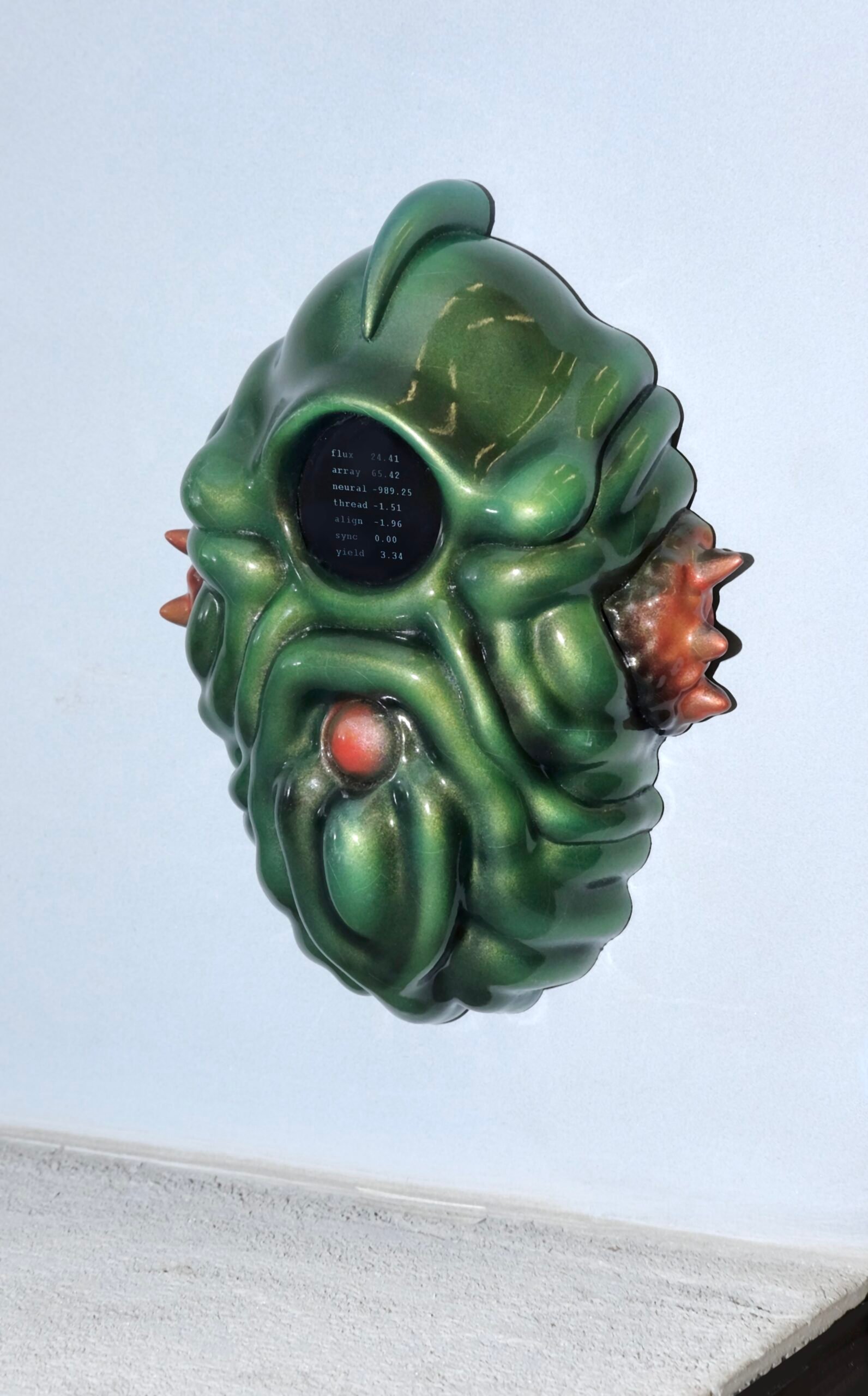
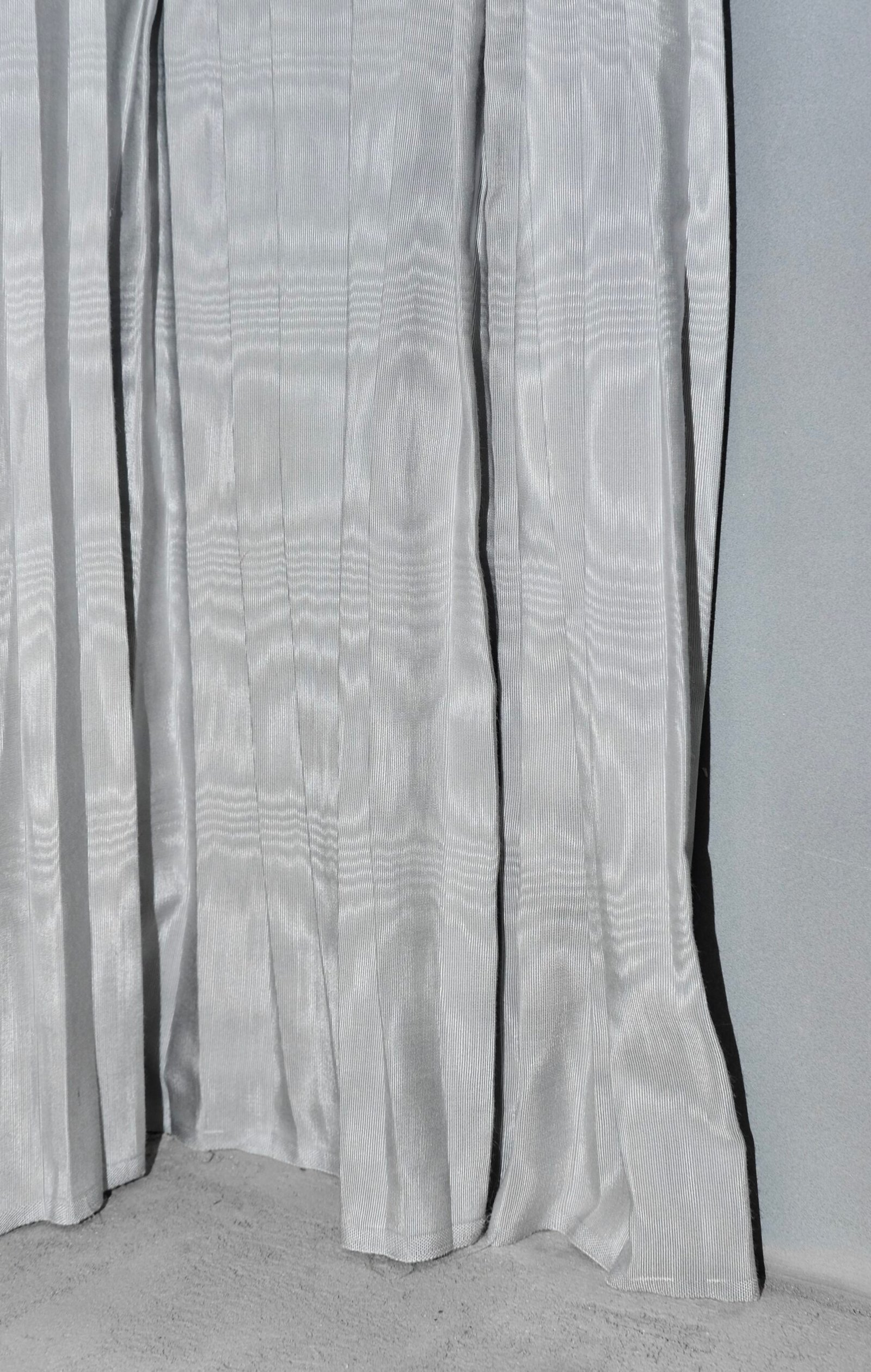
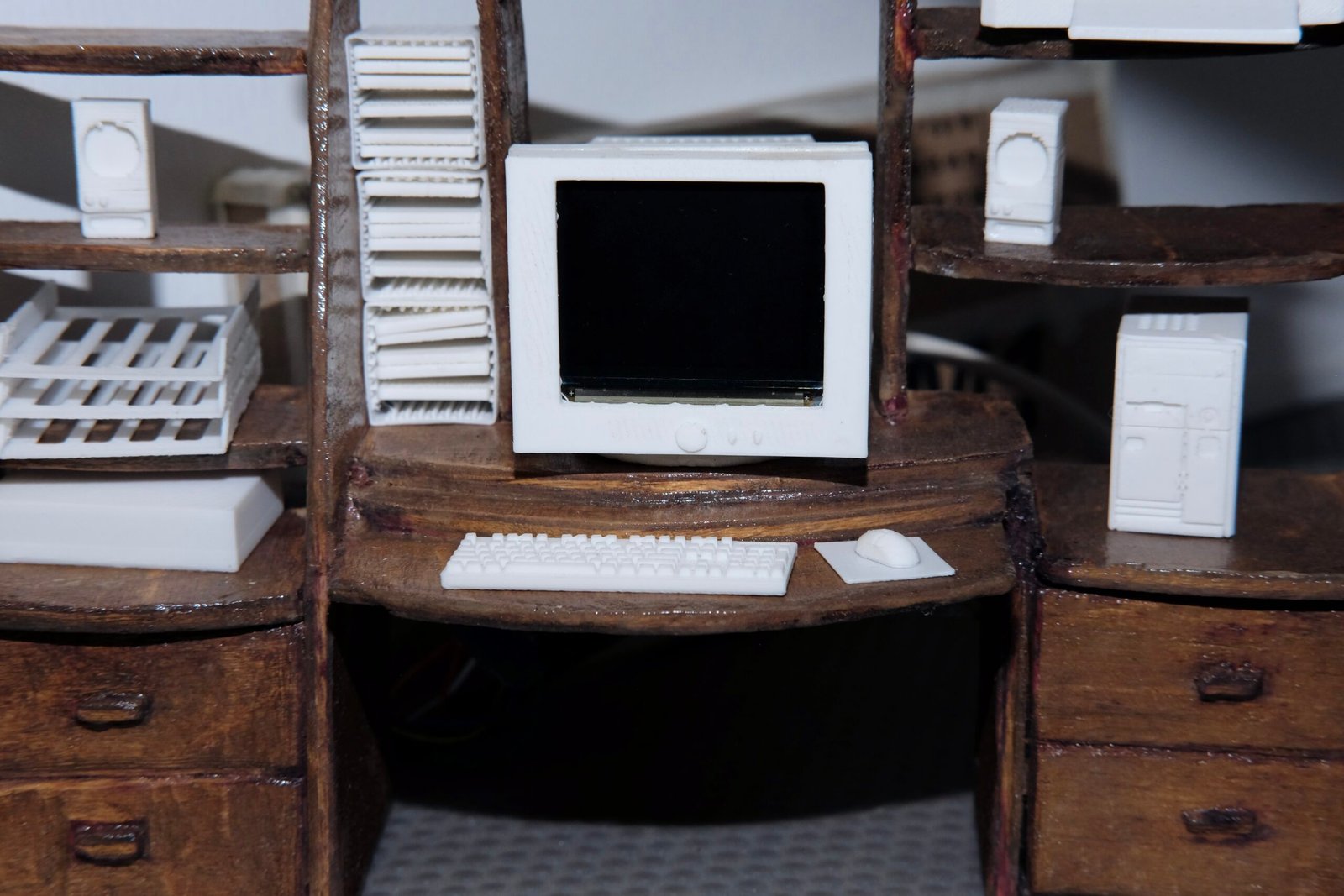
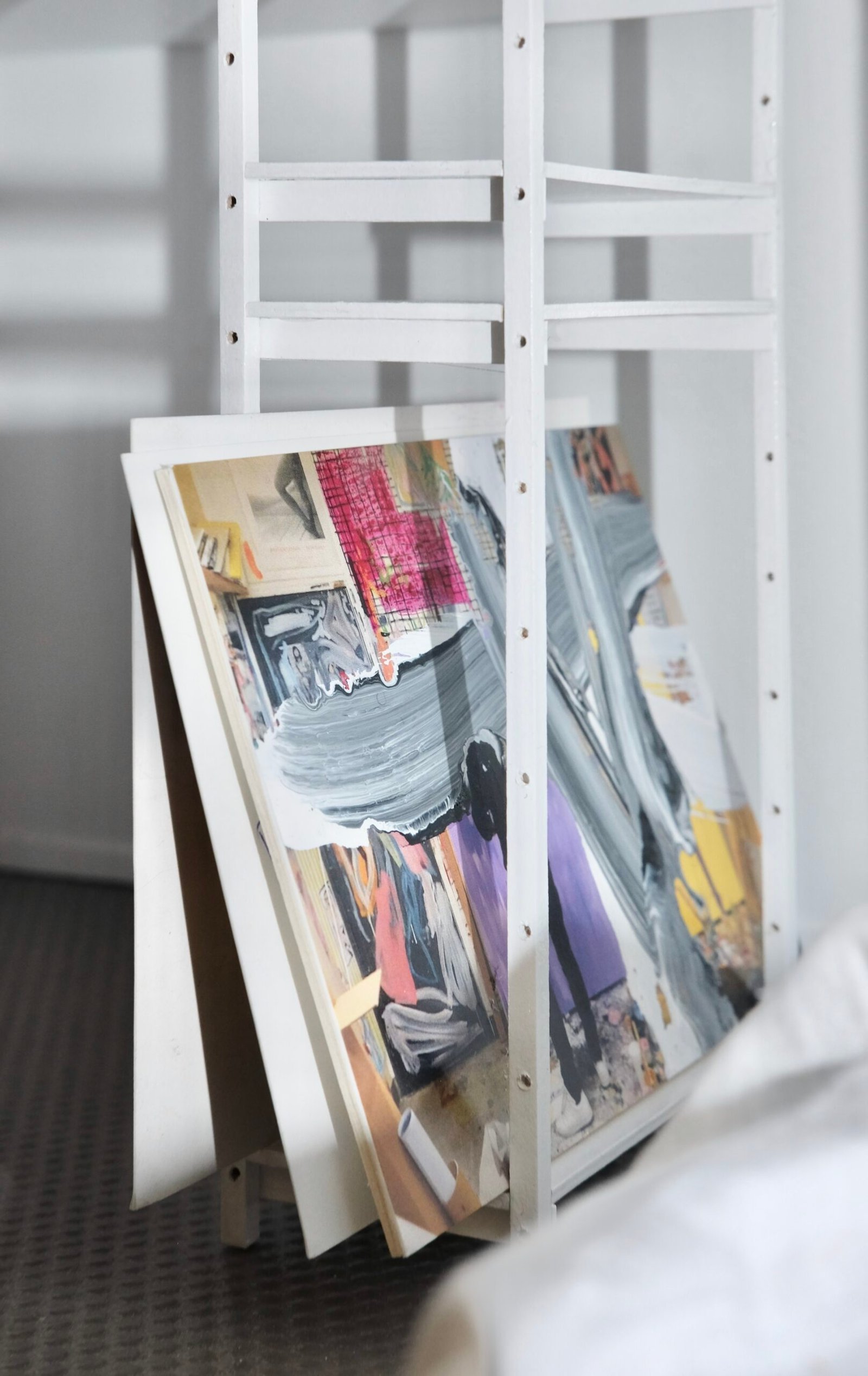
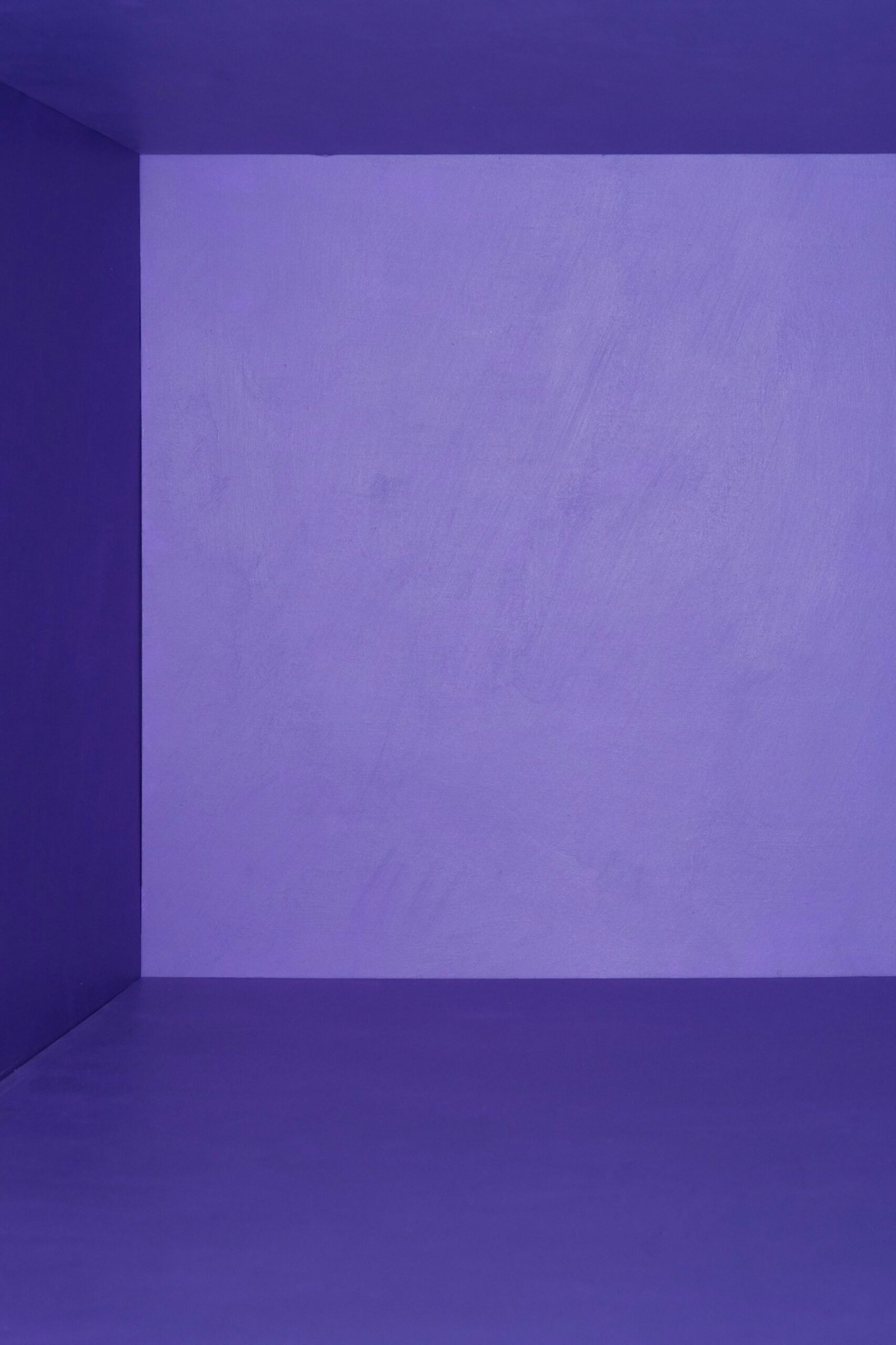
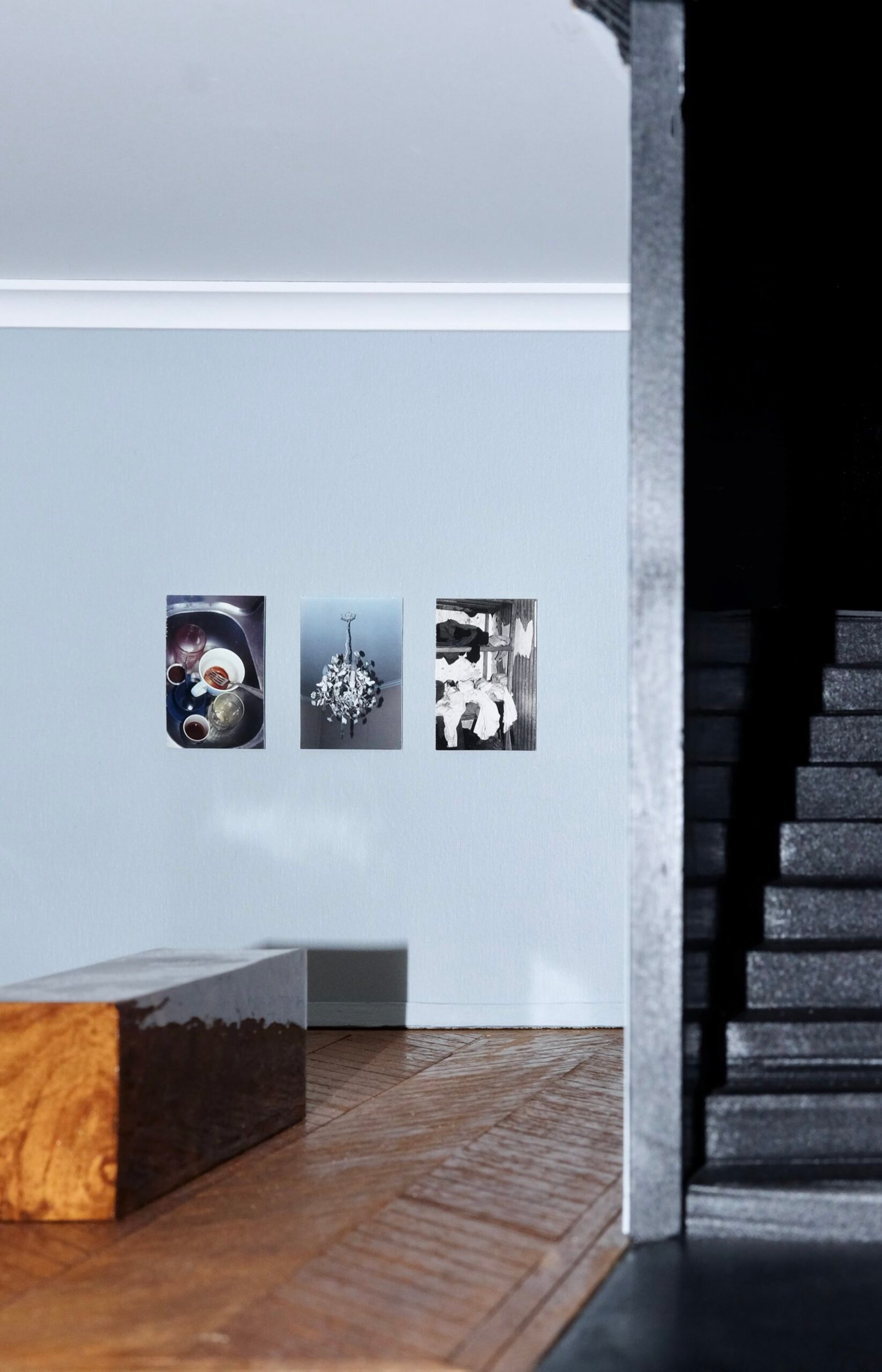
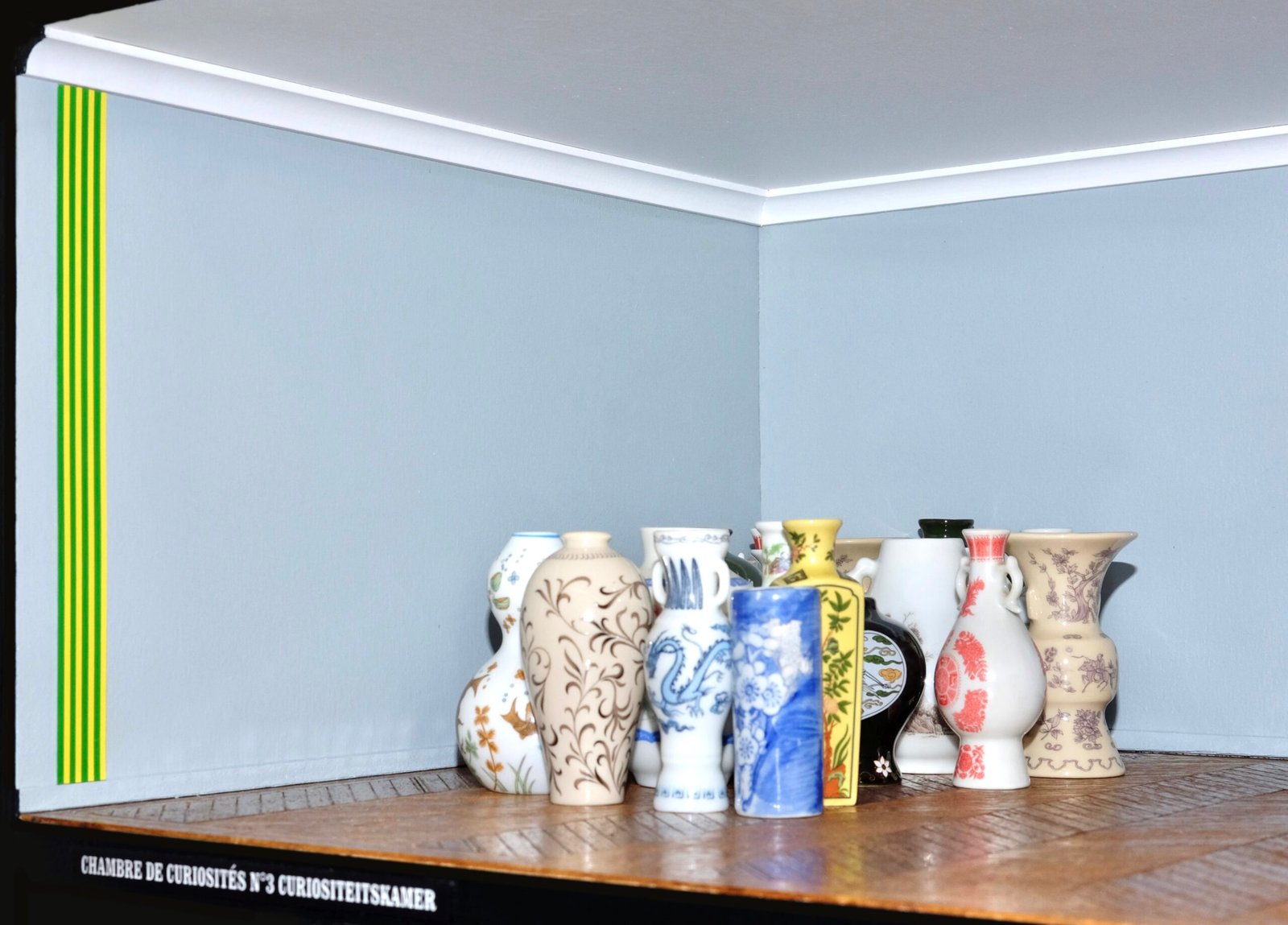
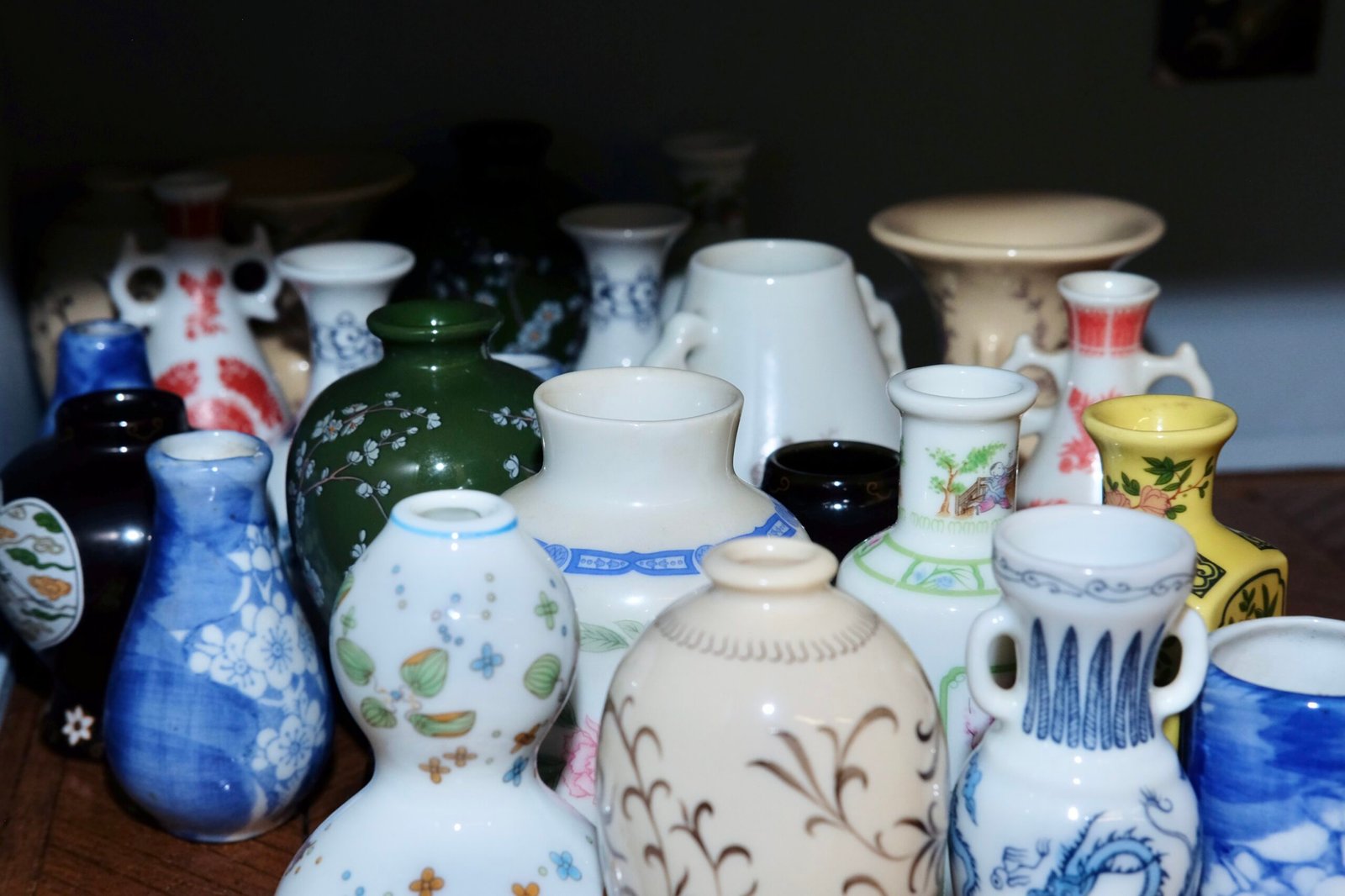
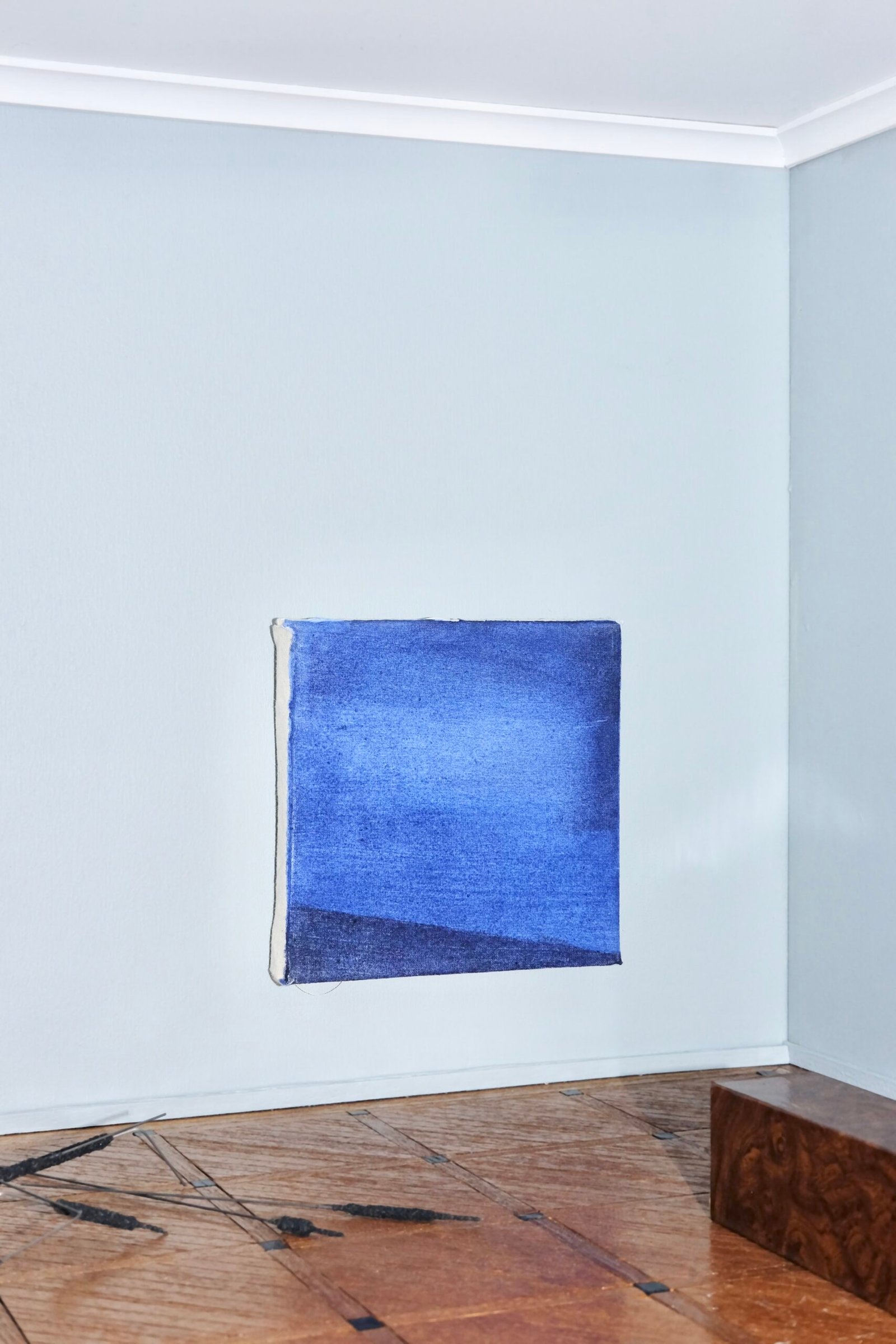
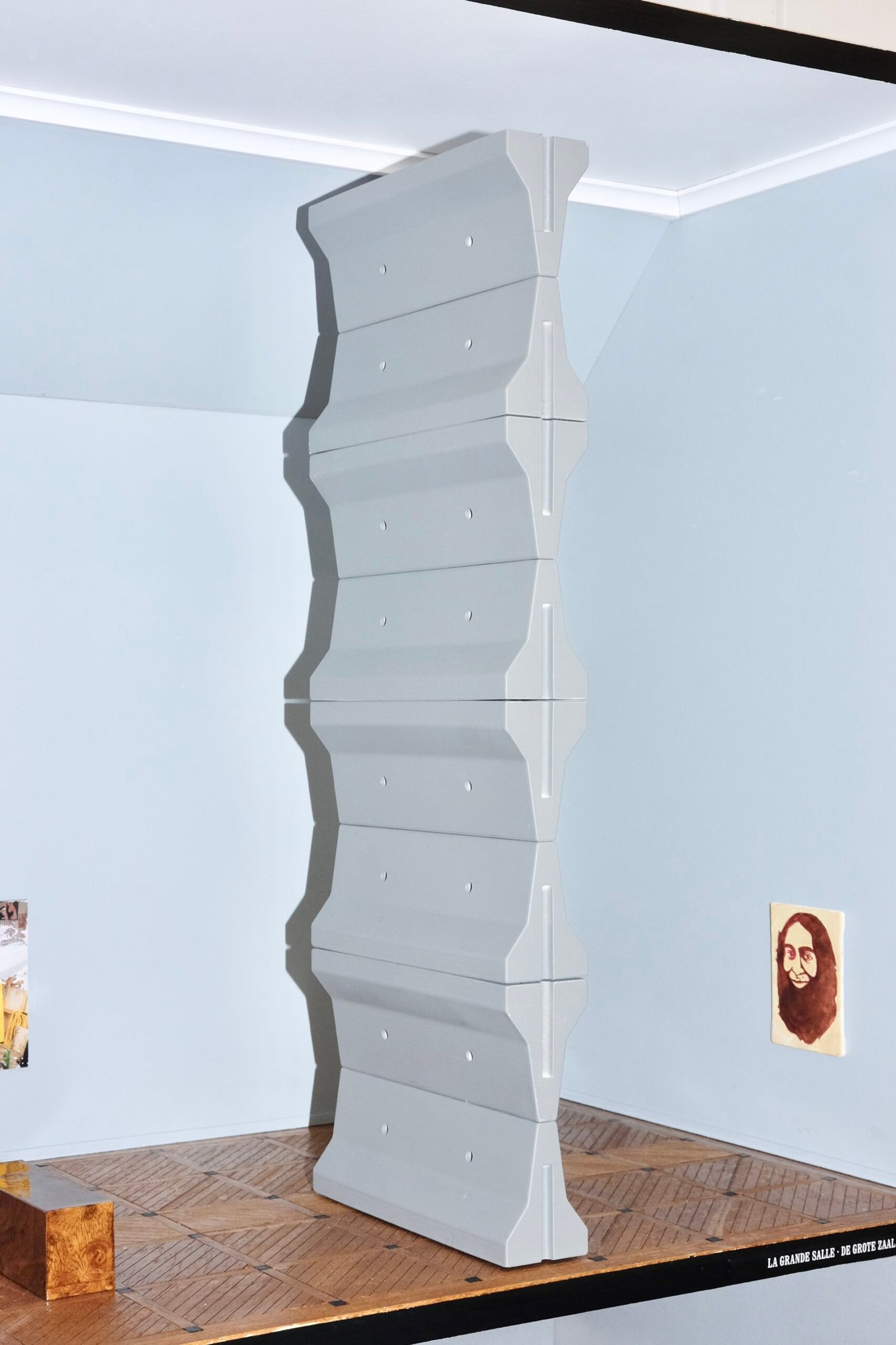
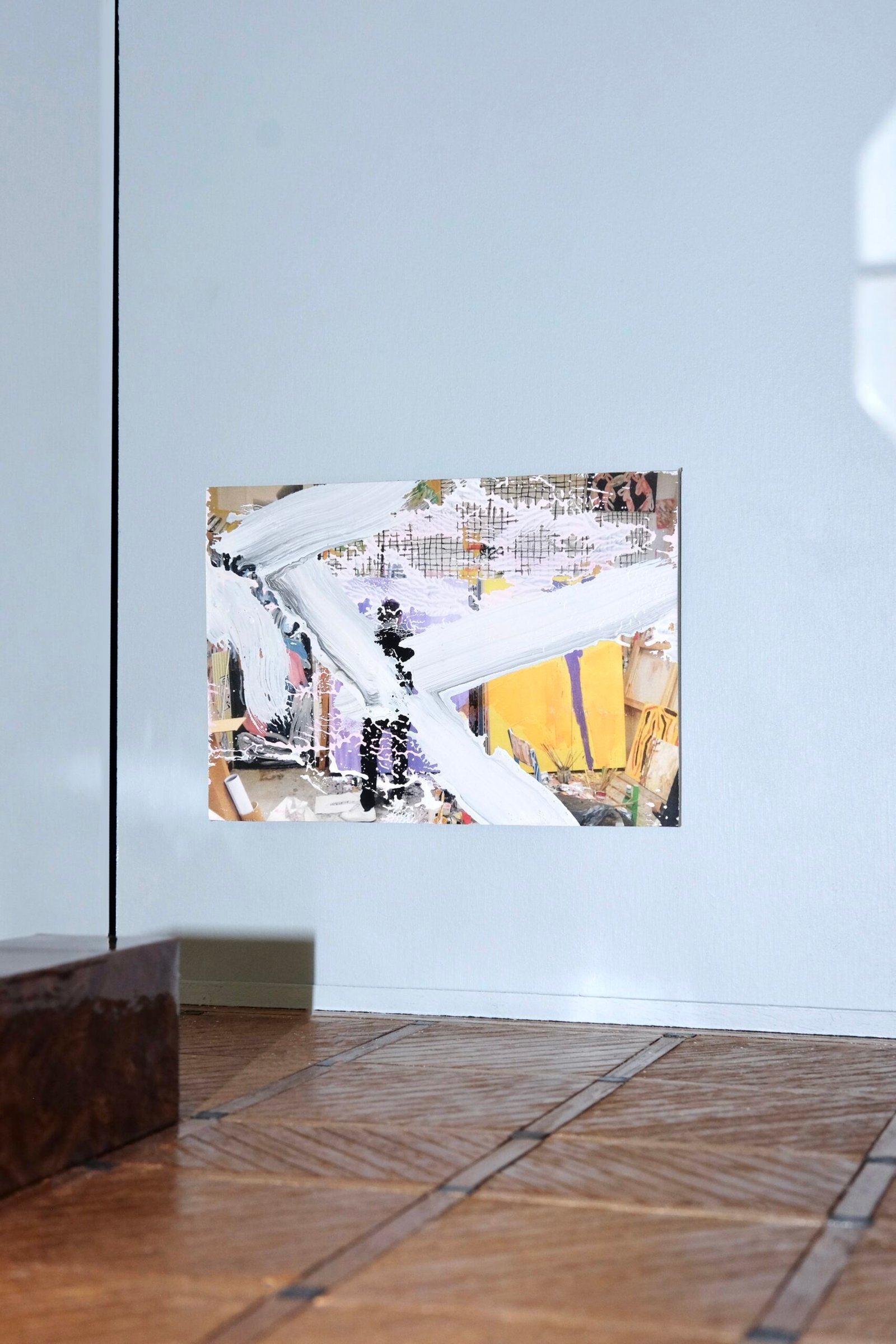
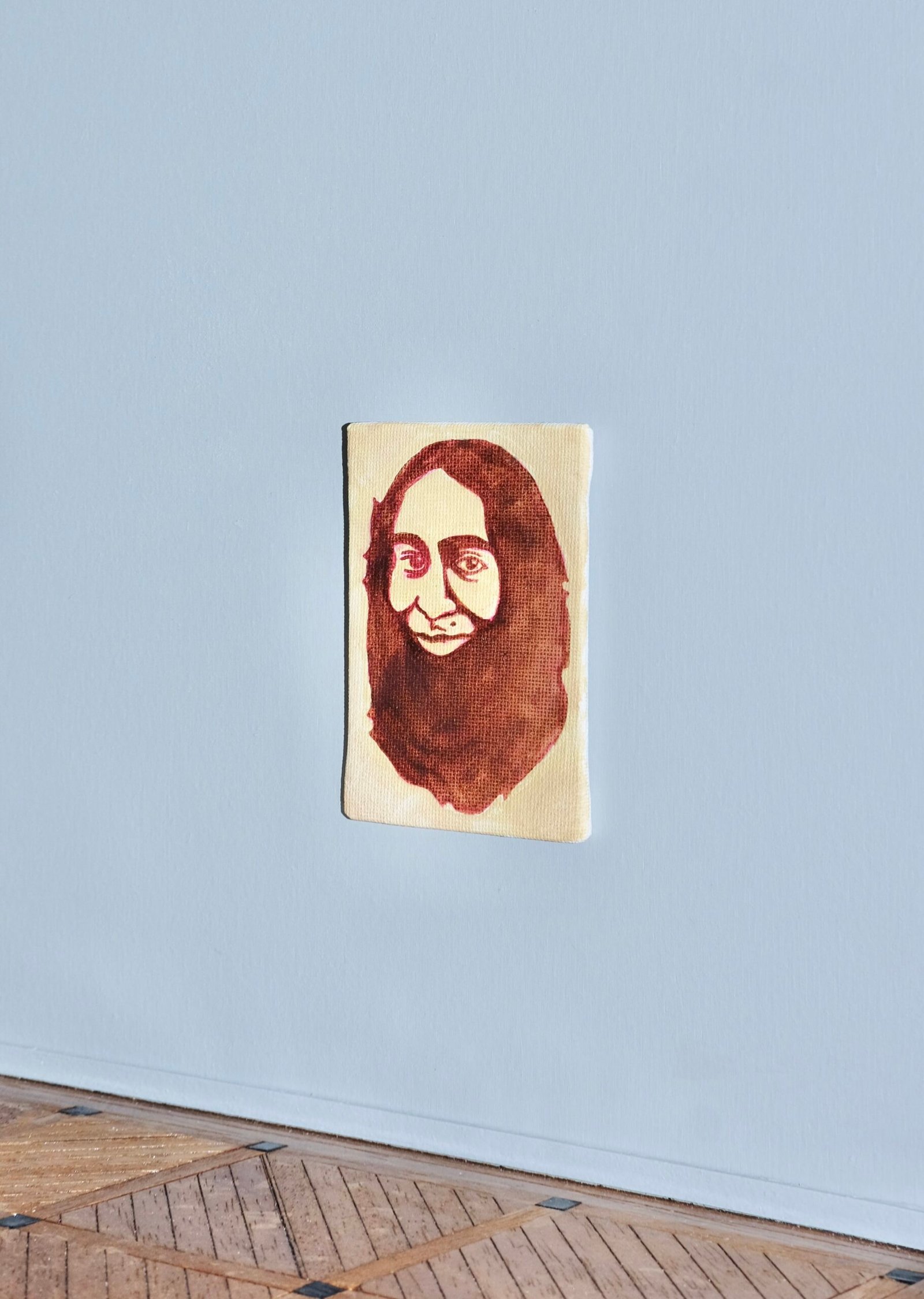
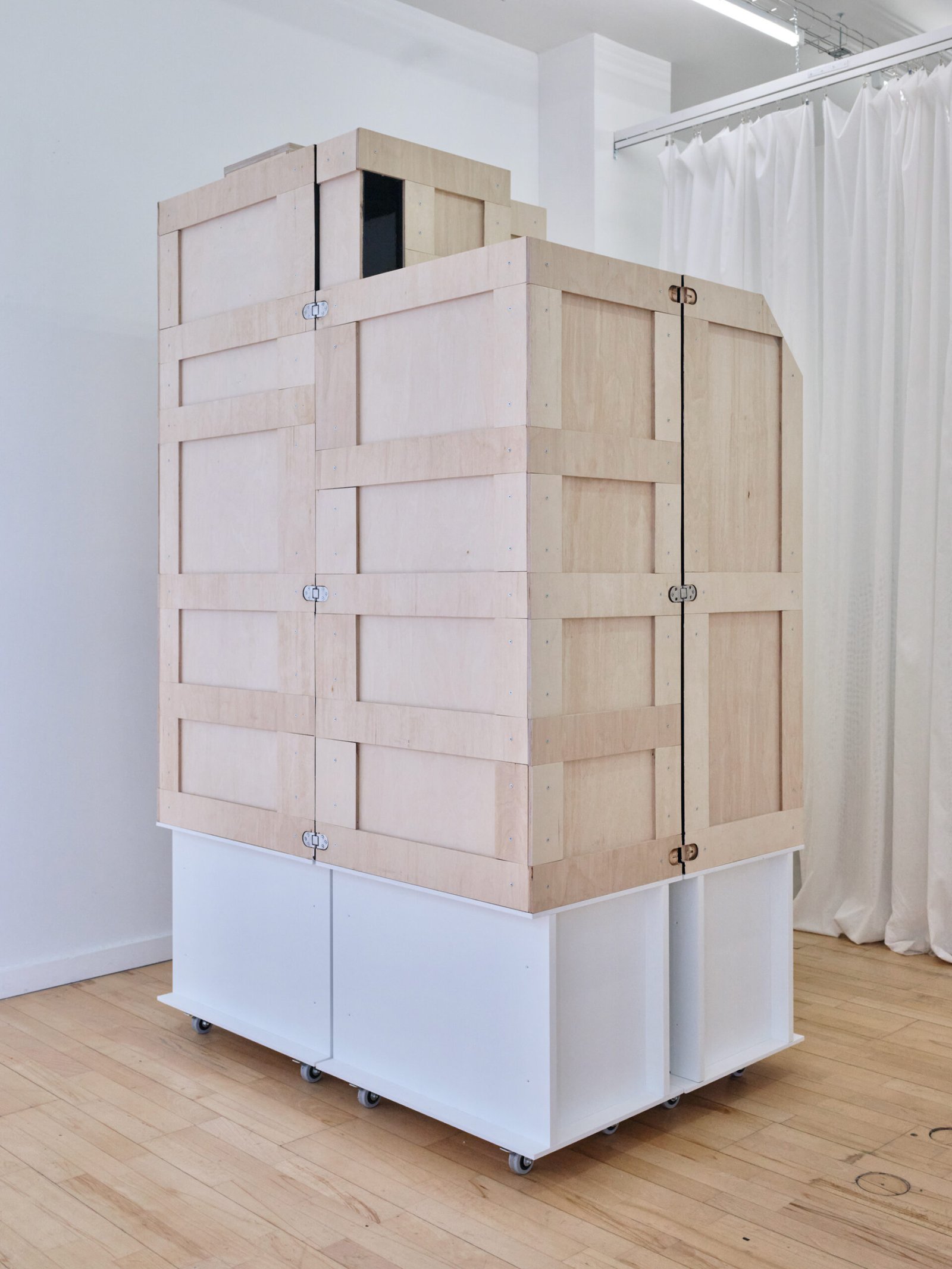
Moeder House Musée is a long-term initiative developed within the framework of the a§s project. Situated between artistic experimentation, architecture, and exhibition practices, the project proposes a radical shift in order to question institutional models, curatorial practices, and the conditions under which artworks are produced, exhibited, and perceived. Moeder House Musée functions as a tool for reflection and speculation on the contemporary museum apparatus.
—
When I watch children build sandcastles on the beach, I am fascinated. An abundant raw material, freely given without condition, is enough to conjure boredom away. Very quickly, they identify the right place: where the waves stop and the sand, still heavy with water, is dense and compact. It is precisely there that matter agrees to take form. This choice is not without risk, for the structure will be exposed at the shoreline, exactly where the waves threaten to collapse what rises.
They quickly acquire an intuitive knowledge of sand quality, its density, the variations in humidity across different zones of the beach, and countless other rituals that improve the consistency of the counter-forms extracted from the bucket: the ornamental details, the careful use of strands of seaweed, pebbles, fragments of smoothed glass or shells. Every parameter matters as the architecture becomes more complex. Far from a simple sensory pleasure, this enterprise engages a body that digs, packs, pours, shapes, refining its fine motor skills. Weight, volumes, gravity, stability, balance, collapse, chaos.
The sandcastle form has broadly established itself on beaches, at the crossroads of symbolic and cultural representations: a simple, structured architectural figure, a canon naturally lending itself to walls, towers, and moats, and distinguished by various systems of boundaries. The bucket anchors towers; ramparts extend naturally from them; and, combined with moats, they may slow the advance of the approaching water. A castle becomes a narrative support, calling forth characters and adventures.
Doomed to collapse, its fragility is experienced in relation to the labour of its making—which requires time and effort. In the sand, the child is not only building a structure, but meaning.
A common assumption holds that children build sandcastles specifically in order to destroy them. I do not believe this. On the beach, I have no difficulty finding almost intact constructions still there, peacefully abandoned. What they have left behind are not ruins but stories; perhaps because it is difficult to destroy what has required care to build. Perhaps it is an invitation to invest other narratives in them.
The space of play is already a constructed space in itself. To build, in play, sketches a form of practical ethics—non-normative—based on the capacity to create, assemble, organise, relate, inhabit and undo worlds. Play implies its own conditions of coherence, not in order to produce efficiency, but to make this world inhabitable. It does not aim at an outcome external to itself; it produces an order justified solely by the fact of having taken place.
In this sense, the a§s project is also a sandcastle. a§s is a tool for aesthetic, philosophical, political and poetic experimentation—a collective space that transforms as each participant inhabits it. It is offered to invited contributors as a site for unfolding propositions that draw on the same dynamics as play.
Moeder House Musée is a satellite of the a§s project, radiating otherwise. Moeder House Musée is a museum at 1:12 scale, with proportions inspired by dollhouses. This hybrid proposition combines an architectural project with a cultural institution—it proposes a radical shift in order to question institutional cultural models, curatorial practices, and the conditions under which artworks are produced, exhibited and perceived. Moeder House Musée serves as a tool for reflecting on museums today, and in particular as an experiment in the gift economy in art.
The institutional art world has fully integrated a neoliberal productivist logic, often masking it behind polished language. Institutions operate through the extraction of labour and through the vulnerability of a vast part of artists, while displaying values of care and horizontality that remain largely sporadic. This dissociation between proclaimed values and material conditions is not a contradiction but a mechanism: ethics serve as alibi, absorb critique, and prevent change.
The system thus maintains itself without transforming, and precarity, opacity and instability become the norm. This is why Moeder House Musée attempts an alternative, transformed into a house of wards—the term “poupée” (doll) is etymologically derived from “pupille” (ward, pupil), and here allows us to honour both some orphaned beings and the small image reflected in the eyes of the one who looks. The scale of this museum, more flexible, puts this economy of the gift to the test when applied to everyone, as a rule of the game, notably adapting its productions to a 1:12 scale.
Miniaturisation here explores a possibility: it seeks to fluidify and facilitate the circulation of productions through the modesty imposed by its format. Moeder House Musée is an experimental tool through which these questions can be handled.
The seriousness of play allows one to engage intensely, and always reversibly: one enters this world, inhabits it, and then leaves it. Every element matters because it is chosen, not because it is necessary. The ludic order is always revisable; it keeps things in a state of availability. For play operates in the conditional: it does not state what is, but what could be, as long as one consents to it, and ceases to be without producing loss. It does not abolish the real; it locally suspends necessity, creating a space where what happens is neither imposed nor indifferent. The narratives that pass through these spaces are never closed, always ready to transform. The worlds it brings forth are not meant to impose themselves or to claim solutions, only to be experienced. Everything can be replayed. And this reversibility is decisive: these disappearances do not annul experience, they protect it.
Rather than treating play as a romantic analogy or a poetic metaphor, it is more precisely a singular form of rigour. Play is a discreet but radical philosophical gesture: the demonstration that meaning (and the sensible) can emerge, that worlds can be imagined without being imposed, and that what disappears has nonetheless been fully real. Play maintains a living relation to imagination and to the desires that ground its creativity.
—Raphaëlle Serres