


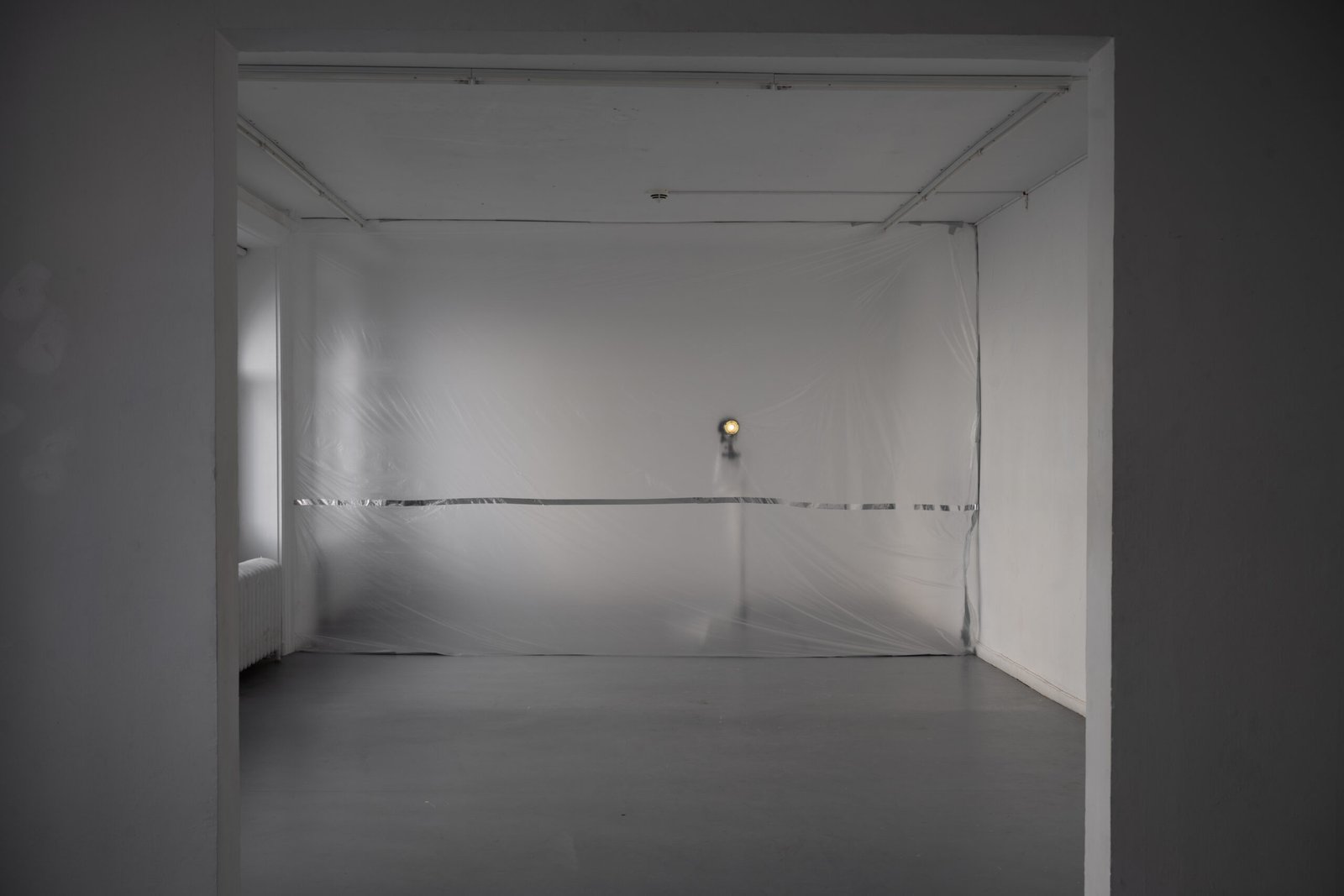
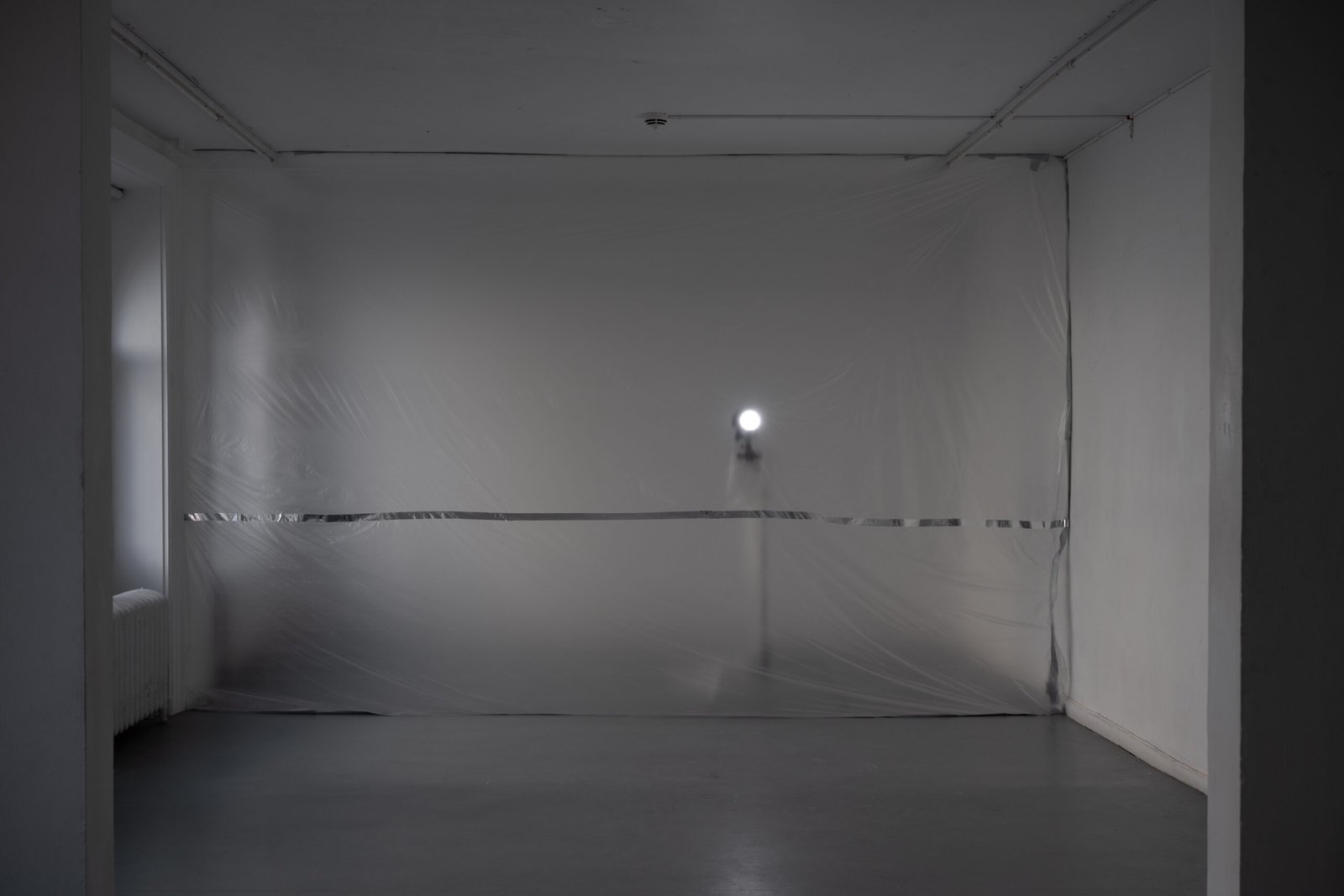
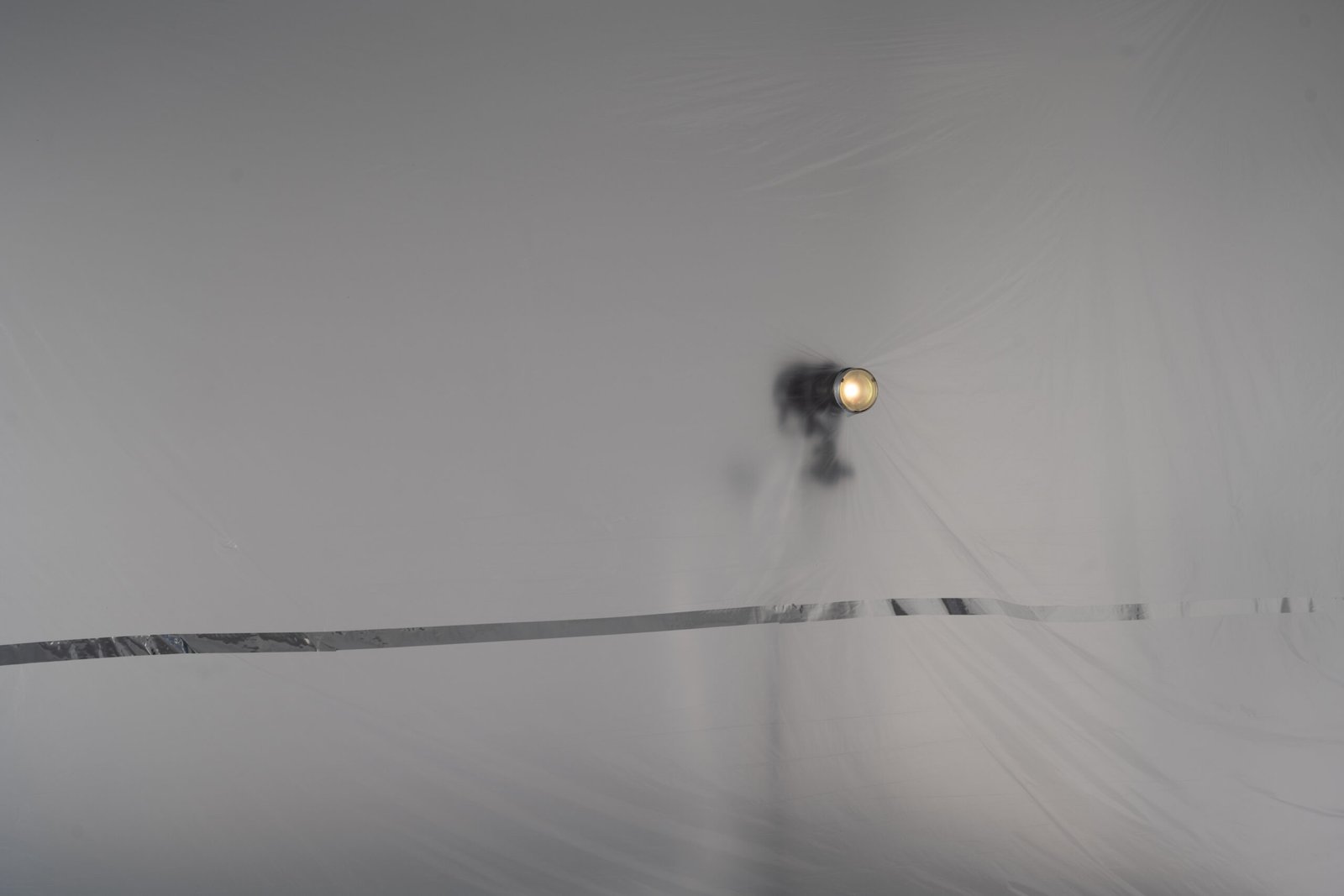
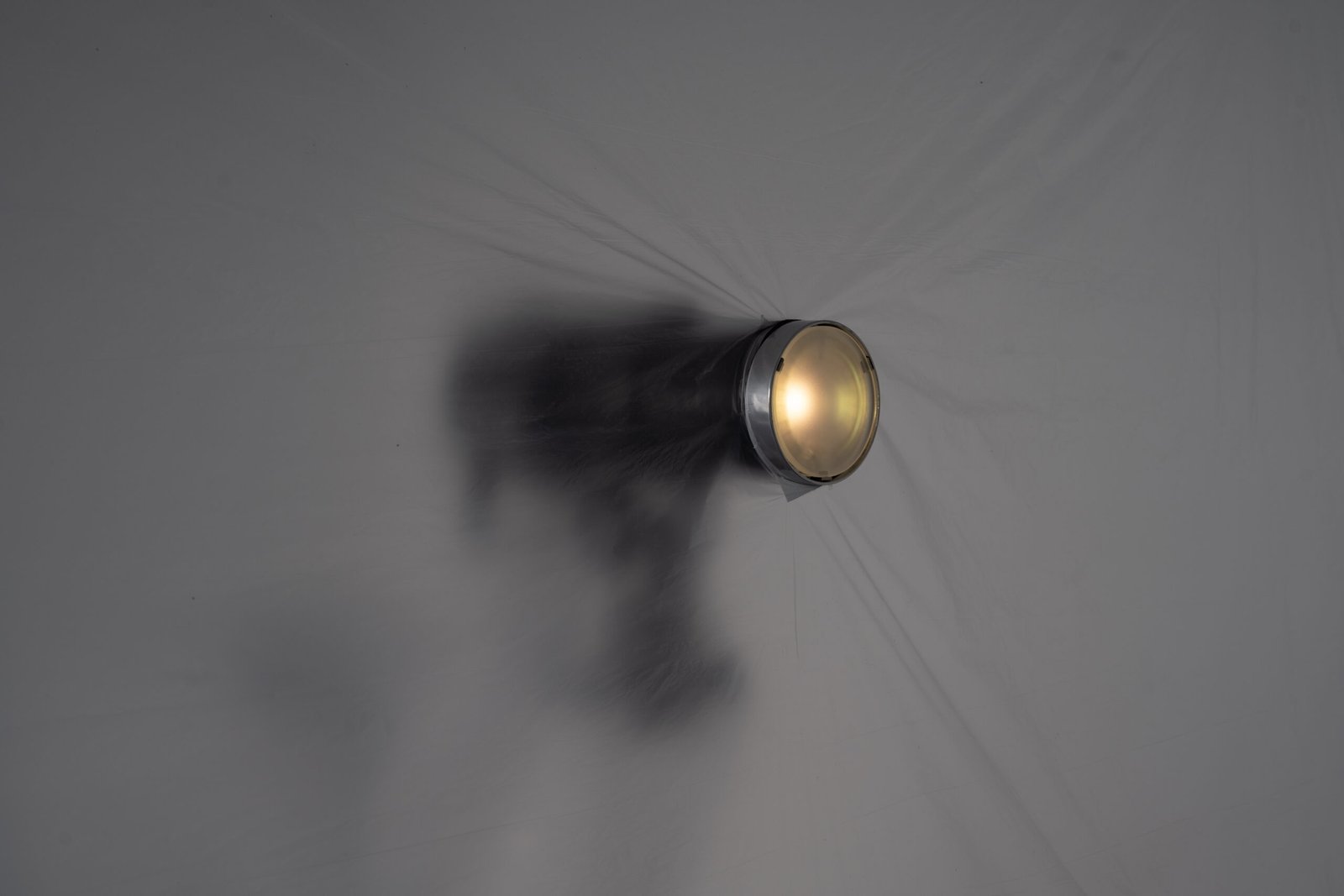
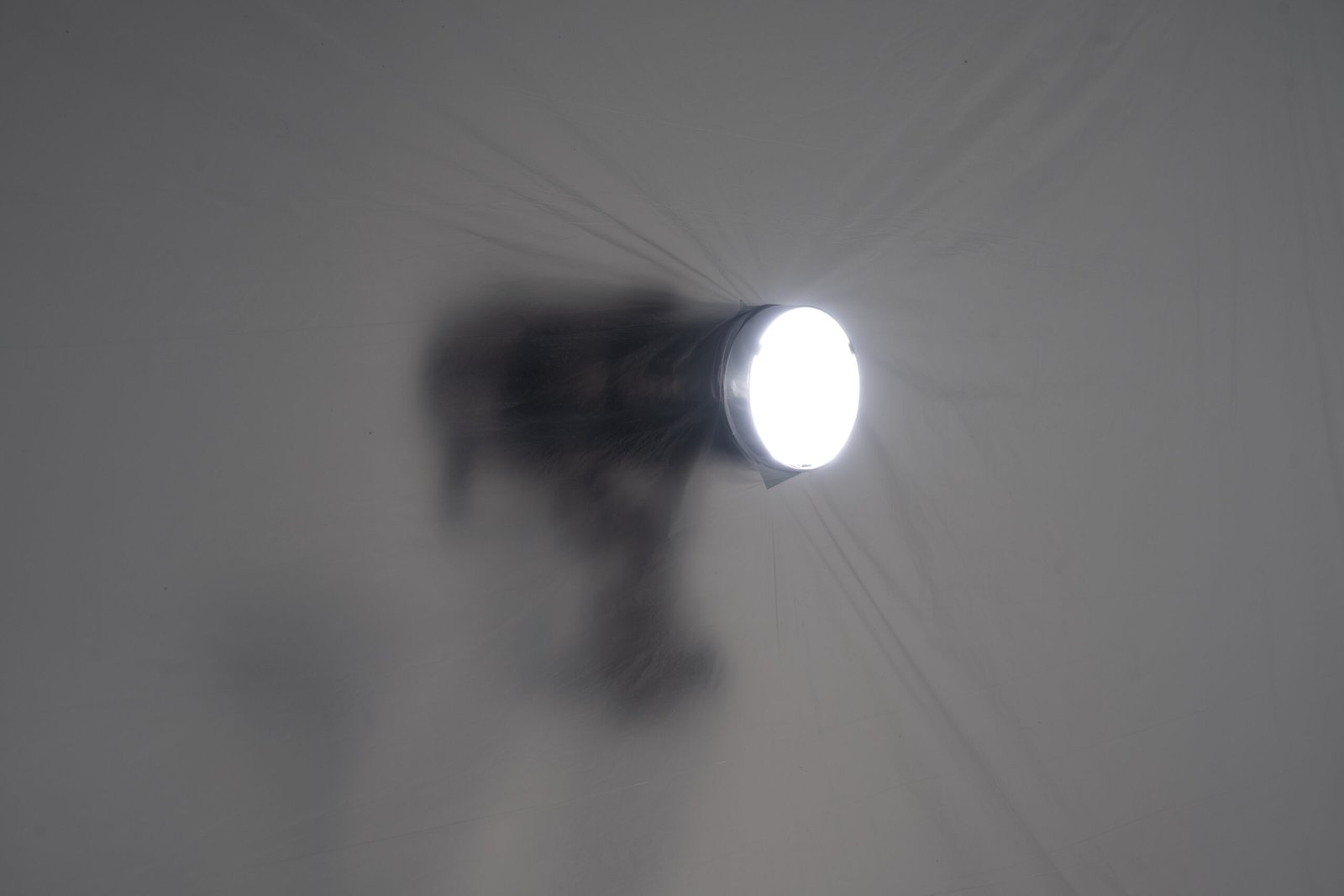
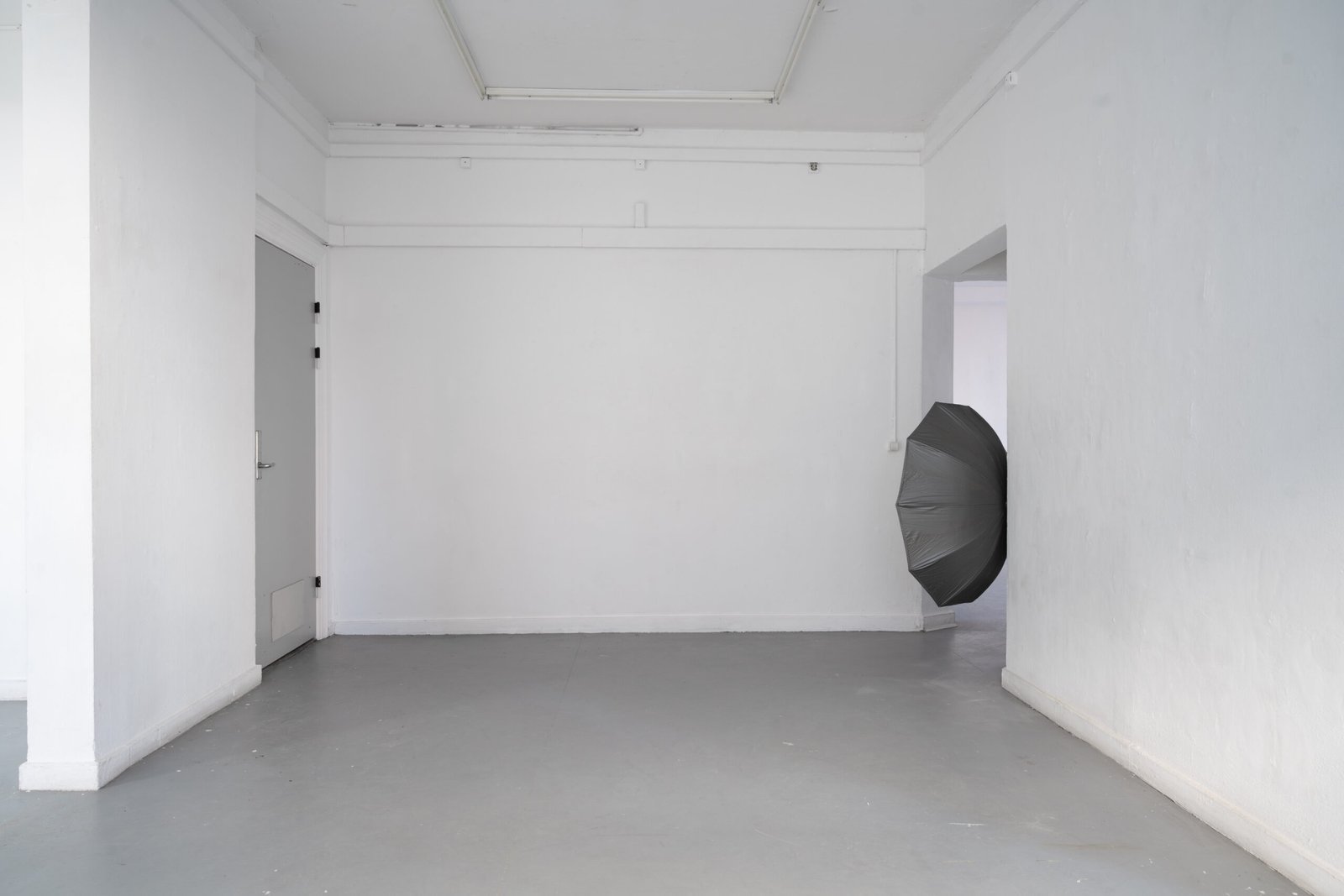
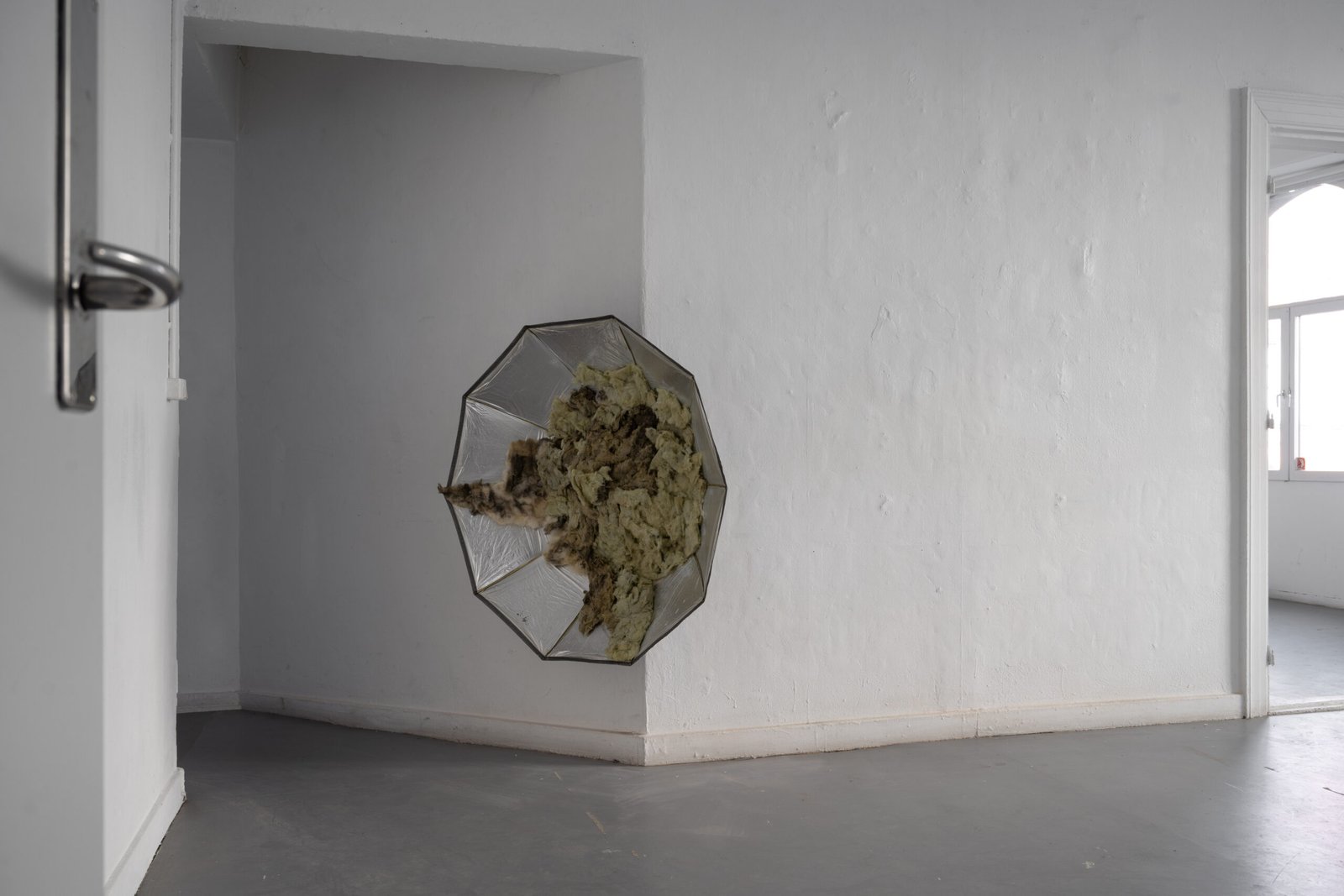
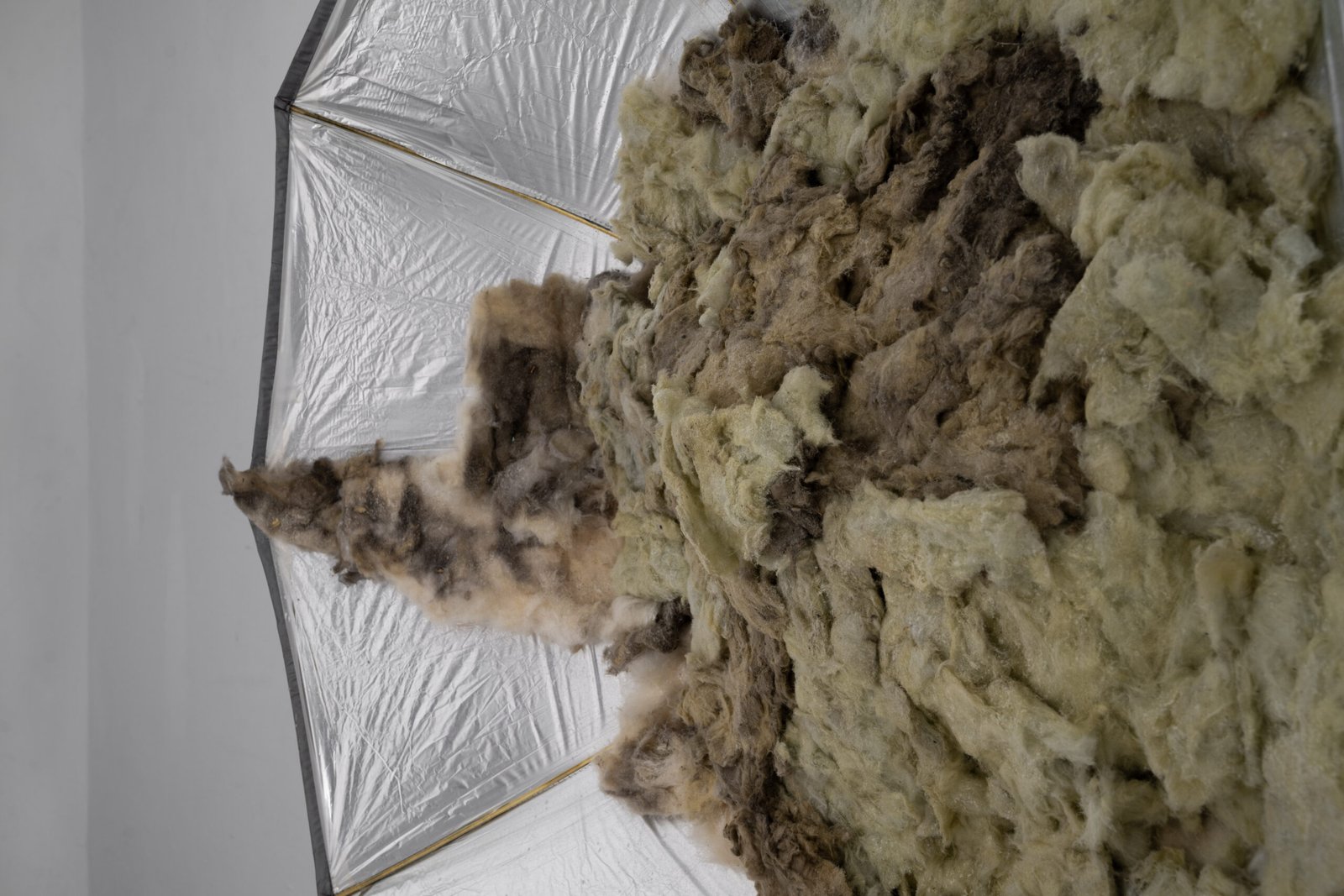
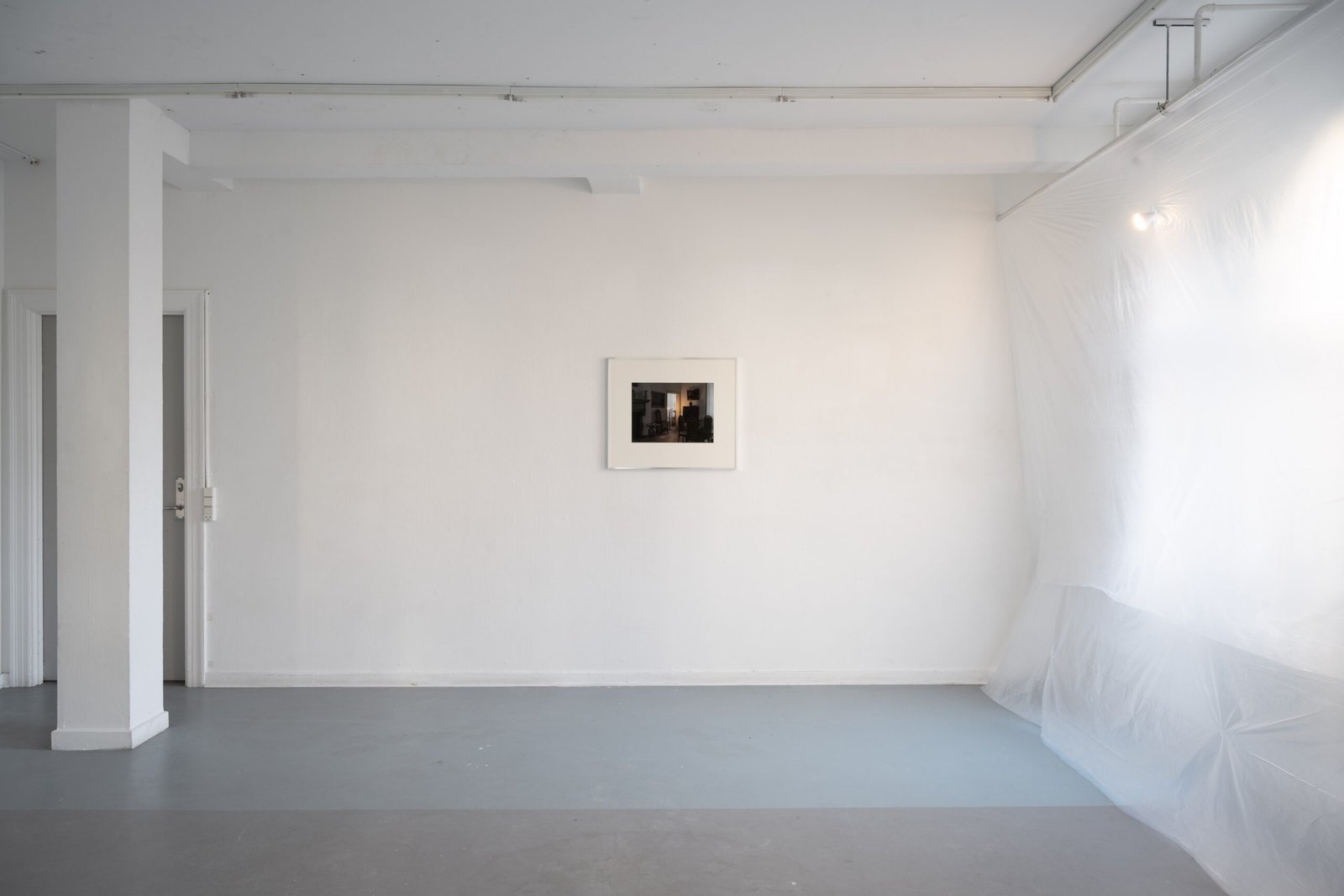
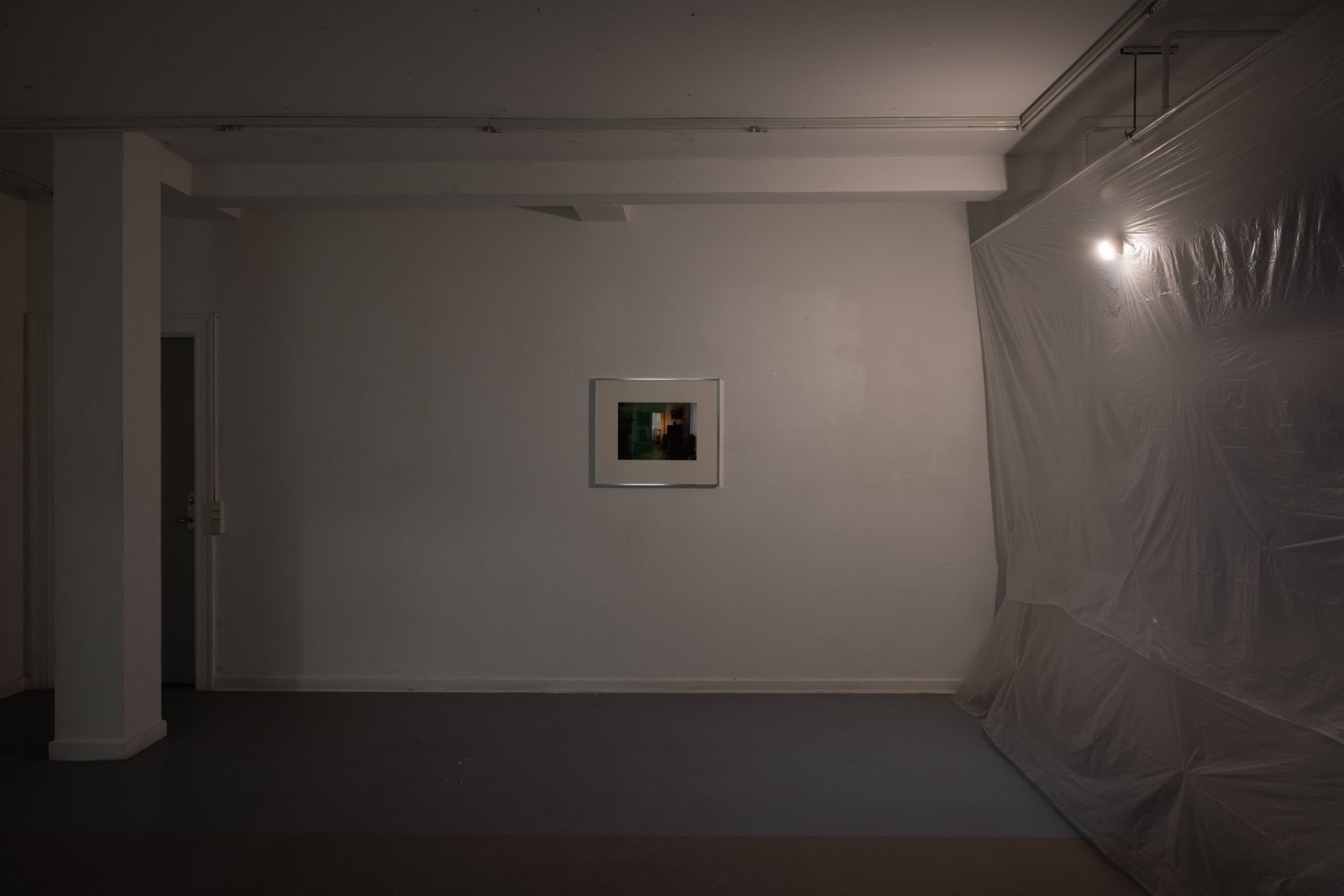
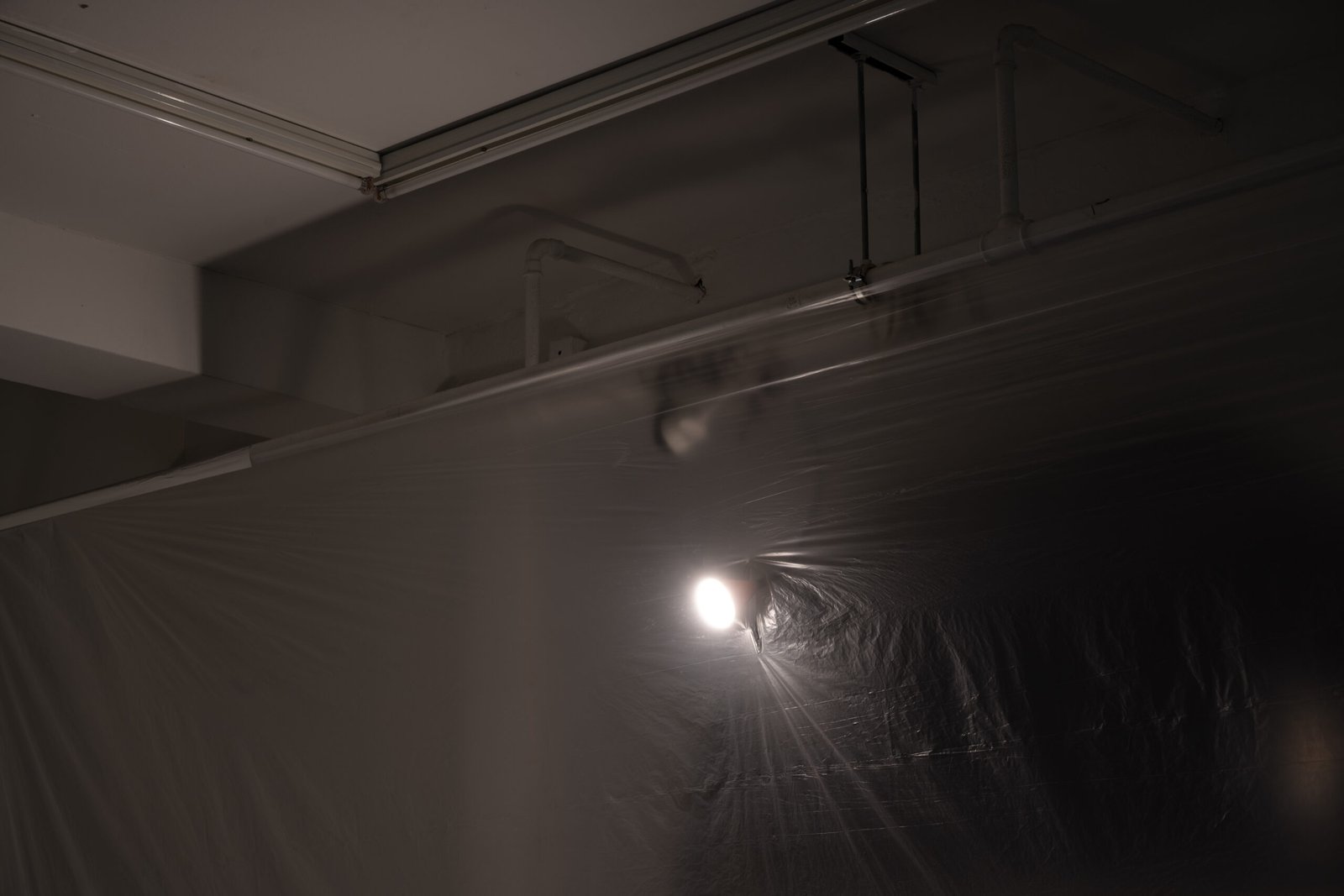
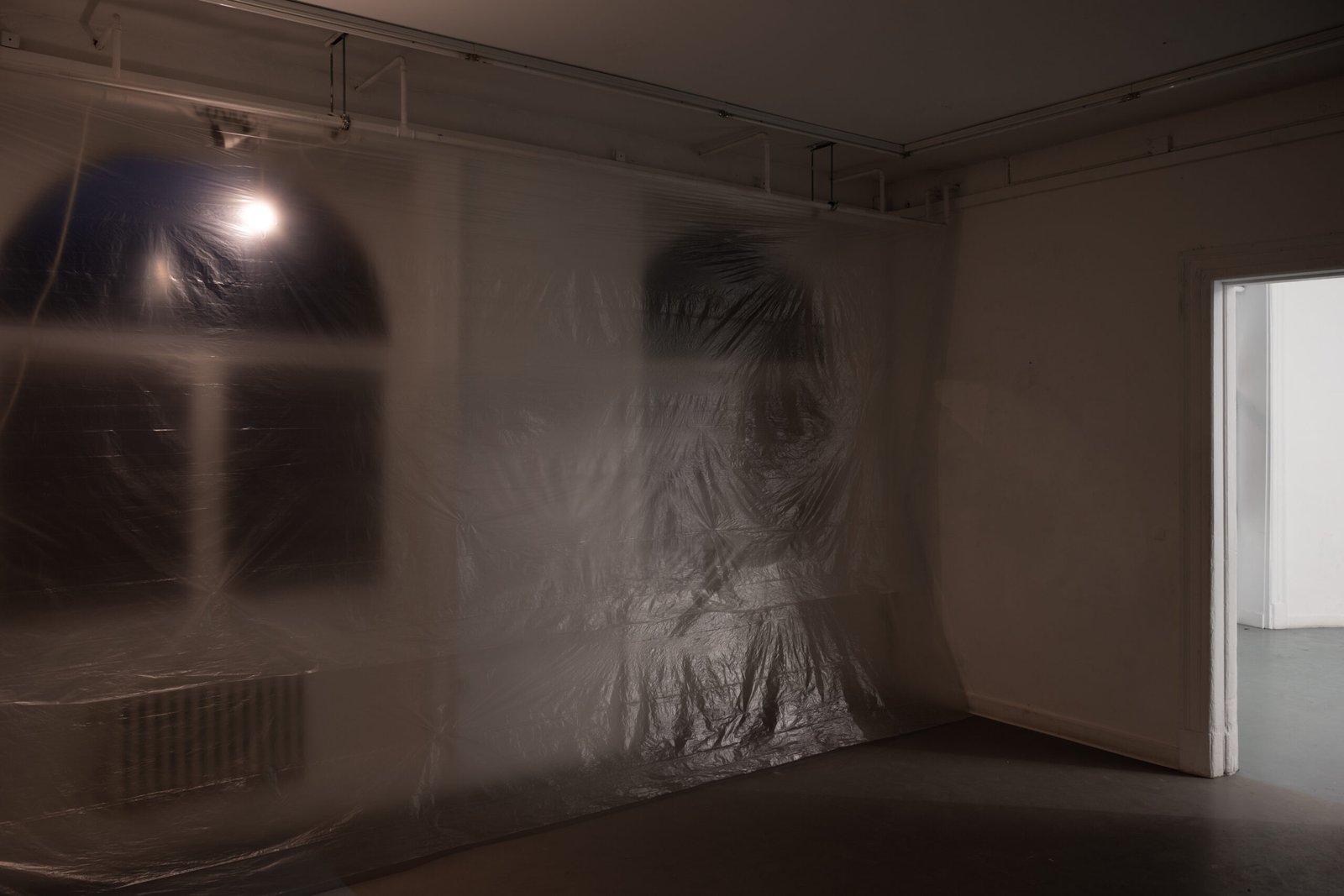
A studio flash fires intermittently in the space, disconnected from any camera and therefore incapable of producing an image. The burst of light briefly illuminates the room before disappearing, leaving no record behind. Exposure occurs without the possibility of an archive.
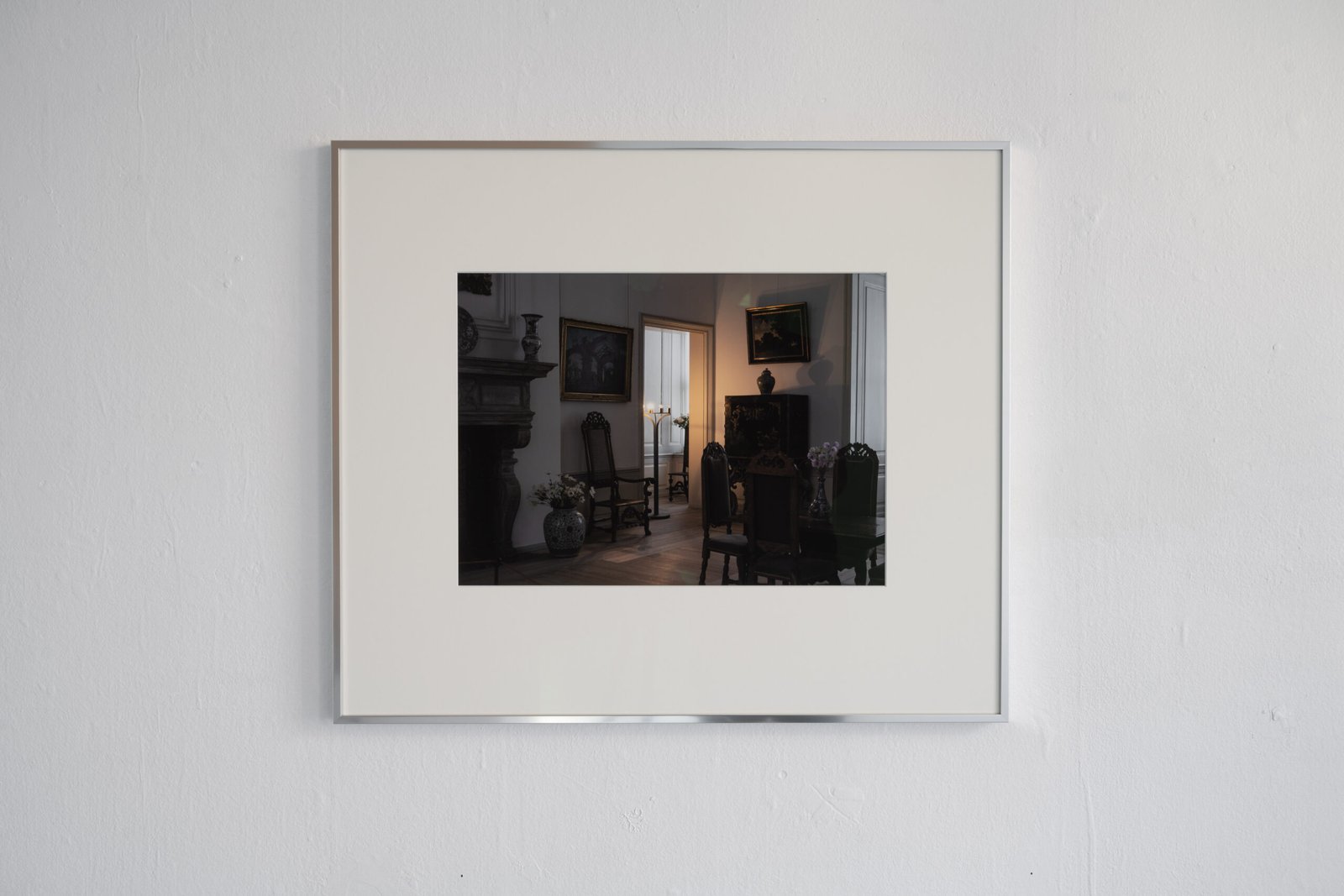
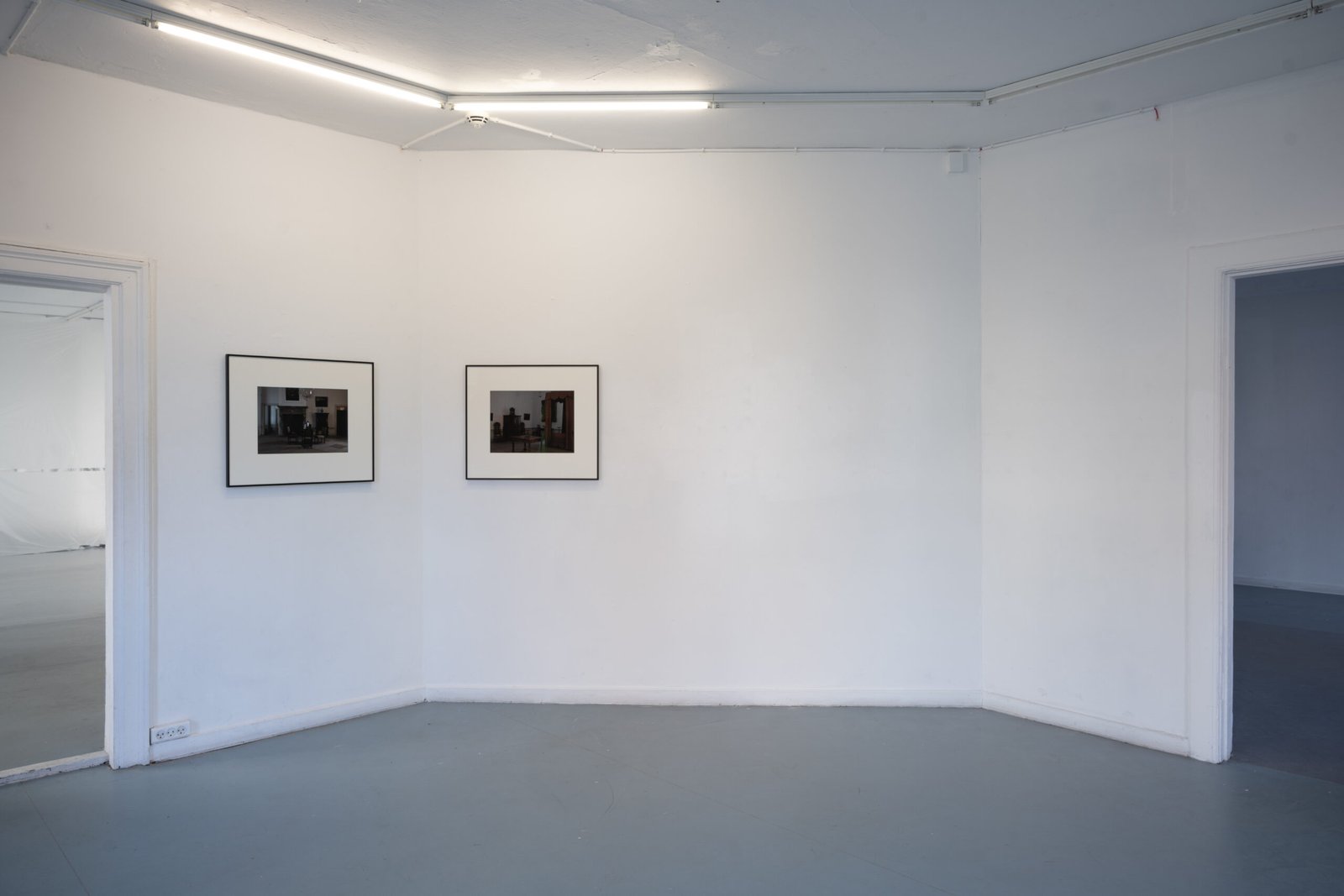
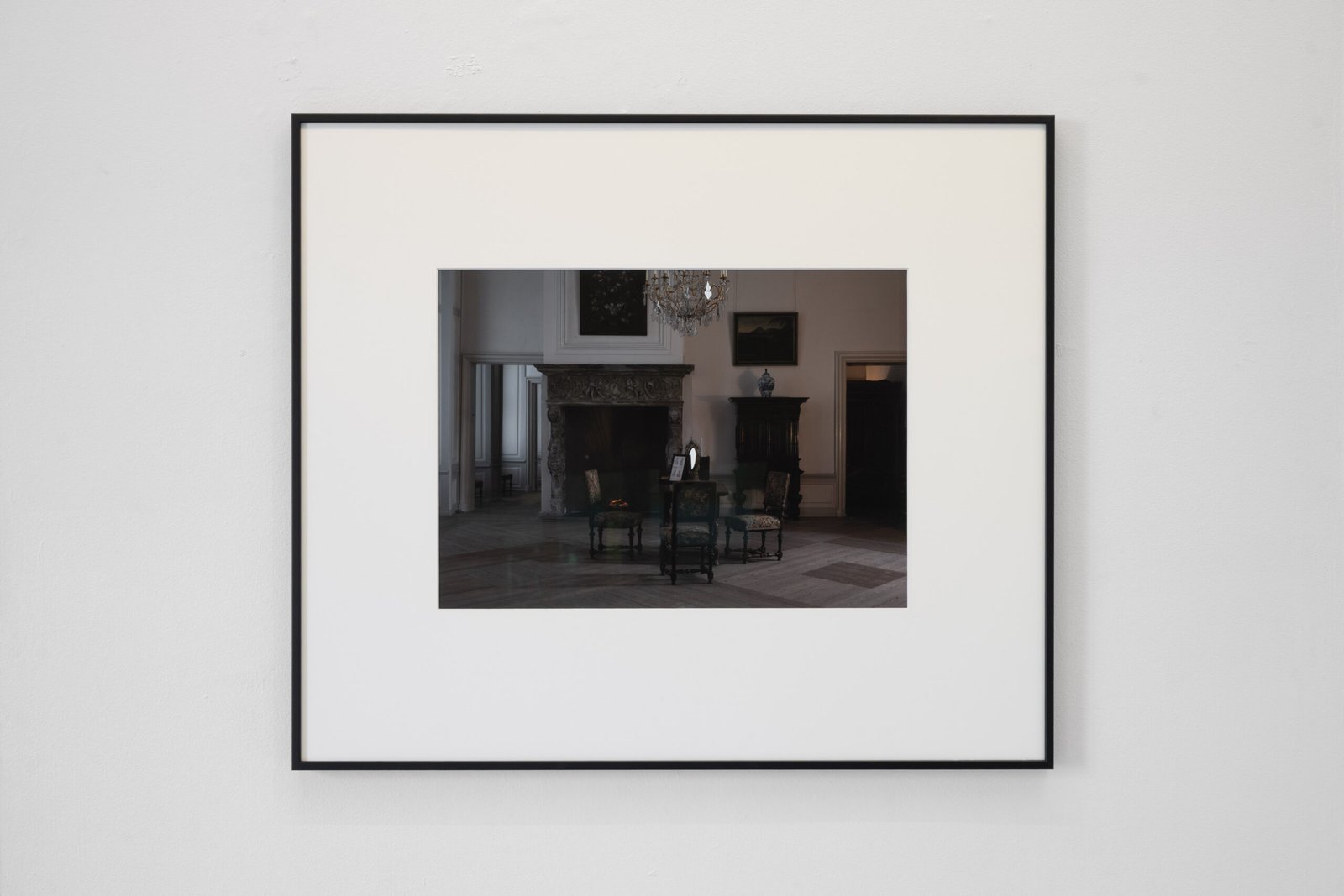
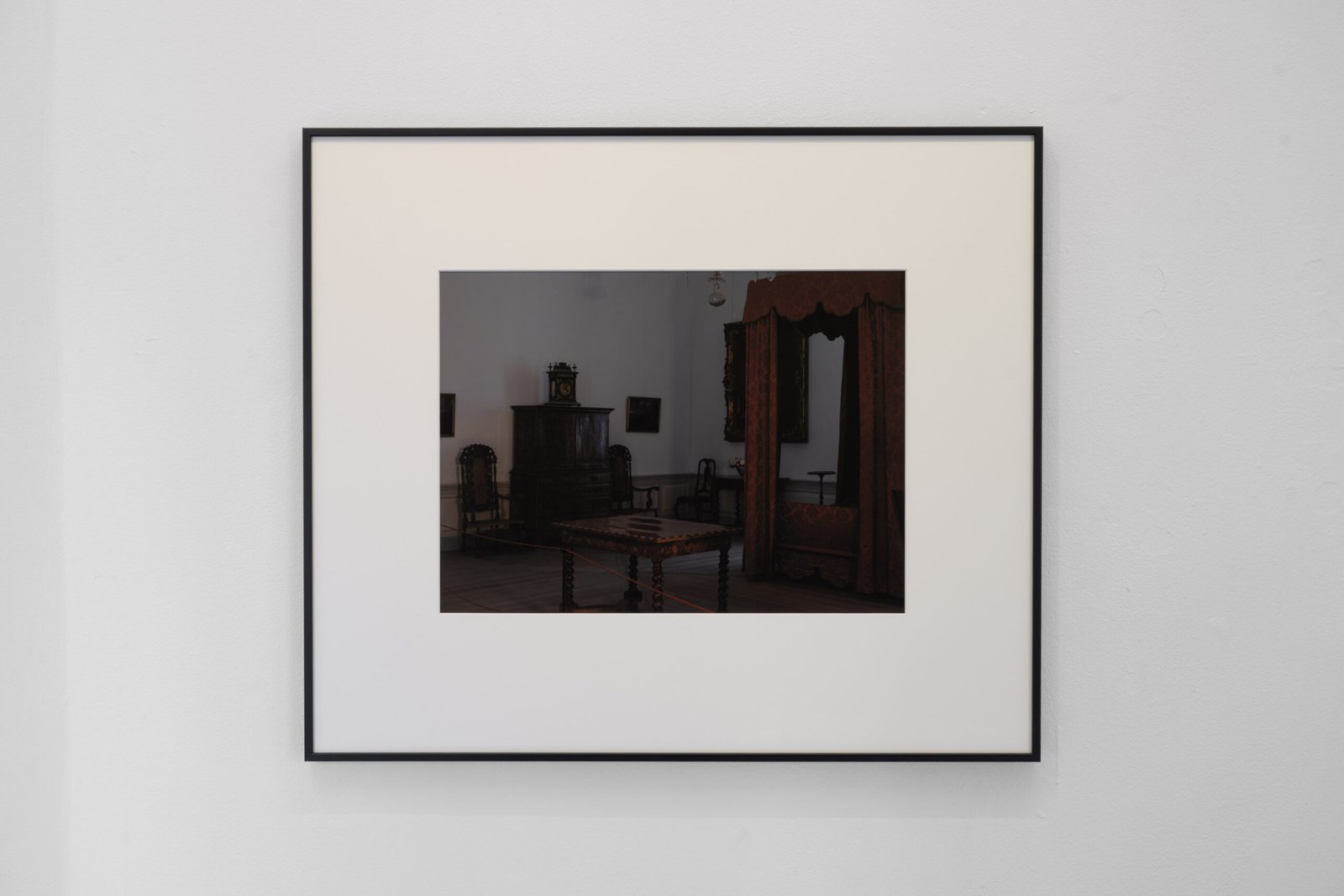
Throughout the gallery, framed photographs depict interiors of Kronborg Castle, rooms that are themselves carefully staged historical environments. Artificial fireplaces, electric lighting, and arranged furniture simulate a past that predates the technologies used to display it. The photographs record a representation of history that is already mediated and constructed.
Kronborg is also widely associated with Elsinore, the fictional setting of Shakespeare‘s Hamlet, a work that begins with the brief appearance of a ghost that emerges from darkness before its presence can be fully grasped. The intermittent flashes in the exhibition follow this same logic of apparition: momentarily revealing itself only to withdraw again. The exhibition moves between two paradoxical states: an event without an image, and images without an event.
This structure echoes Hamlet‘s play within the play, in which a staged performance is used to expose a hidden truth. Here too, layers of representation accumulate, a historical site reconstructed as a museum interior, photographed, and presented again within the gallery.