


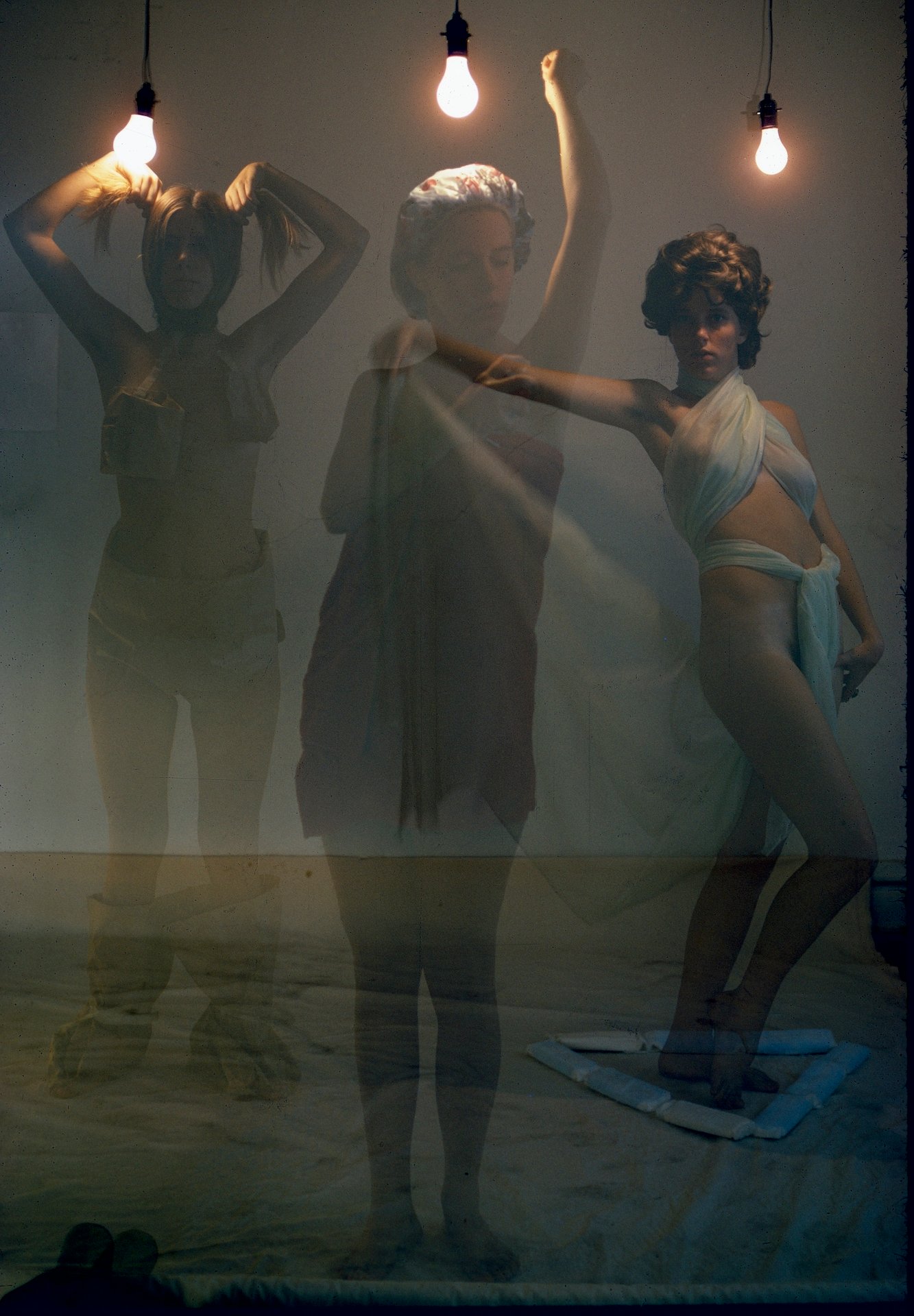
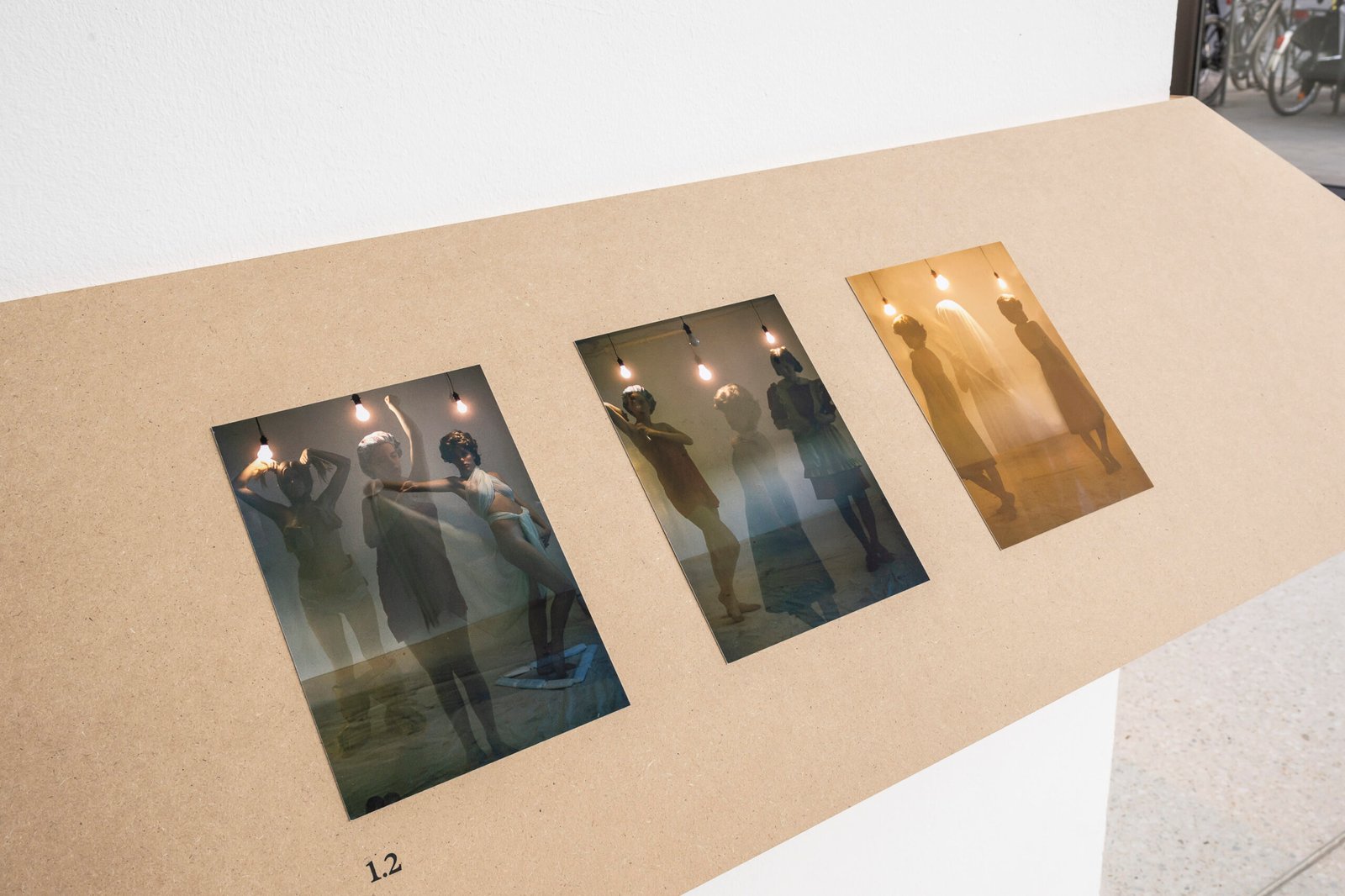
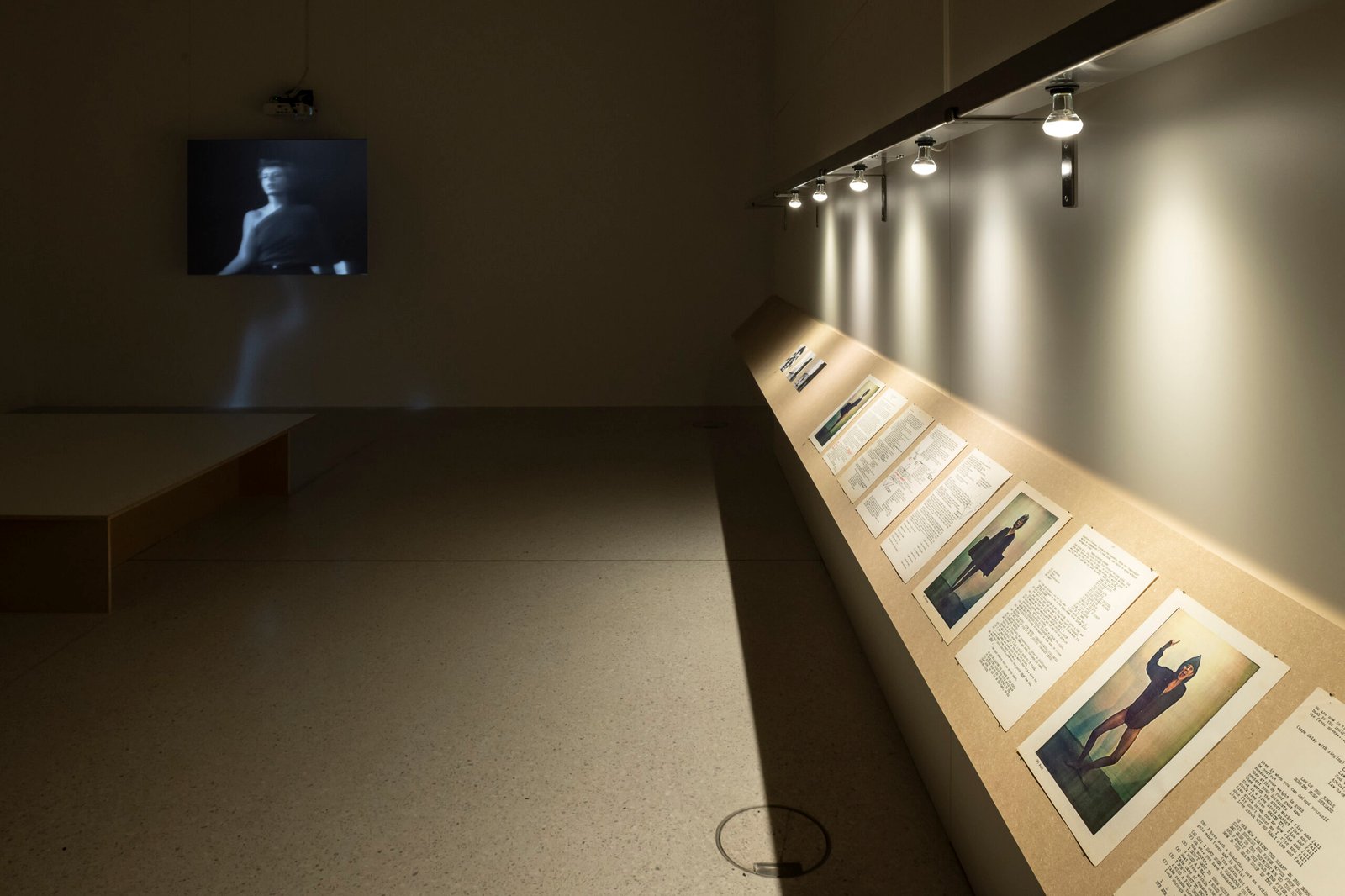
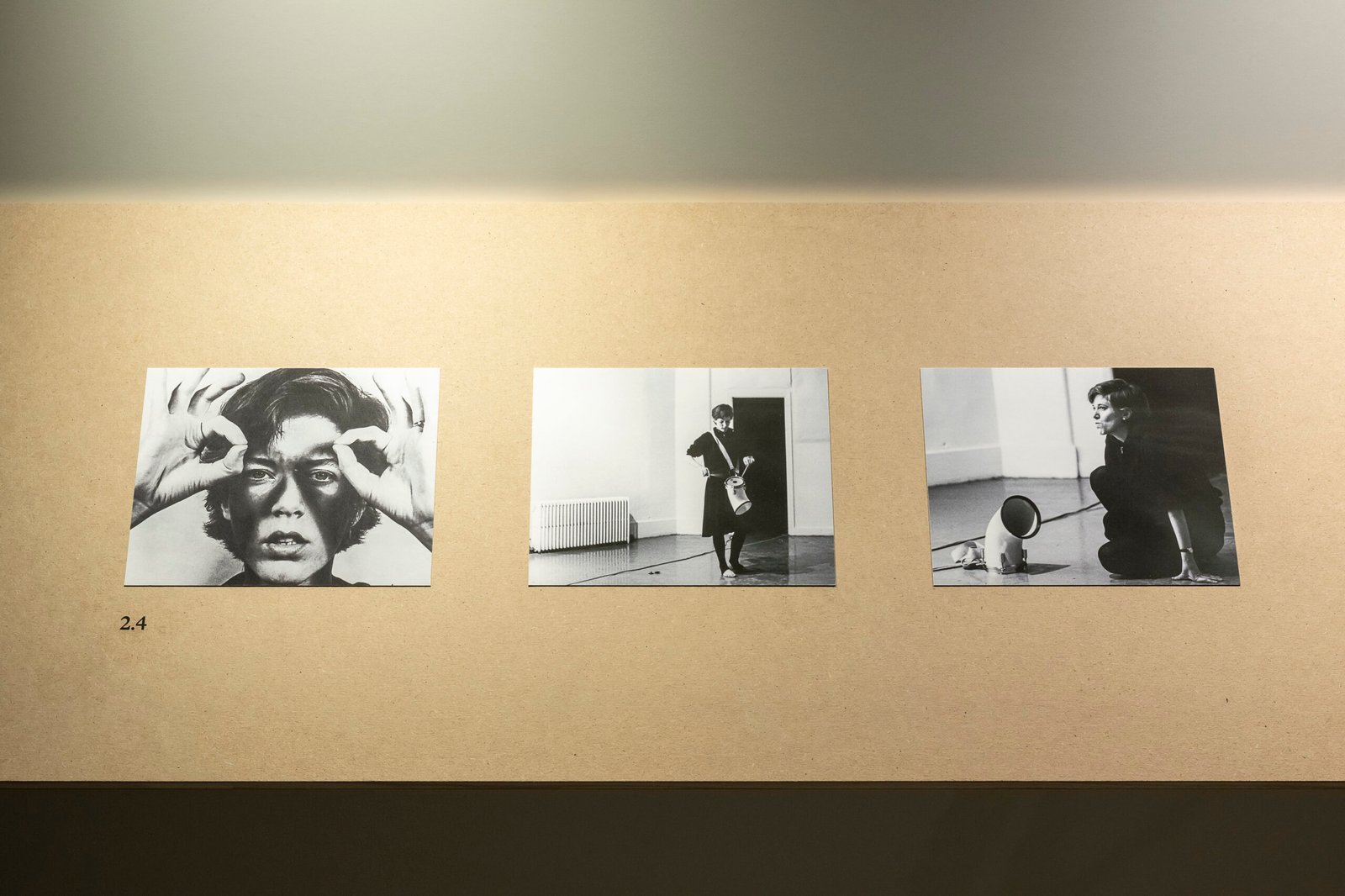
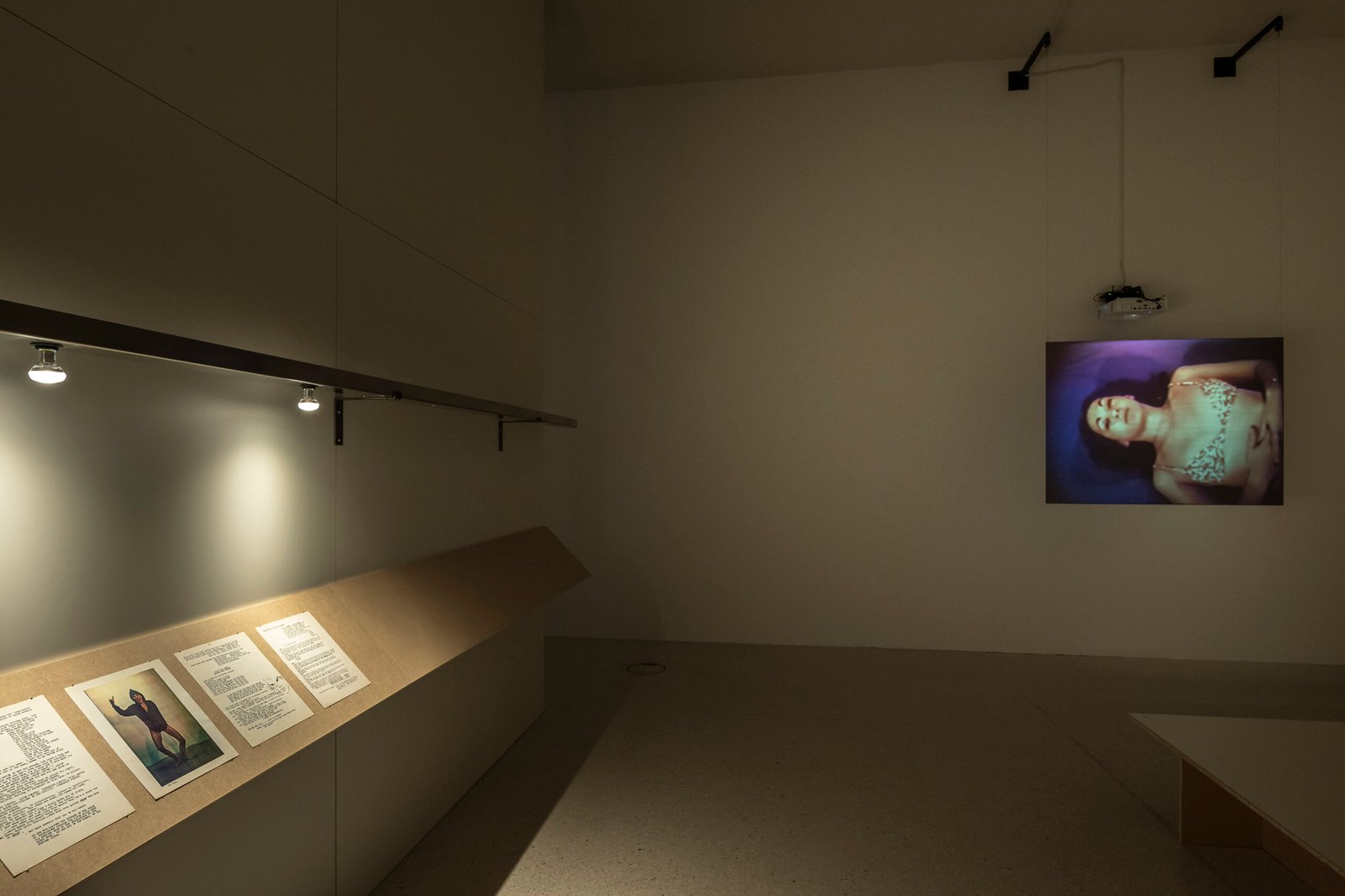
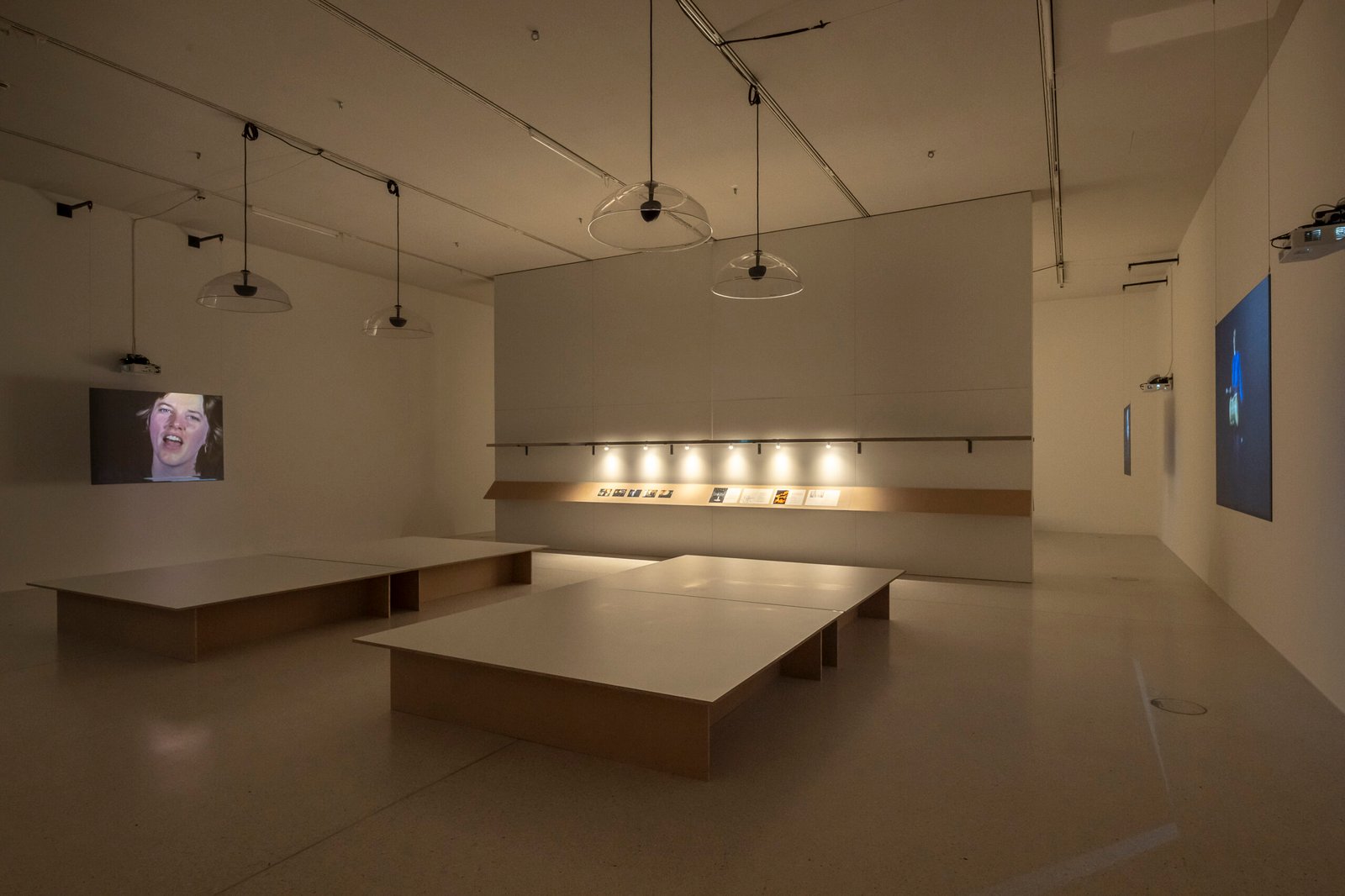
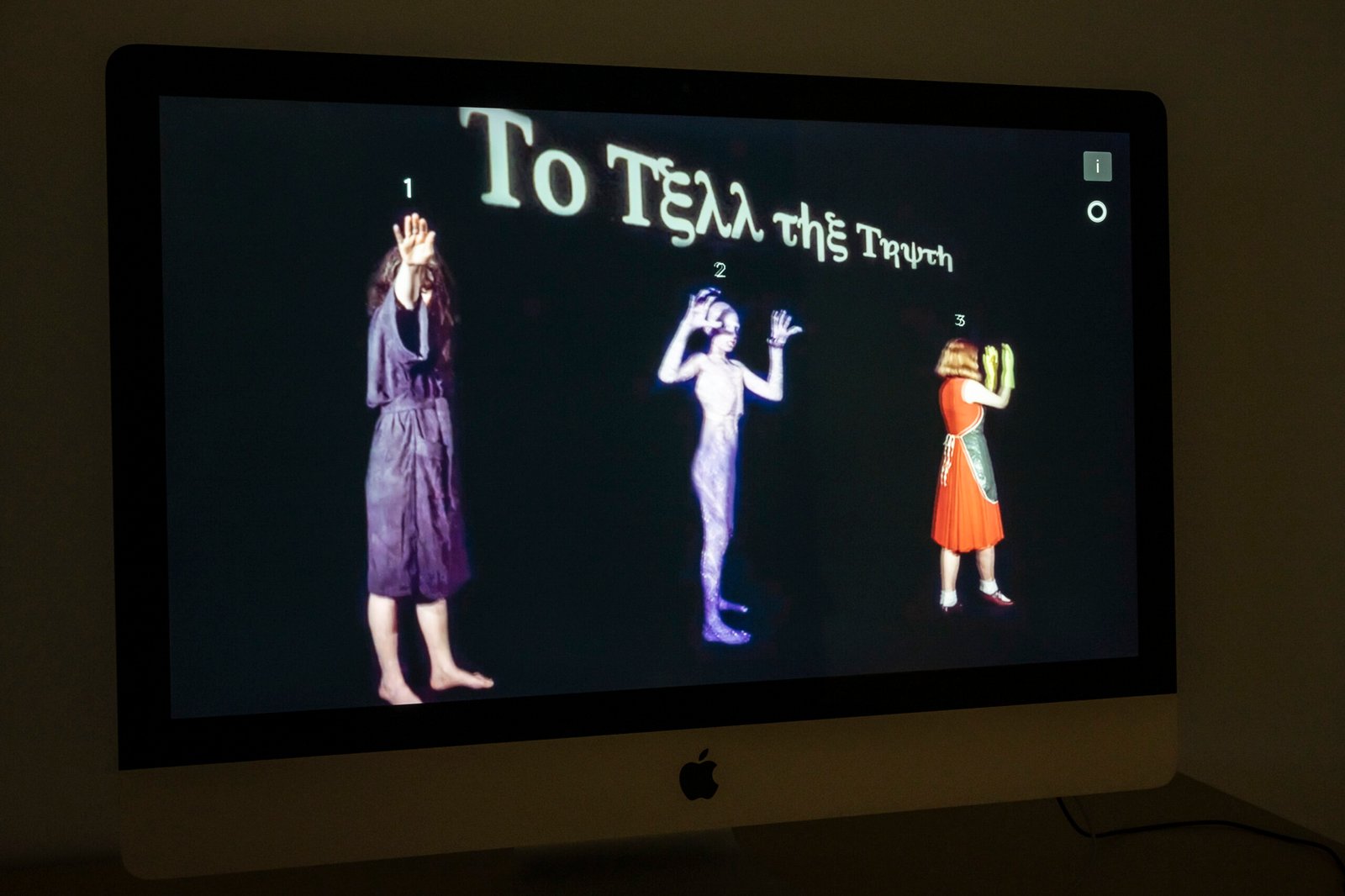
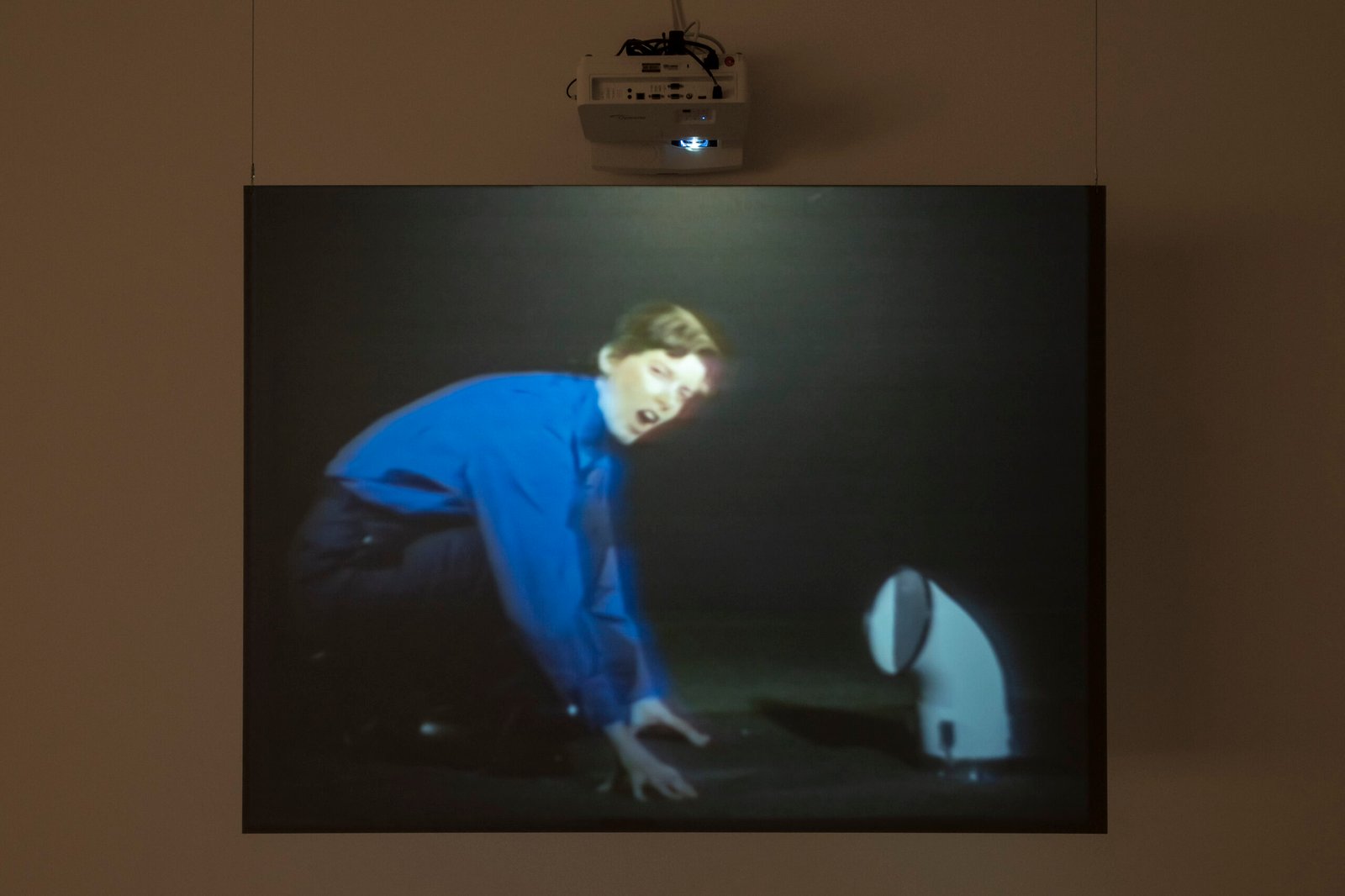
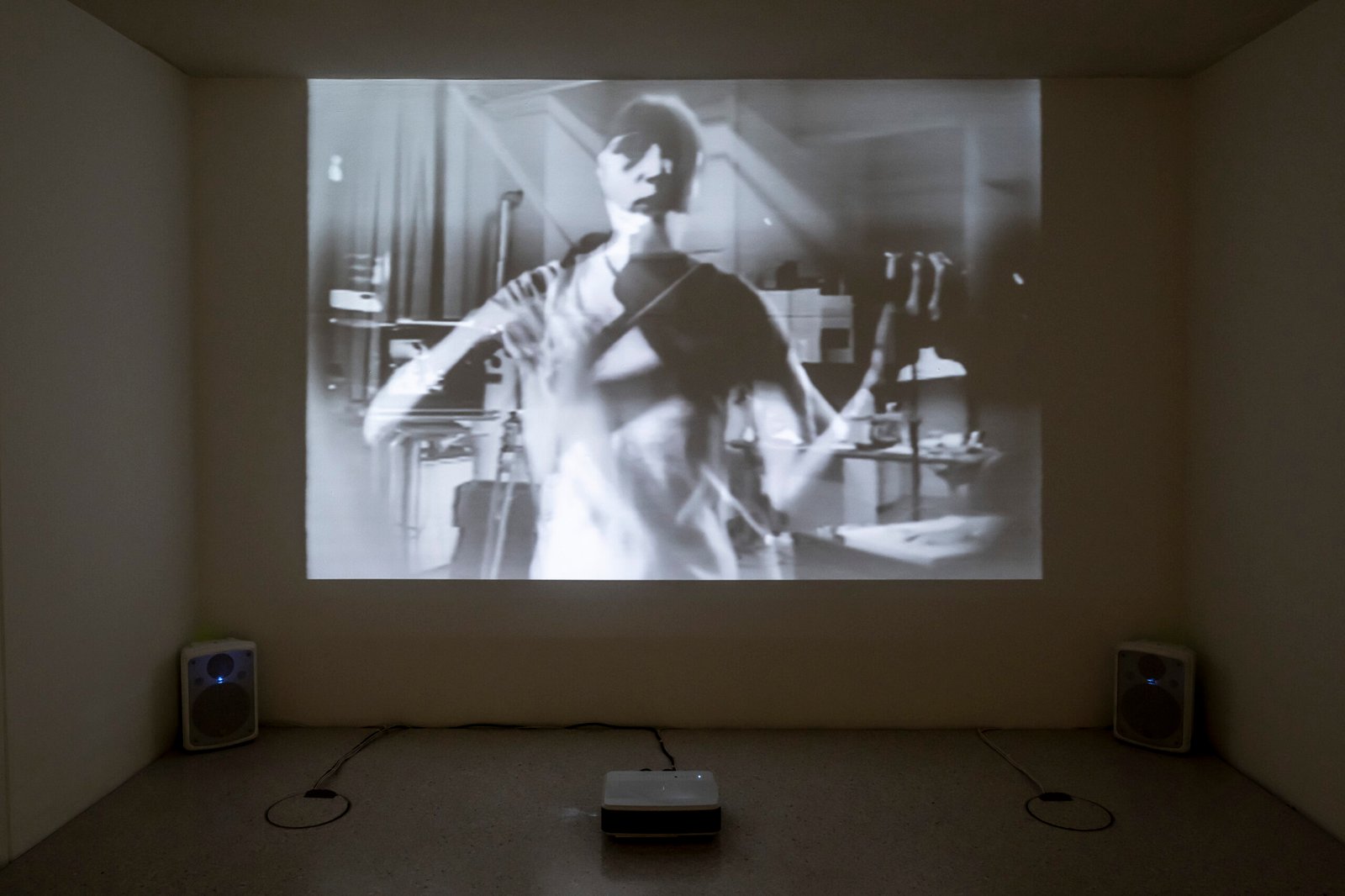
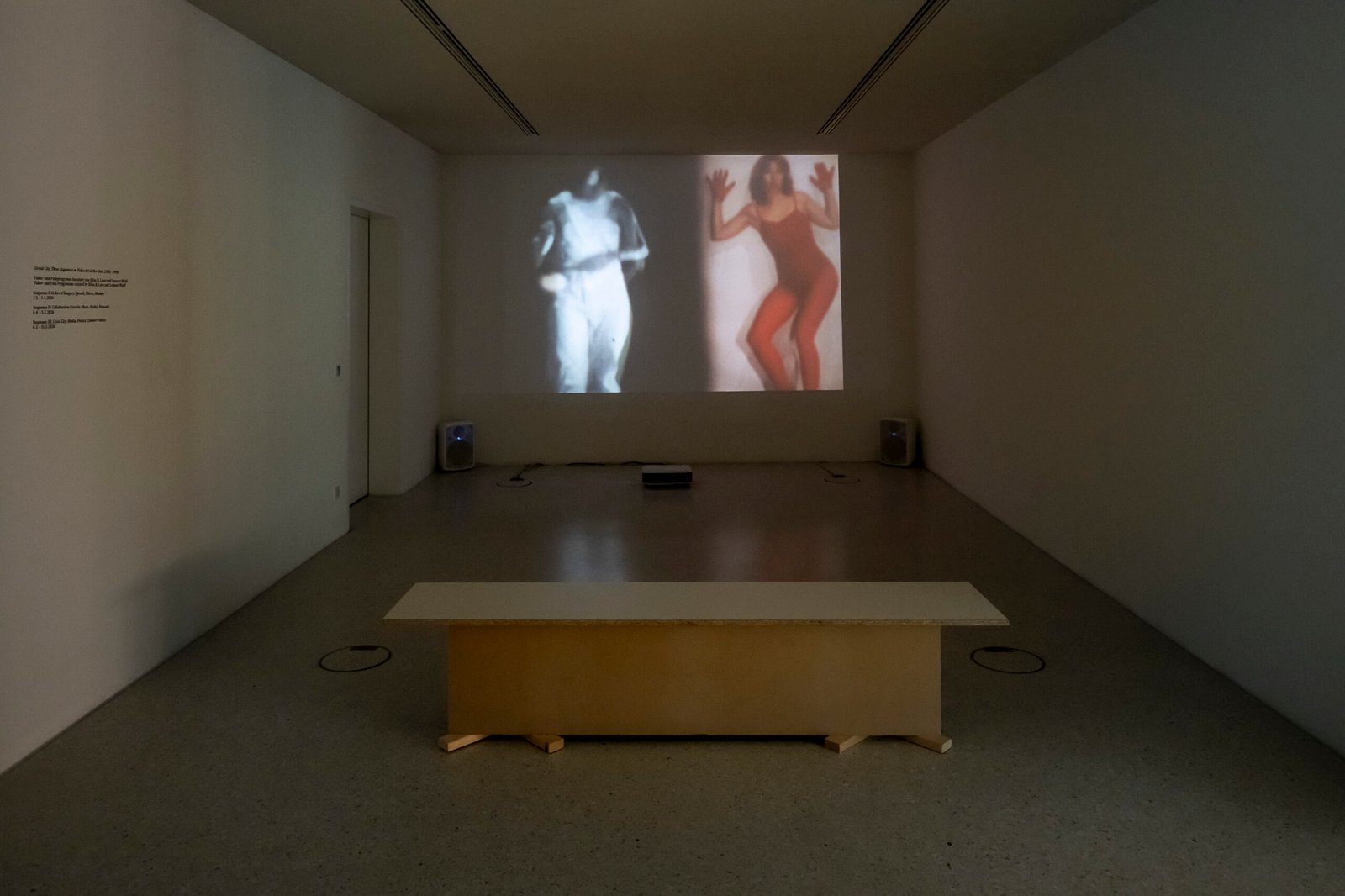
“In her throat the devil lives among angels” [1] – so read a review of a 1975 performance given by artist and musician Julia Heyward. With her monologues and vocal experiments, she led her audience through extremes of emotion: the idiosyncratic orchestration of music, image and language moving – in its simultaneity of opposites – somewhere between a sublime descent beneath the brink of consciousness, psycho-sexual perversion, and the humorous mystification of the self.
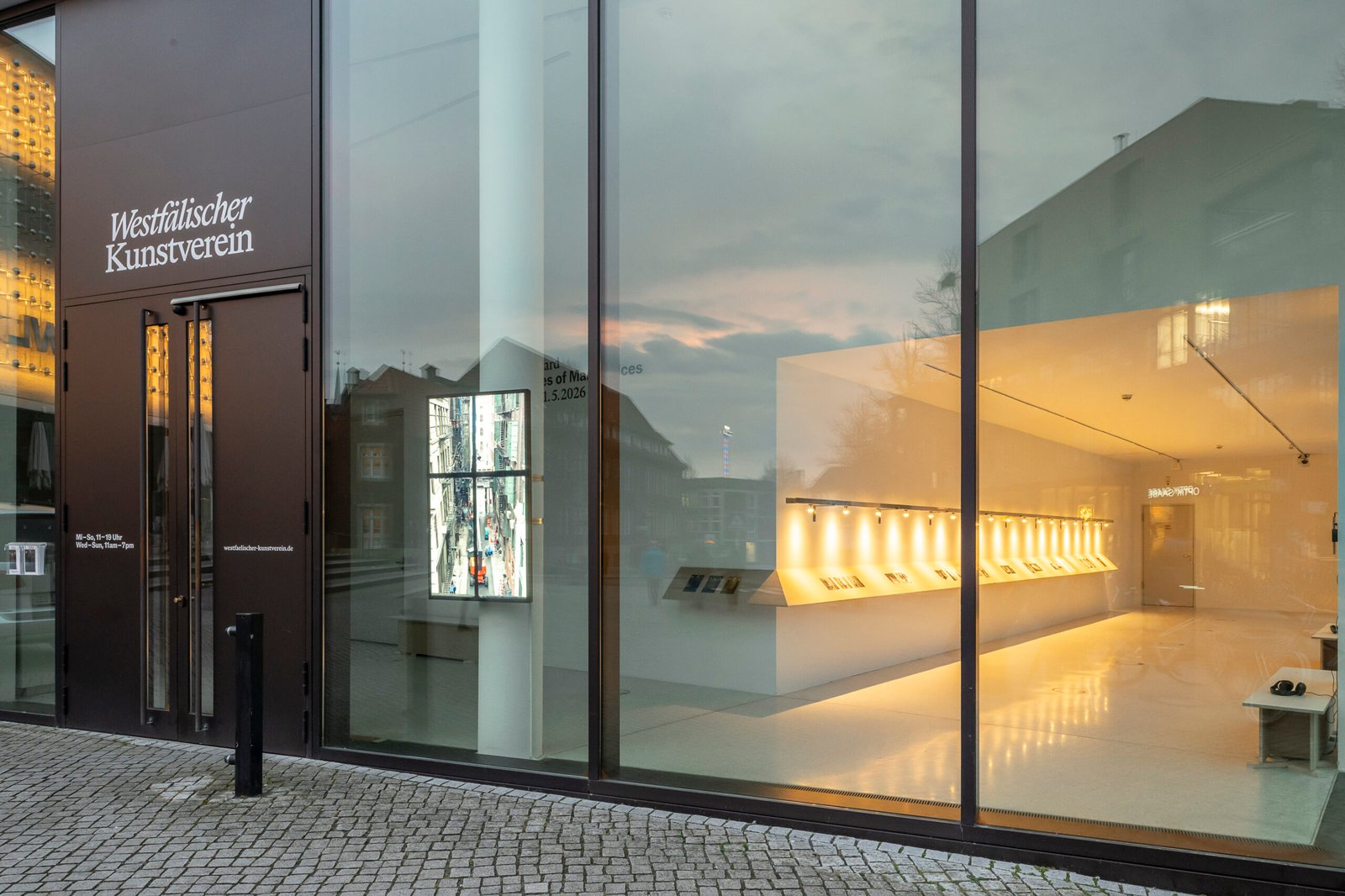
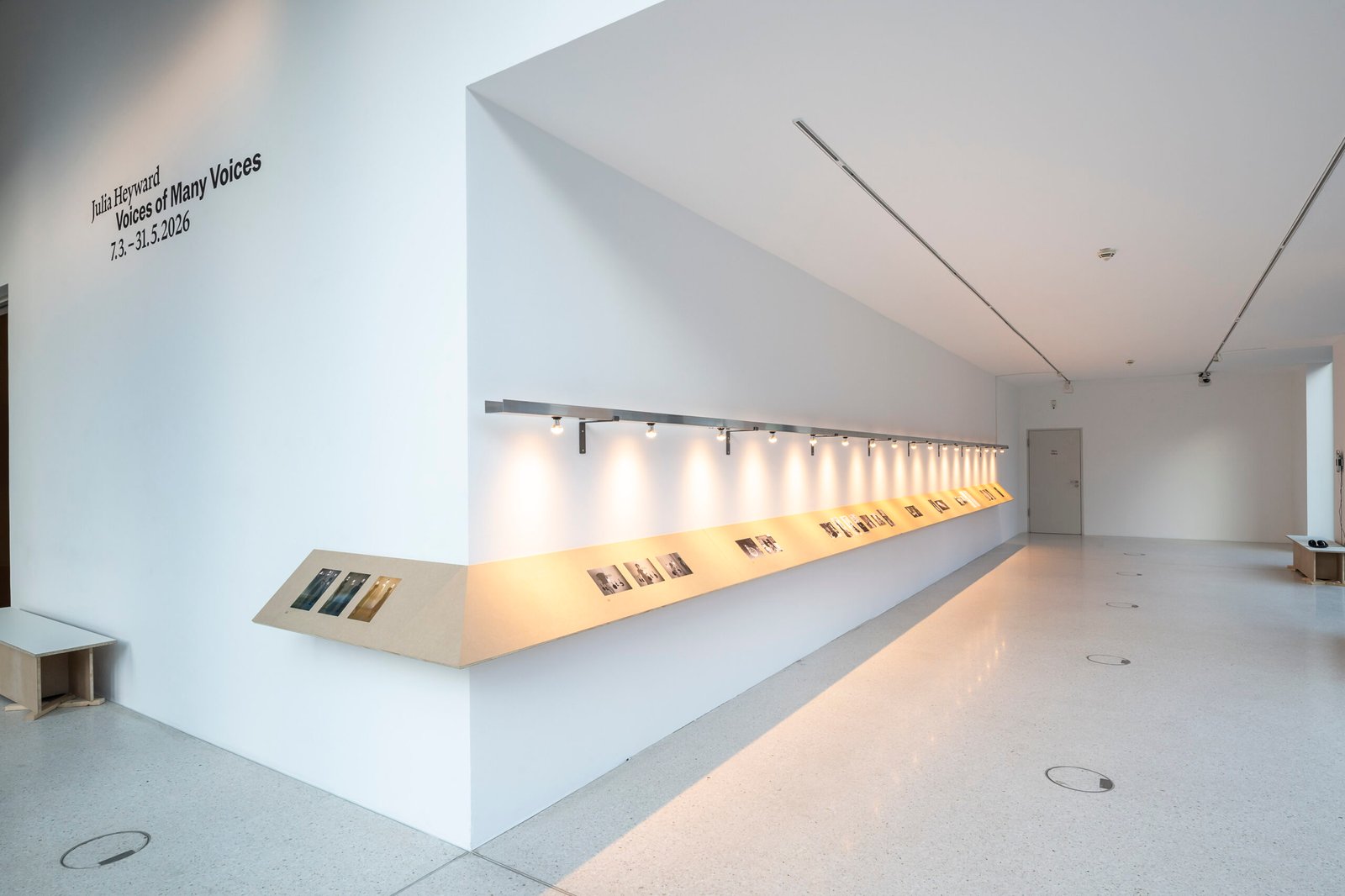
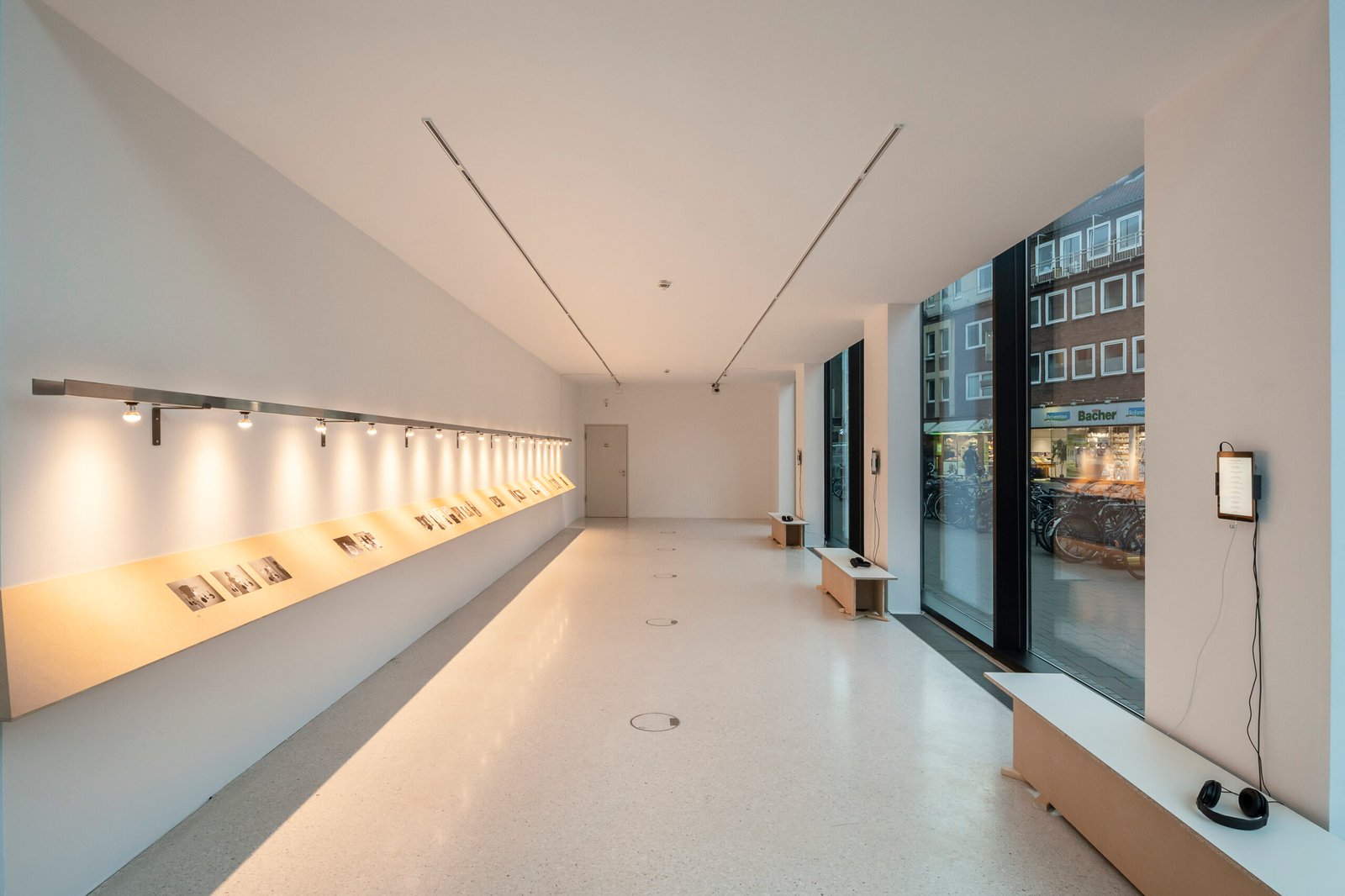
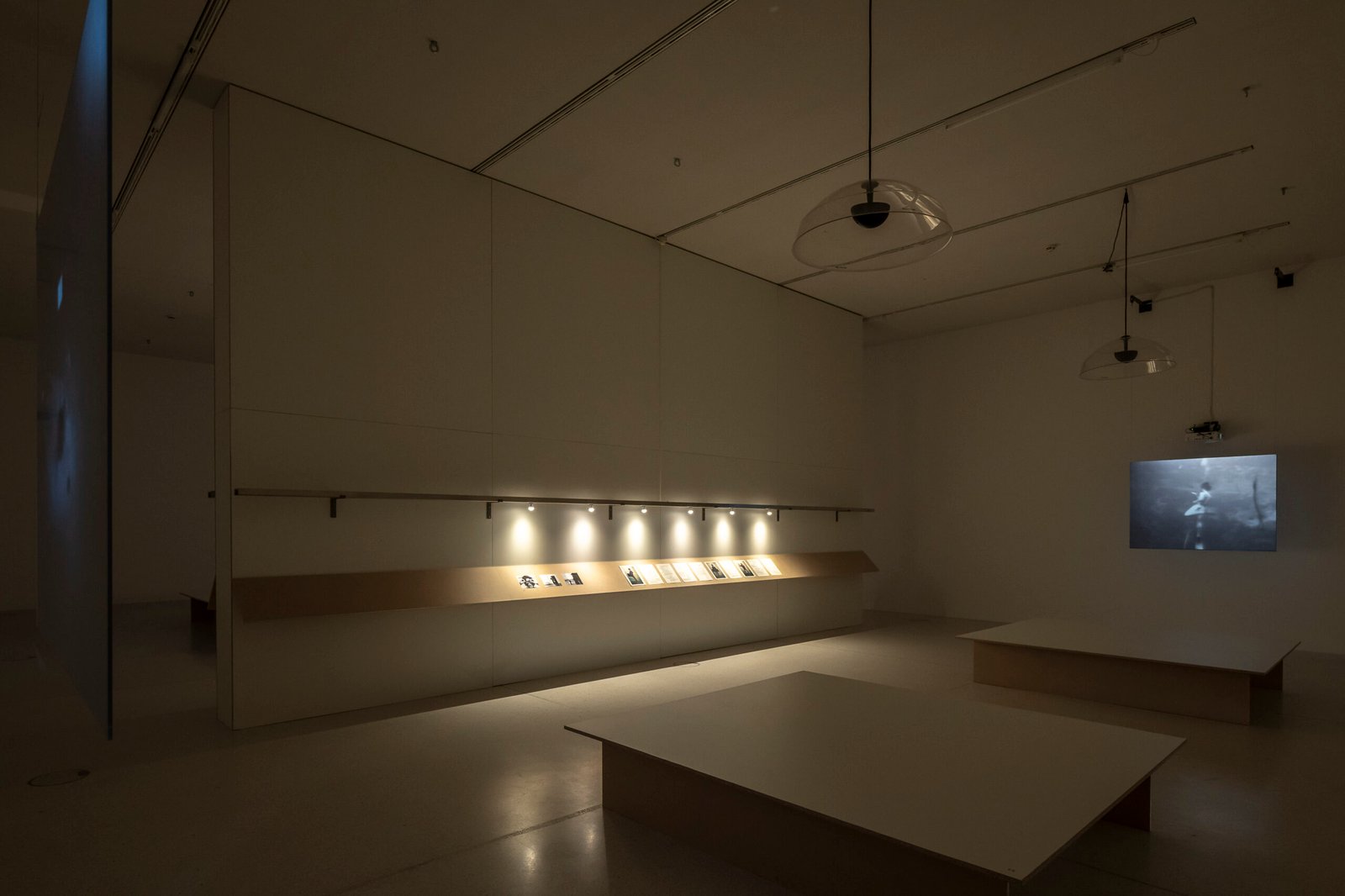
Despite the radical subjectivity of her voice and her profound influence on the New York underground art scene from the 1970s onwards, Julia Heyward’s five-decade body of work has received little institutional recognition. “Voices of Many Voices”[2] now seeks to spotlight at least one aspect of her pioneering work: the manipulation of language and modulation of voice. This presentation, in parallel with “Miracles in Reverse” at Kunstverein Nürnberg – Albrecht Dürer Gesellschaft (31.1.–19.4.2026), curated by Nele Kaczmarek together with Leonie Schmiese, will mark her first institutional solo exhibition outside of the United States.
Contemporary descriptions like the opening quote or attributions such as “frantic and exaggerated,” “paradoxically hectic and dreamlike” or “apocalyptic” convey perhaps a vague impression of what performances like WAS HERE (premiered 1973, The Kitchen, New York, US), Shake Daddy Shake (premiered 1976, Judson Memorial Church, New York, US) or GOD/HEADS (premiered 1976, Whitney Museum of American Art, New York, US) elicited in audiences – at a time when performance art was not yet established as an art form.
Julia Heyward’s theatrical, slapstick-inspired aesthetic drew on vaudevillian theatre, yodelling, Mongolian throat singing, ventriloquism, onomatopoeia and diverse forms of phonetic distortion. She utilised these techniques to explore, dissect and expose linguistic material – and consequently, meaning itself – with the utmost precision.
The artist describes her use of language as “convoluted, associative, delirious/didactic.” With this, she established a form of writing that was highly affective, unusual for its time and, as is often quoted, “closer to the way we think than the way we speak.” As a rejection of the primarily idea and concept-oriented approach that dominated within Minimalism and Conceptual Art at the time, Julia Heyward prioritised narration and emotion, which for her always included thematising vulnerability, shame and trauma. The autobiographical, her own personality and recollections, always ran through her work. In an interview with RoseLee Goldberg she stated: “What makes this work more intimate, and more riveting, is that the distinction between the personality of the artists and the work presented is blurred in the performance.” [3]
But the media-critical examination of mass-media mechanisms and their respective language forms takes on a specific role here. Alongside autobiographical references, Julia Heyward employed an impersonal, anonymised language that cited formulae of security rhetoric and propaganda, slang, cultural codes and text fragments from television and pop music, aiming for immediate emotional effect. The phonetic and linguistic double meanings in particular function here as a conscious space of provocation.
Especially through her relentless contestation of gender roles, classism, religious conviction and the physical and psychological consequences of abuse, Julia Heyward exposed the symbolic and structural entanglement of socially consolidated power structures – patriarchy, Christianity and capitalism. Based on her own Presbyterian upbringing, ventriloquism – reinterpreted and employed as a medium of artistic criticism – offered an appropriate method of expression. She questioned the rigidity and dogmatism of religious and moral commandments and regulations, her unmoving face reflecting the formation and suppression of her own voice, yet at the same time, articulating political rebellion.
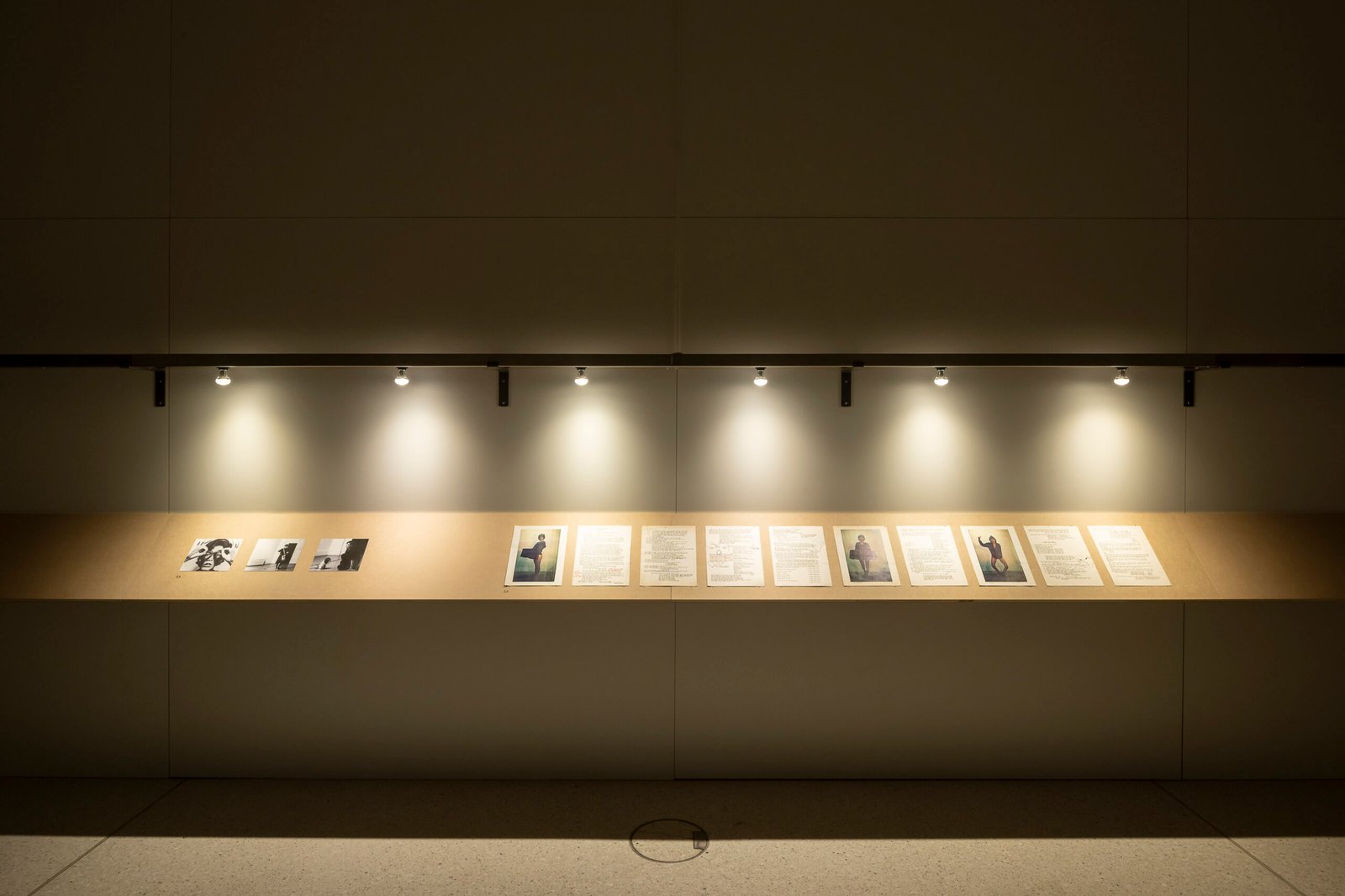
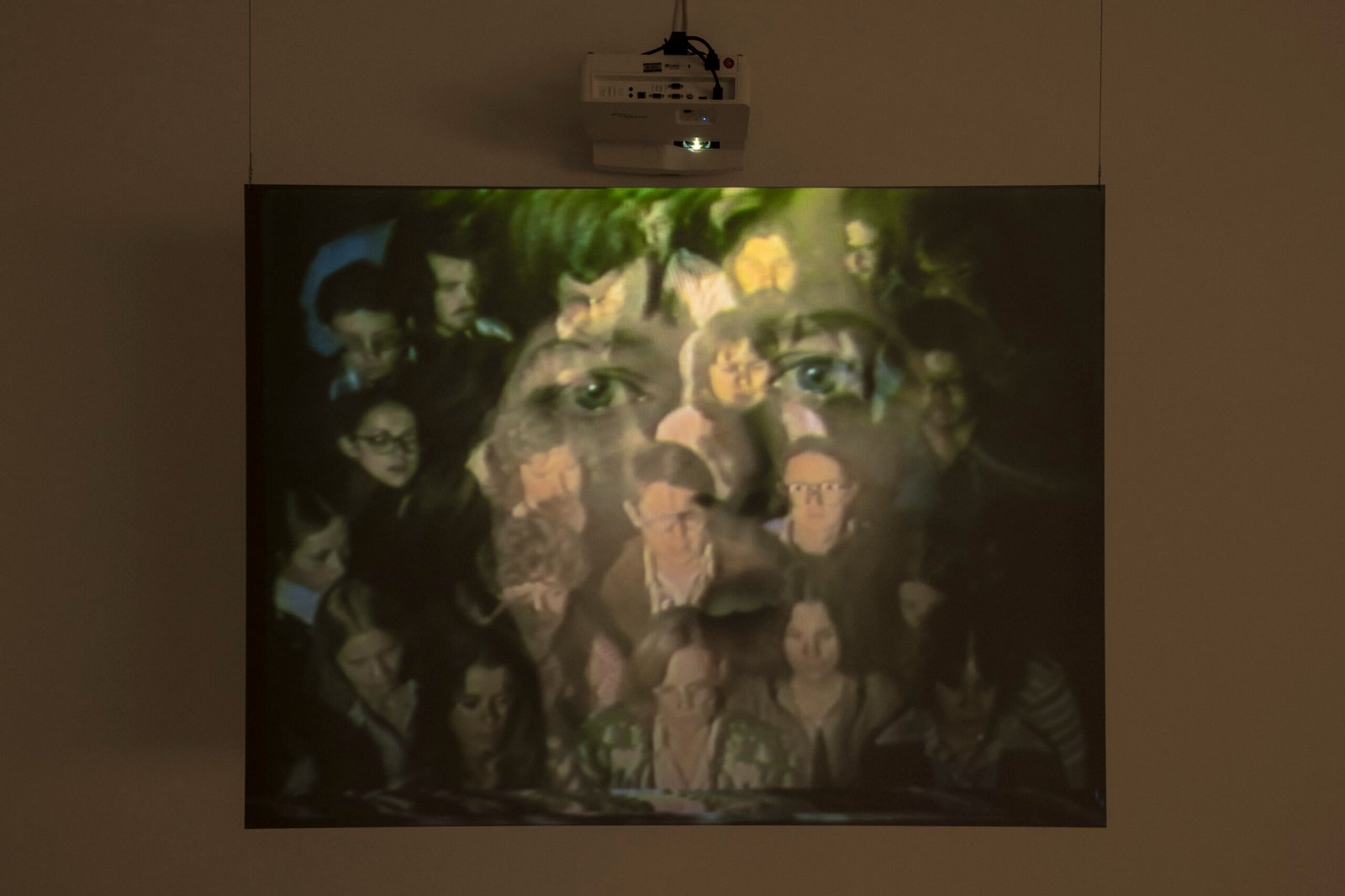
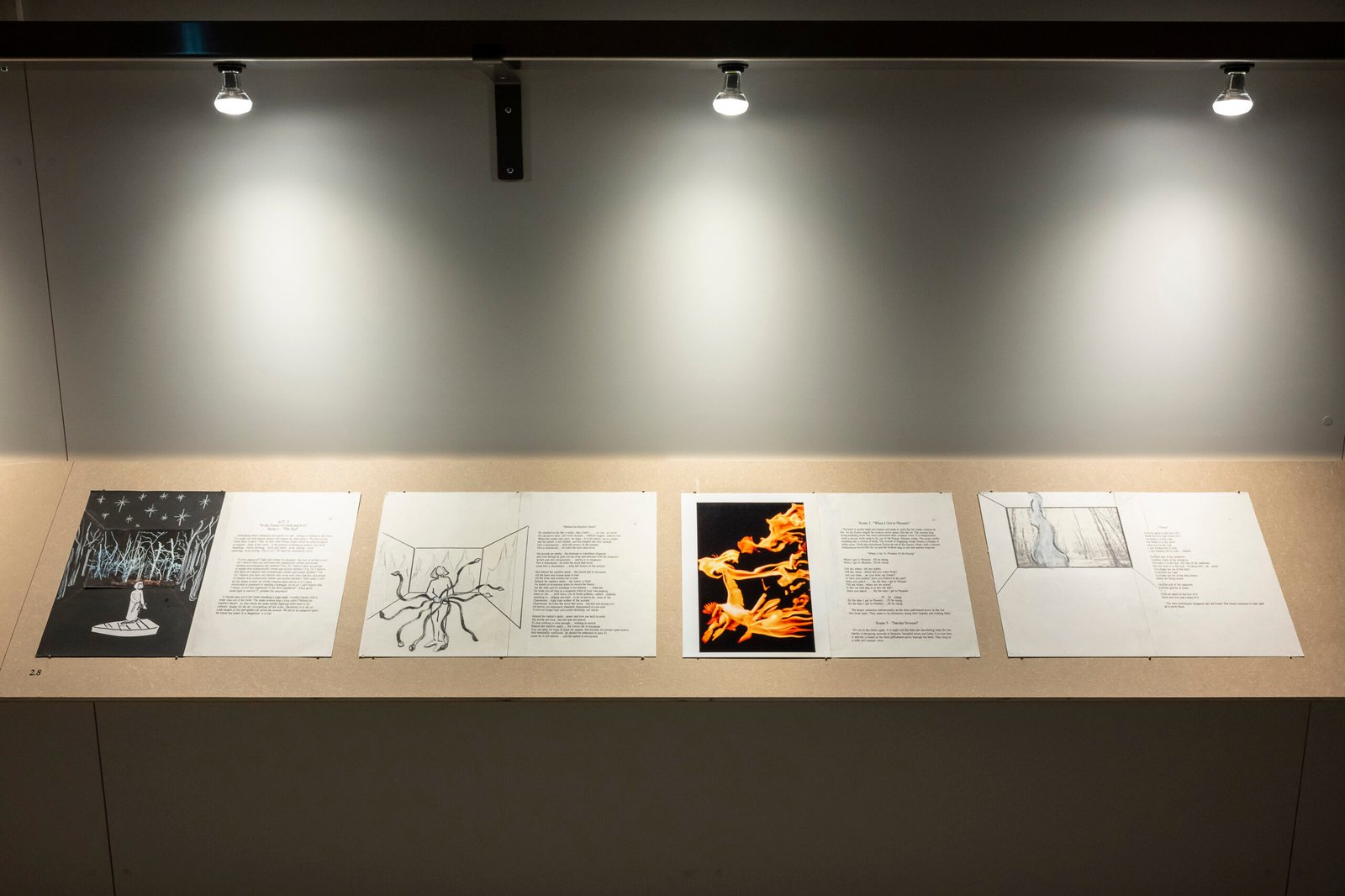
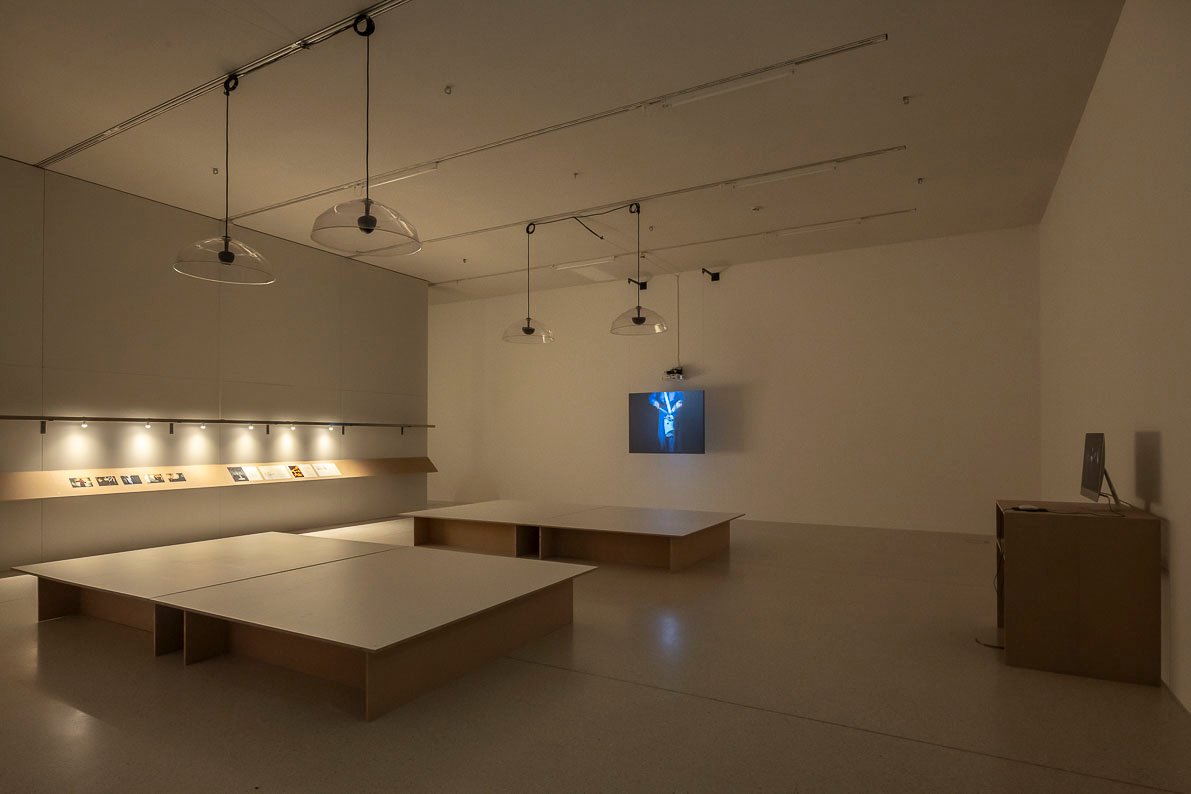
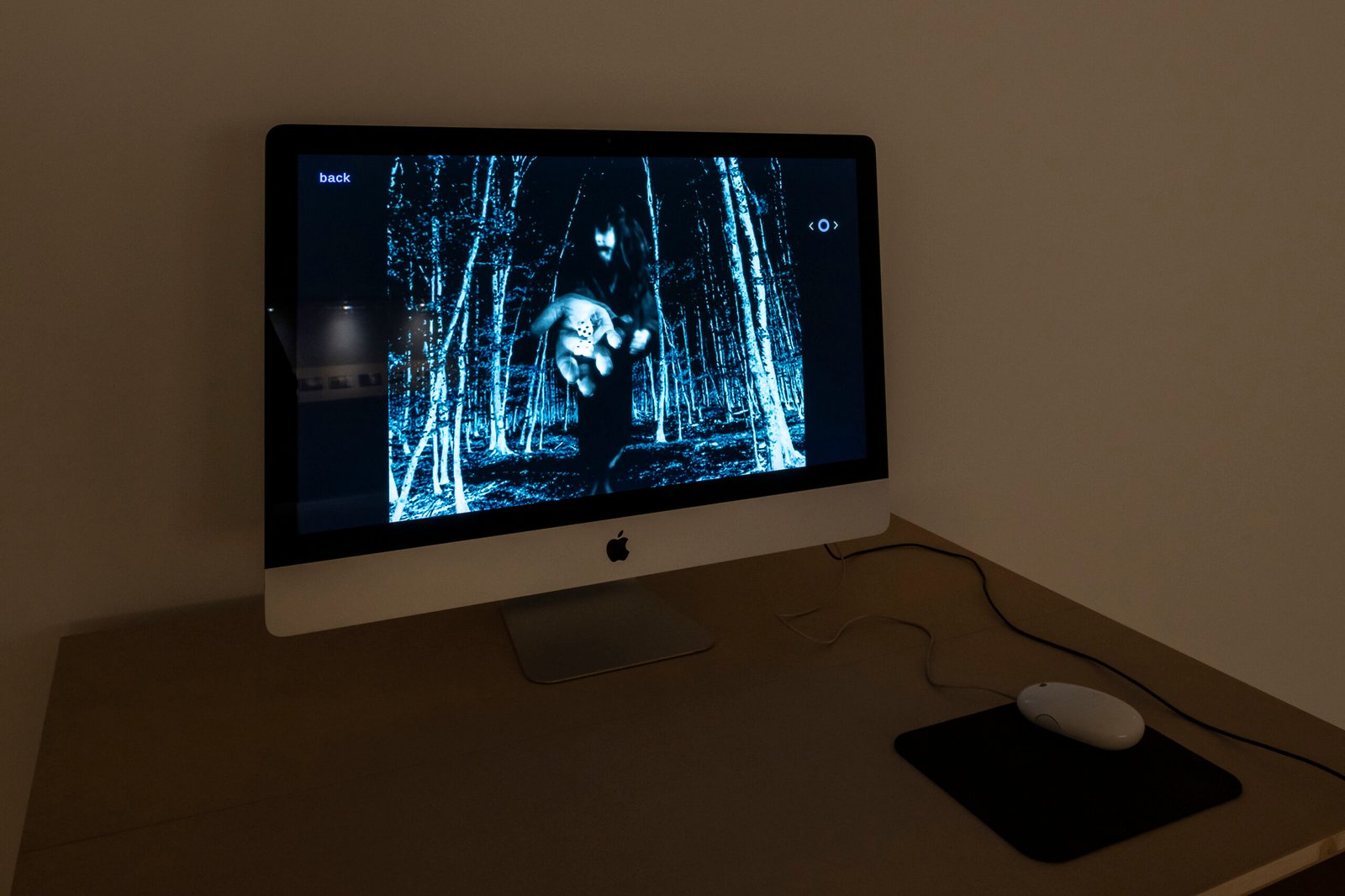
“Voices of Many Voices” throws Julia Heyward’s earlier solo performances into focus and underscores their language-based and transdisciplinary approach. From the start, her performances integrated live music, video projection and later, interactive visuals that effortlessly migrate between spoken word performance, concert and theatre. Instead of restricting herself to a single medium, she continually and consistently translated her work into different formats, through which a continuous, media-defying and media-reflexive exploration of language, music and image arose.
Julia Heyward utilised newly available media technologies early on and realised multimedia projects such as “Mood Music” (premiered 1988, The Kitchen, New York), “Miracles in Reverse” (premiered 1996, Potsdam) and “29 SpaceTime / The Gabriel Frequency” (premiered 2014, Roulette, New York). These works, her long-format ‘video album’ “360” (1981), as well as a range of collaborative music projects under the pseudonym Duka Delight on the New Wave and Post Punk scenes in New York, will be further expanded upon through tours and discussions as part of the accompanying programme.
[1] This is quoted from Peter Quehenberger’s review of Julia Heyward’s “This Is My Blue Period” in Innsbruck, AT, during which he was impressed by the rage of vocal techniques.
[2] The exhibition title is borrowed from another review of “This Is My Blue Period” by Wendy Perron, published on the 15th of December 1997 in The Soho Weekly News, in which she singles out Julia Heyward’s rapid changes between different voices/personas.
[3] RoseLee Goldberg (1976). “Public Performance: Private Memory”, in: “Studio International”, July/August, 19.