

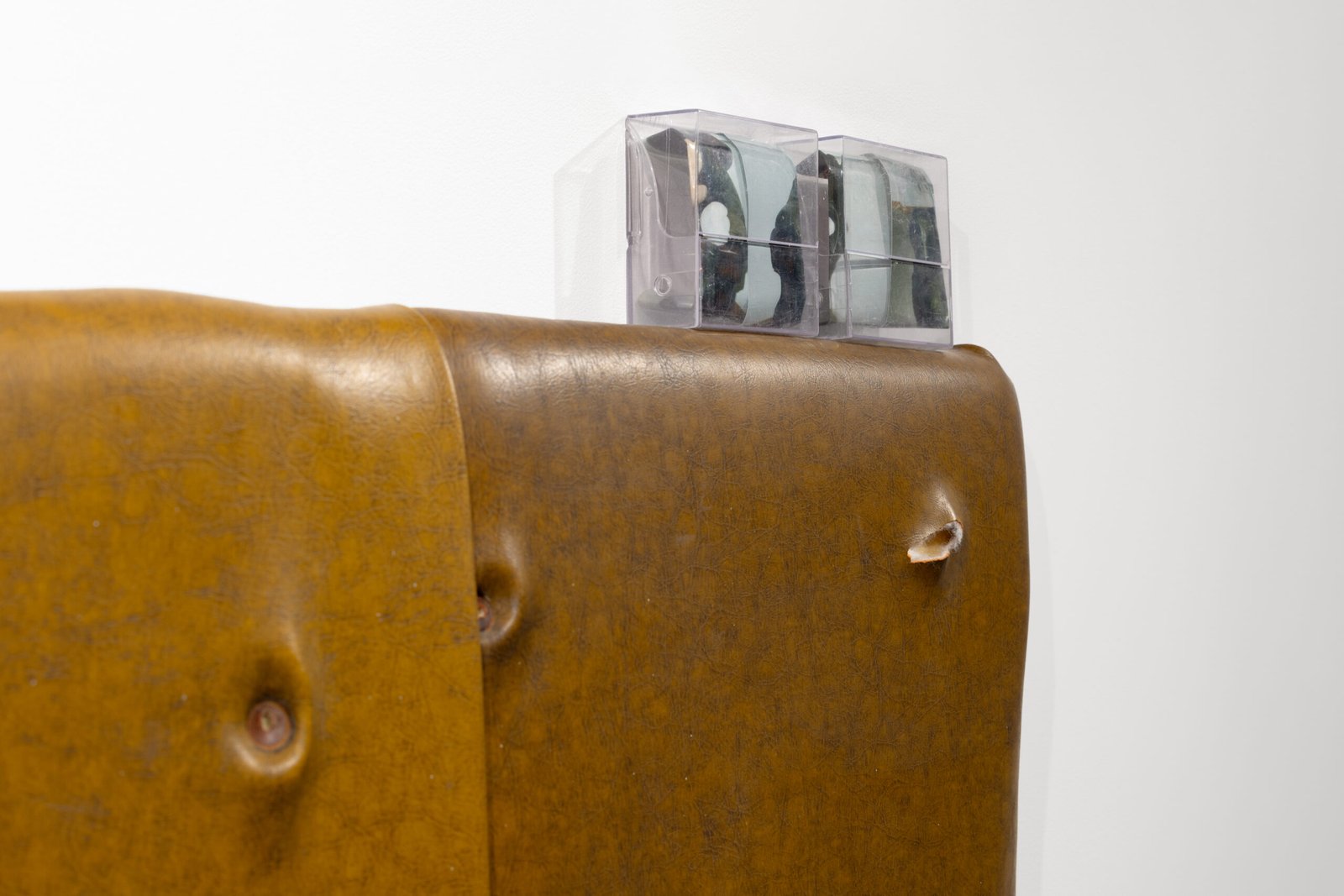
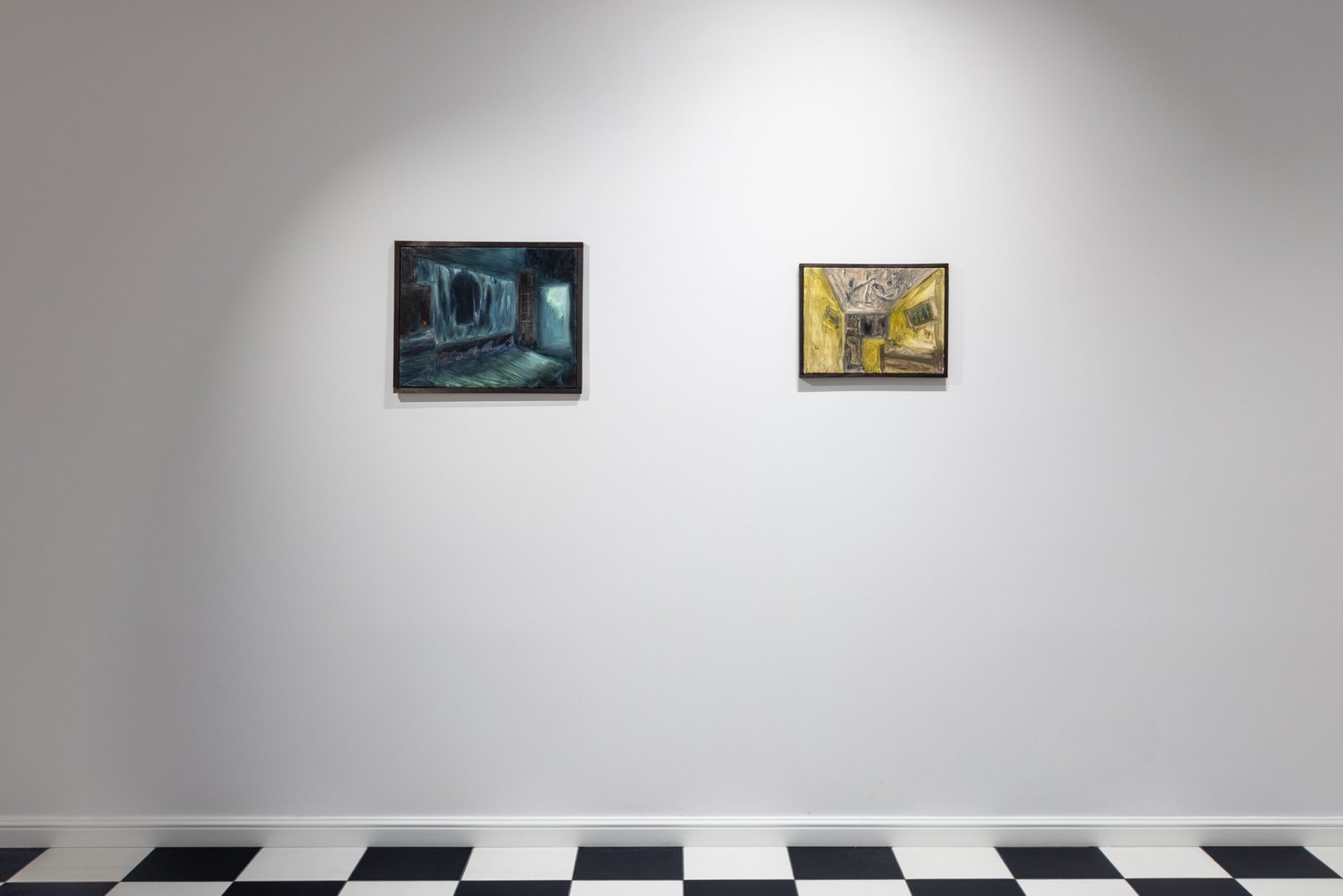
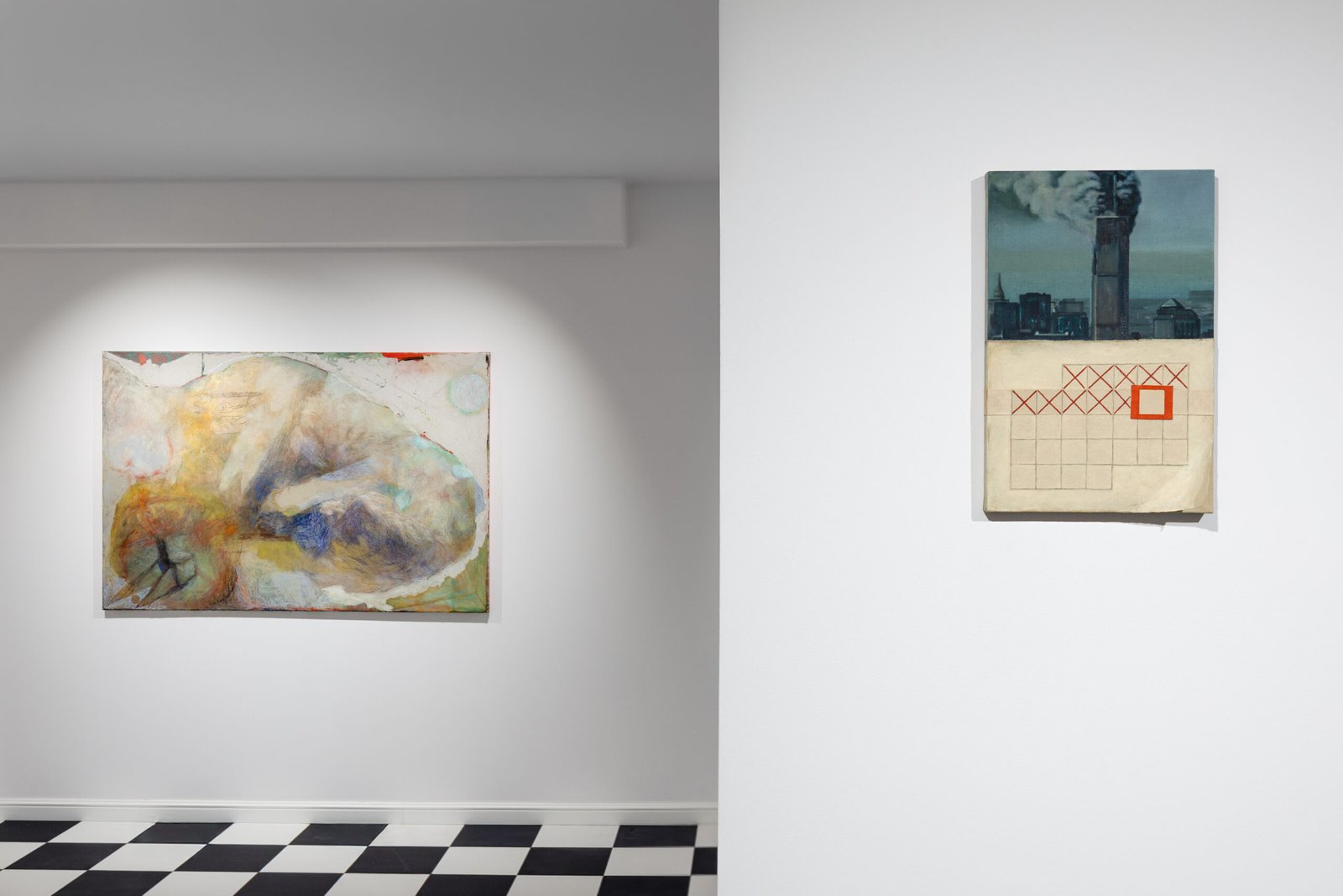
Unhomely
The Political Beyond the Word
In Surrealism. Realism. Marxism. Art and the Communist Left in Poland, 1944–1948 [1], Dorota Jarecka notes that two myths of surrealism emerged in Poland. In the first, surrealism was a critical movement, clearly politically engaged; André Breton and Louis Aragon belonged to the Parti communiste français, the journal La Révolution surréaliste animated the intellectual fervor
of the movement, whose declared aim was to “harness intoxication to the service of the revolution” [2].
In the second myth, surrealism was considered politically neutral; it “dazzled with uncanniness and visual associations” [3], but in essence its political potential was negligible. Since the formation of these two myths, many concepts of the political have been developed [4]. One of them was articulated by Wisława Szymborska:
“All your, our, your
daily affairs, nightly affairs
are political affairs.” [5]
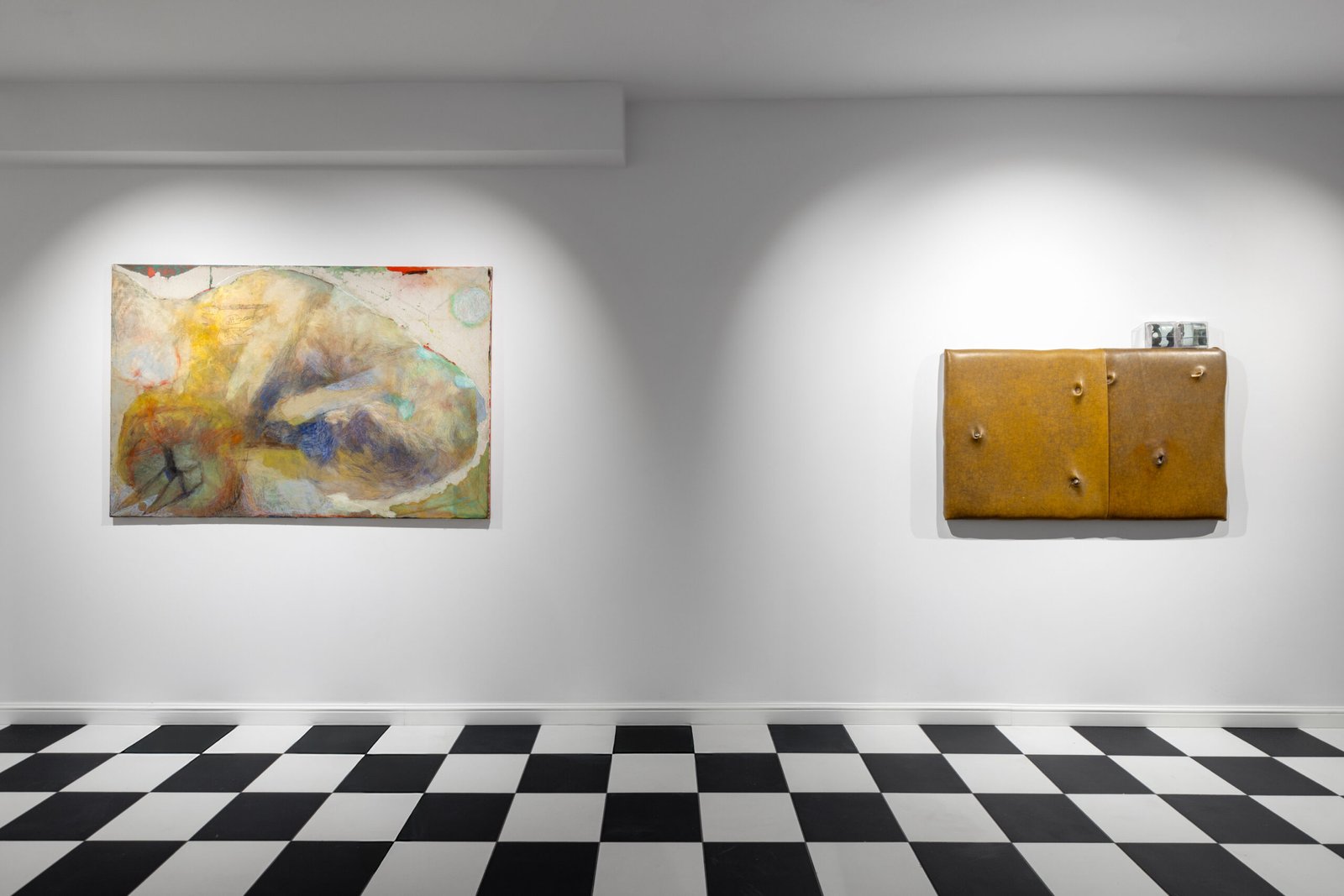
If this is so, what might constitute the political dimension of the art presented in this exhibition (which ultimately focuses on ephemeral and subjective impressions of movement, time, light, mood, etc.)?
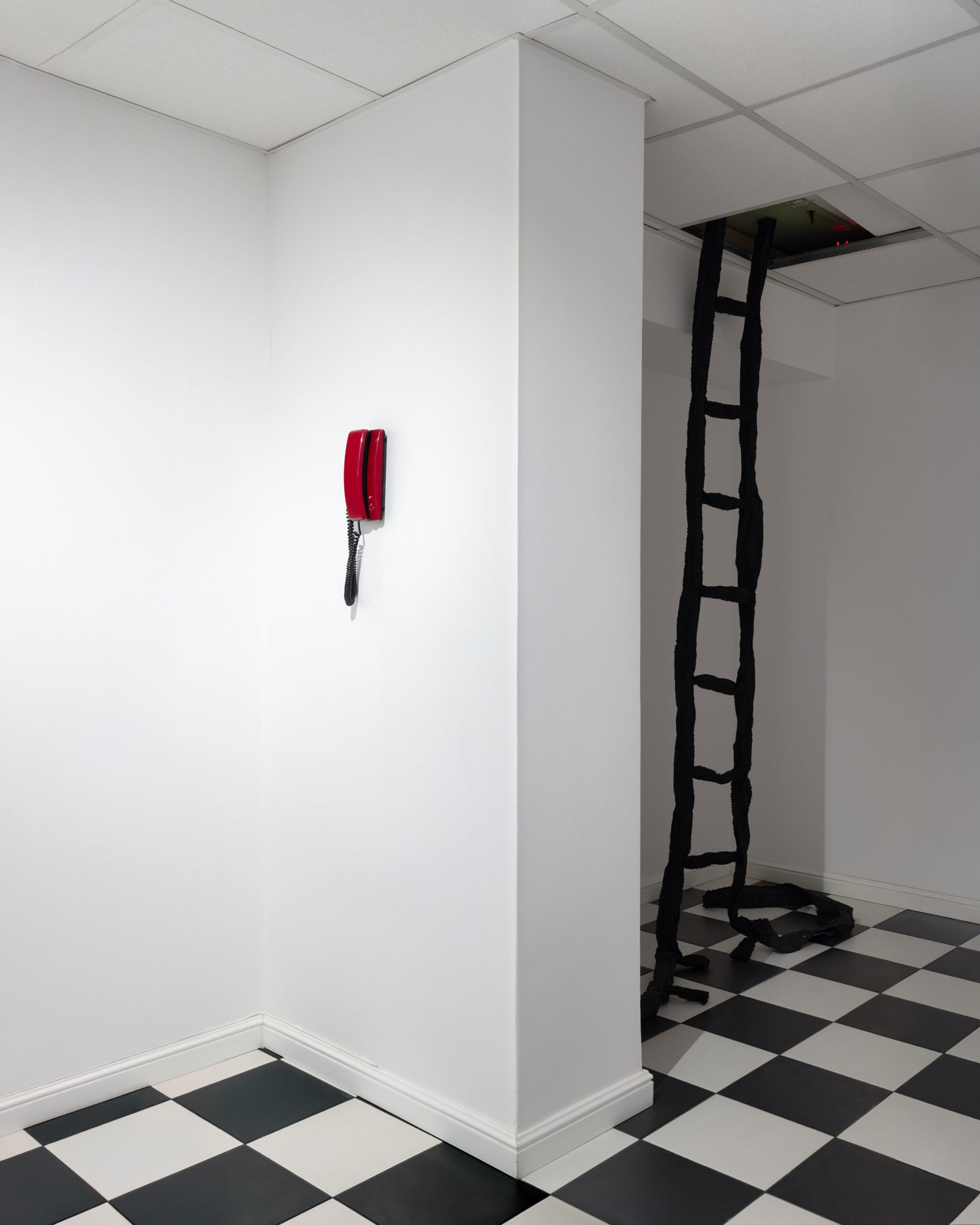
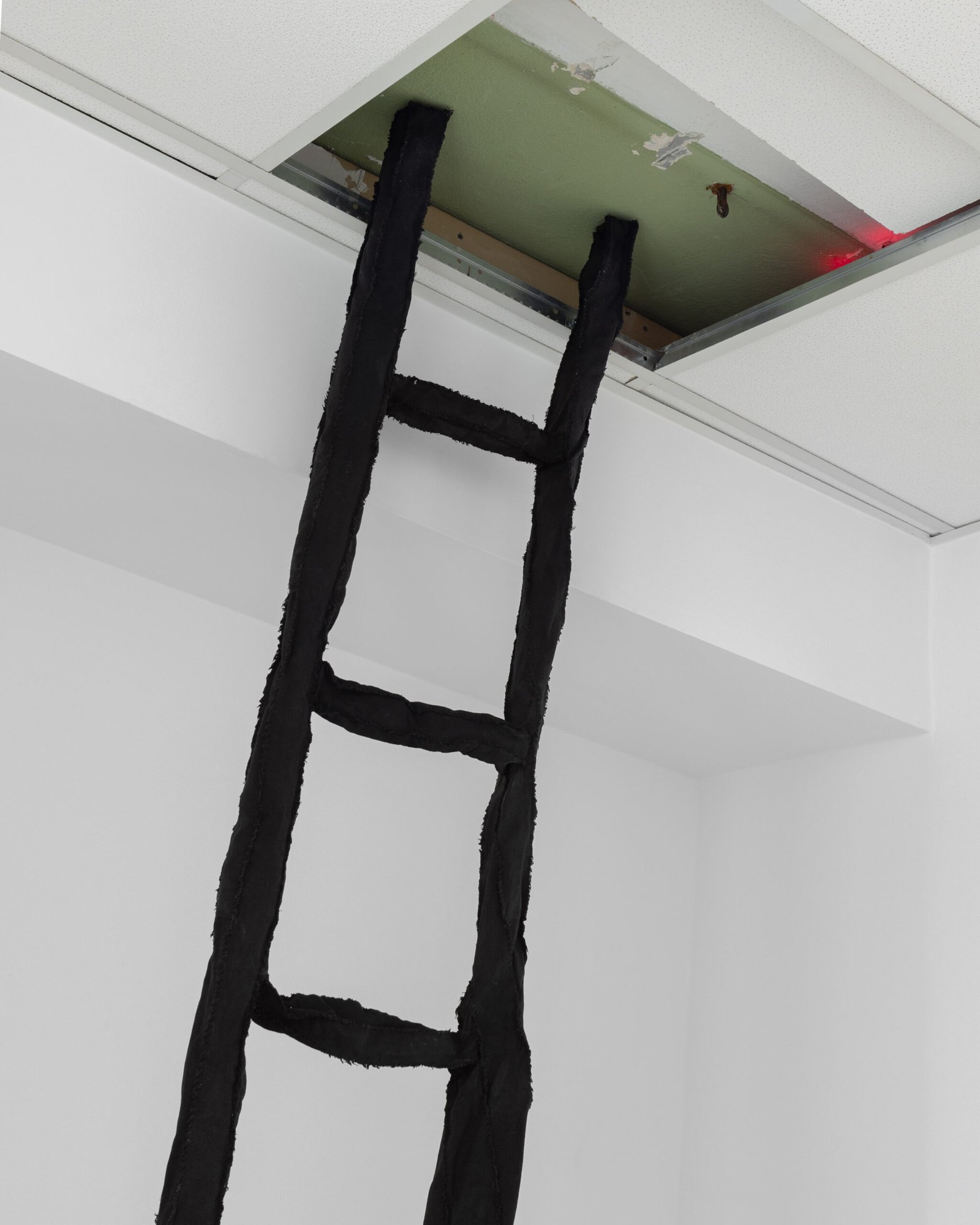
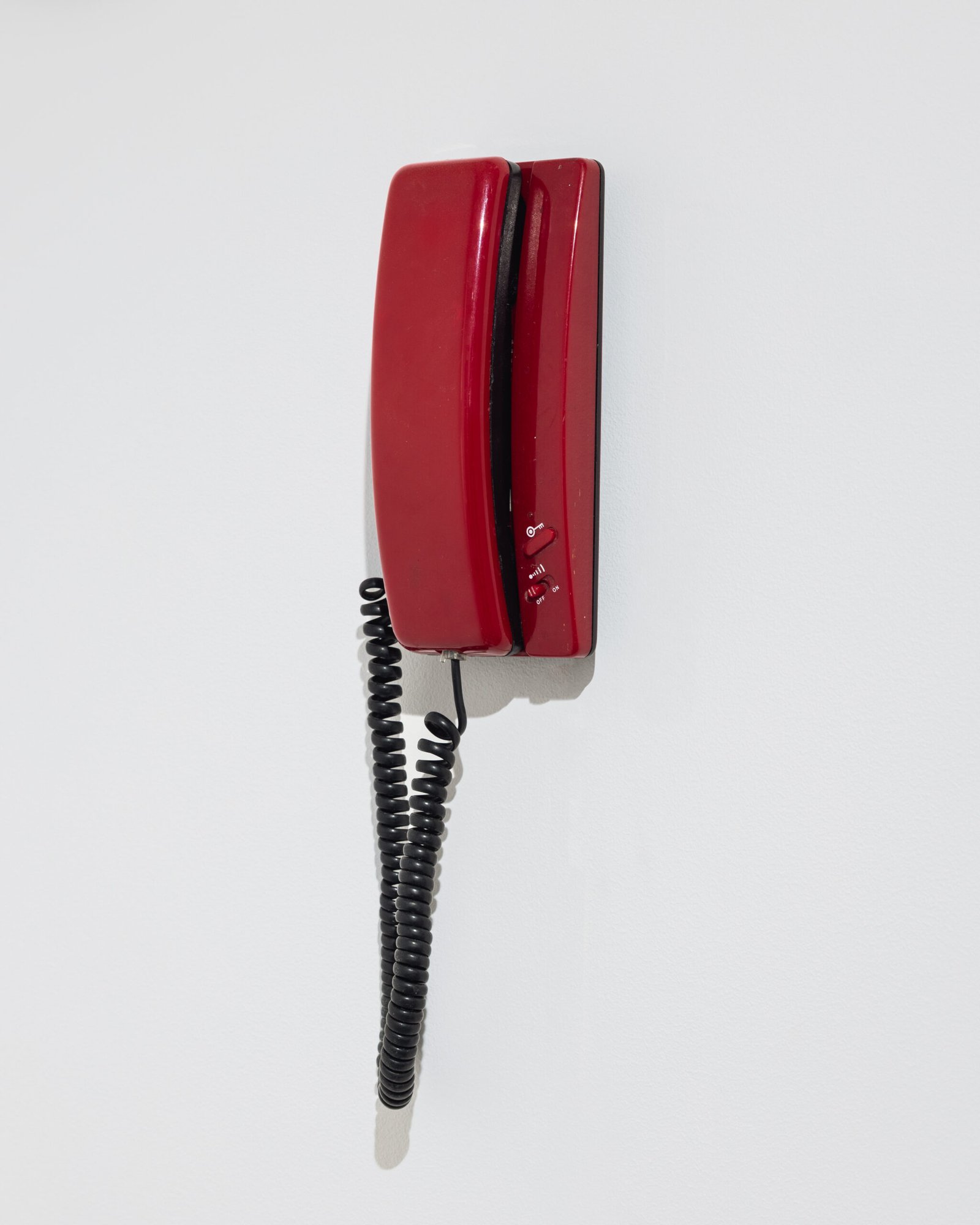
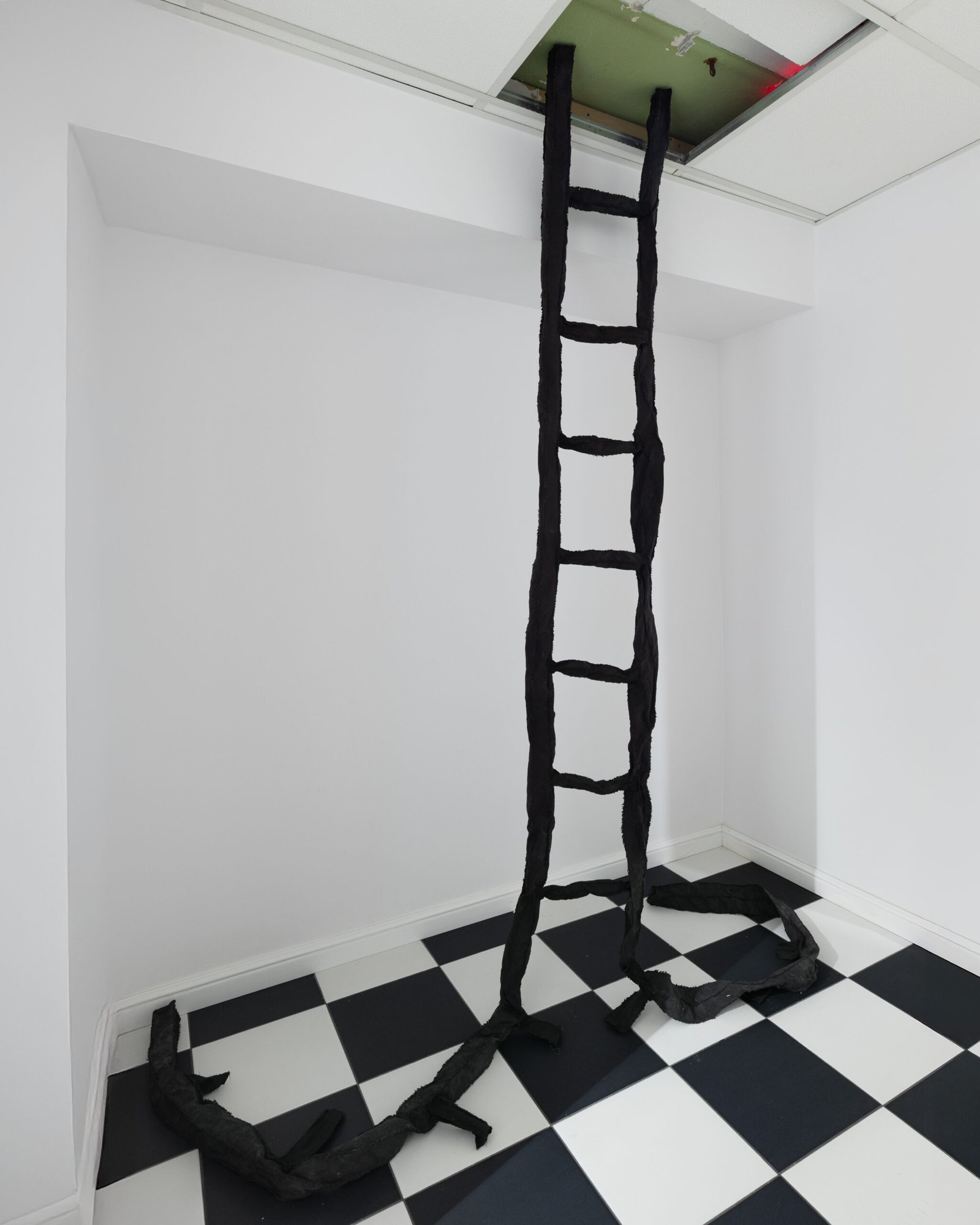
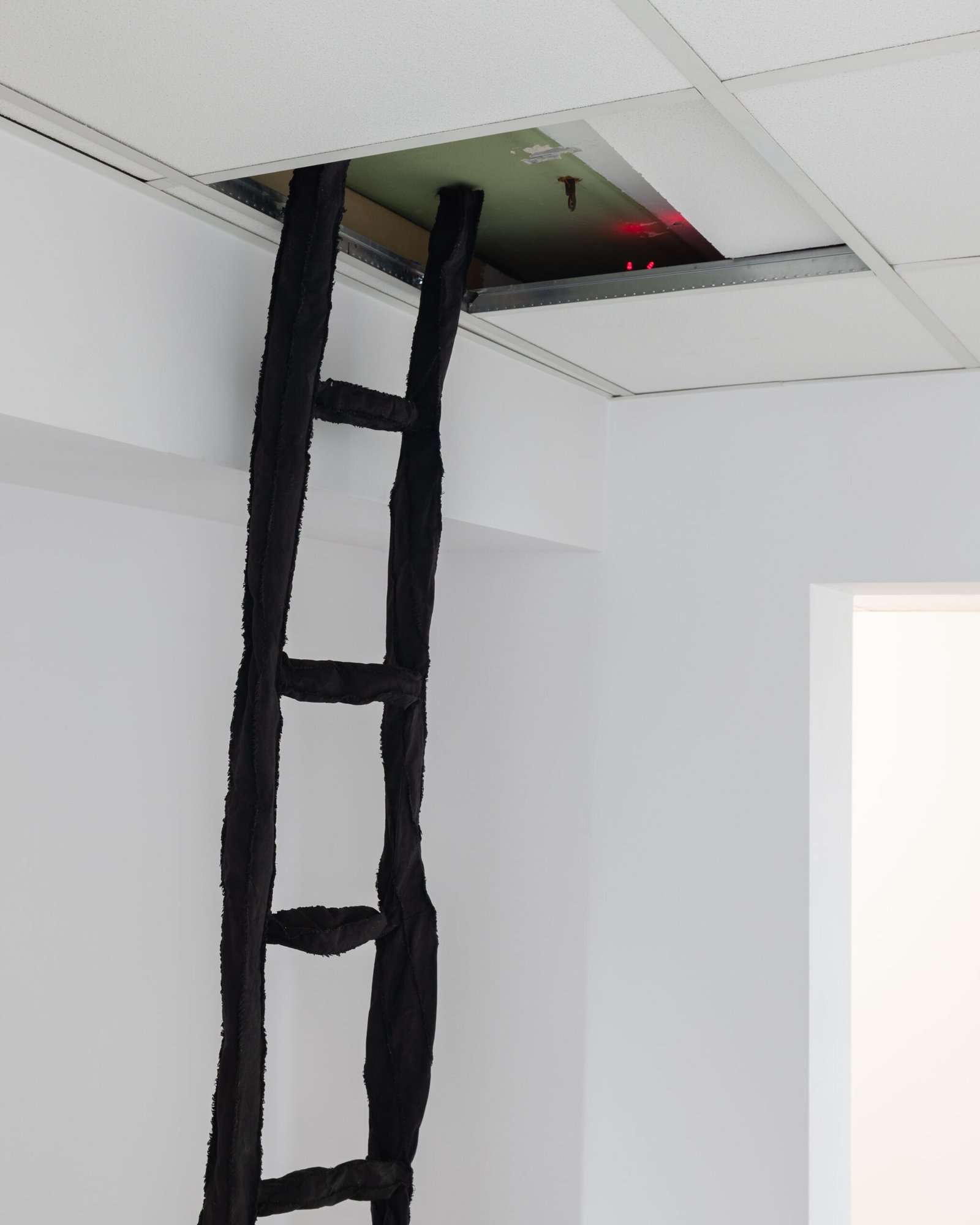
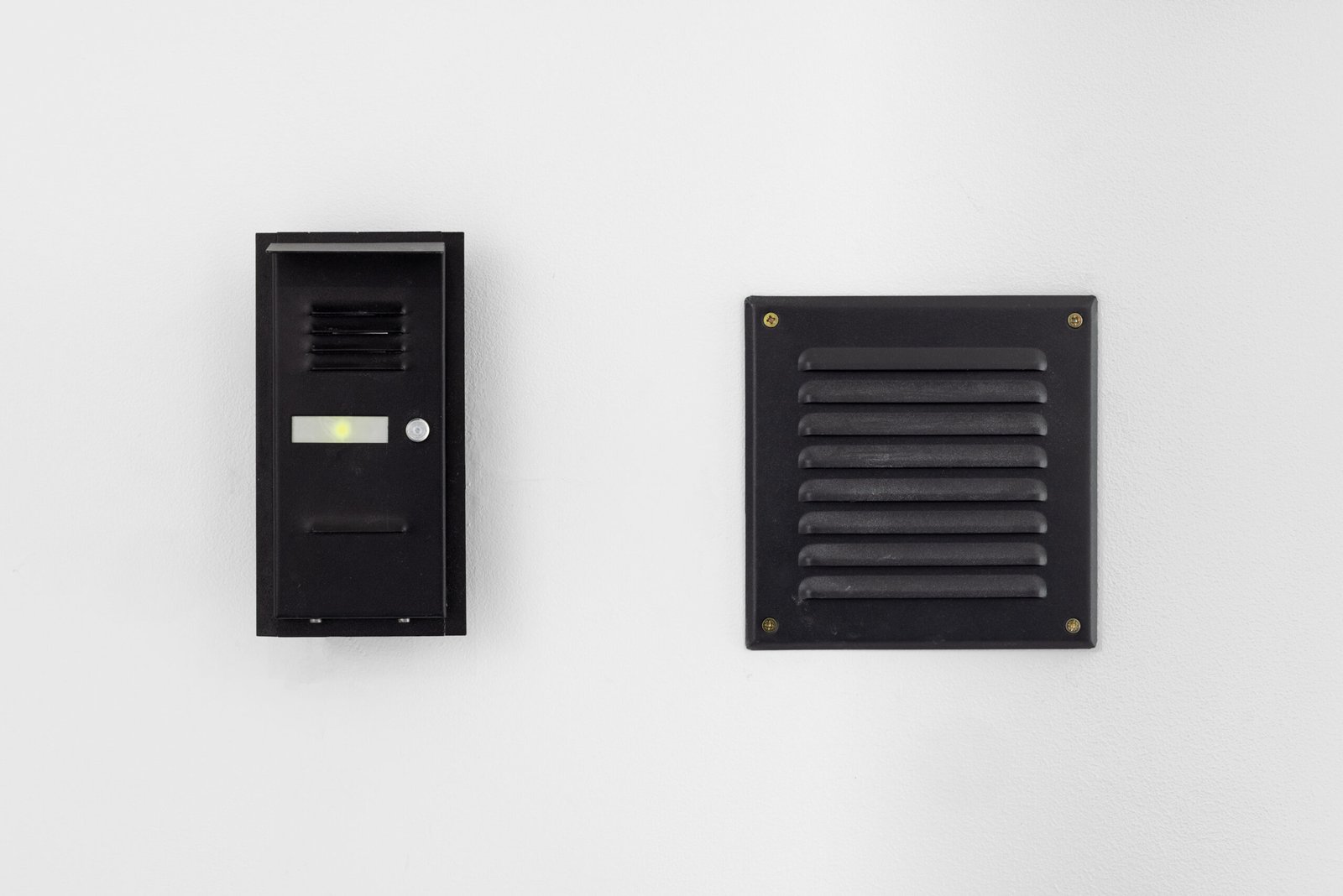
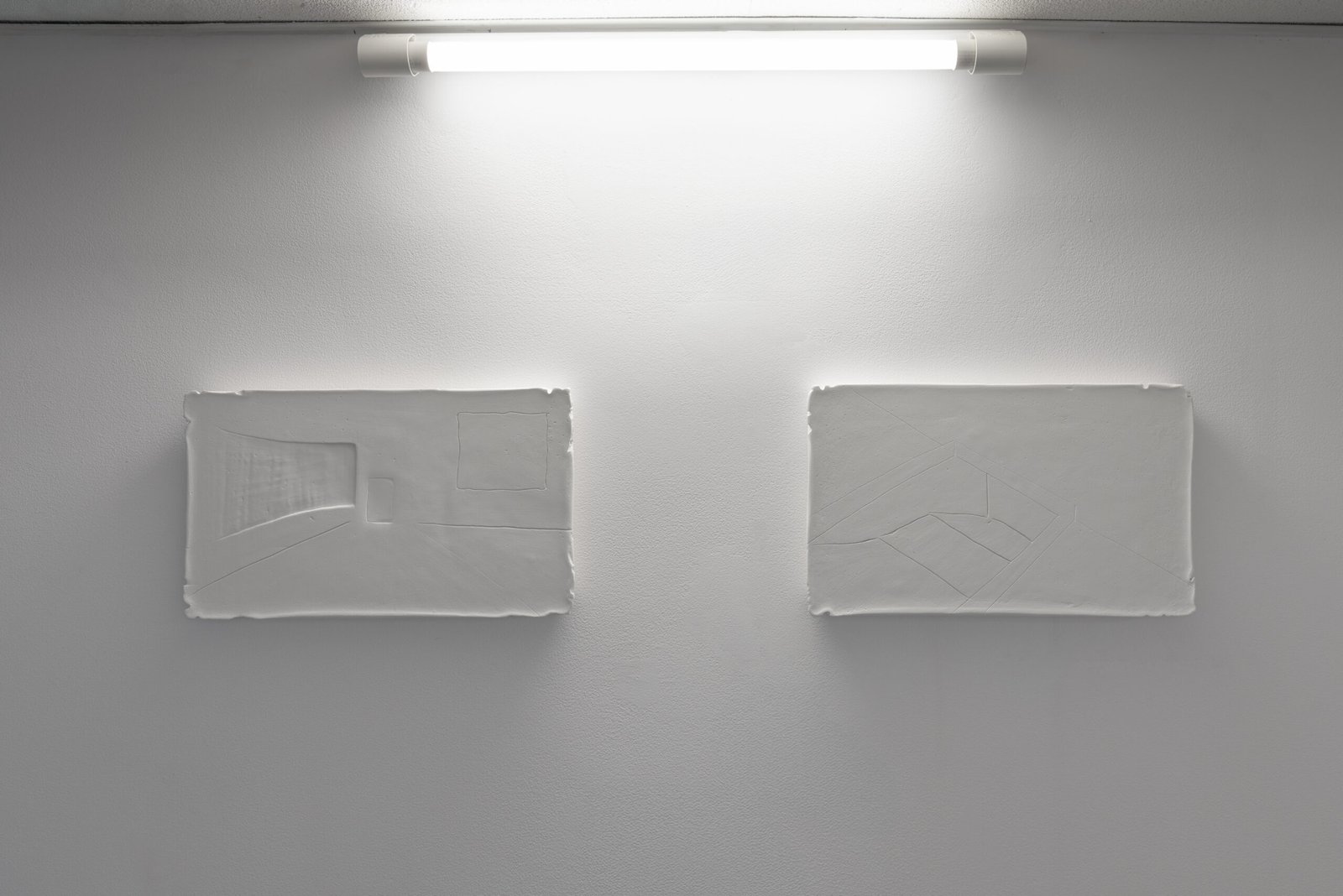
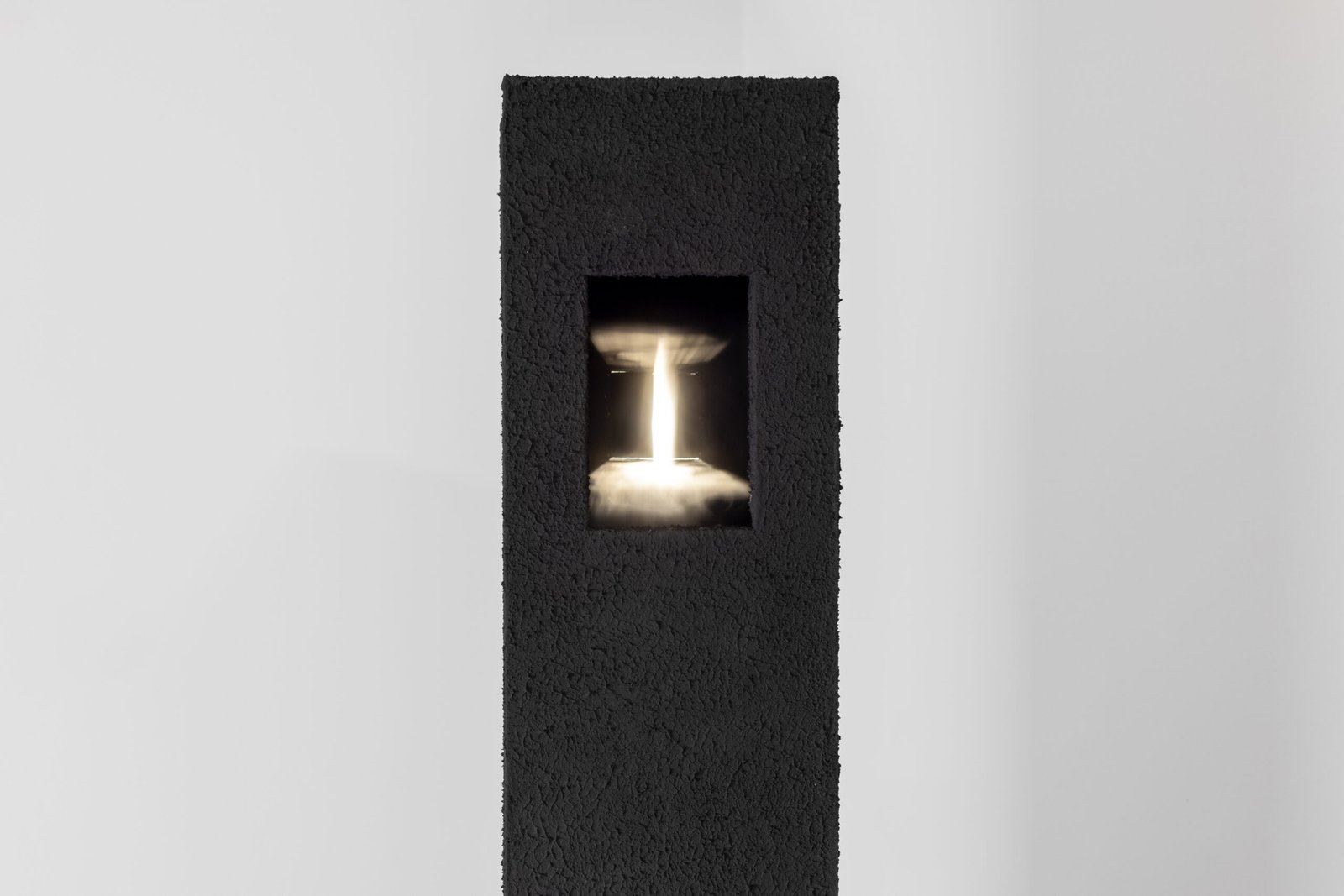
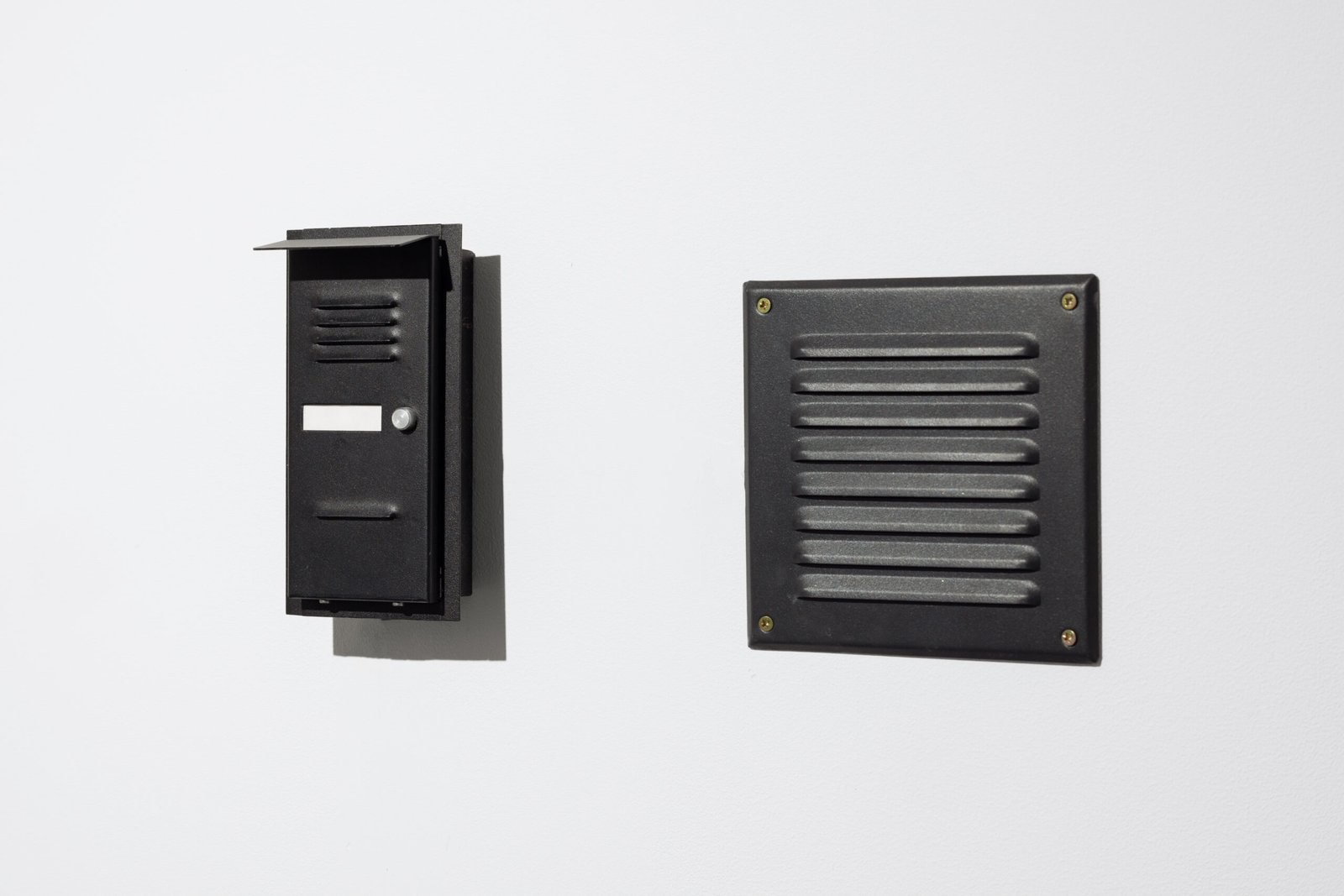
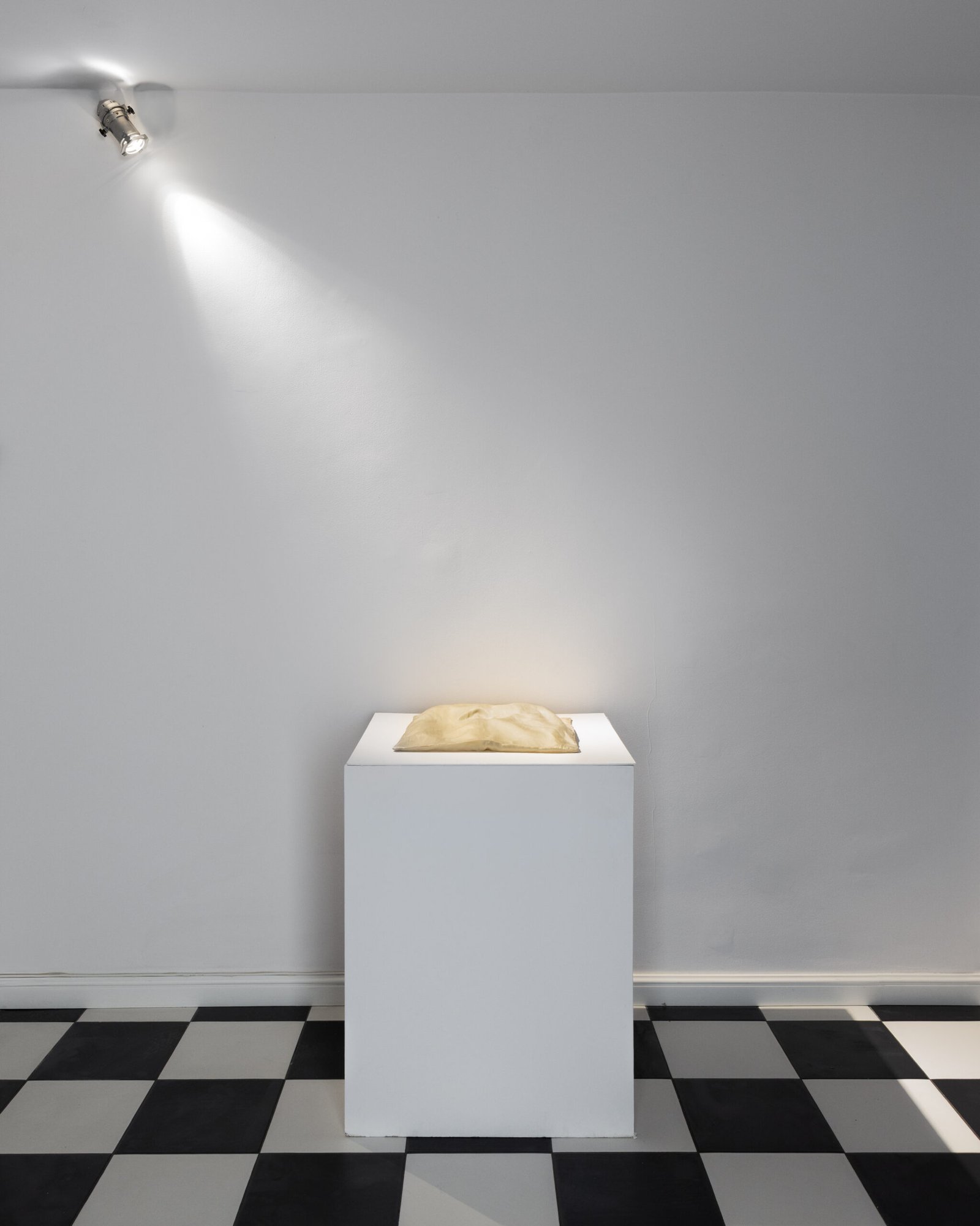
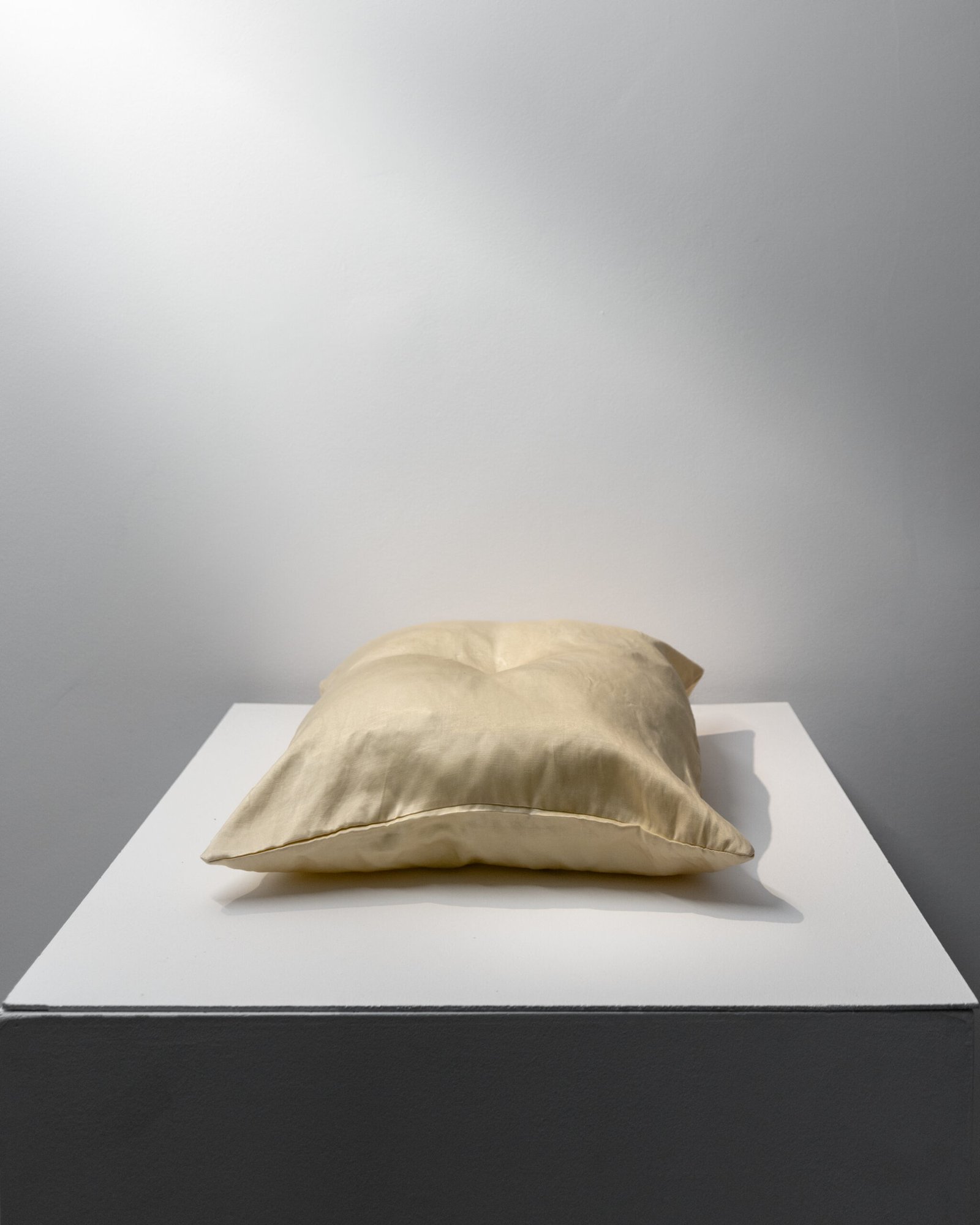
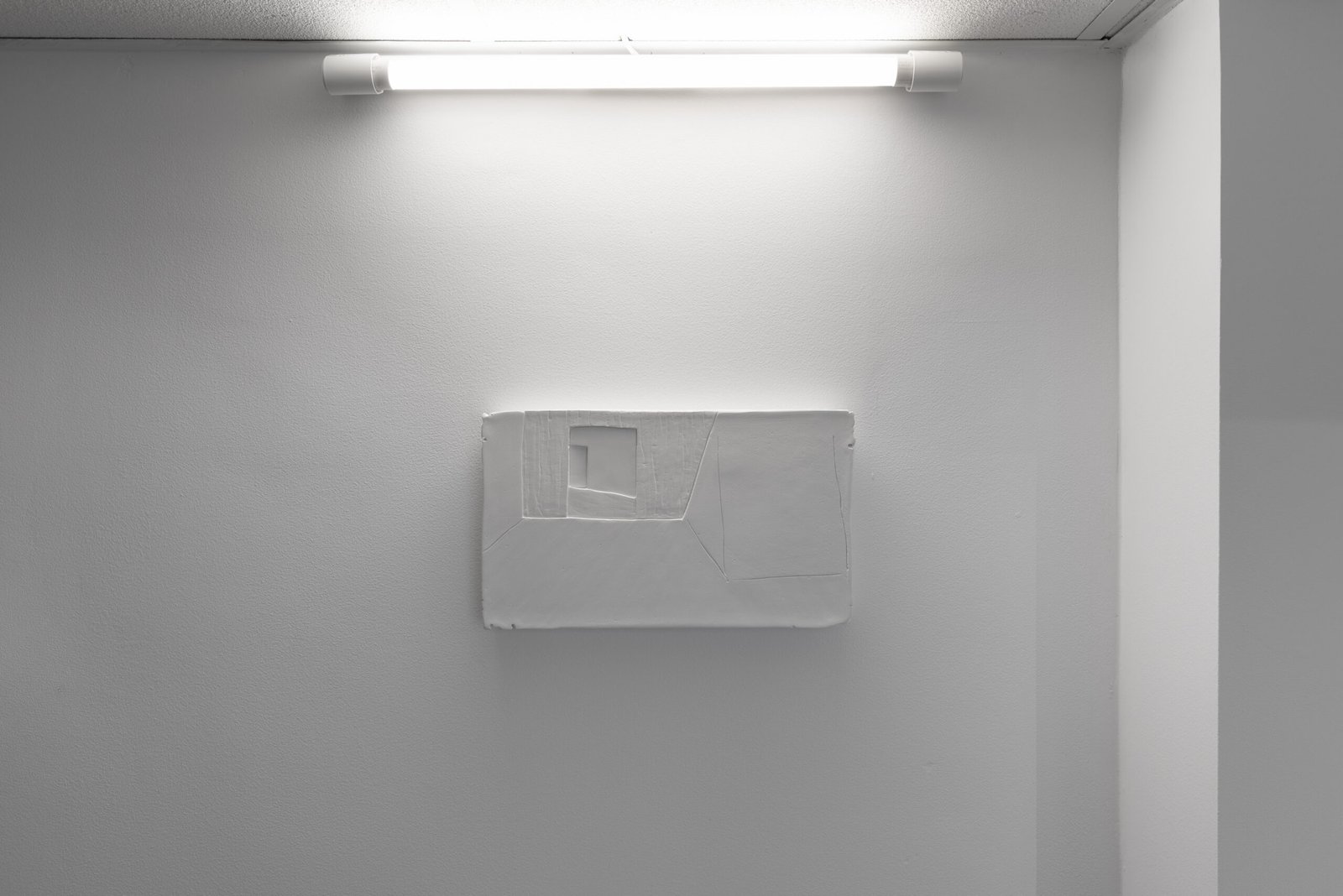
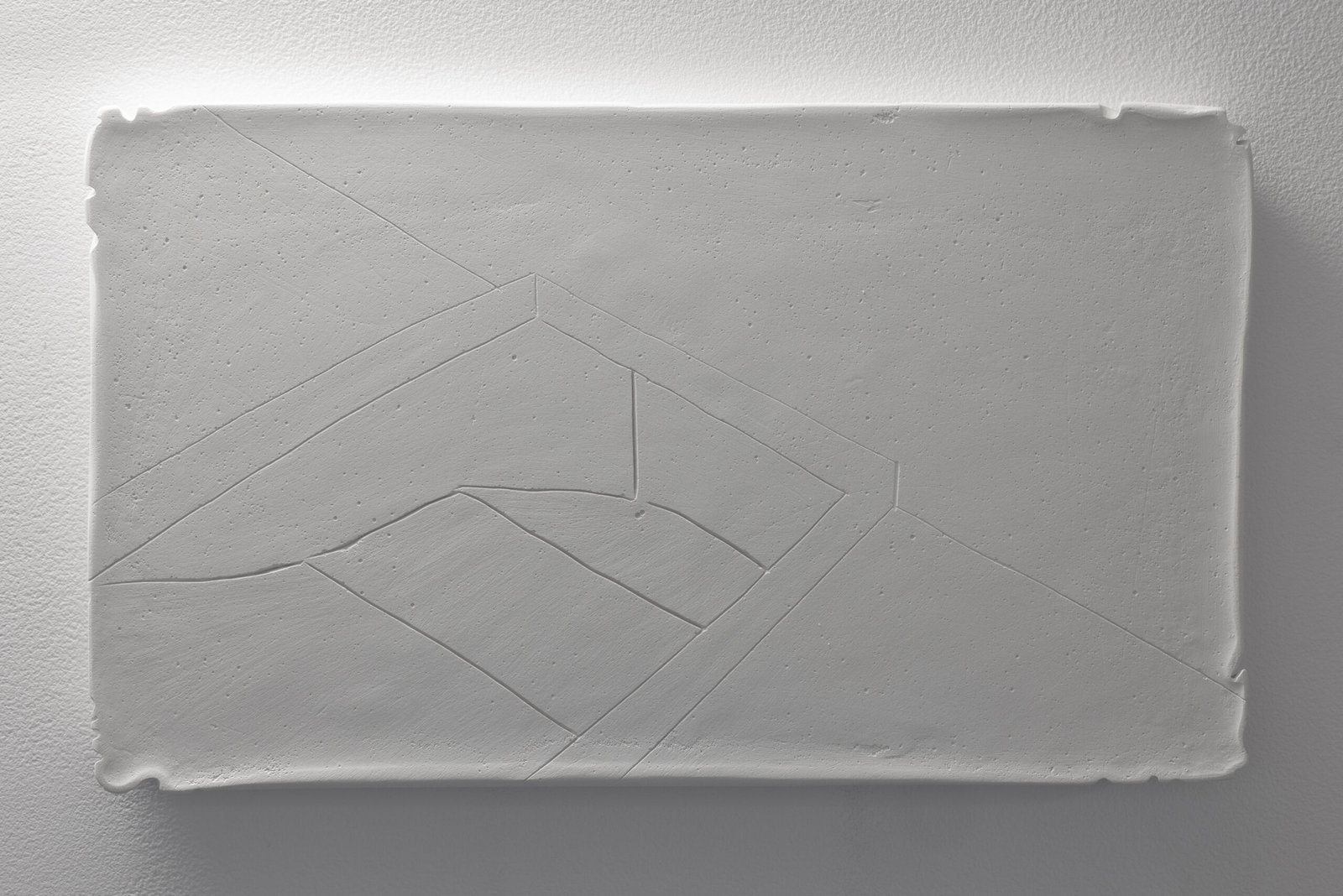
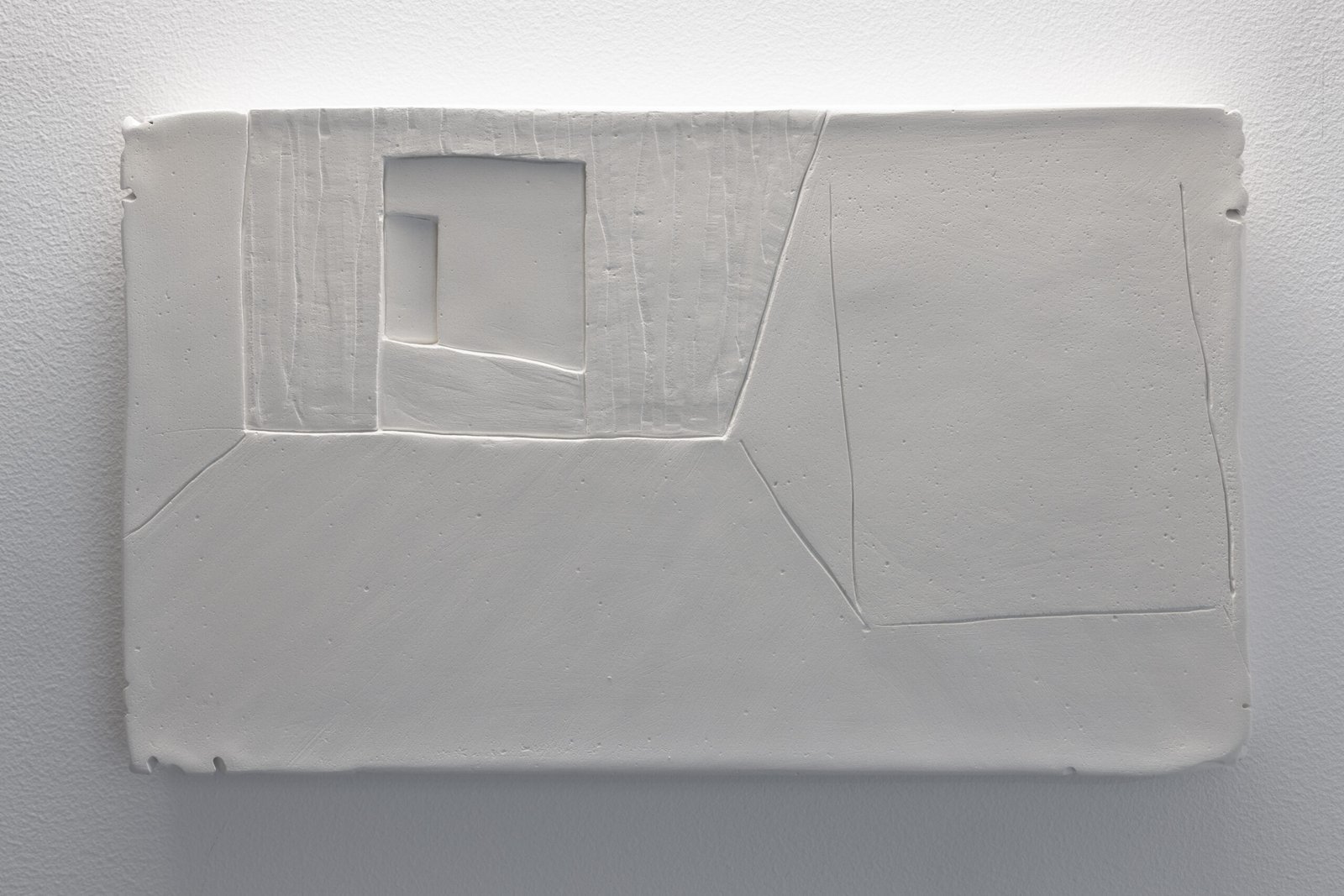
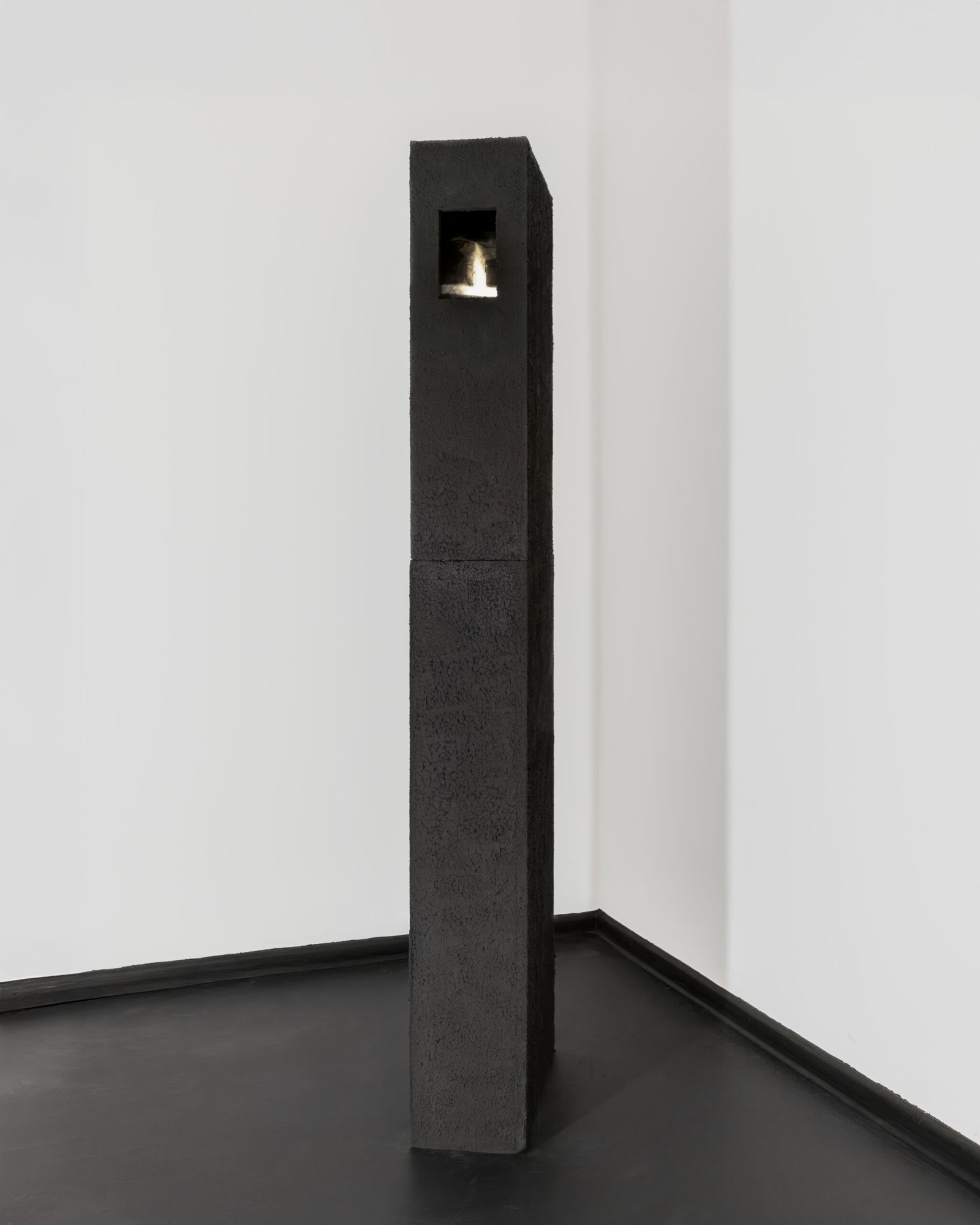
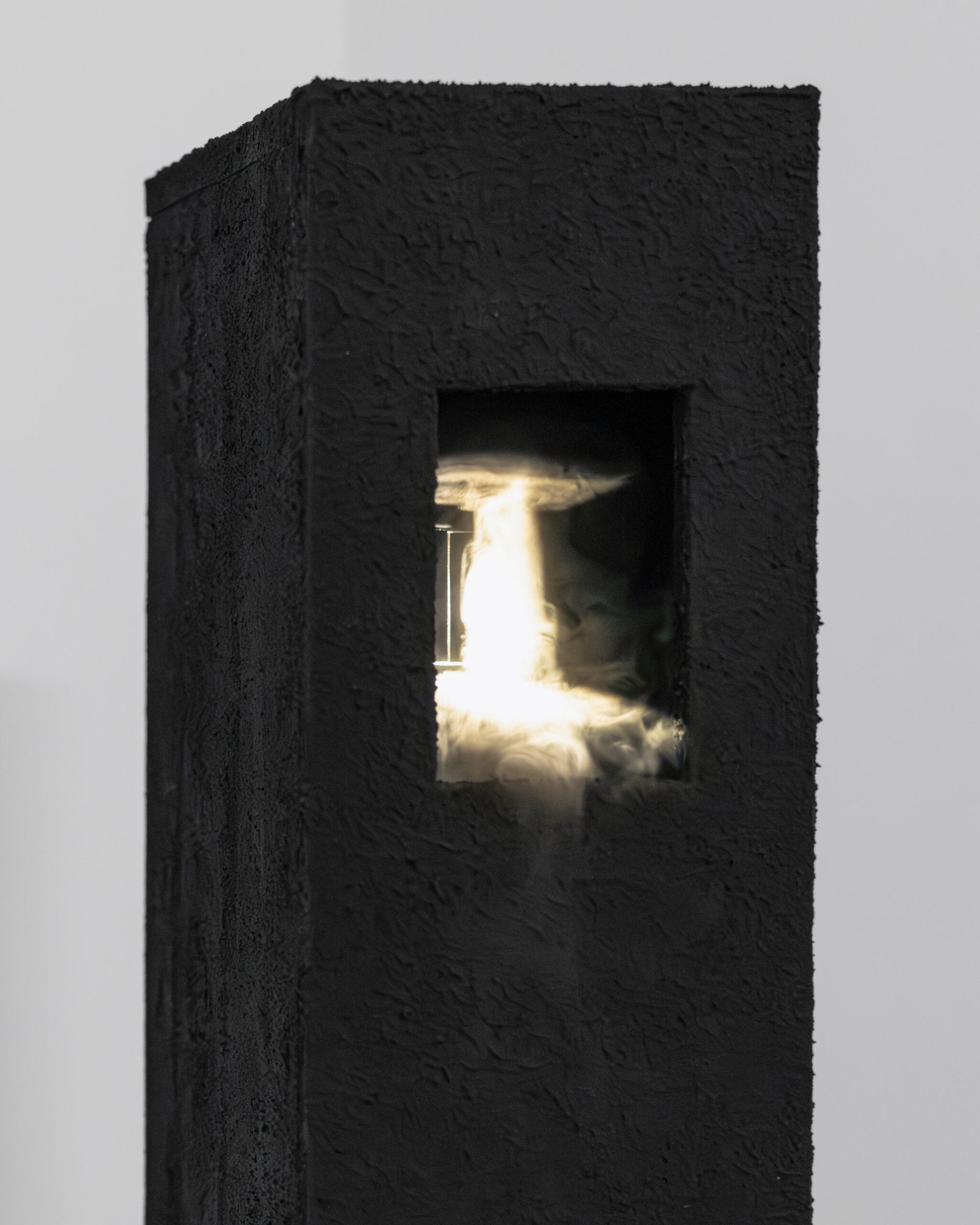
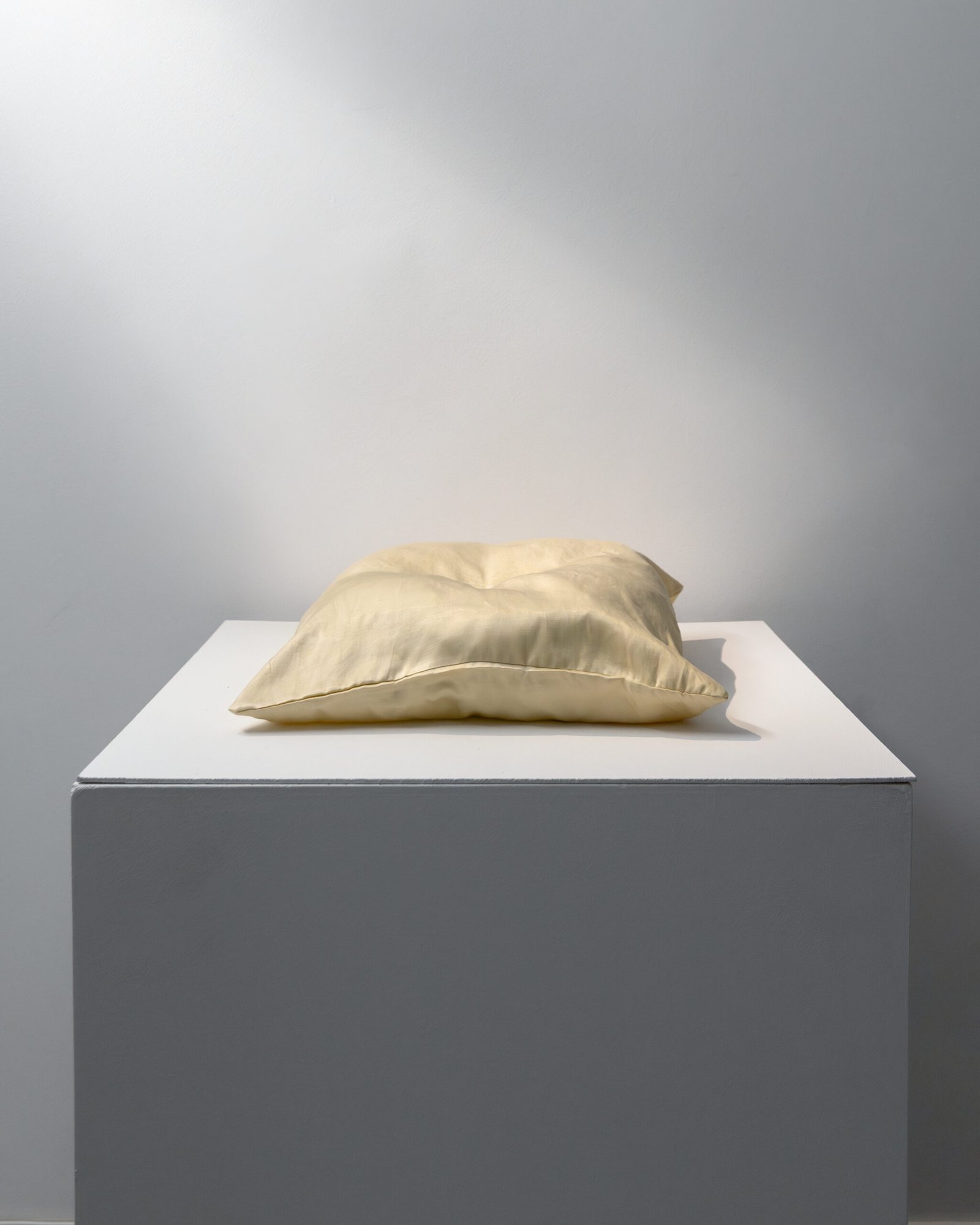
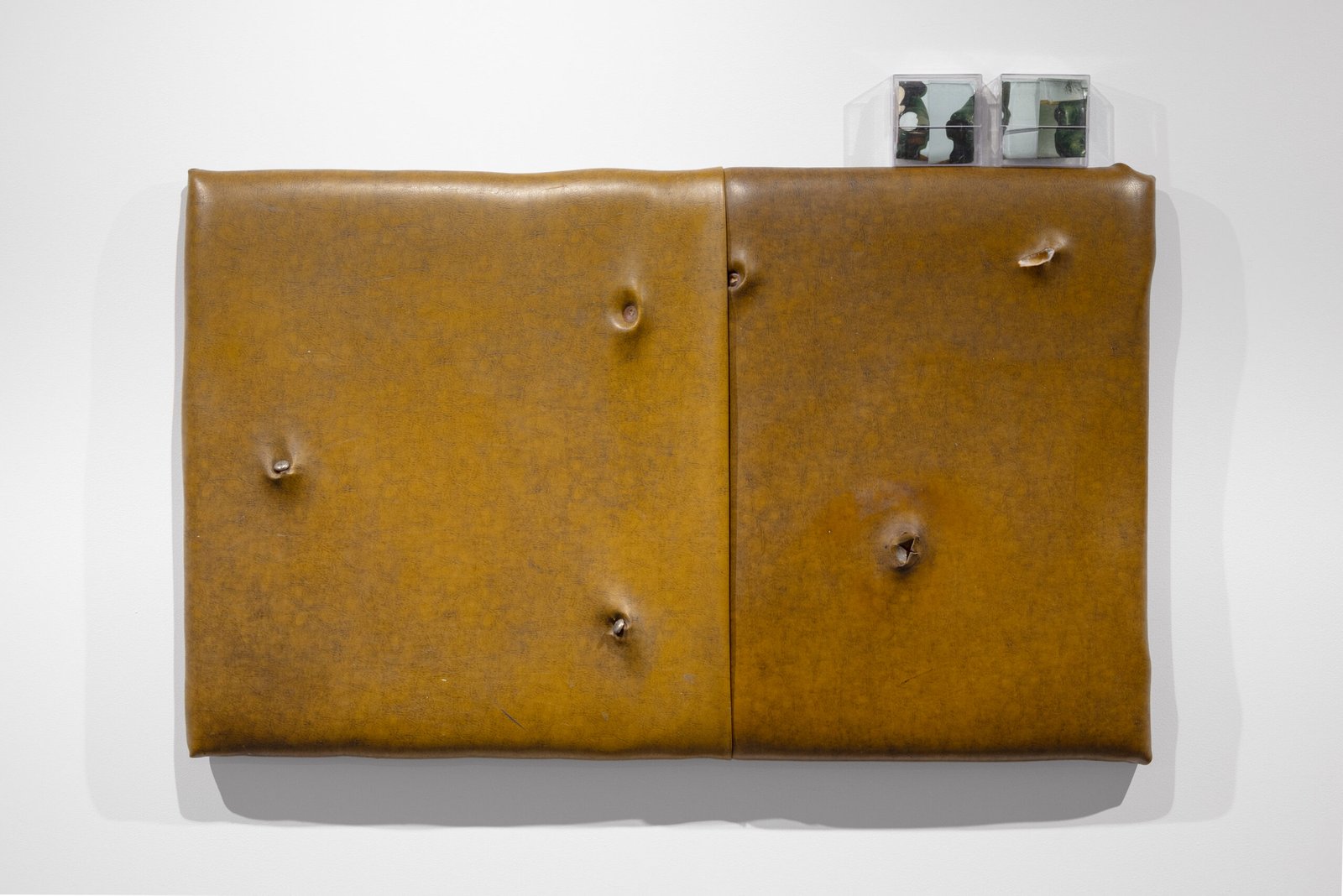
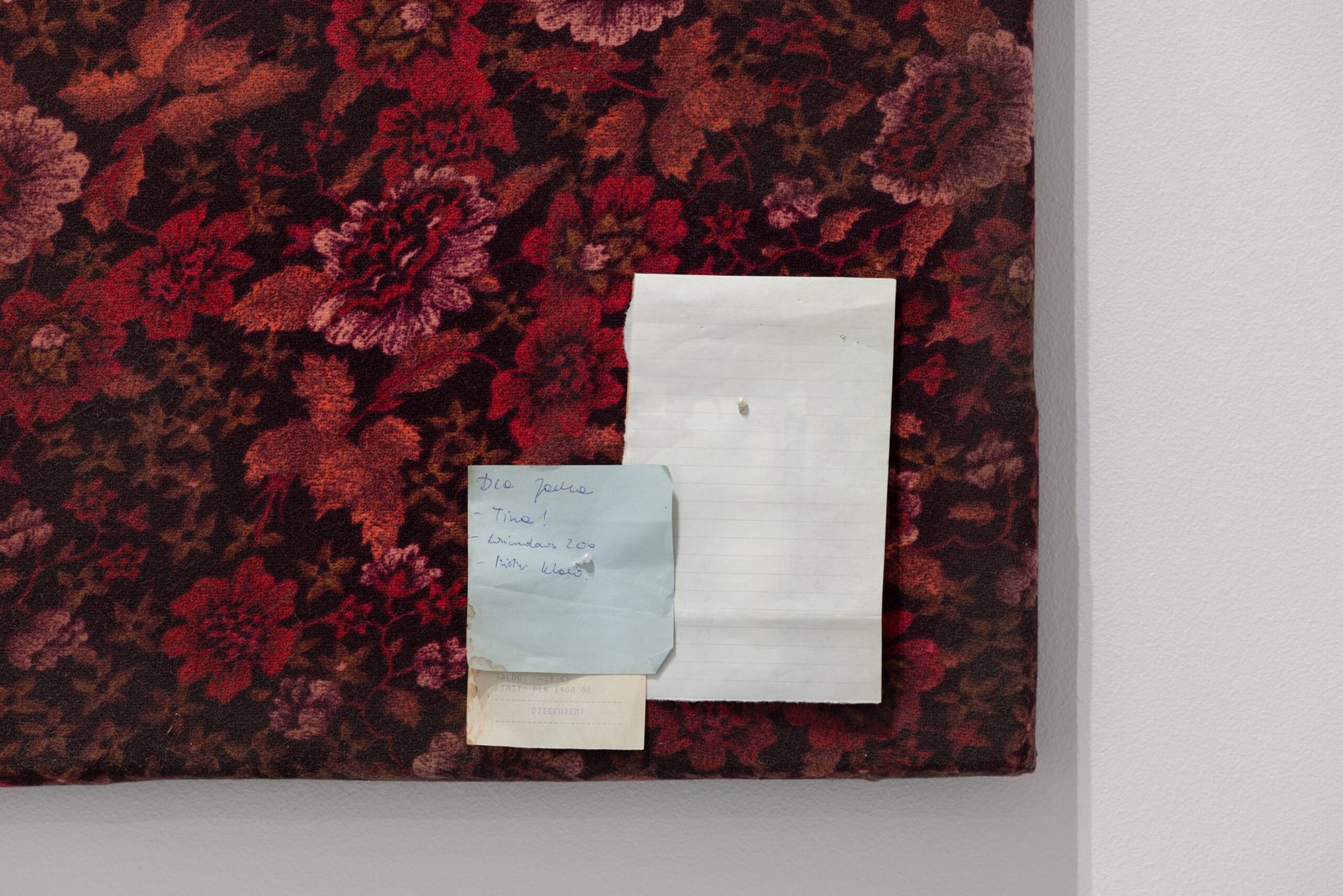
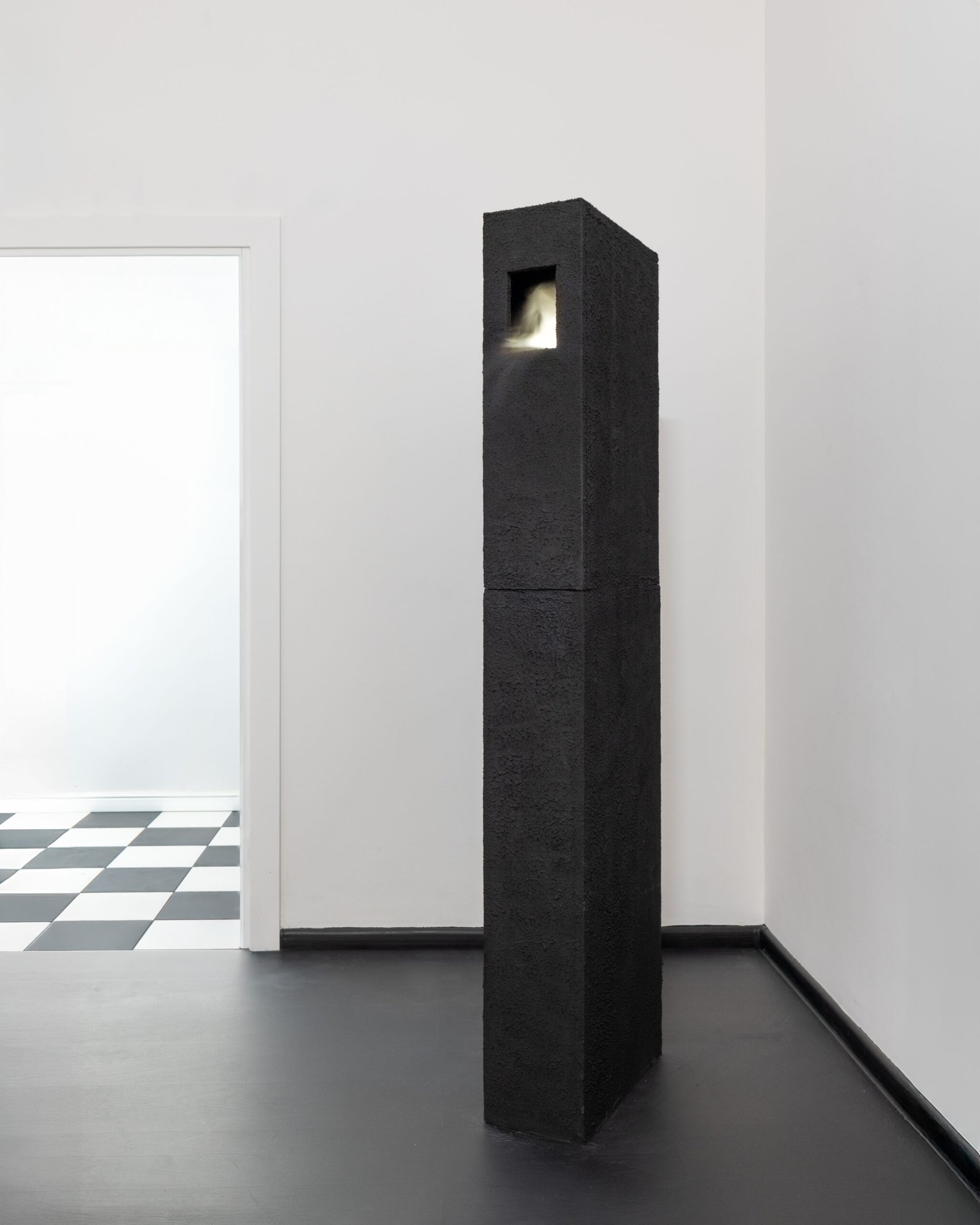
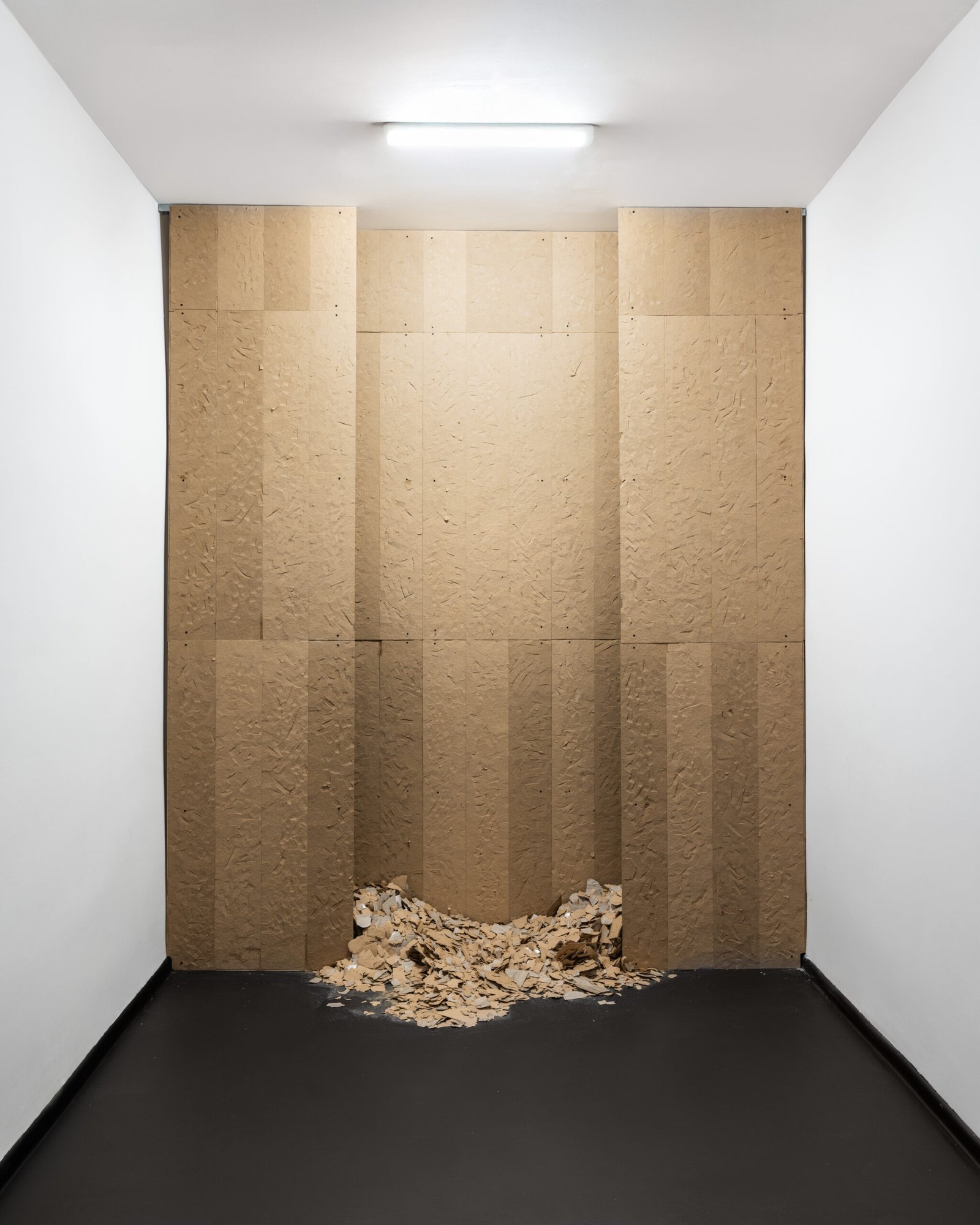
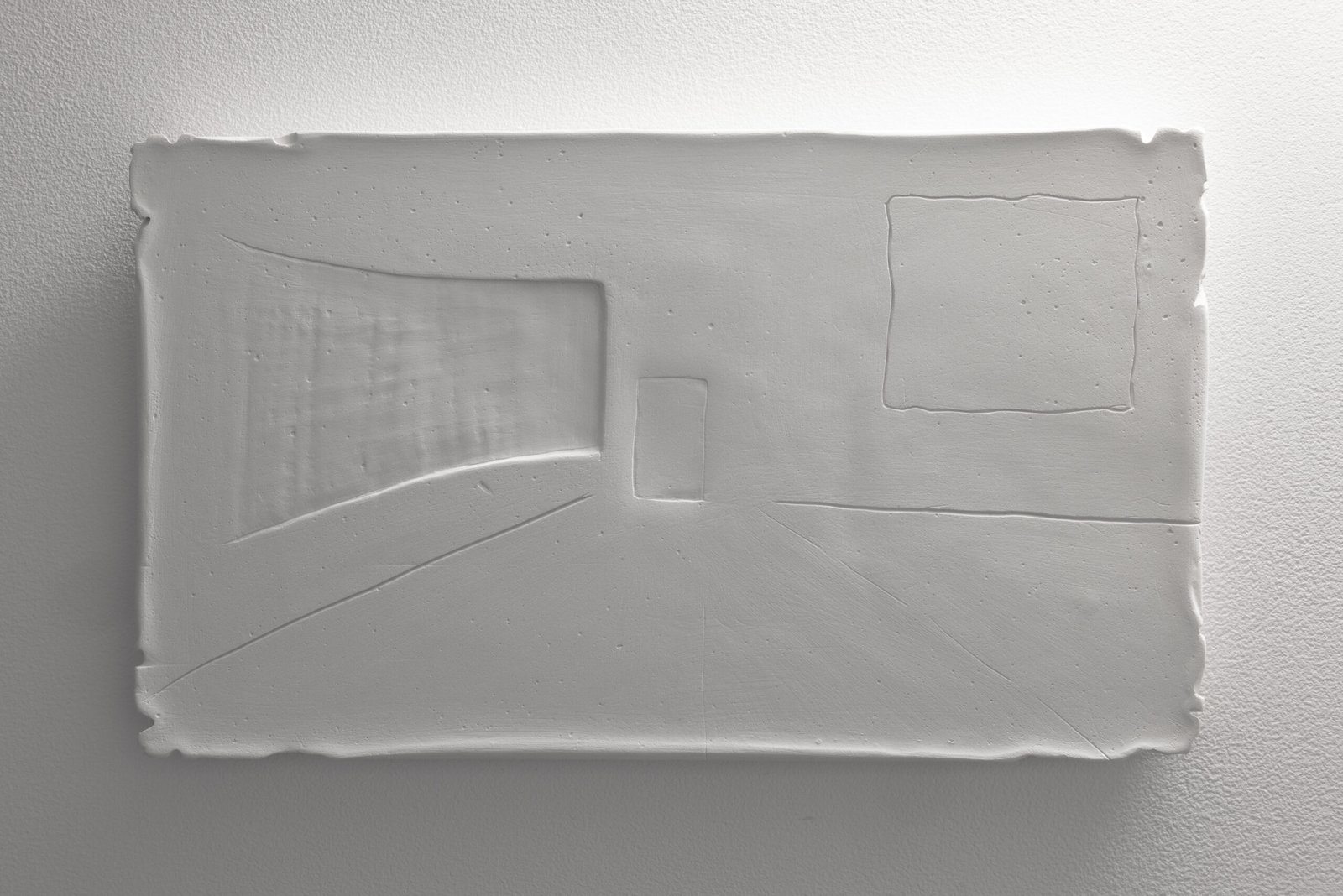
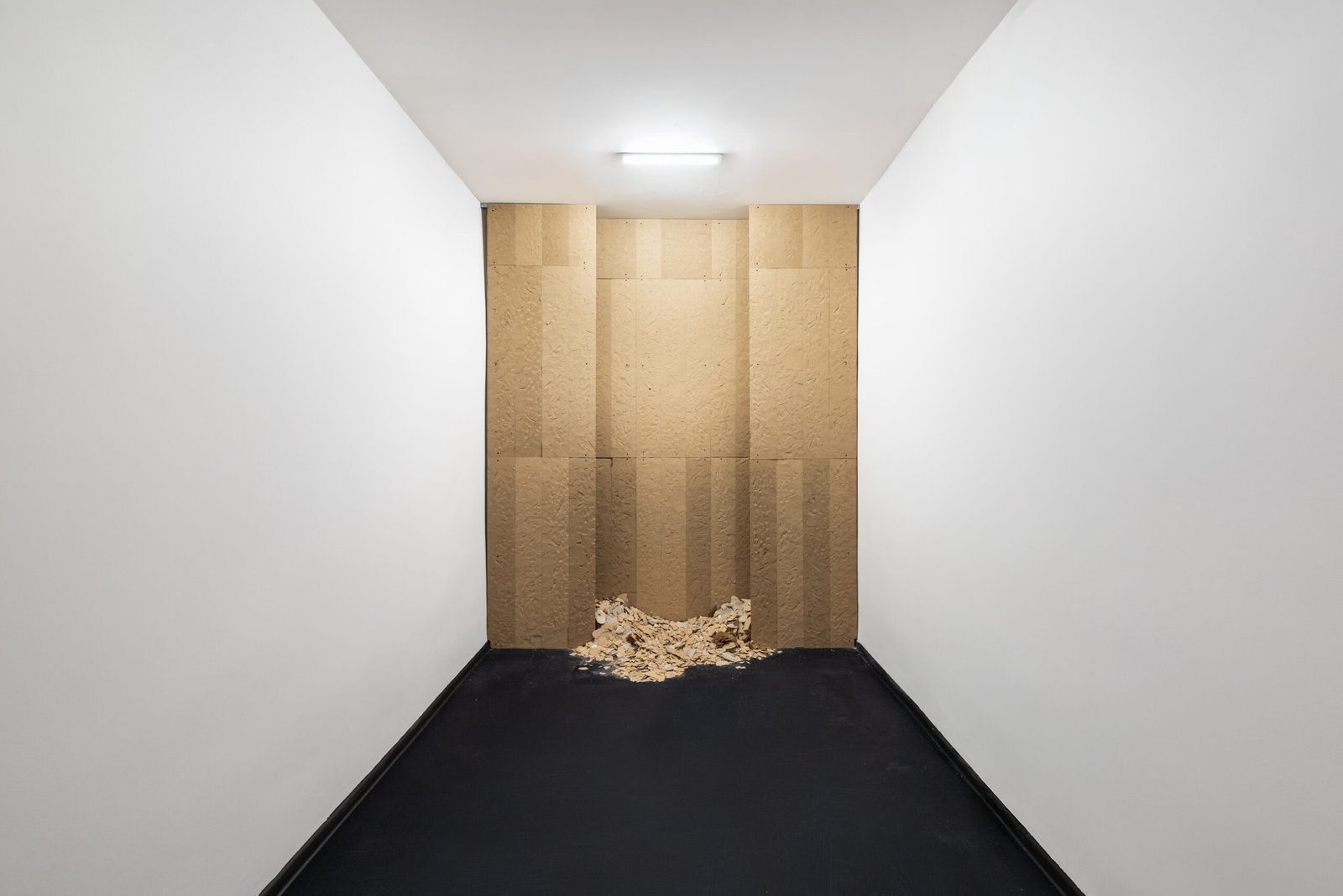
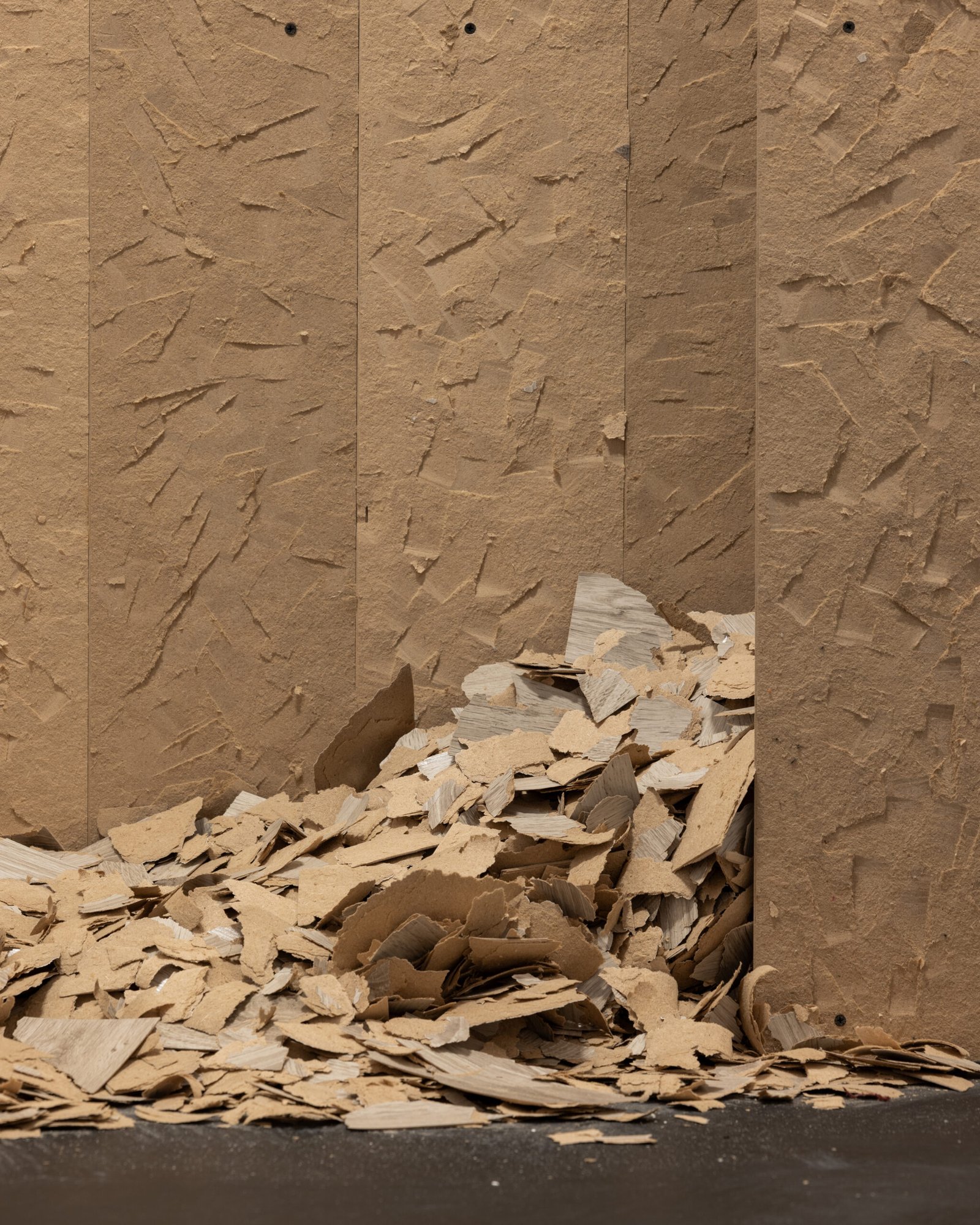
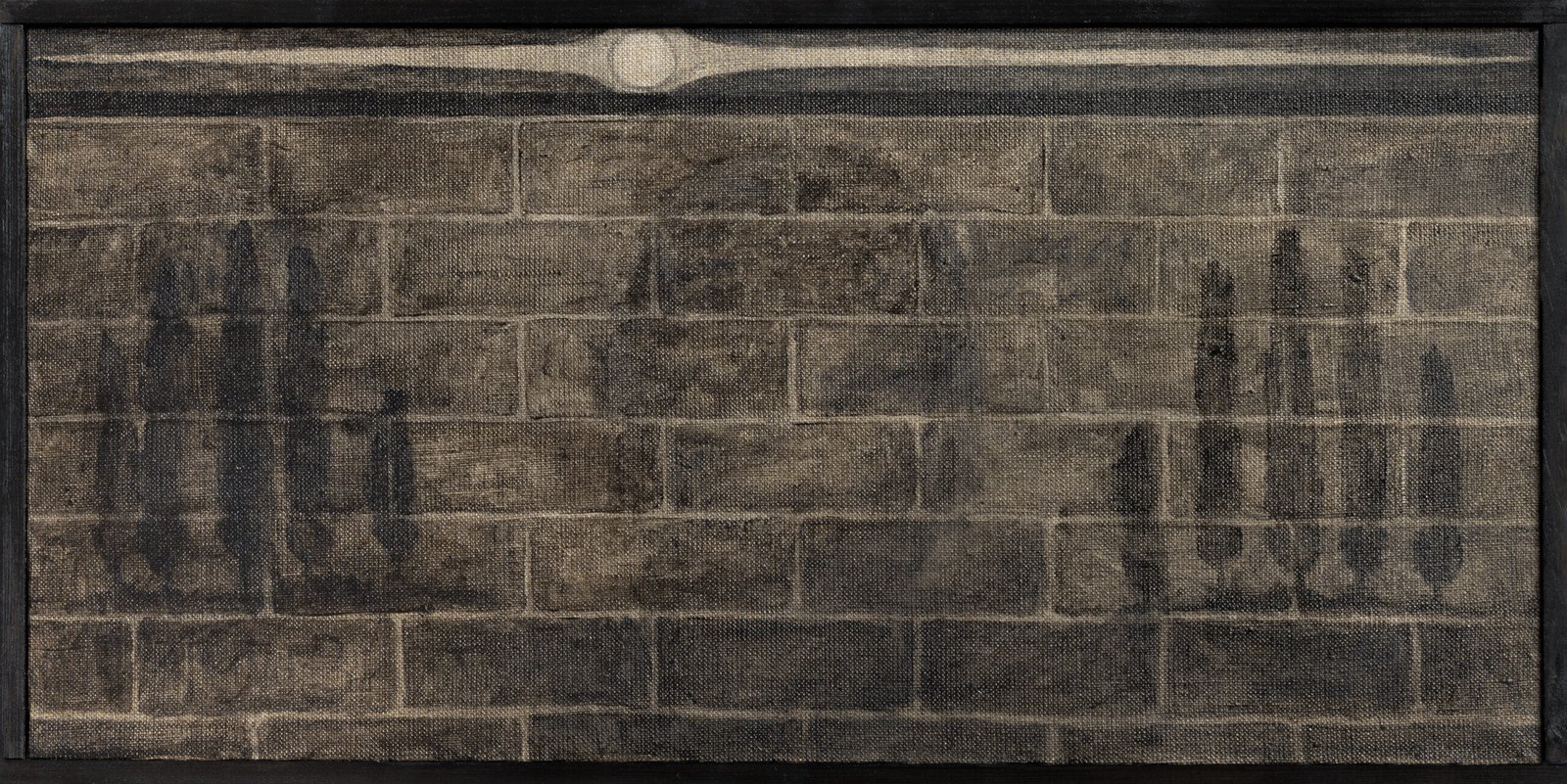
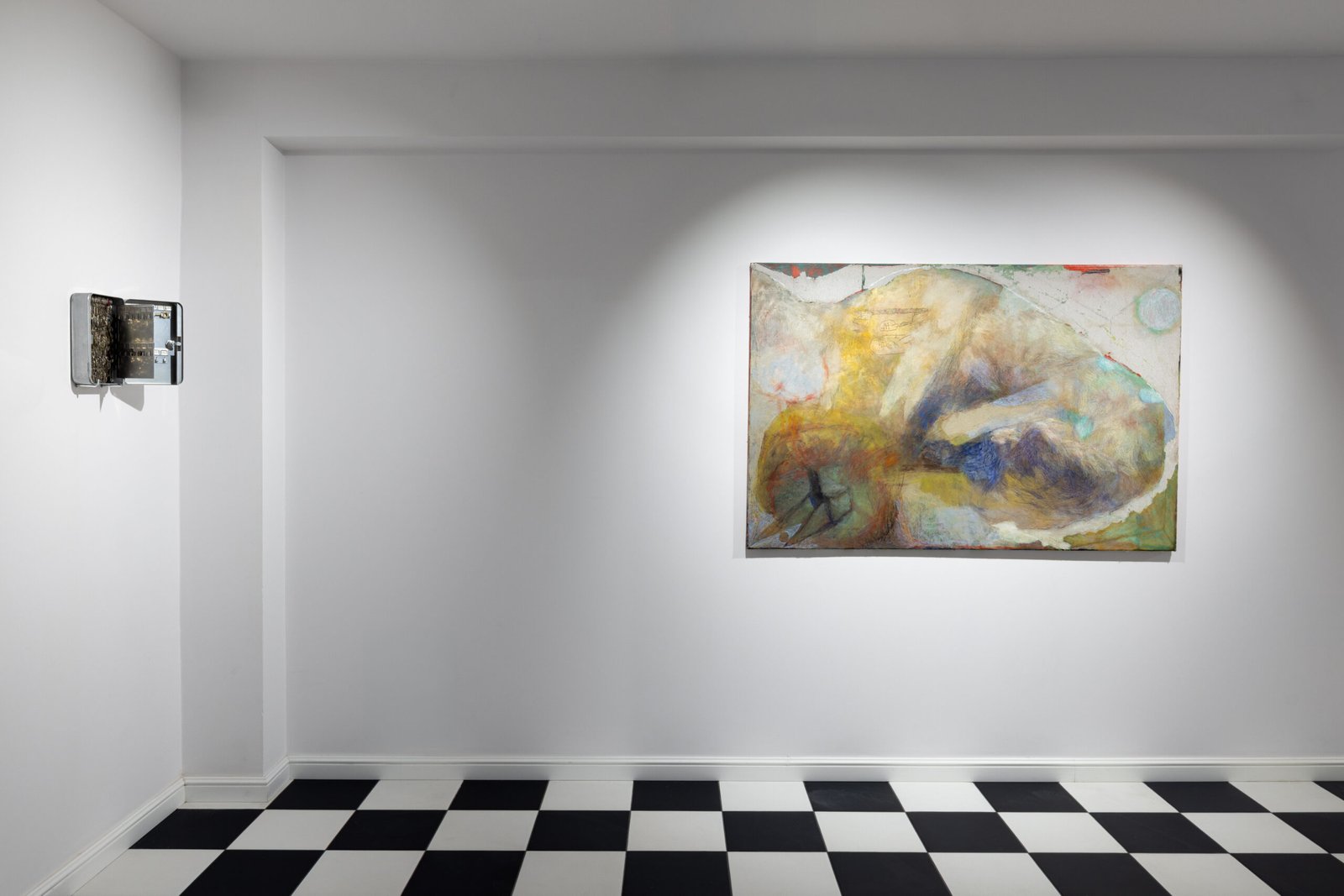
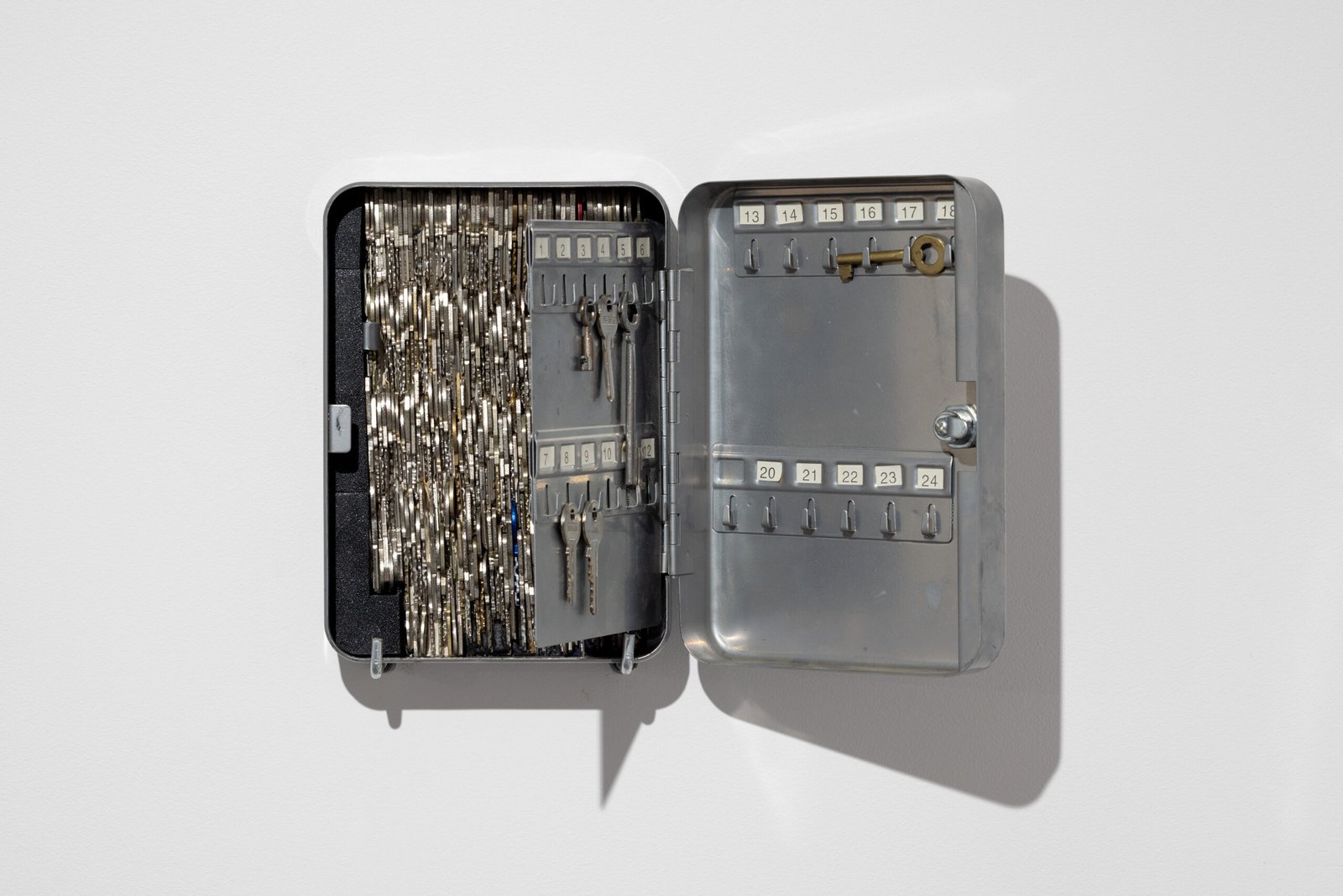
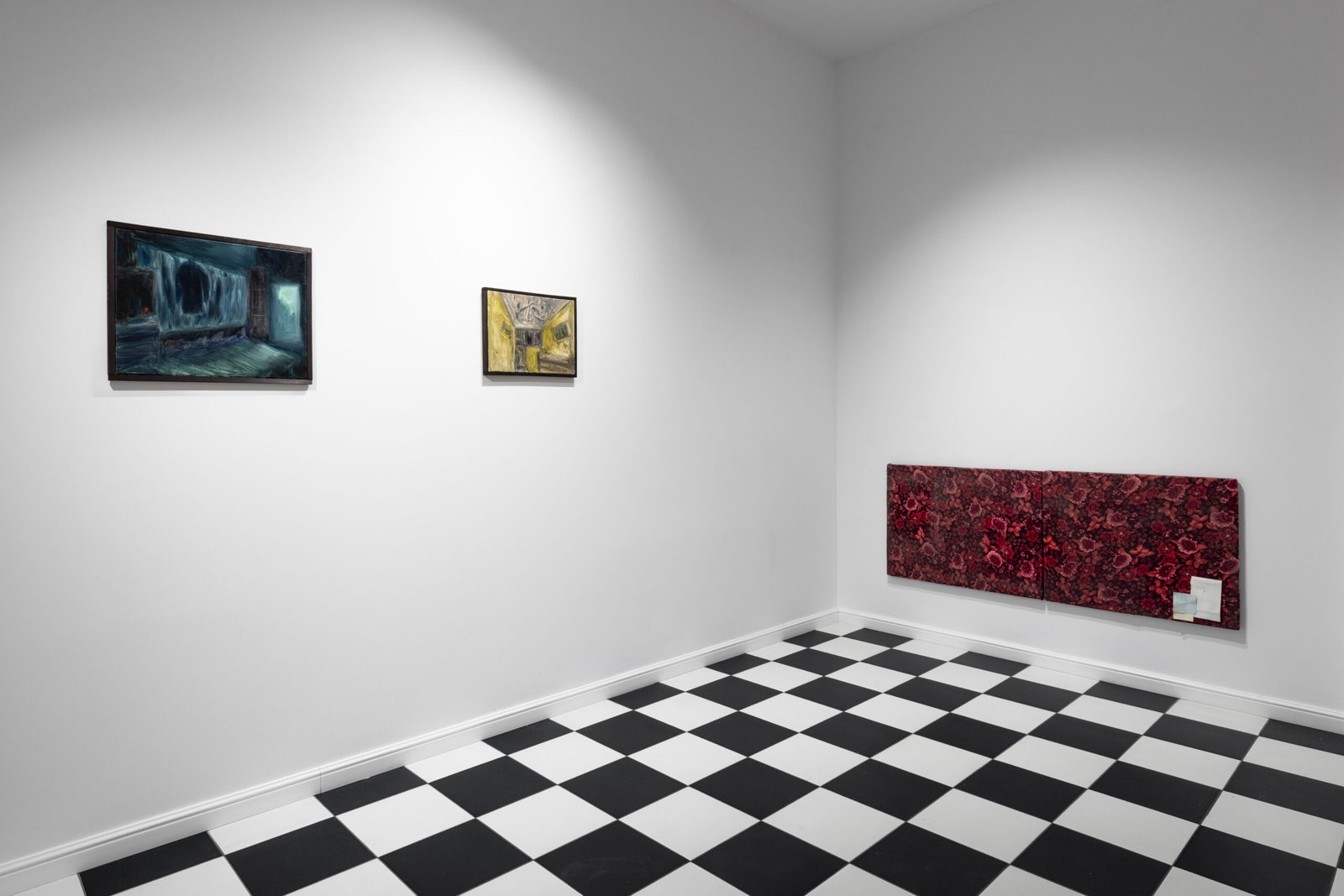
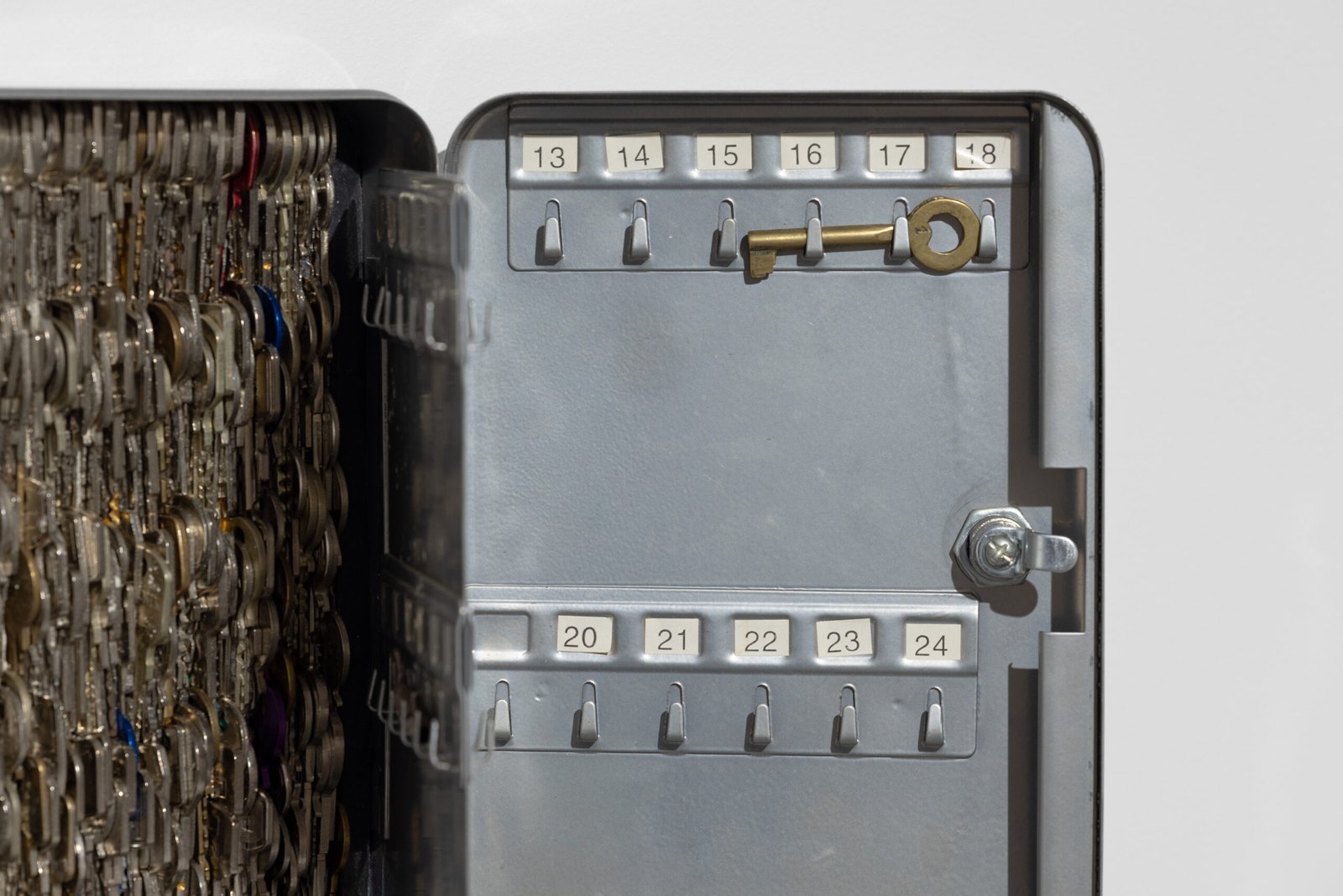
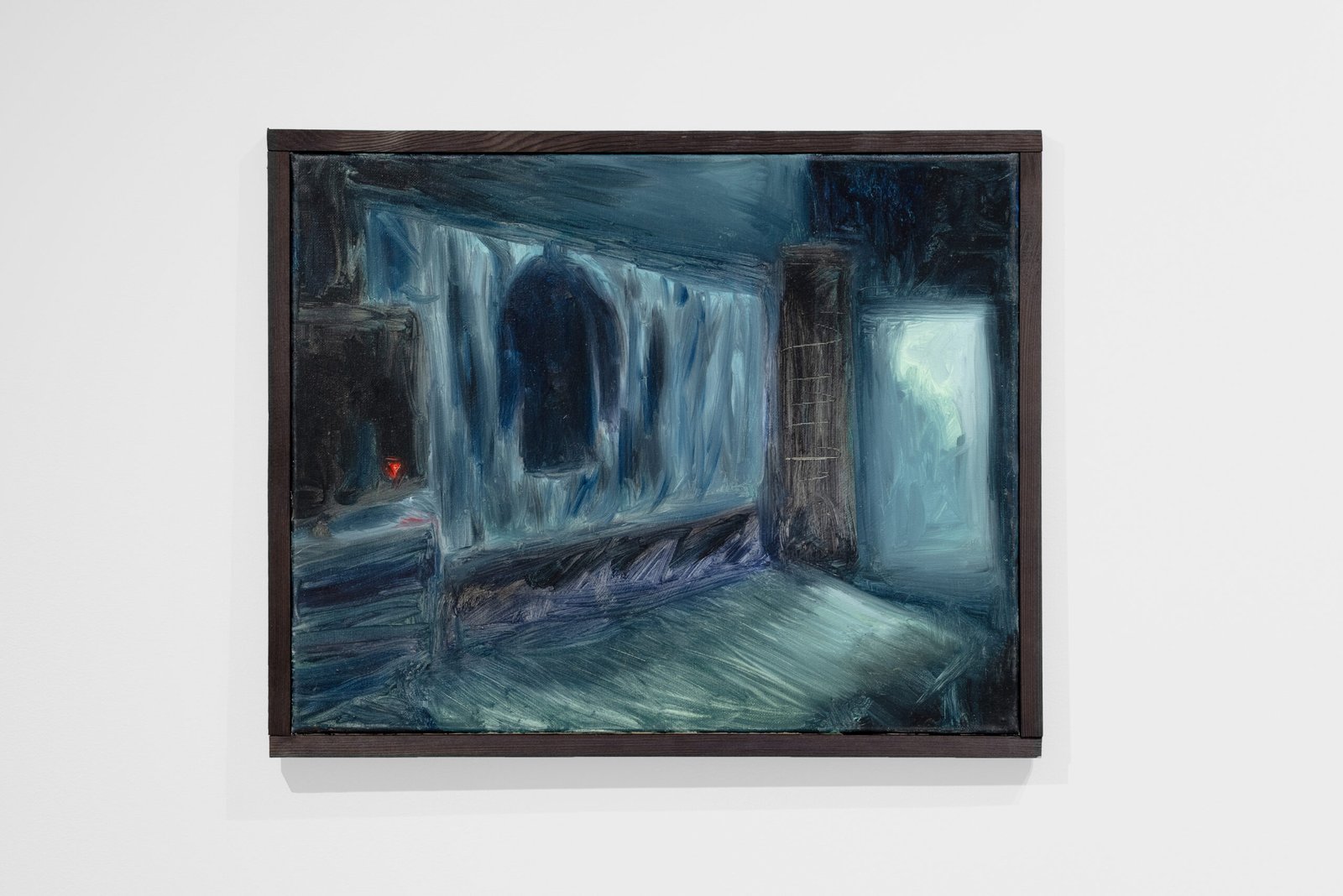
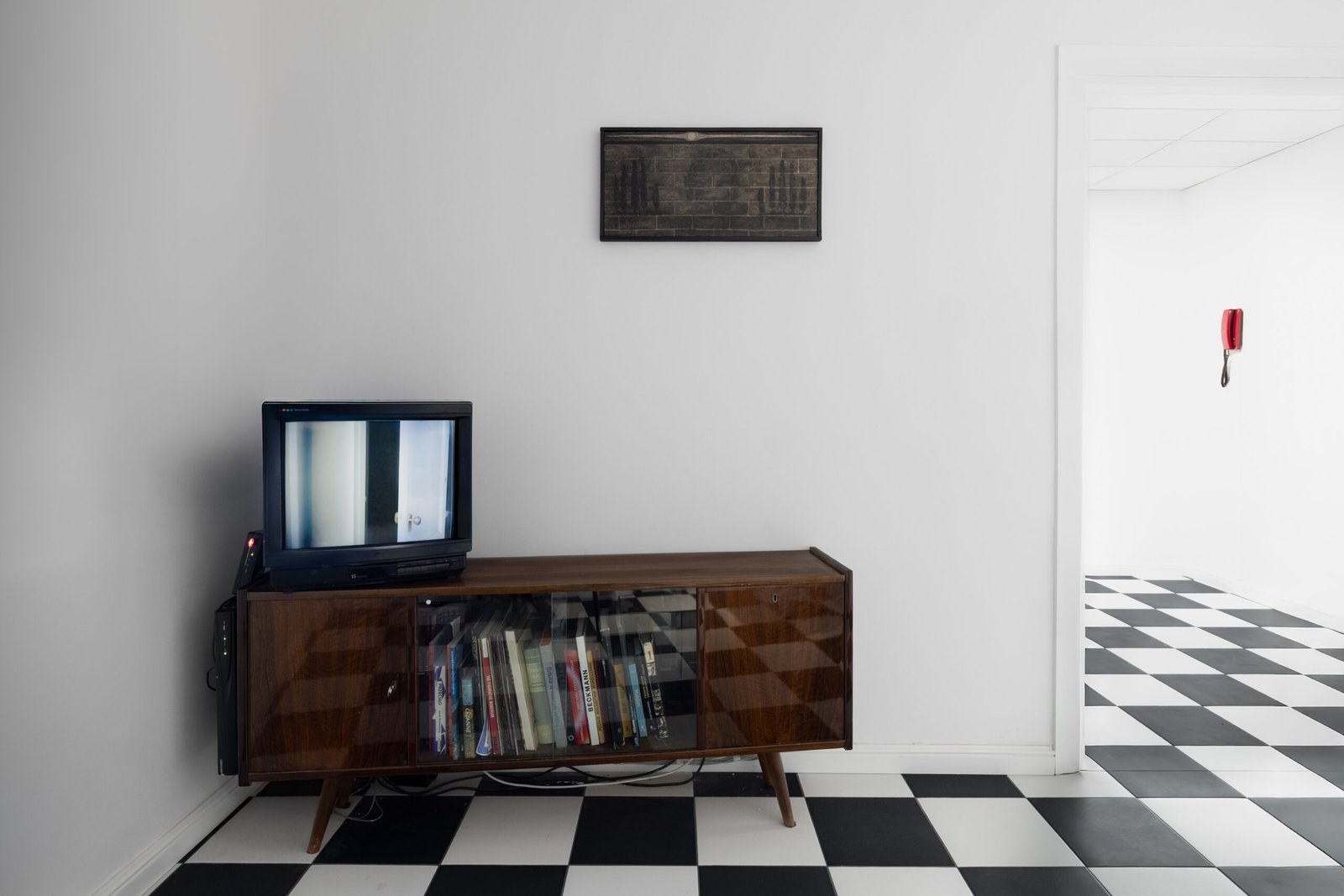
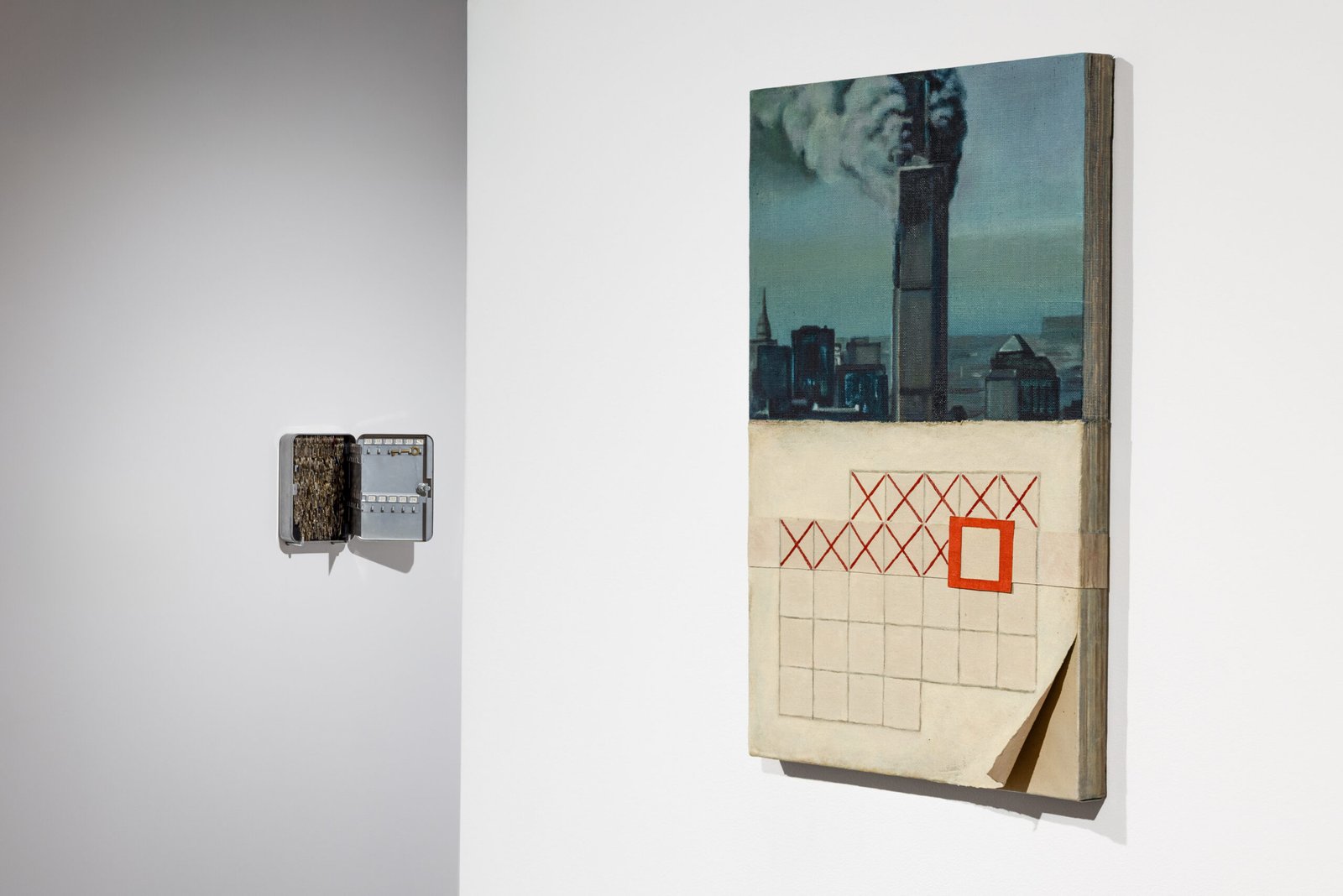
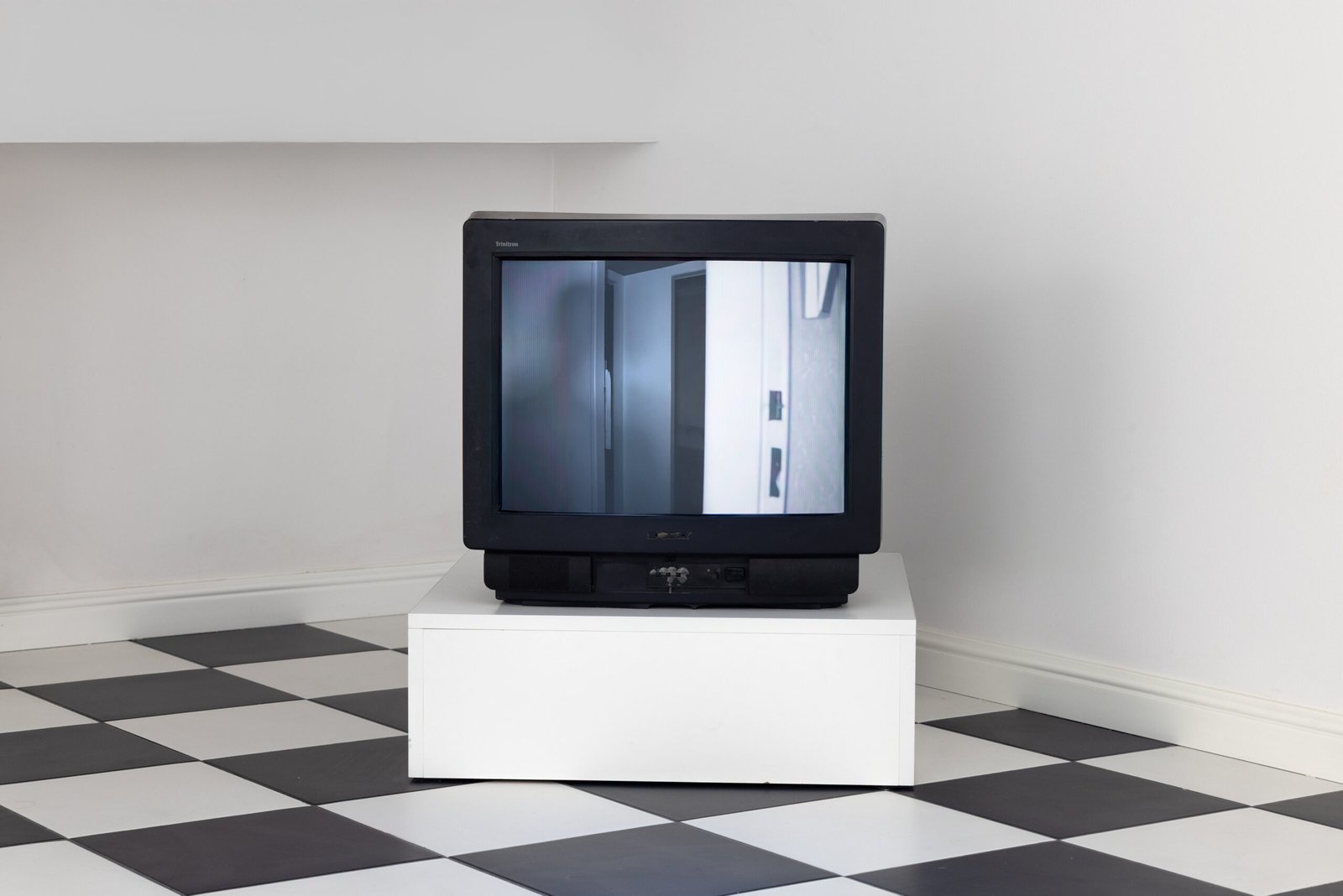
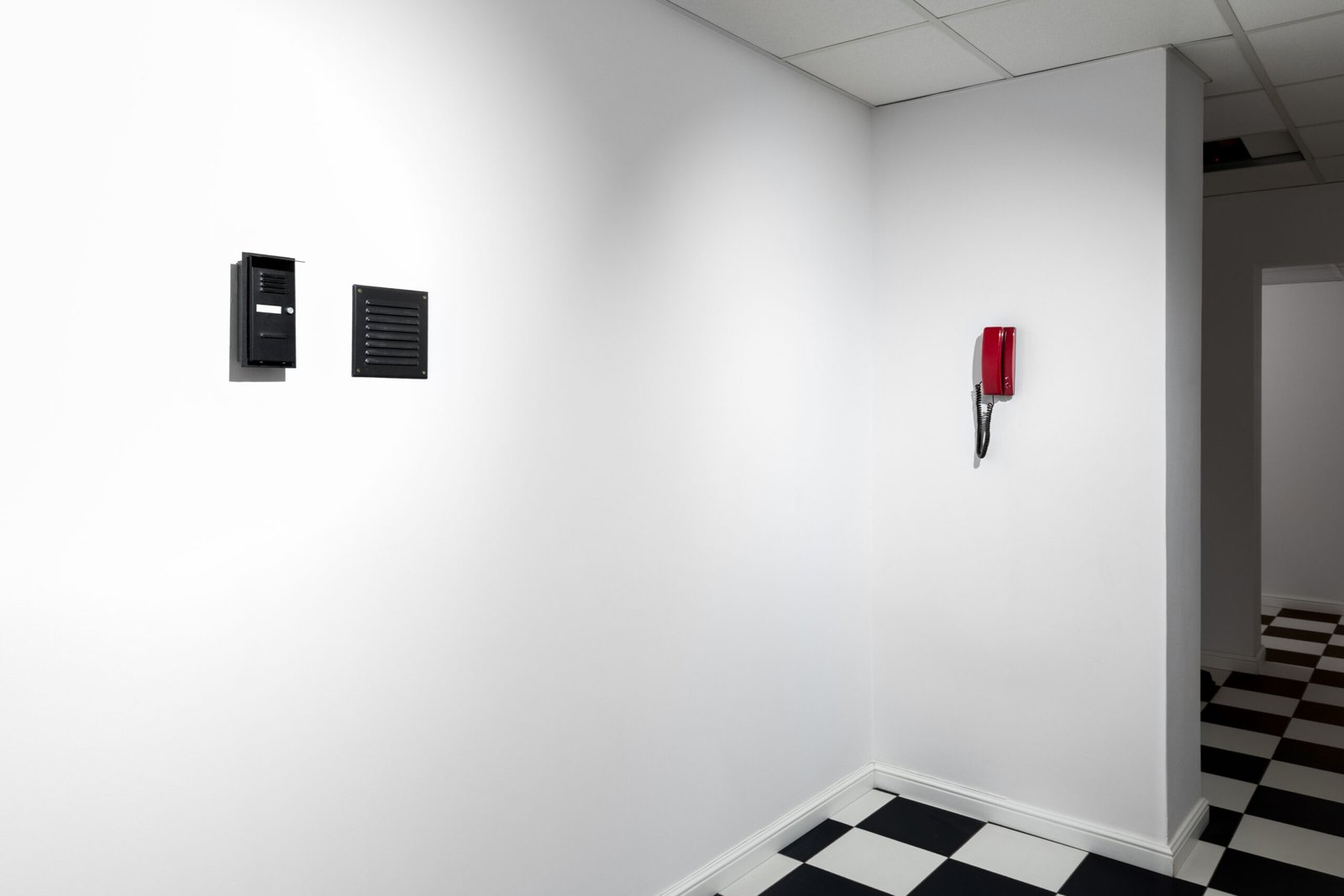
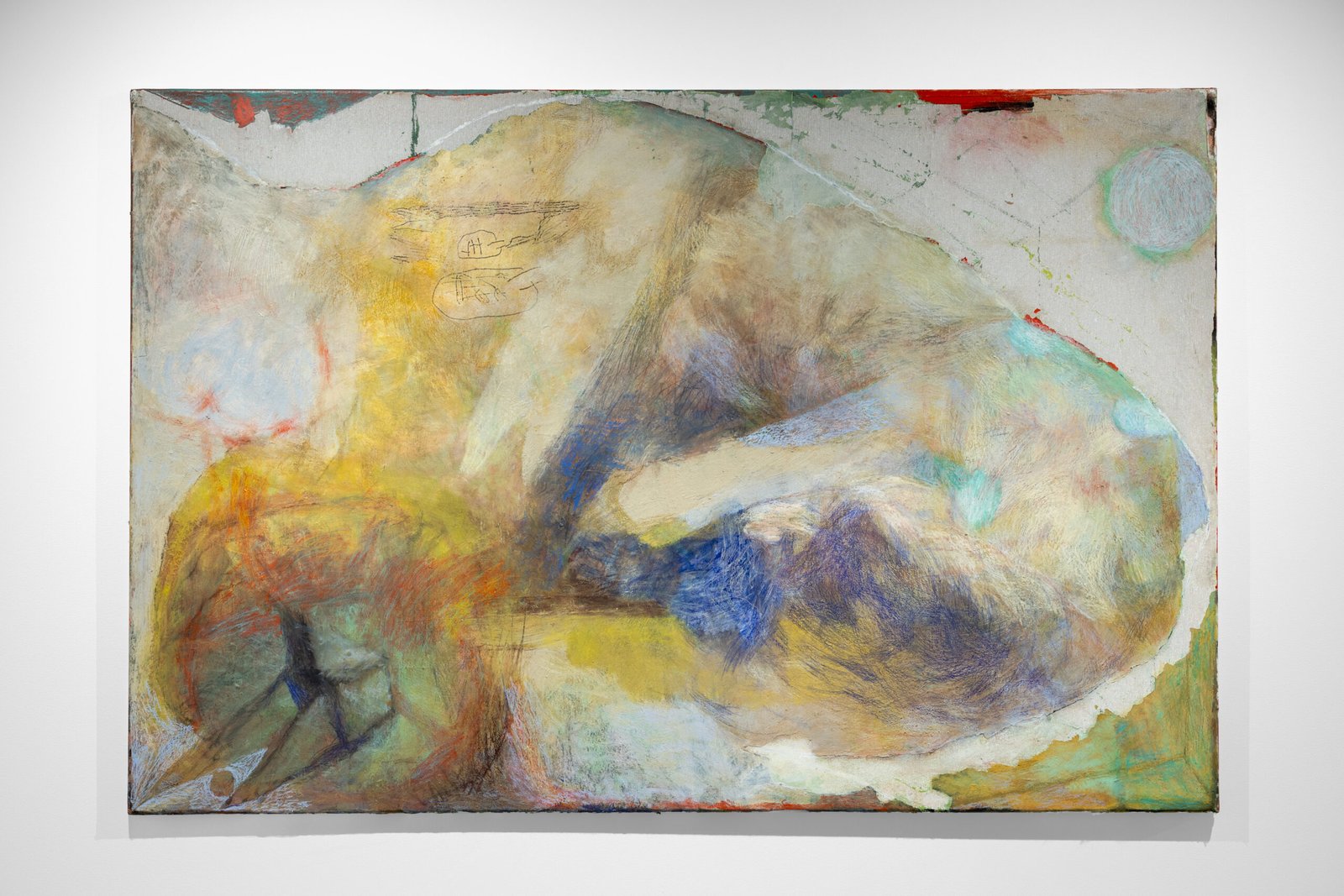
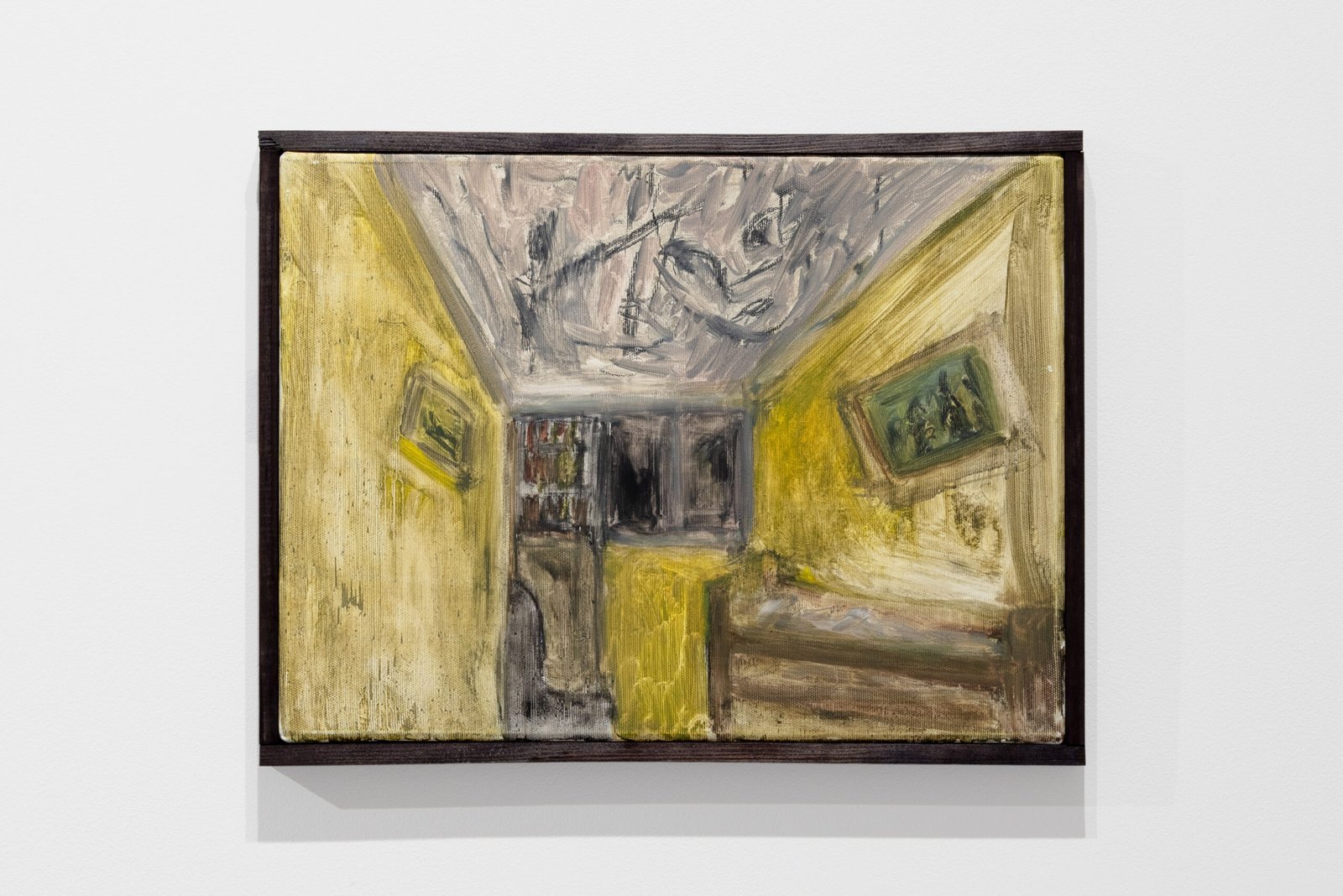
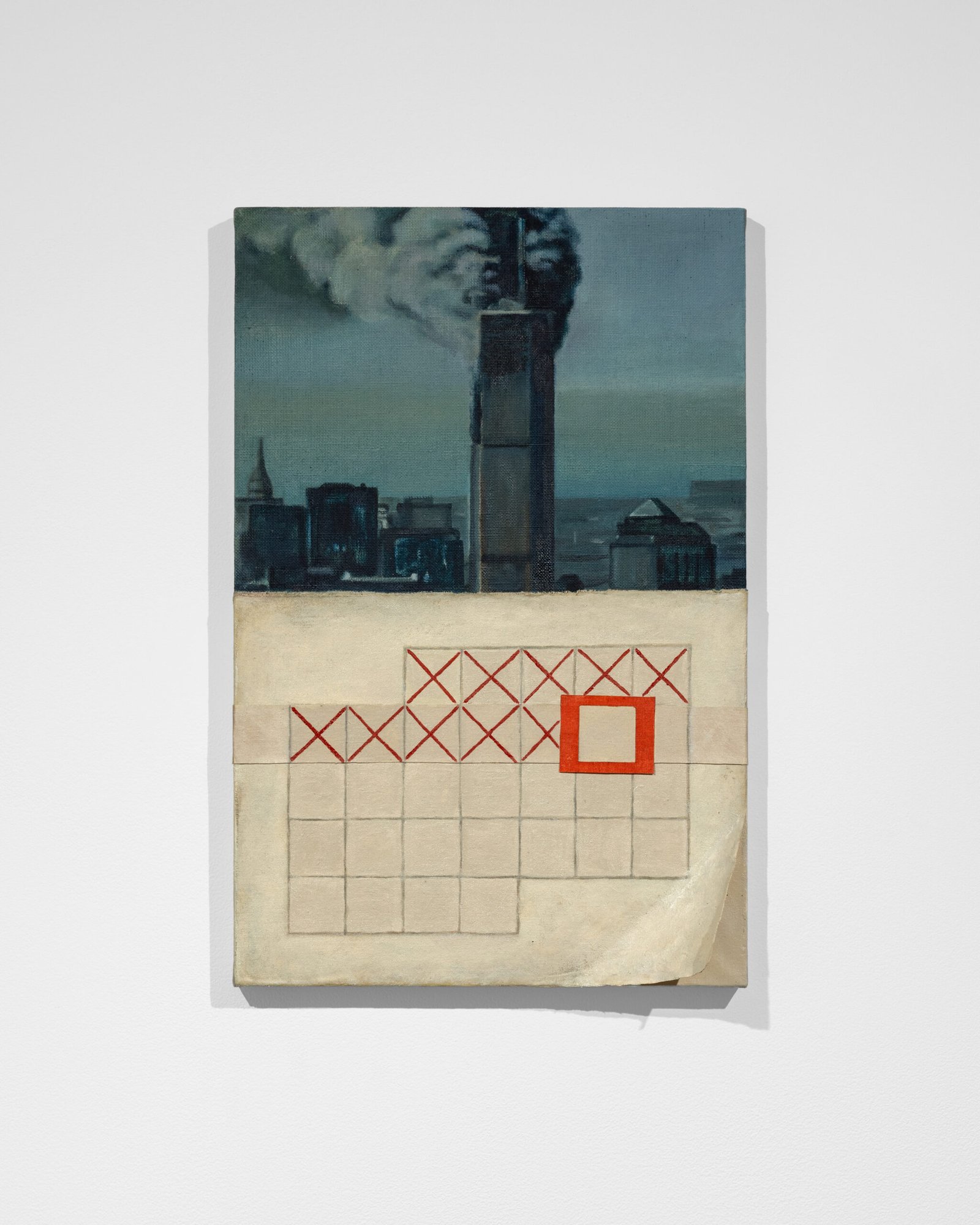
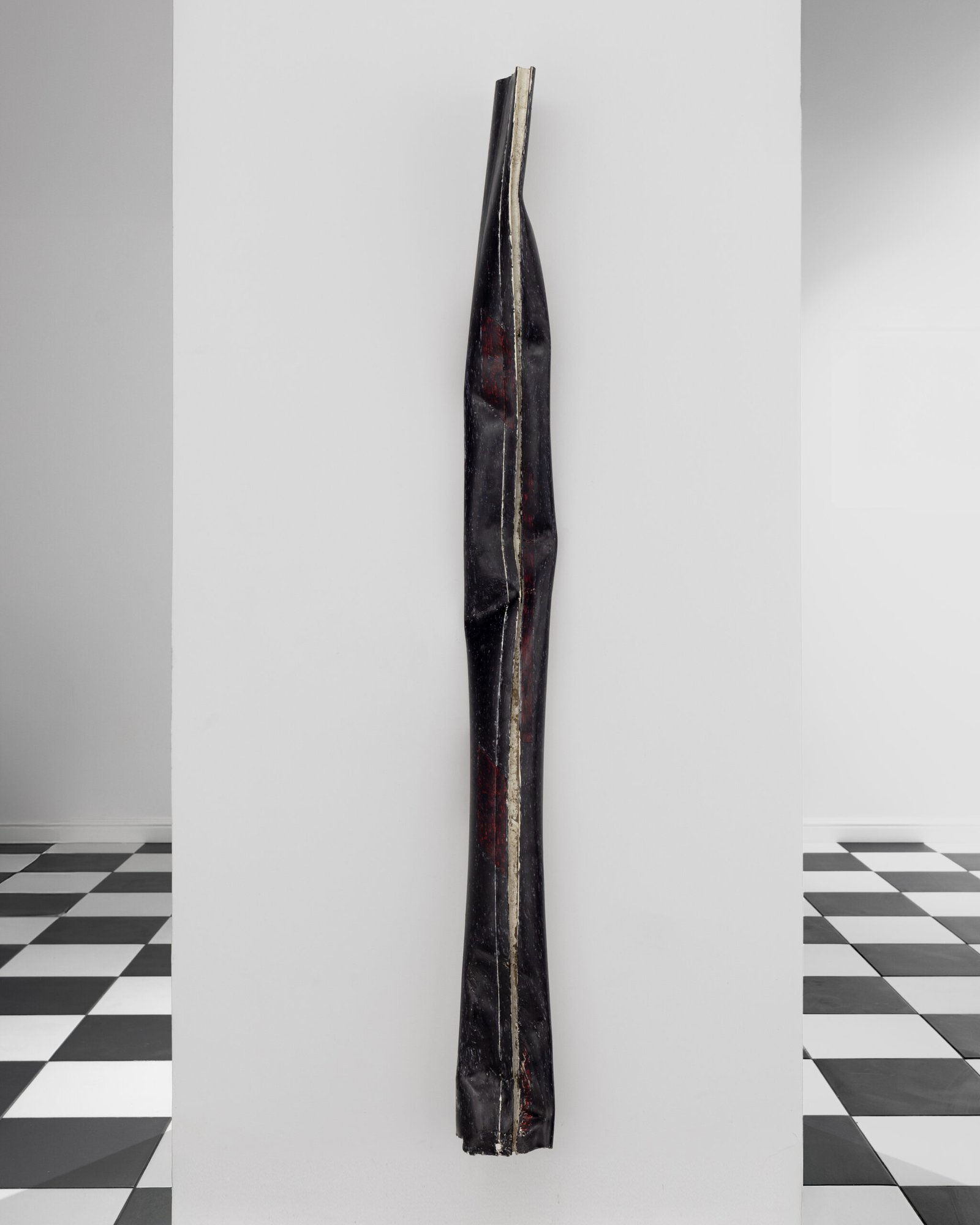
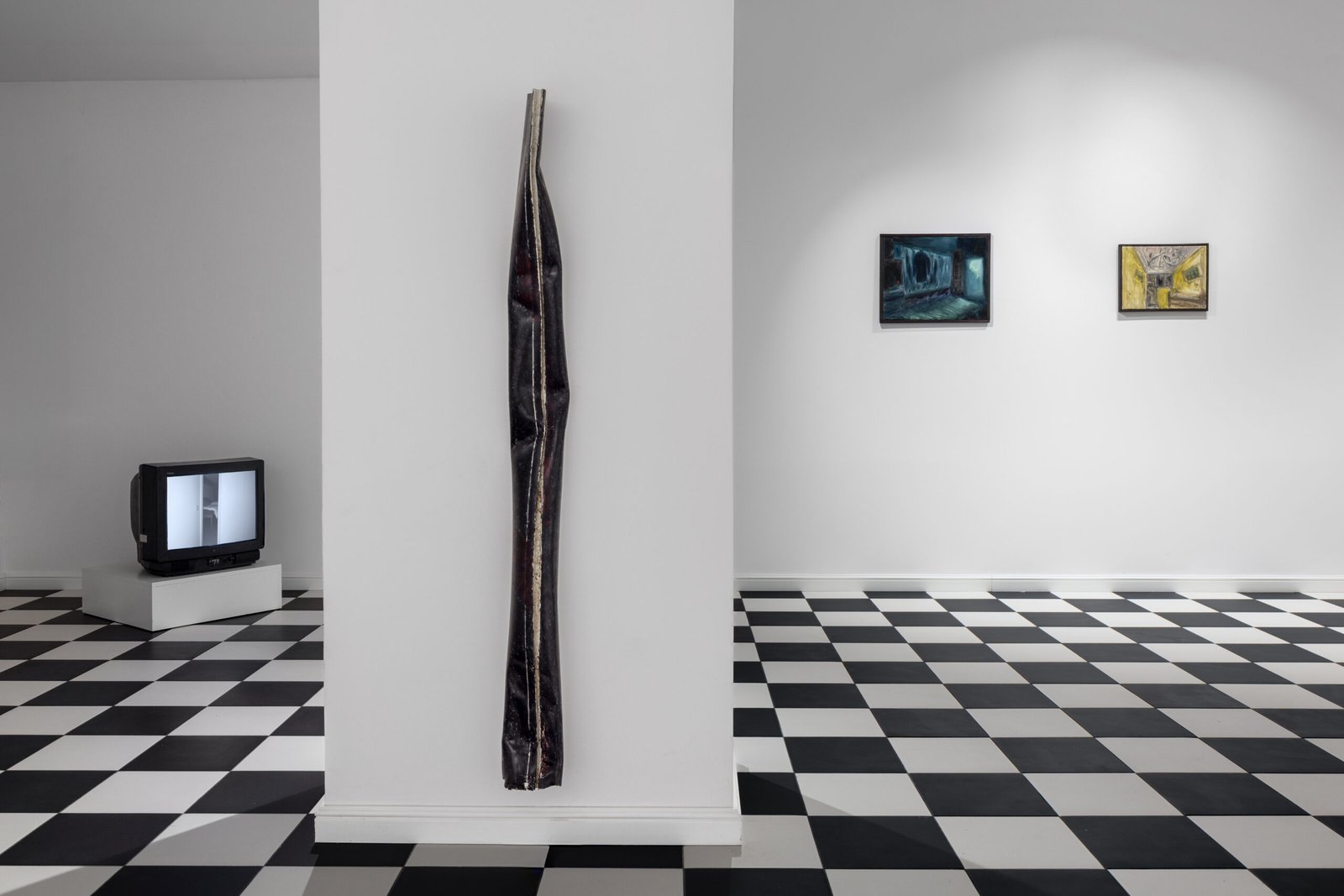
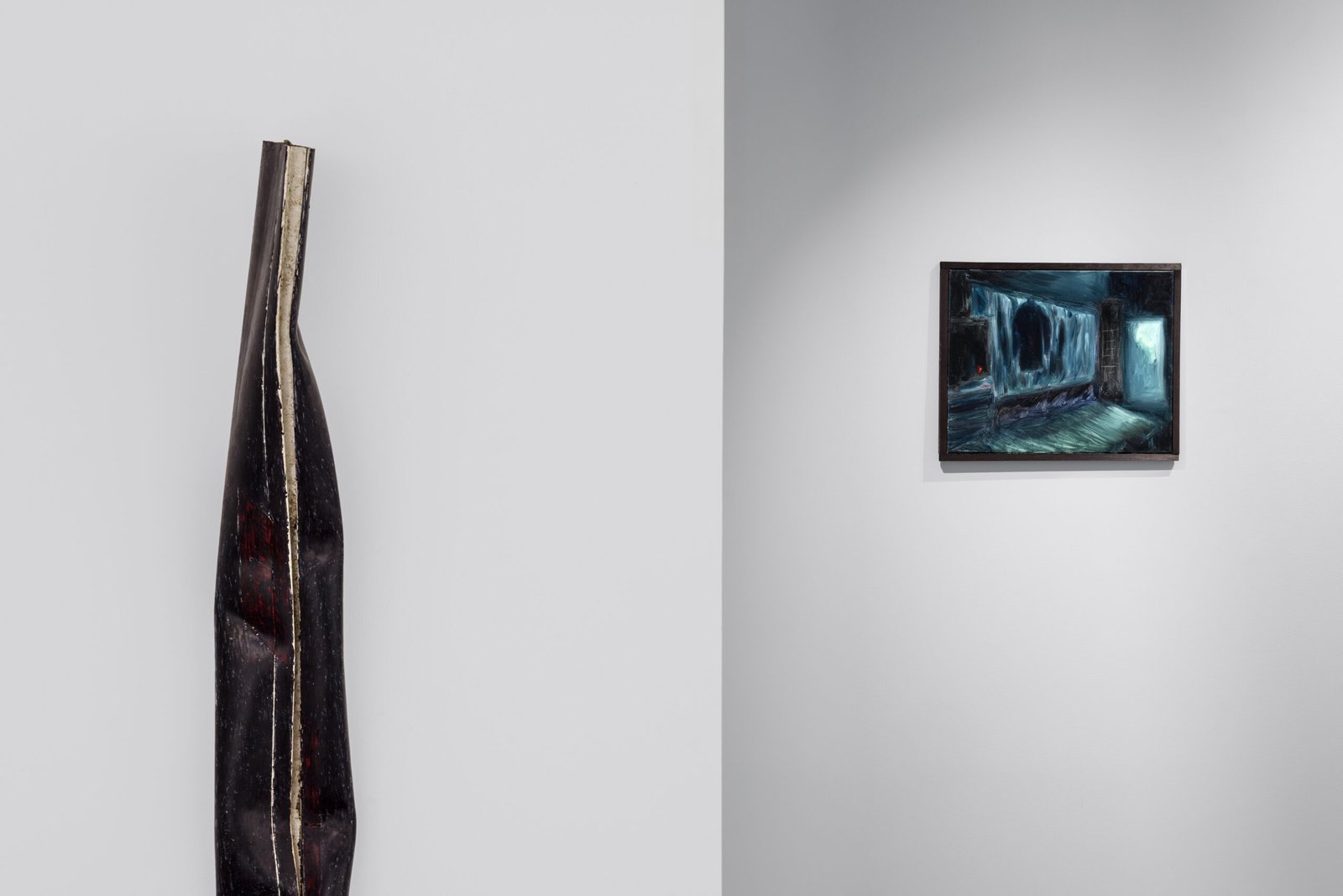
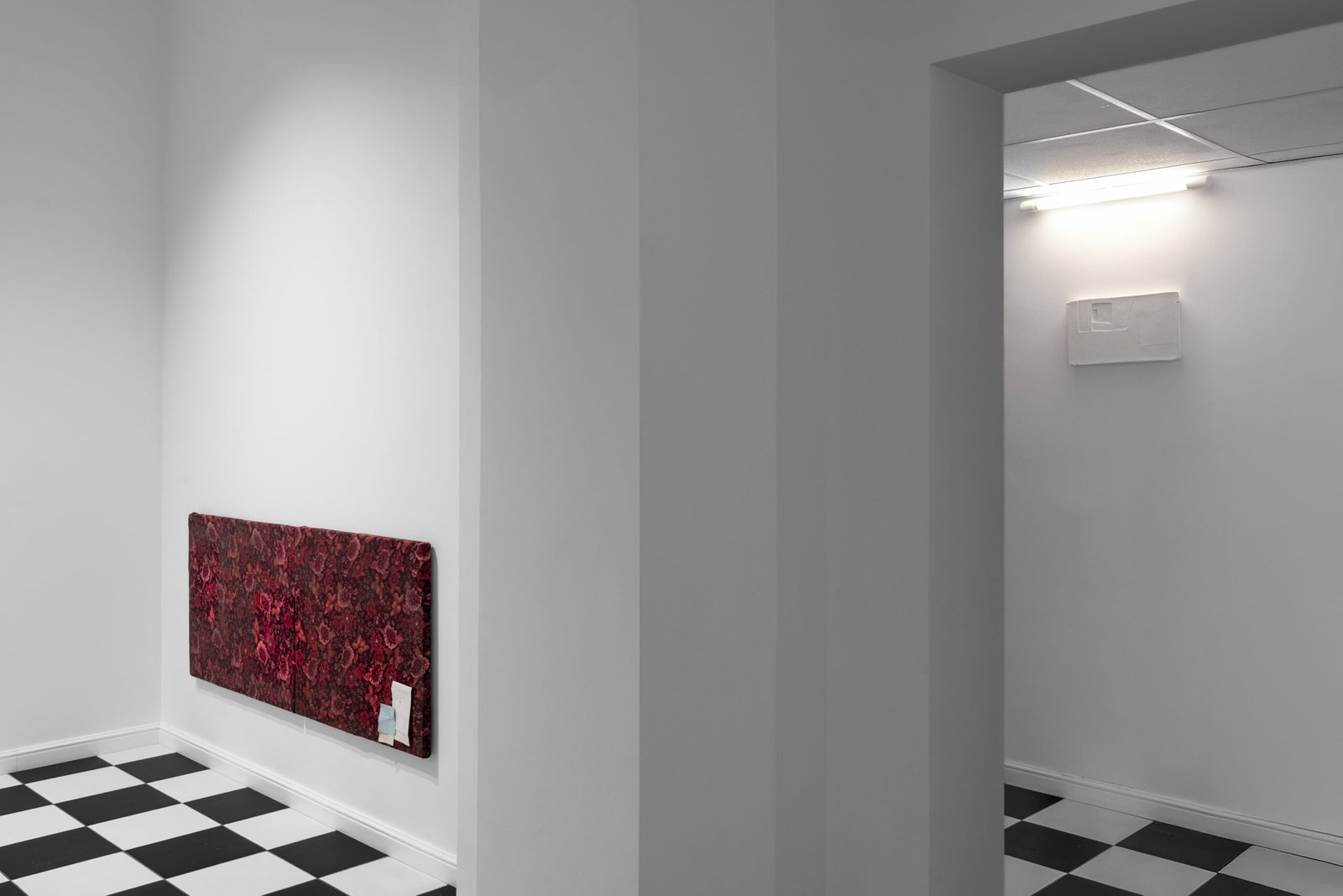
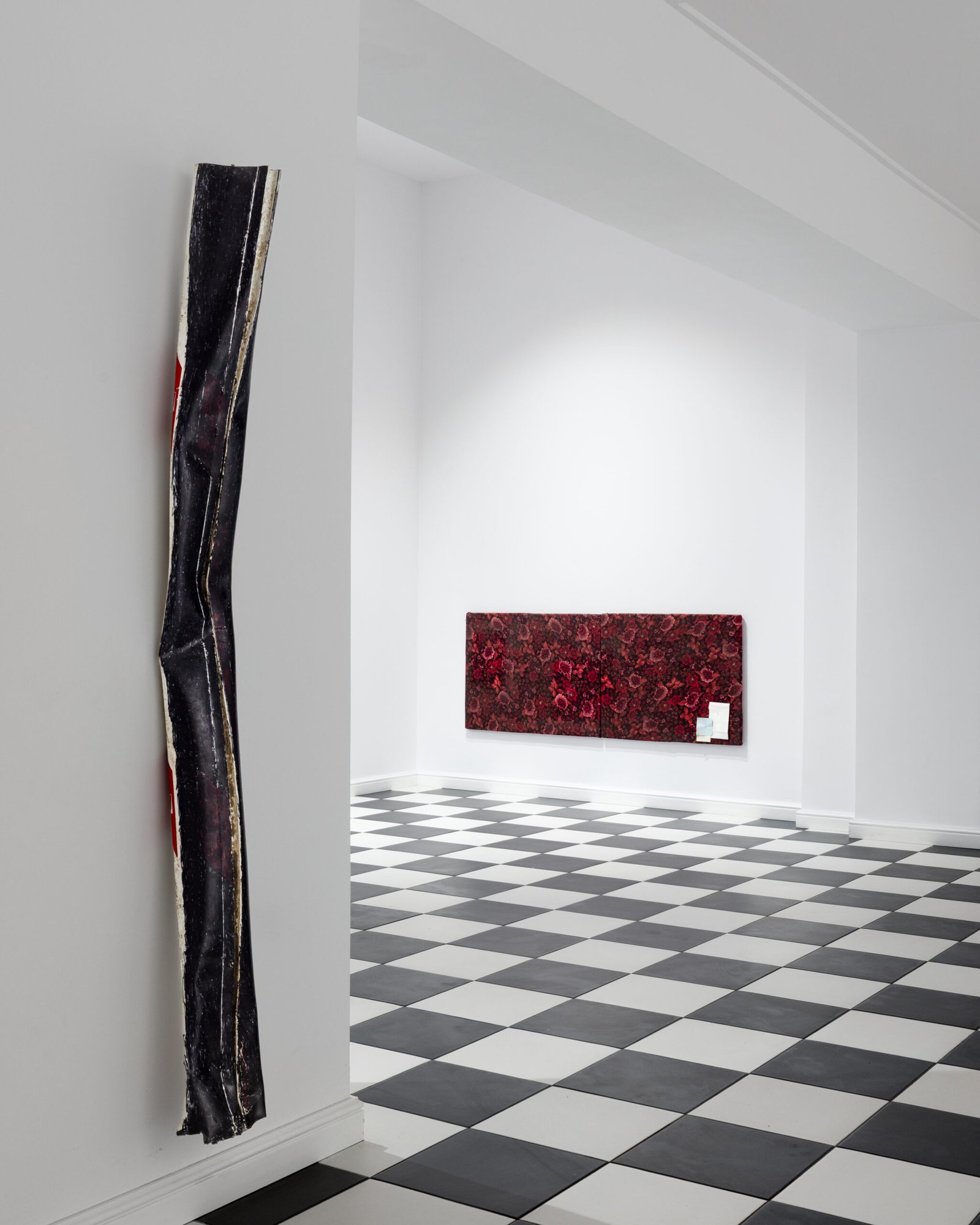
Surrealizing art, as a rule, constitutes a “withdrawal of authority from the regime of conceptual thinking” [6]. It is a field of discomfort; it exposes the mismatch between current language and concrete (not only individual) experiences. This type of practice seeks political potential in areas that have not yet been named or occupied by emancipatory discourses. Unhomely, like any group exhibition, proposes a certain whole. The political dimension of such art lies in creating a vision of consolidating a community of feeling—a community formed around experiences of alienation characteristic of the precariat. Points of mutual recognition here include a streak of light on the ceiling, the darkness behind one’s back in the corner of a room, disturbances in the
sense of time, the languages of interfaces, and the view outside the window—one to which one should not become accustomed. Paradoxically, unity is sought here in experiences of alienation. The title of the exhibition is inspired by Freud’s category of the Unheimliche, commonly translated today as uncanny [niesamowite], although—as Mark Fisher notes—the original meaning is better captured by the adjective unhomely [nieswojskie] [7].
References
[1] Dorota Jarecka, Surrealism, Realism, Marxism. Art and the Communist Left in Poland, 1944–
1948, Institute of Literary Research of the Polish Academy of Sciences, Warsaw 2021.
[2] Walter Benjamin, “Surrealism: The Last Snapshot of the European Intelligentsia,” 1929. In
Walter Benjamin: Selected Writings, vol. 2, 1927–1934. Cambridge: Harvard University Press.
[3] M. Dziewulska, “Surrealism: Commonplace and Attitude,” Dialog 1969, no. 8, p. 93. [Cited in:
D. Jarecka, Surrealism, Realism, Marxism (…)]
[4] See: The Political. A Critical Guide (Krytyka Polityczna) by Chantal Mouffe; Aesthetics as
Politics by Jacques Rancière.
[5] Wisława Szymborska, “Children of Our Age,” in People on a Bridge, 1986.
[6] Rafał Czekaj, “Aesthetics as Critical Theory: The Philosophy of Art of Theodor W. Adorno,”
Maria Curie-Skłodowska University Press in Lublin, Śląskie Studia Polonistyczne 2022, no. 2 (20),
p. 5.
[7] M. Fisher, The Weird and the Eerie, słowo/obraz terytoria, p. 12.
Text author: Adam Nehring